- LOGIN
- MemberShip
- 2026-09-17 21:45:35
- "Childhood obesity is the starting point for adult diseases"
- by Son, Hyung Min | translator Hong, Ji Yeon | 2025-10-27 06:09:53

Especially in growing children and adolescents, obesity is the starting point for adult diseases like diabetes and hypertension, and a factor that determines lifelong health.
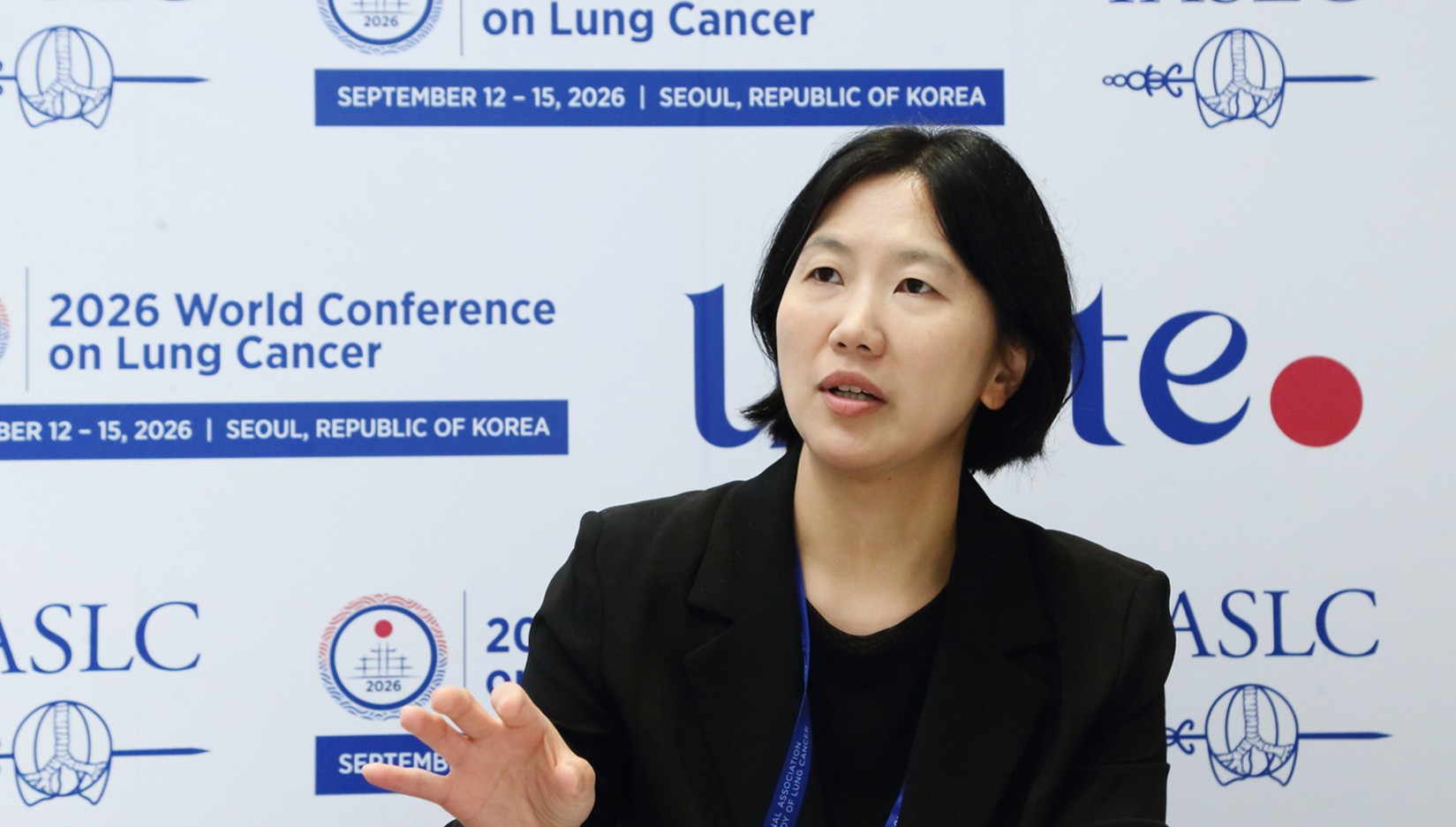
It must be approached as a disease, not just simple weight management." Professor Kyoung-gon Kim of Department of Family Medicine at Gachon University Gil Medical Center, during a recent meeting with DailyPharm, emphasized that obesity is clearly a disease that requires proactive, early intervention.
If neglected, it leads to risks of future cardiovascular disease, diabetes, and liver disease.
The importance of treating obesity in children and adolescents, not just adults, is gaining attention.
The Korean Society for the Study of Obesity (KSSO) recently released its 'Obesity Fact Sheet 2025,' which reported that while the obesity rate in children and adolescents has slightly decreased in the last five years, nearly three out of 10 are still classified as obese.
According to the fact sheet, an analysis of the prevalence of overweight and obesity from 2014 to 2023 showed an increasing trend until 2020, which reversed to a decrease after 2021.
The prevalence of obesity in boys increases from age 8, peaking at 28.3% at age 14.
For girls, the rate increases after age 16, reaching 26.7%.
The higher the parents' Body Mass Index (BMI), the higher the probability of obesity in their children; children whose parents are in obesity class 2 or higher are more than five times more likely to be obese.
The problem lies with the comorbidities of obesity.
There is an increasing incidence of Type 2 diabetes and adult chronic diseases among overweight and obese children and adolescents.
Professor Kim stated, "Ten years ago, Type 2 diabetes in children and adolescents was rare, but recently, we see it frequently in the hospital.
Most cases are caused by obesity.
Since obesity starts earlier and lasts longer in childhood, it shortens healthy life expectancy and increases the risk of complications." The long-term impact of obesity is closely related to the 'timing of exposure.' If chronic diseases or other comorbidities occur during the growth period due to being overweight, there are concerns about a lifelong financial burden of medical care, reduced quality of life, and the onset of complications.
Professor Kim said, "Adult obesity often occurs after other diseases are already present, but when obesity begins at a young age, the impact lasts a lifetime." He stressed, "Child and adolescent obesity is not just an aesthetic issue but a problem that leads to future risks of cardiovascular disease, diabetes, and liver disease." Professor Kim further stated, "Just as uncontrolled hypertension leads to cerebral hemorrhage, heart disease, or kidney damage, obesity itself is a disease that causes organ damage," and added, "It must be understood as a physiological abnormality, not just an appearance problem." "Obesity is not a lack of willpower…requires therapeutic approach" Professor Kim particularly emphasized that lifestyle modification alone has limitations in treating obesity.
He argued that if weight loss is difficult for adults with obesity in terms of willpower, it is much harder for adolescents, who are still growing, to suppress their own appetite.
Professor Kim stated, "Appetite is not a matter of willpower; it is a biological response involving the action of various neurological and hormonal substances secreted by the pituitary gland and adipose tissue," and added, "For this reason, weight loss is difficult with the 'eat less' approach." Recently, the treatment paradigm has been changing with the emergence of additional new obesity drugs, such as the Glucagon-like Peptide-1 (GLP-1) class of drugs.
Consequently, the concept of treatment is gradually taking root among overweight and obese adult patients.
Professor Kim assessed, "In the past, obesity treatments were centered on appetite suppression, but with the emergence of GLP-1 class drugs, we can now regulate the physiological mechanism itself.
The perception of treatment among patients has also changed significantly due to recently launched treatments, and cases of actively considering drug therapy are increasing." However, the use of these drugs in the child and adolescent population is limited.
Currently, only orlistat drugs, 'Saxenda (liraglutide)' and 'Wegovy (semaglutide)' are approved for use in patients aged 12 and older in Korea.
On the other hand, obesity drugs approved relatively recently for adult patients, such as 'Qsymia (phentermine·topiramate)' and 'Mounjaro (tirzepatide),' are still not available for use in obese children and adolescents in Korea.
Professor Kim assessed, "Government regulations are too strict.
There are no approved drugs for children under 12, and the options for those over 12 are limited." He argued, "If efficacy and safety are proven through studies in Korean patients, the government must actively consider approving additional medications." In the case of some new obesity drugs like Qsymia, they are already being used for adolescent patients in the U.S.
While concerns about misuse and abuse may arise, the expert view is that it is premature to make a rash judgment, given the current lack of treatment options.
Professor Kim said, "Qsymia is already approved as an adolescent obesity treatment in the U.S." He said, "Considering the circumstance in Korea, the potential for adolescent misuse and abuse is low.
Overly stringent regulations due to concerns about misuse are undesirable." Beyond the case of children and adolescents, the societal perception that obesity is a disease remains low.
While prevention is most important in child and adolescent obesity, experts believe that proactive treatment is necessary once the disease stage has been reached.
Professor Kim stated, "Drug therapy is maximized only when based on a healthy lifestyle." However, he added, "Adolescents with severe obesity or those with complications such as hypertension, elevated liver enzymes, or Type 2 diabetes need to consider drug treatment actively." Professor Kim emphasized, "For adolescents, for whom lifestyle modification is more challenging than for adults, drug therapy should be combined with education to maintain healthy eating habits and physical activity in the long term."
-

- 1
댓글 운영방식은
댓글은 실명게재와 익명게재 방식이 있으며, 실명은 이름과 아이디가 노출됩니다. 익명은 필명으로 등록 가능하며, 대댓글은 익명으로 등록 가능합니다.
댓글 노출방식은
댓글 명예자문위원(팜-코니언-필기모양 아이콘)으로 위촉된 데일리팜 회원의 댓글은 ‘게시판형 보기’와 ’펼쳐보기형’ 리스트에서 항상 최상단에 노출됩니다. 새로운 댓글을 올리는 일반회원은 ‘게시판형’과 ‘펼쳐보기형’ 모두 팜코니언 회원이 쓴 댓글의 하단에 실시간 노출됩니다.
댓글의 삭제 기준은
다음의 경우 사전 통보없이 삭제하고 아이디 이용정지 또는 영구 가입제한이 될 수도 있습니다.
-
저작권·인격권 등 타인의 권리를 침해하는 경우
상용 프로그램의 등록과 게재, 배포를 안내하는 게시물
타인 또는 제3자의 저작권 및 기타 권리를 침해한 내용을 담은 게시물
-
근거 없는 비방·명예를 훼손하는 게시물
특정 이용자 및 개인에 대한 인신 공격적인 내용의 글 및 직접적인 욕설이 사용된 경우
특정 지역 및 종교간의 감정대립을 조장하는 내용
사실 확인이 안된 소문을 유포 시키는 경우
욕설과 비어, 속어를 담은 내용
정당법 및 공직선거법, 관계 법령에 저촉되는 경우(선관위 요청 시 즉시 삭제)
특정 지역이나 단체를 비하하는 경우
특정인의 명예를 훼손하여 해당인이 삭제를 요청하는 경우
특정인의 개인정보(주민등록번호, 전화, 상세주소 등)를 무단으로 게시하는 경우
타인의 ID 혹은 닉네임을 도용하는 경우
-
게시판 특성상 제한되는 내용
서비스 주제와 맞지 않는 내용의 글을 게재한 경우
동일 내용의 연속 게재 및 여러 기사에 중복 게재한 경우
부분적으로 변경하여 반복 게재하는 경우도 포함
제목과 관련 없는 내용의 게시물, 제목과 본문이 무관한 경우
돈벌기 및 직·간접 상업적 목적의 내용이 포함된 게시물
게시물 읽기 유도 등을 위해 내용과 무관한 제목을 사용한 경우
-
수사기관 등의 공식적인 요청이 있는 경우
-
기타사항
각 서비스의 필요성에 따라 미리 공지한 경우
기타 법률에 저촉되는 정보 게재를 목적으로 할 경우
기타 원만한 운영을 위해 운영자가 필요하다고 판단되는 내용
-
사실 관계 확인 후 삭제
저작권자로부터 허락받지 않은 내용을 무단 게재, 복제, 배포하는 경우
타인의 초상권을 침해하거나 개인정보를 유출하는 경우
당사에 제공한 이용자의 정보가 허위인 경우 (타인의 ID, 비밀번호 도용 등)
※이상의 내용중 일부 사항에 적용될 경우 이용약관 및 관련 법률에 의해 제재를 받으실 수도 있으며, 민·형사상 처벌을 받을 수도 있습니다.
※위에 명시되지 않은 내용이더라도 불법적인 내용으로 판단되거나 데일리팜 서비스에 바람직하지 않다고 판단되는 경우는 선 조치 이후 본 관리 기준을 수정 공시하겠습니다.
※기타 문의 사항은 데일리팜 운영자에게 연락주십시오. 메일 주소는 dailypharm@dailypharm.com입니다.


-
- "Leclaza, the best first-line option…expanded reimb will increase accessibility"
- PALOMA-2 recorded an objective response rate (ORR) of 90 and the 3-year overall survival (OS) rate of 70%…mOS has not yet been reached