
- LOGIN
- MemberShip
- 2026-07-28 17:55:04
- Company
- Daiichi Sankyo's major cardiovascular drugs hit by supply shortages
- by Son, Hyung Min Jul 28, 2026 12:01pm
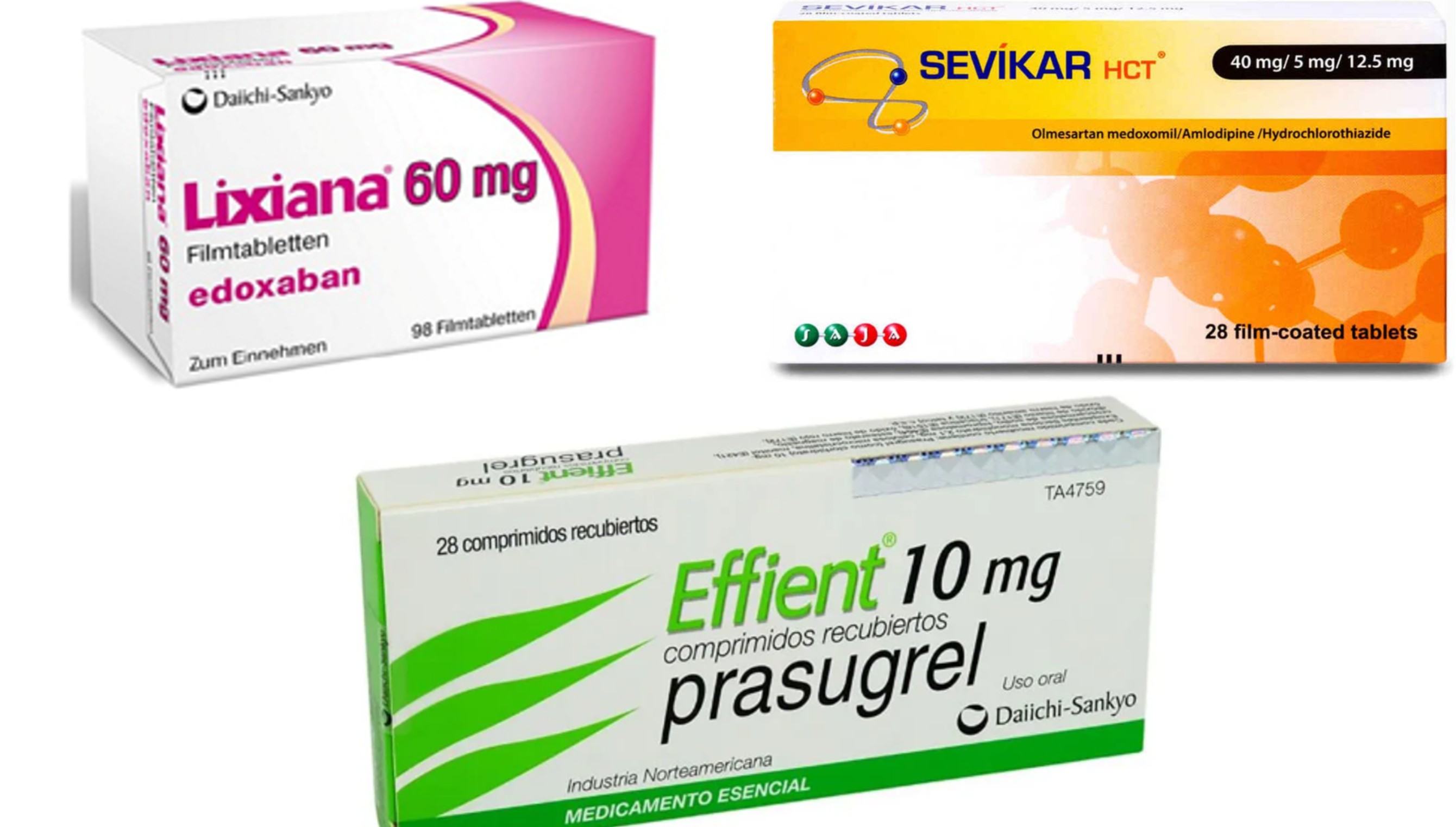
- Supply shortages of Daiichi Sankyo Korea’s major cardiovascular drugs are placing increasing pressure on medical sites.Production and shipment schedules have been delayed due to maintenance work at the company’s overseas manufacturing facility, resulting in simultaneous supply disruptions for the anticoagulant ‘Lixiana (edoxaban),’ the triple-combination antihypertensive ‘Sevikar HCT (olmesartan/amlodipine/hydrochlorothiazide),’ and the antiplatelet agent Efient (prasugrel).Although severity varies by product and strength, supplies of some products have deteriorated to the point that inventories are scarce across distribution channels. Hospitals, clinics, and pharmacies have reportedly been checking remaining stock or considering alternative therapies in an effort to maintain existing prescriptions.According to industry sources on July 28, supply shortages of Lixiana, Sevikar HCT, and Efient have persisted since last month.(Clockwise from the left) Lixiana, Sevikar HCT, and EfientDaiichi Sankyo Korea attributed the disruption to maintenance work at its manufacturing facility in Germany, which delayed production and shipments. The manufacturing issue is understood to be affecting product supplies not only in Korea but also across global markets.A Daiichi Sankyo Korea official said, "The products are not completely out of stock, but we have been unable to distribute enough inventory to meet market demand. However, we assess that the supply issues are gradually easing."Lixiana is currently experiencing the most severe supply shortage. Inventories of Lixiana 15mg and 30mg have virtually been depleted, and it is understood that even 60mg, which had relatively remaining stock, is left with almost no supply capacity.Some healthcare institutions are receiving limited quantities that can only meet individual patient prescriptions. Even major wholesalers and the distribution network of Daewoong Pharmaceutical, which co-promotes the product, have been unable to secure sufficient inventories, making it difficult to fulfill orders from medical institutions.Lixiana is a direct oral anticoagulant (DOAC) indicated to reduce the risk of stroke and systemic embolism in patients with non-valvular atrial fibrillation and to treat deep vein thrombosis and pulmonary embolism. Because anticoagulants are often taken continuously over the long term, supply interruptions may force physicians to switch patients to alternative products within the same class.Sevikar HCT and Efient are also experiencing varying degrees of shortages depending on the strength, but overall, supplies remain insufficient to fully meet demand.Sevikar HCT is an olmesartan-based triple-combination antihypertensive, while Efient is an antiplatelet therapy used to prevent thrombotic cardiovascular events in patients with acute coronary syndrome.Because all three products are maintenance therapies for patients with cardiovascular disease, prolonged supply disruptions could further increase the burden on-site. Even when alternative products or therapies are available, treatment changes must be made carefully based on each patient's clinical condition and response to previous therapy.A distribution industry official said, "Lixiana 15 mg and 30 mg are virtually impossible to obtain, and inventories of the 60 mg strength are also running very low. Even when hospitals place orders, they are often supplied with only part of the requested quantity or with only the minimum amount needed for individual patients."The official added, "Neither wholesalers nor the co-promotion partner have sufficient inventories, suggesting that this is not a problem at a particular distribution stage but rather an overall product supply shortage. The disruption has continued for more than a month, and uncertainty over when supplies will normalize is increasing anxiety in the field."Some speculate the shift in business strategy had an effect… industry eyes timing of supply normalizationThe situation has also prompted speculation that, beyond temporary production issues, changes in Daiichi Sankyo's business priorities may have contributed to the shortage.As competition in the Lixiana market is set to intensify with generic versions of Lixiana expected to enter Korea's National Health Insurance reimbursement system in the second half of the year, Daiichi Sankyo has been focusing its investments on oncology, particularly antibody-drug conjugates (ADCs).The company has been expanding its global oncology business around ‘Enhertu (trastuzumab deruxtecan)’ and ‘Datroway (datopotamab deruxtecan)’ while also accelerating the development and commercialization of follow-on ADCs. As a result, some have questioned whether production and supply of cardiovascular products approaching patent expiry have become a lower priority than in the past.However, as this supply delay is known to have occurred simultaneously in the global market rather than being limited to South Korea, the prevailing view is that it is difficult to interpret it as being directly linked to patent expirations or domestic sales strategies. There is little evidence to suggest the company intentionally reduced supplies to the Korean market because of patent expiration or domestic commercial strategy.The key question now is when supplies will return to normal. If the disruption continues, it could increase the burden of switching prescriptions for hospitals and pharmacies while also causing inconvenience for patients who have been taking these therapies over the long term.Daiichi Sankyo Korea is reportedly coordinating the timing for resuming domestic supply based on the completion of maintenance work at the manufacturing facility and product-specific shipment schedules.
- Policy
- Xtandi price to be cut following generic entry
- by Jung, Heung-Jun Jul 28, 2026 08:57am
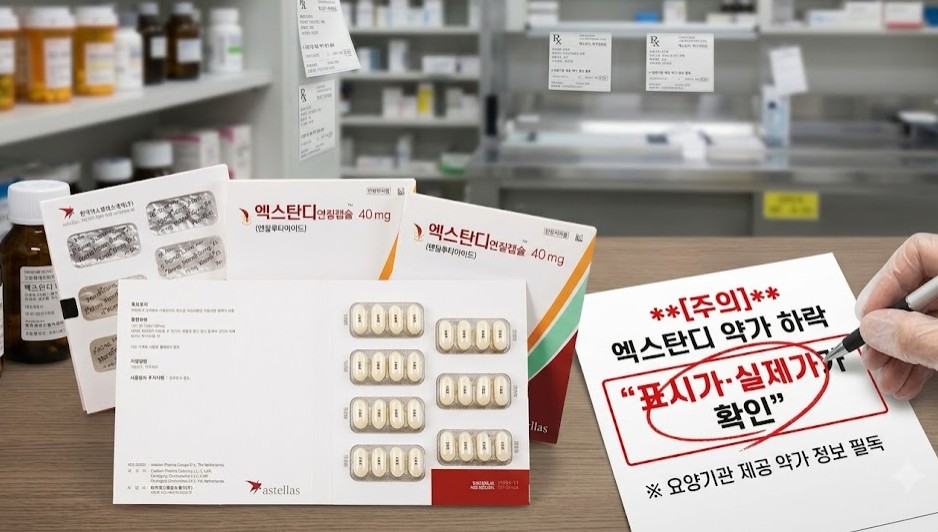
- Reimbursement prices for eight products, including the prostate cancer treatment Xtandi and three pelubiprofen-containing analgesics, will be reduced next month.Xtandi's price will be lowered starting August 1 following the listing of generic versions in late June. Xtandi’s 70% price premium will remain in effect through June next year.However, because Xtandi is covered under Korea's Flexible Pricing Agreement system, its listed reimbursement price will remain unchanged. Healthcare providers are therefore advised to carefully verify the actual reimbursed price using the official drug price information provided to medical institutions.According to industry sources on July 27, reimbursement prices for Astella’s Xtandi Soft Cap 40 mg (enzalutamide), Xtandi Tab 40 mg, and Xtandi Tab 80 mg will be reduced next month.Among the drugs subject to price cuts next month, the actual price of Xtandi should be verified because it is covered by a flexible pricing agreement. AI-generated image.A 70% price premium was applied to the original Xtandi, with generic versions from Hanmi Pharmaceutical, Alvogen Korea, and other manufacturers listed for reimbursement on June 28 following the original drug’s patent expiry. The premium will remain in place until June 28 next year.Because the listed price differs from the actual reimbursed price, healthcare providers should refer to the official reimbursement price information available to authorized users when confirming the reduced price.Prices for three pelubiprofen products– the generic versions Yungjin Pharm's Pelps Tab, Huons' Pelroen Tab, and the salt-modified version Daewon Pharmaceutical's Pelubi S Tab (pelubiprofen tromethamine)- will also be adjusted to KRW 96. The reductions follow the Supreme Court's dismissal of a lawsuit seeking to suspend reimbursement price cuts, after which the original Pelubi Tab was subject to an administrative price reduction in May.DKSH Korea's Romiplate Inj 250 μg (romiplostim) for thrombocytopenia will be voluntarily reduced from KRW 376,881 to KRW 363,313, while the price of JW Pharmaceutical's Rabekhan Tab 10 mg (rabeprazole sodium) for gastroesophageal reflux disease will be reduced from KRW 517 to KRW 514.Meanwhile, reimbursement prices for several products will increase by more than twofold. Following review by the Drug Reimbursement Evaluation Committee, price increases have been approved for single-source medicines deemed essential for patient care that have no therapeutic alternatives or are supplied at relatively low prices.The price of the corneal preservation solution Zenith Pharm's Optisol GS will increase from KRW 152,119 to KRW 330,000. Several products from the Korea Institute of Radiological & Medical Sciences will also receive price increases, including KIRAMS Thallium Chloride (Tl-201) Inj (KRW 30,600 → KRW 34,100), KIRAMS Sodium Iodide (I-123) Solution (KRW 17,000 → KRW 19,100), KIRAMS Sodium Iodide (I-123) Injection (KRW 19,920 → KRW 27,100), KIRAMS Meta-Iodobenzylguanidine I-123 Injection (KRW 48,500 → KRW 49,100).
- Company
- Sales of 7 Celltrion products surpass ₩100 Billion in 1H
- by Chon, Seung-Hyun Jul 28, 2026 08:57am
- Celltrion's recently launched products have become a major growth engine. In the first half of this year, sales from newer products exceeded those of legacy products by more than 60%. 8 of the company's 9 newer products recorded year-on-year sales growth, more than compensating for the stagnation of older products and driving overall revenue growth. The strong performance of higher-margin products also significantly improved profitability.According to Celltrion on July 27, seven of its 12 marketed products generated more than KRW 100 billion in sales during the first half of the year.The products are: Remsima, Truxima, Remsima SC, Yuflyma, Omlyclo, Stoboclo/Osenvelt, and Vegzelma.Celltrion has obtained regulatory approvals in Europe and the US for Remsima, Herzuma, Truxima, Remsima SC, Zymfentra, Yuflyma, Vegzelma, Steqeyma, Stoboclo/Osenvelt, Omlyclo, Avtozma, and Eydenzelt.Remsima is a biosimilar referencing the autoimmune disease therapy Remicade. Herzuma and Truxima are biosimilars of the oncology drugs Herceptin and MabThera, respectively. Remsima SC is a subcutaneous (SC) formulation developed by Celltrion by converting the original intravenous (IV) formulation of Remsima. In the US, Remsima SC received new drug approval under the brand name Zymfentra.Yuflyma is a biosimilar version of the autoimmune therapy Humira. Vegzelma and Steqeyma reference the original drugs Avastin and Stelara, respectively. Stoboclo and Osenvelt are biosimilars of the bone disease therapies Prolia and Xgeva. Omlyclo is a biosimilar version of the allergy and asthma treatment Xolair, while Avtozma and Eydenzelt reference the original products Actemra and Eylea, respectively.AI-generated imageThe growth momentum of newer products significantly outpaced that of the legacy portfolio.Celltrion classifies Remsima, Herzuma, and Truxima, which were launched during the early stages of its biosimilar business, as legacy products. Biologics introduced since 2020—including Remsima SC, Yuflyma, Vegzelma, Steqeyma, Stoboclo/Osenvelt, Omlyclo, Avtozma, and Eydenzelt—are categorized as newer products.Sales from the newer portfolio rose 72.0% year over year to KRW 1.4061 trillion in the first half, up from KRW 817.3 billion a year earlier. In contrast, combined sales of the 3 legacy products edged down 0.4% to KRW 832.0 billion from KRW 835.3 billion. Sales of newer products exceeded those of legacy products by 69.0%, underscoring their role as the primary driver of the company's growth.Among the three legacy products, only Truxima posted sales growth during the first half. Truxima generated KRW 288.8 billion in sales, up 24.8% year over year. Meanwhile, sales of Remsima and Herzuma declined 6.4% and 27.3%, respectively.8 of the 9 newer products recorded higher sales in the first half of this year than last year.Remsima SC generated KRW 356.7 billion in first-half sales, up 20.3% year over year. Yuflyma’s sales increased 21.4% to KRW 309.5 billion from KRW 254.9 billion generated last year.Omlyclo and Stoboclo/Osenvelt reported eightfold and fifteenfold increases in sales, respectively, surpassing KRW 100 billion in half-year sales for the first time. Although Vegzelma's first-half sales declined 17.5% year over year to KRW 114.7 billion, it also exceeded the KRW 100 billion mark.Newer products accounted for 65% of Celltrion's sales in the second quarter of this year, up from 53% in the same period last year.The expanding contribution of newer products is directly enhancing the company’s profitability. Most of Celltrion's recently launched products are sold through the company's own direct sales infrastructure, a structure that delivers higher margins than sales conducted through overseas commercial partners.In the first half, Celltrion posted operating profit of KRW 773.7 billion, up 97.4% year over year, while revenue increased 40.8% to KRW 2.5387 trillion. Its operating margin improved to 30.5% in H1 from 21.7% a year earlier, representing an increase of 8.8 percentage points year over year.
- Opinion
- “Drug pricing intervention contributes to the crisis in essential healthcare and shortage of drugs”
- by Lee, Jeong-Hwan Jul 28, 2026 08:57am
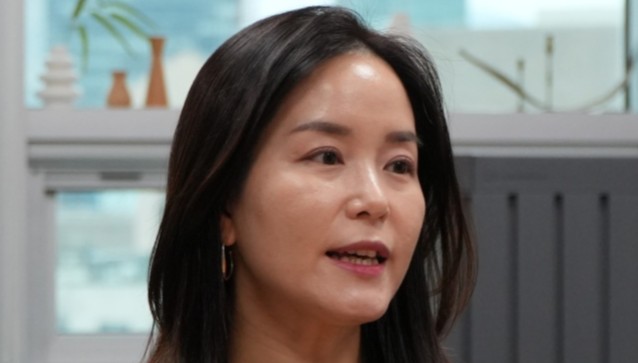
- Representative Jooyoung Lee of the Reform Party has proposed “separating the mandatory national health insurance designation system” and “expanding physician clinical autonomy” as core solutions to strengthen regional, essential, and public healthcare, a primary national policy agenda of the Lee Jae Myung administration.To resolve chronic supply shortages of essential medicines, including pediatric formulations, and to prevent the global pharmaceutical giants from the so-called “Korea passing” phenomenon with ultra-high-cost innovative therapies, Rep. Lee emphasized the need to build a social consensus where the government, patients, and pharmaceutical companies share appropriate cost burdens. Rep. Lee stressed that the ultimate goal must be to establish a regulatory environment that aligns drug reimbursement prices with global standards.According to Lee’s assessment, the fundamental cause behind both the supply disruptions of low-margin essential pediatric drugs and the “Korea passing” phenomenon by multinational pharmaceutical firms lies in the government’s excessively restrictive drug pricing policies.Addressing the conflicts between medical doctors and traditional Korean medicine practitioners, Lee presented a bold policy proposal: applying strict, conservative, evidence-based licensing principles and removing evidence-lacking traditional Korean medicine interventions from National Health Insurance coverage, following a broader social consensus.This proposal draws attention because of Lee’s firsthand experience as a pediatric emergency care specialist and her active legislative service on the Health and Welfare Committee during the first half of the 22nd National Assembly.Representative Jooyoung Lee of the Reform PartyIn an interview at the National Assembly Members’ Office Building in Yeouido on the 26th, Rep. Lee reflected on her achievements in the first half of the Assembly, outlined her goals for the second half, and detailed the path forward for modernizing South Korea’s public health policies.“A policy objective that is not aimed at implementing…must separate the mandatory designation scheme and expand clinical autonomy”Rep Lee criticized the establishment of the “Division of Regional, Essential, and Public Healthcare” within the Ministry of Health and Welfare (MOHW), led by Minister Jung Eun Kyeong, calling it “misnamed”.Rep. Lee analyzed that regional, essential, and public healthcare represent distinct domains with differing mandates. However, the government consolidated them into a single senior executive office without clear conceptual definitions or targeted policy objectives.Lee stated, “Simply consolidating these disparate sectors into a single administrative block prevents the implementation of effective, domain-specific policies.”Rep. Lee further analyzed that the current crisis in essential medical care stems from the Health Insurance Review and Assessment Service's (HIRA) overall cuts to claims and a regulatory administration that is heavily focused on control.In a system where physicians face arbitrary claims reductions even after delivering optimal care to intractable patients, while bearing total civil and criminal liability for clinical outcomes, few medical graduates will choose essential specialties.Consequently, Lee stressed that policies should actively respect and compensate “medical autonomy.” On a broader scale, she urged social consensus around separating the mandatory health insurance designation system for healthcare providers. This would grant physicians active pricing autonomy for their specialized procedures, creating an environment in which they can deliver uncompromised, optimal patient care without resorting to defensive medicine. Rep. Lee further criticized the recent implementation of “monitored reimbursement” schemes, such as those targeting manual therapy, describing them as excessive constraints on both physician autonomy and patient rights to treatment. Lee stated, “Promoting essential healthcare requires giving physicians clinical and economic autonomy rather than pricing procedures individually. Medical students choose aesthetics over vital care because aesthetic medicine allows physicians to reap proportional rewards for excellence, set competitive prices based on skill, and operate in a market-driven environment,” and explained that “This market freedom is precisely why South Korea’s aesthetic and dermatological care became globally competitive and cost-effective.”Medical students and residents currently choosing essential specialties cannot help but feel that their clinical autonomy and future income depend entirely on political shifts,” Rep. Lee stated. “This dynamic implies essential care physicians as ‘civil servants whose fees and procedures are dictated entirely by the government, yet who alone bear all legal liability.’ Calling for the revitalization of essential care while devaluing vital medicine is a fundamental irony.”She noted, “Who would choose essential specialties if, after years of rigorous medical education, every clinical decision and prescription is audited by the Health Insurance Review and Assessment Service (HIRA), while physicians bear sole and disproportionate liability for patient outcomes?”, and added, “Crucially, withholding autonomy from essential care specialists causes clinical techniques to vanish. Today, pediatric surgical procedures have contracted to one-tenth of past levels, and specialists capable of conducting pediatric dialysis have effectively disappeared.”Rep. Lee urged that “If the government intends to expand managed coverage, it must shrink the scope of mandatory benefits. She emphasized that HIRA’s operational structure—which currently incentivizes claims reductions—must shift to excuse cuts upon reasonable clinical justification,” and added, “If government intervention continues to intensify, unconventional and erratic medical practices will inevitably proliferate. It is time to guarantee medical autonomy and seriously consider decoupling from the mandatory health insurance designation system.”“Essential medicines shortage is due to the government’s excessive control on drug pricing…new drugs must be fairly priced”Rep. Lee pointed to excessive government price suppression as the root cause of chronic supply shortages of essential pediatric medications—such as Ativan—as well as the “Korea passing” phenomenon, in which global pharmaceutical firms bypass South Korea with clinically validated, ultra-high-cost novel therapeutics.She warned that unless South Korea reimburses breakthrough therapies at prices aligned with global standards, the country will be thoroughly isolated from the influx of advanced novel drugs.To address ultra-high-cost therapies without overwhelming limited National Health Insurance (NHI) reserves, Lee suggested that the government cover a reasonable portion of the cost while diversifying patient co-payments. This would allow overall pricing to meet global benchmarks without delaying domestic commercial launches.“The supply instability surrounding pediatric and essential medicines, as well as the ‘Korea passing’ of ultra-high-cost, single-dose therapies, stems fundamentally from a failure to recognize fair drug value,” Lee stated. “While it may sound like a call for higher government spending, the price mechanism is the underlying driver. Resolving this requires aligned efforts between the government and the public to reach a broader social consensus.”Rep. Lee noted, “Attempting to cover full drug costs exclusively through National Health Insurance severely strains public finances. Ultimately, South Korea must pay prices aligned with global averages. The government should reimburse what it can afford, while exploring mechanisms to diversify patient cost-sharing.”Lee urged, “The government must recognize the urgency of failures in essential drug supply and delays in novel drug launches. It is time for decisive policy measures to guarantee appropriate pricing for low-margin essential drugs and breakthrough innovations alike. Providing adequate reimbursement and establishing a rational pricing environment will swiftly stabilize local supply chains and enhance patient access.”“If South Korea is perceived globally as a market that aggressively slashes drug prices, domestic pharmaceutical companies will lack the capital required for novel drug R&D. At the same time, multinational firms will increasingly delay launches or exit the domestic market altogether,” Rep. Lee furthered stated, “For high-cost, life-saving drugs, an environment must be cultivated where patients also share an appropriate portion of the financial burden beyond the state-funded coverage limit.”“These issues would not arise if health insurance reserves were sufficient,” Lee added. “For ultra-high-cost gene and cell therapies, calculating parameters like disease prevalence, life expectancy impact, and avoided downstream healthcare costs can inform the creation of a dedicated fund outside the main NHI budget. Establishing a separate funding pool supported by tax incentives would lighten the financial burden on the government, drugmakers, and patients alike, ensuring life-saving treatments reach pediatric patients without delay.”Regarding professional conflicts and the integration of medical fields, Rep. Lee proposed using global scientific standards as the definitive benchmark. She argued that for traditional Korean medicine to achieve formal medical recognition and insurance reimbursement, it must independently demonstrate compliance with international evidence-based standards.Noting that much of traditional medicine currently lacks rigorous scientific validation that meets global standards, Lee raised fundamental questions about universal health insurance coverage for traditional medicine, suggesting that discussions should begin to separate traditional medicine from the core National Health Insurance framework.“First-half achievements in novel drug access…sustained health policy focus in second half”Having served on the Health and Welfare Committee during the first half of the 22nd National Assembly, Rep. Lee will transition to the Education Committee for the second half. Despite leaving the committee, she affirmed that as Chief Policy Officer of the Reform Party and a practicing medical professional, she will continue to address critical healthcare issues rigorously.Specifically, she expressed her intention to leverage her practical expertise on the Education Committee to scrutinize the impending fallout from the government’s expansion of medical school enrollment quotas.according Reflecting on her legislative record, Lee noted, “The most memorable moments were those when my efforts delivered tangible help to patients in need.”Rep. Lee’s key achievements include resolving regulatory deadlocks to expand patient access to combination oncology therapies, maintenance regimens for hematologic malignancies, and adult epilepsy medications. By convening policy forums and persistently pressing health authorities, her office opened new pathways to care for patients fighting critical illnesses.“Receiving letters from patients stating that access to these therapies brought them closer to full recovery was deeply gratifying,” Lee recalled. “Patient advocacy groups that initially approached us with skepticism returned in subsequent years expressing confidence that working with our office yields real change. We also worked to reform perceptions surrounding excessive criminal prosecution in emergency and essential care, planting seeds for systemic change.”Addressing concerns that moving to the Education Committee might distance her from healthcare issues, Lee drew a firm line.“I will continue to speak out on essential health legislation, media discourses, and policy forums. Leaving the Health and Welfare Committee does not mean I will step back from health and welfare issues,” she noted. “My office will continue to champion healthcare and pediatric policies at the party policy committee level.”Rep. Lee emphasized that her new assignment to the Education Committee remains directly intertwined with the healthcare crisis, as the operational and educational disruptions stemming from the medical school quota expansion will first manifest within academic institutions. “I am uniquely positioned to bring sharp, practical scrutiny to these challenges,” she concluded.Although Rep. Lee's committee assignment in the National Assembly is set to shift in the second half of the term, Representative Lee’s focus remains steadfastly anchored on the “clinical frontlines and patients” and “future education.” This is why her upcoming legislative endeavors on the Education Committee is drawing attention.
- Policy
- Supply halted "Keral Inj"…Huons 'first generic' wins nod
- by Lee, Tak-Sun Jul 28, 2026 08:57am
- Product photo of 'Keral Inj" A newly authorized generic injection of dexketoprofen, a nonsteroidal anti-inflammatory drug (NSAID) indicated for postoperative pain management and acute low back pain, is set to alleviate severe domestic supply disruptions in South Korea caused by the discontinuation of the original drug.According to the Ministry of Food and Drug Safety (MFDS) on the 27th, South Korea’s pharmaceutical company Huons officially secured marketing authorization for ‘Huons dexketoprofen Inj.’ The approved product is the first generic equivalent in South Korea referencing ‘Keral Inj’ (dexketoprofen trometamol). It is an innovator drug, and Hyundai Pharm holds its local commercial rights.Keral Inj is an active enantiomeric formulation that contains exclusively the S-enantiomer isolated from racemic ketoprofen, delivering rapid onset of action and potent analgesic efficacy. It has been routinely prescribed to patients requiring rapid pain relief, particularly in surgical postoperative care and acute low back pain settings.However, domestic supply of Keral Inj, imported from Italian pharmaceutical firm Menarini, was halted in January this year following the termination of its active pharmaceutical ingredient (API) supply agreement. Hyundai Pharm formally reported the supply interruption to the MFDS, citing API procurement challenges and leaving clinical sites struggling to secure alternative injectable analgesics. According to MFDS import statistics, Keral Injection recorded an import value of $129,804 (approximately KRW 180 million) in 2024.Although the underlying patents for Keral Inj expired back in November 2013, generic development had remained absent for over a decade. Huons’ successful authorization of the first-in-line generic is expected to stabilize the domestic supply chain of dexketoprofen injectables.The commercialization of Huons’ first generic is anticipated to resolve the supply-demand imbalance within the postoperative pain management market, restoring normal therapeutic options for both healthcare providers and patients.A biopharmaceutical industry source noted, “The sudden domestic supply disruption earlier this year, due to API procurement issues, created significant operational uncertainty across clinical sites, and added, “Given that Huons, a company equipped with specialized manufacturing capabilities in ampoule-packaged injectables, secured rapid authorization to commercialize this first generic, it will contribute substantially to stabilizing the supply of acute pain management therapeutics.
- Policy
- 515 days required from GIFT designation to approval
- by Lee, Tak-Sun Jul 27, 2026 08:43am
- New drugs that received marketing authorization this year (2026) through the Ministry of Food and Drug Safety's 'Global Innovative products on Fast Track (GIFT)' program took an average of 515 days from the designation date to final approval. Although the MFDS has significantly shortened its actual review time, a significant amount of time was taken by the pharmaceutical companies to prepare and supplement extensive global approval data.Dailypharm’s analysis of 10 products (GIFT Nos. 50–59) that obtained marketing approval through the MFDS' GIFT program in 2026 found that the average elapsed time from GIFT designation to final approval was 515.5 calendar days.The fastest approval was achieved by ‘Wainua Autoinjector (eplontersen),’ developed by AstraZeneca Korea for transthyretin-mediated amyloidosis. The product received marketing approval in July 2026, just 305 days after receiving GIFT designation in September 2025.In contrast, Verto Korea’s orphan drug ‘Joenja Tab’ recorded the longest timeline at 801 days, from its GIFT designation in April 2024 to final approval. Other products that took more than a year and a half included ‘Lamzede Inj’ from Kwangdong Pharm (767 days) and ‘Rimqarto Inj’ from Curocell (631 days)l, Korea's domestically developed CAR-T therapy.Time from GIFT designation to approval for key products approved in 2026The average timeline of approximately 17 months (515 days) is largely affected by the period required for companies to prepare and submit supplemental data. In other words, the entire period between GIFT designation and final approval should not be interpreted as a delay in the MFDS review process. Nevertheless, further efforts to minimize the need for additional submissions will be necessary to ensure that patients gain faster access to innovative medicines.Through the GIFT program, the MFDS aimed to shorten the statutory review period by 25%, completing reviews within 90 working days instead of the standard 120 working days. In practice, the agency's actual review time has been shortened, averaging around 60 to 70 days.The challenge arises when the MFDS requests additional information during the review process, at which point the statutory review clock stops. Industry sources noted that because many GIFT-designated products are innovative medicines from global pharmaceutical companies or advanced biopharmaceuticals, it often takes several months, or even more than a year, to coordinate GMP inspections at overseas manufacturing sites, conduct additional analyses of multinational clinical data, complete quality verification, and prepare supplementary materials in consultation with global headquarters.Building on the expertise gained through the GIFT program's ‘expedited review and rolling review’ system, the MFDS is also accelerating efforts to shorten approval timelines for all new drugs.After reducing the average review period for new drug approvals from approximately 420 days to 295 days, the agency introduced a new 240-day review framework in 2026, which is one of the fastest in the world. To support this initiative, it significantly expanded its review workforce and replaced the previous sequential review structure for nonclinical, clinical, and quality assessments with a parallel review system conducted simultaneously across departments.The MFDS has also institutionalized at least two ‘pre-submission face-to-face meetings ‘ before companies file marketing authorization applications to reduce approval delays caused by requests for additional information. By providing guidance and checklists in advance to improve documentation quality, the agency aims to minimize clock-stops during the review process.An MFDS official said, "We are fundamentally transforming the drug review system to create an environment in which patients can gain access to new medicines faster than anywhere else in the world. We will continue strengthening the predictability and transparency of the GIFT program while working closely with industry so that companies can bring innovative medicines to market without the burden of extensive supplementary submissions."
- Company
- Calls for reform in NHI access for third-line mCRC treatment
- by Son, Hyung Min Jul 27, 2026 08:43am
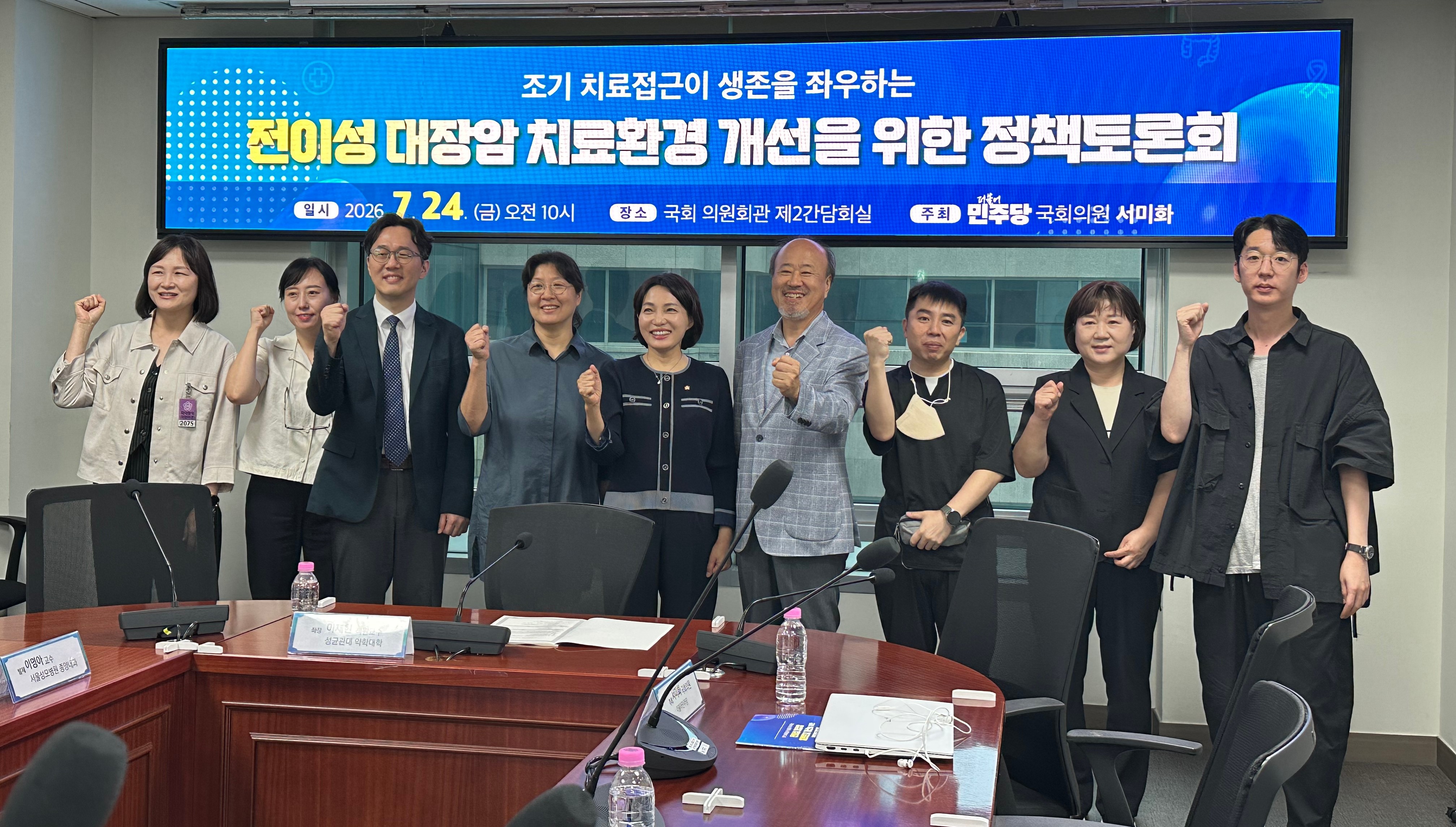
- There is a growing demand in South Korea to improve access to third-line treatments under the National Health Insurance (NHI) for metastatic colorectal cancer (mCRC) to enhance patient survival.While health insurance coverage is relatively comprehensive for first- and second-line treatments in South Korea, global standard-of-care agents used in subsequent lines remain non-reimbursed. In response, health authorities have acknowledged the high unmet medical need in third-line treatment, stating that they are evaluating measures to improve patient access.On the 24th, a symposium titled "Policy Forum for Improving the Treatment Environment for Metastatic Colorectal Cancer Where Early Treatment Access Determines Survival" was held at the National Assembly, hosted by Representative Mihwa Seo of the Democratic Party of Korea.Rep. Seo stated, "In metastatic colorectal cancer, treatment timing and therapeutic access exert a direct impact on overall survival, yet reimbursed options in third-line are not available in South Korea," and added, "A rational reimbursement framework must be established to prevent patients from forfeiting treatment due to financial toxicity."A policy symposium on improving the treatment environment for metastatic colorectal cancer was held on July 24 at the National Assembly Members' Office Building.Third-line treatments are not reimbursed...Leading to drops in treatment ratesPresenting at the forum, Professor Myung Ah Lee of the Division of Oncology at Seoul St. Mary's Hospital diagnosed that as patients with metastatic colorectal cancer progress through sequential lines of therapy, acquired resistance and disease progression progressively deteriorate their systemic performance status. Dr. Lee explained that non-reimbursed drug costs starting at the third-line setting lead to a sharp decline in the proportion of patients maintaining ongoing treatment.Professor Lee pointed out, "Reimbursement is well-integrated through first- and second-line systemic chemotherapy, resulting in a manageable financial burden for patients. However, from the third-line setting onward, patients with good performance status are frequently unable to receive treatment simply because no reimbursed agents exist," and added, "An increasing number of patients are discontinuing treatment despite viable therapeutic opportunities due strictly to financial constraints."Currently, first-line therapy for metastatic colorectal cancer primarily utilizes oxaliplatin- or irinotecan-based cytotoxic chemotherapy in combination with targeted biologics. Second-line treatment involves switching to the alternative chemotherapy backbone not administered in the first-line setting.However, the treatment landscape shifts dramatically following failure of both lines. While a small subset of patients with specific biomarkers can access immune checkpoint inhibitors or targeted agents, the eligible patient population remains narrow.For the majority of patients, global standard-of-care regimens recommended in guidelines, such as the combination of 'Lonsurf (trifluridine/tipiracil)' plus 'Avastin (bevacizumab)', 'Stivarga (regorafenib)', and 'Fruzaqla (fruquintinib)', are all non-reimbursed in South Korea.Professor Lee emphasized, "In the U.S. and Europe, Stivarga, Lonsurf-Avastin combination, and Fruzaqla are recommended from the third-line setting, but none of these regimens are reimbursed in South Korea," and added, "We need a regulatory environment where therapeutics capable of preserving quality of life alongside overall survival can enter the national health insurance benefit umbrella more rapidly."Access to Next-Generation Sequencing (NGS) testing for precision oncology was also pointed out to be resolved, as the absence of genomic profiling data restricts patient eligibility for biomarker-driven novel drugs and clinical trial enrollment.Professor Lee stated, "While international practice is moving toward routine genomic profiling for patients with metastatic or recurrent solid tumors, domestic reimbursement in Korea remains restricted outside of specific cancer types," and expressed concerns that "Consequently, patients who wish to participate in clinical trials for novel therapies often cannot enroll due to a lack of genetic sequencing results."Experts urged that even in third-line and subsequent settings, clinicians must have the therapeutic flexibility to decide the sequence of care based on patient performance status, prior treatment history, and specific toxicity profiles.Professor Dong-Hoe Koo of the Division of Hematology-Oncology at Kangbuk Samsung Hospital explained, "Each therapeutic option possesses distinct efficacy as well as unique toxicity profiles, such as fatigue, thrombocytopenia, hand-foot syndrome, and hypertension,” and added, “Drug selection should be personalized according to prior treatment exposure and individual patient vulnerability to specific adverse events."Dr. Koo added, "Because third-line therapeutics established as global standards remain non-reimbursed in Korea, a patient's financial status directly dictates therapeutic choices," and added, "Reimbursement access must be improved so that patients with preserved performance status can gain survival opportunities through third-line and subsequent therapies."(From left) Min-Jung Kim, Administrative officer at the Ministry of Health and Welfare; So-Young Lee, Manager of the Pharmaceutical Benefit Management Division at HIRA; Professor Dong-Hoe Koo of Kangbuk Samsung Hospital; and Professor Myung Ah Lee of Seoul St. Mary's Hospital.Discussions continue on regulatory reforms to address unmet medical needDuring the panel discussion, structural limitations in the pharmacoeconomic evaluation process and directions for regulatory reform emerged as key agenda items.Reporter Yun-Ho Eo of DailyPharm pointed out that novel therapeutics approved via placebo-controlled clinical trials face structural disadvantages during pharmacoeconomic evaluations, as they are forced to compete against outdated comparator drugs.Eo stated, "Recently, we have observed significant delays between passing the Cancer Disease Review Committee (CDRC) and being tabled before the Pharmaceutical Reimbursement Evaluation Committee (PREC)," and added, "Special policy mechanisms need to be considered for diseases where a new treatment landscape has formed, but cost-effectiveness is inherently difficult to prove due to outdated comparator drugs."Eo added, "Even if a drug does not qualify for a full pharmacoeconomic evaluation waiver or an elevated Incremental Cost-Effectiveness Ratio (ICER) threshold, we need flexible regulatory pathways for drugs occupying an intermediate tier," and added, "Multinational pharmaceutical subsidiaries in Korea must also actively negotiate with their global headquarters rather than abandoning reimbursement due to challenging external environments."Government representatives acknowledged the severity of the coverage gap in third-line metastatic colorectal cancer. They explained that regulatory reforms are underway to incorporate high unmet medical needs into reimbursement decision-making.Lee stated, "We are aware of the reality that patients face due to a lack of options in third-line therapy, and we feel a deep sense of responsibility," and added, "Under the principle that unmet medical needs in life-threatening severe diseases should be evaluated through dedicated mechanisms, we are accelerating regulatory reforms."The government currently operates a "conditional early listing with post-evaluation" pathway for high-cost novel drugs that demonstrate substantial unmet medical need despite limited clinical evidence. Separately, health authorities are evaluating flexible ICER thresholds for therapies indicated for severe diseases where applying standard ICER benchmarks is unfeasible.Lee stated, "A research initiative evaluating the application of flexible ICER thresholds is scheduled for completion around November of this year, after which implementation will proceed," and added, "Even before the completion of this research, working-level staff is thoroughly reviewing data so that the evaluation committee can adequately consider disease characteristics and unmet needs."Lee noted, "In reviewing third-line treatments, including Fruzaqla, we are re-examining the reasons why previous agents failed to secure reimbursement, the criteria applied at the time, and our newly evolved administrative procedures," and added, "Even before the research findings are published, we will fully consider the third-line colorectal cancer reimbursement gap within the committee's existing criteria and authority."Min-Jung Kim, Manager of the Division of Health Insurance Benefits at the Ministry of Health and Welfare, noted, "Because National Health Insurance operates within a finite budget, we must strike a balance between patient access and fiscal sustainability," and added, "We are striving to establish rational reimbursement solutions by comprehensively reviewing the clinical value of therapeutics and their impact on patient quality of life."Kim added, "It is important for pharmaceutical companies to demonstrate proactive negotiation and a willingness to improve patient access," and concluded, "The government will continue driving regulatory improvements to ensure that essential therapeutics are supplied to patients more rapidly."

- Policy
- Differentiated R&D investment ratio applied to innovative pharma
- by Lee, Jeong-Hwan Jul 27, 2026 08:43am
- AI-generated imageThe Ministry of Health and Welfare (MOHW) is implementing the amendment to the "Enforcement Decree of the Special Act on Designation and Support of Pharmaceutical Industry," establishing differentiated annual research and development (R&D) investment thresholds for "Innovative Pharmaceutical Company" certification based on corporate revenue scale and global manufacturing capabilities.Under the revision, variable R&D investment ratios ranging from 7% to 9% will be applied using an annual revenue benchmark of KRW 100 billion. Notably, companies that have secured advanced Good Manufacturing Practice (GMP) certifications from the United States or Europe will be eligible for a lowered threshold of 5%, which is expected to ease the certification burden for drugmakers expanding into international markets. On July 24, according to biopharmaceutical industry sources, the amended Enforcement Decree, which took effect on the 21st, codifies the specific R&D expenditure requirements into three distinct categories under Article 2-2 ("Annual Research and Development Expenditure Requirements"). Differentiated 7–9% R&D sizes based on KRW 100 billion criterion…5% threshold for global GMP holdersFirst, small and medium-sized enterprises (SMEs) and mid-tier pharmaceutical companies with annual pharmaceutical revenues under KRW 100 billion must invest either at least KRW 7 billion annually or at least 9% of their annual pharmaceutical sales in R&D to meet the certification criteria.In contrast, large-scale pharmaceutical enterprises with annual pharmaceutical revenues of KRW 100 billion or more must allocate at least 7% of their annual sales to R&D to qualify for the Innovative Pharmaceutical Company designation. A notable feature of the amendment lies in the relaxed benchmark for companies equipped with global manufacturing capabilities. Pharmaceutical enterprises holding Good Manufacturing Practice approvals (such as US cGMP or EU-GMP) from regulatory authorities in the United States (FDA) or the European Union (EMA) will see their required R&D investment threshold lowered to 5% of annual pharmaceutical revenue. This provision effectively recognizes extensive investments in world-class manufacturing infrastructure as an innovative activity equivalent to direct R&D. Averaged sales from three previous fiscal year…emphasizing accounting transparencyThe amendment also clarifies the specific accounting principles and calculation methods for R&D expenditures and sales. Only revenues and expenses directly tied to "pharmaceutical products" as defined under the Pharmaceutical Affairs Act will be recognized, explicitly excluding performance metrics from non-pharmaceutical business divisions such as health functional foods or cosmetics.To prevent administrative confusion arising from short-term financial volatility, compliance will be evaluated based on the average pharmaceutical R&D expenditure and average pharmaceutical sales over the "immediately preceding three fiscal years," counting back from the fiscal year in which the company submits its certification application. For newly established companies operating for less than three years, metrics will be annualized based on performance generated up to the date of application.To enhance financial transparency, the amendment mandates that accounting for qualifying R&D expenses must strictly adhere to statutory accounting standards established under the Act on External Audit of Stock Companies. Details regarding specific expense items eligible for inclusion under pharmaceutical R&D costs will be outlined in a separate administrative notification issued by the Minister of Health and Welfare.Following the enforcement of this decree, the MOHW is expected to finalize the broader structural amendment of the Innovative Pharmaceutical Company certification system.
- Company
- Voxzogo may be prescribed at tertiary hospitals in Korea
- by Eo, Yun-Ho Jul 27, 2026 08:43am
- Voxzogo, Korea’s first treatment for children with achondroplasia, has gained a foothold in general hospitals in Korea.According to industry sources, Voxzogo (Vosoritide), which Samoh Pharm licensed from BioMarin Pharmaceutical, has been approved by the drug committees (DCs) at 10 hospitals nationwide, including four of Korea's ‘Big 5’ hospitals—Samsung Medical Center, Seoul National University Hospital, Asan Medical Center, and Severance Hospital—as well as Keimyung University Dongsan Medical Center and Chungnam National University Hospital.Following its inclusion on the National Health Insurance reimbursement list last month, the therapy has been rapidly expanding its prescribing footprint.Voxzogo targets the FGFR3 signaling pathway, which is involved in the underlying cause of achondroplasia. In Korea, it was designated as the 10th product under the Ministry of Food and Drug Safety's Global Innovative Products on Fast Track (GIFT) program and approved for pediatric patients aged 4 months or older with achondroplasia with open growth plates.Under the reimbursement criteria that took effect in June, eligible patients are children aged 4 months or older with a confirmed FGFR3 mutation by genetic testing. Patients must have open growth plates and must not have undergone limb-lengthening surgery.To continue treatment, patients are evaluated every 6 months. Therapy is discontinued if the growth plates close or if the patient's annual growth velocity fails to meet the required threshold.Achondroplasia is not simply a condition characterized by short stature. In addition to impaired growth, patients may experience disproportionate body proportions, orthopedic complications, neurological complications, respiratory problems, limitations in daily functioning, and psychosocial burdens.Accordingly, the goal of treatment extends beyond increasing height. The therapy holds significance in that it improves growth while lowering the burden of long-term health management, thereby improving the quality of life for patients and caregivers.Meanwhile, Voxzogo demonstrated its efficacy in a Phase III clinical trial. In a study involving 121 pediatric patients with achondroplasia aged 5 to 14.9 years, the Voxzogo group showed an increase in annualized growth velocity of 1.40 cm/year from baseline after 52 weeks of treatment, whereas the placebo group experienced a decrease of 0.17 cm/year, demonstrating a statistically significant improvement of 1.57 cm/year.

- Opinion
- ‘GSK will continue bringing innovative drugs to Korea’
- by Son, Hyung Min Jul 27, 2026 08:43am
- This year marks the 40th anniversary of GSK Korea. Since its establishment in 1986 with a focus on infectious disease prevention and basic public health, the company has steadily reshaped its portfolio, expanding from respiratory diseases and immunology to infectious diseases and, more recently, oncology.Korea is one of the key countries where GSK concentrates its R&D capabilities. Last year, GSK Korea conducted a total of 60 research projects, including global clinical trials, post-marketing surveillance studies, non-interventional studies, and investigator-initiated trials. Approximately 5,838 Korean patients participated in these studies, while the company's R&D investment reached KRW 31.7 billion during the same period.Approaching both the first anniversary of his appointment and the company's 40th anniversary, Gunnar Riediger, who assumed leadership of GSK Korea in August last year, outlined a vision that positions Korea as more than simply a commercial market for its pharmaceuticals. Riediger said the company aims to expand opportunities for Korean healthcare professionals and patients to participate in global new drug development while strengthening its role in bringing innovative medicines to Korean clinical practice more quickly.At a recent meeting with reporters, General Manager Riediger said Korea is among the key countries executing GSK's global strategy, expressing his stance to expand clinical development and the introduction of innovative medicines continuously. In addition, he presented plans to continue investment in the Korean market, focusing on respiratory and immunological disorders, oncology, HIV, and vaccines."Korea has world-class healthcare capabilities"...Recognized as a key clinical development hubGunnar Riediger, General Manager of GSK KoreaRiediger said the most impressive aspect of Korea during his first year has been its world-class healthcare infrastructure and research capabilities.He believes these strengths are further enhancing Korea's role in the global new drug development process."Reflecting on my experience over the past year, Korea's healthcare infrastructure has been impressive. The country possesses world-class human resources including medical experts, healthcare professionals, and clinical trial researchers. Together, these strengths create an outstanding environment for carrying out global clinical development projects.”GSK is currently conducting around 70 clinical development programs in Korea, primarily in oncology and immunology. The portfolio spans both early- and late-stage development, and Korea is regarded as one of the company's top 10 countries in its global clinical development strategy.Riediger said. "Korea is an important strategic market for GSK from a clinical research perspective, Its capability to conduct research across the full spectrum of development, from early-stage to late-stage clinical trials, means it will continue to play a significant role in our global R&D efforts."He also emphasized that innovative medicines must ultimately reach patients, and that fostering the environment is as important as R&D.Riediger said, "Innovation should not end at R&D. What matters is ensuring that patients can actually benefit from it. Going forward, GSK Korea will continue working with the government, the medical community, and other stakeholders to improve patient access to innovative medicines and contribute to the advancement of Korea's healthcare."Expanding portfolio around core therapeutic areas..."We will continue introducing innovative medicines"Riediger said GSK Korea will continue introducing new medicines and expanding indications in line with GSK's global R&D strategy, focusing on the company's core therapeutic areas.GSK's key R&D focus areas include respiratory, immunology and inflammation, oncology, HIV, and infectious diseases and vaccines. According to Riediger, GSK Korea is likewise expanding its research activities and product portfolio in line with the company’s global strategy.Over the past year, the company has made notable progress in hematologic malignancies. Omjjara (momelotinib), a treatment for myelofibrosis, secured National Health Insurance reimbursement listing following its launch in Korea, while Blenrep (belantamab mafodotin), an antibody-drug conjugate (ADC) for multiple myeloma, was also introduced to the Korean market.Riediger said, "What we have achieved for Korean patients over the past 12 to 18 months demonstrates that GSK's strategy of focusing on core therapeutic areas is translating into tangible outcomes. While continuing lifecycle management through indication expansions for existing products, we are also preparing to introduce new treatment options in solid tumors and hepatitis B."He added, " As the approximately 70 clinical development projects currently underway begin to bear fruit, Korean patients will continue to gain access to new treatment options over the coming months and years."Going forward, GSK Korea is also expected to play an expanded role in disease prevention. The company has long established a strong presence in Korea's pediatric vaccine market through participation in the National Immunization Program (NIP). However, as Korea enters a super-aged society, the importance of vaccination for adults and older populations is increasing, while government support remains largely focused on children.These demographic changes present both new opportunities and new challenges for GSK Korea. The company has built an adult vaccination portfolio that includes the RSV vaccine ‘Arexvy’ and the shingles vaccine ‘Shingrix.’ Alongside maintaining its competitiveness in pediatric vaccines, expanding awareness of the clinical value and societal importance of adult immunization and fostering the market for vaccination among older adults will be key priorities under Riediger’s leadership.Riediger said the role of vaccination must evolve as Korea enters a super-aged society. He explained that the national vaccination policy should expand beyond children's immunization to address the emerging healthcare needs of an aging population."GSK has long contributed to Korea’s National Immunization Program. Based on the available data, we have continued to emphasize that policymakers need to pay greater attention to the evolving healthcare needs of an aging population. A prevention-focused approach must be reflected in national healthcare policies and strategies.""Vaccination is no longer limited to preventing infectious diseases. Its broader value, including reducing caregiver burden, lowering healthcare costs, decreasing hospitalizations, and improving quality of life, should also be taken into account. Particularly in a country like Korea, which has transitioned into a super-aged society, a prevention-focused approach can serve as an important foundation for the healthcare system."
