
- LOGIN
- MemberShip
- 2026-06-13 22:25:17
- Policy
- "Fastest review in the world…K-bio global competitiveness"
- by Lee, Tak-Sun Jun 05, 2026 09:36am
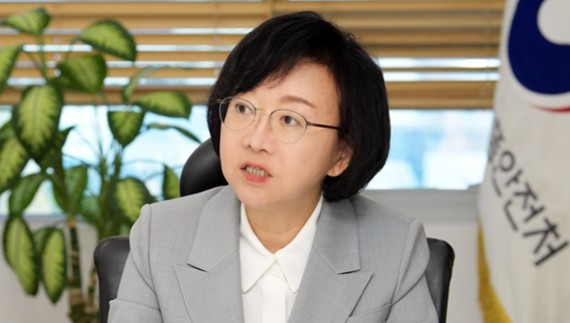
- Minister Yu-Kyoung Oh of the Ministry of Food and Drug Safety (MFDS) highlighted milestones of her ongoing regulatory reform initiative, stating a robust commitment to driving the global expansion of the South Korean pharmaceutical-biotech sector. In an exclusive interview marking the anniversary of Daily Pharm, Minister Oh said 'regulation is not operational hurdles' but 'protective boundaries and a support system,' highlighting goals of establishing a virtuous cycle of patient safety and industrial growth.Addressing a long-standing industry bottleneck, the MFDS finalized its 'Medical Product Marketing Authorization and Review Innovation Plan,' which dramatically compresses the review timeline for novel drugs to a world-class standard of 240 days. The plan was officially enacted on June 1, Daily Pharm's founding anniversary. The initiative deploys 195 highly qualified new personnel across core technical divisions to significantly elevate review expertise.In accordance with the innovation plan, the MFDS began accepting applications for 'pre-submission face-to-face consultations' on June 1. Selected applications will be managed under the dedicated review teams. To maximize administrative efficiency, the MFDS is shifting away from legacy sequential review workflows, previously necessitated by workforce constraints, toward a concurrent, parallel review matrix where multiple specialists evaluate technical dossiers simultaneously across distinct disciplines.Furthermore, the MFDS is accelerating its digital transformation by integrating artificial intelligence (AI) into the complex, voluminous drug approval process. Following the establishment of the 'Food and Drug AI Transformation Task Force' in February, the MFDS launched a three-year, multi-phase initiative dedicated to constructing an advanced AI-driven regulatory review framework.The initial phase will be launched this October, utilizing AI tools to evaluate CMC (Chemistry, Manufacturing, and Controls) and quality data for both active pharmaceutical ingredients (APIs) and finished drug products, with plans to progressively expand AI utilization across the entire novel drug evaluation spectrum by 2028.Minister Oh emphasized that the international credibility of a domestic regulatory body directly correlates with a nation's industrial competitiveness. The MFDS recently achieved full functional listing on the WHO List of Authorities (WLA) register for both medicines and vaccines. Excluding traditional benchmark jurisdictions such as the US, EU, Canada, and Switzerland, South Korea's MFDS is the sole regulatory authority globally to provide comprehensive validation across all functional parameters for both therapeutic sectors.Based on this enhanced global reputation, the MFDS was recognized as a reference regulatory authority by the UAE in January and Lebanon in April, expanding South Korea's footprint to seven reference nations, which also include the Philippines, Paraguay, Egypt, Ecuador, and Nigeria.The following is a summary of the interview with Minister Oh.Q. The pharma-biotech industry holds high expectations for the MFDS's regulatory overhauls. What are the ongoing initiatives and public-private collaborative strategies for this year?The MFDS has consistently driven regulatory overhauls to fortify public trust while empowering commercial developers. It is encouraging to see positive feedback from the field. This year, we remain dedicated to actively capturing industry feedback and executing agile reforms that yield immediate, palpable results.Primarily, we have instituted a 240-day review cap for novel therapeutics, compressing what was historically a lengthy and frustrating process to match the fastest international standards, effective June 1.By expediting the review cycle for innovative drugs, biosimilars, and cutting-edge medical devices, we aim to expand patient access to treatment while significantly enhancing the global market standing of our domestic life sciences sector.Furthermore, the CDMO Act, designed to underpin the biomanufacturing ecosystem, will be implemented this December. The framework introduces a new export manufacturing registration registry to stimulate cross-border commerce, complemented by structured regulatory consultations on GMP compliance for contract manufacturing facilities to accelerate K-Bio's international expansion.The 'Innovative Product Pre-consultation Hotline' has also been operational since March, offering a streamlined, one-stop advisory portal that provides customized feedback and preliminary evaluations from early discovery through the formal filing stage.Additionally, we have improved orphan drug designation criteria to facilitate rapid market entry for rare disease therapeutics and expanded expedited import mechanisms for self-administered medications to ensure timely patient access to critical therapies.These systemic overhauls are fundamentally rooted in gathering public opinions. We continue to operate our policy-linking open forums to translate corporate and public feedback directly into regulatory directives, with a parallel focus on emerging entrepreneurs and small business operators.Since May, we have initiated a series of regional forums across six major domestic clusters to capture localized industrial needs. This feedback will be synthesized into a formalized regulatory roadmap slated for public disclosure this July.We plan to intensify our stakeholder-centric administrative model by ensuring absolute transparency in our policy implementation metrics and running continuous post-hoc audits to confirm that these reforms are operating successfully on the ground.Q. Following recent breakthroughs such as the WHO Listed Authorities (WLA) listing, the international stature of the MFDS has risen. What are your strategic plans for international engagement to further promote export growth?In the global market, commercial products are evaluated alongside the capabilities and scientific rigor of the regulatory bodies that oversee them. Because regulatory trust maps directly to asset valuation and national competitiveness, the MFDS has successfully become a premier global regulator.Achieving a comprehensive listing across all functional blocks on the WHO WLA register for both medicines and vaccines establishes South Korea as the only nation outside the traditional quad of the US, EU, Canada, and Switzerland to secure such a validation. This milestone serves as an objective, international endorsement of the expertise of our regulatory framework. Based on this global achievement, we secured reference authority status in the UAE and Lebanon this year, bringing our total to seven reference nations.This institutional credibility translates into reduced transactional friction, lower operational costs, and smoother market entry for domestic developers expanding overseas, demonstrating that regulatory diplomacy serves as a practical trade facilitator.Furthermore, South Korea's selection as host of the International Coalition of Medicines Regulatory Authorities (ICMRA) Summit this November reflects our growing leadership. We intend to spearhead international regulatory harmonization in emerging areas such as AI and advanced therapeutics, reinforcing our regulatory leadership to champion the global commercialization of K-Pharma actively.Q. To sustain the 240-day novel drug review mandate, 195 new personnel have been deployed. Are the core operational pillars, including the pre-submission face-to-face consultations launching this June, executing on schedule?The revised framework went live on June 1, structured around three core operational shifts designed to grant patients rapid access to innovative therapies while preserving safety margins.There are three main items to this innovation plan. First, we will introduce a preemptive regulatory support service starting from the 'submission dossier preparation phase' to support systematic data compilation by the industry. In the 'application submission phase', a new 'pre-submission face-to-face consultation' will be introduced to preemptively identify and resolve hurdles to marketing authorization, and a dedicated review team will be established to build a tailored, close communication system throughout the entire marketing authorization and review process. In the review phase, we plan to dramatically increase review speed by transitioning from sequential reviews, which were previously unavoidable due to limited review personnel, to concurrent and parallel reviews, where multiple reviewers evaluate dossiers simultaneously within their respective specialized disciplines.Starting June 1, the industry can apply for the 'pre-submission face-to-face consultation', and the submitted items can receive marketing authorization within 240 days through relevant procedures after the consultation.The MFDS will continue to promote innovation in medical product marketing authorization and review without a hitch, ensuring greater safety while accelerating review speed to the fastest in the world, thereby spearheading the global competitiveness of the K-Bio industry and expanding treatment opportunities for the public.Q. What is the current status of integrating AI technology to shorten the marketing authorization review timeline, and what are the countermeasures regarding data security concerns?The MFDS established an Information Strategy Plan (ISP) last year to preemptively utilize AI in massive and complex pharmaceutical marketing authorization and review workflows, and created the 'Food and Drug AI Transformation Task Force' this February to centralize its capabilities.A project to construct an AI-driven review system will be executed for three years starting this year, launching services this October with CMC and quality (drug substance, drug product) evaluation data for novel drugs, and progressively expanding the scope to cover comprehensive novel drug reviews by 2028.We anticipate that reviewers will be supported during the marketing authorization and review process by AI functionalities, such as large-scale document translation, summarization, historical precedent searches, and draft generation of review reports, enabling a more meticulous yet expedited review process.Furthermore, the AI review system will install AI servers and models within the secure internal government network to prevent the leakage of proprietary submission data and ensure impeccable security management.The MFDS will lay the foundation for securing international-standard review quality by optimizing marketing authorization and review workflows using AI, such as automating simple, repetitive tasks in real time.Q. Achieving two objectives of 'ensuring safety' and 'industry revitalization' concurrently does not seem easy. As the longest-serving Minister, we would like to hear about your expertise and the challenges you face.It is common for people to view regulation as a financial cost or an operational hurdle. Indeed, there were such aspects in the past, and the logic that emphasizing safety directly translates into a barrier to industrial development used to prevail. However, with technological innovations like AI increasingly part of daily life, the regulatory paradigm is shifting.Sustainable industry growth is only possible when it is backed by safety. We frequently observe historical cases in which a failure to secure safety downstream has led to catastrophic risks, such as large-scale product recalls or severe erosion of brand equity. Safety is like a perimeter fence. When the fence is strong, the industry can grow healthily within it. We are striving to ensure that MFDS regulatory validation guarantees product credibility and translates into product competitiveness, serving as a springboard to clear global regulatory barriers.Another point I would like to emphasize is that when novel technologies like AI emerge, the industry can easily fall into disarray if there are no laws or frameworks in place. Preemptive codification of rational baselines by the regulator is necessary to enable market players to operate with confidence.The MFDS is supporting the formation and challenges of new industries by proactively providing benchmarks, such as enacting the world's first Digital Medical Products Act and publishing review guidelines for generative AI-driven medical devices.Furthermore, if domestic standards converge with global standards, they can serve as a powerful promotional mechanism to drive international market expansion. To this end, the MFDS is broadening the horizon of regulatory diplomacy by leading the Asia-Pacific Food Regulatory Authority Summit (APFRAS), hosting the 'International Coalition of Medicines Regulatory Authorities (ICMRA) Summit (November), and driving the launch of the Global Cosmetics Regulatory Authority Summit (GCORAS) this September.The MFDS will ensure that creative innovation can occur freely within the protective boundary of safety. We will cultivate a rational regulatory ecosystem where regulation opens pathways for innovation to advance safely.Q. Lastly, Daily Pharm was founded on June 1, 1999, and marks its 27th anniversary this year. The objectives pursued by a specialized media outlet like Daily Pharm, public health enhancement and industrial development, seem to parallel your own considerations. Could you offer your advice on the future direction and role of specialized pharmaceutical journalism?First, I extend my sincere congratulations to Daily Pharm on its 27th anniversary. Over the past 27 years, Daily Pharm has dedicated itself to enhancing public health and advancing the pharmaceutical industry. It has served as a benchmark for specialized media, delivering information from a balanced perspective so the public can easily understand the rapidly changing pharma-biotech industry and the institutional frameworks driven by advanced technology.The opinions and sharp analysis from the pharmaceutical industry are a major asset to the MFDS's policy formulation, and you continue to perform your role as a constructive critic. In particular, functioning as a policy microscope that does not overlook even the minor issues that might go unnoticed, you are helping the MFDS draw closer to the public.We hope Daily Pharm will continue elevating the public's right to know by professionally identifying the latest trends in the pharmaceutical industry, at a level the public can understand. The MFDS will also collaborate with Daily Pharm through communication to collectively build a world where food and drug safety becomes an everyday reality.
- Policy
- Accelerated review may attract first-ever global new drug filings in Korea
- by Lee, Tak-Sun Jun 05, 2026 09:36am
- Could a paradigm shift be underway in which global pharmaceutical companies submit new drug applications to Korea's Ministry of Food and Drug Safety (MFDS) before filing in the United States or Europe? Expectations are rising as the MFDS launches a major regulatory service reform aimed at shortening review timelines for new drugs and biosimilars to 240 days, potentially positioning Korea as a preferred first-filing market.The MFDS, led by Commissioner Yu-Kyoung Oh, announced that it has implemented a comprehensive ‘Medical Product Approval and Review Innovation Plan,’ effective June 1, to accelerate patient access to innovative therapies while supporting the global expansion of Korea's biotechnology industry.A key component of the initiative is a comprehensive regulatory support framework covering the entire development process—from early-stage product preparation through final approval. To support this effort, the MFDS recruited approximately 200 additional reviewers and established dedicated review teams by specialty area. The agency also introduced a ‘simultaneous and parallel review system’ designed to significantly improve efficiency.Previously, due to limited personnel, the initial request for additional information typically occurred 87 days after submission (60 working days). Under the new system, the first feedback is expected to be provided within 25 days of submission, enabling companies to identify and address deficiencies much earlier in the review process.MFDS officials expect the new review framework to work in tandem with the recent elimination of the CCP requirement, which had long been viewed as a barrier for imported medicines entering the Korean market.During a press briefing held on June 2, Young-Joo Kim, Head of the Regulatory Science Policy Promotion Division, said, “With the CCP requirement removed, shortening review timelines for new drugs could become a true paradigm shift. We may soon see global pharmaceutical companies submitting applications simultaneously in the U.S., Europe, and Korea—or even choosing Korea as the first country in the world for regulatory filing. Given that possibility, our review organization feels a significant sense of responsibility and pressure.”On the 2nd, the Ministry of Food and Drug Safety held a briefing with journalists regarding innovation plans for medical product approval and review. (From the left) Young-joo Kim (Head, Regulatory Science Policy Promotion Team), Seung-ryeol Ryu (Director, Advanced Medical Device Division), Kyung-seung Shin (Director, Medical Device Approval Division), Hyun-jung Park (Director, Biopharmaceutical Approval Division), Nam-soo Kim (Director-General, Pharmaceutical Approval Management Division), So-hee Kim (Director, Cardiovascular and Neurology Products Division), Ho-Jung Kim (Director, Recombinant Protein Products Division), Yong-seok Koh (Director, Advanced Drug Quality Division II)Efforts to improve communication and reduce trial-and-error throughout the review process will also be significantly strengthened. A pre-submission checklist outlining key requirements prior to filing will be provided, while the existing consultation process, which was previously limited to a single meeting, will be formalized into Pre-NDA Meetings, guaranteeing at least two opportunities for discussion before submission.At the briefing, Nam-Soo Kim, Director-General of the Pharmaceutical Approval Management Division, explained, “The checklist will be particularly valuable for venture companies and small-to-medium-sized pharmaceutical firms that often have limited regulatory resources. Even before the official implementation date, companies with products that are sufficiently prepared and request a Pre-NDA Meeting will receive support with the goal of completing the review within 240 daysHowever, challenges do remain. The expertise of the massively increased personnel needs to be elevated in a short period. Regarding this, Kyung-seung Shin, Director of the Medical Device Division, stated, "It is a fact that it is difficult to immediately deploy new personnel to review new drugs. As we have selected highly experienced reviewers with extensive backgrounds in pharmaceutical companies, we will quickly deploy them to the field through thorough training and internal mentoring to fill the gap."The pharmaceutical industry and patient groups also seem to actively welcome this improvement in the system. Yeon-hong Noh, Chairman of the Korea Pharmaceutical and Bio-Pharma Manufacturers Association, said, "This plan is an innovation that fundamentally changes the structure of the approval and review system beyond a simple race for speed. The industry will also cooperate so that the system can settle in the field by increasing the completeness of application materials." Ki-jong Ahn, representative of the Korea Alliance of Patient Organizations, also said, "I hope that an environment will be created where patients in urgent need of treatment can return to their daily lives as soon as possible."The MFDS began accepting applications for Pre-NDA Meetings for new drugs, biosimilars, and novel medical devices on June 1. The full 240-day review timeline will officially apply to applications submitted on or after October 1.
- Company
- Gov’t shifts focus to flu prevention beyond managing vaccination rates
- by Son, Hyung Min Jun 05, 2026 09:35am
- As South Korea entered a super-aged society last year, with the population aged 65 and over surpassing 10 million, calls are growing for a shift in the direction of influenza vaccination policy for older adults.Recent calls from the Korean Senior Citizens Association (KSCA) and political parties for the adoption of high-immunogenicity influenza vaccines for older adults have sparked interest in whether the National Immunization Program (NIP) can evolve from a policy focused primarily on vaccination coverage to one centered on effective prevention.According to industry sources on the 4th, the KSCA mentioned the need to transition toward a tailored influenza vaccination strategy for older adults for a policy recommendation this year, in a proposal.The association noted that while free influenza vaccination is currently provided to older adults aged 65 and over through the National Immunization Program, the vaccine's effectiveness may be relatively low due to age-related decline in immune function. Accordingly, it suggested the need to consider the phased introduction of vaccines with higher preventive efficacy to ensure the practical prevention of diseases and secure the health rights of seniors.The issue has also gained attention in the political arena.Both the Democratic Party of Korea and the People Power Party recently referenced the introduction or gradual expansion of high-immunogenicity influenza vaccines for older adults in their policy platforms. Although their implementation approaches differ, both parties share the view that vaccination policy for older adults should move beyond vaccination rates and place greater emphasis on actual preventive effectiveness.Disease burden remains high despite strong vaccination coverageInfluenza vaccination coverage among Koreans aged 65 years and older remains above 80%. Nevertheless, influenza-related hospitalizations and deaths continue to be concentrated in this age group, and the disease burden has increased alongside larger seasonal outbreaks.Experts attribute this phenomenon to immunosenescence, the gradual deterioration of immune system function associated with aging. As immune responses generated after vaccination weaken with age, the real-world protective effect of vaccines may also decline.In a study conducted by eight university hospitals in Korea, the effectiveness of standard-dose influenza vaccines among adults aged 65 years and older was estimated to be around 14%.As a result, experts argue that vaccination coverage alone is insufficient to reduce disease burden in older adults and that vaccination strategies should also consider reductions in hospitalization and severe disease.Major countries expand strategies focused on the prevention effect.Many countries have already expanded vaccination strategies tailored to age and risk profiles.The US Centers for Disease Control and Prevention's Advisory Committee on Immunization Practices (ACIP) has recommended high-immunogenicity vaccines—including high-dose and adjuvanted influenza vaccines—for adults aged 65 years and older since the 2022–2023 influenza season.Germany's Standing Committee on Vaccination (STIKO) recommends high-dose influenza vaccines for adults aged 60 years and older. Taiwan introduced high-immunogenicity vaccines this year for elderly residents of long-term care facilities, while Japan is expanding the use of such vaccines among adults aged 75 years and older.The policies of these countries focus not only on managing the simple vaccination rate but also on meaningful health outcomes such as reduced hospitalization rates, prevention of severe illness, and alleviation of healthcare burdens.However, further discussion will be needed before high-immunogenicity vaccines can be incorporated into Korea's National Immunization Program. Issues such as financial burden, cost-effectiveness assessments, and prioritization of target populations remain to be addressed.Whether the policy is ultimately adopted will depend on future discussions by the Korea Disease Control and Prevention Agency (KDCA) and the Korea Expert Committee on Immunization Practices (KECIP). Nevertheless, as Korea continues to age rapidly and the infectious disease burden among older adults increases, debate over shifting vaccination policy from a vaccination rate-focused approach to one centered on the preventive effect and progression to severe disease is expected to continue.
- Company
- Prescription for PAH therapy 'Opsynvi' available at general hospitals'
- by Eo, Yun-Ho Jun 05, 2026 09:35am
- The pulmonary arterial hypertension (PAH) therapy 'Opsynvi' is being prescribed across major tertiary referral hospitals following its inclusion on the reimbursement list.According to industry sources, Janssen Korea’s Opsynvi (macitentan·tadalafil) has passed the drug committee (DC) review at Seoul National University Hospital.The company accepted the 'price below evaluated amount' proposed by the Health Insurance Review and Assessment Service (HIRA)'s Pharmacuetical Reimbursement Evaluation Committee in December last year, and subsequently finalized price negotiations with the National Health Insurance Service (NHIS) in March. Opsynvi obtained a reimbursement listing effective April.Consequently, Opsynvi can be prescribed for the 'long-term management of adult patients presenting with WHO Functional Class II to III PAH.'Opsynvi, which received US FDA approval in March 2024 and Korean MFDS approval in July last year, is a combination therapy containing the PDE5 inhibitor 'Cialis (tadalafil) and the endothelin receptor antagonist (ERA) 'Opsumit (macitentan), improving patient convenience.Opsynvi demonstrated its efficacy through a Phase 3 study named A DUE. The clinical trial was conducted to evaluate and compare the efficacy and safety profiles of the Opsynvi group with those of control groups receiving either Opsumit or Cialis monotherapy. Following 24 months of patient follow-up, Opsynvi demonstrated up to a 29% reduction in the primary endpoint pulmonary vascular resistance (PVR) compared with the Cialis or Opsumit monotherapy groups. As of 2023, the number of PAH patients in South Korea is approximately 3,600, with the mean age of patients being women in their 40s who lead pivotal roles in society and their families. While the 5-year survival rate has vastly improved compared to the past, three out of ten South Korean PAH patients still die within five years.Pulmonary arterial hypertension is a rare, intractable, and progressive disease, where delaying disease deterioration directly impacts patient quality of life and survival. There is no known pharmacotherapy cure, and the mechanism of action (MOA) of conventional agents primarily focuses on alleviating symptoms by dilating the thickened pulmonary arteries.Meanwhile, with the emergence of novel therapeutics, changes are anticipated in the domestic PAH treatment landscape.In June 2025, Bayer's 'Adempas (riociguat)' was added to the reimbursement list nearly 10 years after its domestic regulatory approval, while MSD Korea's 'Winrevair (sotatercept),' a drug selected for the second phase of the 'Approval-Evaluation-Negotiation Concurrent Pilot Program,' is currently undergoing the reimbursement listing process.

- Company
- Global pharma expands K-bio collaborations…open innovation
- by Son, Hyung Min Jun 04, 2026 09:39am
- Collaboration between global pharmaceutical companies and Korean domestic biotech firms is expanding beyond technology in-licensing into a competition over open innovation strategies.While the majority of past collaborations focused on in-licensing late-stage clinical assets, recent trends indicate diversification of collaboration types, including the acquisition of early-stage candidates and platform technologies, as well as the operation of startup incubation programs.According to industry sources on the 3rd, Eli Lilly recently in-licensed 'sonefpeglutide', a novel drug candidate with a GLP-2 mechanism of action from Hanmi Pharmaceutical. Following cooperation agreements signed last year with OliX Pharmaceuticals, Rznomics, and ABL Bio, Lilly is expanding its collaborative scope with Korean biotech companies, including Hanmi Pharmaceutical this year.Obesity to intestinal and metabolic diseases...Expanding portfolioThe recent agreement with Hanmi Pharmaceutical is seen as a signal that Lilly's existing metabolic disease strategy is expanding into broader therapeutic areas.GLP-2 is a gut hormone involved in intestinal mucosal growth and the improvement of nutrient absorption functions. Unlike GLP-1, which focuses on blood glucose control and weight loss, GLP-2 induces intestinal epithelial cell growth, increases intestinal length, and improves nutrient and fluid absorption. Consequently, it is drawing attention as a therapeutic approach to reduce dependence on parenteral nutrition in patients with short bowel syndrome (SBS) who experience nutrient malabsorption following extensive bowel resection.Notably, sonefpeglutide is being developed to extend half-life compared to existing treatments, thereby enhancing administration convenience. Currently in the global market, Takeda’s ‘Gattex (teduglutide)’ is used as a key GLP-2 therapy. However, concerns have been raised regarding its heavy dosing burden (once daily) and the need for improved long-term treatment sustainability. Analysis suggests that Lilly's acquisition of Hanmi’s candidate reflects an intent to dominate next-generation therapeutic options in the orphan gastrointestinal disease sector.Lilly's in-licensing of novel drug candidates from Korean companies, including OliX Pharmaceuticals, Rznomics, ABL Bio, and Hanmi Pharmaceutical.At the same time, this contract aligns with Lilly's broader strategy to expand its portfolio horizon across post-obesity metabolic disease indications. Recent global competition in metabolic diseases is expanding beyond simple glycemic control or weight reduction to encompass metabolic dysfunction-associated steatohepatitis (MASH), cardiovascular disease, chronic kidney disease (CKD), and inflammatory metabolic disorders.Competitor Novo Nordisk is attempting to expand indications for 'semaglutide' beyond obesity management into MASH and cardiovascular disease prevention. Lilly is likewise broadening its therapeutic strategy across the metabolic spectrum, based on its obesity treatment, Mounjaro (tirzepatide). Lilly is evaluating the acquisition of a GLP-2-based asset to expand its portfolio into the intestinal and nutritional metabolism domain.Analysts suggest that Lilly’s technology in-licensing in Korea includes securing an individual transaction, aligning with a strategy to reinforce its existing commercial portfolio and secure next-generation growth vectors.Lilly has historically established an oncology portfolio centered on the breast cancer treatment 'Verzenio (abemaciclib)' and the gastric cancer treatment 'Cyramza (ramucirumab)'. In the immunology sector, it has expanded its commercial base with the psoriasis treatment 'Taltz (ixekizumab)' and the atopic dermatitis treatment 'Ebglyss (lebrikizumab)', and in the metabolic disease sector through diabetes treatments such as 'Jardiance (empagliflozin)' and 'Trulicity (dulaglutide)'.Its previous collaborations are also linked to Lilly's business portfolio. Its partnership with ABL Bio is seen as strengthening oncological competitiveness through the acquisition of a next-generation antibody platform. At the same time, the agreement with OliX Pharmaceuticals aligns with its metabolic disease strategy, expanding into MASH and other indications. The Rznomics RNA editing platform is evaluated as an investment heavily geared toward securing next-generation therapeutic modalities over the long term.From drug in-licensing to incubating...big pharma launches open innovation initiativesGlobal pharmaceutical companies, including Lilly, are broadening their collaborations with domestic biotech firms beyond technology licensing to encompass incubation, early-stage R&D, and global commercialization support.Open innovation programs currently operated by major multinational companies, including Lilly's 'Gateway Labs Korea'Notably, alongside the recent acceleration of technology in-licensing from domestic biotechs, Lilly is supporting the local biotech ecosystem. In collaboration with Samsung Biologics, Lilly is pursuing the establishment of 'Gateway Labs Korea' in Songdo, Incheon.Lilly Gateway Labs is a global incubator program that supports the research and development of startups and biotech companies. The Songdo facility is a collaborative model introduced by Lilly globally for the first time, tasked with helping domestic biotech firms access global R&D networks and commercialization capabilities.The perception of South Korea as a strategic innovation hub is also spreading. This year, Bayer officially launched its domestic biotech startup collaboration program, 'Bayer Co.Lab Connect Seoul'. Serving as the Korean model of the life science incubator program that Bayer has operated in major global innovation hubs, it focuses on providing global expertise in regulatory strategy, commercialization, market access, and pricing, rather than focusing solely on financial funding.BMS is also pursuing open innovation as its core growth strategy. To secure growth drivers following the impending patent expirations of flagship blockbusters like 'Opdivo (nivolumab)' and 'Eliquis (apixaban)', the company has pursued large-scale mergers and acquisitions (M&A) and external technology acquisitions over the past several years.A prime example is its collaboration with Orum Therapeutics. In 2023, BMS signed a degradative antibody conjugate (DAC) technology agreement with Orum Therapeutics to secure a next-generation oncology platform. Concurrently, it is nurturing domestic startups through the 'Seoul-BMS Innovation Square Challenge'. Companies such as Frasier Therapeutics, Illimis Therapeutics, and Galux are receiving support for global networks and commercialization know-how through this program.Novartis is expanding its open innovation collaboration with CHA Biotech in cell and gene therapy (CGT). At the same time, Amgen provides opportunities for domestic biotech startups to enter its facility and supports the operation of 'Bio Days' through its 'Golden Ticket' program.MSD recently signed a MOU with the Korea Health Industry Development Institute (KHIDI) to strengthen cooperation within the domestic biotech ecosystem. At the same time, Roche has established a collaborative framework with KHIDI, Basel Area Business & Innovation, and the Korea Technology Finance Corporation (KOTEC) to support the global expansion of domestic biotech firms.The global view of pharmaceutical companies on South Korea is shifting. While it previously served only as a sales market or a country for late-stage clinical trials, there is a growing consensus that it is a strategic innovation hub capable of early-stage R&D, platform collaborations, and startup incubation.South Korea is the world's second-largest conductor of investigator-initiated trials after the United States, and is evaluated as a market that simultaneously possesses excellent clinical infrastructure, biomanufacturing competitiveness, and rapid adoption of innovation. In fact, BMS established a dedicated Asia-Pacific (APAC) organization this year, restructuring South Korea, Japan, and China as next-generation growth axes. Bayer also noted that its collaborative discussions in Korea have moved past deliberation into the execution phase.Analysis suggests that expanding domestic collaborations by global Big Pharma is linked to a strategic shift regarding 'where to discover innovation and where to drive growth,' rather than simple technology in-licensing. This indicates that the Korean biotech ecosystem is beginning to play a more comprehensive role in the global value chain for novel drug development.
- Company
- Traditional pharmas join in the Dupixent biosimilar race
- by Kim, Jin-Gu Jun 04, 2026 09:39am
- Korean pharmaceutical and biotechnology companies are increasingly entering the race to develop biosimilar versions of Dupixent (dupilumab), a blockbuster biologic with annual global sales approaching KRW 27 trillion.According to industry sources, Daewoong Pharmaceutical signed an agreement on May 28 with Chime Biologics, a global Chinese contract development and manufacturing organization (CDMO), to collaborate on the development, manufacturing, and commercialization of a Dupixent biosimilar. Under the agreement, the companies will leverage Chime Biologics' biologics development and manufacturing capabilities to develop the biosimilar, while Daewoong Pharmaceutical will lead commercialization efforts in major international markets.Daewoong established a dedicated biosimilar business division in June last year, and the Dupixent biosimilar has reportedly been identified as one of its initial strategic targets.Chime Biologics operates KUBio, a modular biologics manufacturing platform, and is regarded as having manufacturing capabilities that meet global cGMP standards required by both the U.S. FDA and the European Medicines Agency (EMA). The company has also expanded partnerships with Korean biotech firms such as MedPacto and Panolos Bioscience.CKD and Samsung Bioepis pursue ‘independent development,’ Daewoong and KyongBo seek ‘joint development’…targets global marketPrior to Daewoong's announcement, Chong Kun Dang (CKD), Samsung Bioepis, and KyongBo Pharmaceutical had already formalized their strategies for entering the Dupixent biosimilar market.In January, CKD received approval to initiate a European Phase I trial for its biosimilar candidate CKD-706. The study will evaluate pharmacokinetic equivalence to Dupixent in healthy adult volunteers while also comparing pharmacodynamics, safety, and immunogenicity. Industry observers assess CKD to be among the most advanced Korean companies in Dupixent biosimilar development.Samsung Bioepis announced at the J.P. Morgan Healthcare Conference 2026 that it had begun development of 7 blockbuster biosimilars, including a Dupixent biosimilar.KyongBo Pharmaceutical signed a comprehensive collaboration agreement with Protium Science in September last year and formally announced its Dupixent biosimilar development program in December.The participating companies are pursuing different development models. CKD has chosen an independent development strategy aimed at maximizing long-term profitability through its own R&D capabilities. Samsung Bioepis is likewise expected to pursue an in-house development approach, in line with its previous biosimilar programs.By contrast, Daewoong Pharmaceutical and KyongBo Pharmaceutical are pursuing joint development. The companies are employing a practical strategy to lower early-stage development risks and improve process efficiency through joint development.Dupixent sales expected to reach USD 30 billion…substance patent to expire around 2030 in major countriesCommercialization strategies are also expected to differ once the companies complete development . Samsung Bioepis is likely to pursue a two-track strategy combining direct sales and global partnerships, similar to its existing biosimilar portfolio.Daewoong plans to leverage the global commercialization experience gained through its botulinum toxin product Nabota to support future marketing of a Dupixent biosimilar. KyongBo Pharmaceutical, which is relatively new to the biologics sector, is expected to explore licensing-out opportunities or co-marketing models with large multinational pharmaceutical companies through its partnership with Protium Science.Dupixent generated USD 17.8 billion in annual sales last year, making it one of Sanofi's most successful products.The drug has maintained strong growth through successive indication expansions across immune-mediated diseases, including atopic dermatitis and asthma. More recently, indications have been expanded to include ▲ chronic rhinosinusitis with nasal polyps (CRSwNP), ▲ prurigo nodularis, ▲ eosinophilic esophagitis (EoE), and ▲ chronic obstructive pulmonary disease (COPD). Industry analysts project that global sales could exceed USD 20 billion (KRW 30.3 trillion) before patent expiration.Dupixent's core composition patents are scheduled to expire between 2029 and 2031 in major markets. Although Sanofi is pursuing an aggressive patent defense strategy through formulation changes and additional patent filings that could potentially extend exclusivity by up to a decade, the market generally expects a large-scale biosimilar market opportunity to emerge around 2030.
- Company
- Hanmi, another mega out-licensing deal on a novel drug
- by Chon, Seung-Hyun Jun 04, 2026 09:39am
- Hanmi Pharmaceutical has secured another novel drug technology transfer agreement with global pharma Eli Lilly after 11 years. With an upfront payment exceeding KRW 100 billion, the deal ranks among the top 10 upfront payments in the Korean pharma and biotech industry. The upfront payment secured by Hanmi Pharmaceutical accounts for 6% of the total contract value. It is a megadeal with one of the highest upfront-to-total deal-value ratios among recent technology transfers by domestic companies.Hanmi Pharmaceutical out-licenses novel drug to Lilly after 11 years...KRW 110B upfront payment ranks in Top 10 on recordHanmi Pharmaceutical announced on June 1st that it has signed an exclusive license agreement with Eli Lilly for the development, manufacturing, and commercialization of its novel biologic candidate, ‘sonefpeglutide’.Hanmi Pharmaceutical will receive a guaranteed upfront payment of $75 million (approximately KRW 110 billion) from Lilly. The company is also eligible to receive up to an additional $1.185 billion (approximately KRW 1.8 trillion) upon achieving clinical development, regulatory approval, and commercialization milestones. Hanmi Pharmaceutical will also receive separate tiered royalties following the product launch.Under this agreement, Lilly secures exclusive global rights for the development, manufacturing, and commercialization of sonefpeglutide, excluding South Korea.AI-generated imageSonefpeglutide is a novel drug candidate developed utilizing LAPSCOVERY, Hanmi Pharmaceutical’s proprietary long-acting platform technology for biologics. Focusing on the biological effects of glucagon-like peptide-2 (GLP-2), including the promotion of intestinal growth, alleviation of inflammation, and protection and regeneration of the intestinal mucosa. Hanmi has conducted various non-clinical studies. The candidate is currently undergoing global Phase II clinical trials for the indication of Short Bowel Syndrome (SBS). Hanmi Pharmaceutical will continue the ongoing global Phase II trial for SBS until its completion, after which Lilly will advance subsequent clinical trials based on the non-clinical and clinical data for sonefpeglutide.This novel drug out-licensing deal between Hanmi Pharmaceutical and Lilly marks the first time in 11 years. In 2015, Hanmi out-licensed its BTK inhibitor, poseltinib, to Lilly for an upfront payment of $50 million. BTK inhibitors act by blocking Bruton's Tyrosine Kinase (BTK), a protein critical to B-cell development. Lilly returned the poseltinib rights in January 2019, citing a failure to demonstrate efficacy in a Phase II clinical trial for patients with rheumatoid arthritis.The upfront payment secured by Hanmi Pharmaceutical through this deal ranks in the top 10 among the past out-licensing agreements signed by domestic pharma and biotech firms. Hanmi Pharmaceutical also holds the record for the largest upfront payment in a technology transfer by a domestic company.In November 2015, Hanmi Pharmaceutical signed an out-licensing agreement with Sanofi for three novel diabetes treatments (efpeglenatide, long-acting insulin, and an efpeglenatide + long-acting insulin combination). The initial upfront payment was valued at EUR 400 million. Although the upfront fee was subsequently reduced to EUR 204 million through an amended contract, it still holds the top spot for historical upfront payments. The long-acting obesity and diabetes treatment that Hanmi out-licensed to Janssen in 2015 for $105 million ranks second on record. The $100 million upfront payment received by SK Biopharmaceuticals in February 2019, when it signed a technology transfer agreement with Arvelle Therapeutics for the epilepsy treatment 'cenobamate,' ranks third historically. The $100 million in upfront fees secured in novel drug licensing deals by companies such as LG Chem, LigaChem Biosciences, and Orum Therapeutics also rank third-highest in historical upfront payments.In January 2024, LG Chem signed a technology transfer agreement with U.S.-based Rhythm Pharmaceuticals for its rare obesity drug candidate, LB54640. The terms of the deal included a $100 million upfront payment, with the total deal value reaching up to $305 million. LB54640 is the world's first oral MC4R agonist, and its Phase I clinical trials confirmed safety as well as a trend toward dose-dependent weight loss.In December 2023, LigaChem Biosciences signed a technology transfer agreement with Janssen Biotech for the development and commercialization of ‘LCB84’. The contract terms stipulated a $100 million upfront payment, a $200 million option exercise fee for sole development, and development, regulatory, and commercialization milestones, bringing the total potential value up to $1.7 billion. LCB84 is an antibody-drug conjugate (ADC) utilizing LigaChem Bio’s next-generation ADC platform technology and a Trop2 antibody in-licensed from Mediterranea Pharma.In November 2023, Orum Therapeutics signed an out-licensing deal with BMS for its novel drug candidate, ORM-6151. The total contract value reached up to $180 million, including a $100 million upfront payment. ORM-6151 is a candidate developed via Orum Therapeutics' proprietary antibody-based protein degrader platform.Chong Kun Dang signed an out-licensing deal with Novartis in November 2023 for its candidate, CKD-510; the $80 million non-refundable upfront payment ranks seventh historically. Factoring in $1.225 billion in development and regulatory milestones, the total deal value scales up to $1.305 billion. CKD-510 is a novel drug candidate discovered and developed by Chong Kun Dang, a highly selective HDAC6 inhibitor engineered with a non-hydroxamic acid platform.Hanmi Pharmaceutical received an upfront payment of $80 million under its 2016 deal with Genentech to transfer its RAF-targeted anticancer technology. In January 2022, ABL Bio secured a non-refundable upfront fee of $75 million upon signing a technology transfer agreement with Sanofi subsidiary Genzyme for ABL301, a bispecific antibody candidate targeting degenerative neurological disorders such as Parkinson's disease.Hanmi Pharmaceutical received upfront fees of $50 million each in its 2015 out-licensing agreements with Eli Lilly and Boehringer Ingelheim. The $50 million upfront payment secured by Yuhan Corporation in 2018 when it out-licensed the oncology drug Leclaza to Janssen also ranks among the highest tiers.Upfront fee accounts for 6% of total deal value...among the highest levels in recent tech transfersThe upfront payment secured through Hanmi Pharmaceutical's latest technology transfer accounts for 6.0% of the total deal value. This represents a highly remarkable proportion, even when compared with historical out-licensing deals.Last year, only one technology transfer deal by a Korean pharma or biotech company achieved an upfront payment proportion exceeding 6.0%, and that was an out-licensing agreement by Hanmi Pharmaceutical.In September of last year, Hanmi Pharmaceutical signed a global technology transfer agreement granting exclusive global development and commercialization rights for ‘Encequidar’ alongside Gilead Sciences and Health Hope Pharma. Under this deal, Health Hope Pharma, which held the global rights to Encequidar outside of Korea, modified its existing strategic collaboration with Hanmi Pharmaceutical to grant Gilead an exclusive global license for product development, manufacturing, and commercialization within the field of virology. Hanmi Pharmaceutical received a non-refundable upfront payment of $2.5 million. Milestone payments tied to development stages were capped at up to $32 million. Although the upfront payment accounted for 7.8% of the total contract value in this instance, the absolute dollar amount of the upfront fee was relatively small.2025 Out-licensing deals by pharmaceutical and biotech companies. UPFRONT PAYMENT (KRW 100 million); TOTAL CONTRACT VALUE (KRW 100 million)Since last year, out-licensing of novel drug candidates has been highly active, driven primarily by biotech firms such as AimedBio, OliX Pharmaceuticals, AbClon, Alteogen, Genome & Company, ABL Bio, Rznomics, NIBEC, Abion, Sovargen, and G2GBio. However, the proportion of upfront payments in these deals remained negligible.In March of last year, Alteogen signed two agreements with MedImmune, the research and development (R&D) subsidiary of AstraZeneca, utilizing its proprietary 'ALT-B4' platform technology. The contract signed with the UK entity was valued at KRW 1.091 trillion, including an upfront payment of KRW 36.4 billion. The contract with the US entity totaled KRW 872.9 billion, including a KRW 29.1 billion upfront payment; for both agreements, the upfront fee accounted for 3.3% of the total contract value.The upfront fees for out-licensing deals signed by ABL Bio, NIBEC, and Abion were limited to 1% of their respective. Companies including AimedBio, OliX Pharmaceuticals, AbClon, Genome & Company, Rznomics, Sovargen, and G2GBio did not disclose the values of their upfront payments.The proportion of an upfront payment relative to the total value of a pharma or biotech out-licensing agreement varies widely. Typically, the closer a novel drug candidate is to commercialization, the higher the upfront fee percentage.The $100 million upfront fee received by Orum Therapeutics from BMS reached 55.6% of the total deal value. Orum Therapeutics’ technology transfer stands out as an example where the upfront payment swelled due to the outright assignment of the novel drug candidate. While conventional pharmaceutical licensing agreements structure payments around milestones triggered by future clinical advancement, Orum Therapeutics significantly maximized its upfront component by fully assigning its rights.The upfront payment for LG Chem’s LB54640 technology transfer accounted for 32.8% of the maximum potential deal value. This indicates that the licensing partner evaluated the growth potential of LB54640 exceptionally highly, allocating a substantial upfront investment.In 2019, the upfront fee proportion for cenobamate, which SK Biopharmaceuticals out-licensed to Arvelle Therapeutics, formed an exceptionally high baseline at 18.9%. Analysts attribute this high-purity contract structure to the elevated probability of commercialization, as cenobamate had already entered the review pipeline at the U.S. Food and Drug Administration (FDA) at the time of the deal.For the three novel diabetes treatments out-licensed to Sanofi by Hanmi Pharmaceutical, which holds the record for the largest upfront fee, the initial upfront component stood at 10.3% of the deal. When the total value of the agreement between Hanmi and Sanofi was subsequently scaled down via an amended contract, the upfront proportion dropped to 7.2%. The long-acting obesity and diabetes treatment that Hanmi out-licensed to Janssen in 2015 also recorded a high upfront proportion of 11.5%. At the time of that technology transfer, the candidate had just wrapped up Phase I clinical testing. Despite being in an early stage of clinical development, the licensing partner assigned an exceptionally high valuation to the asset.In 2020, Alteogen signed a non-exclusive license agreement for its proprietary human hyaluronidase technology (ALT-B4) with a global pharma, with a maximum value of $38.65 billion. However, the deal's upfront payment was $16 million, representing only 0.4% of the potential maximum deal size.
- Company
- Personalized cancer vaccines show promising clinical results
- by Son, Hyung Min Jun 04, 2026 09:39am
- Personalized messenger RNA (mRNA)-based cancer vaccines are drawing increasing attention as a potential new treatment strategy for melanoma after long-term follow-up data confirmed their ability to reduce disease recurrence.Particularly noteworthy is the combination of personalized cancer vaccines with the immuno-oncology drug Keytruda (pembrolizumab). Clinical data demonstrated a long-term reduction in recurrence risk among high-risk melanoma patients following surgery, highlighting the growing clinical feasibility of personalized cancer vaccine approaches.According to industry sources, Moderna and MSD presented five-year follow-up results from the Phase IIb KEYNOTE-942/mRNA-4157-P201 study, which evaluated patients with high-risk stage III and IV melanoma, at the 2026 American Society of Clinical Oncology (ASCO) Annual Meeting.The trial compared adjuvant therapy consisting of intismeran autogene (mRNA-4157/V940), an investigational personalized mRNA neoantigen therapy, plus Keytruda versus Keytruda alone in patients who had undergone complete surgical resection.At a median follow-up of 60.3 months, the combination therapy continued to improve the primary endpoint of recurrence-free survival (RFS) and reduced the risk of recurrence or death by 49% compared with Keytruda monotherapy.The regimen also demonstrated significant benefit in the key secondary endpoint of distant metastasis-free survival (DMFS), reducing the risk of distant metastasis or death by 59%.An exploratory analysis of overall survival (OS) suggested a trend toward improved survival with the combination therapy. However, as there are not yet sufficient cases within the follow-up period, an evaluation of long-term survival benefits is expected to require further observation.MSD’s immuno-oncology drug, ‘Keytruda’In fact, additional analysis showed that the combination therapy promoted the generation and expansion of new T-cell clonotypes compared with Keytruda alone.Long-term follow-up revealed that the combination group had a ratio of newly expanded T-cell clones that was approximately twice as high. This increase in immune response was particularly pronounced among patients who remained recurrence-free. These findings support the hypothesis that personalized neoantigen-based therapies can activate meaningful anti-tumor immune responses.The safety profile remained consistent with previous analyses. The most commonly reported adverse events included fatigue, injection site pain, and chills, and most were Grade 1 or 2 in severity. The incidence of immune-related adverse events was comparable to that observed with Keytruda alone, suggesting that the addition of the vaccine did not substantially increase toxicity.Unlike infectious disease prevention vaccines, cancer vaccines are not intended to prevent cancer development. Instead, they are individualized therapeutic approaches tailored to each patient's tumor characteristics. The process involves analyzing tumor-specific genetic mutations and neoantigens and then designing a treatment that stimulates an immune response against those unique targets.Intismeran autogene is specifically designed using mutation data obtained from a patient's tumor DNA and can incorporate up to 34 personalized neoantigens. The therapy is intended to activate T-cell-mediated immune responses, enabling the immune system to recognize and eliminate cancer cells more effectively.Major pharmaceutical and biotechnology companies are increasingly focusing on personalized cancer vaccines as a means of enhancing treatment outcomes rather than preventing disease. The strategy centers on combining cancer vaccines with immuno-oncology drugs and potentially with other therapeutic platforms such as antibody-drug conjugates (ADCs) to maximize anti-tumor efficacy.Moderna and MSD are currently evaluating the combination of intismeran autogene and Keytruda not only in melanoma but also in a variety of solid tumors, including non-small cell lung cancer (NSCLC), bladder cancer, and renal cell carcinoma. A total of nine Phase II and Phase III clinical programs are currently underway. Patient enrollment has already been completed for certain melanoma and renal cell carcinoma studies, and follow-up clinical trials are also continuing for non-small cell lung cancer as adjuvant therapy and perioperative strategies.
- Company
- AbbVie's 'Rinvoq' receives expanded reimb for ankylosing spondylitis
- by Son, Hyung Min Jun 04, 2026 09:39am
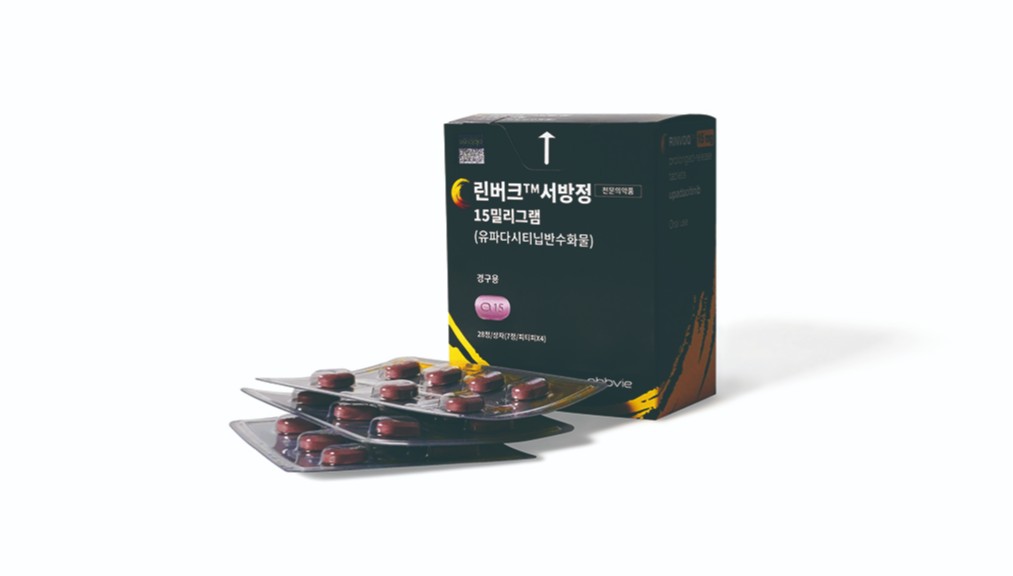
- Product photo of 'Rinvoq' AbbVie Korea (CEO So Young Kang) announced that the scope of national health insurance reimbursement for its selective JAK1 inhibitor, 'Rinvoq (upadacitinib)', has been expanded to include biologic-naive patients with active ankylosing spondylitis, effective from the 1st of this month according to a notification from the Ministry of Health and Welfare (MOHW). Under the expanded reimbursement criteria, Rinvoq can now be reimbursed for adult patients (aged 18 or older) with severe active ankylosing spondylitis who have had an inadequate response to at least three months of treatment with two or more nonsteroidal anti-inflammatory drugs (NSAIDs) or disease-modifying antirheumatic drugs (DMARDs), or who discontinued such medications due to side effects, regardless of their prior treatment experience with biological agents or targeted synthetic disease-modifying antirheumatic drugs (tsDMARDs). Rinvoq previously obtained reimbursement in December 2023 for adult patients with active ankylosing spondylitis who showed an inadequate response to or discontinued treatment with one or more TNF-alpha inhibitors or interleukin (IL)-17 inhibitors due to adverse events or contraindications. With this expanded reimbursement, Rinvoq became an oral treatment option that can be initiated earlier, even in biologic-naive patients. Ankylosing spondylitis is a primary spondyloarthritis characterized by chronic inflammation of the spine and sacroiliac joints, primarily onset in the young population in their 10s to 30s. Representative symptoms include chronic pain and stiffness in the lower back and buttock areas, typically worsening in the morning. The pain of ankylosing spondylitis goes beyond mere discomfort, directly impacting overall daily living, including sleep, physical function, and work performance, thereby deteriorating the patient's quality of life. According to statistics from the Health Insurance Review and Assessment Service (HIRA), the number of ankylosing spondylitis patients in South Korea is approximately 56,000 as of 2024 and has been steadily climbing over the past five years. Professor Seung-Jae Hong of the Department of Rheumatology at Kyung Hee University Hospital stated, “Ankylosing spondylitis is a chronic inflammatory disease that frequently manifests in the younger demographic, severely impacting the patient's daily life and quality of life due to pain and stiffness," and added, "Under the domestic reimbursement landscape, JAK inhibitors could only be introduced following the failure of biological therapies, which restricted the formulation of optimal therapeutic strategies.” Professor Hong continued, “The expanded reimbursement criteria for oral JAK inhibitors hold significant clinical value as they establish a pathway to oral treatment post-NSAID therapy without requiring a prior transition through injectable therapies," and added that "Furthermore, given Rinvoq's rapid pain relief and long-term efficacy demonstrated in its clinical trials, it is expected to enhance treatment adherence and improve patient quality of life. As a cost-effective therapeutic option, it will also play a positive role in terms of maximizing the fiscal efficiency of the national health insurance budget.” AbbVie Korea CEO So Young Kang stated, “The development of Rinvoq's expanded reimbursement criteria is significant as it offers ankylosing spondylitis patients to explore a wider range of therapeutic options at an earlier stage," and added, "As a global innovative pharmaceutical enterprise, AbbVie Korea will continue putting efforts to expand the clinical value of innovative therapeutics in alignment with the evolving treatment paradigms and patient unmet medical needs, thereby contributing to enhancing treatment options for patients in South Korea.”
- Company
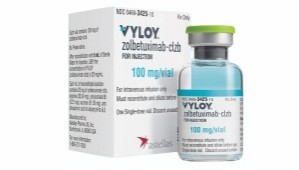
- Vyloy receives DREC review for reimbursement
- by Eo, Yun-Ho Jun 04, 2026 09:39am
- The reimbursement process for the gastric cancer targeted therapy Vyloy (zolbetuximab) has made significant progress.According to industry sources, Vyloy, Astellas Pharma Korea’s targeted therapy for Claudin 18.2-positive gastric cancer, passed the Health Insurance Review & Assessment Service (HIRA)'s Pharmacoeconomic Evaluation Subcommittee on May 22 and is scheduled to be reviewed by the Drug Reimbursement Evaluation Committee today (June 4).This development appears to have renewed momentum for a reimbursement process that had stalled after the drug passed the Cancer Drug Review Committee in October of last year.Approved in Korea in September 2024, Vyloy initially failed to pass the Cancer Drug Review Committee during its first reimbursement application in February last year. The company immediately resubmitted its application and ultimately secured approval. However, subsequent delays in the reimbursement process have led to expectations that final listing approval may still take considerable time.Vyloy is the world's first approved Claudin 18.2-targeted therapy. It is an immunoglobulin monoclonal antibody that selectively binds to Claudin 18.2, a protein expressed and exposed in gastric cancer cells.The Phase III SPOTLIGHT trial, which served as the basis for approval, showed that the combination of Vyloy and mFOLFOX6 (oxaliplatin, leucovorin, and fluorouracil) achieved a median progression-free survival (mPFS) of 10.61 months, compared with 8.67 months in the placebo group. Median overall survival (mOS) was 18.23 months versus 15.54 months, respectively.Similarly, in the GLOW trial, the combination of Vyloy and CAPOX (capecitabine plus oxaliplatin) achieved an mPFS of 8.21 months, reducing the risk of disease progression or death by approximately 31%.Professor SunYoung Rha of Yonsei Cancer Center commented,"Approximately 90% of patients with metastatic gastric cancer are HER2-negative, creating an urgent need for therapies targeting new biomarkers. Given that roughly 40% of HER2-negative patients are reported to be Claudin 18.2-positive, the introduction of Vyloy, which selectively binds to Claudin 18.2, offers a new therapeutic possibility."Meanwhile, the Korean Gastric Cancer Association revised its treatment guidelines published in the Journal of Gastric Cancer (JGC) on January 6, 2025, recommending Vyloy at the highest level for first-line treatment of patients who are HER2-negative and Claudin 18.2-positive.Vyloy has also been listed as a standard treatment option in Japanese gastric cancer treatment guidelines and the European Society for Medical Oncology (ESMO) clinical practice guidelines. In addition, it has been listed as a Preferred Regimen in the U.S. National Comprehensive Cancer Network (NCCN) guidelines, rapidly establishing itself as the global standard-of-care treatment for gastric cancer.
