
- LOGIN
- MemberShip
- 2026-06-13 18:48:43

- Policy
- New drug review timeline cut from 295 to 240 days
- by Lee, Tak-Sun May 14, 2026 09:28am
- As the Ministry of Food and Drug Safety (MFDS) moves to shorten new drug approval review timelines from 295 days to 240 days while strengthening communication with companies. The agency will introduce face-to-face meetings between companies and reviewers prior to the application stage, as well as a “checklist” for companies to self-review their data, aiming to reduce the total approval period by nearly 2 months compared to the previous process.The MFDS announced that it has prepared a revised draft of the “New Drug Product Approval and Review Procedures (Civil Servant Guidelines),” which is currently undergoing a public comment period, and plans to fully implement it starting October 1. This revision, coming approximately one and a half years after the guidelines were established in December 2024, was pursued to maximize the predictability of new drug approvals.From post-submission to pre-submission… introduction of advance face-to-face meetingsThe most significant change is the introduction of ‘pre-NDA meetings.’ Under the original 2024 version, a dedicated team was formed and the review began within 10 days of receiving the application; however, the revised version requires the company and the MFDS to begin discussions 3 months prior to application submission.When a company requests a face-to-face meeting, a dedicated team is formed immediately, and through at least 2 meetings, any deficiencies in the data will be identified in advance. This is expected to serve as a key mechanism to accelerate the entire process by reducing the time spent on ‘requests for additional information,’ which frequently occur during the official review stage.AI-generated graphic imageIntroducing a ‘checklist’ to prevent ‘insufficient data’ at the sourceThe ‘checklist’ system, which requires companies to self-verify the completeness of their submitted data, is another key change in this amendment. Previously, the MFDS would notify companies of required corrections on a case-by-case basis after receiving the data; now, companies must complete a self-inspection using a detailed checklist starting from the face-to-face meeting stage prior to application.Products that undergo this procedure will see a significant reduction in errors or omissions in their documentation, resulting in the “preliminary review” period, conducted immediately after submission, being shortened from the previous 7 days to within 3 days.Approval timeline shortened by 55 days… “295 Days → 240 Days”Through these strengthened communication systems, the Ministry of Food and Drug Safety (MFDS) has set the target approval period for new drugs at 240 days, down from the previous 295 days. This represents a reduction of approximately 55 days compared to the original regulations.In addition, the govenrment has maximized review efficiency by codifying a ‘rolling review’ procedure for frequent exchange of opinions during the review process and by moving the GCP (Good Clinical Practice) site inspection, which previously took place after the first round of supplementary submissions, to the early stages of the review (within 60 to 120 days after submission).An MFDS official stated, “This revision goes beyond simply shortening the timeline; it institutionalizes ‘pre-submission communication’ and ‘self-assessment by companies’ to overcome the limitations identified during the operation of the original version. Once the new procedures take effect this coming October, the speed at which innovative new drugs enter the market, both domestically and internationally, will increase dramatically.”The industry’s response has also been favorable. An official from the Korea Biomedicine Industry Association said, “The introduction of the checklist will help ensure that more comprehensive data is submitted when applying for new drug approval and will likely reduce the need for supplementary data in the future. This is interpreted as a positive gesture where the MFDS and companies join hands to successfully complete the product approval process.”
- Company
- Domestic CAR-T Limcato speeds toward reimbursement
- by Hwang, byoung woo May 14, 2026 09:28am
- With Korea’s first domestically developed CAR-T therapy Limcato (anbalcabtagene-autoleuce) receiving regulatory approval, attention is now focused on the timing of its reimbursement.Curocell expects to accelerate market entry through the pilot program that allows parrallel operation of approval, reimbursement evaluation, and price negotiation. With the fast-track system in place, commercialization may be possible as early as the second half of the year.However, some observers note that it remains to be seen whether the reimbursement listing will proceed strictly according to schedule. While Limcato holds symbolic significance as the first domestically developed CAR-T therapy, it is still an ultra-high-cost, one-time treatment costing hundreds of millions of won.This implies that factors such as risk-sharing, performance-based post-marketing management, and reimbursement conditions, in addition to the drug price, could serve as variables in the negotiation process.Ultimately, the key focus regarding Limcato’s reimbursement is shifting from “whether it will be reimbursed” to “under what conditions and how quickly it will be listed.”While the likelihood of reimbursement itself is viewed relatively positively, analysis suggests that the actual speed of commercialization may vary depending on the terms of the negotiations.Reimbursement prospects are optimistic… Speed expected to rise via parallel trackLimcato is an autologous CD19-targeted CAR-T therapy developed by Curocell. Its approved indications are for the treatment of adult patients with relapsed or refractory diffuse large B-cell lymphoma (DLBCL) and primary mediastinal large B-cell lymphoma following two or more prior line of systemic therapy.The Ministry of Food and Drug Safety (MFDS) granted marketing authorization for Limcato on the 29th of last month. This marks the first instance of a CAR-T therapy developed by a domestic company receiving approval.Previously, the MFDS designated the drug as a “Bio-Challenger” candidate and the 33rd entry in the “Global Innovative Product on Fast-Track (GIFT)” system, providing tailored consultation and expedited review from the early stages of development.The outlook for reimbursement is quite promising. Limcato has been selected as a drug for the Ministry of Health and Welfare’s “Pilot Project for Parallel Application for Approval, Reimbursement Evaluation, and Drug Price Negotiation.”Previously, the process could take over 300 days, including 120 days for MFDS approval, 150 days for HIRA reimbursement evaluation, and 60 days for NHIS drug price negotiations, but the pilot project aims to shorten this timeline.The company also maintains a positive outlook. Regarding drug price negotiations, the company has mentioned the possibility of an adjustment to a level that is the same as or slightly lower than the prices of existing CAR-T therapies, and therefore does not view the drug price itself as a factor that will cause significant delays.In Korea, Novartis’ Kymriah has already established a precedent for CAR-T reimbursement, making this scenario more feasible.Last January, the National Health Insurance Review and Assessment Service (HIRA) established reimbursement criteria for Gilead Sciences’ Yescarta for the indication of “treatment of adult patients with relapsed or refractory diffuse large B-cell lymphoma (DLBCL) and primary mediastinal B-cell lymphoma (PMBCL) following two or more prior systemic therapies.”Although Limcato is a late entrant, it benefits from accumulated experience in prior CAR-T evaluations and negotiations.However, the industry notes that reimbursement likelihood and negotiation difficulty are separate issues. Even if the likelihood of entering the reimbursement system is high, given the nature of ultra-high-cost one-time treatments, there may be significant debate surrounding the conditions for listing.Conditions, not price, may be the key variable… focus on risk-sharing discussionsPricing is an important starting point for Limcato. Since Kymriah is already reimbursed, the CAR-T therapy’s price is expected to serve as a benchmark.If Limcato adopts a relatively lower pricing strategy, this could strengthen its case for reimbursement. Its domestic manufacturing base also adds positive policy value.However, industry experts suggest that risk-sharing and post-management conditions may be more critical than price itself.CAR-T is an ultra-high-cost therapy that is expected to produce therapeutic effects with a single administration. If a sufficient response does not occur after administration, or if relapse or death occurs within a certain period, it will be crucial to determine how to link the financial burden on the national health insurance system to treatment outcomes.According to Market Access (MA) experts, the likelihood of Limcato being covered by insurance is considered relatively high. This is because there are precedents for the coverage of existing CAR-T therapies, and if the company proposes a price that is equal to or lower than that of existing treatments, there is a strong possibility that the Health Insurance Review and Assessment Service (HIRA) and the National Health Insurance Service (NHIS) will positively consider the necessity of listing the drug.However, the pharmaceutical industry views that, given the high likelihood of Limcato being discussed within the category of ultra-high-cost one-shot therapies, conditions such as performance-based reimbursement, patient-specific tracking, efficacy evaluation over a set period, and submission of post-treatment management data may be attached.This is assessed not so much as a factor that makes reimbursement itself difficult, but rather as a variable that influences the duration of negotiations and the burden of actual commercialization preparations.In particular, Limcato is the first domestically developed CAR-T therapy to be commercialized directly by a Korean biotech company. Compared to multinational pharmaceutical companies, the organizational burden may be relatively greater in areas such as managing risk-sharing agreements, establishing collateral, managing refunds, responding to hospitals, the National Health Insurance Service (NHIS), and the Health Insurance Review and Assessment Service (HIRA), and managing long-term follow-up data.The industry is considering two scenarios regarding this point.The first scenario is if the company accepts the drug price and post-marketing management conditions relatively quickly. In this case, leveraging the intent of the pilot program, which combines approval, evaluation, and negotiation, it appears possible to secure reimbursement listing and achieve commercialization in the second half of the year.If Limcato secures price competitiveness compared to existing CAR-T therapies and negotiations proceed without major disagreements regarding post-marketing management conditions, the speed of market entry could accelerate.The second scenario is if negotiations over risk-sharing conditions drag on. Even if the drug price can be adjusted relative to existing treatments, discussions regarding reimbursement conditions, long-term follow-up criteria, and performance evaluation methods could take a long time.In this case, rather than the reimbursement listing itself falling through, it is more likely that the timing of the listing and the actual pace of prescription expansion will be delayed.The initial key point to watch is the timing of the submission to the Cancer Drug Deliberation Committee. Even if the drug enters the parallel approval, evaluation, and negotiation track, it must still undergo deliberation by the Cancer Drug Deliberation Committee. The industry is closely watching whether it will be submitted in May.Some observers believe there will be no Cancer Drug Deliberation Committee meeting scheduled for June, so the outline of the reimbursement schedule for the second half of the year is expected to become clearer depending on the timing of the agenda’s submission.Limcato clinical results (Excerpt from Curocell IR Materials) Anbal-cel demonstrates superior treatmnet effect and lower side effect compared with 3 FDA-approved marketed CAR-T therapiesSupply speed is a strength… Differentiation through domestic manufacturing infrastructureIn the commercialization phase following reimbursement, Limcato’s supply competitiveness is expected to emerge as a key differentiator.Existing CAR-T therapies followed a structure where patient cells were collected, sent to overseas manufacturing facilities, and the finished product was then imported back into the country.In this process, manufacturing, logistics, and customs clearance procedures overlapped, requiring a certain amount of time before treatment could begin. Particularly for patients with rapidly progressing terminal blood cancers, the waiting period itself has been cited as a barrier to treatment accessibility.In contrast, Curocell has established a system for domestic manufacturing and supply based on its CAR-T-dedicated GMP production facility in Daejeon. In fact, the company highlights the ability of Limcato to reduce waiting times through this domestic production and supply system as a key strength.Curocell has also established “CuroLink,” an integrated solution for commercial operations. CuroLink is a cell therapy supply management solution that links information in real time between hospitals, manufacturing sites, and logistics providers. It is structured to track and manage patient-specific information from prescription through leukocyte collection, cell manufacturing, shipment, and administration.Curocell also believes that its domestic production base will help expand patient access.A Curocell official stated, “Since Limcato is manufactured at domestic GMP facilities, we can promptly respond to supply requests even from regional hospitals. Once a hospital decides to prescribe the drug after it is listed for reimbursement, the product supply process can be carried out through the system prepared by the company.”
- Company
- Medipost's Cartistem Phase 3 clinical trial succeeds in Japan
- by Cha, Ji-Hyun May 14, 2026 09:28am
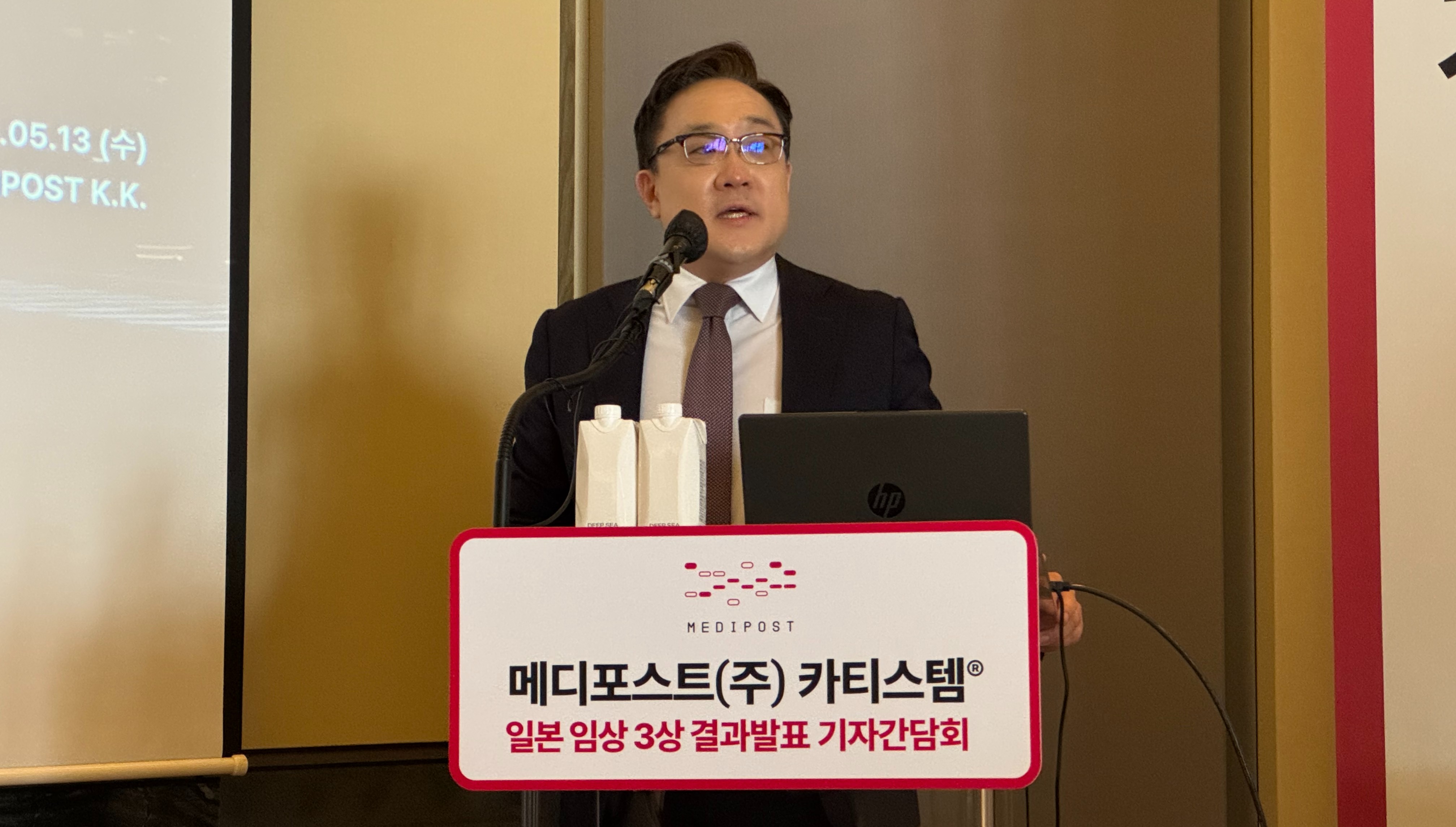
- Medipost has met all dual primary endpoints in its Japanese Phase 3 clinical trial for Cartistem, a stem cell therapy for knee osteoarthritis. By securing statistical significance in both subjective symptom improvement and arthroscopic cartilage regeneration compared to the active control group, the company’s efforts for commercialization in Japan and the advancement of its U.S. Phase 3 trials are expected to speed up.On the 13th, Medipost held a press conference at the Four Seasons Hotel in Jongno-gu, Seoul, to disclose the major results of the Japanese Phase 3 trial for Cartistem and its future global development strategy. Key attendees included Medipost CEO Wonil Oh, Global Business Head and CEO of Medipost K.K. (Japan) and co-CEO of Medipost Inc. (USA) Seung Jin Lee, and Vice President Hoon Sik Cho.Medipost CEO Wonil OhCEO Wonil Oh remarked, "This achievement is a major achievement of Medipost's journey since its founding, driven by the goal of improving patients' quality of life through stem cell therapy innovation," and added, "We will achieve entry into the Japanese market for Cartistem and complete the ongoing U.S. Phase 3 trial to emerge as a global leader in the stem cell industry."Cartistem is an allogeneic umbilical cord blood-derived mesenchymal stem cell therapy developed by Medipost. It is a treatment aimed at regenerating damaged cartilage and improving pain and function in patients with knee cartilage defects caused by degenerative changes or repeated trauma. Since receiving marketing authorization from the Ministry of Food and Drug Safety (MFDS) in 2012, it has accumulated over 10 years of prescription experience. Cartistem recorded sales of KRW 19.5 billion last year.Medipost conducted Japanese clinical trials to overcome domestic market growth limitations and secure its first overseas commercial hub. The Japanese Phase 3 trial was designed as a pivotal study for Japanese marketing authorization. Based on its experience in authorization and commercialization, as well as existing clinical data accumulated in Korea since 2012, Medipost was able to skip Phase 1 and 2 trials in Japan and enter directly into Phase 3.The trial was a randomized, active-controlled comparative study conducted at 13 medical institutions in Japan involving 130 patients with knee osteoarthritis. The actual administration and surgery groups consisted of 59 patients in the Cartistem group and 61 in the hyaluronic acid (HA) group. Patients were followed for 52 weeks after administration to observe efficacy and safety.The control group received a hyaluronic acid injection, which is the standard of care for patients with knee osteoarthritis in Japan. Global Business Head Seung Jin Lee explained, "In the process of discussing the clinical design with the Japanese Pharmaceuticals and Medical Devices Agency (PMDA), we reflected the fact that Japanese patients generally receive HA injections for knee osteoarthritis treatment and set that product as the control."The primary subjects were patients with knee osteoarthritis aged 20 to 80. The radiographic severity of osteoarthritis corresponded to K&L grades 2 to 3, and the degree of cartilage damage corresponded to ICRS grades 3 to 4. The size of the cartilage defect ranged from approximately 2 to 9 square centimeters, and the trial included patients with a pain score of 40 or higher on a 100mm Visual Analog Scale (VAS) and a Body Mass Index (BMI) of less than 35. Furthermore, the study targeted patients who had not shown sufficient symptom improvement despite receiving existing treatments, such as exercise therapy, physical therapy, or hyaluronic acid injections, for at least 3 months.According to the presentation, Cartistem met both dual primary endpoints in the Japanese Phase 3 trial. The dual primary endpoints were ▲the change in the WOMAC total score ▲the improvement rate of one or more ICRS grades. WOMAC is a patient-reported outcome that evaluates knee pain, functionality, and stiffness as perceived by the patient. ICRS is a structural evaluation metric used to confirm whether the degree of cartilage damage has actually improved through arthroscopy. The design required both metrics to be met for the trial to be considered a success.Lee explained, "Since Cartistem is administered via surgery and HA via injection, patients inherently know which treatment they received, which can allow for a placebo effect in patient-reported metrics," and added, "To compensate for this, we included the ICRS evaluation, which directly checks the cartilage state via arthroscopy at the 52-week mark, as a co-primary endpoint. To ensure the treatment group information remained undisclosed, evaluations were conducted by a separate central adjudication committee after blinding the data."Medipost CEO Wonil Oh, Global Business Head and CEO of Medipost K.K. (Japan) and co-CEO of Medipost Inc. (USA) Seung Jin Lee, and Vice President Hoon Sik ChoClinical results showed that Cartistem demonstrated statistically significant superiority in changes in the WOMAC total score compared with the HA group. The WOMAC p-value was reported as <0.0001. Cartistem also showed a significant improvement over the active control group in the rate of improvement in one or more ICRS grades, with an ICRS p-value of 0.0002.Consistent results were also confirmed in the secondary endpoints. The VAS for pain level and the IKDC and KOOS for knee functionality all recorded p-values of less than 0.0001. Significant improvements were also observed across all WOMAC sub-items, including pain, functionality, and stiffness."This Japanese Phase 3 study was designed so that it had to meet both dual primary endpoints," Lee said. "It is highly significant in that we confirmed not only the improvement in pain and function felt by the patient but also the regeneration of cartilage via arthroscopy," and added, "In the U.S. or Europe, a design that performs arthroscopy on patients again is not easy due to the high patient burden and ethical considerations, as it involves anesthesia and invasive procedures. Therefore, the ICRS data secured in the Japanese Phase 3 will be highly valuable data to be utilized overseas."Medipost plans to apply for Japanese marketing authorization in the second half of this year based on these clinical results. Given the PMDA review period, the company aims to obtain approval by the end of 2027. It plans to pursue a launch in the Japanese market, followed by subsequent processes for price setting and insurance reimbursement.The company expressed strong confidence regarding the possibility of Japanese marketing authorization. Lee stated, "Due to the nature of cell and gene therapies, CMC (which refers to manufacturing process management and quality consistency), inspections of our GMP facility in Guro, Korea, and our local production partner's facility in Japan, remain." However, Lee said, "After reviewing these results with external experts, including advisory panels and former PMDA officials, we received the opinion that with clinical results indicate there should be no major issues in gaining marketing authorization."The local partner, Teikoku Pharma, will handle sales in Japan. Previously, Medipost signed an exclusive distribution agreement for Cartistem in Japan with Teikoku Pharma in December last year. The company has already received a non-refundable upfront payment of USD 8 million, with an additional USD 10 million payable upon marketing authorization. Lee explained, "The marketing authorization holder will be Medipost K.K., the Japanese subsidiary of Medipost, and Medipost will also manage the responsibility for manufacturing and shipping. Teikoku Pharma will be responsible for transportation, sales, and marketing within Japan."Considering the price-setting and insurance reimbursement procedures following Japanese marketing authorization, Medipost is also conducting a Real-World Evidence (RWE) study in South Korea. The company explained that it has secured data from approximately 550 patients who underwent Cartistem procedures at 13 Korean medical institutions, with an average follow-up period of about 6.9 years."Since Cartistem received marketing authorization in Korea in 2012, approximately 36,700 patients have undergone surgery as of the end of last month," Lee emphasized. "Among them, we are collecting real-world evidence data targeting patients who have passed at least three years since their procedure."Lee continued, "The endpoint we consider most important is the rate of conversion to total knee artificial joints. From the data of 550 patients secured so far, we have identified that less than 1% of patients have converted to artificial joints." He added that detailed information would be disclosed at the end of the year. The company intends to use this data as reference material for the Japanese marketing authorization application and as evidence during the price-setting and insurance reimbursement negotiations with the Ministry of Health, Labor and Welfare after approval.Lee noted, "In Japan, the process of price setting and insurance reimbursement with the Ministry of Health, Labour and Welfare proceeds after marketing authorization. How many years a patient maintains the effect after receiving Cartistem, and the rate at which they transition to other treatments or artificial joint surgery, can be vital data for economic evaluations," and stated, "This real-world evidence study will serve as an important basis not only for Japan but also for discussions with insurance companies in the U.S. after obtaining approval there."Regarding the company's U.S. Phase 3 clinical trial, patient enrollment is currently underway following the U.S. Food and Drug Administration (FDA) approval of the IND application earlier this year. The company plans to use the results of the U.S. Phase 3 trial, along with the Japanese Phase 3 data and Korean RWE, as materials for the U.S. marketing authorization application.

- Company
- Myelofibrosis drug Omjjara nears reimb listing on 2nd attempt
- by Eo, Yun-Ho May 14, 2026 09:28am
- The novel myelofibrosis treatment Omjjara may soon be listed for reimbursement in Korea.According to industry sources, GSK Korea and the National Health Insurance Service (NHIS) have recently finalized price negotiations for the company’s myelofibrosis treatment Omjjara (momelotinib). Barring any unexpected developments, reimbursement is expected to begin as early as June.Omjjara passed the Cancer Drug Deliberation Committee of the Health Insurance Review and Assessment Service (HIRA) in March last year. However, the listing process was halted due to disagreements between GSK and HIRA over the selection of comparator drugs for pricing calculation during the evaluation process.GSK later supplemented its data and passed the first Drug Reimbursement Evaluation Committee of the year, entering price negotiations in February.The specific indication for listing is “the treatment of intermediate- or high-risk myelofibrosis in adults with anemia.”Omjjara has a triple mechanism of action, inhibiting JAK1, JAK2, and ACVR1 (activin A receptor type 1). In myelofibrosis, inhibition of JAK1 and JAK2 improves systemic symptoms and reduces splenomegaly, while ACVR1 inhibition reduces hepcidin expression, thereby alleviating anemia.Anemia management has been one of the key unmet needs in myelofibrosis treatment. Anemia, which increases dependence on blood transfusions, is more than just the dizziness commonly associated with it. Depending on its severity, it can lead to a life-threatening condition.Omjjara has been shown in the Phase III SIMPLIFY-1 and MOMENTUM studies to significantly improve key symptoms, such as splenomegaly, and reduce transfusion dependency in patients with myelofibrosis and anemia, regardless of prior JAK inhibitor treatment history.In the SIMPLIFY-1 study, which evaluated Omjjara as a first-line treatment in JAK inhibitor–naïve patients, Omjjara showed non-inferiority to Jakavi (ruxolitinib) in the primary endpoint of spleen volume response at 24 weeks.The proportion of transfusion independence was 66.5% in the Omjjara group compared to 49.3% in the ruxolitinib group, indicating significantly lower transfusion dependency with Omjjara.Professor Seo-yeon Ahn of Chonnam National University Hwasun Hospital said, “While existing JAK inhibitors improve splenomegaly and systemic symptoms, they have limitations such as worsening anemia and increased transfusion dependency. Omjjara has demonstrated significant clinical value in managing anemia, which is closely linked to prognosis in myelofibrosis patients, and its launch in Korea is expected to contribute to improved treatment outcomes and quality of life for more patients.
- Company
- GE, refining fatty liver quantification…expanding ultrasound tech
- by Hwang, byoung woo May 13, 2026 09:10am
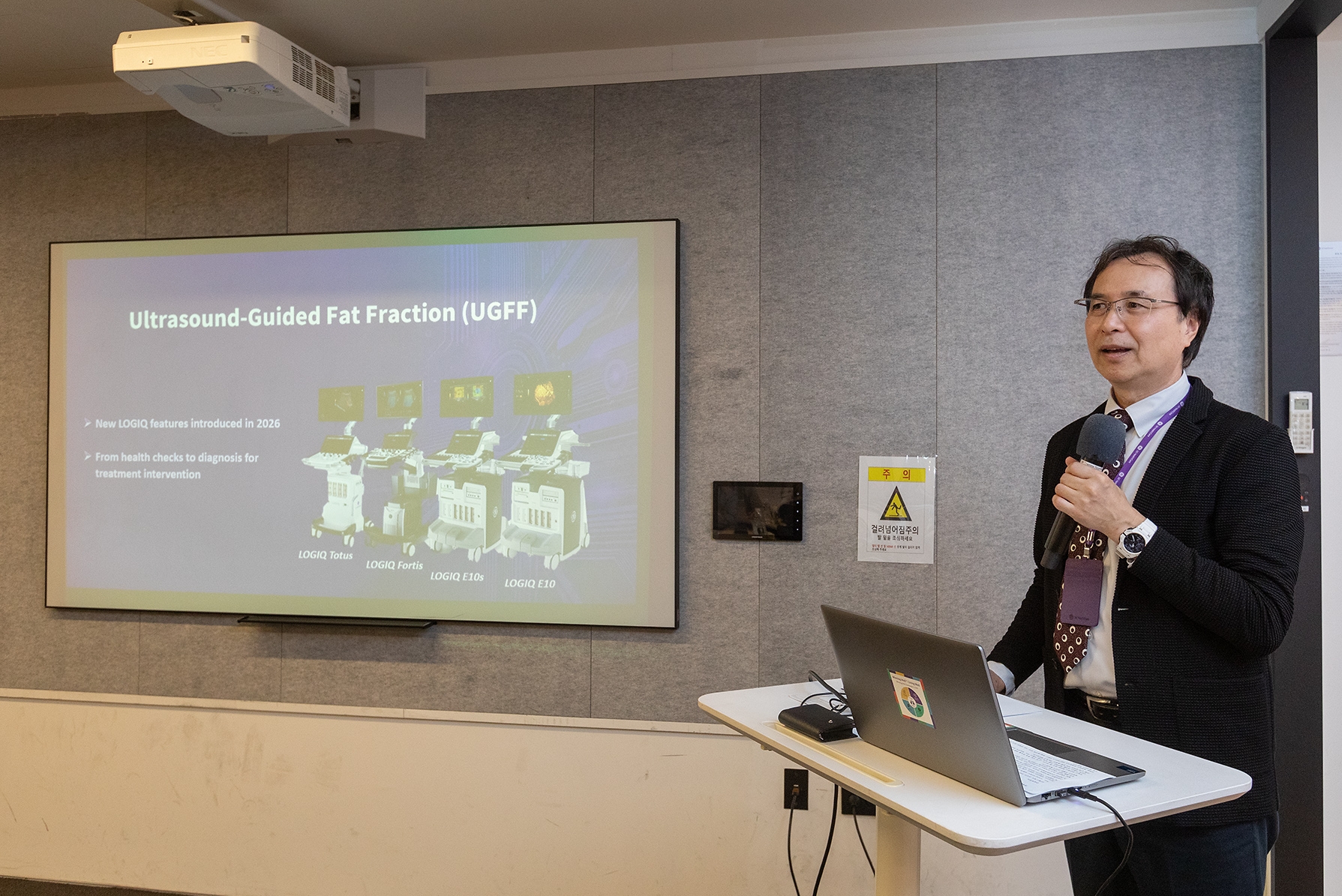
- GE Healthcare is expanding its scope of application in the fatty liver quantification and abdominal ultrasound automation markets, showcasing its next-generation ultrasound platform.While ultrasound-based fatty liver quantification technology has been used previously, the key distinction here is that it has been updated to report liver fat content as a percentage and reduce operator variability.As interest in the co-management of fatty liver and metabolic diseases grows alongside weight loss due to the expanded use of obesity treatments recently, the company's strategy is to broaden the clinical role of ultrasound.On the 12th, GE Healthcare Korea unveiled the LOGIQ R5, which applies the next-generation ultrasound platform 'R5.' Dr. Naohisa Kamiyama, Global Manager of Ultrasound New Clinical Applications at GE Healthcare, who led the development of R5, participated in the presentation and focused on the accessibility of ultrasound in liver disease diagnosis and long-term monitoring.Fatty liver assessment, from 'detection' to 'tracking changes'The focus of this conference was on how far the role of ultrasound can be expanded in the evaluation of fatty liver.Dr. Naohisa Kamiyama, Global Manager of Ultrasound New Clinical Applications at GE HealthcareFatty liver is not easy to detect early because early subjective symptoms are not distinct. If management is delayed, it can lead to steatohepatitis, fibrosis, and cirrhosis, so it is important to check the degree of liver fat accumulation and track it over the long term.This means that, beyond simply confirming the presence or absence of fatty liver, it is necessary to quantitatively assess the liver fat content to determine the disease progression stage and treatment direction.In this process, MRI-PDFF is utilized as a major reference test for fatty liver quantification.MRI-PDFF is a method for measuring the fat fraction in liver tissue as a percentage using MRI. While it has strengths in terms of accuracy and reproducibility, there are constraints on cost and accessibility that limit its broad use in screening or repeated follow-up management.Dr. Kamiyama also acknowledged the role of MRI, noting that ultrasound has strengths in screening and repeated examinations.Dr. Kamiyama said, "MRI is the most important standard in fatty liver quantification," but added, "In areas where repeated checks are necessary, such as health checkups, ultrasound may be more suitable in terms of cost and accessibility."In particular, the spread of obesity treatments can align with this demand for ultrasound-based quantitative evaluation. This is because, as obesity treatments are used in actual clinical settings, interest in changes in liver fat and the co-management of metabolic diseases after weight loss is growing.This is also the background behind GE Healthcare's decision to put fatty liver quantification and abdominal automation functions at the forefront of the LOGIQ R5.The view is that, even if MRI plays a major role in the precision evaluation of high-risk groups, ultrasound can be a tool for more frequent monitoring of patient status in screening and follow-up management.UGFF, Presenting fatty liver status more intuitivelyOne of the most noteworthy technologies in the LOGIQ R5 is 'UGFF (Ultrasound-Guided Fat Fraction),' a fatty liver quantification solution that displays liver fat content as a percentage based on ultrasound.The core is not that it started fatty liver quantification from scratch, but that it refined existing technology in a way that is easy for patients and medical staff to understand. While existing ultrasound-based technology quantifies the degree of fatty liver using attenuation coefficients and the like, UGFF shows the percentage of the liver occupied by fat.LOGIQ R5 product photoPark Do Hyeong, US GI/PC Segment Team Leader at GE Healthcare Korea, said, "In the case of the existing UGAP, the units might have been familiar to medical staff, but it was difficult for patients to understand intuitively." He added, "UGFF is easier to explain to patients in that it shows what percentage of the liver fat occupies."Technologically, it is characterized by the combination of multiple acoustic parameters.UGFF analyzes not only the ultrasound attenuation coefficient but also the integrated backscatter coefficient and signal-to-noise ratio together. When fat accumulates in the liver, the attenuation, brightness, and tissue texture of the ultrasound signal change, and UGFF quantifies the liver fat content by reflecting these changes in a complex manner.Dr. Kamiyama said, "The prevalence of liver disease is high in the Asian region, and the clinical demand for early diagnosis and repeated monitoring is very high." He added, "UGFF is a solution developed by combining multi-acoustic parameters and statistical technology, designed to evaluate liver fat changes more precisely using only ultrasound."Another pillar of LOGIQ R5 is AI-based automation for abdominal ultrasound. This method automatically avoids structures that should be avoided during measurement, such as blood vessels, artifacts, and focal lesions, and adjusts the measurement position during liver fat measurement.Dr. Kamiyama stated, "Ultrasound is significantly affected by the operator and the patient's condition," and added, "We have been improving it in a direction that reduces operator dependence through automatic image optimization and measurement position correction functions."Early launch phase, Expanding clinician awareness is the challengeIn terms of the market, the key for the LOGIQ R5 is whether the advanced fatty liver quantification function can be introduced into medical institutions.GE Healthcare introduced the R5 in Korea in March of this year, following the LOGIQ R4, and is applying it across the LOGIQ series. Some existing equipment must be upgraded from R4 to R5 to use the new functions.In this regard, the company's position is that, since it is still in the early stages of launch, it is necessary to raise awareness and engage in academic communication with medical staff.In addition, as ultrasound-based fatty liver quantification is not the exclusive domain of GE Healthcare, competition is expected to intensify.GE Healthcare is emphasizing an integrated model that combines three parameters as its point of differentiation.YongDuk Kim, CEO of GE Healthcare Korea, stated, "The LOGIQ R5 is a next-generation ultrasound solution developed considering both the increasing number of liver disease patients and the burden of examination for medical staff," and concluded by adding, "GE Healthcare will continue to strive to support the clinical decision-making of medical staff and increase the value of the entire patient diagnosis journey."
- Company
- Targeted glioma therapy…'Voranigo' launches in Korea
- by Son, Hyung Min May 13, 2026 09:10am
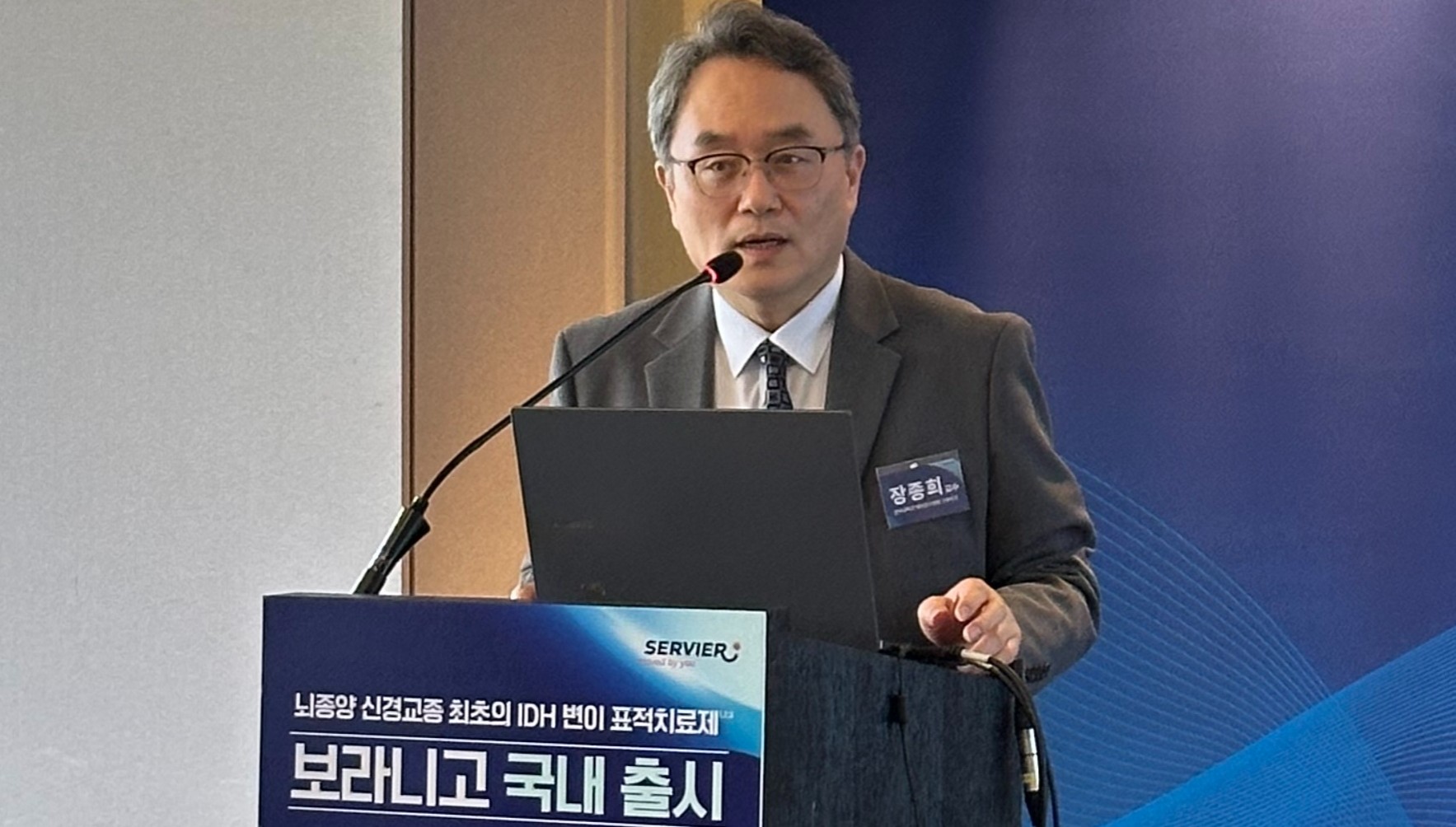
- The possibility of a shift in treatment strategies is likely in the field of low-grade glioma (LGG) treatment as the first therapy targeting IDH mutations makes its debut in South Korea.Given the nature of the disease, which repeatedly recurs after surgery and eventually progresses to a high-grade, it is drawing attention as a new option to supplement the limitations of existing radiation and chemotherapy-centered treatments. In particular, it is considered highly significant because it can reduce the burden of cognitive decline and deterioration in quality of life by delaying the timing of toxic radiation and chemotherapy.On the 12th, Servier Korea held a press conference at the Plaza Hotel in Jung-gu, Seoul, to commemorate the domestic launch of Voranigo (vorasidenib). Voranigo was previously granted domestic approval as a glioma treatment this past January.With this approval, Voranigo can now be used for adolescent and adult glioma patients aged 12 and older weighing at least 40 kg, specifically those with Grade 2 astrocytoma or oligodendroglioma harboring an IDH1 or IDH2 mutation.Low-grade glioma is a brain tumor that grows relatively slowly but carries a high risk of recurrence and can progress into high-grade malignant tumors over time. It is mainly discovered through seizure symptoms, and surgical resection has traditionally been utilized as the standard treatment.Professor Jong Hee Chang, a professor of Neurosurgery at Severance HospitalHowever, medical staff explain that a treatment gap has existed because complete resection is often difficult, and the subsequent radiation therapy and chemotherapy also carry a heavy burden of cognitive decline or neurological adverse reactions.Professor Jong Hee Chang, a professor of Neurosurgery at Severance Hospital, explained, "Low-grade glioma is difficult to cure, so it often eventually recurs or progresses to high-grade glioma," and added, "Existing standard treatments made it difficult to remove lesions completely, and radiation and chemotherapy performed after surgery also had limitations due to side effects such as cognitive impairment."Professor Chang continued, "Voranigo is the first new brain tumor treatment to be approved since temozolomide was approved for glioblastoma in 2006," and evaluated that "The emergence of Voranigo is very significant in that most drugs have failed development in the past because they could not sufficiently pass through the blood-brain barrier (BBB)."Voranigo is an oral treatment that directly targets IDH1 and 2 mutations. IDH mutations are known to be key biomarkers identified in approximately 80% of Grade 2 glioma patients. Currently, the World Health Organization (WHO) and the National Comprehensive Cancer Network (NCCN) also present IDH mutations as major diagnostic criteria and recommend testing.The basis for approval is the global Phase 3 INDIGO study. This study was conducted on patients with low-grade IDH-mutant glioma who had not yet undergone radiation or chemotherapy after surgery.Professor Kim Jae-yong, a professor of Neurosurgery at Seoul National University Bundang HospitalThe study results showed that Voranigo reduced the risk of disease progression or death by 65% compared to the placebo. The median progression-free survival (PFS) was 11.4 months in the placebo group, whereas the Voranigo group did not reach the median.In addition, the time to next treatment intervention (TTNI) was significantly delayed. The incidence of seizures during annual treatment with Voranigo decreased by 64% compared to the placebo.In terms of safety, fatigue, musculoskeletal pain, diarrhea, and seizures were reported as major adverse reactions, but the overall tolerability level was favorable. The results of the study were published in the New England Journal of Medicine (NEJM) and were also presented at the 2023 American Society of Clinical Oncology (ASCO) Annual Meeting.Medical staff cited the delay of treatment intervention as the greatest significance of Voranigo. It is believed that delaying the timing of relatively toxic radiation and chemotherapy increases the likelihood of maintaining the patient's quality of life.Kim Jae-yong, a professor of Neurosurgery at Seoul National University Bundang Hospital, said, "Voranigo showed a result of delaying the time to the next treatment intervention by 75% in clinical studies," and added, "This is significant in that it practically secured a period during which patients can maintain a normal social life by delaying the timing of highly toxic chemotherapy and radiation therapy."
- Company
- Curacle resumes licensing-out activities after 2 years
- by Cha, Ji-Hyun May 13, 2026 09:10am
- Curacle, a biotech company specializing in new drug development, has successfully licensed out a preclinical-stage bispecific antibody candidate in a deal valued at over KRW 1 trillion. This marks its first licensing-out achievement in 2 years, following a notice of rights termination regarding a retinal disease treatment from a French ophthalmology-focused pharmaceutical company.The deal is expected to significantly reduce Curacle’s risk of being designated as an administrative issue stock due to revenue requirements. However, concerns remain due to limited disclosure about the counterparty.MT-103 global deal worth KRW 1.5 trillion… Curacle’s share KRW 781.8 billionAccording to filings with the Financial Supervisory Service, Curacle recently signed a global licensing agreement with US-based Memento Medicines for the development and commercialization of its bispecific antibody candidate ‘MT-103.’ Under the agreement, Memento gains exclusive worldwide rights to develop, manufacture, and commercialize MT-103.The total deal value is USD 1.077 billion (KRW 1.56 trillion). Of this, the non-refundable upfront payment is USD 8 million (0.7%), with USD 82.25 million in development and approval milestones and up to USD 987.5 million in royalties upon commercialization.Curacle and MabTics will share revenues 50:50 under a joint R&D agreement. Reflecting this, Curacle’s share amounts to USD 538.875 million (KRW 781.8 billion). The company’s upfront payment share is USD 4 million.Overview of Curacle’s bispecific antibody candidate ‘MT-103’ for the treatment of retinal diseases (Source: Curacle)MT-103 is a bispecific antibody candidate for retinal diseases co-developed by Curacle and MabTics. Curacle secured the antibody pipeline through a partnership signed in June 2023 and then signed a joint R&D agreement in July of the following year. MT-103 is one of the key antibody pipeline assets secured through this process.MT-103 is a bispecific antibody that combines an antibody that inhibits vascular endothelial growth factor (VEGF), which induces angiogenesis, with an antibody that activates the Tie2 receptor, which stabilizes blood vessels. While the existing bispecific antibody therapy ‘Vabysmo’ indirectly induces Tie2 activation by inhibiting VEGF and angiopoietin-2 (Ang-2), MT-103 is designed to directly activate Tie2. The company explains that this is expected to deliver differentiated therapeutic effects in patient groups that do not respond sufficiently to existing anti-VEGF therapies or Vabysmo.Preclinical data presented at ARVO 2026 by Curacle and MabTics, MT-103 induced Tie2 receptor phosphorylation and inhibited VEGF-induced signaling in cell experiments. In endothelial cell-based vascular leakage assays, it also demonstrated an effect of reducing vascular permeability. In animal models, the drug was shown to reduce pathological neovascularization, inhibit vascular leakage, improve retinal vascular remodeling, and alleviate inflammatory responses.First deal since CU06 return… expected to ease revenue-related administrative issue riskThis deal marks Curacle’s first licensing success since its previous retinal therapy candidate CU06 was returned in 2024 by a French ophthalmology-focused pharmaceutical company. In May 2024, Curacle received a notice of termination of the technology export agreement and a return of rights regarding the candidate drug ‘CU06’ for the treatment of diabetic macular edema and wet age-related macular degeneration from Théa Open Innovation, a French ophthalmology-focused pharmaceutical company.The contract, signed in October 2021 for a total of USD 163.5 million, transferred the global development and commercialization rights for CU06-RE (excluding Asia) to Théa. Although this contract was effectively Curacle’s only technology export achievement, it became void following the return of rights. This MT-103 agreement is considered significant as it marks Curacle’s first technology export achievement since then.With this agreement, Curacle is expected to fill the revenue gap that had effectively been left open. Curacle’s revenue has plummeted over the past 3 years. The company’s revenue, which stood at KRW 10.3 billion in 2023, fell by 84.5% to KRW 1.6 billion in 2024. Last year, revenue amounted to just KRW 7.1 million as the recognition of subsequent revenue was halted due to the termination of the CU06 technology export agreement. In effect, this means there was no revenue generated from its core business of new drug development.Consequently, the risk of being designated as an administrative issue stock due to revenue requirements has been largely alleviated. The company, which went public in 2021, saw the grace period for the designation criteria, triggered by revenue falling below KRW 3 billion, expire last year. The company faced the possibility of being designated as an administrative issue stock if it failed to meet this year’s revenue requirements; however, if the KRW 5.8 billion upfront payment from this contract is received as planned, that burden is expected to be significantly reduced.The company has also moved to secure a separate revenue base. Following the establishment of an API business division last year, the company completed a merger-by-absorption with the API firm Daesung Pharmtech in January of this year. A Curacle official stated, “We expect to receive the upfront payment for this contract at a time similar to that of a typical technology export contract. We will be able to meet the revenue requirements without issue through the absorption merger of the API that the company completed earlier this year.”Information on the contracting party is overly limited… in stark contrast with the D&D Pharmatech-Metsera caseHowever, some market observers have expressed skepticism regarding the substance of this agreement due to the limited information available about the counterparty. In its public disclosure, the company only stated that the counterparty is a US-based firm named Memento, without providing any further details. Basic information about Memento, such as its date of establishment, location, representative, and investors, cannot be verified, and the company does not even have a separate website.The company maintains that Memento is a NewCo-type entity established for the development of a specific pipeline and that it cannot disclose information on investors or management due to confidentiality clauses in the contract. The NewCo model involves establishing a separate new corporation for the purpose of developing a specific new drug candidate, attracting external investment, and pursuing clinical development and commercialization. Typically, such entities operate in “stealth mode” in the early stages, with confidentiality clauses preventing disclosure.A Curacle official stated, “The company cannot arbitrarily disclose information designated as confidential in the contract. It is a fact that the counterparty is a newly established entity in which a top-tier global venture capital (VC) firm has participated. We will be able to provide additional information once Memento begins its official promotional activities.”Industry observers point out that Curacle’s refusal to disclose information is excessively secretive, even considering the nature of the NewCo model. Even under the NCO model, the contract’s validity can only be recognized if it is backed by credible human and material resources. In particular, they argue that since major technology export contracts by listed companies directly impact stock prices and investment decisions, a minimum level of information disclosure is necessary to verify the identity of the contracting party.In the case of the contract between D&D Pharmatech and Metsera, cited as a successful example of a “Newco-style” technology export in the biotech industry, details such as the company’s purpose, headquarters location, major investors, founding entities, management team, and funding details were disclosed relatively specifically, even though the counterparty was a newly established entity.Metsera is a biotech startup established in New York, USA, in 2022 with the goal of developing an obesity treatment. Major U.S. biotech-focused venture capital firms ARCH Venture Partners and Population Health Partners (PHP) participated in its founding. PHP is an investment firm established by Ian C. Read, former chairman and CEO of Pfizer, and Clive Meanwell, founder of the Medicines Company. Meanwell is known for growing the Medicines Company and selling it to Novartis. These key figures are also positioned on Metsera’s board of directors and executive team. Clive Meanwell serves as Chairman, while Whit Bernard, formerly of PHP, serves as CEO, and co-founder J. Visioli serves as CFO and CBO.Metsera was acquired by the US big pharma company Pfizer last November, joining the ranks of global pharmaceutical firms just 3 years after its founding. Pfizer agreed to pay Metsera shareholders USD 65.60 per share in cash and an additional USD 20.70 in contingent value rights (CVR) based on clinical and regulatory milestones. The base enterprise value is USD 7 billion, and including the contingent payments, the total transaction value amounts to up to USD 86.3 per share.

- Company
- Intuitive Surgical doubles its growth in 5 years
- by Hwang, byoung woo May 13, 2026 09:10am
- Intuitive Surgical Korea, a leader in robotic surgery, continues to show strong growth.Since introducing the da Vinci surgical system in Korea in 2005, the company has achieved steady revenue growth, doubling its business over the past five years.Last year marked its 20th anniversary in Korea, surpassing 370,000 cumulative procedures and ushering in an era of “mainstream adoption of robotic surgery.”Doubles growth over 5 years… accelerating expansionThe revenue trend of Intuitive Surgical Korea (hereinafter Intuitive Korea) over the past five years can be summarized as a ‘high-growth trajectory.’Revenue grew from KRW 159.7 billion in 2021 to KRW 167.4 billion in 2022, then to KRW 212.9 billion in 2023, marking the first time the company surpassed KRW 200 billion in revenue.Since then, the company posted KRW 252.9 billion in revenue in 2024 and set a new record with KRW 342.4 billion in 2025.According to Intuitive, cumulative robotic surgeries in Korea surpassed 370,000 over the past 20 years through 2025, with procedures now performed at a rate of roughly “one every eight minutes” in Korea.In particular, the rapid increase in both clinical adoption and demand for equipment, to the extent that the number of single-port robotic surgeries ranks first in the world, served as the core foundation for this growth in performance.A detailed breakdown of revenue reveals a virtuous cycle between products and services.As of 2025, product sales, including da Vinci systems and surgical instruments, reached KRW 280.9 billion, accounting for 82% of total revenue. Service revenue, including system maintenance, totaled KRW 43.2 billion, while other revenue came in at KRW 18.2 billion.Compared to 2021, product sales more than doubled from KRW 130 billion, and service revenue also expanded by nearly KRW 20 billion from KRW 23.3 billion.In other words, as more robotic surgical systems are newly installed in hospitals (product revenue), the associated maintenance contracts (service revenue) accumulate, forming a stable structure that serves as a stable cash cow.Profitability also strengthens… operating profit surpasses KRW 10 billionProfitability indicators, including operating profit and net income, have also shown a positive trajectory.According to audit reports, operating profit grew steadily from KRW 4.7 billion in 2021 to ▲KRW 5.0 billion in 2022, ▲KRW 6.4 billion in 2023, and ▲KRW 7.6 billion in 2024. In 2025, it reached KRW 10.3 billion, surpassing the KRW 10 billion mark.Net income followed a similar upward trend.In 2021, the company recorded a net loss of KRW 63 million due to non-operating expenses and taxes, but rebounded to a net profit of KRW 3.4 billion in 2022.This was followed by net profits of ▲KRW 4.7 billion in 2023 and ▲KRW 5.3 billion in 2024, rising further to KRW 7.2 billion in 2025 alongside significant top-line expansion.However, as revenue surged, selling, general, and administrative (SG&A) expenses also increased substantially. SG&A rose from KRW 18 billion in 2021 to KRW 37.1 billion in 2025, more than doubling.That said, considering that the company’s workforce expanded from 139 employees as of March 2024 to around 200 by March 2026, the increase is more likely attributable to investment expansion rather than inefficiency.Expansion of da Vinci 5 and Ion… platform expansionThis growth coincides with the rollout of the company’s next-generation systems. The launch of da Vinci 5 in Korea in October 2024, making it the second country globally after the US, has been cited as a key growth driver.In addition, the company expanded into thoracic surgery and pulmonology diagnostics with the domestic launch of the robotic-assisted bronchoscopy system ‘Ion’ in August 2025.Product photo of the image-guided robot-assisted bronchoscopy system, IonIon uses a 3.5 mm ultra-thin robotic catheter to precisely access and diagnose lesions in peripheral lung regions that are otherwise difficult to reach. It is considered a potential game-changer in lung cancer diagnosis and treatment.In particular, the fact that Intuitive has designated Korea as a key starting point is another factor fueling expectations for continued sales growth.The company is currently establishing direct ties with the domestic robotic surgery research ecosystem, including donating the robotic surgery research platform ‘dVRK’ to the Daegu Gyeongbuk Institute of Science and Technology (DGIST) through the Intuitive Foundation (third such donation following Seoul National University and Yonsei University).Catherine Mohr, President of the Intuitive Foundation, who recently visited Korea, stated, “Korea contributes to the advancement of global surgical technology through its solid clinical foundation and active research in robotic-assisted surgery. During this visit, I confirmed the future potential of Korean healthcare.”Yong-bum Choi, CEO of Intuitive Surgical Korea, added, “This visit highlights Korea’s global standing in AI and robotic healthcare. We will strive to build an environment where more patients can benefit from treatment through ongoing education and collaboration.”
- Policy
- ‘Fast reimb of Lynparza and Elahere is the solution’
- by Lee, Jeong-Hwan May 13, 2026 09:10am
- There is a growing call to improve the low survival rate of ovarian cancer patients in Korea by rapidly expanding reimbursement for AstraZeneca’s Lynparza (olaparib) and AbbVie’s Elahere (mirvetuximab soravtansine).Expanding reimbursement for ovarian cancer treatments has already been included in the government’s 2026 implementation plan under the Second Comprehensive National Health Insurance Plan, and experts have noted ample rationale for improving access.On the 12th, Professor Yoo Young Lee of Samsung Medical Center presented her view at a policy forum hosted by Representative Joo Young Lee of the Reform Party, under the theme “Improving Treatment Access and Health Insurance Coverage to Enhance Ovarian Cancer Survival.”Professor Lee described ovarian cancer as the most lethal female cancer, noting that while its incidence rate is low, the mortality rate is high once diagnosed. In fact, the incidence rate of ovarian cancer in Korea is approximately 12 cases per 100,000 people, accounting for 2.4% of all female cancers and 1.2% of all cancer cases.However, the number of patients has increased steadily over the past 20 years, rising approximately 2.4-fold from 1,353 in 1999 to 3,263 in 2022. It has been on a steep upward trajectory over the past 5 years, influenced by factors such as an aging population and changes in birth rates.Notably, the 5-year survival rate for ovarian cancer stands at 66.7%, the lowest among major female cancers. Approximately 1,465 deaths occur annually, ranking it eighth in mortality among female cancers.To improve survival rates, Professor Lee emphasized the importance of early diagnosis along with aggressive maintenance therapy.One major reason for the low survival rate is that about 70% of cases are diagnosed at advanced stages (Stage III–IV), when the cancer has already spread extensively within the abdominal cavity.The low survival rate is also influenced by the disease’s specific characteristics: early symptoms are vague, there are no effective early screening methods, and because the cancer is located deep within the abdominal cavity, it metastasizes rapidly after onset.Citing the results of clinical trials (SOLO1, PRIME, PRIMA, PAOLA-1), Professor Lee stated that administering PARP inhibitors to ovarian cancer patients who test positive for HRD (homologous recombination deficiency) through genetic testing can reduce the risk of recurrence by 40–70% and mortality risk by 30–40%.Professor Lee’s point is that survival rates can be significantly improved by combining bevacizumab and Lynparza, but only in HRD patients.In addition, for platinum-resistant ovarian cancer (PROC) patients with frequent relapse, she recommended expanding access to antibody-drug conjugate (ADC) therapies through reimbursement. Elahere is the first treatment in about a decade to demonstrate improvements in overall survival (OS) and progression-free survival (PFS) following bevacizumab.Professor Lee emphasized, “The combination therapy of olaparib, a PARP inhibitor, and bevacizumab extended progression-free survival by nearly 30 months in HRD-positive patients, reducing the risk of disease progression or death by 59%. Olaparib plus bevacizumab is the only combination that has improved overall survival in HRD-positive ovarian cancer.”She added, “The olaparib plus bevacizumab combination is the only Category 1 option recommended in NCCN guidelines and is recognized as standard therapy in major developed countries. However, in Korea, the treatment that has demonstrated overall survival benefits remains non-reimbursed, limiting patient access.”Professor Lee stated, “In the case of platinum-resistant ovarian cancer, Elahere has, for the first time in a long while since bevacizumab, significantly demonstrated an improvement in progression-free survival. As an ADC, it is designed to deliver cytotoxic agents directly to tumor cells, acting like a biologically guided missile.”Professor Lee proposed policy measures such as a pre-reimbursement post-evaluation system, flexible cost-effectiveness assessment, raising or applying flexible ICER thresholds, and incorporating clinical expert opinions more actively throughout the innovative new drug reimbursement process to ensure that unmet clinical needs and clinical necessity in actual treatment settings are faithfully reflected in reimbursement evaluations.She emphasized the need for rapid reimbursement of the bevacizumab + olaparib combination therapy for HRD-positive patients and the ADC drug Elahere for platinum-resistant cases.She concluded, “Ovarian cancer is often diagnosed at Stage III or IV and has frequent recurrence, making it the most lethal gynecologic cancer. Expanding access to innovative therapies through faster reimbursement and broader coverage is urgent. Given that ovarian cancer is a key priority in national coverage policy, prompt expansion of reimbursement access is essential.”
- Company
- 'Vadanem' prescription strategies specified
- by Son, Hyung Min May 12, 2026 11:30am
- The scope of Vadanem (vadadustat), a treatment for renal anemia, is expanding in clinical practice beyond being a simple alternative to Erythropoiesis-Stimulating Agents (ESAs). This follows the growing need for a patient-centered approach that considers application criteria based on dialysis status, the timing of treatment switching, and the specific characteristics of iron metabolism and the hemoglobin (Hb) response.Tanabe Pharma Korea and HK inno.N recently held the ‘New Paradigm VADANEM Symposium’ in Seoul to share clinical application strategies, focusing on application criteria by dialysis status, treatment switching timing, and the characteristics of iron metabolism and Hb response.On the first day, chaired by Professor Bum Soon Choi (Catholic Univ. College of Medicine), presentations were given by Professor Dong Ki Kim (Seoul National Univ. College of Medicine) and Professor Sungjin Jung (Catholic Univ. College of Medicine). On the second day, chaired by Professor Kwon-Wook Ju (Seoul National Univ. College of Medicine), the session featured presentations by Professor Gang Jee Ko (Korea Univ. College of Medicine) and Professor Eun Sil Koh (Catholic Univ. College of Medicine).Symposium commemorating the launch of Vadanem.Application strategies vary by dialysis status and ESA responseVadanem is an oral Hypoxia-Inducible Factor Prolyl Hydroxylase Inhibitor (HIF-PHI) that signals a shift away from the existing injection-centered treatment structure, dominated by ESAs. It has recently improved patient access following its inclusion in the domestic health insurance reimbursement list.However, experts reached consensus that a granular application strategy based on patient status is required in clinical practice, rather than solely on the convenience of an oral medication.Renal anemia is characterized by decreased erythropoietin (EPO) production as Chronic Kidney Disease (CKD) progresses, often accompanied by 'functional iron deficiency.' As hepcidin increases due to inflammation, a state arises in which iron cannot be utilized even when there is sufficient iron in the body.Given such an environment, 'ESA hyporesponsiveness,' where response to ESA treatment is poor, becomes an issue. Experts explained that for many patients, maintaining Hb levels is difficult despite high doses of ESA.Professor Dong Ki Kim said, "Since sufficient clinical experience with ESA treatment has been accumulated for dialysis patients, we should consider Hb variability and stability rather than simply switching drugs. New options can be reviewed for patients who have difficulty maintaining target Hb or experience high variability in existing treatments."He added, "For non-dialysis patients, the fact that it is an oral medication can serve as a significant variable in treatment selection. An approach that considers oral options from the initial treatment stage is entirely feasible."Additionally, it was noted that Vadanem could be considered an alternative for patient groups in whom Hb response is insufficient or variability is high despite ESA treatment. It was emphasized that the stability of Hb maintenance and treatment sustainability should be evaluated alongside simple numerical improvements.Experts suggested the following as potential patients for Vadanem ▲Patients with ESA hyporesponsiveness ▲Patients with concurrent inflammation ▲Non-dialysis patients with a high burden of injection therapy. A key point mentioned was that improvements in iron utilization efficiency can be expected in patients with functional iron deficiency.Another characteristic of Vadanem is its mechanistic differentiation regarding iron metabolism regulation. As it increases the efficiency of iron utilization in the body through the HIF pathway, analysis suggests that its coordination with iron supplementation strategies may differ from that of existing ESAs.Vadanem does not simply supplement EPO.It possesses a mechanism that induces "complete erythropoiesis" by simultaneously regulating iron absorption, transport, and utilization.Professor Sungjin Jung said, "HIF-PHI class treatments have the characteristic of regulating Hb more physiologically through mechanisms linked to iron metabolism. The fact that Hb increase patterns may appear differently compared to ESAs must be considered clinically."He emphasized, "Since treatment response can vary depending on iron status, an approach that evaluates iron metabolism indicators along with Hb levels is necessary."Symposium commemorating the launch of Vadanem.Hb response and iron metabolism variables…"Patient-specific approaches needed"Presenters explained that setting treatment goals based on patient characteristics is important, especially since the focus can be on maintaining Hb stably within a more physiological range rather than a rapid surge.For prescriptions, a strategy was suggested to start with 300 mg of Vadanem once daily, maintain it for a period, and then increase the dose based on response. It was emphasized that closely monitoring the rate of Hb increase in the early stages is crucial, and that dose adjustments are necessary if Hb rises too sharply.Furthermore, discussions on the timing of treatment switching continued. Switching to Vadanem can be a strategy for patient groups with declining response or side effect concerns during ESA treatment, and the possibility of considering oral agents from the initial treatment stage is expected to expand.Professor Gang Jee Ko said, "For patients whose ESA doses must be continuously raised or who have difficulty maintaining target Hb, treatment strategies need to be reviewed. For these patient groups, switching to Vadanem can be a realistic option."She added, "If a burden or compliance issue regarding injections arises during long-term treatment, switching to an oral agent is meaningful for patient management."Professor Koh Eun-sil also emphasized, "In the future, a trend may emerge where oral agents are considered as initial treatment options rather than just alternatives after ESA. It is important to flexibly design treatment strategies considering patient characteristics."Additionally, Professor Ko mentioned the need for managing drug interactions due to the nature of oral medications.Professor Ko concluded by explaining that "When co-administered with iron supplements or phosphate binders, drug absorption may decrease, so it is recommended to stagger administration times. Dose adjustments may also be necessary when co-administered with certain other drugs."
