
- LOGIN
- MemberShip
- 2026-06-13 20:34:13

- Policy
- Changes to Price-Volume Agreement (PVA) negotiation guidelines
- by Jung, Heung-Jun May 12, 2026 11:30am
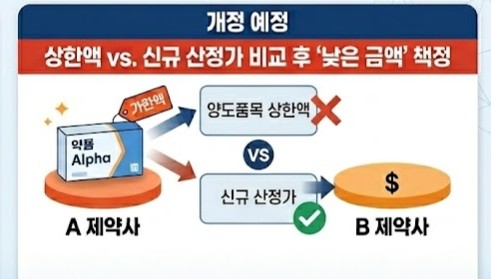
- The scope of drugs eligible for one-time rebate contracts as an alternative to permanent price cuts during Price-Volume Agreement (PVA) negotiations will be expanded.Under the government's policy to address low birth rates, drugs reported increased use due to expanded coverage for infertility procedures will now be eligible for one-time rebate agreements.When medicines from national stockpiles are deployed to respond to legal infectious diseases, they will be included in the list of drugs excluded from PVA negotiations. On the 11th, according to industry sources, the National Health Insurance Service (NHIS) is collecting opinions on the draft amendment to the "Detailed Operating Guidelines for Price-Volume Agreement Negotiations" until this afternoon.The NHIS aims to clarify the targets for one-time rebates, which serve as an alternative to price cuts, and expand their scope by establishing new criteria.As these regulations were originally introduced in response to COVID-19, the targets have been clarified as follows ▲Cases where a production/import request or administrative action from related agencies is confirmed for responding to an infectious disease at the 'Caution' level or higher of the crisis alert ▲Cases where it is confirmed through related agencies that an unavoidable supply disruption or shortage occurred for the sole alternative to the negotiated drug during the year preceding the analysis period due to issues with production facilities or raw material supply.Furthermore, a new clause has been established for cases where the use of drugs under 'infertility procedure reimbursement standards' has increased due to expanded policy support, such as changes to reimbursement criteria.Inclusion in these categories does not automatically mandate a one-time rebate contract. The new regulation also allows for the adjustment of the negotiation reference price for one-time rebate targets.Regarding drugs excluded from negotiations, drugs under a Risk Sharing Agreement (RSA) will be removed from the exclusion list. Drugs used as state-stockpiled materials to respond to legal infectious diseases will be added.For ingredients classified as national stockpiled materials under the Act on the Prevention and Control of Infectious Diseases, any usage of these stockpiled drugs for legal infectious disease response will result in an exclusion from PVA negotiations.In contrast, considering the purpose of the RSA, which is to share the uncertainty of the impact on insurance finances, relevant drugs will no longer be eligible for exclusion from negotiations.The definition of 'voluntary price reduction,' which qualifies a drug for exclusion from negotiations, will also be clarified. Currently, items where the 'reduction rate through voluntary application is greater than the reduction rate according to the negotiation reference price' are excluded from negotiations.However, this will be restricted so that voluntary price reductions resulting from evaluation outcomes, such as reimbursement adequacy re-evaluations or prior price cuts for reimbursement expansion, or those following specific contract terms with the NHIS do not qualify for exclusion.The updated PVA negotiation guidelines containing these details will be implemented following the opinion-gathering period and will apply starting with drugs currently undergoing monitoring or negotiation.

- Company
- Stricter regulations set to effectively block late generic entry
- by Chon, Seung-Hyun May 12, 2026 11:30am
- “85% of the lower value between the previous lowest price and the price reflecting failure to meet the 2 eligibility criteria.”The government plans to introduce a powerful price reduction mechanism for generics subject to the stepwise pricing system. Under the proposal, prices will be reduced by 15% based not only on the lowest listed price but also on prices reflecting unmet eligibility criteria. With the lower maximum generic price and stepwise reductions applied earlier, the price of the 14th generic entrant is expected to fall to less than half of the current level. The pharmaceutical industry is strongly opposing the move, arguing that reductions should be based solely on the lowest listed price.According to industry sources on the 11th, the Ministry of Health and Welfare presented a proposal in a working-level consultative body to strengthen the stepwise pricing threshold from the current 21st identical formulation to the 14th.The stepwise pricing system is structured so that the price ceiling decreases on a monthly basis, the later a generic drug enters the market. Under the current system, if there are more than 20 pre-listed identical products, the price of a generic drug entering the market as a latecomer is reduced by 15% each time.The government intends to incorporate not only the lowest price but also prices reflecting unmet eligibility criteria into the calculation.The government plans to maintain the approach implemented when the tiered pricing system was introduced in 2020, which assigns 85% of the lower of either the “immediately preceding lowest price” or the “price when two standard requirements are not met.”If drug prices that fail to meet standard requirements are factored into the stewpise pricing system, generic drug prices will drop exponentially.Under the eligibility criteria introduced in July 2020, generics must meet both requirements—conducting their own bioequivalence studies and using registered APIs—to receive the highest price. Failure to meet each criterion results in a 15% price reduction. From the current maximum of 53.55%, prices fall to 45.52% if one criterion is unmet, and 38.69% if both are unmet.AI-generated imageFor example, if all existing generics are priced at KRW 53.55, applying the lowest-price rule would result in a 15% reduction to KRW 45.52. However, applying the unmet-criteria rate of 38.69% leads to a further reduction to KRW 32.89, which is 38.6% lower than the lowest price.With upcoming reforms further lowering the maximum ceiling price for generics and increasing penalties for unmet criteria, the stepwise pricing system will become an even stronger price suppression mechanism.The Ministry of Health and Welfare’s revised drug pricing system, discussed at the Health Insurance Policy Deliberation Committee on March 26, includes a plan to lower the price calculation rate for generics and off-patent drugs from the current 53.55% to 45%.Under the current drug pricing system, which has been in effect since 2012, generics are granted a price premium of up to 59.5% of the original drug’s price prior to patent expiration upon initial listing, and the price cap is lowered to 53.55% 1 year later. New drugs whose patents have expired are also reduced to 53.55% of the pre-patent expiration price, similar to generics.Under the new system, both generics and off-patent drugs will be priced at 45% rather than 53.55%, and the uniform 59.5% premium for first generics will be abolished, replaced by differentiated incentives based on R&D investment. As a result, the long-standing ‘53.55%’ pricing benchmark introduced in 2012 will disappear after 14 years.The penalty for failing to meet maximum price criteria will also increase from 15% to 20%. If the base rate is set at 45%, generics failing one criterion will be priced at 36%, and those failing both at 28.8%.As a result, the 14th generic drug, to which the stepwise pricing applies, cannot exceed 24.48%—a 15% reduction from the 28.80% rate applied to generics failing to meet 2 maximum price criteria. Comparing the same 14th generic drug, if its price under the current system is KRW 53.55, whereas under the revised system, it drops to less than half that amount. The 15th and 16th generic drugs fall 38.6% from the lowest price, dropping 14.98% and 9.20%, respectively.Under the revised drug pricing system, the earlier application of the stepwise pricing system, a 15% stepwise price reduction, and a 20% price reduction for drugs that do not meet the highest-price requirement, creates a structure that effectively prevents late-entrant generics from entering the market.The pharmaceutical industry is strongly opposing the increasingly complex and aggressive pricing mechanism of the stepwise pricing system.The stepwise drug pricing system was previously abolished but has since been reintroduced. The Ministry of Health and Welfare abolished the tiered system as part of a 2012 reform of the drug pricing system. This allowed pharmaceutical companies to actively launch generics even in markets where patents had expired long ago, as they could still command high prices even with late market entry. However, as the problem of excessive generic proliferation became entrenched, the stepwise drug pricing system was revived after 8 years.Before 2012, generics could receive 54.4–68% of the original drug price, with stepwise reductions applied monthly based on the lowest existing price. While the maximum price for generics was set at 68% of the original drug’s pre-patent-expiry price, if 13 or more ‘first-to-market’ generics were listed simultaneously, the maximum price for generics was set at 54.4%. Subsequently, the maximum price for generics was reduced by 10% each time a new product was listed on a monthly basis. At that time, the price under the stepwise system was 10% lower than the lowest price of a pre-listed product.However, since 2020, the inclusion of unmet eligibility criteria has significantly amplified the impact of the system.An industry insider stated, “Even applying reductions based on the lowest price alone under the stepwise pricing system would discourage late entrants. By adding unmet criteria into the calculation, the government is effectively blocking late generics from entering the market.”

- Policy
- Middle East war crisis accelerate regulatory flexibility
- by Lee, Jeong-Hwan May 12, 2026 11:30am
- Amid the government’s push to address gaps in regional, essential, and public healthcare, the prolonged Middle East conflict is accelerating efforts to ease regulatory barriers through AI and telemedicine.The Ministry of Health and Welfare plans to take the lead in advancing regulatory reforms to fully utilize new medical technologies, such as AI and telemedicine, in order to strengthen regional, essential, and public healthcare and respond to the crisis caused by the war in the Middle East.The Ministry has already begun implementing measures to directly deliver medical supplies, such as syringes, IV sets, and medications, via telemedicine to patients with rare and intractable diseases, who are facing even greater difficulties in securing medical supplies due to the war in the Middle East.On the 9th, the Ministry announced plans to explore regulatory rationalization measures that would allow for the aggressive use of AI and telemedicine as part of efforts to strengthen regional, essential, and public healthcare.Currently, the Ministry is in the final stages of administrative procedures to establish a Regional, Essential, and Public Healthcare Division (hereinafter referred to as the “REPH Division”). Following consultations with the Ministry of the Interior and Safety, a consensus has been reached on the necessity of establishing the division, and efforts to secure the necessary personnel and budget are currently underway.Based on the establishment of the REPH Division and organizational restructuring, the Ministry of Health and Welfare intends to identify additional measures to integrate new medical technologies into regional, essential, and public healthcare.A prime example is the Primary Care Innovation Pilot Project, an initiative where local governments and regional primary care institutions design policies to proactively reform regional, essential, and public healthcare and submit them to the Ministry of Health and Welfare. Upon review, the Ministry provides policy and budgetary support.In particular, as the government is now able to respond to public health needs through dedicated public health officials based on the supplementary budget passed by the National Assembly, it will identify additional cases of regulatory exemptions for AI and telemedicine.An example of such a regulatory exemption is the collaboration between the Ministry of Health and Welfare and the telemedicine platform SolDoc to allow the direct delivery of medical supplies via telemedicine, aimed at minimizing the impact on patients with rare and intractable diseases caused by the fallout from the Middle East war.The Ministry of Health and Welfare has already begun administering the direct delivery of medical supplies to patients with rare diseases using a qualification verification system linked to SolDoc and medical institutions.These supplies, which include syringes, IV sets, suction tips, suction catheters, sterile saline, and disinfectant swabs, are essential for the home treatment of patients with rare diseases. The Ministry plans to gradually expand this in stages to include the delivery of medications as needed.With the passage of the revised Medical Service Act by the National Assembly, telemedicine will be fully institutionalized starting this December. The main provisions of the law include broadly permitting telemedicine for patients with rare diseases and allowing hospitals and higher-level medical institutions to provide telemedicine services under certain restrictions.The Ministry of Health and Welfare plans to expand telemedicine services based on regional, essential, and public healthcare until the Telemedicine Act takes effect.A Ministry official explained, “Since addressing gaps in regional, essential, and public healthcare is a key policy direction for the Ministry, we will develop additional measures to strengthen regional, essential, and public healthcare using AI and telemedicine, alongside the establishment of the new REPH Division.”A medical industry official also noted, “Following efforts to strengthen regional, essential, and public healthcare, and the prolonged Middle East war, the Ministry of Health and Welfare has repeatedly shown signs of seeking to relax healthcare regulations through telemedicine and new AI technologies. We are closely monitoring the situation, as there have been some instances where sufficient consultation with healthcare counterparts has not been conducted under the pretext of regulatory exemptions.”
- Company
- Will Retevmo complete its reimbursement race in Korea?
- by Eo, Yun-Ho May 12, 2026 11:30am
- Retevmo has revived the fading prospects for reimbursement of RET-targeted anticancer drugs in Korea.The drug recently passed the Drug Reimbursement Evaluation Committee of the Health Insurance Review and Assessment Service (HIRA), approximately 5 years after receiving domestic approval in Korea. This achievement comes eight months after it passed the Cancer Disease Deliberation Committee in September last year.Retevmo has faced significant challenges throughout the reimbursement process. It received approval from the Ministry of Food and Drug Safety in March 2022.Subsequently, reimbursement criteria were established in November 2022, and the drug passed the Drug Reimbursement Evaluation Committee in May 2023, confirming its cost-effectiveness.However, in August 2023, the listing was derailed when price negotiations with the National Health Insurance Service (NHIS) broke down. Later, in October 2023, data demonstrating an improvement in overall survival (OS) from Phase III clinical trials was released. Based on this evidence, the company reapplied for reimbursement and has now successfully completed the second round of HIRA-level evaluations.Attention now turns to whether Retevmo can achieve a positive outcome in price negotiations and secure final reimbursement listing.RET mutation is a rare genetic alteration found in approximately 1–2% of patients with non-small cell lung cancer.Currently, Retevmo is the only approved RET-targeted therapy in Korea. Conventional chemotherapy and immunotherapy have shown limitations in terms of response rates and duration of response in this patient population.The US National Comprehensive Cancer Network (NCCN) guidelines recommend Retevmo as a “Preferred Category 1” option for first-line treatment of RET-mutated metastatic NSCLC. This is the highest grade, meeting the highest level of evidence and expert consensus. While it is considered a standard of care immediately upon diagnosis, it remains non-reimbursed in Korea.Of course, even within the global standard of care, many are not reimbursed in Korea. However, the case of Retevmo stands out in that it had already demonstrated cost-effectiveness once yet failed at the negotiation stage, and even after additional clinical evidence, the re-evaluation process has been prolonged.Among the A7 reference pricing countries, Retevmo is reimbursed and used in clinical practice in 6 countries (the US, Germany, Italy, the UK, Switzerland, and Japan), excluding France.
- Company
- Enhertu expands treatment scope into HER2 solid tumors
- by Son, Hyung Min May 11, 2026 09:18am
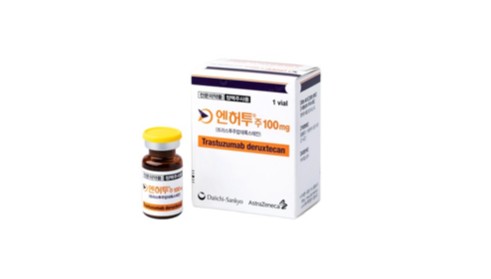
- The HER2-targeted antibody-drug conjugate (ADC) ‘Enhertu’ is accelerating its expansion into the solid tumor market by broadening its indications in Korea.As Enhertu expands its indications to include first-line breast cancer and second-line gastric cancer treatment, there is growing speculation that treatment strategies for HER2-positive solid tumors may shift toward ADCs.ADC anticancer drug ‘Enhertu’According to industry sources on the 9th, the Ministry of Food and Drug Safety recently approved the expansion of Enhertu’s (trastuzumab deruxtecan) indications to include first-line therapy for HER2-positive metastatic breast cancer and second-line therapy for HER2-positive metastatic gastric cancer.This approval allows Enhertu to be used in combination with pertuzumab as first-line therapy for patients with unresectable or metastatic HER2-positive breast cancer, as well as for patients with HER2-positive gastric or gastroesophageal junction adenocarcinoma whose disease has progressed following trastuzumab-based therapy.Enhertu was previously approved as a second-line treatment for HER2-positive metastatic breast cancer and a third-line treatment for HER2-positive metastatic breast cancer.Enhertu is a next-generation ADC that combines a monoclonal antibody with the same structure as trastuzumab, which binds to specific target receptors overexpressed on the surface of cancer cells, with a highly potent topoisomerase I inhibitor payload via a tumor-selective cleavage linker.An ADC is a novel anticancer drug created by linking an antibody that binds to a specific target antigen on the surface of cancer cells to a drug (payload) with cytotoxic activity via a linker. This therapy has the advantage of enhancing treatment efficacy while minimizing side effects by leveraging the antibody’s target selectivity and the drug’s cytotoxic activity to ensure the drug acts selectively on cancer cells.For over a decade, the THP regimen, which is a combination of taxane chemotherapy, Herceptin (trastuzumab), and Perjeta (pertuzumab), has remained the standard first-line treatment for HER2-positive metastatic breast cancer. However, limitations have been noted, as a significant number of patients experience disease progression within two years, and some are unable to proceed to subsequent treatments.In the DESTINY-Breast09 study, which served as the basis for this approval, the Enhertu and Perjeta combination reduced the risk of disease progression or death by 44% compared to the existing standard THP regimen. The median progression-free survival (PFS) was 40.7 months, an extension of more than one year compared to 26.9 months in the THP group.In terms of response rates, the objective response rate (ORR) in the Enhertu combination group was 85.1%, higher than the 78.6% in the THP group, and the complete response (CR) rate was 15.1%, exceeding the 8.5% in the control group.At the European Society for Medical Oncology Asia Congress (ESMO Asia 2025) held last year, analysis results for the Asian patient population of the trial were also released. An analysis of 346 Asian patients, including those from South Korea, showed that the median PFS in the Enhertu plus Perjeta combination group was 40.7 months, reducing the risk of progression by 45% compared to the THP group’s 24.7 months.Potential shift in gastric cancer treatment strategiesEnhertu’s expansion is not limited to breast cancer. It is also showing potential to improve survival in HER2-positive gastric cancer, an area with long-standing unmet needs, which is raising expectations for a shift toward ADC-based treatment strategies.HER2-positive gastric cancer is considered a prime area of unmet medical need. While the 5-year survival rate for early-stage gastric cancer exceeds 90%, it drops sharply in the metastatic stage. According to national cancer registry statistics, the 5-year relative survival rate for patients with metastatic gastric cancer is only around 6–7%.Nevertheless, the treatment landscape for HER2-positive gastric cancer has remained largely unchanged for a long time since Herceptin plus chemotherapy became the standard first-line treatment in 2010. Although various HER2-targeted therapies have been developed since then, they have failed to demonstrate clinical outcomes in gastric cancer as clear as those seen in breast cancer.In fact, treatment strategies based on Perjeta, Kadcyla (trastuzumab emtansine), and lapatinib have all failed to achieve significant improvements in survival in gastric cancer clinical trials. As a result, HER2-positive gastric cancer has been considered a tumor type with limited responsiveness to HER2-targeted therapy.Amid this context, Enhertu demonstrated an improvement in overall survival (OS) in the second-line treatment of HER2-positive metastatic gastric cancer through the DESTINY-Gastric04 study. In the trial, Enhertu reduced the risk of death by 30% compared to the standard combination of Cyramza (ramucirumab) and paclitaxel, and the median OS was 14.7 months, an improvement over the 11.4 months observed in the control group.Progression-free survival (PFS) was 6.7 months versus 5.6 months, and ORR was 44.3% versus 29.1%, respectively.
- Policy
- Review initiated on introducing 'indication-based drug pricing'
- by Jung, Heung-Jun May 11, 2026 09:18am
- The National Health Insurance Service (NHIS) is proceeding with a fiscal impact review for the introduction of an indication-based pricing system. The final decision on whether to implement the system is expected to be determined by the results of this research.In March, the Health Insurance Policy Review Committee (HIPRC) decided to review the feasibility and effectiveness of indication-based pricing. Consequently, the NHIS has initiated follow-up measures by commissioning a research project.According to the NHIS on the 8th, a public bid has been announced for a research project titled “Analysis of Indication-Based Drug Price Evaluation Status and Feasibility Review Study,” which is to be completed by the end of this year. The research is scheduled to run for 5 months following contract signing, with a planned completion date between November and December.The NHIS plans to finalize the research project related to the of indication-based pricing system by November or December. There have been consistent criticisms that the current single-price operation of the national health insurance system has limitations in adequately reflecting the value of innovative new drugs for severe and rare diseases.Through this study, the NHIS will analyze the benefits and effects of improved accessibility under an IBP system, as well as the limitations and costs associated with allocating the health insurance budget. The research findings will serve as a reference for future policy decisions.The contents of the research consists of ▲Literature review of previous domestic and international studies related to IBP ▲Current status of IBP operations in major overseas countries ▲Objective measurement and analysis of patient accessibility benefits and fiscal impacts for multi-indication drugs ▲Opinion surveys and in-depth interviews with the public, academia, the pharmaceutical industry, and the government ▲Comprehensive policy recommendations for system improvement.Specifically, the NHIS plans to evaluate fiscal impacts through drug price simulations for each indication. The study will also cover the types of drugs to be included in the system, reimbursement evaluation, drug price calculation methods, and mechanisms for post-reimbursement expenditure management.Furthermore, the NHIS will examine the overall aspects of the indication-based pricing system, including its pros and cons, operational points of contention, and policy considerations.The NHIS anticipates that "We will derive mid-to-long-term development directions for the 'expansion of scope of use' system based on the categorization of reimbursement expansion for multi-indication drugs."The research results are planned for use in establishing a mid- to long-term roadmap for creating an innovative new drug ecosystem and in informing government policy decisions.The research schedule includes an interim report meeting in September~October and a final report meeting in October~November. The research is scheduled for completion at the end of the year.
- Opinion
- [Desk’s View] Are Korean modified drugs really beneficial?
- by Lee, Tak-Sun May 11, 2026 09:18am
- Generics with modified formulations are currently the hottest trend in product development among domestic pharmaceutical companies. In particular, products that convert tablets into orally disintegrating tablets (ODTs) to improve ease of administration are steadily emerging.ODTs, which dissolve in the mouth, are undoubtedly convenient for elderly patients, children, and those with swallowing difficulties. For these patients, there is no reason not to welcome the product development efforts of domestic pharmaceutical companies.However, whether it is really necessary for multiple companies to simultaneously develop orally disintegrating tablets containing the same active ingredient remains well in question, given the relatively small target patient population.For example, in the case of pitavastatin ODTs used to treat hyperlipidemia, not only the originator but also numerous generic companies have entered development competition, even though the 2mg tablet market is already saturated with 42 products.Behind the competition in ODT development lies pricing. In Korea, drug prices are calculated based on the criteria of identical active ingredients, identical dosage forms, and identical strengths. Under the stepwise pricing system, if there are more than 20 identical formulations meeting these conditions on the market, the price of the next product to be listed is set 15% lower than the previous lowest price.Since there are already 42 pitavastatin 2mg tablets, prices are inevitably set lower than the current minimum of KRW 462. However, ODT formulations, being classified as different formulations, can receive the highest price of KRW 561 for that ingredient.However, one must consider whether charging the highest price with a different formulation can truly satisfy a company’s profit needs when the patient population itself is small. Moreover, if multiple pharmaceutical companies compete, the market share will inevitably shrink.Naturally, to meet their profit targets with orally disintegrating tablets, pharmaceutical companies will target general populations as well, not just those who have difficulty swallowing tablets. As a result, a significant number of general patients may end up being prescribed ODTs.If a patient taking two or more medications has different dosage forms for each, this may increase inconvenience, as the patient must swallow one pill with water and dissolve another to take it, creating additional hassle.This means that a drug designed for the convenience of a specific patient group may actually cause inconvenience for the general patient population. This is because the choice of medication rests solely with the medical staff.The development of pharmaceuticals with improved convenience is on the rise. Although the market for combination drugs, which combine multiple medications into a single formulation, is already saturated, new combinations continue to emerge. Incrementally modified combination drugs are also granted pricing premiums. If ODTs prove commercially successful, development will likely evolve further.Pharmacy shelves are already filled with such products, and pharmacists have identified Korean modified drugs as a growing inventory burden. Given that hundreds of millions of won have been invested in developing these drugs, this cannot help but be a waste of social resources.While the emergence of more convenient medications is a positive development for patients, too many products are being released in Korea relative to the size of the market. In this highly competitive environment, it is unclear whether formulation changes and combination products truly contribute to the sustainability of the national health insurance system.If drug pricing is driving this competition in product development, the government may need to reassess whether the current pricing system truly aligns with patient needs.
- Company
- New drug competitiveness, patient-focused structure is the key
- by Hwang, byoung woo May 11, 2026 09:18am
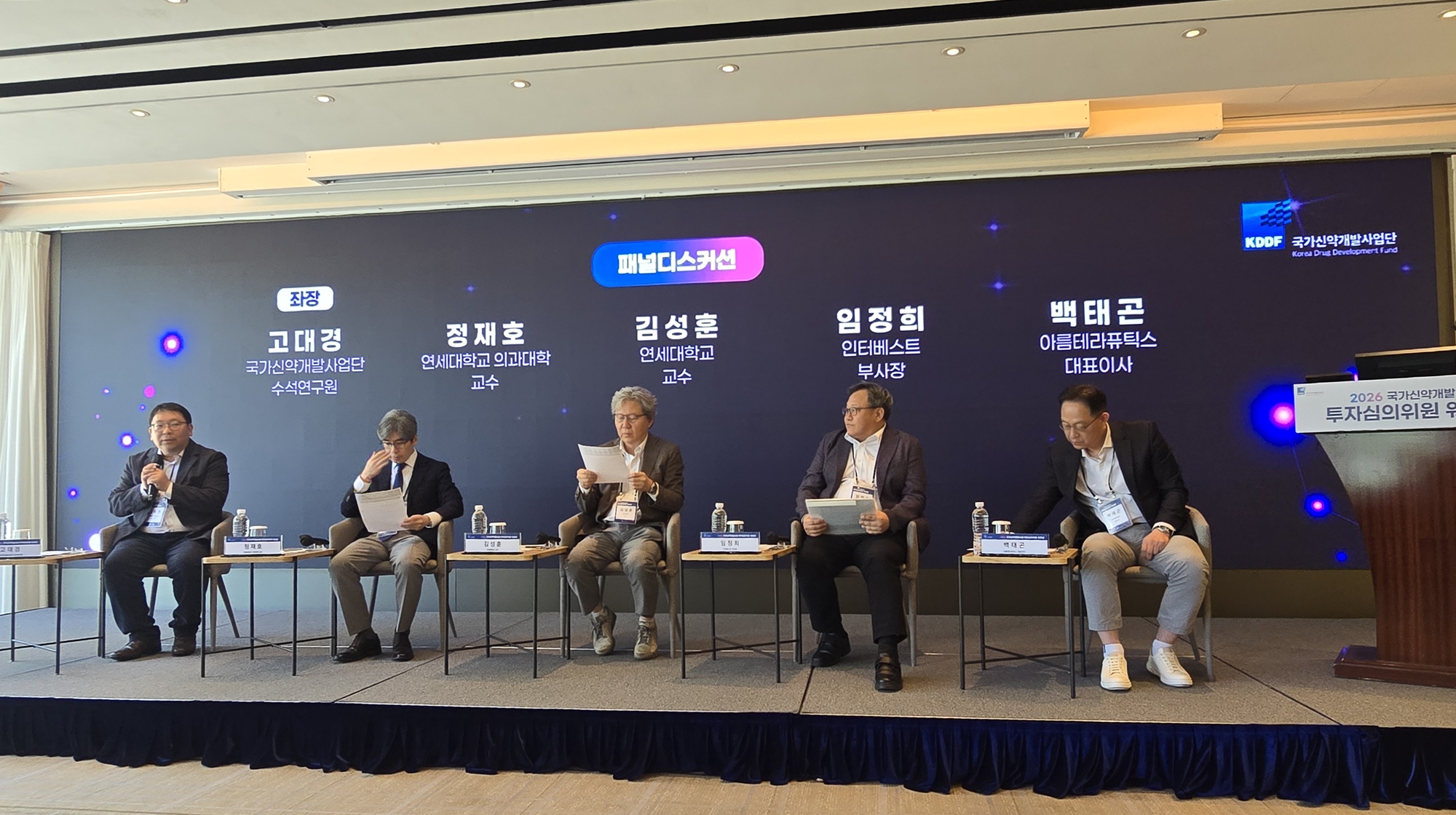
- As the Korea Drug Development Fund (KDDF) enters its second phase, opinions have emerged that a structural shift, prioritizing higher success rates over simple pipeline expansion, is necessary for future tasks.During the investment review process, voices called for evaluating project quality based on patient population definition, clinical positioning, and biomarker strategies, rather than viewing innovation and commercialization potential as a completely distinguished one.On the 8th, the KDDF held the '2026 Investment Review Committee Workshop' and conducted a panel discussion under the title 'Investment Review that Produces Results: Directions and Choices for National Drug Development Projects."The Korea Drug Development Fund (KDDF) held the '2026 Investment Review Committee Workshop' on the 8th.The panel discussion was moderated by Koh Dae-kyung, Senior Manager at KDDF, with participation from: ▲Professor Sung Hoon Kim of Yonsei University ▲Junghee Lim, Vice President of InterVest ▲Professor Jaeho Cheong of Yonsei Cancer Hospital ▲Taegon Baik, CEO of Arum Therapeutics.Korean drug development, highlighting challenges in clinical trials and capital beyond pipeline countThe discussion began with an evaluation of Korea's competitiveness in drug development. Despite a rapid increase in domestic pipelines, participants discussed why global drug outcomes remain limited and identified the gap between R&D capabilities and actual performance.Panelists agreed that while the quantitative growth of the domestic ecosystem is evident, it must be supplemented by Phase 3 capital, commercialization judgment, and patient-centric development strategies to translate into global success.First, Professor Sung Hoon Kim noted that the domestic ecosystem has grown to an incomparable scale, but cautioned that quantitative expansion does not automatically yield global results. Professor Kim said, "With thousands of pipelines in motion, even if most fail statistically, I believe a global drug will emerge soon," and assessed, "However, for this to be structurally possible, we ultimately need funds capable of supporting Phase 3 trials."InterVest Vice President Junghee Lim noted that the increase in pipelines should be viewed alongside its underlying structure. Lim explained that many projects are likely in early clinical stages, often linked to the rise of university-based venture startups. While acknowledging the advantage of having the most knowledgeable technical experts lead development, Lim questioned whether rigorous eligibility judgments from a commercialization perspective were adequately applied.(from left Koh Dae-kyung, Senior Manager at KDDF, Professor Jaeho Cheong of Yonsei Cancer Hospital , Professor Sung Hoon Kim of Yonsei University From a clinical perspective, 'patient-centric' was presented as a key keyword. Professor Jaeho Cheong suggested that, since the endpoint of drug development is the patient, the approach should shift away from a 'substance-centric' focus toward defining which patient groups, which biomarkers, and which clinical benefits will be achieved. Professor Cheong stated, "We are playing a game of probability regarding patient reachability," and added, "We must move toward a patient-centric, not substance-centric, approach."Professor Cheong added that competitiveness should be viewed based on clinical benefit rather than the number of candidates. This means that a focus on which patient segments to target and what clinical positioning to take must come first to increase the value of thousands of drugs.Role of investment review…balancing innovation and failure ProbabilityFollowing the evaluation of competitiveness, the discussion moved to the roles of the Fund and the Investment Review Committee. Senior Manager Koh Dae-kyung asked which criteria (among global competitiveness, innovation, performance potential, or commercialization potential) should be the primary focus.The discussion focused on the balance between 'selecting projects with high success probability' and 'early screening of projects with high failure probability.' As a project funded by public capital, it cannot focus solely on short-term results, yet it is also inappropriate to delay the verification of development feasibility in the name of innovation.Professor Chung proposed 'Translational Probability,' the likelihood of reaching the patient, as the core criterion for investment review. He explained that the role of public support is not just picking winners but also screening out projects with high failure probability early on."The endpoint of the risky journey of drug development is reaching the patient," Professor Chung explained. "Creating criteria that can quantify, index, and objectify this will be the role of the next generation of the Investment Review Committee." However, considering that the KDDF is at a stage where it must produce results in its remaining period, he acknowledged that the weight of competitiveness and commercialization potential might increase.(from left) Junghee Lim, Vice President of InterVest, Taegon Baik, CEO of Arum TherapeuticsFrom an investor's perspective, competitiveness and success probability were emphasized more heavily. Vice President Lim explained that the committee is composed of experts from various fields to view a single project from multiple perspectives. Lim stated that if a 'Best-in-class' drug is targeted, the proposal must include head-to-head comparisons with competitors, a mechanism of action (MoA) demonstrating competitiveness, evidence-based experimental models, and clinical trial designs.Regarding novel targets, Lim also distinguished between research and development. While a novel target may be a research topic to explore over a long period for academia, a company must produce results within limited resources and time.Future Projects, re-designing support systems to increase clinical success ratesIn the latter half of the discussion, participants deliberated on the direction of support after the current national drug development project and the structure of subsequent projects.Panelists argued that future projects should be designed to increase the clinical success rate, moving beyond simple research funding. Key tasks identified included investment linkage, clinical site matching, platform technology support, and strategies for securing Human Proof of Concept (PoC).Regarding this, CEO Taegon Baik suggested different support methods for discovery and clinical stages. Since the discovery stage is high-risk, it should be linked to corporate strategic investment and joint research. At the same time, national budgets should be more concentrated on clinical programs with high success potential.Professor Kim also proposed a separate track for platform technology support. Unlike individual pipelines, platform technologies have independent value but can appear ambiguous from a private investment perspective, necessitating a dedicated track for public support.Park Yeong min, Director of the Korea Drug Development FundDuring the Q&A session, issues such as securing financial resources for subsequent projects, operating expert advisory groups, public-led risk-sharing systems, and the need for a legal foundation were raised. Attendees suggested that since government budgets alone have limits, there should be linkages with long-term investment funds like the National Pension Service and expanded participation from private capital.Park Yeong min, Director of the Korea Drug Development Fund, stated that securing innovation, balancing evaluation and management, recycling budgets from halted projects, and ensuring the continuity of expert organizations are all tasks to be addressed in subsequent projects."We need to consider how to secure innovation and what evaluation criteria to maintain since public funds are involved," Director Park said. "From a VC's perspective, early exits may be important, while from a developer's perspective, there is a need for support until the end to develop a 'First-in-class' drug."Park added, "There are projects that are discontinued during stage or final evaluations, and we need wisdom on how to reuse those halted budgets. We must prepare in a way that preserves the strengths identified so far while minimizing the weaknesses."
- Company
- Rybrevant reimb delayed in Korea…treatment gap persists
- by Son, Hyung Min May 11, 2026 09:18am
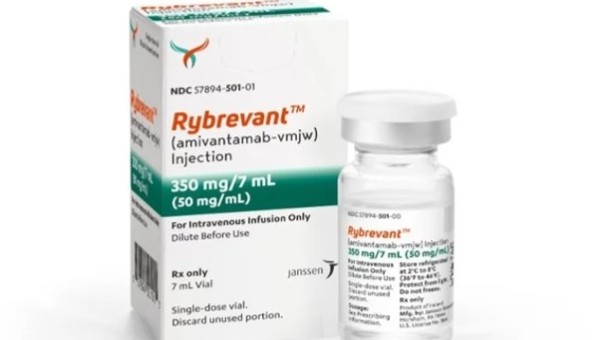
- NSCLC drug ‘Rybrevant’The gap in treatment access continues as discussions on health insurance reimbursement for ‘Rybrevant,’ a treatment for non-small cell lung cancer (NSCLC) with EGFR exon 20 insertion mutations, have been postponed again.This mutation is known for its low response rate to conventional EGFR-targeted therapies and for the limited treatment options available. With virtually no alternatives to Rybrevant currently available, reimbursement delays continue to place a financial burden on patients.According to industry sources on the 11th, the Drug Reimbursement Evaluation Committee of the Health Insurance Review and Assessment Service (HIRA) recently issued a redeliberation decision regarding the adequacy of reimbursement for Janssen’s NSCLC treatment, Rybrevant (amivantamab).The DREC evaluated its use as monotherapy for patients with locally advanced or metastatic NSCLC harboring EGFR exon 20 insertion mutations whose disease has progressed during or after platinum-based chemotherapy.Although Rybrevant received regulatory approval in Korea in December 2022, it has yet to obtain reimbursement coverage.In addition, the Cancer Drug Deliberation Committee meetings held in September last year and January this year failed to establish reimbursement criteria for several regimens, including ▲ first-line carboplatin + pemetrexed combination therapy for EGFR exon 20 insertion patients; ▲ first-line lazertinib combination therapy for EGFR exon 19 deletion or L858R mutation patients; and ▲ carboplatin + pemetrexed combination therapy following EGFR TKI treatment.Setbacks in development of exon 20 insertion targeted therapies… Rybrevant remains the only optionEGFR exon 20 insertion mutations are structurally complex and heterogeneous compared to exon 19 deletions or L858R mutations, making drug development particularly challenging.In fact, cases of failed drug development have continued in the global market as well.Takeda’s oral targeted therapy Exkivity (mobocertinib) initially received conditional approval based on an objective response rate (ORR) of 28% in early trials, but was withdrawn after failing to demonstrate improvement in progression-free survival (PFS) in the confirmatory Phase III EXCLAIM-2 study.Development of poziotinib was also halted due to efficacy falling short of expectations and toxicity issues.Amid these challenges, Rybrevant has effectively become the only approved treatment option in this setting.Rybrevant is a bispecific antibody targeting both EGFR and MET. It is designed to inhibit not only EGFR mutations but also MET-driven resistance pathways.In clinical practice, MET-based resistance mechanisms are observed in approximately 10–15% of all patients. This patient group has a relatively poor prognosis, and Rybrevant is therefore considered to offer meaningful potential in terms of long-term survival.Rybrevant shows efficacy as first-line combination therapy… patient burden remainsWhile reimbursement discussions for Rybrevant are delayed, clinical practice is increasingly focusing on the value of first-line combination therapy rather than monotherapy.In the Phase III PAPILLON study, Rybrevant in combination with pemetrexed and carboplatin improved both PFS and ORR compared to chemotherapy. The trial included 308 previously untreated patients with locally advanced or metastatic NSCLC harboring EGFR exon 20 mutations.In this study, median PFS was approximately 11.4 months in the combination group versus 6.7 months in the chemotherapy group.However, since current reimbursement discussions are focused on its use as second-line monotherapy, some observers note a gap between the pace of accumulating clinical evidence and policy application.The continued lack of reimbursement imposes a significant financial burden on patients. Annual treatment costs for Rybrevant without reimbursement are estimated at around KRW 150 million.In particular, since the drug is administered once a week during the first four weeks, the financial burden is concentrated in the early treatment phase. After this initial phase, the dosing schedule switches to every two weeks. However, it is reported that the pharmaceutical company is currently operating a partial cost-support program for the initial treatment phase, thereby reducing the actual financial burden on patients. Under this program, a portion of the drug cost is covered during the first four weeks, and a certain percentage of the cost is also covered during the subsequent maintenance therapy phase.Industry observers suggest that Janssen is placing greater strategic emphasis on its use as a combination therapy, which is gaining traction in clinical practice, rather than focusing solely on its monotherapy reimbursement.Rybrevant is currently being developed in combination with Leclaza to expand into first-line treatment of EGFR-mutant NSCLC, while also broadening the potential for its use in the early treatment stages for Exon 20 insertion mutations.However, while treatment strategies in clinical settings are shifting toward first-line combination therapy, reimbursement discussions remain stuck at second-line monotherapy, highlighting an ongoing disconnect between policy and clinical practice.
- Policy
- Inheritance of drug price ceiling to be blocked in transfers
- by Jung, Heung-Jun May 08, 2026 01:15pm
- Changes are expected to the current rules that allow drug price ceilings to be inherited during product transfers. The system is likely to revert to past regulations that apply the lower of the new calculated price and the price at the time of transfer.As a result, acquiring high-priced generics to avoid the impact of drug pricing reform will no longer be viable.According to industry sources on the 6th, a working-level consultative body comprising the Ministry of Health and Welfare and industry representatives recently discussed changes to the transfer regulations that were not brought before the Health Insurance Policy Deliberation Committee in March.The rules governing price ceilings in transfers have changed multiple times. Until 2020, prices were set based on the lower of the final ceiling price of the transferred product and the newly calculated price.However, following the stepwise pricing reform, industry backlash arose as transfers were treated as new listings, leading to significant price drops.In response, the government allowed inheritance of the existing ceiling price starting during transfers in 2021.Now, the government plans to revert to the previous rule, applying the lower of the existing ceiling and the new calculated price.Even if a high-priced generic is acquired, the newly calculated price at the moment of transfer is applied, effectively enforcing a lowest price rule.Pharmaceutical companies that had considered acquiring high-priced generics to avoid pricing reform will lose this option.With the reform, the generic pricing rate has been reduced to 45%, and the reduction rate for products failing to meet the baseline requirements has been strengthened from 85% to 85%. Combined with multi-listing management rules, prices could fall to as low as 30.6% within one year if bioequivalence studies are not conducted.Previously, companies might have chosen to acquire products with higher maintained prices.However, if prices are reset based on the calculation price at the time of transfer, transfers that take existing drug prices into account become meaningless.
