
- LOGIN
- MemberShip
- 2026-06-13 22:25:12

- Company
- Outpatient Rx mkt growth slows amid reimbursement curbs and price cuts
- by Chon, Seung-Hyun Apr 30, 2026 08:24am
- The outpatient prescription market has shown steady performance this year. Analysts attribute this to a steady stream of flu patients and the expansion of insurance coverage for medications utilizing new technologies, such as oral anticancer drugs, which have spurred growth in the outpatient prescription market. However, the growth rate has slowed compared to previous years, partly due to reimbursement restrictions and drug price cuts.According to the pharmaceutical research institution UBIST on the 29th, the outpatient prescription market reached KRW 5.3484 trillion in Q1, a 3.5% increase year-on-year. This marks the third-largest quarterly market size on record, following Q3 and Q4 last year.Quarterly outpatient prescription volume (Unit: KRW 100 million, Source: UBIST)The outpatient prescription market has steadily expanded over time, growing 40.1% over five years from KRW 3.8173 trillion in Q1 2021.Following the COVID-19 endemic transition, persistent influenza and respiratory illness cases have sustained market growth. The Korea Disease Control and Prevention Agency reported that influenza alerts were issued continuously from January through last month, exceeding the epidemic threshold. For six months starting from Week 40 of last year (September 29–October 5), the incidence rate exceeded the seasonal epidemic threshold for the 2025–2026 season, 9.1 cases per 10,000 people.Proportion of Influenza-like Illness patient rates for the 2025–2026 season (Unit: Persons; Source: Korea Disease Control and Prevention Agency).Even without extraordinary factors like pandemics, the outpatient market is structurally set to grow due to aging populations and increasing chronic disease prevalence.Recently, expanded insurance coverage for innovative therapies has further driven market growth.For instance, AstraZeneca’s anticancer drug Tagrisso recorded KRW 54.2 billion in outpatient prescriptions in Q1, a 26.2% increase year-on-year. Tagrisso is used for EGFR-mutated metastatic non-small cell lung cancer (NSCLC). Since 2024, its reimbursement has expanded alongside Yuhan’s Leclaza for first-line treatment of certain mutation-positive NSCLC.Although anticancer drugs are typically used more in inpatient settings, Tagrisso’s oral formulation has significantly boosted outpatient prescriptions. Its outpatient sales more than doubled from KRW 22.7 billion in Q1 2023 to current levels. Leclaza also saw Q1 prescriptions reach KRW 19.1 billion, more than tripling in three years.However, Q1 growth appears to have slowed somewhat compared to previous years. This marks the lowest growth rate in five years, following a 2.9% year-over-year increase in prescription sales in Q1 of 2021. The outpatient prescription market grew by 10.9% year-over-year in Q1 2022 and expanded by 9.9% in Q1 2023. In Q1 2024 and last year, the market grew by 5.5% and 5.3% year-on-year, respectively. The strong upward trend continued as infectious disease patients continued to emerge amid the COVID-19 pandemic and endemic phase.Government drug pricing policies are cited as a major factor. Repeated reimbursement restrictions and price cuts have dampened market expansion.For example, the brain function enhancer choline alfoscerate market shrank from KRW 146.2 billion in Q1 last year to KRW 103 billion this year, a 29.5% drop in one year.Since September 21st, the patient co-insurance rate has increased from 30% to 80% for non-diagnosed patients, sharply reducing prescriptions. In Q4 last year, the prescription market for choline preparations stood at KRW 103.7 billion, a 29.9% decrease from the previous quarter’s KRW 147.9 billion, and remained at a similar level in Q1 this year. This means that over the past six months, the prescription market for choline preparations has shrunk by more than KRW 90 billion due to the reimbursement cut.In Q1, the outpatient prescription market for mugwort extract-based drugs stood at KRW 25.3 billion, a 18.7% decrease year-on-year. Mugwort extract-based drugs are natural medicines made from mugwort and are used to improve gastric mucosal lesions, bleeding, redness, and swelling associated with acute and chronic gastritis. Following the government’s reimbursement reevaluation, the insurance price ceiling for 74 types of mugwort extract-based medicines was reduced by an average of 14.3% starting in February, causing the prescription market to contract.Unexpected variables also impact the market. The COVID-19 drug Paxlovid recorded KRW 47.7 billion in prescription sales in Q3 last year, but this figure shrank to KRW 2.1 billion in Q1 this year. Paxlovid is primarily prescribed to high-risk patients at risk of severe progression. Initially, the government purchased and supplied it free of charge, but in June 2024, the government halted the supply of new batches, shifting to regular prescriptions through general medical institutions.With the decision on Paxlovid’s health insurance reimbursement in October 2024, it officially entered the prescription market. The reimbursement price was set at KRW 941,940, with a 5% co-insurance rate. Due to the fluctuating number of COVID-19 patients and Paxlovid’s high price, there was significant variation in prescription volume. Paxlovid’s prescription sales of KRW 47.7 billion in Q3 last year accounted for 0.9% of total outpatient prescription sales.
- Opinion
- [Reporter’s View] Beyond generics to new drugs
- by Choi Da Eun Apr 30, 2026 08:24am
- The Korean pharmaceutical industry’s push into new drug development has reached a turning point. Companies are moving away from a business model centered on generics and contract manufacturing (CMO), expanding into next-generation anticancer drugs and obesity treatments, signaling a clear shift toward innovation-driven growth to improve the company’s structure with a focus on new drugs.Whereas it was once common to acquire candidate compounds from global pharmaceutical companies and focus on late-stage clinical trials or commercialization, there is now a growing movement to take the lead directly, from early discovery through Phase 1 and 2, and even late-stage clinical trials. This strategy aims to go beyond simply securing a pipeline to internalize the entire new drug development cycle.This shift is led by major pharmaceutical and biotech companies such as Hanmi Pharmaceutical, Daewoong Pharmaceutical, JW Pharmaceutical, HK inno.N, Celltrion, and Samsung Bioepis. These firms are diversifying portfolios across oncology, obesity, and immunology by expanding pipelines of new drug candidates.A notable trend is the growing emphasis on in-house development. Companies are increasingly attempting to internalize the entire R&D cycle, moving beyond simple pipeline acquisition toward full-spectrum innovation, from early-stage compound discovery through Phase 1 and 2 clinical trials, and on to late-stage clinical trials. This marks a strategic shift away from a focus on in-licensing toward internalizing the entire R&D cycle.For example, Celltrion and Samsung Bioepis are accelerating the development of antibody-drug conjugate (ADC) anticancer drugs, thereby expanding their footprint into the field of biopharmaceuticals. This is an attempt to leap to the next stage by leveraging the technological capabilities and capital accumulated through biosimilars.In particular, obesity treatments and anticancer drugs are emerging as next-generation growth engines. Although these are fields with fierce competition in the global market, they are also areas where the landscape can rapidly shift depending on technological innovation. Multi-mechanism-based obesity treatments and next-generation ADC anticancer drugs are cited as representative fields where domestic companies can compete based on their technological prowess.Hanmi Pharmaceutical is taking one of the most aggressive approaches, expanding both bispecific antibody oncology pipelines and obesity drug programs simultaneously. The company is aiming to secure global competitiveness by leveraging multi-mechanism obesity drugs and anticancer platforms as its two main pillars.JW Pharmaceutical has demonstrated the ability to independently advance late-stage development by bringing a gout treatment candidate to Phase 3. This is significant because it demonstrates that these companies have internalized development capabilities not just to acquire a pipeline, but to reach the stage immediately prior to commercialization.HK inno.N is strengthening its in-house R&D capabilities by combining the introduction of obesity drug candidates with an open innovation strategy. This is a hybrid strategy that leverages external technology while aiming to secure an independent pipeline in the long term.Chong Kun Dang is developing innovative drugs through its subsidiary Achelra, while Yuhan Corporation is advancing biologics via ImmuneOncia. These specialized subsidiaries aim to improve research efficiency and success rates.The strengthening of new drug development capabilities reflects both technological advancement and improved financial stability among Korean companies. However, the industry is still in a transitional phase. Some companies are balancing between in-licensing and in-house development, but cases where clinical trials successfully lead to commercialization remain limited. A gap between expectations and actual outcomes persists.Nevertheless, the reason domestic pharmaceutical companies are shifting course is clear. With generic drug price cuts and intensifying competition among contract manufacturing organizations (CMOs), the limits to growth under the existing business model have become evident. Ultimately, the prevailing view is that it is difficult to secure a meaningful foothold in the global market without proprietary new drugs.The fact that domestic pharmaceutical companies have entered a stage where they are charting their own course in new drug development is clearly a significant change. With accumulated manufacturing expertise, global expansion experience, and strengthening R&D infrastructure, the industry’s structure is gradually evolving.Whether the challenge of shifting the R&D structure from a focus on generics and biosimilars to new drugs will remain a temporary trend or become a turning point for securing a presence in the global market depends on clinical outcomes and commercialization capabilities.This effort is not merely business expansion but a structural transformation of the industry. Market evaluation should therefore consider both outcomes and the process of capability building. If this trend continues, the leap from a generic powerhouse to a powerhouse in new drug development will no longer be a distant prospect.
- Company
- Boryung loses first trial in Lenvima + Keytruda combo patent dispute
- by Kim, Jin-Gu Apr 30, 2026 08:24am
- Boryung has lost the first trial in a patent dispute over the combination therapy of the liver cancer treatment Lenvima (lenvatinib) and Keytruda (pembrolizumab). Although Boryung had already launched a generic after overcoming listed patents, the latest ruling has left the company facing marketing risks for key indications. To mitigate this risk, the company must now seek a reversal of the ruling by appealing to the Intellectual Property Court.According to industry sources on the 29th, the Intellectual Property Trial and Appeal Board recently issued a ruling of partial dismissal and partial rejection in a passive scope confirmation trial filed by Boryung against Eisai Korea and Merck regarding an unlisted patent (No. 10-2662228) related to the Lenvima + Keytruda combination therapy. The IPTAB also dismissed the invalidation trial request for the same patent.This patent covers the ‘combination of a PD-1 antagonist and a VEGFR/FGFR/RET tyrosine kinase inhibitor for treating cancer.’ Merck and Eisai registered this patent in April 2024. The patent covers the combination therapy of Lenvima and Keytruda for the first-line treatment of advanced endometrial cancer and advanced renal cell carcinoma.Among Lenvima’s indications - ▲ locally recurrent or metastatic progressive differentiated thyroid cancer, ▲first-line treatment for unresectable hepatocellular carcinoma, ▲combination therapy with pembrolizumab for the treatment of patients with advanced endometrial cancer, ▲combination therapy with pembrolizumab as first-line treatment for advanced renal cell carcinoma - this case is related to the 3rd and 4th indications.Industry analysis suggests that Boryung has effectively suffered a decisive defeat in the first-instance trial over the Lenvima + Keytruda combination patent. However, the ruling does not block the sale of Boryung’s Lenvima generic, Lenvanib. Previously, Boryung had bypassed or invalidated all four listed patents for Lenvima except the substance patent, and received marketing approval for Lenvanib in February last year. It then secured reimbursement listing in July and launched the product. Currently, Boryung’s Lenvanib is the only Lenvima generic on the market.However, due to this ruling, Lenvanib can no longer be used to treat advanced endometrial cancer and advanced renal cell carcinoma. This is because if Lenvanib is used for these indications, Boryung could face patent infringement lawsuits from Eisai and Merck.Eisai has already demonstrated a proactive stance in protecting its patent rights, as evidenced by its filing of an active scope confirmation trial regarding the scope of rights during a dispute over another use patent (10-1470653) against Boryung. Although that case concluded with Eisai voluntarily withdrawing its claim following Boryung’s victory in the invalidation trial, had the invalidation trial yielded the opposite result, it could have served as grounds for a patent infringement lawsuit.At present, Lenvima’s core market remains thyroid cancer and hepatocellular carcinoma (indications 1 and 2). However, Boryung’s concerns have grown as Lenvima’s focus in the global market is rapidly shifting toward combination therapy with Keytruda for endometrial cancer and renal cell carcinoma.To resolve this patent risk, Boryung must now decide whether to appeal. Industry observers expect that, given the growing importance of combination therapy in Lenvima’s global revenue mix, Boryung is unlikely to accept the first-instance defeat without a challenge.

- Company
- Generic companies win ‘Jardiance Duo’ unlisted patent 1st instance trial
- by Kim, Jin-Gu Apr 30, 2026 08:24am
- Product photo of Jardiance TabFourteen pharmaceutical companies, including Chong Kun Dang, have won a favorable ruling in a patent dispute regarding unlisted patents for Jardiance Duo (empagliflozin + metformin).Analysis suggests that following their victory in the unlisted patent dispute for the Jardiance monotherapy late last year, this subsequent win for the metformin combination therapy significantly mitigates patent risks for generic products.According to pharmaceutical industry sources on the 29th, the Intellectual Property Trial and Appeal Board (IPTAB) issued a decision on the 28th in favor of the invalidation trial filed by Chong Kun Dang and others against Boehringer Ingelheim regarding the use patent for Jardiance Duo. In addition to Chong Kun Dang, generic companies participating in this trial include Genupharma, Pharmgen Science, Dongkoo Bio & Pharma, Daehan Nupharm, Dongwha Pharm, Young poong Pharmaceutical, Withus Pharmaceutical, JW Pharmaceutical, Medica Korea, Boryung, Aprogen Biologics, Korea Pharma, Hanmi Pharm, and Aju Pharm.This patent is concerning the use patent for the combination therapy of empagliflozin and metformin, which is set to expire in November 2027. Notably, it was not listed in the Ministry of Food and Drug Safety’s (MFDS) patent Green List.Boehringer Ingelheim has registered two listed patents and seven unlisted patents related to Jardiance with the Korean Intellectual Property Office. Generic manufacturers successfully bypassed one of the listed patents in 2019. Based on that ruling, companies challenging the patent obtained generic product licenses and launched their generics in October last year, around the time of the expiration of the substance patent.However, the seven unlisted patents have been analyzed as potential obstacles to the sale of Jardiance generics. While they do not affect product authorization, selling products without overcoming unlisted patents carries the risk of patent infringement litigation.Boehringer Ingelheim’s unlisted patents related to Jardiance include ▲three use patents for empagliflozin single-agent ▲one use patent and one formulation patent for empagliflozin + metformin ▲one use patent for empagliflozin + linagliptin ▲one use patent for the triple combination therapy of empagliflozin + linagliptin + metformin.Korea's fourteen pharmaceutical companies, including Chong Kun Dang, Genupharma, Pharmgen Science, Dongkoo Bio & Pharma, Daehan Nupharm, Dongwha Pharm, Young poong Pharmaceutical, Withus Pharmaceutical, JW Pharmaceutical, Medica Korea, Boryung, Aprogen Biologics, Korea Pharma, Hanmi Pharm, and Aju Pharm have won a favorable ruling in a patent invalidation trial concerning unlisted patents for Jardiance Duo (empagliflozin + metformin).Among these, generic companis, including Genuone Sciences, Chong Kun Dang, Korea Prime Pharm, Boryung, and Huons, successfully invalidated one of the use patents for the Jardiance monotherapy formulation in November last year. Boehringer Ingelheim has appealed to the Patent Court following this first-instance defeat.With the sequential invalidation of the use patents for both the Jardiance monotherapy and the metformin combination product, industry analysts believe generic companies have resolved a substantial portion of the patent risks associated with product sales.However, generic manufacturers have failed to overcome the unlisted use patent for Esglito (empagliflozin + linagliptin). Companies including Genuone Sciences, Boryung, Dongkook Pharm, Medica Korea, Aprogen Biologics, Korea Prime Pharm, Daehwa Pharm, GC Biopharma, and Aju Holdings filed invalidation and passive negative scope confirmation trials against the Esglito patent. These companies received dismissal rulings in February and March of this year, respectively.Additionally, decisions regarding two cases of use patents for Jardiance and one case of formulation patent for Jardiance Duo is pending.
- Company
- Darzalex SC Inj, expansion of three indications approved
- by Eo, Yun-Ho Apr 30, 2026 08:23am
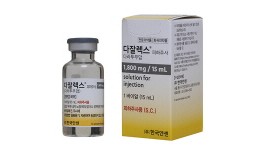
- Product photo of Darzalex SC The application for the subcutaneous (SC) formulation of ‘Darzalex’ is expanding.According to industry sources, Janssen Korea obtained additional approvals from the Ministry of Food and Drug Safety (MFDS) on the 24th for three indications of Darzalex SC (daratumumab) Inj.This drug’s specific indications are ▲combination therapy with bortezomib + lenalidomide + dexamethasone (DVRd) for patients with newly diagnosed multiple myeloma who are eligible for autologous stem cell transplant ▲combination therapy with bortezomib + lenalidomide + dexamethasone (DVRd) for patients with newly diagnosed multiple myeloma who are ineligible for autologous stem cell transplant ▲combination therapy with pomalidomide + dexamethasone for patients with multiple myeloma who have received at least one prior therapy, including a proteasome inhibitor and lenalidomide.With these indications, Darzalex SC can now be utilized in a variety of ways in combination with ‘Revlimid (lenalidomide).’The newly added indications demonstrated efficacy in various Phase 3 clinical studies, including PERSEUS, CEPHEUS, and APOLLO.In these studies, Darzalex SC met primary endpoints, including progression-free survival (PFS).Meanwhile, Darzalex is the first human monoclonal antibody authorized for multiple myeloma. This drug’s active pharmaceutical ingredient, daratumumab, is designed to recognize and directly bind to CD38, a surface glycoprotein overexpressed on multiple myeloma cells.In January, the light chain (AL) amyloidosis indication for Darzalex SC Inj passed the Health Insurance Review and Assessment Service's (HIRA) Pharmaceutical Reimbursement Evaluation Committee. Currently, this drug is undergoing drug price negotiations with the National Health Insurance Service (NHIS).

- Opinion
- [Reporter’s View] Medical Devices Act binds payment within 6 months
- by Hwang, byoung woo Apr 29, 2026 03:49pm
- An amendment to the Medical Devices Act, centered on the introduction of a “payment within 6 months” standard, is set to take effect in Korea. Although the regulation aims to enhance transaction transparency, it is likely to act as a variable requiring changes in overall cash flow management and transaction structures within the actual distribution sector.There is no disagreement regarding the direction of improving unfair trading practices and increasing transparency.However, questions remain as to whether the system’s design is practical enough to function effectively in the actual industry.The amended Medical Devices Act, scheduled to take effect on December 31, 2027, centers on strengthening the distribution management system, including restrictions on related-party transactions, explicit payment deadlines, mandatory written contracts, and reporting requirements on the status of related medical institutions.Structurally, this means that regulatory mechanisms for ‘normalizing distribution order,’ focused on improving unfair trade practices and strengthening transparency in the distribution process, have become more specific.The issue arises when these mechanisms are applied to real-world situations.The current medical device distribution system is not a simple supply structure, but an ecosystem in which hospitals, sellers, and financial structures are intricately intertwined.Against this backdrop, some in the industry are voicing concerns about the impact these regulatory changes will have on actual business environments, pointing out that payment practices extending beyond a certain period have long existed in transactions with hospitals.In this situation, the ‘payment within six months’ standard is, in principle, interpreted as a device to enhance transaction transparency. However, if exception criteria and application methods are not sufficiently specified, it may become a burden on some companies’ cash flow management or transaction structures.If financial pressure materializes, some distributors will have no choice but to reduce transaction volumes or delay shipments. This is highly likely to lead not to an improvement in distribution order but to a contraction in transactions.The purpose of restricting related-party transactions is also clear. However, given the diverse distribution structures formed in Korea’s medical device market, some hold the view that existing transaction methods cannot simply be interpreted as unfair transactions.Ultimately, the core of this legislative amendment places greater emphasis on ‘on-the-ground implementation’ rather than merely ‘introducing regulations.’For the system to actually function, not only the direction of regulation but also the application method and detailed criteria are important. Without meticulous planning that takes into account the scope of exceptions, the possibility of phased implementation, and the impact on different industry scales, it is difficult to rule out the possibility that the policy’s intent could lead to market confusion.In this regard, the opinion-gathering process before implementation is expected to serve as an important forum for discussion that can improve the completeness of the system before it takes effect. Above all, it is important to narrow the gap in perspectives between industry and policy authorities and find points of contact that can actually work.A system is completed not when it is created, but when it works in the field.Whether the amendment to the Medical Devices Act remains just another regulation or becomes a turning point that changes the distribution order depends on how it is designed from this point forward.
- Company
- Capvaxive may be prescribed at general hospitals in Korea
- by Eo, Yun-Ho Apr 29, 2026 03:48pm
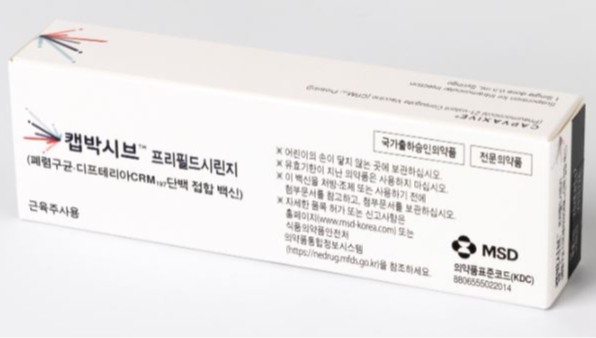
- The pneumococcal vaccine ‘Capvaxive’ may be prescribed at general hospitals in Korea.According to industry sources, MSD Korea’s adult-only 21-valent pneumococcal conjugate vaccine Capvaxive has passed the Drug Committees (DC) of medical institutions, including Big 5 tertiary general hospitals such as Seoul National University Hospital and Sinchon Severance Hospital, as well as Kangnam Sacred Heart Hospital, Dongguk University Ilsan Hospital, Sun Medical Center, Seoul National University Bundang Hospital, Bundang Jesaeng Hospital, Andong Hospital, Chonnam National University Hospital, Pohang Semyeong Christianity Hospital, Hallym University Sacred Heart Hospital, and Chonnam National University Hwasun Hospital.Since its official launch in March, it appears to be rapidly establishing a vaccination environment.Capvaxive is an adult-specific 21-valent pneumococcal conjugate vaccine (PCV). In August 2025, it obtained approval from the Ministry of Food and Drug Safety for the prevention of invasive disease and pneumonia caused by serotypes (3, 6A, 7F, 8, 9N, 10A, 11A, 12F, 15A, 15B, 15C, 16F, 17F, 19A, 20A, 22F, 23A, 23B, 24F, 31, 33F, and 35B) in adults aged 18 and older.The 21 serotypes account for up to 85% of the serotypes causing adult invasive pneumococcal disease (IPD) in the U.S. and about 74% in Korea.In particular, the vaccine newly includes 8 unique serotypes that were not included in any existing vaccine - 15A, 15C, 16F, 23A, 23B, 24F, 31, and 35B. These serotypes reportedly account for about 30% of IPD in adults aged 65 and older in the U.S.After PCVs were introduced into Korea’s pediatric immunization program, the incidence of IPD in children declined significantly, and a decrease in the incidence of IPD caused by serotypes included in the vaccine has also been observed in adults due to the indirect protective effect of herd immunity among children.However, the incidence of IPD in adults is currently higher than in children, and due to serotype replacement, non-vaccine serotypes account for a significant portion of pneumococcal disease in adults.In particular, despite the very high fatality rate among the elderly aged 65 and older and those with underlying conditions when they contract IPD or pneumonia, there has been no vaccine option specialized for adults. As a result, there has been an unmet need for a tailored vaccine centered on the key serotypes associated with disease burden in adults.In fact, pneumonia ranked as the third leading cause of death in Korea as of 2024 and the leading cause of death among respiratory diseases. As of 2025, 76.9% of pneumococcal infections in Korea were reported to occur in adults aged 50 and older.Meanwhile, in STRIDE-3, Capvaxive’s pivotal clinical study, immunogenicity was assessed 30 days after vaccination in adults aged 18 and older with no previous vaccination experience. Capvaxive met non-inferiority criteria for all 10 serotypes commonly included in PCV20, the comparator. Among the 11 serotypes included only in Capvaxive, 10 met the criteria for immunogenic superiority compared with the comparator.
- Company
- HER2-targeted bispecific Ab 'Ziihera' shows potential in gastric cancers
- by Son, Hyung Min Apr 29, 2026 03:48pm
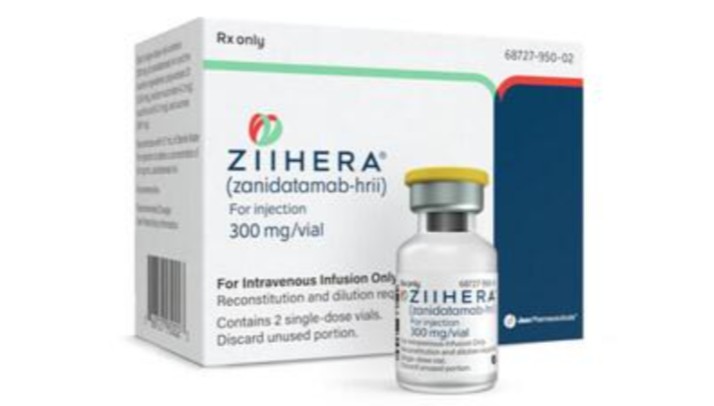
- 'Ziihera,' approved as a biliary tract cancer, is now confirmed to have clinical potential in upper gastrointestinal cancers, including gastric cancer, accelerating the progress for expanded indications.Based on its dual targeting of HER2, this drug demonstrated a significant improvement in survival compared to existing treatments centered on trastuzumab. Its potential to reorganize the standard first-line treatment has been suggested.HER2-targeted bispecific antibody 'Ziihera' According to industry sources on the 29th, the U.S. Food and Drug Administration (FDA) recently accepted a supplemental Biologics License Application (sBLA) for the expanded indications for Ziihera (zanidatamab) and granted it Priority Review designation. Under the Prescription Drug User Fee Act (PDUFA), the FDA is scheduled to decide on the approval by August 25 of this year.The specific indication is for the first-line treatment of patients with HER2-positive locally advanced or metastatic gastric cancer, gastroesophageal junction (GEJ) cancer, and gastroesophageal adenocarcinoma (GEA).Ziihera received accelerated approval in the U.S. in 2024 for the treatment of HER2-positive biliary tract cancer and was subsequently approved in South Korea last March.Ziihera is a new drug developed by the Canadian biopharmaceutical company Zymeworks. Following development, U.S.-based Jazz Pharmaceuticals licensed the development and commercialization rights for the substance from Zymeworks. Under the agreement, BeiGene holds the commercialization rights for Asian regions, including South Korea and China, excluding Japan.Ziihera is a bispecific antibody that binds two distinct sites on the HER2 receptor. It was developed with a mechanism that simultaneously enhances signal blockade and immune response induction compared to existing monoclonal antibodies.Notably, this development strategy highlights the potential for combination with BeiGene’s immunotherapy, Tevimbra (tislelizumab). The approach aims to maximize therapeutic effects by proposing a triplet therapy combining HER2-targeted therapy and immunotherapy.The Phase 3 HERIZON-GEA-01 study, which served as the basis for the Priority Review, enrolled 914 patients with gastric cancer.The clinical trial was designed to compare the efficacy of existing trastuzumab-based treatments with Ziihera-containing combination therapies and to verify the added effect of an immunotherapy combination strategy.Patients were divided into a trastuzumab + chemotherapy group and a Ziihera-containing combination group. Within the Ziihera group, subgroups were formed based on whether Tevimbra was co-administered.The results showed that Ziihera-based treatment reduced the risk of disease progression or death by approximately 35% compared to the existing trastuzumab combination group, raising the median progression-free survival (PFS) to 12.4 months.In particular, the triplet therapy combining Ziihera and Tevimbra lowered the risk of death by 28%, recording a median overall survival (OS) of 26.4 months. However, this OS result did not meet the prespecified statistical significance threshold in the initial interim analysis, and additional analyses are pending.First-line treatment of gastric cancer reeorganized around immunotherapyHER2-targeted therapy in domestic gastric cancer treatment had remained largely unchanged for a long period. Since Herceptin (trastuzumab) was established as a first-line treatment option in 2010, there has been no new treatments to replace it.While successive efforts were made to develop follow-up options in the field of HER2-targeted therapy, most failed to yield meaningful outcomes in clinical trials. Lapatinib-based combination therapies (with paclitaxel or chemotherapy) and multiple HER2 blockade strategies involving 'Kadcyla (trastuzumab emtansine)' and 'Perjeta (pertuzumab)' suffered successive failures in clinical trials for gastric cancer patients.Immunotherapy 'Keytruda'This trend continued for about a decade until it reached a turning point in 2022. With the introduction of Enhertu (trastuzumab deruxtecan) for third-line HER2-positive gastric cancer, a follow-up HER2-targeted treatment option appeared for the first time. However, as the treatment line was limited to the third-line setting, there were limitations in changing the first-line treatment structure.Meanwhile, the treatment paradigm shifted to be reorganized around immunotherapies. Opdivo was introduced as a first-line treatment option soon after obtaining reimbursement for HER2-negative gastric cancer, and immunotherapy combination strategies became standard.Furthermore, Keytruda's scope expanded after obtaining approval as a first-line treatment for metastatic HER2-positive gastric cancer, followed by a recent indication expansion to HER2-negative gastric cancer. In particular, Keytruda was the first immunotherapy to obtain approval for HER2-positive gastric cancer, leading to the establishment of the strategy of combining existing HER2-targeted therapy with immunotherapy.Regarding this, Ziihera is entering the market as a new HER2-targeted option to replace trastuzumab alongside existing immunotherapy combination treatments. This strategy is evaluated as a differentiated approach to existing treatment flows, as Ziihera's strategy aims to replace the HER2-targeted agent in a setting where immunotherapy combinations are the standard.
- Policy
- Novartis Korea's SMA therapy undergoes expedited approval review
- by Lee, Tak-Sun Apr 29, 2026 03:48pm
- Product photo of onasemnogene abeparvovecOnasemnogene abeparvovec, Novartis Korea’s new drug for spinal muscular atrophy (SMA), has been designated as an item for the Ministry of Food and Drug Safety (MFDS)’s Global Innovative Products on Fast Track (GIFT).According to industry sources on the 28th, the MFDS designated the drug as the 67th GIFT item on the 8th and initiated a full-scale expedited approval review. This designation is based on recognition of the drug's innovation in treating rare diseases and its improved efficacy compared to existing treatments. The brand name of onasemnogene abeparvovec is known asItvisma.The version of this drug approved for GIFT this time changes the administration route from the existing intravenous (IV) formulation, Zolgensma, to an intrathecal (IT) injection.Unlike the original Zolgensma, which was primarily designed for use in infants and young children due to weight restrictions (under approximately 13.5 kg), this new formulation has been submitted for all SMA patients of any age who have biallelic mutations in the Survival Motor Neuron 1 (SMN1) gene. New formulation is garnering significant anticipation because it offers the opportunity for gene therapy to pediatric patients aged 2 and older and to adult patients.Onasemnogene abeparvovec utilizes an adeno-associated virus serotype 9 (AAV9) vector to deliver a functional SMN1 gene directly to the patient's target cells. This mechanism addresses the disease's fundamental cause by inducing continuous expression of the deficient SMN protein.The MFDS decided on the GIFT designation based on the drug's outstanding motor neuron improvement effects demonstrated in clinical trials and data showing improved efficacy that complements existing treatments.The drug has already proven its value in the global market. The U.S. FDA completed its approval on November 24th of last year, and Japan's PMDA also approved on April 3rd.Following this GIFT designation, Novartis Korea will receive significant support from the MFDS throughout the approval process. Analysis suggests that the review period will be shortened by approximately 25% compared to general reviews, making domestic approval possible as early as the second half of this year or early next year.A pharmaceutical industry official stated, "The introduction of innovative new drugs into Korea is accelerating through the GIFT system. This expedited review approval is favorable news for older SMA patients who faced limitations with existing treatments."
- Policy
- Approval of new ulcerative colitis drug Velsipity near
- by Lee, Tak-Sun Apr 28, 2026 09:46am
- ‘Velsipity 2mg Tab (etrasimod),’ a new ulcerative colitis treatment being introduced in Korea by Everest Medicines Korea, cleared a key hurdle toward domestic marketing authorization.According to industry sources on the 26th, the Ministry of Food and Drug Safety recently completed the safety and efficacy review for Velsipity Tab. As the safety and efficacy review is considered the most rigorous step in the new drug approval process, the likelihood of Velsipity receiving domestic marketing authorization within the year has significantly increased.Velsipity is a next-generation selective sphingosine-1-phosphate (S1P) receptor modulator developed by Pfizer. It works by blocking the release of lymphocytes from lymph nodes, thereby preventing their migration to inflamed areas in the gastrointestinal tract.It is indicated for adult patients with moderate to severe active ulcerative colitis. In particular, its once-daily oral dosing is considered a strong competitive advantage in a treatment environment traditionally dominated by injectable therapies.Velsipity has demonstrated efficacy through global Phase III trials (ELEVATE UC 52 and ELEVATE UC 12). According to trial results, it achieved significantly higher clinical remission rates compared to placebo at both week 12 and week 52.Currently, the domestic ulcerative colitis market is dominated by biologics as well as JAK inhibitors such as ‘Rinvoq’ and ‘Xeljanz.’ If approved, Velsipity is expected to form an S1P modulator market alongside the first-in-class drug Zeposia, providing patients with a new treatment option.Everest Medicines has secured commercialization rights in the Asia-Pacific region, including Korea, through an agreement with Pfizer and has been proceeding with the domestic approval process. With the completion of the safety and efficacy review, the company is nearing the acquisition of marketing authorization.An industry official said, “Passing the safety and efficacy review means that the MFDS has recognized the clinical value of the drug. Upon final approval, Velsipity is expected to have a significant impact in the ulcerative colitis treatment field, where there is a high preference for oral medications.”
