- LOGIN
- MemberShip
- 2026-09-17 19:43:41
- Rising childhood obesity in Korea’s limited environment
- by Eo, Yun-Ho | translator Alice Kang | 2025-09-22 06:11:40

According to the ‘2020 Clinical Practice Guidelines of the Korean Society for the Study of Obesity,’ childhood obesity treatment in Korea primarily focuses on lifestyle modification—including diet, exercise, and behavioral therapy—to maintain appropriate weight.
However, when weight continues to increase and comorbidities remain uncontrolled, pharmacological and surgical therapies are recommended along with lifestyle modification.
Currently, pharmacological treatment for obese adolescents aged 12 or older is applied very selectively, taking into account both obesity status and growth stage.
Medications are recommended in cases such as ▲ adolescents with severe obesity accompanied by complications, ▲ those with a family history of cardiometabolic diseases such as type 2 diabetes, or ▲ those whose weight or complications cannot be controlled despite intensive diet and behavioral therapy.
Recommended drugs include GLP-1 receptor agonists such as Saxenda (liraglutide) and Wegovy (semaglutide), the fat absorption inhibitor Xenical (orlistat), and the appetite suppressant combination Qsymia (phentermine/topiramate).
◆Obesity patients in need of pharmacotherapy increase among children and adolescents Following the outbreak of COVID-19 in 2020, school attendance and outdoor activities were restricted, leading to decreased physical activity compared to pre-pandemic levels and accelerating the spread of obesity among adolescents.
Like adult obesity, childhood obesity is associated with a range of comorbidities, including hypertension, dyslipidemia, type 2 diabetes, non-alcoholic fatty liver disease, obstructive sleep apnea, polycystic ovary syndrome, and mental health disorders such as depression.
In children with severe obesity, even more serious cardiometabolic diseases than myocardial infarction or arteriosclerosis have been reported.
As a general principle, obesity treatment aims for about 10% weight reduction and maintenance.
However, due to the rebound yo-yo effect, one-third to two-thirds of the lost weight is typically regained within one year, and over 95% is regained within 5 years.
Therefore, if non-pharmacological interventions such as diet and exercise fail to achieve more than 5% weight reduction after 3–6 months, active pharmacotherapy should be considered.
If no meaningful weight loss of at least 5% occurs within 3 months of medication use, a new treatment strategy should be planned.
Ultimately, lifestyle modification remains the first-line treatment for childhood obesity.
However, for patients who fail to achieve weight loss through this approach, pharmacotherapy may be the best option before considering bariatric surgery.
Candidates for obesity pharmacotherapy include those with a BMI above the 95th percentile and weight-related comorbidities, or those with a BMI at least 120% of the 95th percentile, regardless of comorbidity status, who do not respond adequately to lifestyle modification.
Specifically, the proportion of obese children and adolescents in Korea requiring pharmacological treatment is currently estimated at 2–3%, and is expected to gradually reach below 5% due to dietary and lifestyle changes.
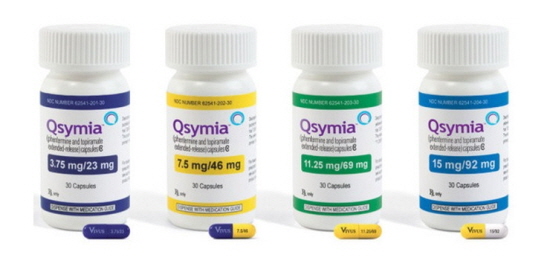
Officially, the only drugs approved for use in children and adolescents aged 12 and above are Xenical and Saxenda.
Xenical reduces fat absorption in the body.
Despite the convenience of being an oral medication, it is used only sparingly due to common side effects such as diarrhea, abdominal pain, and increased intestinal gas.
In addition, because it reduces absorption of fat-soluble vitamins, patients must take a daily multivitamin containing these nutrients.
The American Gastroenterological Association (AGA) even recommended against using Xenical in its 2022 clinical practice guidelines on pharmacological interventions for adult obesity, citing these adverse effects.
Qsymia can be prescribed to children and adolescents in the U.S., but it is not approved in Korea because one of its components, phentermine, is contraindicated for use in patients under 16.
However, Qsymia—a combination that contains topiramate—enhances anti-obesity effects while lowering the dosage of each component compared to monotherapy, thereby reducing side effects.
It also has the advantage of requiring only once-daily administration, regardless of meals.
Concerns about pediatric prescription mainly stem from safety, but accumulating research data continues to address this issue.
Clinical pharmacology trials comparing phentermine and topiramate in adults versus adolescents have shown no significant differences in efficacy or safety between the two groups.
The studies found that both agents exhibited similar pharmacokinetic characteristics in adolescents and adults.
The type, frequency, and severity of adverse drug reactions, as well as discontinuation rates due to adverse events, were also comparable, indicating no major differences in safety or tolerability between the two groups.
Professor Seung-Hwan Lee of Seoul National University Hospital’s Department of Clinical Pharmacology stated, “The dose–pharmacokinetic–pharmacodynamic–clinical response relationships for phentermine and topiramate are similar in adolescents and adults.
Therefore, the same dosage and regimen can be applied to adolescents as in adults.
The adverse reactions are generally not severe and can be managed through dose reduction or discontinuation.”
-

- 0
댓글 운영방식은
댓글은 실명게재와 익명게재 방식이 있으며, 실명은 이름과 아이디가 노출됩니다. 익명은 필명으로 등록 가능하며, 대댓글은 익명으로 등록 가능합니다.
댓글 노출방식은
댓글 명예자문위원(팜-코니언-필기모양 아이콘)으로 위촉된 데일리팜 회원의 댓글은 ‘게시판형 보기’와 ’펼쳐보기형’ 리스트에서 항상 최상단에 노출됩니다. 새로운 댓글을 올리는 일반회원은 ‘게시판형’과 ‘펼쳐보기형’ 모두 팜코니언 회원이 쓴 댓글의 하단에 실시간 노출됩니다.
댓글의 삭제 기준은
다음의 경우 사전 통보없이 삭제하고 아이디 이용정지 또는 영구 가입제한이 될 수도 있습니다.
-
저작권·인격권 등 타인의 권리를 침해하는 경우
상용 프로그램의 등록과 게재, 배포를 안내하는 게시물
타인 또는 제3자의 저작권 및 기타 권리를 침해한 내용을 담은 게시물
-
근거 없는 비방·명예를 훼손하는 게시물
특정 이용자 및 개인에 대한 인신 공격적인 내용의 글 및 직접적인 욕설이 사용된 경우
특정 지역 및 종교간의 감정대립을 조장하는 내용
사실 확인이 안된 소문을 유포 시키는 경우
욕설과 비어, 속어를 담은 내용
정당법 및 공직선거법, 관계 법령에 저촉되는 경우(선관위 요청 시 즉시 삭제)
특정 지역이나 단체를 비하하는 경우
특정인의 명예를 훼손하여 해당인이 삭제를 요청하는 경우
특정인의 개인정보(주민등록번호, 전화, 상세주소 등)를 무단으로 게시하는 경우
타인의 ID 혹은 닉네임을 도용하는 경우
-
게시판 특성상 제한되는 내용
서비스 주제와 맞지 않는 내용의 글을 게재한 경우
동일 내용의 연속 게재 및 여러 기사에 중복 게재한 경우
부분적으로 변경하여 반복 게재하는 경우도 포함
제목과 관련 없는 내용의 게시물, 제목과 본문이 무관한 경우
돈벌기 및 직·간접 상업적 목적의 내용이 포함된 게시물
게시물 읽기 유도 등을 위해 내용과 무관한 제목을 사용한 경우
-
수사기관 등의 공식적인 요청이 있는 경우
-
기타사항
각 서비스의 필요성에 따라 미리 공지한 경우
기타 법률에 저촉되는 정보 게재를 목적으로 할 경우
기타 원만한 운영을 위해 운영자가 필요하다고 판단되는 내용
-
사실 관계 확인 후 삭제
저작권자로부터 허락받지 않은 내용을 무단 게재, 복제, 배포하는 경우
타인의 초상권을 침해하거나 개인정보를 유출하는 경우
당사에 제공한 이용자의 정보가 허위인 경우 (타인의 ID, 비밀번호 도용 등)
※이상의 내용중 일부 사항에 적용될 경우 이용약관 및 관련 법률에 의해 제재를 받으실 수도 있으며, 민·형사상 처벌을 받을 수도 있습니다.
※위에 명시되지 않은 내용이더라도 불법적인 내용으로 판단되거나 데일리팜 서비스에 바람직하지 않다고 판단되는 경우는 선 조치 이후 본 관리 기준을 수정 공시하겠습니다.
※기타 문의 사항은 데일리팜 운영자에게 연락주십시오. 메일 주소는 dailypharm@dailypharm.com입니다.


-
- "Leclaza, the best first-line option…expanded reimb will increase accessibility"
- PALOMA-2 recorded an objective response rate (ORR) of 90 and the 3-year overall survival (OS) rate of 70%…mOS has not yet been reached