- LOGIN
- MemberShip
- 2026-09-17 19:44:22
- Will companies pass Korea due to Trump’s drug price reform?
- by Moon, sung-ho | translator Alice Kang | 2025-08-26 06:05:27
Since Trump took office, the US has designated the pharmaceutical industry as its core strategic industry and is working to reshape the industry with the US at its center.
The goal is to significantly lower drug prices in the U.S., the world's largest pharmaceutical market.
However, the “Most-Favored-Nation Pricing (MFN)” policy recently announced by the U.S.
health authorities is causing tension not only in Korea’s pharmaceutical industry but also in clinical settings.
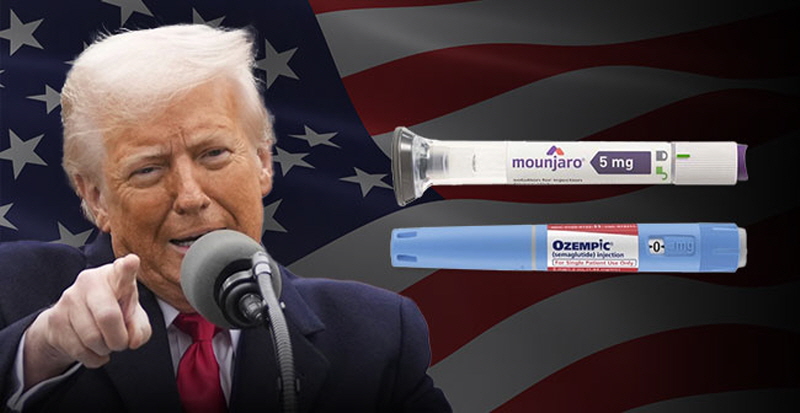
MFN policy.
The clinical field is also closely monitoring the future direction of U.S.
policy, as it could affect patients' access to new drugs.
In May, U.S.
President Trump signed an executive order to promote the MFN policy.
The MFN policy aims to lower the prices of prescription drugs in the United States to the lowest level among major developed countries.
The target drugs include high-priced treatments (such as anticancer drugs and immunotherapy drugs) with the highest annual expenditures under Medicare Part B, the U.S.
health insurance program.
The plan is to determine U.S.
drug prices by referencing the lowest drug prices among OECD countries with per capita GDP (GDP) of 60% or more of the U.S.
level.
This aims to alleviate the burden of drug prices in the U.S.
while preventing other countries from supplying drugs at prices significantly lower than those in the U.S.
On the 31st of last month, President Trump went so far as to give 17 multinational pharmaceutical companies a “60-day deadline” to lower drug prices in the United States to overseas levels.
Specifically, the companies include AbbVie, Amgen, AstraZeneca, Boehringer Ingelheim, BMS, Eli Lilly, Merck Germany (EMD Serono), Genentech, Gilead, GSK, Johnson & Johnson, Merck (MSD), Novartis, Novo Nordisk, Pfizer, Regeneron, and Sanofi.
The multinational pharmaceutical companies responded immediately to the pressure.
Eli Lilly has decided to raise the price of its obesity treatment, Mounjaro (tirzepatide), in the UK.
Specifically, the price of Mounjaro in the UK will be increased by up to 170%.
The private price of Mounjaro will rise from the current GBP 92-122 (approximately KRW 173,000-229,000) per month to GBP 133-330 (approximately KRW 249,000-620,000).
At the same time, insulin prices in the US will be reduced by 70%, with a cap on patient copayments set at USD 35 per month.
Novo Nordisk has also decided to lower the US price of its diabetes treatment Ozempic (semaglutide).
The monthly price will be reduced from USD 1,000 (approximately KRW 1.39 million) to USD 499 (approximately KRW 620,000).
Other multinational pharmaceutical companies may also follow, lowering their prices in the US and raising prices in other countries.
With the US drug price reduction policy becoming a reality, the domestic pharmaceutical industry is also reacting sensitively.
This is because the launch of new drugs by global pharmaceutical companies could be linked to this policy.
The most notable point is whether South Korea will be included as a reference country.
Given that the policy states that “the U.S.
price will be determined by referring to the lowest drug price among OECD countries with a per capita GDP of 60% or more of the U.S.,” the prevailing opinion is that South Korea and Japan will be excluded from the reference countries.
However, there are predictions that South Korea could become an MFN target country if PPP (purchasing power parity-based GDP) is applied, leading to heightened tension among multinational pharmaceutical companies considering new drug launches in Korea.
With no specific details on the application of reference countries or other measures announced, tension is growing across the entire domestic pharmaceutical industry.
The Ministry of Health and Welfare and the Health Insurance Review and Assessement Service are closely monitoring the U.S.
government's policy announcements and considering future response strategies.
A KRPIA official stated, “The U.S.
government has not disclosed specific application methods, such as reference countries, for its MFN drug pricing policy, so the situation is currently uncertain.
If South Korea is used as an international reference price standard, it could affect not only the sustainability of domestic drug pricing policies but also patients' access to treatment.” Although not yet evident on the surface, there are opinions within multinational pharmaceutical companies that they have begun to hesitate about launching new drugs in Korea.
This is because it would be difficult to publicly announce a delay in the launch of new drugs in Korea due to the uncertainty surrounding the MFN policy.
A representative from a multinational pharmaceutical company stated, “There are opinions that a specific company has put new drug approval negotiations on hold at the headquarters level, but this has not been publicly disclosed yet.
However, there is concern that the global market views the Korean pharmaceutical market as taking a fairly conservative approach to pricing innovative new drugs.” As a result, the U.S.
MFN drug pricing policy has become a major issue at events held by pharmaceutical companies seeking to launch their products in Korea and receive reimbursement.
Interest is focused on why some companies are attempting reimbursement despite the uncertain situation.
Junil Kim, General Manager of Astellas Korea, explained, “It is true that companies selling their products in the U.S.
market are facing difficulties in receiving Korean drug prices due to MFN-related issues.
Astellas, which accounts for nearly 50% of its sales in the U.S., is no exception.” In the clinical field as well, there is a growing consensus that concerns surrounding the introduction of new drugs due to global pharmaceutical companies' MFN pricing policies are valid.
This is expected to spark debate over the “Korea passing” issue for new drugs in the future.
If the situation intensifies, there are concerns that it could lead to delays in access to innovative new drugs, reduced treatment options for patients, and increased financial burdens on patients in Korea.
In the long term, this is also expected to jeopardize the competitiveness of conducting clinical trials in Korea in the global market.
The Korean Society of Gastroenterology pointed out in its own medical policy forum that “there is a possibility that excessively low drug pricing policies could trigger the ‘Korea passing’ phenomenon, leading to the withdrawal of global pharmaceutical companies from the Korean market.” "Despite receiving approval in Korea as a treatment for ulcerative colitis, Eli Lilly's Omvoh was not released in Korea due to an unreasonably low drug price proposed during price negotiations.
A policy is needed that ensures patient access to treatment while maintaining the sustainability of the health insurance budget.
Rather than pursuing excessive drug price cuts that could lead to market withdrawal, a strategic approach that promotes the introduction of new drugs from a long-term perspective should be devised.”
-

- 0
댓글 운영방식은
댓글은 실명게재와 익명게재 방식이 있으며, 실명은 이름과 아이디가 노출됩니다. 익명은 필명으로 등록 가능하며, 대댓글은 익명으로 등록 가능합니다.
댓글 노출방식은
댓글 명예자문위원(팜-코니언-필기모양 아이콘)으로 위촉된 데일리팜 회원의 댓글은 ‘게시판형 보기’와 ’펼쳐보기형’ 리스트에서 항상 최상단에 노출됩니다. 새로운 댓글을 올리는 일반회원은 ‘게시판형’과 ‘펼쳐보기형’ 모두 팜코니언 회원이 쓴 댓글의 하단에 실시간 노출됩니다.
댓글의 삭제 기준은
다음의 경우 사전 통보없이 삭제하고 아이디 이용정지 또는 영구 가입제한이 될 수도 있습니다.
-
저작권·인격권 등 타인의 권리를 침해하는 경우
상용 프로그램의 등록과 게재, 배포를 안내하는 게시물
타인 또는 제3자의 저작권 및 기타 권리를 침해한 내용을 담은 게시물
-
근거 없는 비방·명예를 훼손하는 게시물
특정 이용자 및 개인에 대한 인신 공격적인 내용의 글 및 직접적인 욕설이 사용된 경우
특정 지역 및 종교간의 감정대립을 조장하는 내용
사실 확인이 안된 소문을 유포 시키는 경우
욕설과 비어, 속어를 담은 내용
정당법 및 공직선거법, 관계 법령에 저촉되는 경우(선관위 요청 시 즉시 삭제)
특정 지역이나 단체를 비하하는 경우
특정인의 명예를 훼손하여 해당인이 삭제를 요청하는 경우
특정인의 개인정보(주민등록번호, 전화, 상세주소 등)를 무단으로 게시하는 경우
타인의 ID 혹은 닉네임을 도용하는 경우
-
게시판 특성상 제한되는 내용
서비스 주제와 맞지 않는 내용의 글을 게재한 경우
동일 내용의 연속 게재 및 여러 기사에 중복 게재한 경우
부분적으로 변경하여 반복 게재하는 경우도 포함
제목과 관련 없는 내용의 게시물, 제목과 본문이 무관한 경우
돈벌기 및 직·간접 상업적 목적의 내용이 포함된 게시물
게시물 읽기 유도 등을 위해 내용과 무관한 제목을 사용한 경우
-
수사기관 등의 공식적인 요청이 있는 경우
-
기타사항
각 서비스의 필요성에 따라 미리 공지한 경우
기타 법률에 저촉되는 정보 게재를 목적으로 할 경우
기타 원만한 운영을 위해 운영자가 필요하다고 판단되는 내용
-
사실 관계 확인 후 삭제
저작권자로부터 허락받지 않은 내용을 무단 게재, 복제, 배포하는 경우
타인의 초상권을 침해하거나 개인정보를 유출하는 경우
당사에 제공한 이용자의 정보가 허위인 경우 (타인의 ID, 비밀번호 도용 등)
※이상의 내용중 일부 사항에 적용될 경우 이용약관 및 관련 법률에 의해 제재를 받으실 수도 있으며, 민·형사상 처벌을 받을 수도 있습니다.
※위에 명시되지 않은 내용이더라도 불법적인 내용으로 판단되거나 데일리팜 서비스에 바람직하지 않다고 판단되는 경우는 선 조치 이후 본 관리 기준을 수정 공시하겠습니다.
※기타 문의 사항은 데일리팜 운영자에게 연락주십시오. 메일 주소는 dailypharm@dailypharm.com입니다.


-
- "Leclaza, the best first-line option…expanded reimb will increase accessibility"
- PALOMA-2 recorded an objective response rate (ORR) of 90 and the 3-year overall survival (OS) rate of 70%…mOS has not yet been reached