- LOGIN
- MemberShip
- 2026-09-19 04:47:33
- ‘Pay more policy attention to advanced heart failures'
- by Hwang, byoung-woo | translator Kim, Jung-Ju | 2023-05-11 05:49:58
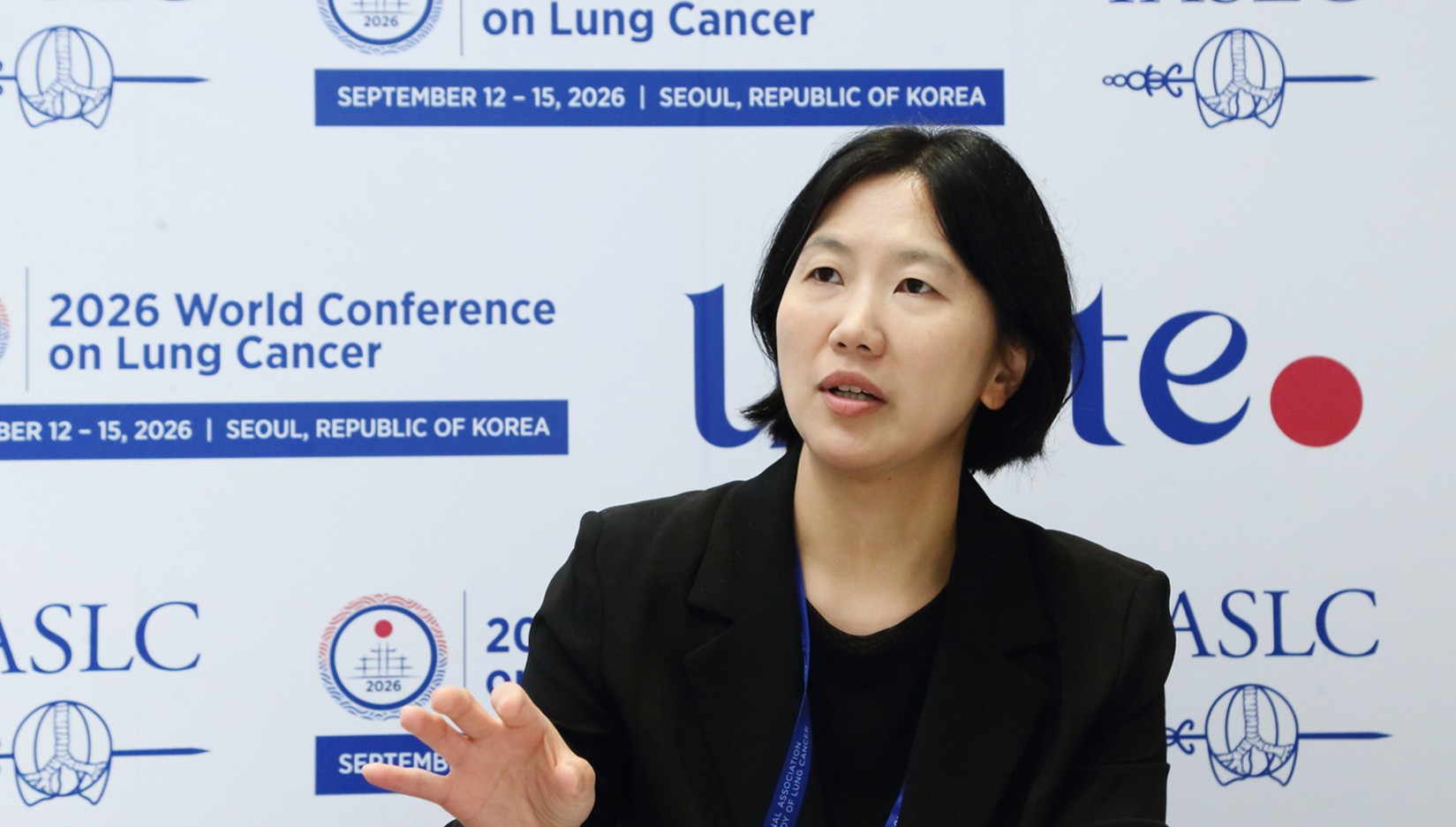
[Interview with Medical Societies] Soo-Yong Lee, Administrative Secretary of the Insurance Committee at KSF Asks authorities to increase benefits for patients at high risk of health failure who have fewer treatment alternatives According to the ‘2020 Heart Failure Fact Sheet’ that was released by the Korean Society of Heart Failure (KSHF), Korea’s prevalence of heart failure in Korea had increased threefold in 16 years from 0.77% of the total population in 2002 to 2.24% in 2018 to exceed 1 million patients.
Although drug options that can intervene in the early stages of heart failure have been increasing, options are still limited for severely ill patients with prior hospitalization experience.
Therefore, Soo Yong Lee, Professor of Cardiology at Pusan National University Yangsan Hospital (Administrative Secretary, Insurance Committee, KSF) believes that appropriate policy intervention is needed in terms of patient benefits and insurance finance.

“The overall survival period of patients with heart failure is 2.6 years for first hospitalizations, 1.8 years for second hospitalizations, and 1.5 years for third hospitalizations.
This means that the number of hospitalizations is proportional to the mortality rate of the patients, and 1-2 out of 4-5 patients are re-hospitalized within a month in practice.” Lee further explained that hospital readmissions also impose further financial burdens on the patients.
The total medical expense paid by patients with heart failure who have experienced at least 1 hospitalization is around KRW 8-9 million per year, and the burden increases further if the patient’s condition requires the use of an intensive care unit or equipment for dialysis or ECMO.
In fact, according to the 2017-2021 health insurance treatment Rep.
Sun-woo Kang, member of the National Assembly's Health and Welfare Committee, received from the National Health Insurance Service, the number of patients treated for heart failure increased by 7.1% (158,916 in 2021) every year, increasing the treatment expense as well (an average of 15.6% in 5 years).
The heart failure treatment paradigm has been changing with recent studies being conducted on reducing the mortality rate in patients with chronic, therefore, stable heart failure and the introduction of ARNi drugs.
Lee said, “Recent studies have focused on how much the condition improves when drugs are used in acute patients after treatment and when drugs are used immediately after stabilization.
With the release of SGLT2is and ARNis, the current trend is leaning towards the early use of such treatments” Re-hospitalization of patients despite the availability of early treatment options remains a concern..."Need to improve the treatment environment" However, despite the development of early treatments, the number of readmitted patients has increased constantly due to various factors including the lack of patients' compliance.
One treatment that can be considered for use in this situation is vericiguat (product name Verquvo), and the KSF has been highly recommending it with a Class Ⅱa recommendation for preemptive use when a patient’s heart failure worsens even after ample standard therapy.
The VICTORIA trial that became the basis of Verquvo’s approval drew attention because it enrolled patients who have recent hospitalization history and have been hospitalized at least once.
Compared to most studies of other heart failure drugs that are conducted on chronic patients with good symptom control and low readmission rates, Verquvo’s patient group fundamentally has a higher mortality rate than other studies.
Lee said, “In the VICTORIA study, 66.9% of patients were hospitalized for heart failure within 3 months, and 85.7% were HFrEF patients with a left ventricular ejection fraction of 40% or less.
The study itself was a brave attempt as most of them were in a very bad condition, to the extent that no drugs would have been effective for them.” Study results showed that Verquvo reduced the risk of death from cardiovascular disease or first hospitalization due to heart failure by 10%, and achieved a 4.2% reduction in annualized absolute risk.
Regarding the results, Lee explained that “Patients in the high-risk group used to have a poor prognosis.
They were prescribed dobutamine before and are discharged if they seem better, and had to repeat hospitalization due to cardiac arrest until death or await heart transplantations.
The study showed that its NNT was 24, which means that 1 out of 24 patients could be discharged because their symptoms improve after using the treatment, which is a very good figure and the best level achieved among heart failure drugs.” He added, “The drug holds great clinical significance as it gives high-risk patients the opportunity to leave the hospital.
"In my practice of treating many patients with end-stage heart failure, Verquvo is definitely a welcome rain in the drought.” Emphasis on its benefit in patients at high risk of heart failure...will reimbursement discussions for Verquvo make progress?
According to industry sources, Verquvo’s reimbursement has passed review by the Health Insurance Review and Assessment Service’s Drug Reimbursement Standard Subcommittee and is awaiting to be deliberated by the Drug Reimbursement Evaluation Committee.
To add its support, the KSHF has also conveyed its opinion regarding the expansion of Verquvo’s reimbursement standards as its role in the field is clear.
Based on the VICTORIA trial, the KSHF expects that 10,000 to 15,000 patients can be treated with Verquvo every year.
In particular, Lee judged that when the drug is administered to the high-risk group, this may reduce the need for a heart transplant or hospitalization in an intensive care unit, which can also provide benefits in terms of cost.
He said, “The biggest feature of Verquvo is that it has confirmed its effectiveness in severely ill patients.
When considering how patients with the LVAD indication incur KRW 150 million to KRW 250 million as expenses every time they use LVAD, if the drug can reduce the frequency of hospitalization or death, reimbursement would also be reasonable in terms of saving insurance finances.” However, Lee expressed concern over how the application of excessively restrictive reimbursement standards may act as a barrier to its use for patients even if the drug is positively considered for reimbursement in the future.
In the VICTORIA clinical trial, about 60% of the patients received the three-drug therapy that included RAAS inhibitors.
Patients who experienced worsening conditions despite being administered standard therapy according to the patient’s clinical condition were also allowed to use Verquvo in the trial, and therefore this indication may also be reflected in its reimbursement standards in the future.
However, as standard therapy treatments are used in primary medical institutions in the early stages of heart failure, a barrier may arise for patients where they may not be eligible to use Verquvo even after being transferred to a general hospital or a tertiary hospital due to set reimbursement standards.
Lee said, “I think Verquvo is a necessary drug for patients in the advanced stage, such as those who have used intravenous diuretics or have been hospitalized for heart failure.
As a clear patient population exists for the drug, its reimbursement standards should be set promptly in consideration of the urgent need and allow its use in patients who experience worsening heart failure events after standard treatment.”
-

- 0
댓글 운영방식은
댓글은 실명게재와 익명게재 방식이 있으며, 실명은 이름과 아이디가 노출됩니다. 익명은 필명으로 등록 가능하며, 대댓글은 익명으로 등록 가능합니다.
댓글 노출방식은
댓글 명예자문위원(팜-코니언-필기모양 아이콘)으로 위촉된 데일리팜 회원의 댓글은 ‘게시판형 보기’와 ’펼쳐보기형’ 리스트에서 항상 최상단에 노출됩니다. 새로운 댓글을 올리는 일반회원은 ‘게시판형’과 ‘펼쳐보기형’ 모두 팜코니언 회원이 쓴 댓글의 하단에 실시간 노출됩니다.
댓글의 삭제 기준은
다음의 경우 사전 통보없이 삭제하고 아이디 이용정지 또는 영구 가입제한이 될 수도 있습니다.
-
저작권·인격권 등 타인의 권리를 침해하는 경우
상용 프로그램의 등록과 게재, 배포를 안내하는 게시물
타인 또는 제3자의 저작권 및 기타 권리를 침해한 내용을 담은 게시물
-
근거 없는 비방·명예를 훼손하는 게시물
특정 이용자 및 개인에 대한 인신 공격적인 내용의 글 및 직접적인 욕설이 사용된 경우
특정 지역 및 종교간의 감정대립을 조장하는 내용
사실 확인이 안된 소문을 유포 시키는 경우
욕설과 비어, 속어를 담은 내용
정당법 및 공직선거법, 관계 법령에 저촉되는 경우(선관위 요청 시 즉시 삭제)
특정 지역이나 단체를 비하하는 경우
특정인의 명예를 훼손하여 해당인이 삭제를 요청하는 경우
특정인의 개인정보(주민등록번호, 전화, 상세주소 등)를 무단으로 게시하는 경우
타인의 ID 혹은 닉네임을 도용하는 경우
-
게시판 특성상 제한되는 내용
서비스 주제와 맞지 않는 내용의 글을 게재한 경우
동일 내용의 연속 게재 및 여러 기사에 중복 게재한 경우
부분적으로 변경하여 반복 게재하는 경우도 포함
제목과 관련 없는 내용의 게시물, 제목과 본문이 무관한 경우
돈벌기 및 직·간접 상업적 목적의 내용이 포함된 게시물
게시물 읽기 유도 등을 위해 내용과 무관한 제목을 사용한 경우
-
수사기관 등의 공식적인 요청이 있는 경우
-
기타사항
각 서비스의 필요성에 따라 미리 공지한 경우
기타 법률에 저촉되는 정보 게재를 목적으로 할 경우
기타 원만한 운영을 위해 운영자가 필요하다고 판단되는 내용
-
사실 관계 확인 후 삭제
저작권자로부터 허락받지 않은 내용을 무단 게재, 복제, 배포하는 경우
타인의 초상권을 침해하거나 개인정보를 유출하는 경우
당사에 제공한 이용자의 정보가 허위인 경우 (타인의 ID, 비밀번호 도용 등)
※이상의 내용중 일부 사항에 적용될 경우 이용약관 및 관련 법률에 의해 제재를 받으실 수도 있으며, 민·형사상 처벌을 받을 수도 있습니다.
※위에 명시되지 않은 내용이더라도 불법적인 내용으로 판단되거나 데일리팜 서비스에 바람직하지 않다고 판단되는 경우는 선 조치 이후 본 관리 기준을 수정 공시하겠습니다.
※기타 문의 사항은 데일리팜 운영자에게 연락주십시오. 메일 주소는 dailypharm@dailypharm.com입니다.