- LOGIN
- MemberShip
- 2026-09-21 07:08:25
- Integrated CKM approach, the new paradigm for CKD treatment
- by Whang, byung-woo | translator Alice Kang | 2025-08-04 05:53:41
“In the past, we relied solely on single agents such as ACE inhibitors or ARBs to treat chronic kidney disease, but now an integrated approach that simultaneously manages cardiovascular, renal, and metabolic conditions is rising as the option.
In this context, the results of the CONFIDENCE study, a recent study on the early combined use of SGLT-2 inhibitors and Kerendia, are drawing attention.” With new drugs being introduced for chronic kidney disease in people with diabetes, an area where there were relatively few treatment options, treatment strategies are also evolving.
In particular, given that many kidney disease patients have comorbidities such as diabetes, obesity, and heart disease, there is a growing emphasis on the use of the cardio-kidney-metabolic (CKM) approach.

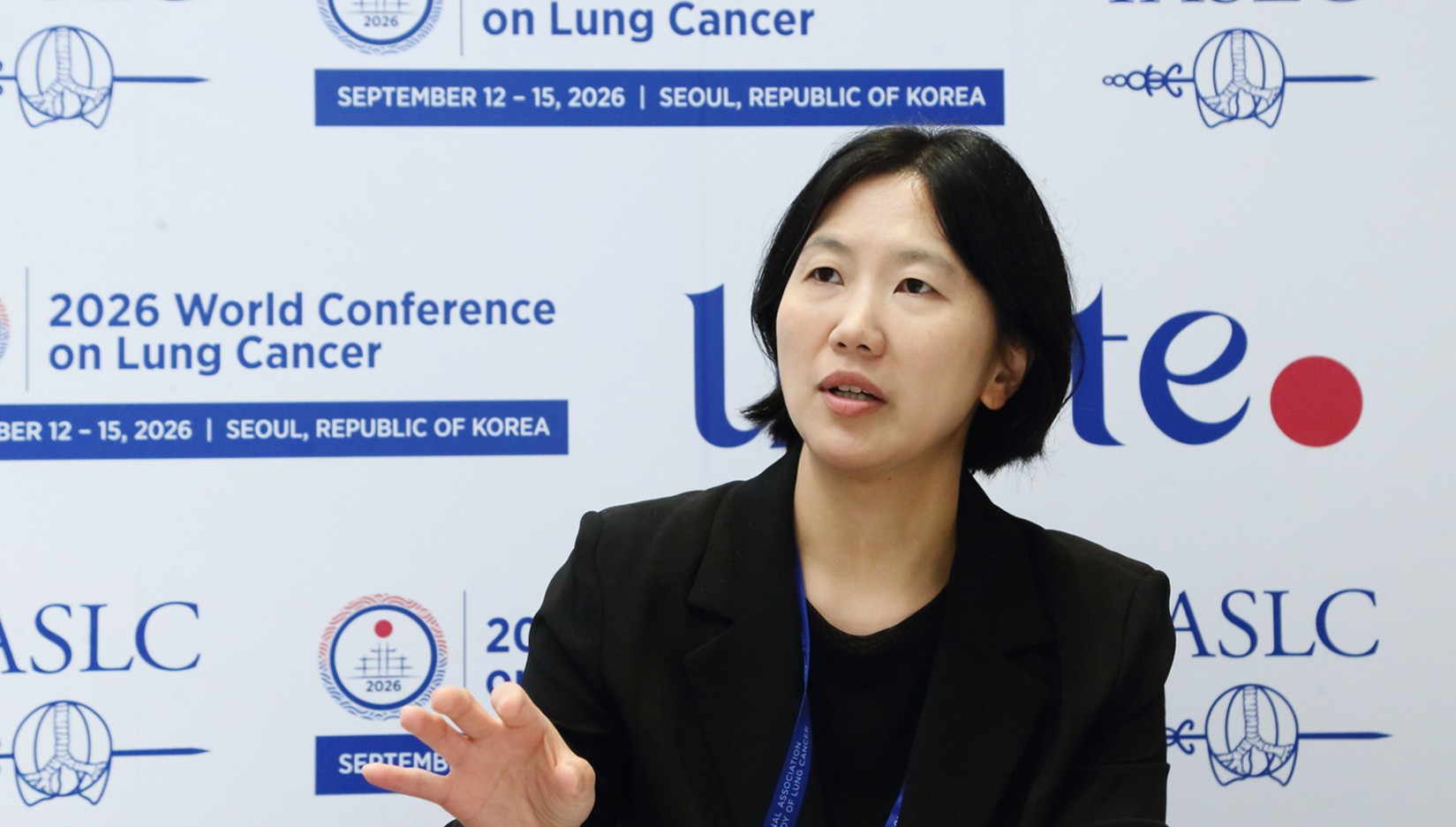
Ronald and Katherine Falk Eminent Professor and President of the American Society of Nephrology, emphasized the importance of treatment strategies that consider the close association between cardio-kidney-metabolic in a recent interview with Dailypharm.
Professor Chaudhury emphasized the importance of an integrated approach to CKM because there are now methods available in the real-world that can significantly impact all three components of CKM.
He explained, “It is rare for kidney disease patients to have kidney abnormalities alone; most have various comorbidities such as diabetes and obesity, making it essential to maximize treatment efficacy through an integrated CKD framework.
In other words, a treatment that can influence all areas of CKM—kidneys, diabetes, and even obesity—has become important.” Emphasis on integrated CKM management...
results of the CONFIDENCE study draw attention One of the drugs that has recently attracted attention as a core component of this integrated approach is Kerendia (finerenone).
Kerendia is the first non-steroidal mineralocorticoid receptor (MRA) antagonist with a new mechanism of action that directly inhibits inflammation and fibrosis in the kidneys.
In large-scale Phase III studies such as FIDELIO-DKD and FIGARO-DKD, Kerendia has been proven to inhibit kidney function decline and reduce the risk of cardiovascular events.
Its reimbursement was approved in South Korea in February last year, leading to an increase in prescriptions.
Professor Chaudhury said, “Kerendia is gaining attention as a new treatment strategy for chronic kidney disease in patients with type 2 diabetes due to its mechanism that directly targets kidney inflammation and fibrosis.
It also shows potential to delay progression to dialysis.” Notably, the recently published CONFIDENCE study results demonstrated that early combination therapy with Kerendia and an SGLT-2 inhibitor significantly reduced proteinuria (UACR), presenting new possibilities in practice.
The study results showed that when the two drugs were administered together, the urine-albumin-creatinine ratio (UACR) at 180 days after treatment initiation decreased by an average of 52% compared to baseline, showing a 29% greater reduction than the Kerendia monotherapy group and a 32% greater reduction than the SGLT-2 inhibitor monotherapy group.
Professor Chaudhury said, “In the CONFIDENCE study, patients who received the combination therapy early on showed a 32% greater reduction in UACR at 180 days compared to the monotherapy group.
These results demonstrate that early use of two drugs with different mechanisms of action can achieve greater efficacy in reducing albuminuria at six months.” He emphasized, “It is important to actively treat indicated patients with Kerendia from the early stages to reduce the urine-to-creatinine ratio (UACR).” Regarding safety concerns associated with the use of the combination of drugs, he said, “Combination therapy with the two drugs not only reduced proteinuria but also showed that it could be managed at an acceptable level when treatment approaches were tailored to individual patient characteristics.” Drug combination therapy opens a new treatment paradigm In particular, the main reason the professor is paying close attention to the results of the CONFIDENCE study is that he sees the potential for a “cure” for chronic kidney disease accompanied by diabetes.
Professor Chaudhury said, “The key question to consider in the treatment of chronic kidney disease in people with diabetes is whether the combination of four classes of drugs can significantly reduce the number of patients progressing to end-stage kidney disease requiring dialysis or transplantation.” He added, “Just as we have entered an era where a cure is now a realistic possibility in cancer treatment, we have reached a stage where we can discuss the potential for cure in diabetes-associated chronic kidney disease through the combination of various medications.” He further emphasized, “From this perspective, the CONFIDENCE study is the first to bring us one step closer to our ultimate goal of a cure.
It is particularly meaningful as the first study to demonstrate the potential of targeting different pathways to achieve the goal of a cure.” The significance of this study is that it provides direction for the simultaneous initiation of multiple classes of therapies and paves the way for their incorporation into future treatment guidelines.
“Early diagnosis and improved access to treatment necessary for chronic kidney disease” Professor Chaudhury also stressed the need for improved disease awareness and education among patients, medical professionals, and the general public, as well as the importance of early diagnosis.
He stated, “What is needed in all countries is education and improved awareness of the disease.
We should not just check the kidneys when someone has diabetes or high blood pressure, but strengthen kidney disease screening for the entire population.” In particular, Professor Chaudhury emphasized that diabetes patients should regularly check albuminuria and eGFR from the time of diagnosis to monitor kidney damage early and intervene actively if abnormalities are detected.
He explained, “Public health policies encompassing early diagnosis and improved access to treatment are necessary.
Doctors, nurses, researchers, the pharmaceutical industry, insurers, and regulatory agencies must all work together.” Finally, he emphasized, “Proper use of new drugs is just as important as their development.
The direction we should pursue is to actively disseminate and apply new treatment information to help patients maintain a healthy life without progressing to dialysis.”
-

- 0
댓글 운영방식은
댓글은 실명게재와 익명게재 방식이 있으며, 실명은 이름과 아이디가 노출됩니다. 익명은 필명으로 등록 가능하며, 대댓글은 익명으로 등록 가능합니다.
댓글 노출방식은
댓글 명예자문위원(팜-코니언-필기모양 아이콘)으로 위촉된 데일리팜 회원의 댓글은 ‘게시판형 보기’와 ’펼쳐보기형’ 리스트에서 항상 최상단에 노출됩니다. 새로운 댓글을 올리는 일반회원은 ‘게시판형’과 ‘펼쳐보기형’ 모두 팜코니언 회원이 쓴 댓글의 하단에 실시간 노출됩니다.
댓글의 삭제 기준은
다음의 경우 사전 통보없이 삭제하고 아이디 이용정지 또는 영구 가입제한이 될 수도 있습니다.
-
저작권·인격권 등 타인의 권리를 침해하는 경우
상용 프로그램의 등록과 게재, 배포를 안내하는 게시물
타인 또는 제3자의 저작권 및 기타 권리를 침해한 내용을 담은 게시물
-
근거 없는 비방·명예를 훼손하는 게시물
특정 이용자 및 개인에 대한 인신 공격적인 내용의 글 및 직접적인 욕설이 사용된 경우
특정 지역 및 종교간의 감정대립을 조장하는 내용
사실 확인이 안된 소문을 유포 시키는 경우
욕설과 비어, 속어를 담은 내용
정당법 및 공직선거법, 관계 법령에 저촉되는 경우(선관위 요청 시 즉시 삭제)
특정 지역이나 단체를 비하하는 경우
특정인의 명예를 훼손하여 해당인이 삭제를 요청하는 경우
특정인의 개인정보(주민등록번호, 전화, 상세주소 등)를 무단으로 게시하는 경우
타인의 ID 혹은 닉네임을 도용하는 경우
-
게시판 특성상 제한되는 내용
서비스 주제와 맞지 않는 내용의 글을 게재한 경우
동일 내용의 연속 게재 및 여러 기사에 중복 게재한 경우
부분적으로 변경하여 반복 게재하는 경우도 포함
제목과 관련 없는 내용의 게시물, 제목과 본문이 무관한 경우
돈벌기 및 직·간접 상업적 목적의 내용이 포함된 게시물
게시물 읽기 유도 등을 위해 내용과 무관한 제목을 사용한 경우
-
수사기관 등의 공식적인 요청이 있는 경우
-
기타사항
각 서비스의 필요성에 따라 미리 공지한 경우
기타 법률에 저촉되는 정보 게재를 목적으로 할 경우
기타 원만한 운영을 위해 운영자가 필요하다고 판단되는 내용
-
사실 관계 확인 후 삭제
저작권자로부터 허락받지 않은 내용을 무단 게재, 복제, 배포하는 경우
타인의 초상권을 침해하거나 개인정보를 유출하는 경우
당사에 제공한 이용자의 정보가 허위인 경우 (타인의 ID, 비밀번호 도용 등)
※이상의 내용중 일부 사항에 적용될 경우 이용약관 및 관련 법률에 의해 제재를 받으실 수도 있으며, 민·형사상 처벌을 받을 수도 있습니다.
※위에 명시되지 않은 내용이더라도 불법적인 내용으로 판단되거나 데일리팜 서비스에 바람직하지 않다고 판단되는 경우는 선 조치 이후 본 관리 기준을 수정 공시하겠습니다.
※기타 문의 사항은 데일리팜 운영자에게 연락주십시오. 메일 주소는 dailypharm@dailypharm.com입니다.