- LOGIN
- MemberShip
- 2026-09-20 10:50:02
- Potential changes to reimb policy for new anticancer drugs
- by Moon, sung-ho | translator Hong, Ji Yeon | 2025-07-16 06:08:18
Multinational pharmaceutical companies are actively pursuing to secure reimbursement for their anti-cancer drugs as first-line treatment options.
Based on accumulated clinical research, companies are competitively applying for reimbursement from the government, putting in all efforts to accomplish this by the second half of this year.
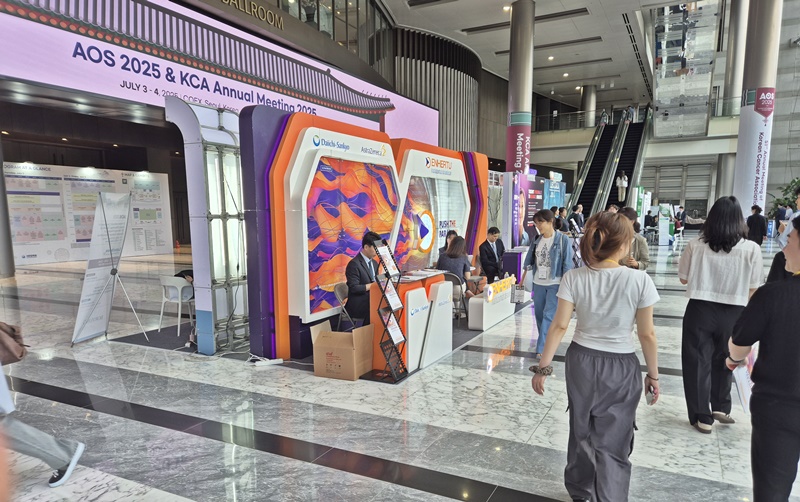
According to the pharmaceutical industry, on July 14, multinational pharmaceutical companies have recently applied to the Health Insurance Review & Assessment Service (HIRA) for reimbursement of their anti-cancer drugs as first-line treatment options.
For instance, 'Astellas Pharma Korea' is one of them.
Astellas recently re-applied for reimbursement for the Padcev (enfortumab vedotin)-Keytruda (pembrolizumab, MSD) combination therapy as a first-line treatment for urothelial carcinoma.
In addition, they concurrently applied for Padcev monotherapy for second-line or later treatment.
Notably, Astellas re-applied for both first-line and second-line or later treatments at once, bringing both therapies to the Cancer Disease Review Committee (CDRC) discussion table.
While the monotherapy, used in second-line or latertreatment, had passed the CDRC and was undergoing cost-effectiveness evaluation, the combination therapy obtained domestic approval and rapidly gained presence in clinical settings.
Therefore, the analysis suggests that Astellas resubmitted both together.
In other words, both the combination therapy and monotherapy are now on the CDRC table for discussion.
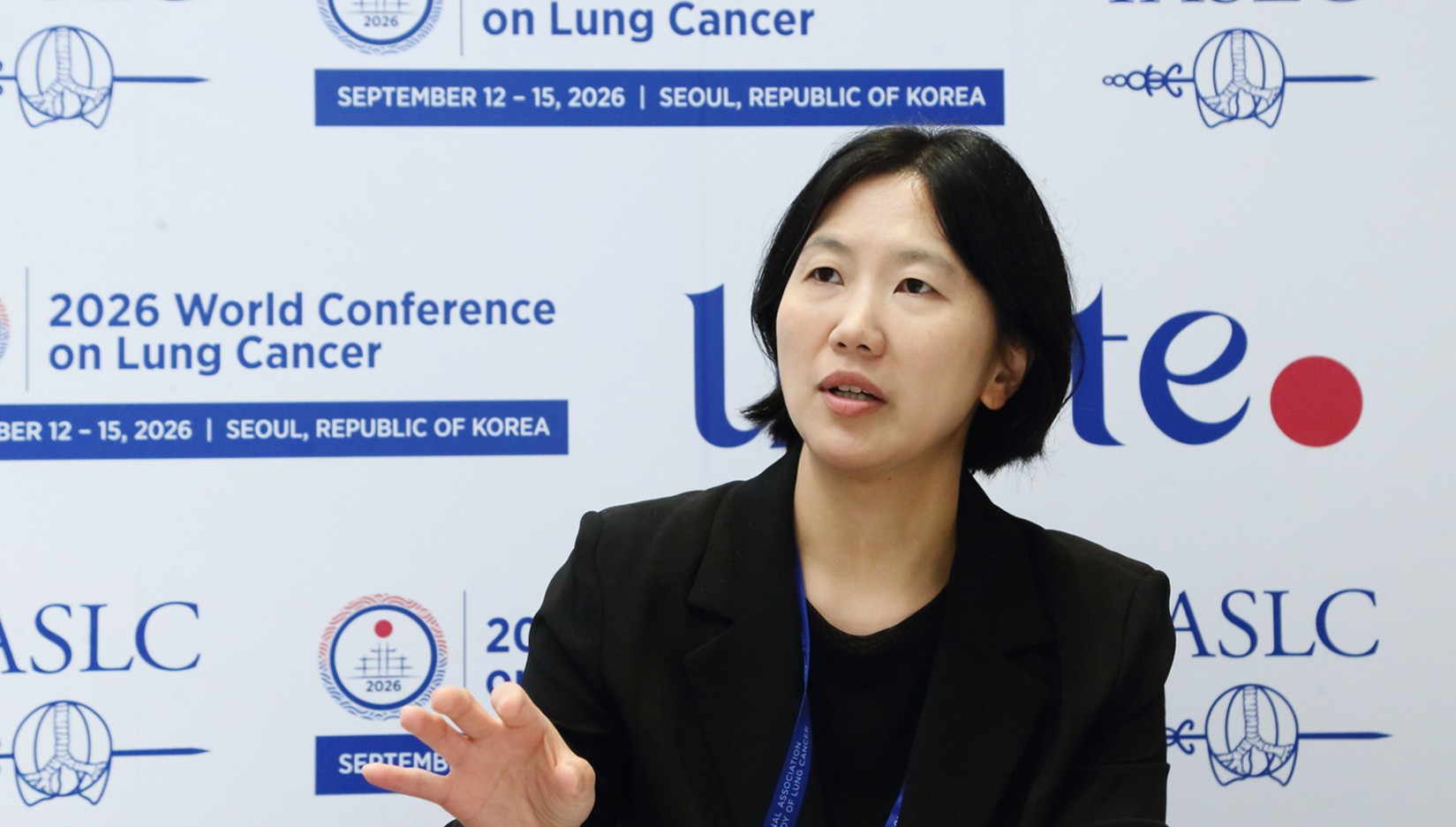
Dr.
In-Keun Park of Asan Medical Center, Seoul (Department of Oncology), said, "Using Padcev earlier in the treatment has an advantage in terms of overall survival (OS) compared to using it later." He added, "Realistically, due to cost issues, the dosage is often adjusted (contrary to clinical standards).
In some cases, patients are even reducing their body weight to lower the drug dosage due to drug costs." Dr.
Park added, "In clinical practice, the proportion of patients who transition from first-line to second-line treatment, and from second-line to third-line treatment, decreases sharply," and emphasized, "Considering that first-line combination therapies are already introduced and used in Korea, discussions for reimbursement of first-line combination therapies can no longer be delayed." Furthermore, the competition for reimbursement of first-line treatments to secure market dominance in the gastric cancer treatment market in the second half of this year is accelerating.
Keytruda passed the CDRC in the first half of this year and is currently undergoing cost-effectiveness evaluation at a subcommittee of the Drug Reimbursement Evaluation Committee (DREC).
As the only immunotherapy that can be used not only in HER2-negative but also HER2-positive patients, Keytruda, as a first-line option in Stage 4 gastric cancer treatment, is expected to grow significantly depending on whether reimbursement is applied.
Additionally, BeOne Medicines Korea (formerly BeiGene Korea) has also applied to HIRA for reimbursement for five new indications, including gastric cancer, for its immunotherapy Tevimbra (tislelizumab).
This means that BeOne Medicines Korea had immediately applied for HIRA after obtaining domestic approval by the MFDS in June.
Additionally, Astellas has also re-applied for reimbursement for 'Vyloy (zolbetuximab),' a Claudin 18.2 gastric cancer targeted therapy.
The company has recently been promoting this drug alongside Padcev.
This re-application comes approximately four months after Astellas failed to achieve reimbursement listing from the CDRC in February.
An Astellas official explained, "Korean medical professionals and patients sincerely hope for rapid reimbursement of Vyloy in the treatment of HER2-negative and Claudin 18.2-positive metastatic gastric cancer, where there are no other treatment options." He added, "We have faithfully reflected HIRA's supplementary requests and completed the re-application for reimbursement.
We will do our best to ensure that the best treatment option is quickly introduced to patients." As multinational pharmaceutical companies continue to aim for reimbursement of anti-cancer drugs as first-line treatment options, the government authorities will likely face an increased load of responsibility for evaluation.
This is because reimbursement of initial treatments naturally leads to increased financial burden on the national health insurance.
However, reimbursement cannot be denied for treatments with proven efficacy in clinical research due to the financial burden.
Therefore, opinions are emerging that the government's reimbursement discussion paradigm must undergo a significant transformation.
They imply that a shift in the discussion focus from 'life extension' to 'improvement of quality of life.' In fact, until now, both the government and pharmaceutical companies have primarily discussed reimbursement by first applying it to second-line and subsequent treatments, then expanding coverage to first-line treatment.
However, with recent cases demonstrating both clinical efficacy and OS benefits from first-line treatment, the prevailing opinion is that it is no longer easy to maintain this approach.
For instance, Rybrevant (amivantamab, Johnson & Johnson) is an example.
Recently, results from the MARIPOSA Phase 3 trial were announced, showing that the combination therapy with Rybrevant and Lazertinib (Yuhan Corp) as a first-line treatment for non-small cell lung cancer could extend OS by over 50 months.
Based on these results, Johnson & Johnson applied for reimbursement for the Rybrevant-Lazertinib combination therapy as a first-line option to HIRA in the first half of this year.
Therefore, the pharmaceutical industry is suggesting that the medical community and the government must find a common ground through discussions on a paradigm shift in reimbursement, starting with anti-cancer drugs.
It suggests revising the reimbursement system to encourage more proactive treatment from the initial stages, shifting the focus from life extension to quality of life.
An anonymous pharmaceutical industry official said, "The current reimbursement system for anticancer treatment is in a transitional period.
With an increasing number of options proving treatment efficacy from the initial stages, the time to discuss reimbursement primarily for fourth or fifth-line treatments seems to have passed," and added, "It seems we are transitioning to an era where priority is given to actively treating patients early on to improve their quality of life ultimately, rather than focusing on treatments that merely extend life slightly." He added, "Currently, we are at a stage of confusion regarding the reimbursement priority between initial treatment and subsequent retrospective treatments.
It's a question of whether to focus on life extension, or to recognize efficacy based on progression-free survival (PFS) in initial treatment even if OS is not extended." He stressed, "While the financial costs will undoubtedly be greater, it's now time for a specific policy direction."
-

- 0
댓글 운영방식은
댓글은 실명게재와 익명게재 방식이 있으며, 실명은 이름과 아이디가 노출됩니다. 익명은 필명으로 등록 가능하며, 대댓글은 익명으로 등록 가능합니다.
댓글 노출방식은
댓글 명예자문위원(팜-코니언-필기모양 아이콘)으로 위촉된 데일리팜 회원의 댓글은 ‘게시판형 보기’와 ’펼쳐보기형’ 리스트에서 항상 최상단에 노출됩니다. 새로운 댓글을 올리는 일반회원은 ‘게시판형’과 ‘펼쳐보기형’ 모두 팜코니언 회원이 쓴 댓글의 하단에 실시간 노출됩니다.
댓글의 삭제 기준은
다음의 경우 사전 통보없이 삭제하고 아이디 이용정지 또는 영구 가입제한이 될 수도 있습니다.
-
저작권·인격권 등 타인의 권리를 침해하는 경우
상용 프로그램의 등록과 게재, 배포를 안내하는 게시물
타인 또는 제3자의 저작권 및 기타 권리를 침해한 내용을 담은 게시물
-
근거 없는 비방·명예를 훼손하는 게시물
특정 이용자 및 개인에 대한 인신 공격적인 내용의 글 및 직접적인 욕설이 사용된 경우
특정 지역 및 종교간의 감정대립을 조장하는 내용
사실 확인이 안된 소문을 유포 시키는 경우
욕설과 비어, 속어를 담은 내용
정당법 및 공직선거법, 관계 법령에 저촉되는 경우(선관위 요청 시 즉시 삭제)
특정 지역이나 단체를 비하하는 경우
특정인의 명예를 훼손하여 해당인이 삭제를 요청하는 경우
특정인의 개인정보(주민등록번호, 전화, 상세주소 등)를 무단으로 게시하는 경우
타인의 ID 혹은 닉네임을 도용하는 경우
-
게시판 특성상 제한되는 내용
서비스 주제와 맞지 않는 내용의 글을 게재한 경우
동일 내용의 연속 게재 및 여러 기사에 중복 게재한 경우
부분적으로 변경하여 반복 게재하는 경우도 포함
제목과 관련 없는 내용의 게시물, 제목과 본문이 무관한 경우
돈벌기 및 직·간접 상업적 목적의 내용이 포함된 게시물
게시물 읽기 유도 등을 위해 내용과 무관한 제목을 사용한 경우
-
수사기관 등의 공식적인 요청이 있는 경우
-
기타사항
각 서비스의 필요성에 따라 미리 공지한 경우
기타 법률에 저촉되는 정보 게재를 목적으로 할 경우
기타 원만한 운영을 위해 운영자가 필요하다고 판단되는 내용
-
사실 관계 확인 후 삭제
저작권자로부터 허락받지 않은 내용을 무단 게재, 복제, 배포하는 경우
타인의 초상권을 침해하거나 개인정보를 유출하는 경우
당사에 제공한 이용자의 정보가 허위인 경우 (타인의 ID, 비밀번호 도용 등)
※이상의 내용중 일부 사항에 적용될 경우 이용약관 및 관련 법률에 의해 제재를 받으실 수도 있으며, 민·형사상 처벌을 받을 수도 있습니다.
※위에 명시되지 않은 내용이더라도 불법적인 내용으로 판단되거나 데일리팜 서비스에 바람직하지 않다고 판단되는 경우는 선 조치 이후 본 관리 기준을 수정 공시하겠습니다.
※기타 문의 사항은 데일리팜 운영자에게 연락주십시오. 메일 주소는 dailypharm@dailypharm.com입니다.