- LOGIN
- MemberShip
- 2026-09-24 02:39:48
- “Just worrying about new pricing system gets you nowhere”
- by Eo, Yun-Ho | translator Byun Kyung A | 2020-12-22 06:12:05

Now, the coverage on new drug is developing into an issue for the general South Korean public.
Although the South Korean government tried to expand the scope of risk sharing agreement (RSA) and pharmacoeconomic evaluation (PE) exemption system, the government and pharmaceutical industry are not seeing eye-to-eye in the age of the high-priced drug.
To seek the breakthrough point, the industry claims the government has to implement post-listing evaluation, adjusted incremental cost-effectiveness ratio (ICER), and indication-specific pricing, but the government, who needs to count every penny cannot easily be convinced by the industry’s suggestions.
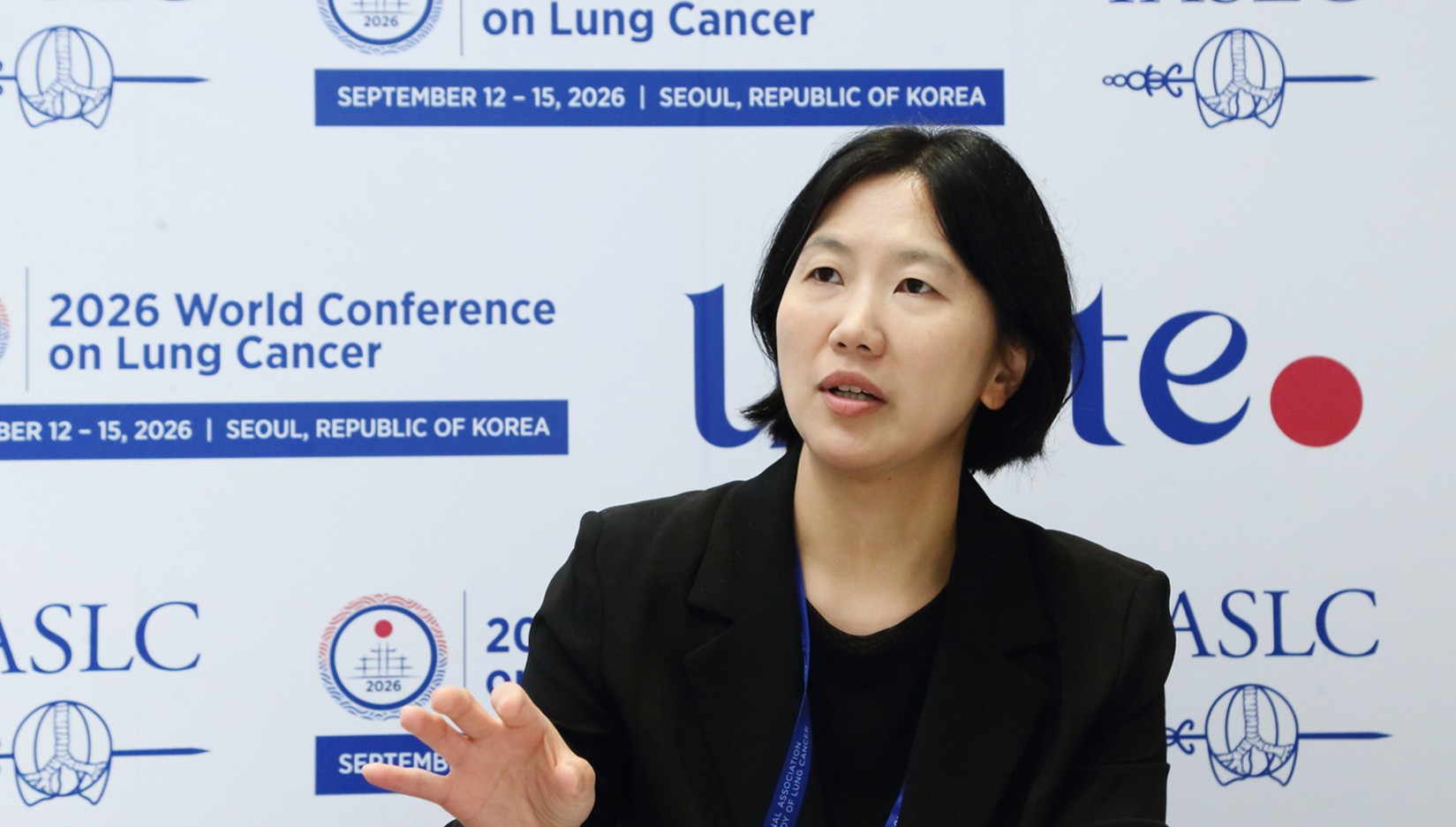
Daily Pharm interviewed Dr.
Suh Dong-churl, a professor at Chung-ang University College of Pharmacy and a pharmacoeconomic scholar, for his opinion on the effectiveness and implementation strategy of the above mentioned policy recommendations.
-First, what is your opinion on the need to implement the post-listing evaluation?
Personally, the government’s concern on listing a drug first and evaluating it later seems to be on the difficulty in setting the drug pricing.
But a recent study comparing the drug pricing in South Korea to A7 countries using the latest currency rates and purchasing power parities (PPP) found the drug pricing in South Korea was on par with the lowest pricing among the A7 member countries.
So that’s a start.
It cannot be said there is no financial impact at all, but limiting the post-listing evaluation to rare disease treatment would not create threatening level of financial impact.
I see about less than 1 percent and maximum under 10 billion won.
Like how the health authority stipulated various conditions and limitation when implementing the RSA, the authority can also set out restrictions for the pre-listing evaluation.
Did RSA push up the financial burden in the National Health Insurance (NHI)?
I don’t think so.
I assume the same for the pre-listing evaluation.
-There are concerns of possible reimbursement suspension, when a company refuses to accept the adjusted pricing after the post-listing evaluation. Such situation could be avoided if the contract term preemptively requires at least a few years of drug supply or continuous supply to the patients using the drug.
In the U.S., for instance, a pharmaceutical company signs a contract in the beginning of the year with their requested pricing, and the company refunds back the difference at the end of the year, if there were a gap between the actual transaction prices by the pharmaceutical company and hospital and insurance company.
On the other hand, the South Korean government is trying to do everything.
We don’t need to worry too much now.
The concern of reimbursement suspension was also there when RSA was reevaluated.
But have you heard of any case reported so?
-The need of adjusting ICER is constantly addressed.
Some say it should be applied flexibly, and some say it should be raised completely. ICER should not be fixed, but should rather reflect the reality.
But current system is going backwards.
Personally, I advise adjusting it in ranges.
At the moment the ICER for anticancer treatment is at around 70 million won, which doubles the GDP, but it is actually fixed at around below 50 million won.
However, adjusting the ICER should seek for national consensus, before the actual enforcement of the change, by discussing it with the healthcare providers, patient groups and consumer groups.
It is not an easy one to solve.
-How about the frequently addressed indication-specific pricing?
Some are worried about various issues like confusion in disease code or an abuse. First, there is an opinion that the NHI data cannot fathom the figures, but the Health Insurance Review and Assessment Service’s (HIRA) data can clearly confirm which drug was prescribed for which indication.
And I heard some are criticizing the indication-specific pricing goes against the fundamental principle of the NHI that gives a single pricing on a single drug.
But it would make more sense for policies to constantly change as there are new drugs released with various indications.
The government is concerned of the surging financial burden.
The pharmaceutical expense budget may be raised, but the number of patients receiving medical service and admitted to hospital would be lessened.
Ultimately, the increased pharmaceutical expense would balance out with the decreased medical service expense.
-But a string of expensive new drugs are preparing for the South Korean market, and surely the financial burden on NHI would get heavier.
What would be your advice on the financial issue?
Securing a certain level of finance would be needed.
Reducing the generic pricing would save somewhat of the expenditure, and expanding tax benefit would be good as well.
And to improve the listing process speed, I would like to recommend pharmaceutical companies to directly pay for the administrative cost.
The U.S.
Food and Drug Administration (FDA) offers a system called, ‘User Fee Program,’ which lets an applicant company to cover for the cost of human resource to reduce the review period.
Using the program, FDA was able to significantly shorten the review time.
Patients with rare disease or cancer have short life expectancy, and that is why swiftly granting access to new drug is crucial.
The efforts to expedite the review process would not go unnoticed.
-

- 0
댓글 운영방식은
댓글은 실명게재와 익명게재 방식이 있으며, 실명은 이름과 아이디가 노출됩니다. 익명은 필명으로 등록 가능하며, 대댓글은 익명으로 등록 가능합니다.
댓글 노출방식은
댓글 명예자문위원(팜-코니언-필기모양 아이콘)으로 위촉된 데일리팜 회원의 댓글은 ‘게시판형 보기’와 ’펼쳐보기형’ 리스트에서 항상 최상단에 노출됩니다. 새로운 댓글을 올리는 일반회원은 ‘게시판형’과 ‘펼쳐보기형’ 모두 팜코니언 회원이 쓴 댓글의 하단에 실시간 노출됩니다.
댓글의 삭제 기준은
다음의 경우 사전 통보없이 삭제하고 아이디 이용정지 또는 영구 가입제한이 될 수도 있습니다.
-
저작권·인격권 등 타인의 권리를 침해하는 경우
상용 프로그램의 등록과 게재, 배포를 안내하는 게시물
타인 또는 제3자의 저작권 및 기타 권리를 침해한 내용을 담은 게시물
-
근거 없는 비방·명예를 훼손하는 게시물
특정 이용자 및 개인에 대한 인신 공격적인 내용의 글 및 직접적인 욕설이 사용된 경우
특정 지역 및 종교간의 감정대립을 조장하는 내용
사실 확인이 안된 소문을 유포 시키는 경우
욕설과 비어, 속어를 담은 내용
정당법 및 공직선거법, 관계 법령에 저촉되는 경우(선관위 요청 시 즉시 삭제)
특정 지역이나 단체를 비하하는 경우
특정인의 명예를 훼손하여 해당인이 삭제를 요청하는 경우
특정인의 개인정보(주민등록번호, 전화, 상세주소 등)를 무단으로 게시하는 경우
타인의 ID 혹은 닉네임을 도용하는 경우
-
게시판 특성상 제한되는 내용
서비스 주제와 맞지 않는 내용의 글을 게재한 경우
동일 내용의 연속 게재 및 여러 기사에 중복 게재한 경우
부분적으로 변경하여 반복 게재하는 경우도 포함
제목과 관련 없는 내용의 게시물, 제목과 본문이 무관한 경우
돈벌기 및 직·간접 상업적 목적의 내용이 포함된 게시물
게시물 읽기 유도 등을 위해 내용과 무관한 제목을 사용한 경우
-
수사기관 등의 공식적인 요청이 있는 경우
-
기타사항
각 서비스의 필요성에 따라 미리 공지한 경우
기타 법률에 저촉되는 정보 게재를 목적으로 할 경우
기타 원만한 운영을 위해 운영자가 필요하다고 판단되는 내용
-
사실 관계 확인 후 삭제
저작권자로부터 허락받지 않은 내용을 무단 게재, 복제, 배포하는 경우
타인의 초상권을 침해하거나 개인정보를 유출하는 경우
당사에 제공한 이용자의 정보가 허위인 경우 (타인의 ID, 비밀번호 도용 등)
※이상의 내용중 일부 사항에 적용될 경우 이용약관 및 관련 법률에 의해 제재를 받으실 수도 있으며, 민·형사상 처벌을 받을 수도 있습니다.
※위에 명시되지 않은 내용이더라도 불법적인 내용으로 판단되거나 데일리팜 서비스에 바람직하지 않다고 판단되는 경우는 선 조치 이후 본 관리 기준을 수정 공시하겠습니다.
※기타 문의 사항은 데일리팜 운영자에게 연락주십시오. 메일 주소는 dailypharm@dailypharm.com입니다.