
- LOGIN
- MemberShip
- 2026-05-04 03:20:09
- Policy
- Celltrion receives approval for Nesina Met SR
- by Lee, Hye-Kyung Sep 15, 2023 05:33am
- Celltrion, which acquired the Asia-Pacific distribution rights for Takeda Pharmaceutical products, used them to create an improved new drug. One of the acquired products, Nesina Met SR, a type 2 diabetes treatment, received approval from the Ministry of Food and Drug Safety. The Ministry of Food and Drug Safety announced on the 14th that it had approved Celltrion's type 2 diabetes treatment Alogliptin Met SR. This is the first time that Celltrion has received domestic approval for a chronic disease treatment. Alogliptin Met SR appears similar to Nesina Met, which Celltrion acquired from Takeda in 2020 and has domestic licensing rights but is a domestically developed product with a different formulation and dosage. First of all, the dosage form of Nesina Met is a rectangular film-coated tablet, but Alogliptin Met SR is approved as an oval-shaped SR film-coated tablet. SR has the advantage of reducing the number of medications taken because the efficacy lasts for a long time with a single dose. Nesina Met was released with Alogliptin and Metformin doses of 12.5/500 mg, 12.5/800 mg, and 12.5/1000 mg, respectively, but the two Alogliptin Met extended-release tablets have the same dosage and are released at 25/1000 mg instead of 12.5/1000 mg. In the case of Nesina Met or Alogliptin Met SR, the maximum recommended daily dose of each ingredient should not exceed Alogliptin 25mg and Metformin 2000mg. When taking Alogliptin Met SR, taking 2 tablets of the existing Nesina Met once a day becomes easier by taking 1 tablet at a time. Celltrion acquired the Asia Pacific rights to 18 Rx and OTC items, including Nesina Met, from Takeda for $278.3 million in December 2020. Currently, the domestic sales rights for Nesina Met are held by Celltrion Pharmaceuticals. Attention is focused on whether Celltrion will enter the domestic chronic disease treatment market as it has developed Alogliptin Met SR, conducted clinical trials, and obtained product approval.
- Policy
- Which P-CAB generic will come first, K-CAB or Vocinti?
- by Lee, Tak-Sun Sep 15, 2023 05:33am
- Companies have started developing generic versions of the P-CAB (potassium-competitive acid blocker) class gastroesophageal reflux disease (GERD) treatments K-CAB (tegoprazan, HK Inno.N) and Vocinti (vonoprazan, Takeda Pharmaceuticals Korea). The post-marketing surveillance (PMS) period for the original drugs, which are being targeted by the generic companies, is set to end in 2024 and 2025, respectively. The release of their generic versions will then depend on whether they can avoid the originals’ patents. According to industry sources on the 14th, approvals for bioequivalence tests using K-CAB and Vocinti as reference drugs have been continuing this year. In the case of bioequivalence tests filed for the approval of K-CAB generics, starting with SamChunDang Pharm in May, Kukje Pharm, Jinyang Pharm, and Hutecs Korea have been approved to conduct bioequivalence tests with K-CAB. Hanlim Pharm was first to receive approval to conduct a bioequivalence test for its Vocinti generic on September 12th. In terms of the expiry of the PMS term, K-CAB's generics will likely be approved first. K-CAB’s PMS term expires on July 4, 2024, and Vocinti on March 28, 2025. The PMS system also serves a data protection function, therefore generic can only be approved after the end of the PMS period. However, the market release date may be delayed much further as the patent term for the original drug is in effect until 2036. K-CAB and Vocinti In the case of K-CAB, its substance patent expires on August 25, 2031, and its crystalline patent on March 12, 2036. Over 70 generic companies have filed for trial to avoid the two patents. If the companies succeed in avoiding both patents, the release date of K-CAB generics may be pulled forward. Patent challengers are focusing on avoiding the extended term of K-CAB’s substance patent. If they succeed, they may launch their generic versions after December 6, 2026, the expiration date that had been set before HK Inno.N filed to extend their patent term. On the other hand, if the companies fail, the first generic may only be launched in 2036 after the crystalline patent expires, or in 2031 if the companies only succeed in avoiding the crystalline patent. In the case of Vocinti, one patent expires on December 20, 2027, and the other patent expires on November 17, 2028. No pharmaceutical companies have filed patent challenges yet. But in terms of patent duration, Vocinti ‘s generic can hit the market sooner. However, unlike K-CAB, Vocinti has not been released yet and is non-reimbursed in Korea. If Vocinti is not released in the Korean market before the end of the PMS period, its marketing authorization may be revoked. In this case, there is a possibility that the generic will have difficulty procuring the control drug needed for the bioequivalence test. Also, if Vocinti remains non-reimbursed, the latecomer will have to go through the process of reimbursement listing as a drug subject to pricing negotiations, so it may be reimbursed later than K-CAB generics which will receive a set reimbursement price. Therefore, the launch of the generic drugs will ultimately depend on whether or not the companies succeed in avoiding their patent. An industry official said, "K-CAB had posted sales of KRW 100 billion, so generic companies are very eager to release their generic versions of the drug as soon as possible as its commercial viability has been proven. However, if the companies do not succeed in avoiding the patents, their launch date may be delayed, therefore, releasing a Vocinti generic can also be a good alternative.”
- Policy
- Imfinzi recieves RSA reevals and seeks to extend reimb
- by Lee, Tak-Sun Sep 15, 2023 05:32am
- The Risk-Sharing Agreement (RSA) reevaluations for term renewal are underway for Imfinzi Inj (durvalumab, AZ), which applied for reimbursement extensions to its biliary tract cancer indication. The reevaluations are being conducted in preparation for the RSA contract renewal set for March next year. According to industry sources on the 14th, AstraZeneca Korea recently submitted the pharmacoeconomic evaluation data for Imfinzi to the Health Insurance Review and Assessment Service for RSA renewals. Korea's RSA system requires companies to submit PE evaluation data for reevaluation within 1 year of RSA term expiry. The company signed an RSA for Imfinzi, and the drug was listed for reimbursement in April 2020 for patients with locally advanced, unresectable NSCLC whose disease has not progressed following platinum-based concurrent chemoradiation therapy (CRT). The drug was reimbursed through two types of RSA: Refund-type and Expenditure cap-type RSA. The RSA term expires on March 31st. The company refunds a certain proportion of the claims amount back to NHIS, and if the claims amount exceeds the expected amount, a certain proportion of the exceeded amount is also returned to the NHIS. The expected claims amount at the time was KRW 22 billion. Imfinzi’s sales last year, based on IQVIA, amounted to KRW 52.4 billion. The company has recently been working to extend reimbursement to biliary tract cancer. Imfinzi’s biliary tract cancer indication was approved by the Ministry of Food and Drug Safety in November last year, as a first-line treatment for locally advanced or metastatic biliary tract cancer in combination with gemcitabine and cisplatin. With the approval, Imfinzi became the first new standard therapy introduced to the field of biliary tract cancer in 12 years. Imfinzi’s effect as a combination therapy was demonstrated through Phase III TOPAZ-1 which was conducted on 685 treatment-naïve patients with unresectable locally advanced or metastatic biliary tract cancer. Results showed that the Imfinzi arm (Imfinzi+gemcitabine+cisplatin) showed a 20% improvement in overall survival (OS) versus the placebo arm (placebo+gemcitabine+cisplatin). At 2 years, the survival rate in the Imfinzi arm was 24.9% compared with the 10.4% in the placebo arm. The median progression-free survival (PFS) was 7.2 months for the Imfinzi arm, which was a 25% improvement compared to. the 5.7 months in the placebo arm. Whether AstraZeneca will be able to kill two birds with one stone and renew its RSA and extend reimbursement to the biliary tract cancer indications remain the focus of industry interest.
- Policy
- Reevaluation difficult for Ildong and Abbott’s Lypsta
- by Lee, Tak-Sun Sep 14, 2023 06:40am
- There are slightly ambiguous aspects to Abbott Korea's ‘Lypsta Plus Tab,’ whose drug price was lowered on the 5th after the insurance price ceiling reevaluations. This drug was jointly developed between Abbott Kore and Ildong Pharmaceutical, and the bioequivalence test data among the clinical trial data was submitted by Abbott. Perhaps for this reason, Abbott opposed the price cut and filed for a stay of execution, due to which the drug price will be maintained as is the 28th. According to industry sources on the 13th, The price of Lypsta Plus Tab’s 10/5mg formulation had been lowered from KRW 895 to KRW 761; the 10/10mg formulation from KRW 1,251 to KRW 1,063; and the 10/20mg formulation from KRW 1,263 to KRW 1,074. However, the execution of the price cut is set to be suspended until the 28th due to Abbott’s application for a stay of execution. The drug is a combination drug for hyperlipidemia that combines rosuvastatin and ezetimibe. Lypsta and 'Droptop Tab’ were jointly developed by Ildong and Abbott. During the reevaluations conducted this time, a price reduction could only be avoided if the company proves that it has conducted its own bioequivalence test or clinical trial, even for jointly developed products, In a Q&A session before the reevaluation, HIRA said, “Even for drugs that were developed through joint clinical trials, in-house bioequivalence test or an in-house clinical trial must be conducted, and data of such proof be submitted to meet the standard requirements. In the case of products approved through clinical trials, the clinical trial has to be conducted under the supervision of the marketing authorization holder (pharmaceutical company).’ However, HIRA added that the standard requirements do not apply if the product that was approved through joint clinical trials is the first product to be listed for reimbursement in Korea. However, Lypsta is not the first product reimbursed in its class. Rosuzet is the first product that was ever listed, and Lypsta was released two years after Rosuzet’s reimbursement. However, HIRA’s self-bioequivalence test verification requirements are a little ambiguous. This is because the two companies divided the clinical trials and shared the results with each other. For example, Ildong Pharmaceutical submitted drug interaction test and therapeutic confirmatory clinical trial data among quality assessment data, non-clinical trial data, and clinical trial data, and Abbott submitted the biopharmaceutics test data among clinical trial data. Excerpt from Lypsta In other words, Abbott conducted the Phase I bioequivalence test, and Ildong conducted the Phase III therapeutic confirmation trial. The two items were shared between the companies and the drug was approved in December 2017. This aspect is indicated in the approval report disclosed by the Ministry of Food and Drug Safety. It is understood that health authorities concluded that although there was a bioequivalence test submitted by Abbott, the core clinical trial was conducted by Ildong Pharmaceutical, its joint development partner, therefore the data did not meet the standard requirements. During reevaluations, Ildong Pharmaceutical's 'Droptop’ was excluded from receiving drug price cuts for meeting the standard requirements. With an administrative suit in place, whether Lypsta Plus Tab meets the standard requirements is expected to depend on the court's judgment in the future.
- Policy
- [Reporter's view] Focus on non-face-to-face contraceptives
- by Lee, Jeong-Hwan Sep 14, 2023 06:37am
- The Ministry of Health and Welfare will hold a public hearing to prepare a reform plan for the non-face-to-face medical treatment pilot project from 2 p.m. today (14th). After disclosing the status of the pilot project, the plan is to hold a panel discussion to hear opinions from the medical community, pharmaceutical industry, platform app industry, and patient and consumer groups. The Ministry of Health and Welfare has not officially commented on the direction of the pilot project reform. Some media outlets only 'leaked' a statement that they are considering a reform plan to expand the scope of non-face-to-face first visitation. For this reason, some criticize that “the Ministry of Health and Welfare is busy using the media to gauge public opinion in order to expand the implementation of the non-face-to-face medical treatment pilot project.” Some even point out that rather than starting administration based on specific policy implementation grounds, they are belatedly formulating policies that suit their tastes after being conscious of public opinion. Non-face-to-face medical treatment is a policy that Minister of Health and Welfare Cho Gyu-hong and Second Vice Minister Park Min-soo have repeatedly emphasized over the years as to the need for institutionalization, but I wonder why they are so unsure about it. First of all, the Ministry of Health and Welfare plans to prepare a reform plan after holding a public hearing on the non-face-to-face medical treatment pilot project, but there are already media reports that there is a strong direction to expand the permitted time zone for the non-face-to-face first treatment to nights, late at nights and public holidays, and to expand the permitted area to areas with a shortage of medical institutions. The purpose is to enable residents in vulnerable areas who are not guaranteed access to medical care in the current pilot project to benefit from non-face-to-face medical treatment. There is some criticism of the direction of the Ministry of Health and Welfare's reorganization that it is trying to allow unlimited non-face-to-face first visits by modifying the 'time zone' regulations, but if evidence is presented that the truly unreasonable reality of pilot projects can be improved, there is some sympathy with the direction of the Ministry of Health and Welfare's reorganization. It can be expressed. This means that the Ministry of Health and Welfare should specifically present cases where non-face-to-face treatment is not available due to a lack of medical institutions nearby, even though the area is not remote, such as islands or mountainous regions. The Ministry of Health and Welfare has not made a single comment on how to manage the side effects that are concentrated in non-covered high-risk prescription drugs such as morning-after contraceptives, isotretinoin-based acne treatments, and finasteride-based hair loss treatments, which have been pointed out several times as representative side effects of non-face-to-face therapy. The Ministry of Health and Welfare only reiterated its position that it would discuss expanding the scope of prescription-restricted drugs through a pilot project advisory group meeting but did not present any measures or blueprints on how to manage the concentration of prescriptions for high-risk medications. Even after the implementation of the pilot project, non-face-to-face treatment prescription patterns or statistics are not disclosed. Due to this situation, pharmacist professional organizations such as the Seoul Pharmaceutical Association and the Korean Pharmaceutical Association are individually calculating and publicizing their own statistics. The justification for implementing and institutionalizing the non-face-to-face medical treatment pilot project announced by the Ministry of Health and Welfare is ‘strengthening medical access for medically vulnerable groups and residents.’ It is questionable whether the concentration of non-covered prescriptions for morning-after contraceptives, acne medicines, and hair loss medicines is in line with the Ministry of Health and Welfare's goal of strengthening the medical rights of the medically vulnerable. Even in this situation, the Ministry of Health and Welfare is considering improvement measures to expand the scope of initial and repeat visits for non-face-to-face medical treatment, and it is highly likely that the Ministry of Health and Welfare will continue to mention the need to expand the scope at the public hearing to be held today. The fact that the Ministry of Health and Welfare has not made any comments regarding regulatory measures for non-covered prescription drugs influenced Democratic Party lawmaker Jeon Hye-sook to come to the conclusion that she suspected 'collusion between platform operators and the government.' The National Assembly and medical groups have been calling for several years since the COVID-19 pandemic to address the side effects of unnecessary medications being excessively prescribed through non-face-to-face treatment and platforms, but the Ministry of Health and Welfare has not made any specific comments. Vice Minister Park Min-soo strongly opposed Rep. Jeon Hye-sook's point that the Ministry of Health and Welfare is pushing for non-face-to-face medical treatment to save the platform. Rather than protesting, the first priority is to create an alternative that can solve the problem of wasting health insurance funds through excessive treatment and overprescription and increasing the risk of side effects from medicines for patients. Platforms have gained too much power and have grown into 'super apps', standing over medical institutions and pharmacies to gather opinions on how to address side effects that could damage the healthcare delivery system. The public hearing for the non-face-to-face medical treatment pilot project should be held in a format where the Ministry of Health and Welfare directly discloses the prescription statistics and patterns that occurred during the guidance period over the past three months, while also collecting opinions on solutions that will erode concerns about the concentration of prescriptions for high-risk non-reimbursed drugs and concerns about platform side effects. It should not just be a formality and a basis-building effort to expand the scope of non-face-to-face first and return visits. The slogan that face-to-face treatment is the principle and non-face-to-face treatment is an auxiliary means was put forward every time the Ministry of Health and Welfare insisted on the need to implement pilot projects and legislate. The Ministry of Health and Welfare is breaking the principles of face-to-face treatment by discussing a pilot project reform plan that blindly expands the scope of first and repeat visits without any valid basis.
- Policy
- Monterizine generics prepare for release in Oct
- by Lee, Tak-Sun Sep 13, 2023 05:28am
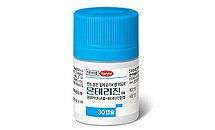
- Hanmi Pharm’s asthma and rhinitis combination drug Companies are preparing to release their generic versions of Hanmi Pharm’s Monterizine (Montelukast+Levocetirizin) in October at the earliest. The generic drugs that were approved in August obtained first generic exclusivity and were able to move up their reimbursement listing date. According to the industry sources on the 8th, the price calculation process for Monterizine generics has been completed and it is expected to be listed with reimbursement next month. HIRA is known to have been conducting pricing calculations for Monterizine generics that applied for reimbursement after being approved in August. The generics, which received generic exclusivity, are expected to be released in October. Unlike general drugs that take 3 months to reimbursement listing, it only takes 2 months for drugs that are granted generic exclusivity to reimbursement listing. 10 Monterizine generics that were granted generic exclusivity by HIRA are owned by Genupharma, Huons, Daehwa Pharmaceutical, DongKoo Bio&Pharma, Binex, Boryung Pharmaceutical, Daewon Pharmaceutical, Daewoong Pharmaceutical, Medica Korea, and Jeil Pharmaceutical. The difference between the generics and the original Monterizine Capsule is that the to-be-released generics are tablet formulations. The pharmaceutical companies succeeded in avoiding Monterizine’s formulation patents with that difference. The MFDS therefore granted them exclusive rights so other companies may not sell the same drug until May 2024. Monterizine is Hanmi’s incrementally modified drug that it received approval in May 2017. It is the world’s first combination of montelukast, which blocks the action of leukotriene that causes tightening of airway muscles, breathing difficulties, and runny nose, and levocetirizin hydrochloride, an antihistamine used to treat allergic rhinitis. Hanmi demonstrated its combination’s superior efficacy compared to a single agent in a Phase III trial targeting domestic patients. Monterizine exceeded the blockbuster drug threshold of KRW 10 billion for the first time last year. Based on UBIST, the amount of its outpatient prescriptions was KRW 11.5 billion last year, up 24% points from the KRW 9.3 billion it had posted in the previous year. Supported by its marketability, the generic companies are expected to make efforts to market their drugs early into their release. An official from a related company said, "Because it is effective in relieving allergic rhinitis symptoms in patients with asthma and perennial allergic rhinitis, we expect to achieve high performance if we focus on marketing our product to HCPs in Korea." The current insurance ceiling price of Monterizine Cap is KRW 886/capsule. Hanmi also owns a chewable tablet formulation of the same drug at the same price.

- Policy
- BT public-private council will soon resume operations
- by Lee, Jeong-Hwan Sep 13, 2023 05:28am
- The Ministry of Health and Welfare is expected to soon resume the operation of the 'BT (breakthrough therapy) Public-Private Council', a pharmaceutical industry discussion body necessary for establishing and implementing BT price preference policies. The Ministry of Health and Welfare is expected to establish standards for preferential drug prices based on the results of discussions at the BT public-private consultative body held from February to April, and then finalize them after gathering opinions from the pharmaceutical industry at the public-private consultative body, which is scheduled to resume as early as this month. In the case of the public-private consultative body to reform the generic drug price system, there has been no concrete movement yet, and as the Ministry of Health and Welfare has begun research on the form of private contracts, the atmosphere is waiting until the research is completed and the analysis of the results is completed. According to the pharmaceutical industry on the 11th, the Ministry of Health and Welfare recently met with three pharmaceutical organizations along with NHIS and HIRA and held a public-private consultative body to discuss pending issues of reforming the drug price system. At this meeting, the Ministry of Health and Welfare reportedly announced plans to resume the public-private consultative body in the near future and confirm the BT preferential treatment standards in response to inquiries from the three pharmaceutical organizations regarding the BT preferential drug price policy. It has been reported that the Ministry of Health and Welfare's position is to partially accept the demands of the three pharmaceutical groups not to announce preferential policies without prior discussion or to immediately submit them to the Health Insurance Policy Deliberation Committee agenda. Pharmaceutical industry officials are observing that the Ministry of Health and Welfare has already reached the stage of completing the internal establishment of BT preferential standards and measures. It is explained that the Innovative New Drug Public-Private Consultative Body, which will be launched in September at the earliest or early October at the latest, will decide on what criteria and how to give preferential treatment to the prices of drugs made by innovative pharmaceutical companies. The Ministry of Health and Welfare and NHIS have announced plans to announce BT preferential measures within September at a National Assembly debate and press conference. The public-private consultative body that will discuss the generic drug price system, including comprehensive generic drug price cuts, is showing no significant movement. Previously, in July, the Ministry of Health and Welfare signed a private contract with Professor Kim Dong-sook of Kongju University's research team for a research project to 'prepare a plan to improve the generic drug price system', so the pharmaceutical industry predicts that the implementation of the system related to generic drug price reduction will be delayed until the study is completed and the results are analyzed. This is the consensus of experts. Last April, under the direction of Second Vice Minister Park Min-soo, the Generic Drug Price System TFT was formed and the reform of the drug price system was initiated. Compared to the time when the pharmaceutical industry expressed concern that the government might immediately move to reduce generic drug prices in batches, some portion of the system has not been implemented. It has been delayed. An official in the domestic pharmaceutical industry explained, “We requested the Ministry of Health and Welfare to publicly announce the drug price preferential treatment plan after going through the BT public-private consultative body and go through a sound review process, and they responded that they would accept it.” He explained, “Research on the generic drug price system reform plan, including generic drug price cuts, is scheduled to be studied until this year, and discussions are expected to begin only after next year.” This official said, “Fear or backlash over the wholesale price cut for generics has been delayed until the end of the study, but just reevaluating the comparison of overseas drug prices right now is a significant burden on pharmaceutical companies.” He added, “I hope that the Ministry of Health and Welfare will create the system together rather than unilaterally establish the system and then go through a formal opinion-gathering process.”
- Policy
- Will Enhertu pass PE evaluations for reimb in KOR?
- by Lee, Tak-Sun Sep 13, 2023 05:28am
- Due to delays in the review of the economic feasibility of the anticancer drug Enhertu (trastuzumab deruxtecan), the industry is seeing delays in its reimbursement agenda being submitted for deliberation to the Drug Reimbursement Evaluation Committee. The agenda had previously passed the Cancer Disease Deliberation Committee review after redeliberation in May. The company expects to receive positive results at the Pharmacoeconomic Evaluation Subcommittee meeting in October. According to industry sources on the 12th, Daiichi Sankyo recently submitted supplementary pharmacoeconomic evaluation data to HIRA for its Enhertu and expects to pass HIRA deliberations in October. Enhertu passed the CDDC review after redeliberations in May. The committee determined Entertu reimbursable for the treatment of ▲unresectable or metastatic HER2-positive breast cancer who have received two or more prior anti-HER2-based regimens (third-line or higher treatment), and ▲locally advanced or metastatic HER2-positive gastric or gastroesophageal junction adenocarcinoma who have received two or more prior therapies including an anti-HER2-based regimen (third-line or higher treatment) As a result, the agenda was supposed to be submitted for deliberation by the Drug Reimbursement Evaluation Committee. However, it seems that the company and the government are having difficulty reaching a consensus in the pharmacoeconomic evaluation process. Daiichi Sankyo submitted the PE evaluation data in July, but was unable to reach an agreement with HIRA. The industry analysis is that Enhertu's superior effect is hindering economic evaluations. Currently, the Pharmacoeconomic Evaluation Subcommittee is evaluating the cost-effectiveness of Enhertu compared to Kadcyla. However, as Enhertu demonstrated an extension in progression-free survival (mPFS) by more than 22 months compared to existing drugs, and the increase in the administration period that followed, there have been limitations in proving the cost-effectiveness of the drug using the current economic evaluation method. Even so, Daiichi Sankyo has accepted most of the deliberation results from the last Pharmacoeconomic Evaluation Subcommittee’s deliberation in order to quickly receive reimbursement. The company had requested redeliberation on some aspects that are difficult to accept. Daiichi Sankyo recently submitted the supplementary materials and is expecting positive results at the Pharmacoeconomic Evaluation Subcommittee meeting that will be held in October. In the paper, ‘Analysis of Socioeconomic Indirect Cost of Premature Death in Patients with HER2-positive Metastatic Breast Cancer (MBC) using Nationwide Claims Data’ that was recently published on Yakhak Hoeji on August 31, research teams of Sungkyunkwan University’s School of Pharmacy and Samsung Medical Center showed that socioeconomic benefits were greater with the administration of Enhertu. The research teams identified the claims data of 2,212 patients with HER2-positive MBC who were prescribed trastuzumab-emtansine as a second-or-higher-line of treatment from January 2007 to May 2021 using nationwide insurance claims data to estimate the progression-free survival (mPFS) and the resulting socioeconomic benefits. As a result, the mPFS of trastuzumab-emtansine ranged from 7.1 months (age 65 or older) to 12.5 months (age 30s), and the mPFS of trastuzumab-deruxtecan (Enhertu) was more than three times longer for all ages, ranging from 23.4 months (age 65 or older) to a maximum of 41.1 months (age 30). Accordingly, the socioeconomic benefits brought about by the extended PFS with the use of trastuzumab-deruxtecan (Enhertu) compared to existing drugs were estimated to amount to KRW 261.4 billion, which is averages to KRW 118 million per patient. An official from Daiichi Sankyo Korea said, "We hope that the authorities will review Enhertu’s reimbursement more flexibly, in consideration of the various aspects such as social losses of breast cancer and the extension of patients' lives that can be expected through Enhertu treatment under the framework of Korea’s current pharmacoeconomic evaluation system.
- Policy
- Forxiga's generics, advertised for off-label indications
- by Lee, Hye-Kyung Sep 12, 2023 05:37am
- Forxiga's generic development companies that promoted 'chronic heart failure, chronic kidney disease' in their drug advertisements were subject to administrative sanctions. On August 18th and 22nd, the Ministry of Food and Drug Safety suspended Boryung and Aju Pharmaceuticals from advertising for products containing Dapagliflozin for three months, respectively. The objects of disposal are three items, including Boryung's Trudapa 10 mg (Dapagliflozin Bis L-proline), Trudapa M SR 10/500 mg (Dapagliflozin, Metformin), and Trudapa M SR 10/1000 mg (Dapagliflozin, metformin). and Aju Pharmaceutical's Daparil 5 mg (Dapagliflozin Propanediol Hydrate), Daparil 10 mg (Dapagliflozin Propanediol Hydrate), Daparil Duo SR 10/500 mg, Daparil Duo SR 10/1000 mg, etc. There are 4 items. They were subject to administrative action after it was discovered that they used pamphlets targeting doctors and advertised content other than the approved efficacy and effects. The original, AstraZeneca Korea's Forxiga, has three indications, including type 2 diabetes, chronic heart failure, and chronic kidney disease, but the generic developed by domestic pharmaceutical companies only has type 2 diabetes as an indication. In this situation, Forxiga's generic companies became subject to administrative action by producing and distributing promotional materials containing claims that the drug was effective against chronic heart failure and chronic kidney disease, which are unauthorized indications. The only companies to which the Ministry of Food and Drug Safety has issued administrative measures are Boryung and Aju Pharmaceuticals, but as the number of domestically approved products for Dapagliflozin reaches 222, the likelihood that other pharmaceutical companies will also be subject to administrative measures if they advertise for indications other than those approved has increased. The efficacy or performance of pharmaceuticals cannot be advertised unless permission or modification is granted in accordance with Article 68 of the Pharmaceutical Affairs Act. In the case of a first violation according to the standards for administrative disposition in Table 8 of the Rules on the Safety of Medicines, etc., the advertising business for the product concerned will be suspended for 3 months. As it became known that generic drug developers were promoting non-approved indications, AstraZeneca Korea sent a certificate of contents to the companies in question, leading to an inspection by the Ministry of Food and Drug Safety. Meanwhile, after Forxiga's substance patent expired last April, a total of 90 pharmaceutical companies entered the market with 105 single-drug products and 64 combination products approved. According to UBIST, a pharmaceutical market research firm, the outpatient prescription performance of Dapagliflozin single and combination drugs in May was 11 billion won. The sales of the original Forxiga were 4.7 billion won, and those of Xigduo were 4.1 billion won, accounting for about 80%. The remaining 2.2 billion won was accounted for by generics Forxiga and Xigduo. As of May, 60 pharmaceutical companies recorded a total of 1.436 billion won in prescriptions for single drugs, and 31 pharmaceutical companies recorded a total of 772 million won in prescriptions for combination drugs.
- Policy
- Pfizer’s ALL drug Besponsa renews RSA in KOR
- by Lee, Tak-Sun Sep 12, 2023 05:37am
- Pfizer Korea’s acute lymphoblastic leukemia (ALL) treatment ‘Besponsa (inotuzumab ozogamicin)’ has recently renewed its risk-sharing agreement (RSA) with the government. The company had signed an Expenditure Cap Type RSA for the drug in 2019. According to the National Health Insurance Service and industry sources on the 11th, Besponsa recently completed negotiations on renewing its RSA with the NHIS. This drug is reimbursed as a treatment for adult patients with relapsed or refractory ALL, regardless of their Philadelphia Chromosome mutation status. At the time of its reimbursement in October 2019, the drug was only approved for patients with Philadelphia chromosome-negative ALL, however, its reimbursement was extended to allow use regardless of Philadelphia Chromosome mutation status since February last year. Besponsa is the first antibody-drug conjugate introduced to ALL. It is a combination of an antibody, inotuzumab, which targets the CD22 antigen expressed on the surface of B cell precursor ALL cancer cells, and the cytotoxic drug calicheamycin to induce death and destruction of cancer cells. The company explained that the combination showed a stronger effect than existing chemotherapy and significantly improved the complete response rate compared to existing chemotherapy, helping patients successfully undergo hematopoietic stem cell transplantation. This drug, which signed a 4-year expenditure cap-type RSA at the time of reimbursement listing, will maintain its refund contract with the government for 5 more years until September 2028 through the RSA renewal. The contract term, which had been 4 years at the time of the first RSA signing, has now been extended to 5 years. Besponsa's current list price is KRW 11,445,800/vial. Based on IQVIA, it raised sales of KRW 5.6 billion in 2022.
