
- LOGIN
- MemberShip
- 2026-05-05 17:05:24
- Policy
- A rapid change in the population
- by Kang, Shin-Kook Dec 29, 2022 06:03am
- Policy Tasks Determined at the Second Vice-Minister Meeting of the Ministry Related to Population Future Strategy. The government will come up with all-around measures due to population changes caused by the world's highest rate of low birth rate and aging society. This included institutionalization of non-face-to-face treatment and visiting medical services. On the 28th, the government held the second vice-ministerial meeting of ministries related to population future strategy presided over by Na Kyung-won, vice chairman of the Low Birth Rate and Aging Society Committee, and announced "Demographic Change and Countermeasures." This is because the population decreased by 37.66 million in 2070 due to low birth rates, and side effects such as a surge in the elderly population and the disappearance of the region were imminent. ◆ Non-face-to-face treatment and medical-care supply = In order to improve medical access to books and wallpaper and improve patient health, it will also promote the institutionalization of non-face-to-face treatment centered on primary medical institutions next year. In addition, a clinic-level medical institution that provides visiting medical care and care services will be designated and a pilot project for a home medical center will be implemented this month. In addition, the "contract doctor system" that regularly visits nursing facilities where doctors do not reside to check and manage the health status of patients will be enhanced. ▲ A schedule for promoting the health and welfare sector among major tasks in response to the population crisis The government will also review measures to expand supply by supporting the private sector's entry into the elderly care service sector and inducing diversification and scale. It aims to create a foundation for expanding the private supply of various services by introducing a self-burden system for elderly customized care services and providing universal services. ◆ Regional medical personnel and health insurance financial efficiency = Consultations on adjustment of the number of medical schools to cope with the increase in medical demand due to the expansion of training at local hospitals and aging of majors will also begin. Currently, the medical school has a quota of 3,058. In addition, a pilot project for joint training between national university hospitals and local medical centers will begin in March next year. The government plans to establish a "fiscal vision 2050" in the first half of next year to discover reform tasks for overall economic and social structural problems such as responding to population decline. It supports the discussion of pension reform measures by the National Pension Reform Special Committee and also prepares measures to preemptively streamline health insurance spending. Various pilot projects will be promoted to convert the value-based payment system based on medical service performance, not input, and appropriate medical use inducement measures will be prepared, such as rationalizing the use of non-benefits and linking public health insurance. Disclosure of non-benefits, non-benefit reporting by medical institutions, and establishment of a health insurance-loss insurance-related management system are expected to be on the agenda. "The world's fastest-growing demographic change will have a wide impact on the economy and society, including education, military service, local economy, growth potential, industrial structure, and welfare system," a government official said. "In the short term, the growth potential is weakened due to the aging population."
- Policy
- Takeda CMV infection treatment Livtencity has been approved
- by Kim, Jung-Ju Dec 29, 2022 06:03am
- After transplantation of Takeda Pharmaceutical Korea, Cytomegalovirus infection treatment Livtencity obtained domestic item permission and passed the first gateway to supply. The Ministry of Food and Drug Safety (Director Oh Yoo-kyung) announced on the 27th that it has approved Livtencity of Takeda, a rare drug. Cytomegalovirus (CMV) is asymptomatic and is reactivated, causing serious diseases. Livticity is an oral antiviral drug that inhibits the growth of the virus by lowering the activity of the "UL97 protein phosphorylation enzyme" involved in cloning and proliferation in CMV. The drug is expected to provide new treatment opportunities for adult patients with macrophage virus infection after transplantation, which is resistant to or unresponsive to one or more of the existing antiviral drugs Ganciclovir, Valganciclovir, Foscavir, and Cidofovir.
- Policy
- Abbott’s Lipidil NT 145mg listed with reimbursement
- by Lee, Tak-Sun Dec 27, 2022 06:10am
- The original developer of the hyperlipidemia treatment fenofibrate will be releasing a 145mg product that can be taken on an empty stomach. This is the second drug to be released, following Yuhan Corp. As such, the two products are expected to compete fiercely in the market next year. According to industry sources on the 26th, Abbott Korea’s Lipidil NT (fenofibrate 145mg) will be listed at a ceiling price of KRW 339 from the first of next month. The price has been set the same as Yuhan Corp’s Fenowell Tab 145mg. The Health Insurance Review and Assessment Service decided for Lipidil NT’s price to be set at the same level as Yuhan Corp.'s Fenowell Tab 145mg was the only identical drug available and its price had already been adjusted to 53.55% of the original’s price. Although Lipidil NT had been listed later than Yuhan’s drug, its entry is expected to receive attention for being produced by Abbott, the original fenofibrate drug developer. Fenofibrate 160mg tablets are currently mainstream in the market, and the drugs recorded KRW 165 billion in outpatient prescriptions (UBIST) last year. The current market leader, GC Corp’s ‘Lipidil Supra,’ is also a 160mg strength tablet. Lipidil Supra has been developed by Abbott. However, the 160mg tablets have the inconvenience of needing to be taken with the main meal due to absorption issues in the stomach. On the other hand, gastrointestinal absorption of the 145mg tablets are absorbed quicker, and therefore can be taken with or without meals. As the new strength supplemented the shortcomings of existing products, there have been prospects that prescriptions will shift to the 145mg formulation with their release. Due to this element, a fierce competition is expected in the market with Yuhan Corp when Abbott releases Lipidil NT Tab The industry believes the result between the two companies will depend on how well Yuhan Corp preoccupied the market for the 5 months since its reimbursement listing in July this year. However still, it is analyzed that Abbott may quickly absorb the market as the original maker, even though it is the latecomer in the market. If GC Corp, which has already been targeting the domestic market in partnership with Abbott, adds on its support, Lipidol NT’s penetration rate in the market may accelerate further. GC Corp has also been approved for a 145mg product. Its product is Neofeno Tab. The product is being manufactured by Yuhan Corp upon consignment, but unlike Yuhan Corp, the company has not applied for reimbursement. Accordingly, there has also been analysis that GC Corp will collaborate with Abbott in marketing Lipidil NT, just like for Lipidil Supra.
- Policy
- Darzalex succeeded in renewing his contract with RSA
- by Kim, Jung-Ju Dec 26, 2022 06:07am
- Darzalex, a treatment for multiple myeloma by Janssen Korea, has succeeded in negotiating a contract renewal with the NHIS. As a condition for renewal of the contract, the drug price was reduced by 2% by content, and RSA plans such as refund rate and cap were also set. According to the industry, the Ministry of Health and Welfare will push for a revision of the "drug benefit list and upper limit table," which includes Darzalex price cut, based on the renewal of the RSA contract between the NHIS and the company. This drug is used to treat multiple myeloma, which failed to treat at least three treatments, including proteasome inhibitors and immunomodulatory agents, and the alternative drug is Dexamethasone which is listed in all of the A77 countries (the United States, France, Germany, Italy, Britain, Switzerland, and Japan). When the RSA-applied drug approaches the expiration of the contract period, the NHIS evaluates the clinical usefulness and cost-effectiveness of the drug in advance. Based on the results, the corporation and pharmaceutical companies renegotiate RSA negotiations on the reduction price, expected claim amount, refund rate, and cap. The drug succeeded in signing its first RSA contract with the NHIS on April 8, 2019, as a Refund with Expenditure Cap, and was set to expire in early April next year. The company conveyed its intention to renew the contract to the NHIS, and renegotiated with the NHIS from September 23 to the 24th of last month after the NHIS review. As a result, the drug price by content was reduced by 2%. The NHIS expected to cut the drug price to 2% compared to the existing upper limit, which is expected to reduce the budget for health insurance. The time to apply the cut price is April 8th next year.
- Policy
- Dong-A ST’s Forxiga prodrug Dapapro 5mg listed for reimb
- by Lee, Tak-Sun Dec 26, 2022 06:07am
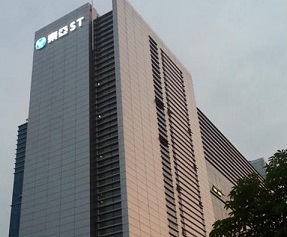
- Following the reimbursement listing of the 10mg formulation of Dapapro Tab, the first follow-on drug of the antidiabetic SGLT-2 inhibitor Forxiga that had been developed by Dong-A ST, the 5mg lower-strength formulation of the drug is also soon to be listed with reimbursement. When listed, Dapapro Tab 5mg will be the only dapagliflozin drug to be reimbursed and will have the potential to exclusively take over the market. Reimbursement of the original Forxiga 5mg has been removed from the list. According to industry sources on the 23rd, Dong-A ST’s Dapapro Tab 5mg will be listed at an insurance ceiling price of KRW 456 per tablet. Dong-A ST had already launched Dapapro Tab 10mg with reimbursement for KRW 684 per tablet starting this month. This was the first Forxiga latecomer to be listed for reimbursement. Other Forxiga latecomers can only be released after the original drug’s patent expires in April. Therefore, the company is expected to make every effort to preoccupy the market before the entry of its competitors. Dong-A ST was able to release its product before patent expiry because its product is a prodrug that has a different chemical structure from the original. However, once absorbed, the structure changes and the drug shows the same effect as the original. Dong-A ST was able to invalidate 917 days added to Forxiga’s substance patent through its prodrug strategy, with the court ruling in favor of Dong-A ST in the passive trial to confirm the scope of the patent that was filed against Forxiga’s substance patent. However, the final winner of the patent suit is yet to be determined as there is a high possibility that AstraZeneca, the patent holder, will appeal. However still, DongA-ST decided to release Dapapro Tab 10mg to preoccupy the market. The Dapapro Tab 5mg that will soon be listed will also be released to the market. Moreover, DongA-ST’s Dapapro Tab 5mg is the only 5mg formulation to be reimbursed. The original Forxiga 5mg Tab had been removed from the reimbursement list in October 2018. As the 5mg strength is the recommended initial dose for patients who have not been treated with drugs for diabetes before in combination with metformin, it is expected to be quite well used in the market. However, AstraZeneca is focusing on the main dose, 10mg strength of dapagliflozin. This is why its combination drugs containing 5 mg of dapagliflozin, Xigduo XR Tab 5/500mg, and Xigduo XR Tab 5/1000mg still remain reimbursed. Therefore, Dong-A ST will be on its own in the dapagliflozin 5mg market until AstraZeneca’s patent expires in April next year. However, dozens of dapagliflozin follow-on drugs are expected to pour in after patent expiry. In addition, Daewoong Pharmaceutical is also aiming for an early release of its SGLT-2 class new drug 'Envlo Tab.’ Therefore, competition among domestic companies in the SGLT-2 inhibitor market will intensify after April. Therefore, from Dong-A ST’s perspective, the next four months will serve as an important period for them to measure the drug’s performance.
- Policy
- Zavicefta has been approved for domestic use
- by Lee, Hye-Kyung Dec 26, 2022 06:06am
- .The Ministry of Food and Drug Safety (Director Oh Yu-kyung) announced on the 22nd that it has approved Korea Pfizer Pharmaceutical's "Zavicefta 2g/0.5g (Ceftazidime/Avibactam)," a new antibiotic drug. This drug is a combination of Cefalosporin-based antibiotic Ceftazidime and avibactam, a newly developed beta-lactam inhibitor. Permitted efficacy and effect are ▲Infection treatment in the complex abdominal cavity for adults and children over 3 months old ▲Infection treatment in the complex urinary tract including nephritis for adults and children over 3 months old ▲Infection treatment in hospitals for adult patients over 18 years old. It is a drug developed by Zavicefta AstraZeneca and sold the development and copyright of the global market outside the U.S. in the low-molecular antibiotic business to Pfizer on August 24, 2016. The Ministry of Food and Drug Safety said, "We will continue to do our best to expand treatment opportunities to patients by quickly supplying treatments that have been sufficiently confirmed in safety and effectiveness based on regulatory science expertise."

- Policy
- Exclude Australia from the drug price reference country?
- by Lee, Tak-Sun Dec 26, 2022 06:06am
- Insurance authorities, which are seeking to expand drug reference countries from seven to nine from next year, are expected to exclude Australia from strong opposition from the pharmaceutical industry. It is said that the government has turned to a careful review after a meeting with the Vice Minister of Health and Welfare and the pharmaceutical industry held last week. The HIRA is expected to finalize the plan announced by internal regulations within this week and announce it soon. According to industries on the 22nd, there is a possibility that an amendment excluding Australia will be announced in the revised bill, which was announced by adding Australia and Canada to the drug price reference country. Earlier, the HIRA announced on the 21st of last month a revision to regulations on evaluation standards and procedures, including whether drugs are subject to concessionary benefits, including the U.S., Britain, Germany, France, Italy, Switzerland, and Australia. It will take effect on 1 January next year. The HIRA explained the revision, "We are using the adjusted price, which translates the drug price of seven foreign countries (A7), to evaluate the adequacy of new drug benefits, but we want to improve transparency and clarity and supplement its validity." When the revision was announced, the pharmaceutical industry strongly protested. In addition to the KPBMA, which represents domestic pharmaceutical companies, KRPIA, which has multinational pharmaceutical companies, issued a statement and made clear its opposition to the addition of Australia. Domestic pharmaceutical companies are concerned that the addition of Australia, which has low generic drug prices, could significantly lower the domestic generic drug price in the re-evaluation of registered drugs that reflect this. Foreign pharmaceutical companies are also strongly opposed to the revision that if Australia, which has low drug prices, is added, the price of new drugs will be lowered, further reducing patient accessibility. At a meeting with Park Min-soo, the second vice minister of the Ministry of Health and Welfare, pharmaceutical organizations, and CEOs of pharmaceutical companies on the 16th, the industry expressed concern about Australia's addition to the reference country. At the meeting, Vice Minister Park also said, "We will listen to the opinions of the field under the stance of increasing the sustainability of the health insurance finance and carefully look at ways to improve the system, including insurance drug price policies." It seems to have changed to a careful review. For now, the Ministry of Health and Welfare is said to have presented its revised opinion, and it is believed that it felt burdened to announce the existing plan as it is, conscious of the controversy within the HIRA. A senior HIRA official also said, "As the purpose of the amendment was to supplement the validity of the existing calculation formula, we are carefully considering ways that all stakeholders can accept." The HIRA is expected to draw up a final draft as early as this week and immediately announce the amendment without further notice.
- Policy
- Revlimid's benefit for multiple myeloma maintenance therapy
- by Lee, Tak-Sun Dec 23, 2022 06:05am
- Revlimid, a treatment for multiple myeloma, is eligible for maintenance therapy for hematopoietic stem cell transplantation patients. The effective date is January 1 next year. The HIRA has launched an opinion survey on the revision of the anti-cancer drug standard. According to the revision, benefits will be newly established for maintenance therapy for newly diagnosed multiple myeloma patients who have reacted more than stable stool after transplanting Revlimid into autologous hematopoietic stem cells. The administration starts six months after the end of the transplant, and as a result of the response evaluation, the administration was stopped when the disease progressed. In response, the HIRA said that Lenalidomide, including Revlimid, is a drug licensed to maintain multiple myeloma patients who have been newly diagnosed with autologous hematopoietic stem cell transplants, and that this therapy is mentioned as standard treatment in textbooks, and is also recommended by the NCCN Guidelines (2022) and ESMO Guidelines (2021). In particular, in a random assignment, double-blind, and phase 3 clinical trial (CALGB) for patients with multiple myeloma who received a newly diagnosed autologous hematopoietic stem cell transplant, it was confirmed that it was clinically useful compared to those who did not perform maintenance therapy, and added that benefit standards were set. The clinical trial results showed 57.3 months of progression-free survival median (mPFS) (28.9 months in the control group) and 113.8 months of total survival median (mOS) (84.1 months in the control group). The revised bill also introduced a combination of adjuvant and Fluorouracil + Leucovorin for biliary tract cancer. Pediatric combination therapy among "Dasatinib + chemotherapy" has been modified and supplemented for acute lymphocytic leukemia. This is in response to a request to change the Korean Pediatric Blood Oncology Association. At the same time, Niraparib monotherapy (more than 4th round) was deleted from ovarian cancer, ovarian cancer, and primary peritoneal cancer palliative, while Paclitaxel + Cisplatin (Intra-peritoneal) combination therapy was also deleted for other cancers.
- Policy
- Lucentis biosimilar price set 63% lower than original
- by Lee, Tak-Sun Dec 23, 2022 06:05am
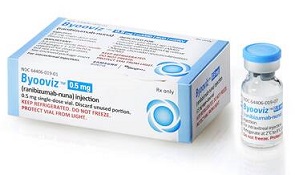
- Samsung Bioepis Biosimilars of the macular degeneration treatment Lucentis (ranibizumab), which are set to be listed for reimbursement in Korea next month, are expected to be launched at a price much lower than their original. As a result, the burden borne by these patients is expected to be reduced significantly. According to industry sources on the 21st, the Lucentis biosimilars that are expected to be listed with reimbursement next month will be launched at a price 44~63% lower than the original version’s insurance ceiling price. Chong Kun Dang’s LucenBS Inj is set to be listed at KRW 300,000 per vial. The original version with the same ingredient of the same strength, Lucentis Inj 10mg/mL (3mg/0.3mL) is priced at KRW 820,636 per vial. When listed, CKD’s product will be 63.4% cheaper than the original. Samsung Bioepis’s Amelivu Inj is set to be listed at KRW 463,773. The original version with the same ingredient of the same strength, Lucentis Inj 10mg/mL (2.3mg/0.23mL) is priced at KRW 828,166. When listed, Samsung Bioepis’s product will be 44% cheaper than the original. Even if the original drug's ceiling price drops by 30% after the listing of biosimilars, Chong Kun Dang's LucenBS will still be 47.7% cheaper and Samsung Bioepis’s Amelivu 20% cheaper. Lucentis had been considered a drug with a high patient burden due to its high price. In particular, due to the strict reimbursement standards, patients unable to meet the standards had to pay the full amount without reimbursement. The situation had been eased somewhat since 2017 after the limit on the number of uses had been lifted, somewhat reducing the burden on patients. With the listing of cheaper biosimilars, patients are expected to have a broader range of choices and less burden from treatment costs. Lucentis’s annual sales in Korea have recorded KRW 35.1 billion (based on IQVIA 2021). Just one-third of the sales will be KRW 10 billion. This is why the two companies opted to release their biosimilars at a drastically reduced price to penetrate the market. Also, Chong Kun Dang brings its strong sales power, and Samsung Bioepis partners with Samil Pharm, an ophthalmology drug-specializing company, to start full-scale sales and marketing activities.
- Policy
- New reimbursement standards set for Kymriah·Zolgensma
- by Kim, Jung-Ju Dec 22, 2022 05:52am
- New reimbursement standards have been set for high-priced pharmaceuticals like Kymriah and Zolgensma, the so-called ‘one-shot treatments.’ Also, reimbursement standards will be newly established for the second CGRP-targeted therapy for migraine, Ajovy (fremanezumab), and the new tuberculosis drug Dovprela 200mg (pretomanid) that had been the first to be developed in half a century, as the drugs will be listed for reimbursement starting on January 1. The Ministry of Health and Welfare issued a pre-announcement of an administrative notice for the ’Proposed Partial Amendment of Details Regarding the Standards and Methods for Applying Medical Care Benefits (drugs)’ that contain the details stated above, and will be collecting opinions until the 28th. First, a new standard will be established for the reimbursement management of high-priced pharmaceuticals. With ‘one-shot treatments’ Kymriah and Zolgensma being listed this year, a new reimbursement standard was needed for the management of such high-priced drugs. Thus, the government and the Health Insurance Review and Assessment Service established new reimbursement standards that specify those subject to reimbursement management and how they can prepare a medical care benefit expense statement. Under the new standards, the follow-up management period for Kymriah has been set to 1 year when administered for non-Hodgkin lymphoma, and Zolgensma to 5 years. Also, new reimbursement standards were set for the Ajovy autoinjector and Ajovy pre-filled syringe, the CGRP-targeted new therapies for migraine, as well as the new tuberculosis drug Dovprela tab, which are set to be listed on the 1st of next month. In the case of Ajovy, response evaluations with headache diaries and MIDAS should be performed within a month before administration and every 3 months thereafter. If the number of monthly migraine days is not reduced by over 50% from baseline at any response evaluation, administration will be discontinued. The administration period was set to 12 months, and switching between anti-CGRP migraine prevention drugs is not accepted for reimbursement. In the case of Dovprela 200mg, patients must first apply in advance and are granted reimbursement by the KDCA to receive reimbursement. The details for the KDCA’s approval including its procedure, method, and committee member composition will be determined by the KDCA commissioner. The Praluent pen inj 75mg (evolocumab) and other alirocumab injections will be extended reimbursement to patients confirmed with heterozygous familial hypercholesterolemia (heFH) as diagnosed by a score of 6 or higher on the Dutch (2004) diagnostic criteria or ‘definite heFH or possible heFH' under the Simon Broome (2006) standards. The government and HIRA explained that it had received an opinion from a relevant academic society that patients with a high LDL-C level (over 190mg/dL) with a family history should be regarded as heFH patients and be treated accordingly. Clinical literature (RUTHERFORD-2, 2015) showed studies were conducted with patients with definite heFH or possible heFH based on Simon Broome (2006) standards, and NICE had described heFH as “patients with a score of 6 or higher on the Dutch (2004) diagnostic criteria or definite heFH or possible heFH' under the Simon Broome (2006) standards.” Also, with Nuvorozet tab. 40/2.5/5/10mg being newly listed next month, the government and HIRA decided to add the combination to the list of oral fixed-dose combinations that have already been listed for reimbursement. The new combination added is ‘S-amlodipine+telmisartan+rosuvastatin+ezetimibe.’ Also, reimbursement standards for the 25mg strength of K-Cab 50mg (tegoprazan) will be extended with its listing next month. In addition to its already-reimbursed indications as ▲treatment of erosive and non-erosive gastroesophageal reflux disease, ▲ treatment of gastric ulcer, the drug will be additionally reimbursed as ‘maintenance therapy after the treatment of erosive GERD (only the 25mg strength).' 10mg strengths of Lucentis inj and Lucentis prefilled syringe (ranibizumab) are also set to be newly listed for reimbursement. Therefore, reimbursement standards for the ingredient will be modified, and in consideration of the differences in indication by product, a new phrase was added to allow the administration of the drug within the scope of each drug’s indication.
