
- LOGIN
- MemberShip
- 2026-04-30 19:05:32

- Policy
- Jardaince patent expires Oct 23…over 400 generics expected
- by Lee, Tak-Sun Sep 15, 2025 06:02am
- Product photo of Jardiance As the substance patent for Jardiance (empagliflozin, Boehringer), an SGLT2 inhibitor for the treatment of diabetes, is expiring next month (October 23), over 400 generic drugs are expected to be introduced to the market. Notably, domestic pharmaceutical companies in Korea have developed empagliflozin + metformin extended-release tablets and are launching the first type of combination therapies, such as empagliflozin + sitagliptin. They are expected to revitalize the sales market. According to industry sources on September 14, Korean pharmaceutical companies announced the launch of Jardiance generic drugs next month and began pre-marketing. Along with Forxiga, which was withdrawn from the Korean market, Jardiance is among the top two SGLT inhibitors for the treatment of diabetes. Based on last year's UBSIT, outpatient prescription sales for Jardiance monotherapy amounted to KRW 66.3 billion and for Jardiance Duo (empagliflozin + metformin) recorded KRW 41.8 billion, accounting for a market exceeding KRW 100 billion. Esgliteo, a combination of empagliflozin and linagliptin, also recorded KRW 12.1 billion and became a blockbuster drug. Domestic pharmaceutical companies that seized the opportunity for the Forxiga patent expiration in April 2023 are also entering the Jardiance market, which is a KRW 100 billion market, with their generic drugs. A total of 412 empagliflozin monotherapy and combination products have been approved so far. Pharmaceutical companies like Hanmi Pharmaceutical and Daewon Pharmaceutical are expected to receive higher prices by entering the generic drug market with their independently developed data-submission drugs. Several generic products were developed before the implementation of the joint bioequivalence test regulation, which meant they could not meet the self-developed bioequivalence test conditions. Among the generic monotherapies, only Dongkoo Bio & Pharma and Huons have met the requirements. Consequently, Dongkoo Bio & Pharma, which contract-manufactures generic drugs for over 20 pharmaceutical companies, is expected to receive the highest price among generics due to the innovative pharmaceutical company premium. With this premium, a cost of KRW 396 for the 10mg dose and KRW 518 for the 25mg dose is set, which corresponds to a 68% markup of the highest-priced drug. Among the generic drugs for the empagliflozin + metformin combination, there is also an extended-release film-coated tablet formulation that is taken once daily. The original product does not have an extended-release formulation. Additionally, Chong Kun Dang and Daewon Pharmaceutical have developed combination therapies that combine empagliflozin with the DPP-4 inhibitor sitagliptin, which they will be the first to introduce to the Korean market. An unprecedented level of competition is expected due to the entry of these generic drugs, which circumvented the joint bioequivalence test regulation. In addition, there are also drugs from pharmaceutical companies like Hanmi Pharmaceutical and Daewon Pharmaceutical, which have developed their products using in-house technology and new extended-release formulations. Related to this, a fierce competition is anticipated to create new prescriptions, with pharmaceutical companies pursuing independent sales and numerous CSOs joining in, offering high commission rates. In response, Boehringer Ingelheim, which holds the original Jardiance that recently succeeded in obtaining expanded reimbursement to cover chronic kidney disease, is expected to defend its existing accounts while also actively expanding into new ones for a year, during which it will be granted a 70% premium on the highest price. Jardiance is co-promoted in Korea with Yuhan Corporation.
- Policy
- Reimbursement review is underway for 'Ozempic'
- by Lee, Tak-Sun Sep 15, 2025 06:02am
- Ozempic 'Ozempic (semaglutide, Novo Nordisk),' a diabetes treatment with the same active ingredient as the injectable Wegovy, has been reapplied for National Health Insurance reimbursement. Novo Nordisk submitted a reimbursement application for Ozempic to the Health Insurance Review & Assessment Service (HIRA) in the first half of this year, and the review is reportedly now underway. Ozempic is garnering attention regarding whether it will be successfully added to the reimbursement list this time, as its previous attempt in 2023 was halted just before it could be listed. According to industry sources on September 11, Novo Nordisk recently submitted supplementary documents related to Ozempic's reimbursement to HIRA. A review of Ozempic's reimbursement appropriateness is reportedly underway, and it is expected to be considered by the Drug Reimbursement Evaluation Committee (DREC) within the year. Ozempic had already passed the DREC in February 2023. At that time, the DREC recognized the appropriateness of sOzempic's reimbursement on the condition that the company accept a price below the evaluated amount, which the company agreed to. The Korean Diabetes Association and the Korean Endocrine Society had submitted their opinion to the PBEC, stating that it was appropriate for Ozempic, a long-acting GLP-1 receptor agonist, to have a reimbursement scope similar to that of Trulicity, which is in the same class and has also been the subject of a comparative clinical study. Subsequently, it entered drug price negotiation with the National Health Insurance Service (NHIS), but the reimbursement application was withdrawn due to the company's internal circumstances. Industry sources report that the company halted the reimbursement process at the time because the explosive demand for semaglutide products, such as Wegovy, in the global market made it difficult to supply the drug in Korea. The company's decision to re-pursue reimbursement this time is analyzed as being influenced by the full-scale entry of Mounjaro (tirzepatide, Lilly), Wegovy's competitor, into the Korean market. Mounjaro received domestic approval as an obesity treatment last September, and a reimbursement application for its diabetes indication was submitted in July. The Korean academic community also views the reimbursement of Ozempic and Mounjaro positively. This year's '2025 Diabetes Clinical Practice Guidelines' present both drugs as having a significant blood sugar-lowering effect. Currently, the only reimbursed product among drugs that bind to GLP-1 (Glucagon-like Peptide-1) receptors to lower blood sugar, like these two drugs, is Lilly's Trulicity (dulaglutide).
- Policy
- HIRA to disclose all off-label drug approval/disapprovals
- by Lee, Tak-Sun Sep 12, 2025 06:19am
- All approval decisions regarding off-label drugs will be disclosed on the official website from now on. Currently, only non-approved general drugs are listed publicly, but going forward, both approved and non-approved cases will be made available in order to reduce the administrative burden on medical institutions submitting applications. On the 10th, the Health Insurance Review and Assessment Service (HIRA) pre-announced a partial amendment to its regulations governing the approval of non-reimbursed off-label use of drugs beyond their authorized or reported indications, and will collect industry opinion until the 16th. Applications for non-reimbursed off-label drug use must first be reviewed by a hospital or academic society with an Institutional Review Board (IRB). Among these, general drugs are referred by HIRA to the Ministry of Food and Drug Safety (MFDS) for evaluation of safety and efficacy, while anticancer drugs are reviewed monthly by the Cancer Disease Deliberation Committee. The issue has been that for off-label general drugs, only non-approved cases were published on the website, making it difficult for medical institutions to prepare applications due to a lack of information. By contrast, for off-label cancer drugs, both approved and non-approved cases are disclosed, raising concerns over fairness when only non-approved cases were listed for general drugs. A HIRA official stated, “With the disclosure of both approvals and non-approvals for all off-label drugs, we expect that medical institutions will face less administrative burden when preparing applications.” Industry voices are also calling for the relaxation of current approval criteria. In particular, they argue that the IRB review requirement should be abolished and the clinical data requirements eased. One industry insider pointed out, “For infectious disease treatments like COVID-19, it is difficult to conduct clinical trials due to the nature of the disease. Yet, off-label non-reimbursed use requires clinical literature similar to that for general drugs. This is an unreasonable measure that fails to account for the urgent characteristics of infectious disease treatments.” HIRA has also shown willingness to improve the system, having commissioned an external research project last year on “Improvement Measures for the Use of Drugs and Medical Devices Beyond Approved Indications,” and hosting an international symposium on the issue on the 29th of last month. This regulatory amendment marks the first step toward system improvement,, with further reforms are expected to be discussed in the future.

- Policy
- MOHW will reform system for certifying innovative companies
- by Lee, Jeong-Hwan Sep 12, 2025 06:18am
- The Ministry of Health and Welfare (MOHW) plans to announce a legislative notice in October for reforms to the Korea Innovative Pharmaceutical Company certification system, aiming to implement the changes in January next year. The reform plan includes converting the certification system into a point-based structure and establishing separate certification criteria for multinational pharmaceutical companies. Regarding whether to abolish the current penalty clause—which bars companies whose certification has been canceled from reapplying for three years—the MOHW responded that it is “under review.” An MOHW official explained so during a meeting with the MOHW press corp on the 10th. The delay in announcing and implementing the reform plan that was originally scheduled earlier, appears to have been influenced in part by the change of administration and the launch of the new government. At the core of the reforms is a shift from the current system—where certification is immediately revoked if illegal practices such as pharmaceutical rebates are uncovered—to a point-based system. The ministry aims to enforce the anti-rebate rule while moving to a flexible, point-based certification system. The MOHW official stated, “The reform plan for Korea Innovative Pharmaceutical Company Certification includes converting to a point-based system covering acts such as illegal rebates, and establishing separate certification criteria for domestic versus multinational pharmaceutical companies. We are aiming to publish the legislative notice in October and implement it in January next year.” The official added, “We are still reviewing whether to lift the rule that prevents companies whose certification was canceled due to illegal rebates from reapplying for certification for three years.”

- Policy
- Improvement to the post-marketing management for pharma
- by Lee, Tak-Sun Sep 11, 2025 06:11am
- A comprehensive discussion regarding the post-marketing management program of pharmaceuticals, including actual transaction price-based drug price reduction and re-evaluation of pharmaceutical reimbursement, is anticipated once research results become available at the end of this year. Improvement plans to the actual transaction price-based drug price reduction and re-evaluation of pharmaceutical reimbursement programs have already been discussed with the pharmaceutical industry. However, with the release of the 'Research on a Unified Mechanism for Post-marketing Drug Price Management,' commissioned by the Ministry of Health and Welfare, scheduled for the end of this year, the policy is to conduct a comprehensive discussion based on results. On September 9, the Ministry of Health and Welfare officially announced the detailed operational guidelines for adjusting the ceiling price based on its actual transaction price survey, which is conducted once every two years. The survey will target 19,588 drugs and inspect 104,275 medical institutions from July 1 of last year to June 30 of this year. However, as before, public and national hospitals will be excluded from the survey. Additionally, low-priced drugs, discontinuation-prevention drugs, narcotics, orphan drugs, radiopharmaceuticals, artificial perfusion solutions, and oxygen·nitrous oxide are excluded. Oxygen and nitrous oxide were added to the list of excluded items this time. Discussions on improving the actual transaction price reduction program began late last year. Based on the 'Research on Improving the Actual Transaction Price-Based Drug Price Reduction System' (led by Professor Kim Jinhyun of Seoul National University), which was commissioned by the Health Insurance Review & Assessment Service, a consultative body was formed with the pharmaceutical industry to gather opinions until the first half of this year. The consultative body discussed issues such as abolishing the 10% price reduction cap and including public and national hospitals in the survey. The proposal to include public and national hospitals in the survey is a matter that the pharmaceutical industry strongly opposes, as drug dumping is a structural problem in public hospital bidding, where drugs are often awarded for as low as KRW 1. Although the process of gathering opinions from the pharmaceutical industry has been completed, the actual transaction price survey will proceed as before, excluding public and national hospitals. Only oxygen and nitrous oxide were included in the list of excluded items. An industry official said, "We understand that the improvement plan for the actual transaction price-based drug price reduction program will be discussed as part of a discussion with other post-marketing management programs after the unified post-market mechanism research is released at the end of the year." He added, "At that time, the issue of including public and national hospitals may be re-discussed." The improvement plan for the re-evaluation of drug reimbursement appropriateness is also scheduled for re-discussion after the unified post-market management research. The plan was discussed at a subcommittee meeting of the Health Insurance Policy Deliberation Committee last month, but it was not included on the review agenda for the main session. The details of the re-evaluation improvement plan are to change the selection criteria from the existing average claim amount of 0.1% or more over three years (approx. KRW 20 billion) to KRW 10 billion or more, and to expand the condition for not being listed in other countries from fewer than two A8 countries to fewer than three countries. Notably, seven ingredients, including ginkgo leaf extract, were selected for next year, which is the first year of the second re-evaluation phase under the comprehensive health insurance plan. However, with the discussion delayed, the progress of the re-evaluation next year itself is now uncertain. An industry official said, "If the confirmation of the re-evaluation targets is delayed, it may be difficult to proceed next year, considering the time needed to prepare materials like textbooks," and added, "It will be necessary to wait and see how the discussion proceeds after the post-marketing unified mechanism research is released at the end of the year."

- Policy
- Generic dispensing, collusion ban pass legislative committee
- by Lee, Jeong-Hwan Sep 11, 2025 06:11am
- On September 10, the National Assembly’s Legislation and Judiciary Committee passed two amendments to the Pharmaceutical Affairs Act. One expands the post-notification method for generic substitution at pharmacies to include information systems operated by the Ministry of Health and Welfare and the Health Insurance Review and Assessment Service; the other expands the scope of essential medicines and elevates the legal basis for operating the Stable Supply Council from presidential decree to law. The National Assembly's Legislation and Judiciary Committee has also passed an amendment to the National Health Insurance Act, which allows for the reduction of drug prices or the suspension of reimbursement for unfairly traded drugs when reverse payment agreements are detected. These agreements involve originator and generic drug companies colluding to delay the launch of generics, thereby avoiding price reductions for the original drug. Once these bills are passed in the plenary session, they will complete the necessary legislative process and take effect on the enforcement date stipulated in the addenda following government promulgation. Bill to simplify the post-notification of generic substitution notifications#eB (Partial Amendment to the Pharmaceutical Affairs Act) establishes a new Article 27-2 (Establishment and Operation of a Substitution Information System) in the Pharmacuetical Affairs Act, enabling the MOHW to establish and operate an information system to support post-substitution notification. Specifically, the bill allows the Minister of Health and Welfare to delegate this task to the Health Insurance Review and Assessment Service (HIRA), with the necessary details to be stipulated by MOHW ordinance. The bill retains the existing obligation that when a pharmacist substitutes a drug listed on a prescription with an item recognized by the Ministry of Food and Drug Safety as having bioequivalence, the pharmacist must inform the patient of this fact and notify the prescribing physician or dentist within one day (or three days if unavoidable circumstances exist). National Essential Medicines definition expansion bill(Partial Amendment to the Pharmaceutical Affairs Act) allows medicines without substitutes or facing supply instability to be designated as National Essential Medicines. The basis for the composition and operation of the National Essential Medicines Stable Supply Council, previously established by Presidential Decree, has been elevated to the Pharmaceutical Affairs Act. The chairmanship of the council was revised: instead of appointing a single Vice Minister of MFDS as chair, it now requires adding one ‘senior public official designated by the Minister of Health and Welfare of the MOHW’. Generic drug collusion prohibition bill (Partial Amendment to the National Health Insurance Act) mandates that if the Fair Trade Commission detects collusive reverse payment agreements between originator and generic drug companies, the prices of the unfairly traded drugs must be reduced or their reimbursement suspended. Specifically, it stipulates that cases violating Article 40(1) or Article 45(1) of the Monopoly Regulation and Fair Trade Act, where the violation was committed “for the purpose of increasing or maintaining the upper limit of drug reimbursement costs,” the insurance drug price can be reduced or reimbursement suspended. When a reverse payment agreement violation is first detected, drug prices can be reduced by up to 20%. If another reverse payment agreement is detected within five years of the price reduction, drug prices can be reduced by up to 40%. If another illegal reverse payment agreement is detected within five years after the second price reduction, drug reimbursement can be suspended for up to one year.

- Policy
- DREC members’ term extended due to delayed nominations
- by Lee, Tak-Sun Sep 10, 2025 06:13am
- The term of office for members of the Drug Reimbursement Evaluation Committee (DREC) of the Health Insurance Review and Assessment Service (HIRA), which is responsible for the final drug reimbursement adequacy evaluations, has been extended. Although their term was originally scheduled to end on the 7th, the extension was explained as due to delays in the candidate recommendation process for the next committee members. According to HIRA, the terms of both the 9th DREC and its subcommittee members have been extended. The 9th committee began its term on September 8, 2023, and was set to end on September 7, 2025. Each term lasts two years, and the current committee has 75 members in total. Accordingly, HIRA has been accepting nominations for candidates for the 10th-term DREC from various organizations since last month. DREC members are appointed based on recommendations from academic societies and organizations, with medical and pharmaceutical-related professional societies recommending around 70 members. The Korean Pharmaceutical Association can recommend one expert. However, due to delays in candidate recommendations, the composition of the 10th DREC could not be completed before the expiration of the 9th DREC's term. Consequently, the terms of the 9th DREC members have been extended. DREC’s operating regulations also stipulate that members whose terms have expired shall continue to perform their duties until their successors are appointed. HIRA explained that it plans to promptly finalize the recommendation process and complete the composition of the 10th committee. It maintains that there will be no changes to the DREC's schedule. The next DREC meeting is scheduled for October 2nd, which is likely to be attended by the existing 9th committee members. Once the 10th committee is formed, its subcommittees—including those for reimbursement standards, pharmacoeconomic evaluation, risk-sharing agreement, budget impact assessment, herbal medicines, and post-listing evaluation—will also be reconstituted. The DREC generally consists of around 105 members. The 31 medical societies eligible to recommend candidates include the Korean Society of Cardiology, Korean Society of Gastroenterology, Korean Academy of Tuberculosis and Respiratory Diseases, Korean Endocrine Society, Korean Pediatric Society, Korean Neurological Association, Korean Neuropsychiatric Association, Korean Surgical Society, Korean Cancer Association, Korean Academy of Family Medicine, Korean Dermatological Association, Korean Urological Association, Korean Ophthalmological Society, Korean Society of Otorhinolaryngology – Head and Neck Surgery, Korean Association for the Study of the Liver, Korean Diabetes Association, Korean Society of Nuclear Medicine, Korean Society of Infectious Diseases, Korean College of Rheumatology, Korean Society for Transplantation, Korean Society of Hematology, Korean Association for Lung Cancer, Korean Breast Cancer Society, Korean Gastric Cancer Association, Korean Society of Gynecologic Oncology, Korean Society of Pediatric Hematology-Oncology, Korean Urological Oncology Society, Korean Orthopedic Association, Korean Society of Coloproctology, Korean Society of Medical Oncology, and Korean Society of Surgical Oncology. At each monthly meeting, 20 committee members are randomly selected to participate. In July, HIRA revised its regulations, granting the HIRA President the authority to appoint the committee chairperson and to determine the composition of subcommittees and appoint subcommittee chairs. HIRA explained this as a measure to enhance the effectiveness of the DREC's composition and operation. However, some in the industry have expressed concerns that this could undermine the committee's fairness and neutrality.
- Policy
- Six strengths of obesity drug Mounjaro Quick Pen approved
- by Lee, Hye-Kyung Sep 08, 2025 06:16am
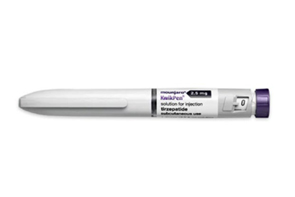
- Following its launch in Korea, Eli Lilly has expanded the product lineup of its obesity treatment Mounjaro (tirzepatide) by receiving approval for the Mounjaro QuickPen formulation. On September 5, the Ministry of Food and Drug Safety approved 6 QuickPen doses: 2.5 mg/0.6 ml, 5 mg/0.6 ml, 7.5 mg/0.6 ml, 10 mg/0.6 ml, 12.5 mg/0.6 ml, and 15 mg/0.6 ml. Mounjaro is a once-weekly injectable single molecule that selectively binds to and activates both the GIP and GLP-1 receptors. Treatment is initiated at 2.5 mg (step 1) and increased in increments after at least four weeks. Unlike Saxenda and Wegovy, which are only available as single-pen formulations, Mounjaro is offered in multiple formulations — beginning with pre-filled syringes, now QuickPens, and vials in the pipeline. In the case of the pre-filled formulation, one pen contains one dose, requiring four pens per month. In the case of the Quickpen that was approved this time, one pen now contains four doses, covering an entire month, similar to Saxenda and Wegovy. The vial formulation, which is pending approval, is administered via syringe and needle. While this is less convenient, it is expected to be more affordable. Meanwhile, Mounjaro has faced nationwide shortages within just three weeks of launch, particularly for the starter 2.5 mg dose. Lilly Korea is also pursuing reimbursement for its diabetes indication. In Korea, Mounjaro is approved for glood glucose control in adults with type 2 diabetes (monotherapy or combination therapy); chronic weight management in adults with obesity or overweight with at least one weight-related comorbidity; and adjunctive therapy to diet and exercise for obesity with moderate-to-severe obstructive sleep apnea in adults.

- Policy
- Savings of KRW 32.6B expected from 2025 'Type-Da' PVA nego
- by Lee, Tak-Sun Sep 05, 2025 06:20am
- The National Health Insurance expenditure is expected to see a savings effect of approximately KRW 32.6 billion due to this year's negotiation for the 'Type-Da' Price-Volume Agreement. This year's negotiated items total 110, comprising 48 active ingredients. The ceiling price of these items has been adjusted as of September 1. Items subjected to one-time reimbursement instead of drug price reduction are also included in this list. According to the National Health Insurance Service (NHIS), on September 4, National Health Insurance expenditure is anticipated to be reduced due to the adjusted ceiling price (including one-time reimbursement cases) resulting from the successful negotiation of the 'Type-Da' Price-Volume Agreement. Items included in 'Type-Da' list are those that do not meet criteria for 'Type-Ga' or 'Type-Na.' When a drug has been listed for four years or more, its ceiling price is adjusted through negotiations with the National Health Insurance Service if the claim amount for the same product group increases by more than 60% compared to the previous claim amount, or by more than 10% and exceeds KRW 5 billion. This year, a total of 110 items comprising 48 ingredients were subject to negotiations. This includes several blockbuster products such as Hanmi Pharmaceutical's Rosuzet Tab, Yuhan's Rosuvamibe Tab, Celltrion's Remsima Inj, Organon's Atozet Tab, and Janssen's Concerta OROS Tab. Analysis suggests that the National Health Insurance finances are expected to see savings of approximately KRW 32.6 billion from this year's PVA negotiation. This figure decreased from last year's savings of KRW 52.1 billion, as last year's Type D negotiations included 207 items comprising 63 product types, which was more than this year. Meanwhile, eight drugs, including Daewon Pharmaceutical's Codaewon S Syrup, were signed up for one-time reimbursement instead of a price cut due to temporary usage increases resulting from unavoidable circumstances, such as the COVID-19 pandemic. The one-time refund contract was introduced to promote the stable supply of medicines. Additionally, 12 items from innovative pharmaceutical companies were selected as negotiation targets three or more times within a five-year period, resulting in a 30% reduction in the price cut rate. The NHIS has been implementing this reduction plan since last year to enhance the sustainability of the pharmaceutical ecosystem.
- Policy
- Pilot Drug Approval·Review Coordination Committee extended
- by Lee, Hye-Kyung Sep 04, 2025 06:10am
- The pilot operation period for the Pharmaceutical Approval and Review Coordination Committee will be extended by one year. According to the pharmaceutical industry on September 3, the Ministry of Food and Drug Safety (MFDS) decided to extend the pilot period for the Coordination Committee by one year, starting from August 29. The committee had been operating on a trial basis for one year since June 17 of the previous year. This extension is based on a revision of the committee's operational guidelines. For the past year, applications for adjustment were limited to cases involving safety and efficacy review data, quality review data, and documentation related to data protection. However, starting this year, the scope has been expanded to include 'all matters' for which the Pharmaceutical Approval Management Division has requested supplementary data. The scope of applications for adjustment following the Pharmaceutical Approval and Review Coordination Committee extension. The Coordination Committee was established last June to make the drug product approval and review process more transparent and rational. It allows applicants to request an adjustment when supplementary data is asked for during the drug product approval and review process. The committee, chaired by the Director of the Drug Safety Bureau, includes the Head of the Pharmaceutical Review Department, the Director of the Pharmaceutical Policy Division, the Director of the Pharmaceutical Approval Management Division, relevant review department heads, and experts from the Central Pharmaceutical Affairs Council. They proceed with adjustments through a majority vote. With the pilot program extended for another year, it will apply to applications submitted to the Pharmaceutical Approval Management Division. The MFDS plans to evaluate the operational results at the end of this period to decide whether to terminate the pilot program, transition it to a full-scale operation, or further expand the scope of adjustment applications. The scope of applications for adjustment includes ▲Review data specified in Article 5 of the 'Regulations on Drug Product Approval, Notification, and Review' ▲Data related to the eligibility for clinical trial data protection, as per Article 31-6 of the 'Pharmaceutical Affairs Act' and Article 21-2 of the 'Rules on the Safety of Pharmaceuticals, etc.' ▲Other matters for which adjustment is deemed necessary in response to a request for supplementary information (excluding requests for supplementary data needed for evaluating the implementation status of Good Manufacturing Practice (GMP) and clinical trials). An applicant wishing to request an adjustment must submit an application form, as specified in Annex No. 1 of the guidelines, to the Pharmaceutical Approval Management Division within 30 days of the request for supplementary information. The committee plans to process the adjustment applications, in principle, within the 60-day supplementary request period. Only the applicant listed on the application form can request an adjustment; an agent cannot make this request. Meanwhile, once an application is selected for adjustment, it will be thoroughly discussed at a Coordination Committee meeting, which is composed of both internal and external experts. A two-thirds majority vote of the committee members present decides on the supplementary requirements. The results of the adjustment are then communicated to the relevant divisions and the applicant.
