
- LOGIN
- MemberShip
- 2026-04-30 19:05:34
- Policy
- ‘80,000 Wegovy prescriptions issued per month’
- by Lee, Jeong-Hwan Aug 27, 2025 06:06am
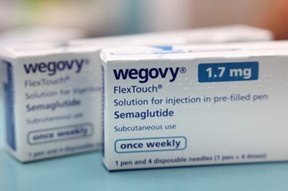
- The popular obesity drug Wegovy, which was launched in Korea in October last year, has already been prescribed about 400,000 times within eight months, raising concerns over potential misuse and abuse. On the 25th, Rep. Kim Sun-min of the Rebuilding Korea Party disclosed the ‘Annual and Monthly Status of Wegovy Prescriptions based on DUR’ data submitted by the Health Insurance Review and Assessment Service (HIRA) and urged safe usage. According to the data, in 2023, the first month of release, the number of prescriptions flagged by the Drug Utilization Review (DUR) system for Wegovy was 11,368. This increased to 16,990 prescriptions the following month, November. The number then reached 21,457 prescriptions in December. This year, the numbers have increased by over 10,000 cases every month to record 22,051 in January, 31,512 in February, and 47,597 in March. Prescriptions then surged to 70,666 in April, then 88,895 in May. In June, the number slightly decreased to 84,848. This means that since its launch in October last year, Wegovy prescriptions averaged 43,931 per month, rising to an average of 57,594 per month this year. Saxenda prescriptions also showed a similar pattern. The number of Saxenda prescriptions in Korea, which was launched in 2018, was 138,353 in 2022, 171,230 in 2023, and 205,109 last year. Experts have pointed out that while these figures alone cannot determine the exact number of recipients—as one patient may have received multiple prescriptions—the steep increase in numbers clearly indicates a rising trend in the number of people receiving injections. Rep. Sun-min Kim stated, “The number of prescriptions via DUR data is exceeding 80,000 per month. Given the recent craze for obesity treatments, we expect significantly more people are actually receiving prescriptions.” Rep. Kim emphasized, “Given the frequent reports of adverse events, obesity treatments must be used safely under the thorough care of specialists.”
- Policy
- MFDS will intensively monitor Wegovy and other obesity drugs
- by Lee, Hye-Kyung Aug 26, 2025 06:05am
- The Ministry of Food and Drug Safety (MFDS) has designated ‘Wegovy’ and other GLP-1-class obesity injectables as targets for intensive monitoring and plans to continuously monitor side effects in collaboration with the Korea Institute of Drug Safety & Risk Management. Th MFDS designates the intensive monitoring status to drugs with high safety concerns in Korea and abroad, or those of high social interest due to concerns about misuse, and intensively collects, analyzes, and reevaluates their adverse events. On the 25th, the MFDS emphasized that injectable GLP-1 class obesity drugs, which are currently attracting significant public attention, should only be used under the supervision of medical professionals for patients diagnosed with obesity, and only in accordance with the approved indication per prescription. Injectable GLP-1 class obesity drugs are prescription drugs indicated for adult obese patients with an initial body mass index (BMI)* of 30 kg/m2 or higher, or adult overweight patients with a BMI of 27 kg/m2 or higher but less than 30 kg/m2 and one or more weight-related comorbidities such as hypertension. According to clinical trial results, even when used within the approved indications, gastrointestinal adverse reactions (nausea, vomiting, diarrhea, constipation, etc.) and injection site reactions (rash, pain, swelling, etc.) are common, and serious adverse effects such as hypersensitivity reactions, hypoglycemia, acute pancreatitis, cholelithiasis, and fluid loss may occur. Also, some medications are contraindicated in patients with underlying conditions such as thyroid medullary cancer, so consultation with a healthcare professional is mandatory. In patients with type 2 diabetes, hypoglycemia and retinopathy may occur, so caution is particularly advised when administering such drugs to patients with relevant medical history. Obesity treatments are prescription-only drugs that must be used under a doctor's prescription with the guidance of a pharmacist. The MFDS urged the public not to purchase or distribute these medications through online platforms, overseas direct purchases, or personal sales. Additionally, the Ministry of Food and Drug Safety recently urged companies holding the marketing authorization rights for the relevant products to prevent misuse and prohibit false advertising, and informed medical professionals about the proper use of obesity treatment medications within their approved scope. The MFDS plans to publish an informational brochure (leaflet) in collaboration with the Korea Institute of Drug Safety & Risk Management, outlining the conditions for which obesity treatment drugs are used, proper administration methods, storage and disposal instructions, precautions during administration, and procedures for reporting adverse reactions (side effects). The MFDS stated, "We will continue to strengthen the provision of information to improve users' understanding of obesity treatment drugs and ensure their safe use."
- Policy
- SK chemicals' Afstyla will be removed from the reimb list
- by Lee, Tak-Sun Aug 25, 2025 06:08am
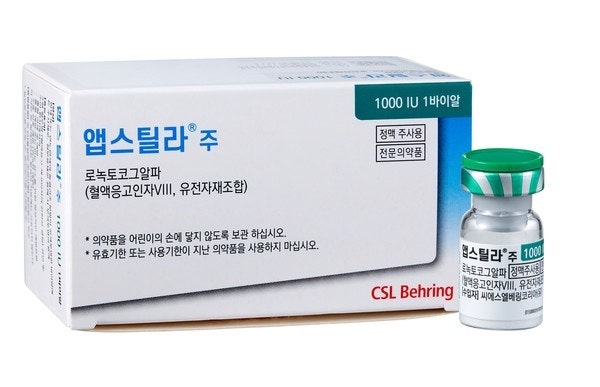
- Product photo of Afstyla SK chemicals' hemophilia A treatment, Afstyla, which was out-licensed by the company, will be removed from the reimbursement list due to a lack of record of supply performance. The product's delisting was previously deferred in 2023 through conditional negotiation, but with no sales to show since, the decision to remove it has become final. This is a regrettable outcome for a product developed by a domestic company and out-licensed globally. According to industry sources, Afstyla will be removed from the reimbursement list, effective September 1. The product received a decision for removal in 2023 after a review of non-billed drugs revealed no sales over the previous three years; however, its delisting was put on hold through conditional negotiation. However, with no sales recorded within the negotiation period, the decision to remove it has been finalized. Afstyla is currently on the reimbursement list with a price cap of KRW 625 per dose. Afstyla is a biosimilar developed by SK chemicals and out-licensed to CSL Behring Australia during the clinical trial phase in 2009. CSL Behring completed the trials and received approval for the drug in the U.S. and Europe. In 2020, it obtained domestic approval and was added to the reimbursement list in 2021. SK Plasma, an affiliate of SK chemicals, was responsible for domestic sales. In 2020, it obtained domestic approval in Korea and was added to the reimbursement list in 2021. SK Plasma, an affiliate of SK chemicals, was responsible for domestic sales. However, entering the hemophilia market in Korea proved difficult due to the strong presence of established pharmaceutical companies, such as Green Cross, which has a solid position with the hemophilia market. It is also believed that the market outlook was not bright due to the successive launch of competing new drugs. In a 2023 review of non-billed drugs, the product had no production track record for the past three years. However, the manufacturer was able to delay delisting by explaining that sales would soon occur or production would be completed. But after two years with no sales, Afstyla will be removed from the reimbursement list. CSL Behring launched Idelvion, a hemophilia B treatment with improved patient convenience, in Korea last year. With the delisting of Afstyla, it appears CSL Behring will shift its focus to supplying Idelvion.
- Policy
- NHIU ‘Eradicate rebates with INN-based prescriptions'
- by Lee, Tak-Sun Aug 25, 2025 06:06am
- The National Health Insurance Trade Union stressed the need to eradicate pharmaceutical rebates by improving the drug pricing system and distribution structure to those of advanced country standards. The union also advocated the introduction of generic substitution through international nonproprietary name prescriptions. On the 18th, it was revealed through a prosecution investigation that a pharmaceutical wholesaler had provided approximately KRW 50 billion in illegal rebates to three general hospitals through a new scheme involving the establishment of a shell company to pay dividends. The NHIU stated, “The inflated drug costs resulting from illegal rebates and bid-rigging are being passed on to the public in the form of higher medical expenses, leading to unnecessary overprescription of medications and causing serious harm to the health and lives of citizens. This serves as a major factor contributing to the leakage of Koera’s health insurance finances, ultimately resulting in increased health insurance premiums for both citizens and businesses.” The provision of rebates by medical professionals is strictly prohibited under the current Medical Services Act (Article 23-5) and the Pharmaceutical Affairs Act (Article 47). Despite this, in July, the Korea National Police Agency's National Investigation Headquarters announced that it had identified 597 individuals in the medical and pharmaceutical fields suspected of illegal rebates through a special crackdown on illegal rebates and public official corruption. This investigation result demonstrated that illegal rebates in the medical field remain widespread despite the introduction of the dual punishment system for rebates 15 years ago. According to the NHIU, recent illegal rebates in the medical field have been cleverly evading enforcement by exploiting investigative blind spots caused by limited manpower in law enforcement agencies such as the police and prosecution, through more indirect and sophisticated methods such as academic support and consulting. In some cases, an “indirect supplier” is involved as an additional distribution channel between wholesalers and medical institutions, and to circumvent the principle of “one person, one facility” under the Medical Services Act (prohibiting duplicate establishments), wholsalers have been registering indirect suppliers under the names of family members or others related to the medical professionals, leveraging their monopolistic position to extort unfairly low prices from pharmaceutical suppliers and provide illegal rebates to medical professionals. Recently, the Organization for Economic Cooperation and Development (OECD) reported in its ‘Health Statistics 2025’ that South Korea's pharmaceutical expenses are 47% higher than the average of OECD member countries. The NHIU stated, “Enforcement and punishment alone are insufficient to break the vicious cycle of illegal pharmaceutical rebates that recur every year. Fundamental solutions include improving drug pricing systems and distribution structures through price competition among suppliers, such as government tenders and individual drug price negotiations, or introducing flexible pricing systems like reference pricing. Also, the activation of generic substitution based on product names or ingredient names, which is implemented or recommended practice in most advanced countries with separation of prescribing and dispensing systems, is necessary.” They cited Spain as an example. Spain, which has a similar population to South Korea, saves EUR 200 million annually (as of 2017, with a generic substitution rate of 53%) through generic substitution using the International Nonproprietary Name (INN). The union stated that introducing generic substitution through INN-based prescriptions in South Korea could result in annual savings of at least KRW 500 billion in health insurance funds. The NHIU declared, “To eliminate pharmaceutical rebates that threaten the health insurance budget, we will form a united front with labor and civil society organizations that share our vision and set up a proactive and systematic management strategy to improve the drug pricing system and pharmaceutical distribution structure.” It added, “The government and National Assembly must actively pursue legal and institutional reforms to eradicate illegal pharmaceutical rebates. This is because the ‘black money’ from illegal pharmaceutical rebates should no longer be passed on to the public, who already pay the world's highest pharmaceutical costs.” The statement emphasized that pharmaceutical rebates, which exacerbate the public's medical expenses and hinder the sustainable development of the health insurance system, must be eradicated through reforms to establish a drug pricing system and distribution structure on par with those of advanced countries.
- Policy
- IV formulation of Korea’s first IL-23 drug Tremfya approved
- by Lee, Hye-Kyung Aug 25, 2025 06:05am
- The intravenous injection formulation of Tremfya, the first interleukin-23 (IL-23) inhibitor in Korea, was recently granted approval, paving the way for the supply of all Tremfya injection formulations in Korea. On the 21st, the Ministry of Food and Drug Safety approved Janssen Korea's Tremfya Intravenous Injection (guselkumab, recombinant DNA). In addition to receiving approval for ‘Tremfya Prefilled Syringe’ in 2018 and ‘Tremfya OnePress Autoinjector’ in 2021, the company has now received approval for the intravenous injection formulation and may now introduce the formulation to Korea. The indications for Tremfya vary depending on the formulation. The pre-filled syringe formulation is indicated for plaque psoriasis, palmoplantar pustulosis, psoriatic arthritis, ulcerative colitis, and Crohn's disease. The intravenous injection recently approved is used for the induction therapy of ulcerative colitis and Crohn's disease. The 200mg intravenous injection is administered intravenously over a minimum of 1 hour on weeks 0, 4, and 8, followed by maintenance therapy using Tremfya Prefilled Syringe Injection or Tremfya OnePress Autoinjector. Therefore, the intravenous injection is indicated only for the treatment of moderate-to-severe active ulcerative colitis or Crohn's disease in adults who have not responded adequately, have lost response, or have intolerance to conventional therapies, including biological agents or small-molecule drugs. Meanwhile, Tremfya is the first and only interleukin-23 inhibitor approved in Korea for psoriatic arthritis, and its reimbursement criteria are being continuously expanded. Psoriatic arthritis is a chronic progressive immune disease characterized by joint inflammation, enthesitis (inflammation at the sites where bones, tendons, and ligaments meet), dactylitis (severe inflammation of the fingers and toes), and pain in the hands and feet, commonly occurring in individuals aged 30–50 years. To date, there is no cure for psoriatic arthritis, and despite available treatment options, many patients experience symptoms that impair their ability to perform daily activities. It is estimated that approximately 9% of psoriasis patients in South Korea develop psoriatic arthritis.

- Policy
- Blockbuster drugs, Atozet·Rosuzet, get price cuts
- by Lee, Tak-Sun Aug 22, 2025 06:07am
- It has been reported that prices for blockbuster drugs, including the hyperlipidemia combination therapies Atozet (Organon) and Rosuzet (Hanmi Pharmaceutical), are expected to be reduced due to increased usage. These hyperlipidemia combination therapies are frequently subject to annual volume-based drug price negotiations (PVA). Additionally, Celltrion's antibody biosimilar Remsima and Dong-A ST's growth hormone product Growtropin-II Inj are also reported to be on the list for price cuts. On August 21, industry sources reported that reimbursement caps for several products would be adjusted as of September 1, under the 'Type-Da' Price-Volume Agreement. The number of blockbuster products is reported to be included this time. The reimbursement cap for Organon's hyperlipidemia combination therapy, Atozet Tab (atorvastatin-ezetimibe), is expected to be reduced by 3.4% following negotiations. The prices of the 10/10mg, 10/20 mg, 10/40 mg, and 10/80 mg products will be adjusted as follows: 10/10 mg from KRW 951 to KRW 918, 10/20mg from KRW 1,209 to KRW 1,168, 10/40mg from KRW 1,299 to KRW 1,255, and 10/80mg from KRW 1,387 to KRW 1,340. Atozet's outpatient prescription sales last year, based on UBIST data, were KRW 118.7 billion, a 16.3% increase from KRW 102.1 billion in the previous year. The increase in prescription sales alone exceeded KRW 16 billion. This year's negotiation targets for Type-Da Price-Volume Agreement include products whose 2024 claim amount increased by more than 60% compared to 2023, or products that increased by more than 10% with the increase exceeding KRW 5 billion. Based on UBIST data, Atozet meets these criteria. Hanmi Pharmaceutical's hyperlipidemia combination therapy, Rosuzet Tab (rosuvastatin-ezetimibe), is also reported to have undergone a price cut. Rosuzet Tab's reimbursement cap is expected to be reduced by 1.3% to 2.1% depending on the dosage. The prices for the 10/10mg dose are expected to be reduced from KRW 1,103 to KRW 1,087, the 10/20mg dose from KRW 1,111 to KRW 1,093, the 10/5mg dose from KRW 789 to KRW 779, and the 10/2.5mg dose from KRW 727 to KRW 712. Rosuzet recorded outpatient prescription sales of KRW 210.2 billion last year, a 17.6% increase from KRW 178.8 billion in the previous year. HK inno.N's Rovazet and Yuhan Corp.'s Rosuvamibe, which contain the same ingredients as Rosuzet, will also have their reimbursement caps lowered in this negotiation. Rovazet recorded outpatient prescription sales of KRW 47.4 billion last year (up 23%), and Rosuvamibe recorded KRW 89.1 billion (up 14.6%) based on UBIST data. Celltrion's antibody biosimilar , Remsima, used for the treatment of rheumatoid arthritis and other conditions, will also have its price adjusted due to increased usage. Remsima is a biosimilar of Remicade, a blockbuster product with global sales of over KRW 1 trillion. Its reimbursement cap is scheduled to be lowered by 1.2% through an agreement with the NHIS. Dong-A ST's growth hormone product, Growtropin-II Inj, is also on the rise.Growtropin-II Inj's reimbursement cap was adjusted last year due to the Price-Volume Agreement as well. Additionally, Janssen's ADHD treatment Concerta OROS ER Tab is expected to see a 3.9% reduction in its reimbursement cap. Meanwhile, this year's Price-Volume Agreement price reduction list reportedly does not include any of the choline alfoscerate products for cognitive enhancement. These products, which included six items last year, had been consistently on the PVA list. However, after the decision was made to apply selective reimbursement to choline alfoscerate products in a reimbursement re-evaluation, pharmaceutical companies shifted their business to alternative products, which seems to have halted their growth.
- Policy
- ALS drug Qalsody is approved in Korea with a condition
- by Lee, Hye-Kyung Aug 22, 2025 06:07am
- The ALS treatment ‘Qalsody (tofersen)’ has been approved under the condition that the results of its therapeutic confirmatory clinical trial be submitted later. According to the advisory council’s review results regarding the safety and efficacy of Qalsody, which was released by the Ministry of Food and Drug Safety on the 20th, the council saw consensus on the need to grant conditional approval for Qalsody, given how ALS worsens over time and treatment options are limited. Biogen's Qalsody is a nucleic acid therapy that binds to SOD1 mRNA in patients with ALS caused by mutations in the superoxide dismutase 1 (SOD1) gene, reducing the synthesis of mutated proteins (SOD1). It received domestic approval from the MFDS on the 20th of this month. According to the CPAC meeting results, experts noted that ALS is a highly severe disease that can be fatal without treatment, and that there are no specific medications available for the condition at the present. In particular, Qalsody’s indication is limited to ALS patients with SOD1 gene mutations. While the mechanism of action involves binding to mRNA, entering the nucleus, and inhibiting SOD1 expression, there were opinions that it is difficult to directly evaluate or reflect the actual SOD1 secreted externally. A member of the CPAC stated, “Based on the submitted data, the drug seems to show an effect when NfL correction is applied. In neurodegenerative diseases, biomarkers can sufficiently explain the extent of neural damage, and as there is scientific evidence on their effect, conditional approval was deemed appropriate.” Another member explained, “This disease is a rare and severe condition with no available treatments in the country, and existing approved drugs are primarily used for symptom relief. Given the clinical trial results based on the NfL biomarker and its potential to control the disease, we deemed that the benefits are significant and agree to grant a conditional approval.” However, there was also an opinion that the completion date of the conditional Phase III clinical trial should be considered, as patients with SOD1 mutations account for less than 3% of all ALS patients, which may require a longer patient recruitment period. Experts also suggested that conditional approval is necessary to provide treatment opportunities for domestic patients, as the drug is already in use overseas. In other words, the council saw that the safety and efficacy of the drug are deemed acceptable based on the data submitted by the pharmaceutical company, and conditional approval is needed to allow patients to benefit from the treatment as soon as possible. Meanwhile, Qalsody was approved in Korea through the accelerated approval process, the Global Innovative products Fast-Track (GIFT), as the 31st product.
- Policy
- MFDS's bill on stable supply of essential drugs in review
- by Lee, Jeong-Hwan Aug 20, 2025 06:22am
- A bill to add “medicines that are essential for healthcare and require stable supply” and “medicines with similar therapeutic effects with no alternative treatments” to the list of national essential medicines, thereby resolving the issue of unstable supply of medicines, is likely to pass the Health and Welfare Committee's legislative subcommittee. At the subcommittee meeting held on the morning of the 19th, the subcommittee members and the Ministry of Food and Drug Safety agreed on the intent of the legislation, but there were some disagreements over the specific wording that should be used to codify the definition, so the subcommittee agreed to pass the bill after going through the amendment process on the same day. The subcommittee members and the MFDS also agreed to accept a provision to revise the designation method for essential medicines to be designated by the Minister of Health and Welfare and the Minister of Food and Drug Safety after consultation with the National Essential Medicine Stable Supply Council. The bill also includes provisions to include “linking drug distribution information” in the scope of the Comprehensive Drug Management Center's duties and to allow the MFDS director to request the Drug Management Information Center to provide and link drug distribution information. On the morning of the same day, the subcommittee members decided to merge the bills proposed by Representative Sun-min Kim of the People Power Party and Representative Mi-hwa Seo of the Democratic Party of Korea and continue deliberations. However, as further discussions on the bill are scheduled at the afternoon subcommittee meeting, there is a possibility that it could pass the subcommittee on the same day if an agreement is reached between the government and the subcommittee members. The bill expands and revises the definition and scope of essential medicines and establishes a legal basis for managing distribution information to contribute to the stable supply of essential medicines. Expanding the definition of essential medicines to strengthen management of drugs with unstable supply The current law defines essential medicine as “medicines that are essential for health and medical care, such as disease control and radiation disaster prevention, but whose stable supply is difficult to ensure through market functions alone, and which are designated by the Minister of Health and Welfare and the Minister of Food and Drug Safety in consultation with the heads of relevant central administrative agencies.” Rep. Sun-min Kim's bill proposed revising the definition of essential medicines to “drugs that are essential for maintaining the national health system, such as disease control and radiation disaster prevention, or that are essential for health and medical care and require a stable supply, as designated by the Minister of Health and Welfare and the Minister of Food and Drug Safety in consultation with the National Essential Medicine Stable Supply Council.” Representative Mi-hwa Seo's bill proposed amending the definition to “medicines that are essential for health and medical care, such as disease control and radiation disaster prevention, but whose stable supply is difficult to ensure through market functions alone, or drugs for which there are no substitutes with similar therapeutic effects, as designated by the Minister of Health and Welfare and the Minister of Food and Drug Safety after consultation with the National Essential Medicine Stable Supply Council pursuant to Article 83-4, Paragraph 3.” The MFDS agreed to reflect both Kim and Seo’s bills and submitted a proposed amendment to the relevant clause. The MFDS proposed to revise the bill so that essential medicines would be designated by the Minister of Health and Welfare and the Minister of Food and Drug Safety after consultation with the National Essential Medicine Stable Supply Council, and to define essential medicine as drugs that are essential for maintaining the national health system, drugs that are essential for health care but difficult to supply stably through market forces alone, and drugs for which there are no substitutes with similar therapeutic effects. The members of the subcommittee raised the need to define essential medicines in one line rather than listing them individually as proposed in the MFDS amendment, and requested a further amendment. The subcommittee is expected to resume its review of the bill in the afternoon based on the amendment. Distribution information linkage included in the scope of the Integrated Pharmaceutical Management Information Center’s duties The MFDS agreed to add “distribution information linkage” to the scope of the Integrated Pharmaceutical Management Information Center’s duties and to allow the MFDS Minister to request the provision and linkage of distribution information in consultation with the director of the information center. The MFDS also accepted provisions to add “drugs that are not designated as essential medicines but require stable supply due to temporary increases in demand” to the scope of drugs managed by the National Essential Medicine Stable Supply Council and to add monitoring of essential drug supply and demand trends to the duties held by the Minister of Health and Welfare and the Minister of Food and Drug Safety. The MFDS also expressed its opinion regarding the provision to specify the composition of the National Essential Medicine Stable Supply Council in the law. Under the current law, the council is composed of 20 government members, including one chairperson, with the remaining details to be specified in the implementing regulations. Rep. Sun-min Kim’s proposal stipulates that the council shall consist of 30 members, including two chairpersons, with government and private-sector members, and that private-sector members shall constitute a majority. Rep. Mi-hwa Seo's proposal stipulates that the council shall consist of 30 members, including one chairperson, with government and private-sector members. The MFDS proposed a council composition similar to Rep Kim’s proposal, consisting of 30 members, including two chairpersons, but added patient group representatives as recommended by Rep Seo. The subcommittee plans to resume deliberations in the afternoon, as it believes that there has not been sufficient discussion on the details of the bill.
- Policy
- MOHW proposes an alternative to law on generic substitution
- by Lee, Jeong-Hwan Aug 19, 2025 06:11am
- A revision to the Pharmaceutical Affairs Act that would allow pharmacies to report generic substitution to the Health Insurance Review and Assessment Service (HIRA) through its work portal is likely to pass the National Assembly. The background to the sudden increase in the likelihood of legislation is that the Ministry of Health and Welfare submitted its own alternative proposal to the National Assembly regarding the bill to simplify generic substitution by pharmacies and changed its position to conditional approval (acceptance) on the premise that its alternative proposal would be adopted. If the National Assembly accepts the alternative proposal submitted by the MOHW, the simplification of post-notification of generic substitution will be legislated in the Pharmaceutical Affairs Act, a law, rather than as an Enforcement Rule, a subordinate law. The alternative submitted by the MOHW stipulates that the Minister of Health and Welfare shall be able to support related administrative tasks, such as post-notification of generic substitution, and that such support tasks may be entrusted to the Health Insurance Review and Assessment Service. Rather than specifying the method of post-notification of generic substitution in the law, the proposal broadly stipulates that the MOHW shall provide support and legalize the framework for entrusting the MOHW's duties to HIRA. On the other hand, HIRA maintained its cautious stance, citing concerns for patient safety in the event of an accident involving a medication misadventure and the lack of legal grounds for entrusting the task to HIRA. This follows the Ministry of Health and Welfare’s submission, on the 18th, of its opinion on the amendment to the Pharmaceutical Affairs Act (aimed at simplifying generic substitution) to the National Assembly Health and Welfare Committee’s First Legislative Subcommittee. The law to simplify generic substitution was proposed by Representative Young-seok Seo of the Democratic Party of Korea and Representatives Sujin Lee and Byung-deok Min of the same party. The Health and Welfare Committee plans to hold the 1st Subcommittee meeting on the 19th to review the bill. The main contents are a provision to change the term “substitute dispensing” to “generic name substitutions” and a provision to expand the scope of post-notification of substitute prescriptions to HIRA. The change in terminology provision has been strongly opposed by the medical community, including the MOHW, and it is unlikely to pass the National Assembly. The provision to simplify generic substitution by expanding the scope of post-notification was once rejected by the subcommittee after the MOHW expressed its need for cautious review. However, the MOHW submitted a legal alternative it had drafted itself to the subcommittee and changed its position to support the legislation on the condition that it be passed by the National Assembly as is. The simplification of post-notification of generic substitution is expected to take effect on February 2 next year, as MOHW has already confirmed the revision of the Enforcement Rules of the Pharmaceutical Affairs Act, and the possibility of the National Assembly revising the Pharmaceutical Affairs Act has also increased. The MOHW has once again expressed its cautious stance on legislation that would require HIRA to notify prescribing doctors of the results of post-notification of generic substitution by pharmacies. The MOHW argued that this is not in line with the purpose and scope of HIRA's establishment and that the increase in the notification period could raise concerns about the safety of drug use. The MOHW also pointed out that the amendment to the Enforcement Rules of the Pharmaceutical Affairs Act allows post-notification via HIRA's information system in addition to telephone and fax. However, in consideration of the need to clarify the legal basis for the HIRA information system currently being developed by the MOHW and the necessity of substitute dispensing in response to drug supply uncertainties, the MOHW stated that an alternative plan would be necessary to establish a basis for HIRA's policy support. So the alternative submitted by the MOHW to the National Assembly stipulates the establishment of “support for generic substitution under Article 27-2 of the Pharmaceutical Affairs Act” and, in Paragraph 1, stipulates that the Minister of Health and Welfare may provide support for matters specified by MOHW ordinances, such as support for post-notification of generic substitutions. Paragraph 2 allows the Minister of Health and Welfare to entrust HIRA with the task of providing support for post-notification of generic substitution, and paragraph 3 stipulates that the details and methods of support and other necessary matters shall be determined by MOHW ordinances.. However, HIRA maintained its cautious stance on the bill. The logic behind its need for cautious review is that if post-notification generic substitution is carried out through HIRA, the notification period will increase, and if an accident occurs due to a lack of awareness on the part of doctors, this will raise concerns about patient safety. In addition, HIRA argued that it can only perform tasks entrusted to it by other laws and regulations in accordance with Article 63 of the National Health Insurance Act, and therefore, a separate basis for entrusting tasks related to generic substitution notifications is necessary. Furthermore, it also argued that unique identification numbers in accordance with the Personal Information Protection Act, regulations on the handling of sensitive information, and provisions exempting HIRA from liability for medication misadventure are necessary. d The Korean Pharmaceutical Association in favor, Korean Medical Association and Korean Hospital Association oppose The Korean Pharmaceutical Association supported the bill. On the other hand, the Korean Medical Association and the Korean Hospital Association maintained their opposition. The Korean Pharmaceutical Association predicted that allowing HIRA to notify doctors and dentists electronically would eliminate administrative inconveniences and streamline procedures, thereby promoting generic dispensing, considering the difficulty of notifying doctors and dentists when pharmacists substitute drugs due to factors such as failure to include fax numbers or failed phone connections. The Korean Medical Association argued that pharmacists could arbitrarily change medications without the consent of doctors, which could undermine the right of doctors to prescribe medications, make it difficult to respond quickly to adverse drug reactions, and raise questions about the accountability of the dispensed generic substitutions and their side effects. The Korean Hospital Association also opposed the bill, arguing that notifying just the HIRA of generic substitutions would make it difficult for doctors and pharmacists to share information about generic substitutions, which could delay the necessary treatment for patients in cases of inappropriate generic substitutions.

- Policy
- Periodic drug price system reform included as national task
- by Lee, Jeong-Hwan Aug 18, 2025 06:02am
- President Lee Jae-myung attended the National Planning Committee The government has selected a policy to improve the drug price calculation system and establish a periodic drug price adjustment mechanism as part of its national policy task, with the goal of ensuring the sustainability of health insurance, and is pushing ahead with its implementation. Depending on the specific details of the national policy task to be established in the future, it is noteworthy that this could lead to additional post-marketing management regulations, such as a price reduction mechanism for generic drugs with expired patents, which is a highly concentrated area in the domestic pharmaceutical industry. To build a primary care-based health and care system, the government plans to gradually expand the local primary care physician model starting next year (2026) and adopt the institutionalization of telemedicine and public electronic prescription transmission systems as national policy tasks through social consensus. According to the National Assembly and the medical community on the 13th, the National Planning Committee has adopted such policy directions as national policy tasks. Transition to a sustainable healthcare system The National Planning Committee proposed improving the drug price calculation system and establishing a periodic drug price adjustment mechanism as a means of stabilizing the sustainability of the national health insurance budget, in order to curb expenditure factors that worsen the healthcare system, such as budget leakage. The government has been managing national health insurance drug expenses by adjusting the insurance ceiling price (drug price) of new and generic drugs through the post-marketing drug management system. In particular, following research conducted last year by Professor Dong-sook Kim’s research team at Kongju National University under the Yoon administration, the Ministry of Health and Welfare recently commissioned and launched additional research on the generic drug price system following the election of President Jae-myung Lee and the appointment of MOHW Minister Eun-kyung Jeong. The ministry has entered into a direct contract with a research team led by Professor Seon-mi Jang of the College of Pharmacy at Gachon University to conduct a study titled “Reform of the Drug Price Model (Focusing on Generic Drugs).” The results of this study is expected to serve as a basis for the government's drug price reductions. The Ministry of Health and Welfare under the Lee administration also agrees that it is necessary to establish financial leeway for national health insurance by adjusting the prices of old drugs with uncertain efficacy, so there is great social interest in whether new drug price reduction mechanisms, such as the overseas reference pricing reevaluation measures will emerge. However, there are also opinions that it is difficult to judge whether generic drug prices in South Korea are high or low compared to other developed countries. The Korean pharmaceutical industry is dissatisfied that the government is focused solely on establishing policies to reduce drug prices and is relatively neglecting policies that award premiums on drug prices. Ultimately, the pharmaceutical industry is expected to respond depending on how the details and direction of the national policy agenda are decided. Expansion of telemedicine and establishment of a public electronic prescription system The National Planning Committee has also selected the promotion of public health through primary care-based health management as a national policy task. The goal is to extend the healthy life expectancy of citizens by improving the management rate of chronic diseases through measures such as the expansion of local primary care physicians, the expansion of telemedicine, and the establishment of a public electronic prescription transmission system. The community-based local primary care physician model is planned to be expanded in phases starting in 2026, with the core elements being the provision of comprehensive health management based on multidisciplinary teams and innovative compensation based on performance. The Democratic Party of Korea has submitted a bill to the National Assembly to strengthen primary care and institutionalize the primary care physician system, titled the “Special Act on Strengthening Primary Care” (“Primary Care Special Act”, proposed by Representative In-soon Nam), ahead of the implementation of the Integrated Care Act. The Integrated Care Act and the Primary Care Special Act are expected to serve as the legal and administrative basis for building a society that provides national health care based on primary care. In particular, the National Planning Committee will institutionalize telemedicine based on social consensus and establish a system of telemedicine and remote consultation at public health centers targeting medically underserved areas in rural and fishing villages. Four bills to formally institutionalize telemedicine pilot projects (by Reps. Bo-yoon Choi, Jae-joon Woo, Jin-sook Jeon, and Chil-seung Kwon) are pending in the National Assembly, and the Health and Welfare Committee is expected to review them in the near future. The first subcommittee review is expected to take place as early as the 19th. The National Planning Committee is also expected to include a plan to establish and operate a public electronic prescription transmission system in its national policy task from 2027, based on opinions gathered from the medical community and the Pharmaceutical Association, in line with the institutionalization of telemedicine. The institutionalization of telemedicine and the introduction of public electronic prescriptions were also part of President Jae-myung Lee 's presidential campaign promise. Meanwhile, the National Planning Committee's national policy task must undergo final review by the relevant government ministries and the State Council before it can be finalized.
