
- LOGIN
- MemberShip
- 2026-05-01 13:10:22
- Policy
- MOHW seeks measures to attract domestic investment
- by Lee, Jeong-Hwan Jul 31, 2025 06:15am
- The government is seeking ways to encourage multinational pharmaceutical companies to strengthen domestic investment, including the establishment of new pharmaceutical production plants in Korea. However, international trade issues and other obstacles remain to be overcome to attract domestic investment from multinational pharmaceutical companies, and it remains uncertain whether practical measures can be established. On the 30th, the Ministry of Health and Welfare announced this plan in response to the National Assembly Health and Welfare Committee's inquiry regarding the current status of domestic investment by global pharmaceutical companies and incentives. The MOHW agreed with the committee in that in order for South Korea to become a pharmaceutical and bio powerhouse, it is essential to not only expand investment by domestic pharmaceutical companies but also attract investment from global pharmaceutical companies. As an example of a global pharmaceutical company establishing a factory or production base in South Korea, the MOHW cited Janssen Vaccines, which operates a biopharmaceutical manufacturing plant in Songdo, Incheon. Another example is Otsuka Pharmaceutical Korea, which operates a factory in Hwaseong, Gyeonggi Province, capable of synthesizing active pharmaceutical ingredients and producing finished pharmaceutical products. The MOHW announced that it will investigate whether multinational pharmaceutical companies are willing to invest in Korea, what their difficulties are, and what incentives would be effective in attracting investment. To this end, the MOHW is expected to meet with the Korean Research-based Pharmaceutical Industry Association (KRPIA) to discuss the multinational pharmaceutical companies’ interest in domestic investment. The MOHW stated, “Domestic investment by global pharmaceutical companies has many positive effects in terms of securing infrastructure and creating jobs,” adding, “We will work with relevant associations to identify the investment intentions and difficulties of global pharmaceutical companies in Korea and come up with measures to attract investment.”

- Policy
- MFDS says, abortion drug approval cannot be reviewed
- by Lee, Hye-Kyung Jul 30, 2025 06:16am
- Product photo of Hyundai Pharm filed a marketing authorization application for oral abortion drug 'Mifegymiso Tab (mifepristone·misoprostol)' last year. However, it has been confirmed that, under the current state of legislative void, the review cannot even begin. On the 30th, the Ministry of Food and Drug Safety's (MFDS) Pharmaceutical Approval Management Division responded to an inquiry from specialized journalists, stating, "The review of Mifegymiso Tab can only commence once a legal basis is established, and currently, review is not possible." They added, "Hyundai Pharm also understands that the efficacy, indications, dosage, and administration, etc., can only be set once the allowance and permissible gestational age for medication-induced abortion are clearly defined by law." Mifegymiso is a drug that induces early pregnancy termination. It is already used in over 90 countries, including the United States and France, since the World Health Organization (WHO) designated it as an 'essential medicine' in 2005. In South Korea, Hyundai Pharm signed an exclusive supply agreement with LinePharma UK and submitted its third marketing authorization application in December 2024, following previous submissions in 2021 and 2023. The two previous applications were voluntarily withdrawn due to requests for supplementary data. An MFDS official explained, "The establishment and review of key assessment items, such as efficacy, effect, dosage, administration, and Risk Management Plan, are only possible once the allowance and permissible gestational age for medication-induced abortion are legally defined." They added, "Hyundai Pharm is also aware of this and has agreed through internal discussions that it is difficult to proceed with approval at this time." Under the current legal framework, only surgical abortion methods are permitted, and medication-induced termination lacks a legal basis. Although the Constitutional Court of Korea ruled the abortion ban unconstitutional in 2019, amendments to the Criminal Act and the Mother and Child Health Act have not yet been made, leading to an ongoing legislative void. Consequently, MFDS has not yet taken official action, such as refusing approval or suspending review, for Mifegymiso Tab. It is being formally managed as 'under review.' The official emphasized, "Internal discussions regarding alternative methods, such as conditional approval or restricted use, have not reached a feasible level." The MFDS's position is that it cannot make a judgment alone, as this is an issue that requires prior social consensus, possibly in the form of legal amendments. Hyundai Pharm announced the submission of the Mifegymiso marketing authorization application through a public disclosure on December 31 last year. The disclosure contained results from three clinical trials conducted in the U.S. and Mexico, where Mifegymiso showed abortion success rates of 94.9%, 96.2%, and 97.3%, respectively. Hyundai Pharm explained that these study results demonstrate the effectiveness of the regimen, which involves taking 200mg of oral mifepristone followed by 800mcg of misoprostol, for terminating pregnancies up to 63 days (9 weeks) of gestation. Mifegymiso is a combipack product consisting of one 200mg mifepristone tablet and four 200mcg misoprostol tablets. The method involves first taking mifepristone, which inhibits the action of progesterone (essential for maintaining pregnancy), and then, 1-2 days later, taking misoprostol, which promotes uterine contractions. This is the method for medical abortion up to 63 days (9 weeks) of gestation recommended by the WHO. An official from Hyundai Pharm stated, "There have been no new updates since the marketing authorization application in December 2024." They added, "We are striving to introduce a safe and effective drug based on the results of three clinical trials conducted in the U.S. and Mexico." Meanwhile, in April 2019, the Constitutional Court of Korea ruled the criminal code's abortion ban unconstitutional, citing respect for women's right to self-determination over their bodies. Consequently, abortion procedures became de facto legalized as of January 1, 2021. In the 21st National Assembly, a total of seven bills related to the abolition of the abortion ban, including amendments to the Criminal Act and the Mother and Child Health Act, were proposed but ultimately expired without proper discussion. In the 22nd National Assembly, Democratic Party of Korea lawmakers Nam In-soon and Lee Su-jin recently proposed amendments to the Mother and Child Health Act.
- Policy
- Will the Korean Avodart+Cialis combos be reimbursed?
- by Lee, Tak-Sun Jul 29, 2025 06:04am
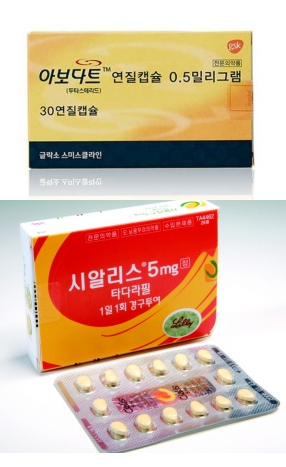
- There is growing interest in whether domestic pharmaceutical companies will succeed in securing reimbursement for the world's first dutasteride and tadalafil combination drug. Currently, this drug is undergoing a new drug reimbursement evaluation process rather than the standard combination drug assessment, as tadalafil is not a reimbursed ingredient. Pharmaceutical companies are seeking the best strategies to provide patients with the treatment options they need. According to industry sources on the 29th, reimbursement reviews are underway for domestically developed dutasteride+tadalafil combination drugs that were approved in January this year. With Dongkoook Pharmaceutical serving as the lead sponsor, Dongkooks’s ‘Uresco Tab,’ Dong-A ST’s ‘Dutana Tab,’ Shinpoong Pharmaceutical’s ‘Avocial Tab,’ DongKoo Bio&Pharma’s ‘Uroguard Tab,’ were approved through a joint clinical trial. The drugs are indicated for the treatment of moderate to severe symptoms of benign prostatic hyperplasia. Normally, combination drugs composed of previously approved ingredients are priced based on the reimbursement rates of their components. However, since tadalafil is a non-reimbursed ingredient, the dutasteride + tadalafil combination drug is excluded from the standard pricing process and is instead undergoing reimbursement evaluation as a new drug. The combination drugs that undergo standard pricing procedures are eligible for reimbursement 3 months after application, but new drugs require additional time for reimbursement due to cost-effectiveness reviews. Furthermore, as the joint developers had expected reimbursement through the standard pricing process, they did not have enough time to prepare the materials required for a new drug review. Nevertheless, the four companies are joining forces to knock on HIRA's door for their drugs’ reimbursement. However, it seems that more time would be required to submit all the necessary materials, as HIRA recently requested additional supplementary materials. As a result, the concerns of pharmaceutical companies are growing. The joint developers have stated that they will closely coordinate with each other regarding the drug’s domestic launch to establish an optimal strategy. A representative from a related pharmaceutical company stated, “We are doing our best to prepare the material and provide this treatment to patients in need in Korea.”
- Policy
- Eun-kyung Jeong “will review limited INN prescriptions”
- by Lee, Jeong-Hwan Jul 28, 2025 06:08am
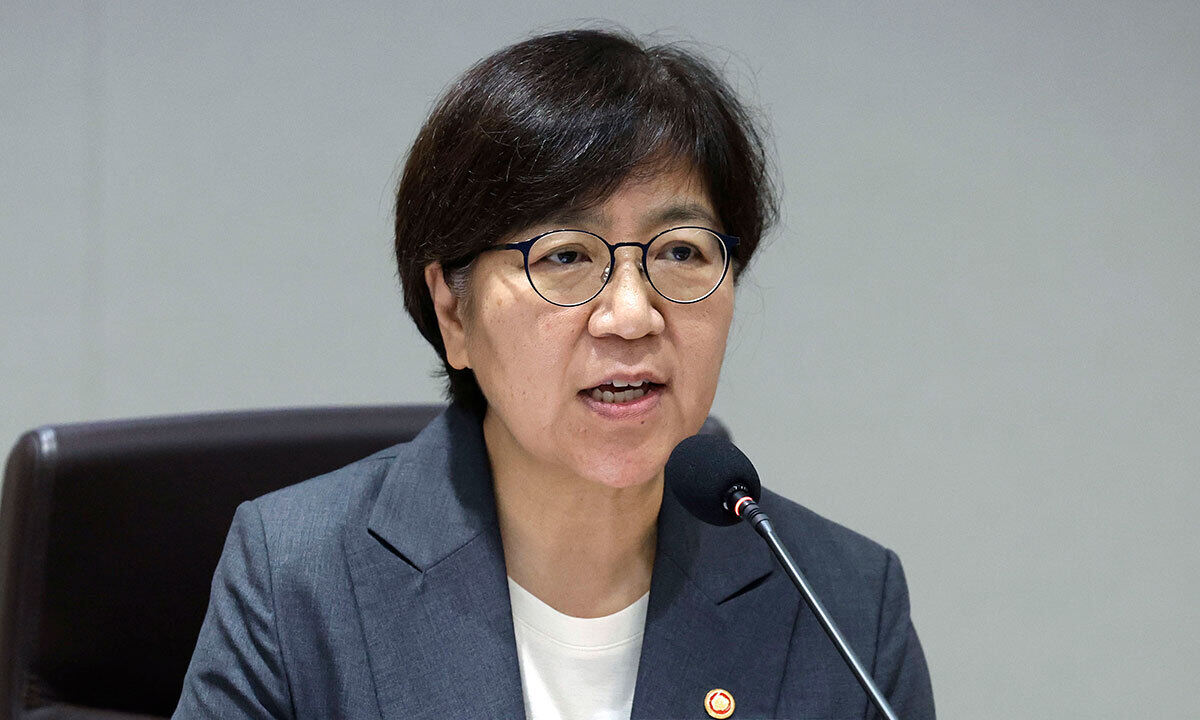
- Minister of Health and Welfare Eun-Kyung Jeong plans to review a plan to allow limited adoption of international nonproprietary name prescriptions for essential medicines with unstable supply. However, she drew a line on the full introduction of INN prescriptions in place of brand-name prescriptions as a measure to address issues such as the proliferation of generic drugs and illegal rebates, saying that it would constitute a violation of the agreement on the prescription-dispensing separation system. As this is one of President Jae-Myung Lee’s campaign pledges, it will be interesting to see how the MOHW will partially introduce INN prescriptions in the future. Minister Jeong responded to an inquiry from Democratic Party of Korea lawmaker Rep Young-seok Seo on INN prescriptions on the 25th. Minister Jeong said, “I believe it is necessary to consider introducing INN prescriptions for essential medicines with unstable supply in order to protect the health of the people,” adding, “However, as there are differing opinions within the medical community, sufficient discussion would be necessary during the implementation process.” She further noted, “Issues such as the proliferation of generic drugs and widespread rebates stem from various causes, including distribution structures, corporate ethics, competitive environments, and drug prices, so a comprehensive approach is necessary to resolve such issues. The full implementation of INN prescriptions would involve changing the consensus reached during the separation of pharmaceuticals and medical services, so sufficient consultation with medical and pharmaceutical associations, experts, and others is necessary regarding the necessity and effectiveness of such a measure.”
- Policy
- Measures to ban imports of psychotic dietary supplements
- by Lee, Hye-Kyung Jul 28, 2025 06:07am
- The Ministry of Food and Drug Safety (MFDS; Minister, Yu-Kyoung Oh) announced on July 25 that the Ministry is designating '7-Hydroxymitragynine,' an ingredient that is narcotic (antipsychotic), as a prohibited material and ingredient for import into South Korea. This measure was implemented to ban overseas direct purchase of dietary supplements, gummies, or drink mixes containing '7-Hydroxymitragynine.' The newly designated 7-hydroxymitragynine is an ingredient classified as a psychotropic substance under 'The Narcotics Control Act.' It is an alkaloid component present in small amounts in the Southeast Asian plant Mitragyna speciosa (scientific name), commonly known as Kratom. It is known to pose a serious risk to human health if misused or abused. The Ministry of Food and Drug Safety is strengthening the safety management of overseas direct-purchase foods. To this end, it designates ingredients and raw materials (such as narcotics, medicinal and traditional Korean medicine ingredients) in overseas direct-purchase foods that pose a risk to public health and need to be blocked from domestic entry, as raw materials/ingredients subject to domestic import blockage. Furthermore, considering that consumers find it difficult to identify harmful ingredients/raw materials, MFDS also provides an easily understandable list of products containing harmful ingredients (3,800 items). Therefore, it is vital for consumers first to check the 'Overseas Direct Purchase Foods' section on the 'FoodSafetyKorea' website before purchasing overseas direct-purchase foods. MFDS stated, "We plan to continue providing consumers with information on precautions and harmful substances when purchasing overseas direct purchase foods."

- Policy
- Daewoong, Kolon enter Ofev generic market at the same price
- by Lee, Tak-Sun Jul 25, 2025 06:09am
- Daewoong Pharmaceutical and Kolon Pharma will additionally enter the generic market for “Ofev Soft Cap (Nintedanib Esylate),” a treatment for chronic fibrotic interstitial lung disease. Competition is expected to intensify in the market with two more generic versions entering the market following Yungjin and Ildong Pharmaceutical’s entry with their respective generic versions in July. Except for the Ildong Pharmaceutical product, the prices of the generic drugs were all set the same. According to industry sources on the 24th, Daewoong Pharmaceutical's Ofild Tab 100 mg and 150 mg and Kolon Pharma’s Effidanib Tab 100 mg and 150 mg will be reimbursed from August in Korea. These generic versions contain the same active ingredient as Ofev Soft Cap (nintedanib esilate), but differ in formulation — the original is a soft capsule, while the generics are in tablet form. Ofev was listed for reimbursement in May as a treatment for chronic fibrotic interstitial lung disease. It took nine years for the company to obtain reimbursement after receiving marketing authorization from the MFDS. There are currently no alternative therapeutic options recognized for chronic fibrosing interstitial lung diseases in Korea. However, the reimbursement came too late, as it came even after the drug’s substance patent expiry on January 25, 2025. Two months after Ofev was listed for reimbursement, its generic versions started to appear on the market. Youngjin Pharmaceutical's Nintebro Tab 100 mg and 150 mg, and Ildong Pharmaceutical's Cuninta Tab 150 mg were the first generics to be listed for reimbursement. A month later, Daewoong Pharmaceutical and Kolon Pharma also entered the generic market. Although all generic drugs are designated as orphan drugs and could have been priced the same as the original Ofev, all the companies decided to lower their prices. Coincidentally, except for Ildong Pharmaceutical, all other pharmaceutical companies set the same prices for their respective products. The companies’ 100mg dose version is priced at KRW 9,000, and the 150mg at KRW 15,000. Ildong Pharmaceutical's Cuninta Tab 150 mg is the cheapest at KRW 13,500. The original Ofev soft Cap cost KRW 29,600 for the 100 mg dose and KRW 26,220 for the 150 mg dose, which is about twice the price of the generic drugs. The generic drugmakers sought to quickly enter the market with low prices. In particular, with only a 2-3 month difference in release dates compared to the original, industry observers believe that the generic companies stand a chance of gaining an equal market share. The estimated annual national health insurance financial expenditure for listing Ofev was KRW 6.3 billion. This calculation is based on the assumption that approximately 329 patients will be prescribed 2 capsules per day. Although the claim amount is not large, at less than KRW 10 billion, pharmaceutical companies have entered competition because the market is essentially untapped. Latecomers are particularly expecting synergistic effects with pirfenidone, which is already used for idiopathic pulmonary fibrosis. This is because nintedanib is already being used without reimbursement for idiopathic pulmonary fibrosis, and the hospitals treating these patients tend to be the same institutions that prescribe pirfenidone. In a market where the original and generic drugs are launched almost simultaneously, all eyes are on who will emerge as the ultimate winner.
- Policy
- Reimb criteria established for Roche's DLBCL drug 'Polivy'
- by Lee, Tak-Sun Jul 25, 2025 06:08am
- The reimbursement criteria for Roche Korea's Polivy (polatuzumab vedotin), a treatment for relapsed or refractory diffuse large B-cell lymphoma (DLBCL), have been successfully established by the Health Insurance Review & Assessment Service's (HIRA) Cancer Disease Review Committee (CDRC). This drug, which is garnering attention as the first DLBCL first-line treatment in 20 years, passed the CDRC on its third attempt. HIRA announced that reimbursement criteria were established for drugs, including Polivy, at the 6th CDRC meeting held on July 23, 2025. For Polivy, the reimbursement criteria were set for "combination therapy with rituximab, cyclophosphamide, doxorubicin, and prednisone/prednisolone (R-CHP) in adult patients with previously untreated diffuse large B-Cell lymphoma (DLBCL)." Meanwhile, the reimbursement criteria have not been established for Polivy in combination with bendamustine and rituximab in adult patients with relapsed or refractory DLBCL who are not eligible for hematopoietic stem cell transplantation and have failed one or more prior therapies. Along with Polivy, reimbursement criteria were established for the new drug Darzalex SC (daratumumab) for "combination therapy with bortezomib, cyclophosphamide, and dexamethasone in newly diagnosed light chain (AL) amyloidosis patients." Reimbursement criteria have been established for Polivy (polatuzumab vedotin) and Darzalex SC (daratumumab). Expanded reimbursement criteria were approved for Neulasta Prefilled Syringe, Tecentriq, and Blincyto. Drugs that failed to receive the reimbursement criteria include Verzenio (abemaciclib). Expanded reimbursement criteria were approved for Neulasta Prefilled Syringe, Tecentriq, and Blincyto. For Neulasta, the reimbursement criteria were set for "reduction in the incidence of febrile neutropenia and the duration of neutropenia in patients receiving cytotoxic chemotherapy for malignant neoplasms." For Tecentriq, reimbursement criteria were established for "post-operative adjuvant therapy after resection and platinum-based chemotherapy in patients with Stage II-IIIA non-small cell lung cancer (NSCLC) where PD-L1 is expressed in ≥ 50% of tumor cells (TC)." For Blincyto, reimbursement criteria were set for "consolidation therapy for Philadelphia chromosome-negative precursor B-cell acute lymphoblastic leukemia (ALL) in adults and children." The anticancer drugs for which reimbursement criteria have now been established will undergo final review for reimbursement coverage through negotiation with HIRA's Drug Reimbursement Evaluation Committee (DREC) and the National Health Insurance Service.
- Policy
- Eun-Kyung Jeong appointed as new MOHW Minister
- by Lee, Jeong-Hwan Jul 24, 2025 11:38pm
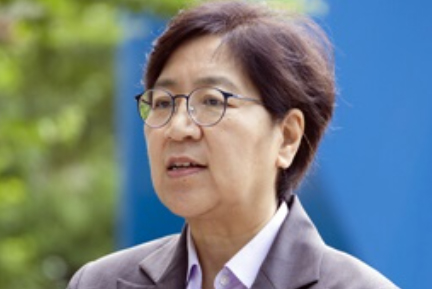
- With the appointment of Eun-kyung Jeong (60, Seoul National University College of Medicine) as Minister of Health and Welfare, efforts to institutionalize and legislate telemedicine, as well as to establish a prescription drug delivery system, are expected to gain momentum. The government will begin establishing specific measures to stabilize the supply of pharmaceuticals, including promoting generic prescriptions and limited introduction of International Nonproprietary Name (INN) prescriptions. In light of the government’s push to strengthen health insurance coverage, the possibility of reforming the pricing system for generic drugs is also increasing. For this, the new minister will be tasked with addressing demands from the pharmaceutical industry. On the 22nd, Minister Jung highlighted the key healthcare and pharmaceutical policies she expects to pursue during her inaugural speech. Rapid rollout of telemedicine and prescription drug delivery policies Minister Jung plans to establish a legal framework for telemedicine as a supplementary tool to in-person care, aiming to enhance the stability of the system. She plans to actively participate in the enactment of three bills on revising the Medical Service Act currently pending in the National Assembly that focus on institutionalizing telemedicine. In the process, a public electronic prescription system for telemedicine and a prescription drug delivery system will likely be established. Minister Jung has repeatedly emphasized her commitment to legislating telemedicine in a way that prevents intermediary platforms from dominating medical institutions and pharmacies, thereby avoiding disruption to the healthcare delivery system and the pharmacy ecosystem. Accordingly, detailed provisions for the regulation and oversight of telemedicine intermediary platforms are expected to be carefully incorporated during the legislative process. “In light of the need to ensure medical safety and convenience for the public, as well as to improve healthcare accessibility for vulnerable populations, it is essential to establish a legal framework for telemedicine and intermediary platform businesses to enable stable operation. We will gather opinions from various stakeholders, including the medical and pharmaceutical community, patient groups, private companies, and experts, to systematically establish a plan from the outset for the construction and operation of a public electronic prescription transmission system.” She added, “Telemedicine should be institutionalized in a way that ensures the safety of medical treatment and improves the quality of primary care, rather than expanding the profits of platforms. I hope that appropriate regulatory measures will be discussed in the National Assembly to address concerns that platforms may effectively demonize medical institutions and pharmacies or promote profit maximization.” Regarding the institutionalization of a drug delivery system to improve the effectiveness of telemedicine, Jung said, “We agree on the need to establish a drug delivery system,” but added, “However, we must also consider measures to address concerns about the pharmacy dependence within telemedicine platforms, market concentration of large pharmacies, and the collapse of the local pharmacy system.” Regarding the major point of contention, the scope of initial and follow-up telemedicine consultations, Minister Jung responded, “We will discuss the matter after evaluating the pilot program and comprehensively considering the opinions of experts, the medical community, and patients, but we will follow medical judgments and standards rather than administrative criteria.” Generic drug price cut is likely With Minister Jung’s appointment, there is a greater possibility that drug price reevaluation, which will reduce the prices of generic drugs that account for a large proportion of domestic pharmaceutical companies, will be activated. Although it is challenging to compare drug prices in real terms due to differences in economic scales, drug pricing systems, and health insurance systems across countries, Minister Jung’s view is that the price of generic drugs in Korea is higher compared to other major countries (A8). To provide optimal drug reimbursement within the limited health insurance budget, Minister Jung had previously stressed the need to manage drug prices at an appropriate level. Minister Jung’s solution involves reforming the drug pricing reimbursement system to ensure that profits from generic drug sales can be reinvested into new drug development, while also preventing excessive competition from a flood of generics with identical ingredients and manufacturing processes produced through contract manufacturing. In particular, regarding the post-market management of drug prices, such as regular re-evaluation of reimbursement prices and benefit criteria, Minister Jung reaffirmed plans to revise the pricing policy for generics, stating “I believe there is room for stronger oversight in the pricing system, particularly concerning generic drugs.” Improvement of measures for drug with unstable supply and review of INN prescriptions In order to resolve the issue of unstable drug supply, there is a possibility that a new supply response system with the nature of an intergovernmental consultative body will be established, or that relevant legislation such as the revision of the Pharmaceutical Affairs Act will be enacted. This is because Minister Jeong agreed on the need to break away from the current limitations of seeking solutions to the unstable drug supply situation only around essential medicines. During the hearing, Minister Jung stated, “Supply instability issues occur regardless of whether they are classified as essential medications, so the current support system that focuses on essential medications under the Pharmaceutical Affairs Act has limitations in addressing such issues. Therefore, it is necessary to revise the support system under the Pharmaceutical Affairs Act to enable policy intervention across all aspects of medicines with unstable supply, including the establishment of new support grounds and governance reforms.” In particular, unlike national essential medicines, there are no legal grounds for defining medicines with unstable supply, so the Minister agreed on the need to establish a separate definition. In addition, Minister Jung is likely to take proactive measures beyond diagnosing causes and providing customized support through public-private consultations on medicines with unstable supply, such as promoting substitute prescriptions and limited introduction of International Nonproprietary Name (INN) prescriptions. Minister Jung explained, “To enable flexible responses to drug supply instability situations, we have revised the Enforcement Decree of the Pharmaceutical Affairs Act to simplify the post-notification procedure for substitute prescriptions. We are currently constructing a support information system for post-notification of substitute prescriptions in line with the implementation date of the revised Enforcement Decree.” She further elaborated, “Additionally, to fulfill the new government's pledge to ensure the stable supply of essential medicines, we are considering the introduction of INN prescriptions for essential medicines with unstable supply.”
- Policy
- Jeong Eun-kyung views "orphan disease fund establishment"
- by Lee, Jeong-Hwan Jul 24, 2025 11:38pm
- Jung Eun-kyung, the candidate for Minister of Health and Welfare (MOHW), has expressed skepticism regarding the establishment of a separate fund to improve the National Health Insurance reimbursement rate for treatments for expensive, rare (orphan), and severe diseases. The rationale is that if the required financial scale for reimbursing high-cost drugs exceeds the fund's size, flexible fund operation becomes difficult. Jung stated her view that continuously expanding the scope of reimbursement should take precedence over establishing a separate fund. On July 17, Jung provided this response to a written inquiry from Democratic Party of Korea Representative Jeon Jin-suk during the parliamentary confirmation hearing. Representative Jeon had asked for Jung's stance on strengthening coverage for orphan and severe disease treatments by creating a separate dedicated fund to improve the National Health Insurance reimbursement listing system. Jung acknowledged that establishing and operating a separate fund for patients with orphan and severe diseases would have the advantage of allowing independent financial management. However, she did not prioritize improving the reimbursement rate. Jung stated, "If the required financial resources for high-cost treatments exceed the fund's scale, there is a concern that flexible operation would become difficult." She emphasized, "Therefore, continuously expanding the scope of reimbursement is primarily needed rather than establishing a separate fund." Jung added, "Currently, various support measures are in operation, including 'special calculation and improvement of standards' to alleviate out-of-pocket burdens and catastrophic medical expense support," and added, "We will strive to strengthen coverage for rare and severe disease patients." Regarding the introduction of an indication-specific drug pricing system for recently developed immunotherapies for cancer that have single components but multiple indications, Jung provided a principled answer that she would review it. Jung said, "It is necessary to review various systems to strengthen patient access to recently developed new drugs." However, she added, "We will review it comprehensively, considering its suitability for operation within the National Health Insurance system in Korea, the benefits of introducing the system, and its financial and social impact."
- Policy
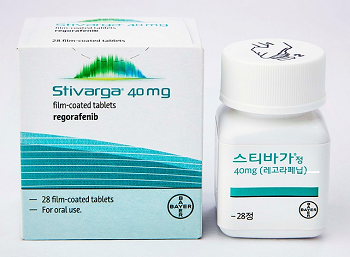
- Release of Boryung’s generic version of Stivarga imminent
- by Lee, Tak-Sun Jul 24, 2025 06:07am
- The price of the liver cancer drug Stivarga Tab 40mg (regorafenib, Bayer) will be adjusted following the termination of the risk-sharing agreement due to the anticipated listing of its generic versions. Among the many companies, Boryung is expected to be the first company to launch a generic version of Stivarga in Korea. According to industry sources on the 23rd, the maximum price of Stivarga Tab 40mg will be adjusted from KRW 28,110 to KRW 22,450 from August. This is a measure following the termination of the risk-sharing agreement. Stivarga entered into a refund-type risk-sharing agreement when it was listed for reimbursement in June 2016 as a treatment for gastrointestinal stromal tumor (GIST). In addition, from May 2018, a refund-type RSA has been additionally applied to Stivarga as a second-line treatment for hepatocellular carcinoma. Last year, the company also signed a third RSA renewal contract with the Health Insurance Review and Assessment Service. The current insurance price cap is set at KRW 28,110, different from the actual price. However, the insurance price cap of KRW 22,450, to which the price will be adjusted after the termination of the RSA deal, is the actual price. The RSA has been in effect for 9 years, but a variable–entry of generic versions has emerged. In November last year, Boryung Pharmacuetical received approval from the MFDS for Regoranib Tab 40 mg, a generic version with the same active ingredient as Stivarga. Regoranib demonstrated bioequivalence to Stivarga through a bioequivalence test. This drug is expected to be released on the market after August 29, when Stivarga's patent expires. The industry expects it to be distributed on the market from September. The termination of the RSA for Stivarga was decided at the Drug Reimbursement Evaluation Committee (DREC) meeting held in April. The committee concluded that, considering Stivarga 40mg is expected to remain reimbursable even after the marketing of an equivalent generic formulation, the product qualifies for early termination of the RSA and that termination negotiations are required. Since then, the company completed negotiations to terminate the risk-sharing agreement with NHIS, and the insurance price ceiling amount was adjusted. Last year, Stivarga’s outpatient prescription sales amounted to KRW 7.7 billion, a decrease of 16.8% compared to the previous year. Since February, Chong Kun Dang has been exclusively distributing the drug in Korea under a contract with Bayer.
