
- LOGIN
- MemberShip
- 2026-05-01 13:10:20
- Policy
- Measures to reduce industry burden for stronger GMP
- by Lee, Hye-Kyung Jun 12, 2025 06:04am
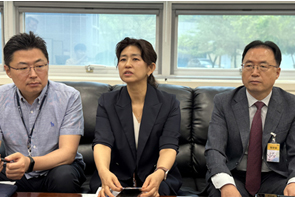
- With the Ministry of Food and Drug Safety set to enforce the revised GMP standards for aseptic drugs reflecting the international Pharmaceutical Inspection Co-operation Scheme (PIC/S) standards from December, measures are being prepared by the industry to reduce its burden. Ahead of its rejoin into PIC/S in 2023, the MFDS announced the “Regulations on Drug Manufacturing and Quality Control (MFDS Notice)” which outlines a risk-based, systematic contamination control strategy to enhance the quality assurance of aseptic pharmaceuticals. At the time, in consideration of the need for sufficient preparation time for all pharmaceutical companies to establish contamination management strategies, the government decided to implement the regulations first for aseptic finished pharmaceutical products until 2 years after the announcement, and then for aseptic active pharmaceutical ingredients until 3 years after the announcement. The implementation of measures such as PUPSIT (Pre-Use Post-Sterilization Integrity Testing) for verifying the integrity of sterilizing filters has been granted a uniform grace period—up to three years from the date of the revised GMP regulation—considering the need for additional preparation time for revalidation of aseptic processes and administrative procedures for GMP compliance determinations under the current guidelines. However, as the implementation of certain requirements for sterile finished pharmaceutical products approaches, including ▲the obligation to establish and implement a systematic contamination control strategy for the manufacture of aseptic drugs, ▲ the establishment of individual manufacturing and quality control standards (GMP) for advanced biopharmaceuticals, and ▲ the clarification of detailed specifications for the types of formulations subject to GMP compliance assessment, as well as the procedures and methods for such assessments, some pharmaceutical companies are halting or withdrawing their aseptic product manufacturing operations on itself. Particularly, following the announcement by Ildong Pharmaceutical that it would discontinue production and supply of its ‘Ativan Inj,’ which has experienced repeated supply instability over the past 3 years since 2022, speculation has emerged that the ripple effects of the strengthened GMP standards for aseptic drugs may have begun. Jung-yeon Kim, director of the MFDS In response, Jung-yeon Kim, director of the MFDS's Pharmaceutical Quality Division, said at a briefing with reporters on the 10th, “There have been ongoing issues with the supply of Ativan, and we have been in constant communication with the manufacturer since the end of last year. The company did not decide to withdraw from the market due to the stricter GMP standards, rather, there were internal circumstances, such as product profitability and drug price issues.” It is known that a similar sentiment was conveyed at a meeting between the MFDS and the heads of aseptic drug manufacturers on April 30. Kim explained, “About 20 companies participated in a factory manager meeting last month. At the time, the MFDS conveyed its position that it had no choice but to apply the same standards used by the 52 PIC/S member countries. Manufacturers also expressed difficulties in the preparation process, and that the MFDS should prepare supporting data through a research platform to reduce the burden on the industry and provide technical and regulatory support.” Instead of implementing the PIC/S-level GMP strengthening measures for aseptic preparations as scheduled in December, the MFDS plans to establish guidelines for large-volume IV solutions, contamination control strategies (CCS), and PUPSIT, referring to the results of the “Study on the Harmonizing the GMP Regulations on Aseptic Drugs” currently being conducted by the Korea Pharmaceutical and Bio-Pharma Manufacturers Association (KPBMA) Kim added, “In the case of large-volume IV solutions, strengthening GMP standards to comply with EU Annex 1 would require establishing a contamination control strategy for each batch, which companies find most burdensome. We are conducting research with three companies— HK Inno.N, JW Pharmaceutical, and Dai Han Pharm— and KPBMA to establish grounds that show there will be no changes in GMP quality even with eased standards.” The three companies participating in this study account for 90% of the large-volume IV solution market, and since November last year, they have been meeting with the KPBMA and MFDS to develop a research protocol and have completed kick-off meetings and preliminary workshops. Cheon-Woon Cheon, a research committee member at the KPBMA Cheon-Woon Cheon, a research committee member at KPBMA who is leading the study, said, “We have held meetings with the MFDS and companies to clearly set the direction of the project, and our goal is to produce results by October so that they can be reflected in the policy.” Cheon added, “The revision of Annex 1 has placed a significant burden on manufacturers of sterile products. We are seeking ways to reduce this burden and are currently researching the appropriate level of validation required for processes such as formulation, filtration, filling, and sterilization.” In this regard, Kim said, “There is no single correct answer in GMP. What matters is having a technically and scientifically justified rationale that achieves the intended goal. I hope that the research findings will provide a sufficient basis to support the level of aseptic control expected by PIC/S.” Through this study, the MFDS expects not only to relax the standards for large-volume IV solutions but also to establish guidelines for CCS and PUPSIT. Cheon said, “Small companies lack experience and have difficulty just approaching CCS. Our goal is to establish guidelines by the end of the year that small companies can follow by conducting research through large companies.” In the case of PUPSIT, which is scheduled to be implemented in December next year, a separate project team has been formed to establish its guidelines. Kim said, “In principle, each company is responsible for implementing GMP issues per the system, but the MFDS has tried to provide assistance through industry communication. Since November last year, we have been meeting with associations and industry representatives to ask them to follow the international standards, and we have formed a consensus on common research tasks.” Kim added, “While direct financial support is difficult at this time, we are exploring ways to reduce industry burdens through regulatory or technical support. Once research results are available, we aim to establish GMP management measures with a clear direction, which should also lead to cost savings.”

- Policy
- Qlaris starts Phase II trial for its glaucoma drug in KOR
- by Lee, Hye-Kyung Jun 12, 2025 06:03am
- Qlaris Bio, a US biotech company, is conducting a Phase II clinical trial in Korea for 'QLS-111,' a drug candidate for primary open-angle glaucoma (POAG) and ocular hypertension (OHT). On the 5th, the Ministry of Food and Drug Safety approved a randomized, active-controlled, multicenter, double-blind, preliminary study to evaluate the safety and tolerability of QLS-111 versus preservative-free 0.5% timolol maleate ophthalmic solution in subjects with normal-tension glaucoma (NTG). QLS-111 is a novel therapeutic agent that targets episcleral venous pressure (EVP), which reduces intraocular pressure by relaxing the vascular and vascular-like tissues in the trabecular meshwork to lower EVP. As there are currently no glaucoma treatments that reduce EVP (episcleral venous pressure), a successful clinical outcome would likely expand treatment options for patients. According to Qlaris, its two Phase II clinical trials conducted in the U.S. – the Osprey and Apteryx trials - met all primary and secondary endpoints. The Osprey study was a randomized, double-blind, placebo-controlled trial evaluating the safety, tolerability, and intraocular pressure (IOP) lowering efficacy of QLS-111 compared to placebo in 62 adult patients with POAG or OHT across a range of doses. Study results showed that QLS-111 at a concentration of 0.015% administered once daily in the evening (QPM) resulted in the greatest reduction in intraocular pressure, with a mean reduction of 3.7 mmHg compared to the average intraday IOP of 23.0 mmHg. The Apteryx study was a randomized clinical trial evaluating the safety, tolerability, and additional IOP-lowering efficacy of QLS-111 when added to latanoprost in 32 patients aged 12 years or older with stable POAG or OHT using latanoprost monotherapy. When latanoprost monotherapy was administered, the mean intraday baseline IOP was 19.8 mmHg. QLS-111 0.015% administered in combination with latanoprost induced additional mean IOP reduction compared to latanoprost monotherapy, with a reduction of 3.2 mmHg with QLS-111 QPM administration and 3.6 mmHg with QLS-111 BID (twice daily) administration. Qlaris stated, “We are satisfied with the efficacy QLS-111 demonstrated in the Phase II Osprey and Apteryx trials. These results from our preservative-free new formulation reinforce our confidence that QLS-111 has the potential to become the first-in-class EVP selective targeted therapy.” Qlaris was founded in 2019 with a primary focus on the development of treatments for ophthalmic diseases. Last year, the company successfully secured $24 million in funding.
- Policy
- Speculation high over the new Minister of Health and Welfare
- by Lee, Jeong-Hwan Jun 10, 2025 06:05am
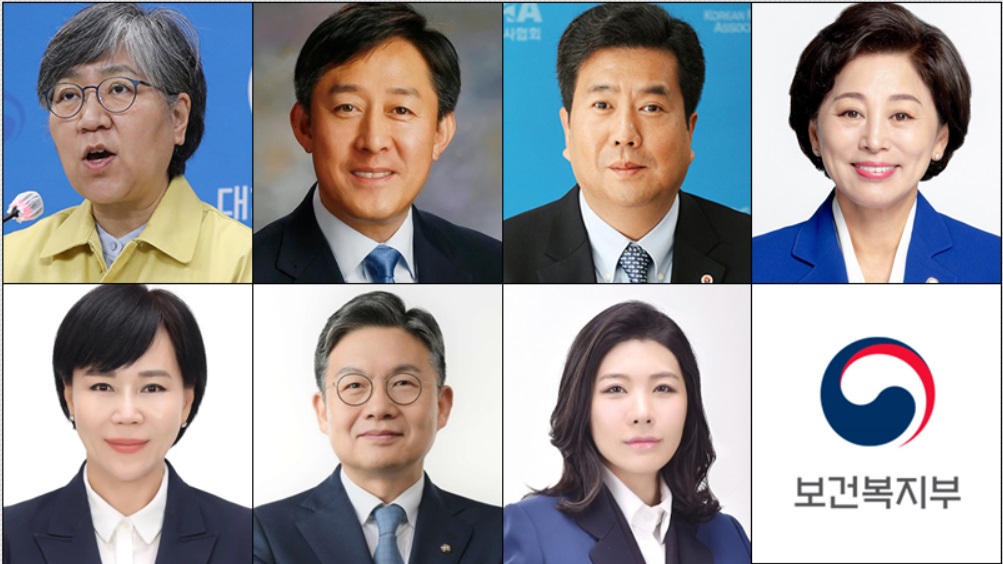
- (clockwise from the upper left) Former KDCA head Eun-kyung Jeong; former MOHW vice minister Sung-il Yang; Democratic Party of Korea’s Health and Medical Care Special Committee chair Cheong-hee Kang; lawmakers In-soon Nam, former lawmaker Hyun-young Shin, lawmaker Yoon Kim, lawmaker Hyun-hee Jeon Speculation is rife over who will become the first Minister of Health and Welfare in Lee Jae-myung's administration. Eun-kyeong Jeong, former Commissioner of the Korea Disease Control and Prevention Agency, who served as the chief campaign advisor for Democratic Party candidate Jae-myung Lee, is widely expected to be appointed as the next Minister of Health and Welfare. However, no official nomination has been confirmed as of yet. As a result, several names are being mentioned for the position of Minister of Health and Welfare, ranging from former public officials to former and current members of the Democratic Party of Korea. According to political circles on the 8th, the candidates for the position of MOHW include former KDCA head Eun-kyung Jeong; former MOHW vice minister Sung-il Yang; Democratic Party of Korea’s Health and Medical Care Special Committee chair Cheong-hee Kang; lawmakers In-soon Nam, Hyun-hee Jeon, and Yoon Kim, and former lawmaker Hyun-young Shin. Former KDCA head Jeong is credited with contributing to the Moon Jae-in administration's success in fighting COVID-19 on the front lines as well as to the election of Jae-myung Lee as president. Jeong, who has been consistently mentioned as the next MOHW minister before and after the presidential election, has stated that she will return to her position as a clinical professor of family medicine at Seoul National University College of Medicine after the election. During the presidential election period, Jeong herself repeatedly reaffirmed that her participation in the election was driven by the intention to contribute to the nation and its people amidst the turmoil caused by the declaration of martial law. In addition, Sung-il Yang, who entered public service after graduating from Seoul National University with a degree in social welfare and passing the 35th civil service examination, is also mentioned as a candidate. During the recent presidential election, he was active in Lee Jae-myung's think tank and, and served as the co-chair of the welfare policy subcommittee, devising strategies for the health insurance system reform and promoting the health industry. Specifically, Yang is considered to have played a key role in Lee’s campaign as chair of the Economic Growth Committee's Pharmaceutical and Bio Health Committee, chair of the Basic Social Policy Committee's Basic Care Subcommittee, and head of the Special Committee on Citizens with Disabilities. Cheong-hee Kang, Chair of the Democratic Party of Korea’s Health and Medical Care Special Committee who has practical experience as an insurance reimbursement director at the National Health Insurance Service and president of the Korea Public Tissue Bank, was also actively involved in Lee’s presidential campaign. Kang, who is a doctor by profession, ran for office in the 22nd general election in the Gangnam district of Seoul. Among the current members of the National Assembly, In-soon Nam, a four-term Democratic Party lawmaker; Hyun-hee Jeon, a three-term lawmaker; and Yoon Kim, a first-term lawmaker and medical doctor, have been mentioned as potential candidates for Minister of Health and Welfare. Nam served as the head of the functional headquarters in Lee Jae-myung’s presidential campaign, Jeon as a co-chair of the campaign committee, and Kim as the deputy head of the policy headquarters, all contributing significantly to the campaign’s victory. Hyun-young Shin, a former lawmaker who was elected as the Democratic Party of Korea’s No.1 proportional representative in the 21st National Assembly, is also being mentioned as a potential candidate. Shin, a former doctor who served on the NA Health and Welfare Committee, served as the spokesperson for the General Election Headquarters during the presidential election.
- Policy
- BMS’s next-gen targeted drug repotrectinib approved in KOR
- by Lee, Hye-Kyung Jun 09, 2025 05:51am
- BMS Pharmaceuticals' ‘Augtyro Cap (repotrectinib),' which is regarded a next-generation targeted therapy for lung cancer, has been approved in Korea. On the 5th, the Ministry of Food and Drug Safety granted marketing authorization for 2 items - Augtyro Cap 40 mg and 160 mg. Specifically, repotrectinib is indicated as: ▲treatment for patients with ROS1-positive locally advanced or metastatic non-small cell lung cancer (NSCLC) ▲ treatment for pediatric patients 12 years and older and adult patients with locally advanced or metastatic solid tumors that are unsuitable for surgical resection due to high risk of severe complications and harbor an Neurotrophic tyrosine receptor kinase (NTRK) gene fusion. Augtyro was first approved by the US FDA in November 2023 as a treatment for non-small cell lung cancer and was designated as an orphan drug in Korea last May. Since August last year, it has been prescribed to patients after receiving initial approval for its use in Korea for therapeutic purposes. The drug’s efficacy was confirmed through the multinational Phase I/II TRIDENT-1 trial. The trial results showed that the primary endpoint, the objective response rate (ORR), was 79% for repotrectinib in 71 TKI treatment-naïve patients. Progression-free survival (PFS) was nearly double that of previous targeted therapies. The ORR was defined as the proportion of patients treated within a specific time frame who either had a decrease in tumor size (partial response) or no further signs of cancer (complete response). The median duration of response was 34.1 months. In 56 ROS1 TKI–naïve and chemotherapy-naïve patients, the objective response rate was 38%, and the median duration of response was 14.8 months. The trial also examined the drug’s efficacy in treating patients with resistance to existing targeted therapies. In the 56 patients with resistance to existing therapies, repotrectinib showed an ORR of 38% and a PFS of 9 months, and 17 patients who had acquired a baseline G2032R resistance mutation showed an ORR of 59% and a PFS of 9.2 months. The results of the TRIDENT-1 trial were published in the New England Journal of Medicine (NEJM) (IF 176.082), with Byoung-Chul Cho, Director of the Lung Cancer Center at Yonsei Cancer Hospital in Korea, participating as a corresponding author. ROS1-positive NSCLC accounts for 2% of all lung cancers. The standard of care is to use targeted anti-cancer therapies that target the mutated gene. Commonly used drugs include ‘crizotinib’ and ‘entrectinib,’ and repotrectinib is gaining attention as a next-generation drug.
- Policy
- Lee 'will strengthen public nature of medical sector'
- by Lee, Jeong-Hwan Jun 05, 2025 06:10am
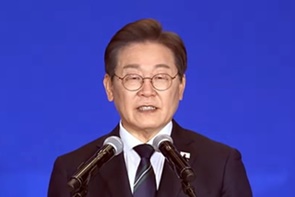
- With the election of President Lee Jae-Myung, the legal community predicts that the government will strengthen its public policy in the healthcare and pharmaceutical biotechnology sectors. The areas of AI-based digital healthcare industry, rare and intractable disease coverage, and regional essential medical infrastructure will see new opportunities. There are also predictions that the medical industry and related platform technology industries will be revitalized as the institutionalization of non-face-to-face medical care (telemedicine) and home visits will expand the provision of medical services beyond geographical limitations. There are also analyses that public support for the pharmaceutical industry will expand, increasing opportunities for pharmaceutical and biotechnology companies. On the 4th, Shin & Kim LLC announced this in a special report on the results and impact of the 21st presidential election. President Lee Jae-Myung announced in his campaign pledge that he would strengthen the public nature of the medical and pharmaceutical industries. According to Shin & Kim LLC analysis, the new government will strengthen the public return support system through national R&D investment to foster the pharmaceutical and bio industries. In particular, it is expected that the government will establish a public consignment production and distribution system for essential medicines and promote the construction, public acquisition, and conversion of public hospitals. With the expansion of public support for the medical and pharmaceutical sectors, opportunities will rise for relevant companies, and the industry recommended parties to closely monitor the new government's efforts to achieve the two goals of strengthening public nature and fostering industry growth. To resolve supply instability and establish a stable supply system for essential medicines, the report suggested that policy measures should be developed with a focus on providing incentives to pharmaceutical companies and promoting limited International Nonproprietary Names (INN) based prescriptions. With the promised establishment of a regional essential medical care fund, policies to strengthen regional essential medical care infrastructure centered on regional medical schools and national university hospitals are expected to be promoted, which is seen as an increase in opportunity for regional medical institutions. Shin & Kim LLC stated that in terms of strengthening health insurance reimbursement coverage for medicines, particular focus will be placed on treatments for rare and intractable diseases. It is anticipated that the door to health insurance coverage for high-priced innovative drugs targeting rare and intractable diseases will be expanded and that the threshold for new drugs to enter health insurance coverage will be significantly lowered through the expansion of the Risk Sharing Agreement (RSA) scheme. In line with the pledges to institutionalize telemedicine and expand home visits and primary care physician systems, it is analyzed that policies for medical services that transcend geographical limitations will activate the medical industry and related platform industries. The Lee Jae-myung administration's medical reform plan sets out to organize a public debate committee as central governance, where medical professionals, experts, patients, and citizen representatives participate. Shin & Kim LLC diagnosed that it is necessary to closely monitor the direction set for the medical delivery system that starts from outpatient clinics to tertiary hospitals, regional medical infrastructure, and medical personnel supply to predict and respond to changes in the industrial landscape. Shin & Kim LLC explained, “The strengthening of the public nature of the medical and pharmaceutical industries will increase corporate social responsibility and alter the structure of market competition,” emphasizing the need for proactive measures in response. It added, ”The importance of profit management for medical institutions and related companies will increase due to the strengthening of price management for non-reimbursed medical services to stabilize Korea’s national health insurance finances.”
- Policy
- Lee Jae-Myung elected as president of South Korea
- by Lee, Jeong-Hwan Jun 05, 2025 06:10am
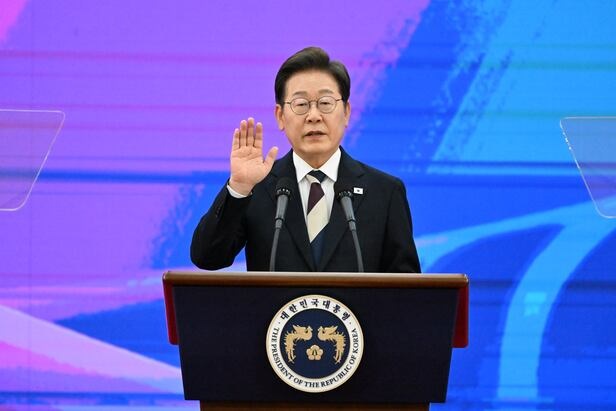
- Lee Jae-myung, the 21st President of South KoreaWith the election of Lee Jae-myung of the Democratic Party (Candidate No. 1) as the 21st President of South Korea, momentum is expected to build for key healthcare policies. These include the establishment of a National Medical Reform Public Opinion Committee to resolve conflicts between the medical community and the government, the promotion of limited International Nonproprietary Names-based prescriptions and generic substitutions to address drug supply instability, and the institutionalization of telemedicine with a standardized public e-prescription system. In particular, President Lee Jae-Myung has pledged to establish a system for telemedicine that complements in-hospital care, adheres to the principle of follow-up visits, and centers on neighborhood clinics, while halting indiscriminate pilot projects and establishing a management and supervision framework for intermediary platforms, is expected that the current unlimited telemedicine pilot project will be reasonably scaled back. From the pharmaceutical and biotech industry’s perspective, insiders are expecting a comprehensive overhaul of the drug pricing system, including granting higher drug prices to pharmaceutical companies that have invested heavily in R&D for innovative new drugs and strengthening mechanisms to remove generic drugs from the market if they fail to properly prove their efficacy. President Lee Jae-myung is expected to immediately begin implementing his campaign pledges on healthcare, pharmaceuticals and biotechnology, and health insurance without forming a transition committee. National Medical Reform Public Opinion Committee, Resolution of the medical-political conflict remains a challenge President Lee Jae-myung has decided to immediately begin work on establishing a National Medical Reform Public Opinion Committee that will involve the public, healthcare professionals, and experts from various fields. This is to resolve the ongoing issues triggered by the Yoon Suk-Yeol administration's policy to increase the number of medical school enrollment quotas by 2,000, which led to collective action by resident doctors and medical students in February last year and a medical staffing shortage. However, the Democratic Party has stated that it will not provide additional benefits to the resident doctors who participated in the collective action to resolve the conflict between the government and the medical community. Ultimately, it is likely that the committee will discuss solutions to the collective action by doctors and medical students. In addition, the policy to increase the number of medical school enrollment quotas is likely to be decided based on the results of the review by the Committee on Medical Manpower Planning, which was passed by the National Assembly with the agreement of both the ruling and opposition parties. This is because the Democratic Party of Korea's policy was to decide on the number of medical school enrollment quotas for the 2027 academic year and beyond through an objective and transparent deliberation process by the the Committee on Medical Manpower Planning, as the number of medical school enrollment quotas for the 2026 academic year has been set to return to 3,058. Furthermore, it is expected that Cho Kyoo-Hong, Minister of Health and Welfare, and Park Min-Soo, Second Vice Minister, who were at the forefront of the policy to increase the medical school enrollment quota, will be held accountable. As part of measures to strengthen regional and essential medical care, the government has promised to introduce a regional doctor system, establish public medical schools, and promote public medical academies. The government also plans to assign national university hospitals the role of base hospitals and expand public medical infrastructure by medical service area. Solutions to the drug shortage crisis, stronger government intervention, and INN-based prescriptions The solution to the supply instability of medicines pledged by the president involves strengthening government intervention in all stages of the process, from the supply of APIs for medicines that are frequently out of stock to the production of finished medicines and distribution to pharmacies. The government is expected to establish a list of frequently out-of-stock medicines and provide incentives for pharmaceutical companies to take an interest in producing APIs that are difficult to produce in Korea. The Democratic Party of Korea's policy is to increase profits for pharmaceutical companies that produce finished drugs using domestically produced raw materials show improved self-sufficiency rates and strengthen the public drug consignment manufacturing system for drugs in short supply. At the same time, the government will allow limited use of generic drug prescriptions for essential medicines with unstable supply. The government plans to resolve issues that caused significant inconvenience to the public during the COVID-19 pandemic, such as the shortage of acetaminophen for prescription drugs, by allowing limited INN-based prescriptions. President Lee also promised to promote substitute prescriptions as a solution to drug shortages. In response, there is a possibility that the current administration will go beyond allowing pharmacies to notify the Health Insurance Review and Assessment Service after dispensing substitute drugs, which is currently pending implementation, and introduce additional policies to increase the rate of substitute prescriptions. Legalization of telemedicine centered on local clinics and repeat patients gains momentum The possibility of legalizing telemedicine pilot projects within this year has also increased. President Lee promised to institutionalize telemedicine while ensuring safety and effectiveness. It is particularly noteworthy that the Democratic Party of Korea is preparing legislation to institutionalize telemedicine centered on “clinic-level” medical institutions and “repeat” patients. This is because the Democratic Party of Korea, which holds a majority of seats, has succeeded in changing the administration, greatly increasing the likelihood of the Democratic Party-led legislation of telemedicine. The Democratic Party of Korea is preparing a bill that would allow telemedicine to be used primarily by medical institutions at the clinic level, but also allow hospitals to provide telemedicine in special cases. In particular, the bill is expected to include provisions allowing telemedicine for initial consultations only for patients under 18 years of age and those over 65 years of age, while patients in other age groups would only be able to apply for telemedicine for follow-up consultations. In this case, the scope of eligible recipients for telemedicine would be significantly reduced compared to the current pilot program. Of course, since the amendment to the Medical Service Act to legalize telemedicine must undergo parliamentary review, the Democratic Party of Korea cannot make a unilateral decision on the matter. Unlike the 21st National Assembly, the 22nd National Assembly will see the ruling party change from the People Power Party to the Democratic Party of Korea, and it is expected that the Democratic Party's proposal will be reflected in the government's proposal to a considerable extent. The establishment of a public electronic prescription system will also be implemented along with the institutionalization of telemedicine. The Democratic Party of Korea plans to utilize public electronic prescriptions as a means to prevent the falsification and misuse of prescriptions and to prevent errors in the entry of prescription information during telemedicine. Pharmaceutical industry announces restructuring and advancement of drug pricing system President Lee announced a policy pledge to actively promote the pharmaceutical and bio industry as a new future growth engine for South Korea. As a measure to promote the pharmaceutical and bio industry, President Lee announced plans to revise the drug price system to focus on new drugs and strengthen the mechanism for removing generic drugs that have not been verified their effect from Korea’s health insurance reimbursement list. The most notable pledge is “drug price incentive linked to new drug R&D investment rates.” The vision is to create an environment where pharmaceutical and biotechnology companies can focus on developing new drugs by setting higher drug prices for medications produced by pharmaceutical companies that contribute significantly to innovative new drug R&D. This pledge was one of the policies proposed by multiple domestic pharmaceutical and biotech companies led by the Korea Pharmaceutical and Bio-Pharma Manufacturers Association. The government also promised to establish a more predictable drug pricing system to serve as a catalyst for new drug development and a cash cow for domestic pharmaceutical companies. The vision is to integrate drug price reduction mechanisms to establish a drug pricing system that encourages investment in new drug R&D. The president has also outlined a plan for the government to take the lead in establishing an R&D investment system and forming large-scale funds (megafunds) to promote industry development. In addition, the candidate's campaign promises include advancing the certification system for Korea Innovative Pharmaceutical Companies to expand R&D tax credits for certified innovative pharmaceutical companies, establishing a governance system that combines AI and big data technologies for the development of new drugs targeting global markets, and expanding risk-sharing agreements (RSA). To secure health insurance funds for these initiatives, the candidate proposed removing non-verified generic drugs from the market. In other words, the intention is to create some health insurance funds by more actively reevaluating the reimbursement of generics that have been approved for a long time but are not effective, thereby narrowing the scope of health insurance coverage. On the morning of the 4th, when his election was certain, the president-elect took the stage in front of the National Assembly and said, “The responsibility of a president in a united country is to bring the people together. I will never forget that my duty is not to be a great ruler, but to greatly unite the people.” Meanwhile, President Lee began his term as president immediately after the National Election Commission officially confirmed his election as president at 7 a.m. on the same day. President Lee held a brief inauguration ceremony at the National Assembly at 11 a.m. that day, after which he immediately appointed the Chief of Staff and began forming his Cabinet, including the Prime Minister.
- Policy
- Premium pricing for 11 linagliptin products ends on the 9th
- by Lee, Tak-Sun Jun 04, 2025 06:19am
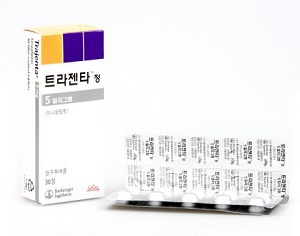
- As one year has passed since the entry of generic versions of the DPP-4 inhibitor diabetes treatment Trajenta (linagliptin), the price ceiling of 11 products that received pricing premiums will be adjusted on the 9th. Three products that entered the market in March following the expiration of the first generic exclusivity period will also have their prices reduced. According to industry sources on the 3rd, the price premiums set for the original linagliptin and 11 generic products will expire on the 9th, as 1 year has passed since the entry of its generics. The original Trajenta Tab (Boehringer Ingelheim Korea), which had been adjusted to 70% of the highest price due to the entry of generics, will be reduced from KRW 525 to KRW 402. Additionally, Hanmi Pharmaceutical's “Linaglo Duo Tab,” DongKoo Bio&Pharma’s “Linatop Tab 5mg,” and Daewon Pharmaceutical's “Tralitin Tab,” which received drug pricing premiums as products from innovative pharmaceutical companies, will also be adjusted from KRW 510 to KRW 402. Furthermore, the following products, which met all the 3 criteria and have received the first generic exclusivity premium, will have their price ceiling reduced from KRW 447 to KRW 402: Kukje Pharma’s ‘Tradi-M Tab 5mg,' Kyung Dong Pharma’s ‘Litagin Tab,’ Sinil Pharm’s ‘Tragliptin Tab,' Huons' ‘Linadipo Tab 5mg,' Jeil Pharmaceuticals 'Linatin Tab,,' Aprogen Biologics’ 'Linahana Tab,' and Genuone Science's ‘Tra-K Tab.' The first 15 Trajenta generics were listed for reimbursement on June 9 last year after successfully challenging the original drug’s patent and the expiry of the original drug’s remaining patents. At that time, 61 generic items were approved, but 15 items obtained the first generic exclusivity through successful patent challenges and initial approval applications, so the remaining items were listed for reimbursement at the time. And on March 8, after the 9-month first generic exclusivity period ended, 12 companies, including Hanmi Pharmaceutical, were able to enter the market. The list of products whose premium pricing has ended includes three products, including Hanmi Pharmaceutical's ‘Linaglo Tab,’ which was listed in March. Due to the patent issue, the market entry of the three drugs was delayed, so the premium pricing benefit for the drugs ended after only three months. Pharmaceutical companies whose premium pricing has ended are currently notifying their business partners of the price changes. This is a measure to minimize confusion during billing and return processing. Trajenta generics have been gradually increasing their market share upon their launch. According to UBIST, the outpatient prescription sales of generic versions of Trajenta (including Trajenta Duo) reached KRW 3.1 billion in the first quarter, accounting for 13% of the total linagliptin market. Starting this month, with the expiration of the pricing premiums, the original and generic versions will be priced identically, intensifying market competition. It remains to be seen whether the original product, now with improved price competitiveness, will mount a counterattack against the generics.
- Policy
- Unveiling pledges of 2021 presidential election candidates
- by Lee, Jeong-Hwan May 30, 2025 05:58am
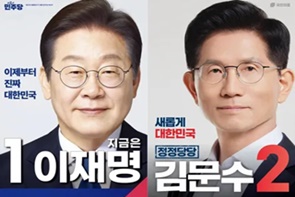
- Lee Jae-myung (Candidate No.1), the presidential candidate of the Democratic Party of Korea, and Kim Moon-soo (Candidate No.2), the presidential candidate of the People Power PartyAhead of South Korea's 21st presidential election, two candidates from main political parties have unveiled their key election pledges in the areas of public healthcare·biopharma·national healthcare insurance. Lee Jae-myung (Candidate No.1), the presidential candidate of the Democratic Party of Korea, and Kim Moon-soo (Candidate No.2), the presidential candidate of the People Power Party, have promise success of medical reform, focusing on strengthening regional and essential healthcare, amid ongoing dispute between medical community and the government. They have also proposed pledges to resolve drug shortage issues. However, their detailed pledges slightly differed. They have proposed similar but slightly differing pledges in strengthening the areas of the biopharma industry and the national health insurance finances and coverage. Given the nature of the healthcare and biopharma industries, it is difficult for dramatically different policy directions to emerge. Furthermore, with the presidential impeachment leading to a rapid entry into an early presidential election, it is assessed that the two major parties had insufficient time to design pledges with significant distinctions. The following is a closer look at the pledges of candidate Lee Jae-myung and candidate Kim Moon-soo, as of May 28, on the healthcare, pharmaceutical industry, and national health insurance Healthcare Reform, Drawing a Line from the Yoon Suk Yeol Administration Since declaring their presidential candidacies, both candidates have repeatedly expressed that they will not repeat the policy failures of the Yoon Suk Yeol administration, which led to the collective resignations of medical residents and mass leaves of absence by medical students due to the forceful implementation of the 2,000-person increase in medical school admissions quota. Accordingly, they proposed ways to prevent a repeat of medical-government conflicts. These include candidate Lee Jae-myung's proposal for a new 'National-Centered Medical Reform Deliberation Committee' and candidate Kim Moon-soo's proposal for a new 'Presidential Committee for Future Healthcare with Medical Student Participation.' Effectively, the commonality between the two candidates is the establishment of a new public-private collaborative national body to develop a blueprint for healthcare reform, including the policy to increase medical school quota. However, the difference lies in the Democratic Party's emphasis on 'people' and the People Power Party's detailed focus on 'medical students.' Depending on the presidential election results, the new body is expected to determine a detailed plan for healthcare reform in Korea. Highlighting notable pledges, Candidate Lee proposed strengthening interprofessional cooperation among healthcare professionals and establishing a primary care system centered on regular clinics-pharmacies. Candidate Kim, on the other hand, announced the enactment of laws to foster essential medical care and resolve regional healthcare disparities, along with a pilot project for primary care innovation. Candidate Lee's pledge to strengthen interprofessional cooperation among healthcare professionals appears to indicate a commitment to legal and policy efforts to resolve disputes over licensing rights and conflicts in scopes of practice among various healthcare professions, such as doctors, traditional Korean medicine practitioners, pharmacists, and nurses. The pledge to establish a local primary care system centered on regular clinics- pharmacies is likely to lead to the revitalization of the primary care ecosystem and local pharmacies, aiming to normalize the disrupted healthcare delivery system. Candidate Kim chose to resolve disparities in essential and regional medical care through legislation. The specific legislative framework has not been disclosed. The 'Primary Care Innovation Pilot Project' is a policy that the Ministry of Health and Welfare (MOHW) has announced as part of its healthcare reform initiatives. It reflects a commitment to fostering primary care that focuses on the prevention, management, and treatment of chronic diseases, such as diabetes, hypertension, and hyperlipidemia. Solving Drug Shortages, National Management from Raw Materials to Distribution Regarding solving the unstable supply of pharmaceuticals, both candidates' pledges generally aim to strengthen government intervention and support, from the manufacturing of active pharmaceutical ingredients (APIs) to their distribution and management, which are the primary causes of drug shortages. Similarities between the two candidates include support for production facilities and the expanded stockpiling of essential·discontinuation-prevention drugs, along with incentives for finished drugs using domestic raw materials (Candidate Lee) and support for the automation of essential drug production and manufacturing facilities, as well as the expansion of national stockpile drug items and quantities (Candidate Kim). However, Candidate Lee made a somewhat unconventional pledge to selectively allow generic name prescribing limited to drugs experiencing recurring supply instability. This is interpreted as a plan to create administrative and legal grounds for designating frequently short-supplied drugs and allowing generic name prescribing based on the experience of acetaminophen shortages during the COVID-19 pandemic. However, since generic name prescribing is an issue of licensing conflict with doctors opposing and pharmacists supporting it if Candidate Lee is elected, seeking ways to minimize conflict will likely be necessary. Candidate Kim's pledges did not include addressing drug shortages through the use of generic names. Kim stated a policy to manage patient inconvenience with drug shortages by establishing a public electronic prescription system. Biopharma Industry Pledges, Converging on Advanced Drug Pricing Systems Both Candidate Lee and Candidate Kim proposed various pledges to foster the biopharma industry, ultimately converging on establishing policies to improve the current drug pricing system or expanding drug price incentives to encourage new drug development. Candidate Lee plans to enhance benefits by improving the innovative pharmaceutical company certification system and increasing opportunities for pharmaceutical companies to contribute to society. Notably, Candidate Lee's pledge also includes the 'establishment of a new drug R&D investment-linked drug price compensation system,' which would provide drug price incentives proportional to a pharmaceutical company's investment in new drug research and development (R&D). Candidate Kim also promised government support, including improving the R&D innovative new drug price compensation system, establishing a new drug development incentive system, setting up a drug pricing system that reflects the value of innovative new drugs, and strengthening incentives for essential pediatric and geriatric drugs. A distinguishing point between Candidate Lee and Candidate Kim is Kim's proposals for promoting various drug reimbursement models, such as implementing a high-priced drug pre-listing·post-evaluation system, creating a separate fund for severe·rare disease drugs, and utilizing multi-year·multi-indication contracts and indication-specific drug pricing systems. These pledges are evaluated as being able to significantly lower the barrier to national health insurance reimbursement for new drugs for rare and intractable diseases, which are expensive and have limited patient accessibility. Non-face-to-face treatment, Differences in Perspectives on Healthcare and Industry Promotion Both Candidate Lee and Candidate Kim pledged to formalize the pilot project for non-face-to-face treatment. Both candidates share a vision of establishing a non-face-to-face treatment model that combines safety and efficacy while also prohibiting dedicated medical institutions and implementing management·regulatory mechanisms for intermediary platforms. However, a closer examination of the detailed content reveals some differences. Candidate Lee placed more emphasis on institutionalizing non-face-to-face treatment as a means to supplement the healthcare system. At the same time, Candidate Kim expressed an intention to leverage the institutionalization of non-face-to-face treatment also to benefit the promotion of the digital healthcare industry. Specifically, Candidate Lee plans to legalize non-face-to-face treatment as a supplementary means to in-person consultations and halt indiscriminate non-face-to-face treatment pilot projects. Candidate Lee stated that he would establish rational scopes and standards for non-face-to-face treatment and prevent prescription forgery, alteration, or misuse by introducing a public electronic prescription system. Candidate Kim promised to enhance healthcare accessibility for patients residing in medically underserved areas like rural regions, elderly individuals with mobility issues, and chronic disease patients through non-face-to-face treatment while simultaneously targeting the cultivation of digital healthcare companies by easing R&D support and regulations. Notably, he also announced plans to promote the delivery of prescription drugs via non-face-to-face treatment for patients residing in medically underserved areas. Healthcare professionals and those in the biopharma industry state that it is challenging to predict future-specific policy models based solely on the pledges of the two-party candidates. However, based on the reflection of their respective policy proposals, they express their intent to proceed with the concretization of detailed policies after the new president is elected. A pharmaceutical industry official said, "The new drug R&D ratio-drug pricing linkage system requested by domestic pharmaceutical companies and the diversification of the rapid national health insurance reimbursement system for high-priced drugs, requested by multinational pharmaceutical companies, are proposed by both candidates' pledges." He added, "Healthcare and biopharma pledges inherently find it difficult to have entirely different directions depending on the political party. Detailed policies will emerge during public-private consultations after the presidential election results are announced."
- Policy
- Novo Nordisk applies for Wegovy’s use in adolescents
- by Lee, Hye-Kyung May 30, 2025 05:58am
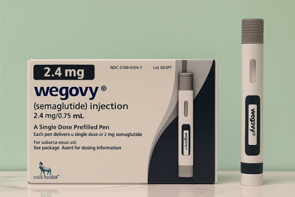
- With Novo Nordisk Korea applying for approval of Wegovy’s use in adolescents aged 12 and older, the Ministry of Food and Drug Safety is planning strengthened measures to prevent its misuse and abuse. Wegovy is a glucagon-like peptide-1 (GLP-1) class obesity treatment that was launched in Korea in October last year. The drug has surpassed KRW 100 billion in cumulative sales since. According to industry sources on the 28th, Wegovy is currently only available for prescription to adults with a body mass index (BMI) of 30 kg/m² or higher in Korea. However, the US Food and Drug Administration (FDA) has approved Wegovy for use in adolescents aged 12 and older, and the European Medicines Agency (EMA) has also approved its use in obese adolescents aged 12 and older. In line with the global trend, efforts to expand the indication for adolescent use have begun in Korea as well. Joon-Soo Shin, director of the MFDS’s Biopharmaceuticals and Herbal Medicines Bureau, said, “There is growing interest in the domestic obesity treatment market. Not only Wegovy but also other drugs such as Mounjaro, which is scheduled to be released soon, are stirring up a craze.” Shin added, “When Wegovy was first launched, the government could not help but be concerned about its misuse or abuse. While it is impossible to completely prevent such issues, we conducted intensive monitoring for one month after launch to prevent exaggerated online advertising and illegal distribution before things escalated.” As a result, 359 posts violating the Pharmacy Affairs Act by illegally facilitating sales or advertising were identified, with 57 cases (16%) involving Wegovy. Shin added, “Recently, there have been requests for approval to administer Wegovy to adolescents, but unlike other countries, Korea has stricter criteria. We are paying close attention to ensure that the adolescent indication also meets our standards and do not allow their indiscriminate use of obesity treatments.” Director Shin added, “Some countries have lower BMI standards than Korea and are already allowing the use of obesity drugs in adolescents. If the scope of obesity drug use is expanded to include adolescents in Korea, we will need to strengthen checks for misuse, as we did when Wegovy was first released.” The MFDS also plans to continue its public awareness campaign to reduce the misuse of obesity drugs. This is to prevent the indiscriminate use of obesity treatment drugs among those who are not aware of misuse and to prevent misuse and abuse of obesity treatment drugs. Shin explained, “We are focusing our efforts on promoting the prevention of misuse and abuse of obesity treatment drugs rather than distributing any product-related materials. We regularly distribute pamphlets and educational materials separately for professionals and patients.” Meanwhile, according to the pharmaceutical research institution IQVIA, Wegovy’s sales reached KRW 79.4 billion in the first quarter. Wegovy accounted for 73.2% of sales in the overall obesity drug market.

- Policy
- Partial reimb for anticancer drug combos to be postponed
- by Lee, Tak-Sun May 30, 2025 05:57am
- The announcement of drugs eligible for partial reimbursement as anticancer drug combination therapy, which is currently in effect as of this month, is expected to be delayed until after June 1. Initially, the Health Insurance Review and Assessment Service's Cancer Disease Deliberation Committee (CDDC) which convened on the 14th, planned to announce 35 combination therapies on June 1, but due to delays in internal government discussions, the commitment could not be fulfilled. As of the 28th, HIRA had not conducted the “public opinion survey on the revised draft of the announcement on drugs prescribed and administered to cancer patients” that contained the partial reimbursement for anticancer drug combination therapies. With only three days remaining until June 1, and considering the usual opinion survey period, it is practically impossible to announce the list by June 1. The opinion survey period typically lasts around seven days, and even if the timeline is shortened, the prevailing view is that a June 1 announcement is unlikely. As a result, confusion in the field is unavoidable for the time being. Earlier, the MOHW established partial reimbursement for anticancer drug combination therapies by revising the “Details on the Application Standards and Methods for Medical Care Benefits (Drugs)” starting this month. Although this falls within the scope of the MFDS's approval, the MOHW intends to apply the existing coinsurance payment for existing anticancer therapies in cases where such anticancer therapies are reimbursed and used in combination with other anticancer drugs that are not included in the reimbursement standards. However, confusion arose in the medical field as it was unclear which drugs were eligible for reimbursement. This was because the MOHW did not provide detailed information on which drugs were eligible when it announced the revision. In response, HIRA hastily opened a CDDC meeting and decided to announce the 35 cases eligible for partial reimbursement as of June 1. At the time, HIRA stated, “In order to reduce confusion in practice and ensure predictability in the application of the detailed notification on existing reimbursed anticancer therapies used in combination with other anticancer drugs, we discussed the list of combination therapies, taking into consideration each indication and the opinions of academic societies. We decided to announce the list as soon as possible, to implement it on June 1.” “We also plan to review other combination therapy options that academic societies apply for after deliberation by the Cancer Disease Deliberation Committee.” However, it is now unlikely that the June 1 announcement committeemen will be kept. The MOHW has been showing a cautious stance, explaining that HIRA's partial reimbursement announcement was working against the original intent of the revision and included elements that would rather limit reimbursement. As a result, internal discussions have been prolonged, and it is believed that HIRA was unable to seek opinions on the revised announcement in time. However, HIRA has confirmed that it believes the announcement of the drugs eligible for partial reimbursement is necessary to reduce confusion in the field. Therefore, even if the announcement is delayed, it is expected that HIRA will seek opinions on the revised announcement soon.
