
- LOGIN
- MemberShip
- 2026-05-01 13:10:17

- Policy
- Lee pledges ‘generic prescribing for essential medicines'
- by Lee, Jeong-Hwan May 29, 2025 05:51am
- The Democratic Party of Korea’s presidential candidate Jae-Myung Lee (No. 1) pledged to introduce a limited implementation of the generic (ingredient-based) prescription system for essential medicines with unstable supply. The pledge also included plans to institutionalize telemedicine (non-face-to-face treatment) and establish a public electronic prescription transmission system to enhance patient safety and convenience. Also, plans to establish a neighborhood-based primary healthcare system centered on the patients’ regular clinics and pharmacies, and strengthen interprofessional collaboration among healthcare professionals, and secure adequate personnel were included. To resolve the instability in the supply of essential medicines, the candidate promised to establish a public consignment manufacturing and distribution system. To lay the groundwork for this, the candidate plans to expand support for the production and stockpiling of essential and shortage prevention medicines, actively support the development of technologies for the localization and self-sufficiency of essential raw materials and vaccines, and expand incentives for finished drugs using domestically produced raw materials. Lee also revealed his intention to establish a system linking new drug R&D investment ratios with drug price compensation systems and to strengthen the social responsibility of pharmaceutical companies by improving the Korea Innovative Pharmaceutical Company certification system. Lee issued the Democratic Party of Korea’s Central Policy Pledge Book on the 28th and announced that he would “strengthen national investment and responsibility in the pharmaceutical and biotechnology industry and establish a stable supply system for essential medicines.” Will address drug shortages through ingredient name-based prescriptions... establish a public electronic prescription system The most notable part was the pledge to introduce ingredient name-based generic prescriptions for essential medicines to address the problem of unstable supply. In addition, Lee announced plans to promote substitute prescriptions to resolve drug shortages and establish a public manufacturing and distribution system to stabilize the supply of essential drugs. At the same time, the candidate promised expanded support and stockpiling for manufacturing facilities of essential and drug shortage prevention medications, and active support for the development of domestic manufacturing and self-sufficiency technologies for essential raw materials and vaccines. Incentives for finished drugs using domestically produced raw materials will also be expanded. Telemedicine will also be institutionalized with consideration for medical quality and safety. The plan aims to establish a legal basis for telemedicine as a complementary means to face-to-face medical care and halt indiscriminate pilot projects. Lee will ensure medical quality and safety by setting reasonable scope and standards for telemedicine, while announcing plans to prohibit dedicated medical institutions and strengthen the management system for platform operators. The construction and utilization of a public electronic prescription transmission system are also included in the policy pledge. The plan is to establish a public electronic prescription system to ensure patient safety and prevent prescription forgery and misuse. Patient safety will be strengthened by preventing prescription information input errors in advance. Introduction of a drug price linkage system for new drug R&D…Improvement of the Korea Innovative Pharmaceutical Company certification system For the pharmaceutical and biotechnology industry, Lee included the establishment of a support system for innovative pharmaceutical companies and the strengthening of social responsibility for pharmaceutical companies. Lee also pledged to establish a drug price compensation system linked to R&D investment ratios, whereby pharmaceutical companies that invest more in new drug R&D will be rewarded with higher drug prices. Also, the pledge included a proposal to improve the certification system for Korea Innovative Pharmaceutical Companies, taking into account continuous investment and innovation, and encouraging pharmaceutical companies to expand their social contributions and diversify their contribution methods. Notable proposals for expanding national investment and reforming the compensation system to foster a pharmaceutical and biotechnology powerhouse included strengthening the strategic R&D investment system and the performance-based public return support system, establishing an investment ecosystem such as a bio-specialized fund, and concentrating efforts to cultivate specialized human resources. To encourage R&D investment, Lee pledged to integrate drug price management reforms to ensure predictability and create an ecosystem that integrates new technologies such as AI and big data for global new drug development. To improve the accessibility and innovation of medicines, Lee will promote the expansion of risk-sharing agreements (RSA) and, as part of its commitment to preparing for the next pandemic, expand support for research and development of next-generation vaccine platforms such as mRNA and synthetic antigen technology. The candidate will establish a governance framework for responding to the next pandemic, advance the infectious disease response system, expand joint research on infectious diseases, and strengthen international cooperation in responding to public health crises. Additionally, he pledged to support sustainable and appropriate ODA cooperation in the health sector commensurate with the nation's standing.

- Policy
- Lee ‘promises support for essential medicine companies’
- by Kang, Shin-Kook May 29, 2025 05:50am
- Jae-Myung Lee, presidential candidate for the Democratic Party of Korea, promised to support pharmaceutical companies producing essential medicines. On the 28th, Lee posted on his social media, “The state will take responsibility for supporting the supply of essential medicines. Over the past 5 years, the supply of over 100 essential medicines has been discontinued due to poor sales and deteriorating profitability. If essential medicines are not supplied on time, the damage will ultimately fall on the people.” He also stated, “We will expand the emergency introduction of essential medicines through the Korea Orphan & Essential Drug Center and push for support for domestic pharmaceutical companies.” Additionally, Lee noted, “Last year, there were 370,000 patients with rare diseases and 750,000 patients with severe and intractable diseases. This represents a 27.4% increase over the past 5 years.” He emphasized, “For these patients, what’s even harder to bear than the disease itself is that there is either no treatment available or the existing one is too expensive to afford?” He added, “The state must stand close to the pain of its people. We will ensure that patients with rare and intractable diseases are diagnosed early and receive timely treatment. We will strengthen the medical safety net with broader and thicker coverage.” The candidate promised to reduce the burden of medical expenses for patients with rare and intractable diseases. Currently, the out-of-pocket maximum system reimburses medical expenses exceeding a certain annual threshold, but this remains a significant burden for patients and their families who must pay large sums upfront. The candidate emphasized, “We will gradually reduce the out-of-pocket coinsurance rate under the health insurance special calculation system for rare and severe intractable diseases from the current 10%. We will alleviate concerns about treatment costs.” He also stated, “We will expand health insurance coverage for treatments for severe and rare intractable diseases. Currently, only about half of rare drugs are covered by health insurance. We will expand coverage to improve access to treatment and reduce the economic burden.” Additionally, he declared, “The primary responsibility of the state is to protect the lives of its citizens. We will build a country that does not give up on rare diseases or turn away from intractable diseases.”

- Policy
- 'Cabometyx' for ncRCC, failed to nego for expanded reimb
- by Lee, Tak-Sun May 28, 2025 05:57am
- Product photo of Cabometyx The anticancer drug Cabometyx tab (cabozantinib, Ipsen Korea), a treatment of kidney cancer, did not pass the expanded reimbursement during negotiations with the National Health Insurance Service (NHIS). Cabometyx tab gatherered attention following reimbursement for the first-line treatment of patients with non-clear renal cell carcinoma (ncRCC), which account for 10-15% of all kidney cancer. However, it will take more time due to the current failed negotiation. On May 26, the National Health Insurance Service (NHIS) announced on its website that 'Cabometyx' had failed to negotiate. This drug was determined to have appropriateness for expanded reimbursement by the Drug Reimbursement Evaluation Committee (DREC) of the Health Insurance Review & Assessment Service (HIRA) in February, provided that the company accepted a price below the evaluated amount. After that, the pharmaceutical company accepted a price below the evaluated amount, and drug price negotiations withthe NHIS have been ongoing since March. Cabometyx was initially listed for reimbursement in February 2019 as a monotherapy for patients with advanced renal cell carcinoma who had previously received VEGF-targeted therapy. As of March 2022, it was reimbursable in combination therapy with the immuno-oncology drug nivolumab (Opdivo) in patients with advanced renal cell carcinoma. The company continued to push for further expanded reimbursement. In August of last year, the Cancer Disease Review Committee (CDRC) reviewed its use as a 'monotherapy in patients with locally advanced or metastatic differentiated thyroid cancer (DTC) who have previously received VEGF-targeted therapy or whose disease has progressed during treatment, and who are ineligible for or refractory to radioactive iodine therapy (RAI)' and 'first-line monotherapy in patients with non-clear cell renal cell carcinoma.' However, reimbursement criteria were not established at that time. However, in February of this year, DREC approved the ncRCC indication. Clear cell renal cell carcinoma (ccRCC) accounts for 80-85% of kidney cancers, with the remaining 10-15% being ncRCC. Despite ncRCC having a poorer treatment response compared to clear cell, there are currently few drugs covered for reimbursement. However, Cabometyx has emerged as a targeted therapy, gaining attention as a next-generation treatment option. The problem is the lack of reimbursement. With the breakdown of these negotiations, it is expected to take more time for Cabometyx to obtain reimbursement for ncRCC. Meanwhile, the NHIS announced that it is in negotiations with Novartis for 'Leqvio pre-filled syringe.' This drug, intended for the treatment of primary hypercholesterolemia or mixed dyslipidemia, passed the DREC in April.
- Policy
- Expanded reimb for Jardiance's CKD indication imminent
- by Lee, Tak-Sun May 27, 2025 06:19am
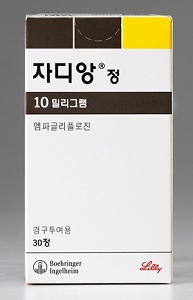
- Jardiance Tab It is to be watched whether the SGLT-2 inhibitor Jardiance (empagliflozin, Boehringer Ingelheim) will be approved for expanded reimbursement to include chronic kidney disease (CKD) indication, in addition to diabetes and chronic heart failure indications. The evaluation by the Health Insurance Review & Assessment Service (HIRA) is expected to be nearing end following the reimbursement expansion filed in the first half of last year. According to industry sources on May 26, HIRA is reportedly reviewing expanded usage scope and pre-drug price reduction system for Jardiance's CKD indication. The pre-drug price reduction system for expanded usage scope drugs is designed to quickly enhance patient access to treatment by omitting the cost-effectiveness evaluation and applying a pre-reduction rate table, with a maximum 5% reduction in the ceiling cap, considering the estimated additional claim amounts due to the expanded reimbursement criteria. Once the pharmaceutical company submits financial impact analysis data and HIRA determines the pre-reduction rate through practical review, the Drug Reimbursement Evaluation Committee (DREC) will deliberate. If the pharmaceutical company accepts the deliberation results, the revised reimbursement criteria notification is completed after negotiation with the National Health Insurance Service (NHIS). The company applied to HIRA for reimbursement expansion for Jardiance's CKD indication in the first half of last year. Jardiance was the first SGLT-2 inhibitor to file. The approved indications for Jardiance 10mg tablets are: 1. Type 2 diabetes mellitus, 2. chronic heart failure, and 3. chronic kidney disease. Jardiance Tab, which were listed for reimbursement as a diabetes treatment in 2017, have also been reimbursed for chronic heart failure since February 2024. Since January, the reimbursement criteria have been expanded, allowing patients with heart failure with preserved ejection fraction (HFpEF) who have symptoms and signs of heart failure and a left ventricular ejection fraction exceeding 40% to receive national health insurance benefits. Currently, the only SGLT-2 drugs covered for diabetes and chronic heart failure patients, besides Jardiance, are Forxiga (dapagliflozin) and HK inno.N's DapaN Tab, which transferred Forxiga's indications. However, there is currently no drug reimbursable for CKD. If the reimbursement expansion procedure for Jardiance is completed, it is expected to be the only SGLT-2 drug with CKD reimbursement coverage. The efficacy of Jardiance has been demonstrated through clinical trials, showing a statistically significant 28% relative risk reduction in the progression of kidney disease or cardiovascular death compared to placebo. The competition in the market for SGLT-2 has been intensified due to the expiration of dapagliflozin patent in 2023 and the launch of generic drugs, Jardiance's expanded reimbursement scope to include CKD will give Jardiance a competitive advantage. Generic drugs are expected to launch following Jardiance's substance patent expiration in October. However, Jardiance's heart failure and kidney disease indications are expected to remain protected, so expanded reimbursement is anticipated to minimize the impact of generic entry. The pharmaceutical industry anticipates that the reimbursement expansion for Jardiance's CKD indication will be approved after July or by the end of the year.
- Policy
- Rinvoq reimbursed for active progressive psoriatic arthritis
- by Whang, byung-woo May 27, 2025 06:18am
- Pic of Rinvoq AbbVie Korea's Rinvoq has become the first oral JAK inhibitor to be covered by insurance for psoriatic arthritis in Korea. On the 26th, AbbVie Korea announced that Rinvoq (upadacitinib), a once-daily oral treatment and selective JAK inhibitor, will be reimbursed for the treatment of active and progressive psoriatic arthritis in adults starting June 1, in accordance with the Ministry of Health and Welfare’s official notification. With the reimbursement decision, adult patients with active and progressive psoriatic arthritis who have been treated with two or more types of disease-modifying antirheumatic drugs (DMARDs) for a total of six months or more (at least three months each) but have not responded adequately to treatment or have discontinued treatment due to side effects will now be eligible for Rinvoq’s use with insurance reimbursement. An initial evaluation will be conducted three months after administration of Rinvoq, and if the number of active joints is reduced by 30% or more, insurance coverage will continue, with evaluations conducted every 6 months thereafter. In addition, if treatment with tumor necrosis factor inhibitors, interleukin inhibitors, or phosphodiesterase-4 inhibitors is ineffective or cannot be continued due to side effects, or if medication compliance needs to be improved, insurance reimbursement will be granted even if the patient has switched to Rinvoq. In such cases, a treatment recommendation form for the switch must be attached, and the patient is recommended to maintain the use of the new treatment for at least 6 months after the switch. Seung-Jae Hong, Professor of Rheumatology at Kyung Hee University Hospital said, “Psoriatic arthritis greatly affects the quality of life of patients, but many patients still struggle to find treatment options to reduce disease activity. Rinvoq, which has been approved for insurance reimbursement, has been shown in clinical studies to improve joint symptoms and significantly improve the quality of life of patients by restoring physical function and reducing fatigue.” Professor Hong also noted, “With the convenience of once-daily oral administration, we anticipate that this treatment to become a practical and useful option in practice.”, This insurance reimbursement was approved based on Rinvoq’s efficacy and safety confirmed in SELECT-PsA 1 and SELECT-PsA 2, which are phase III, multicenter, randomized, double-blind, placebo-controlled clinical studies in patients with moderate-to-severe adult active and progressive psoriatic arthritis. SELECT-PsA 1 included patients who had an inadequate response to or were unable to tolerate one or more non-biologic disease-modifying antirheumatic drugs (DMARDs), while SELECT-PsA 2 included patients who had an inadequate response to or were unable to tolerate one or more biologic disease-modifying antirheumatic drugs.

- Policy
- Moderate-risk trial granted for 'Amtagvi' for melanoma
- by Lee, Jeong-Hwan May 26, 2025 05:56am
- The government has approved a moderate-risk clinical study to treat refractory melanoma patients using the T-cell therapy, Amtagvi. The government also approved a high-risk clinical study that administer multi-virus antigen-specific immune T-cells to pediatric and adolescent patients with resistant·refractory multi-virus infections who underwent allogeneic hematopoietic stem cell transplantation. On May 23, the Ministry of Health and Welfare (MOHW) announced these decisions as part of the resolution results of the 5th Advanced Regenerative Medical and Advanced Biopharmaceutical Review Committee. The Committee reviewed a total of four clinical study plans (two high-risk, two moderate-risk) from institutions, including Catholic University of Korea Seoul St. Mary's Hospital and Samsung Medical Center. Of these, two were approved, and two were deemed unsuitable. Approval of 'Amtagvi' clinical study for melanoma patients The approved project is a moderate-risk clinical study to evaluate the safety and efficacy of tumor-infiltrating lymphocytes (TIL) derived from the patient's own body, in refractory (intractable) melanoma patients who have failed immune checkpoint inhibitor therapy. Melanoma is a malignant tumor originating from melanin cells in the skin. Although it accounts for 1-4% of skin cancers, it has the highest mortality rate. Tumor-infiltrating lymphocytes (TIL) are lymphocytes present in the tumor microenvironment that recognize and destroy tumor cells. They have a high potential to overcome tumor heterogeneity and tumor cell immune evasion, leading to tumor cell death. The TIL therapy 'Amtagvi' is the world's first approved T-cell therapy for solid tumors. Clinical trials of TIL therapy are currently underway for various solid tumors both domestically and internationally. This study aims to evaluate safety by confirming adverse reactions and to assess efficacy by checking objective response rates and progression-free survival, following the administration of TILs manufactured using a domestically developed method. This is to provide a new treatment option using TIL for domestic melanoma patients who have failed most existing treatments. Approved for T-cell therapy in multi-virus infected patients The study was a high-risk clinical study that involved administering multi-virus antigen-specific immune T-cells (VST) to pediatric and adolescent patients who have undergone allogeneic hematopoietic stem cell transplantation and show resistance· refractoriness to standard treatment for multi-virus infections or related infectious diseases. Graft-versus-host disease (GVHD), which primarily occurs during allogeneic hematopoietic stem cell transplantation, is a major severe complication where donor immune cells attack the patient's tissues. To manage this, strong immunosuppressants are used, and as a side effect, the patient's overall immunity is weakened, making them susceptible to infections. This leads to the reactivation of latent viruses within the patient's body, causing infections. Existing antiviral drugs find it difficult to suppress multiple viruses simultaneously, can lead to resistance with long-term use, and have high kidney·liver toxicity. This study aims to simultaneously suppress multiple viruses using VSTs and prevent long-term recurrence through immune memory. The director of the Minister of Food and Drug Safety (MFDS) informed the committee that the research data submitted by the researchers were valid through a rapid and combined review of the high-risk clinical study. Following the procedure, regenerative clinics will conduct the clinical study after receiving approval notification from the MFDS. Kim Woo-ki, Secretary-General of the Advanced Regenerative Medical and Advanced Biopharmaceutical Review Committee, explained, "Based on a re-deliberation decision regarding clinical study plans that required adjustments, the committee granted final approval so researchers can submit supplements."
- Policy
- Amgen’s SCLC drug tarlatamab soon to be approved in KOR
- by Lee, Hye-Kyung May 26, 2025 05:55am
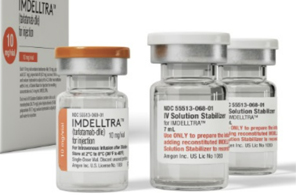
- The approval of Amgen's new drug for small cell lung cancer, tarlatamab (U.S. brand name Imdelltra), is imminent in Korea. According to industry sources on the 23rd, the Ministry of Food and Drug Safety has completed its safety and efficacy review for tarlatamab. The MFDS's completion of the review means a new drug approval will follow soon. Tarlatamab was designated as a “GIFT” item by the MFDS in January last year and underwent a fast-track review upon the submission of the new drug application. In the United States, the FDA designated tarlatamab as breakthrough therapy in October 2023 and granted accelerated approval on May 16, 2024, for the treatment of adult patients with extensive-stage small cell lung cancer (ES-SCLC) whose disease has progressed during or after platinum-based chemotherapy. Tarlatamab is a bispecific antibody that recognizes antigens in both tumor cells and T cells (immune cells). This allows for the drug to induce T cells to attack tumor cells even when the tumor cells try to avoid them. This drug demonstrated efficacy in the Phase II DeLLphi-301 trial. The trial evaluated the efficacy of tarlatamab in patients with SCLC who had failed two or more prior lines of treatment. The patients that enrolled in the trial received tarlatamab 10 mg every two weeks. The team recruited and randomized 220 patients who had failed first-line treatment for small cell lung cancer at 56 centers in 17 countries around the world, to find a new treatment strategy that would maximize the effectiveness of tarlatamab, which is currently under development while maintaining patient safety. Results showed that the group of subjects who received tarlatamab 100 mg every 2 weeks achieved an objective response rate of 40%, with a median response duration of 9.7 months. The median overall survival was 14.3 months. Currently, available treatments for small cell lung cancer in Korea include the immunotherapy drug 'Imfinzi (durvalumab)' and the chemotherapy drug ‘Zepzelca (lurbinectedin).'
- Policy
- Myung In’s Nuvigil first generic listed for reimb in Korea
- by Lee, Tak-Sun May 23, 2025 05:52am
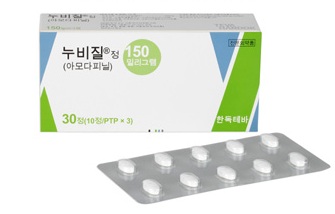
- Myung In Pharm’s first generic version of the narcolepsy drug Nuvigil (amodapine) is expected to be sold in earnest following its reimbursement listing in June. Currently, narcolepsy treatments are primarily composed of two ingredients: modafinil and amodafinil. With Mitsubishi Tanabe Pharma's ' 'Wakix (pitolisant)' recently withdrawing from the Korean market, fierce competition among existing treatments is anticipated. Currently, modafinil and armodafinil are primarily used for the treatment of narcolepsy. With Mitsubishi Tanabe Pharma Korea's recent withdrawal of 'Wakix (pitolisant)' from the Korean market, the competition among existing treatments is expected to intensify further. Amidst this situation, Myung In Pharm lowered the price of its generic product at a price below the calculated price and announced plans for aggressive market entry. According to industry sources on the 22nd, two dosages (150 mg and 250 mg) of its Amonil Tab, the first generic version of Nuvigil, will be listed for reimbursement on June 1. This drug is the first generic version of armodafinil, the active enantiomer of Provigil (modafinil). It works by activating dopamine in the brain to promote wakefulness and is characterized by its improved duration of action compared to the original drug. The original amodafinil drug is Teva-Handok’s Nuvigil. Nuvigil was approved for reimbursement in Korea in June 2018 and is competing with existing modafinil preparations. Last year, the amount of outpatient prescriptions for the drug amounted to KRW 1.1 billion, according to UBIST. Narcolepsy is a neurological disorder characterized by excessive daytime sleepiness, hallucinations when falling asleep or waking up, sleep paralysis, and sleep attacks. It is designated as a rare and intractable disease in Korea due to the low number of patients. The prevalence rate in Korea is estimated to be 0.002–0.18%, and it primarily occurs during adolescence or early adulthood before the age of 30. Due to the small number of patients, there are few medications available. For modafinil, there are two products: JW Pharmaceutical's Provigil Tab 200mg and Hanmi Pharmaceutical's Modanil Tab 200mg. For amodafinil, there are only two brands: Nuvigil Tab and the newly approved Amonil Tab. Even Wakix, a new drug that was approved in 2021 and listed for reimbursement that same year, withdrew from the Korean market last year due to the small number of patients and low drug prices. From the perspective of pharmaceutical companies, the domestic market for narcolepsy treatments is not so attractive. Nevertheless, Myung In Pharm is showing enthusiasm, lowering its drug’s price during reimbursement listing. Amonil 150mg is priced at KRW 1,206 per tablet, which is about 59% of the price of the original Nubizil 150mg at KRW 2,027. The price of Amonil 250mg is also significantly cheaper at KRW 1,766, compared to Nubizil 250mg at KRW 2,968. Amonil Tab is used for excessive daytime sleepiness associated with adult narcolepsy, with a recommended dosage of 150 mg once daily in the morning. The maximum daily dose is 250 mg. Therefore, attention is now focused on whether Myung In Pharm, which has been making notable strides in the central nervous system treatment area, will also establish a strong presence in the narcolepsy treatment market with its first generic version of Nuvigil.

- Policy
- Govt-ind sees consensus on 'AI-based new drug governance'
- by Lee, Jeong-Hwan May 22, 2025 06:09am
- The current administration has promised support and promotion for the establishment of a national governance system for AI-based new drugs, which the domestic pharmaceutical industry has called for the attention of the presidential election candidates. The National Bio Committee, which reports directly to the president, has selected AI-based new drug development as one of the 10 key tasks that the government will focus on for research and development (R&D) in the future. The vision is to discover optimal new drug candidates based on AI and big data, and to fulfill national responsibilities by supporting the entire cycle, including design and validation. On the 20th, the pharmaceutical and biotechnology industry expressed their broad consensus on the needs of the pharmaceutical industry in response to the announcement of the vision of the National Bio Committee. The domestic pharmaceutical industry has repeatedly suggested that the infrastructure for new drug development utilizing AI and big data should be established at the national level. In fact, the Korea Pharmaceutical and Bio-Pharma Manufacturers Association has proposed a policy to establish AI-based drug development governance for each candidate ahead of the June 3 presidential election. The demand is that the government should aggressively provide budget and policy support to utilize AI and big data to revitalize new drug development, which requires astronomical investment and time, and has a significantly low success rate. In particular, global big-tech companies such as Google AlphaFold 3-AlphaProteo, Nvidia BioNeMo, and Microsoft are developing AI super gap technology to be utilized in the whole stage of drug development based on large-scale investments and resources from global pharmaceutical companies. The KPBMA believes that Korea must not fall behind in the AI drug development competition with advanced countries to become a new drug powerhouse. Therefore, it is suggested that the government's full support is needed to create a national data-based open innovation ecosystem, build a big data platform for new drug development, and develop an AI-based intelligent autonomous laboratory optimization model. The next administration should collect national bio R&D public data for each field of drug development and create a new drug development big data platform for pharmaceutical companies’ access. Also, KPBMA’s policy proposal includes securing skilled professionals through an academia-industry collaborative training program for AI-driven drug discovery, as well as carrying out a joint platform project for shared use of AI-bio computing resources. As the National Bio Committee directly agreed with the pharmaceutical industry's policy proposal, there are expectations that the green light has been given for national-level budget and policy support for AI-based drug development even after the presidential election. An industry official said, “All previous administrations have set the goal of fostering the pharmaceutical industry as a future growth driver for the country, including developing new domestic drugs and discovering indigenous blockbusters. The government that will be established after the presidential election should realize that establishing governance for AI drug development is a prerequisite for creating domestic blockbusters, and should provide policy support and budgetary investment at the entire government level.” “The National Bio Committee's selection of developing infrastructure for AI-based drug development as one of the top 10 key R&D tasks has become a cog in the domestic pharmaceutical industry's policy proposals. We expect the new government to recognize that it is difficult for the private sector to create AI and big data drug development platforms, which are costly, and to take active policy and budgetary measures.”
- Policy
- 'AI-enabled stem cell for pediatric epilepsy proves effect'
- by Lee, Hye-Kyung May 21, 2025 06:36am
- A new treatment possibility has opened up for pediatric epilepsy patients who have shown little response to existing treatments. The Korea Health Industry Development Institute (President: Soondo Cha) announced on the 19th that Professor Hoon-Chul Kang’s research team at Yonsei University Severance Children's Hospital has successfully discovered a new drug candidate personalized for patients and experimentally proven its efficacy by utilizing AI-based drug discovery technology and induced pluripotent stem cells (iPSCs) obtained from patients. Pediatric epilepsy is a representative intractable neurological disorder, affecting approximately 250,000 people in Korea, with about 30-40% of patients suffering from drug-resistant epilepsy that does not respond to existing antiepileptic drugs. (from the left) Professor Hoon-Chul Kang and Ji-hoon Kim from Yonsei University and Professor Do Kyun Na from Chung Ang University In particular, pediatric epilepsy patients with rare genetic mutations, such as SCN2A gene mutations, exhibit significant differences in experimental responses by individual patient, rendering it difficult to achieve significant improvements with existing treatments. In addition, the lack of precise disease models and appropriate drug screening technologies has made the development of personalized drugs an urgent necessity. A joint research team led by Professor Hoon-Chul Kang and Ji-hoon Kim from Yonsei University and Professor Do Kyun Na from Chung Ang University addressed this issue by creating induced pluripotent stem cells (iPSCs) from patients' blood cells to develop precision disease models in the same disease environment as actual patients. Also, the team successfully identified new drug candidates, surpassing existing treatments through AI-driven high-throughput compound screening and validation. The research team used the latest gene editing technology to correct the SCN2A mutation to its normal state to reveal that the mutation is the direct cause of epilepsy, and confirmed that seizure symptoms disappeared. Furthermore, based on personalized neural cell models, the team analyzed approximately 1.6 million compounds using AI-based simulations and selected 5 optimal new drug candidates by considering blood-brain barrier permeability, toxicity, and gene binding affinity. Among these, 2 candidates demonstrated approximately 100 times higher efficacy than the existing treatment phenytoin, paving the way for personalized treatment. This study can be evaluated as a case of precision medicine that provides a practical alternative for intractable patients whose symptoms have not improved with existing treatments by combining the genetic characteristics of patients with rare genetic diseases with cell-based models and AI-based new drug discovery techniques. Professor Kang explained, “This study is a case where patient-derived cell-based personalized drug discovery technology for patients with intractable epilepsy demonstrated an effect. We plan to continue expanding our research to develop personalized precision therapies for patients with various genetic mutations, including SCN2A.” Professor Na emphasized, “This study demonstrates the practical applicability of precision medicine technology in the field of rare diseases. We believe that the findings from this study will help establish an innovative treatment strategy that can be applied to patients with various genetic disorders in the future.” This study was conducted with support from the Public Health Technology Research Project promoted by the Ministry of Health and Welfare and the Korea Health Industry Development Institute, and was published in the 2025 issue of Computers in Biology and Medicine, a world-renowned academic journal in the field of medical information.
