
- LOGIN
- MemberShip
- 2026-05-01 23:44:45
- Policy
- How Tevimbra was reimbursed in Korea first
- by Lee, Tak-Sun Mar 24, 2025 05:52am
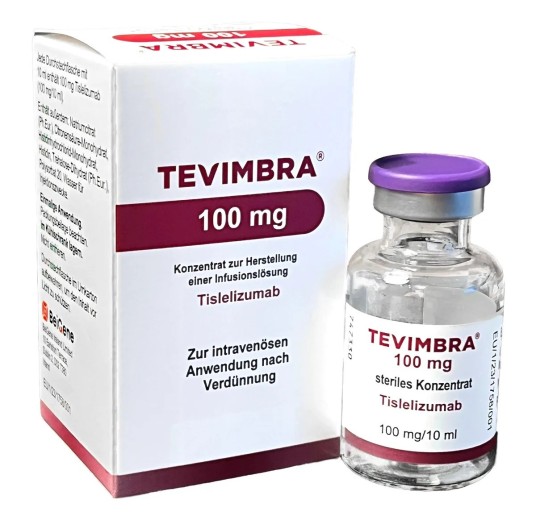
- BeiGene Korea's Tevimbra will be reimbursed in Korea from next month as a second-line treatment for esophageal squamous cell carcinoma, a type of esophageal cancer. It is the first immuno-oncology drug to be covered for esophageal cancer. In particular, the drug is drawing attention as it was covered in South Korea before the A8 countries (the United States, the United Kingdom, Germany, France, Italy, Switzerland, and Japan) known as the government’s reference countries for reimbursement coverage. The reason why the drug received prompt reimbursement in Korea is that the insurance authorities have taken into account Korea’s situation, where the prevalence of esophageal cancer is relatively higher than in other countries, and that the pharmaceutical company, BeiGene Korea, also presented a reasonable drug price. According to industry sources on the 21st, Tevimbra (tislelizumab, BeiGene Korea) will be reimbursed starting next month for unresectable, recurrent, locally advanced, or metastatic esophageal squamous cell carcinoma that has relapsed or progressed during or after previous platinum-based chemotherapy. It is the first PD-1 inhibitor-based immuno-oncology drug to be covered by the National Health Insurance for esophageal cancer. Squamous cell carcinoma accounts for the largest proportion of esophageal cancer, accounting for 91% of esophageal cancer cases. In particular, its prevalence is reportedly higher in East Asia compared to that in North American and European countries. Its prognosis is also poor. Most cases are detected when the disease has progressed to a significant degree, so the survival rate is not high. According to data from the Korea Central Cancer Registry, the 5-year relative survival rate for esophageal cancer from 2017 and 2021 was only 42.8%. Platinum-based chemotherapy is mostly used as the first-line treatment for esophageal cancer, and docetaxel is used as the second-line or later treatment. Compared to existing anticancer drugs, immuno-oncology drugs have shown significant improvements in overall survival but are not widely used because they are not reimbursed by the National Health Insurance. Due to this situation, the health authorities reportedly have given high scores for Tevimbra in terms of its clinical utility. Experts at the Drug Reimbursement Evaluation Committee said, “Compared to the chemotherapy group, Tevimbra showed a significant improvement in overall survival and is safer with a lower risk of side effects than chemotherapy. Currently, there are no immuno-oncology drugs reimbursed for esophageal squamous cell carcinoma in Korea, and due to the many limitations in treatment options, Tevimbra’s introduction is necessary.” Such expert opinions were heavily reflected in the review of the drug's adequacy of reimbursement. “The fact that the number of esophageal cancer patients in Korea is higher than in the US and Europe and that the prognosis is poor was taken into consideration,” said a HIRA official. “It was difficult to assess the drug because it was not listed for reimbursement in the A8 countries and was not mentioned in major reference textbooks, but the review was conducted with a focus on the drug’s clinical aspects.” Of course, there were results from clinical studies that showed significant improvements in overall survival and progression-free survival, but there were relatively few references to textbooks or other such materials. However, there was a clinical practice guideline - the NCCN guidelines in the United States – which recommended the drug as a second-line or higher monotherapy. The company’s proposal of a reasonable drug price was also granted for the drug’s prompt reimbursement. BeiGene Korea was recognized for its cost-effectiveness by submitting the results of a pharmacoeconomic evaluation compared to docetaxel and the results of a cost-utility analysis using RSA plans (refund and expenditure cap type). BeiGene Korea has announced that it will offer a low drug price to ensure the rapid supply of Tebipembrolizumab. It is reported that the drug will be supplied at a 10% discount from existing treatments in the United States. Currently, the only immuno-oncology drugs that are undergoing the reimbursement process for esophageal cancer are Keytruda and Opdivo. They have been approved as first-line treatments, not second-line treatments. However, unlike these drugs, Tevimbra has the advantage of being able to be used regardless of PD-L1 expression. Tevimbra is an anticancer drug developed in China in 2019. The domestic approval was granted in November 2023, and the drug was successfully listed for reimbursement in 1 year and 4 months. Its price is KRW 1,206,000 per bottle, and it is expected to cost about KRW 9.65 million per year. If the 5% co-insurance rate is applied, the annual drug cost for the patients will be reduced to about KRW 480,000, which is a relatively low price for an immuno-oncology drug.
- Policy
- Enhertu’s reimb may be extended to gastric cancer
- by Lee, Tak-Sun Mar 21, 2025 05:59am
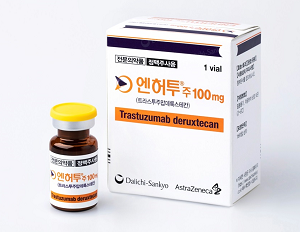
- The number of patients who can use the new antibody-drug conjugate (ADC) anticancer drug ‘Enhertu Inj (trastuzumab deruxtecan, Daiichi Sankyo Korea), which has been reimbursed since April last year, is expected to be expanded to cover eligible gastric cancer patients. This is an expansion in the scope of existing patients eligible for reimbursement. The Health Insurance Review and Assessment Service's Cancer Disease Deliberation Committee voted on the 19th to expand the reimbursement coverage of Enhertu. Enhertu is a next-generation ADC that combines a monoclonal antibody with the same structure as trastuzumab, which binds to a specific target receptor overexpressed on the surface of cancer cells, and a topoisomerase I inhibitor payload with a tumor-selective cleavable linker, which is a novel and highly potent mechanism of action. The drug is expected to have a higher therapeutic effect than existing anticancer drugs. The drug was added for reimbursement in April last year by applying a flexible incremental cost-effectiveness ratio (ICER) threshold, an indicator of economic efficiency. As a result, the patient's burden from annual medication costs was reduced from KRW 80 million to KRW 4 million. At the time, the reimbursement standard for gastric cancer patients was set as locally advanced or metastatic gastric adenocarcinoma or adenocarcinoma of the gastroesophageal junction that satisfies all three conditions. The conditions were: patients who ①failed two or more prior therapies, including trastuzumab (Herceptin) +(fluorouracil or capecitabine)+cisplatin; ②have HER2 overexpression (IHC 3+ or 'IHC 2+ and FISH+ or SISH+’) metastatic gastric adenocarcinoma or gastroesophageal junction adenocarcinoma; and ③have an ECOG performance status (PS) of 0 or 1. This expansion of the reimbursement standard this time will extend the scope of the drugs limited to cisplatin in the first condition to other platinum-based anticancer drugs. As a result, it is expected that not only cisplatin but also patients with gastric cancer who have failed to receive oxaliplatin (original Eloxatin) will be able to receive Enhertu with reimbursement. “Enhertu’s reimbursement expansion agenda extends the conditions limited to cisplatin among platinum-based anticancer drugs in the existing reimbursement standards to other platinum-based anticancer drugs,” said a HIRA official. “This is expected to further expand patient access.” The applications for which the reimbursement standards have been established at this meeting will be reviewed by the Drug Reimbursement Evaluation Committee to determine their reimbursement adequacy.

- Policy
- Public-private meetings on improving drug pricing system
- by Lee, Tak-Sun Mar 20, 2025 06:00am
- Attention has been gathered to recent public-private meetings regarding improving drug pricing system. This month, a public-private discussion session hosted by the Ministry of Health and Welfare (MOHW) and a meeting to discuss the negotiation system for expanded use of scope were held. On March 26, a regular meeting session was attended by three pharmaceutical organizations, including the National Health Insurance Service (NHIS), the Democratic Party of Korea's Future Economic Growth Strategy Committee, the Korean Research-Based Pharma Industry Association (KRPIA), and the Korea Biomedicine Industry Association (KoBIA), is scheduled. The public-private meeting was temporarily discontinued last year and resumed in February. It has been reported that two sessions have been held this year to discuss the agenda for improving the drug pricing system. The public-private meetings are attended by government agencies, such as the MOHW, NHIS, and Health Insurance Review and Assessment Service (HIRA), and three pharmaceutical organizations. As the agenda for 'incentivizing new drugs with innovative values' has been established through the public-private body in 2023, attention has been gathered to the outcome of the discussion on the drug pricing system through the upcoming meeting. The industry is expected to recommend pricing drugs based on specific indications. The organization for the negotiations system for expanded scope of use announced establishing guidelines for priority negotiations this year. Improving the negotiation system for expanded scope of use is based on the research outcome of the research initiated by the NHIS (Professor Euna Han's research team in the College of Pharmacy at Yonsei University) last year. However, the MOHW and the industry have decided to establish negotiation guidelines at this year's meetings rather than bringing improvements to the system itself. The focus of the regular meeting between NHIS-three pharmaceutical organizations on March 26 will be discussing improvements to the negotiations for expanded scope of use and choices of medicines and adjusted criteria based on the draft for 'incentivizing new drugs with innovative values.' The health authority said, "It is a regular meeting attended by pharmaceutical companies every three months," adding, "We plan to develop an agenda for system improvements through continued meetings." Meanwhile, the public-private meeting initiated by the MOHW to improve the system for surveying pharmaceutical prices in the market completed hearing opinions. It has been reported that the MOHW is contemplating on whether to conduct an additional session or write a draft based on gathered views to date. The industry expects the draft to be announced in the first half of the year. The research contains sensitive data, including companies subjected to the survey, so whether it will be reflected in the draft gathers attention.

- Policy
- Drug briefing on Enhertu's NSCLC reimb has been requested
- by Lee, Tak-Sun Mar 19, 2025 06:02am
- Product photo of Enhertu It has been reported that Daiichi Sankyo, which is aiming for Enhertu (trastuzumab deruxtecan)'s expanded reimbursement for HER2-mutant non-small cell lung cancer (NSCLC), will hold a drug briefing session with the Health Insurance Review & Assessment Service (HIRA). In April 2024, Enhertu was added to the reimbursement listing in South Korea as a treatment for HER2-positive metastatic breast cancer and gastric cancer. It has garnered attention as the drug received benefits for exceeding the incremental cost-effectiveness ratio (ICER) value, an index for economic evaluation. According to industry sources on March 17, Daiichi Sankyo recently requested a drug briefing regarding Enhertu's HER2-mutant NSCLC treatment. Enhertu, an antibody-drug conjugate (ADC) jointly developed by Daiichi Sankyo and AstraZeneca, was approved by the U.S. Food and Drug Administration (FDA) in 2019. In December 2024, Daiichi Sankyo applied for insurance reimbursement of the ADC Enhertu's two additional indications. The company had applied for Enhertu's indication to treat ▲Patients with unresectable or metastatic HER2-low (IHC 1+ or IHC 2+/ISH-) breast cancer who have previously undergone systemic therapy in the metastatic setting or relapsed within 6 months of completing adjuvant chemotherapy and hormone receptor-positive (HR+) patients who have received or are unsuitable for endocrine therapy ▲Patients with unresectable or metastatic NSCLC with activated HER2 (ERBB2) mutations who have previously received systemic therapy, including platinum-based chemotherapy. Enhertu was added to the reimbursement listing as a treatment for HER2-positive metastatic breast cancer and gastric cancer in April of last year. The ceiling price of the drug was KRW 1.43 million per vial. The Ministry of Health and Welfare (MOHW) explained that after the reimbursement of Enhertu, "Patients with HER2-positive metastatic breast cancer who spent approximately KRW 83 million annually for administration cost will now only pay KRW 4.17 million with the health insurance coverage." It has been reported that the health authority offered benefits for Enhertu's inclusion in the reimbursement list, considering the ICER value. Enhertu reportedly generated sales of approximately KRW 20 billion last year. Analysis suggests that if the reimbursement is applied to NSCLC with many patients, reimbursement claim amount will increase. As a result, whether the reimbursement will be expanded will depend on pharmaceutical company's share of financial burden. However, expanded reimbursement of Enhertu is expected to provide significant therapeutic benefits for patients, given that Enhertu has demonstrated clear efficacy. Enhertu demonstrated an anti-tumor response for the second-line treatment of HER2-mutant metastatic NSCLC through the DESTINY-Lung02 study. The clinical results demonstrated that Enhertu had Blinded Independent Central Review (BICR)-assessed confirmed ORR of 49%, complete response (CR) of 1%, and partial response (PR) of 48%. Daiichi Sankyo is expected to present these efficacy data to persuade reviewers at the HIRA. The drug briefing session was introduced in 2010 to enhance transparency and objectivity in evaluations by facilitating the mutual exchange of information about new drugs between pharmaceutical companies and evaluators. These sessions are typically held within 1-2 months after a drug evaluation application is submitted. If additional data are requested, the session is scheduled once the supplementary materials are reviewed. Attendees include HIRA personnel and related deputy directors responsible for setting the standards and reimbursement evaluations for new drugs. Daiichi Sankyo previously utilized a drug briefing session during the initial listing of Enhertu, which reportedly positively impacted its reimbursement approval, leading them to apply for another session. "Drug briefing sessions provide accurate drug information and, through two-way communication, allow for sharing any supplemental details, which can help expedite the reimbursement review process," said an industry employee.
- Policy
- Five drugs all pass DREC's reimb review in February
- by Lee, Tak-Sun Mar 17, 2025 05:59am
- All five products, including new drugs and drugs that sought expanded indications, which were reviewed by the Health Insurance Review and Assessment Service's Drug Reimbursement Evaluation Committee in February, have passed review and will be negotiating the drug’s price with the National Health Insurance Service. Drugs that are subject to conditions of acceptance below the evaluated amount are also moving on to the negotiation process and are awaiting reimbursement. According to industry sources on the 14th, the National Health Insurance Service updated its negotiation subjects to include 5 drugs - Trodelvy Inj (sacituzumab govitecan-hziy), Cabometyx Tab (cabozantinib), Ebglyss Autoinjector Inj (lebrikizumab), Adempas Tab (riociguat), and Bimzelx Autoinjector Inj (bimekizumab). These five drugs are new drugs and drugs with expanded indications that were deliberated at the 2nd Drug Reimbursement Evaluation Committee meeting held on February 6. At the DREC meeting, Adempas Tab (for pulmonary arterial hypertension only) and Trodelvy Inj (for triple-negative breast cancer) were recognized as adequate for reimbursement. As such, drug pricing negotiations were expected. However, as new drugs such as Bimzelx (psoriasis) and Ebglyss (atopic dermatitis), and Cabometyx, which has applied for an expansion of its indication to clear cell renal cell carcinoma, will only be deemed adequate for reimbursement when the companies accept an amount below the evaluated amount, their negotiation results were expected to be unclear. This is because these companies must accept the evaluation amount set by DREC or below (less than the weighted average price of the alternative drug) for negotiations to proceed. For products that accept the results of the DREC deliberation, the Ministry of Health and Welfare will issue a negotiation order to proceed with negotiations with the NHIS on drug prices and expected claims amount. Accordingly, the 3 products that received conditional approval from DREC would have accepted DREC’s deliberation results to proceed with the pricing negotiations. In the case of Ebglyss, a drug for atopic dermatitis, it accepted a price below that of competing products such as Dupixent and Adtralza. Bimzelx, a psoriasis treatment, is also expected to cost less than Stelara or Cosentyx. The negotiation period is 60 days. Negotiations are expected to be completed before the Ministry of Health and Welfare's Health Insurance Policy Deliberation Committee (HIPDC) meeting in May, so it is expected that some of the drugs will be reimbursed as early as June 1. All three drugs, Tepmetko Tab and Vocabria Tab+ Vocabria Inj+ Rekambys inj, which passed DREC review in December last year and proceeded with drug price negotiations, have completed negotiations with the NHIS are likely to be reviewed by HIPDC this month.

- Policy
- Mandatory reporting of market supply suspended drugs
- by Lee, Hye-Kyung Mar 13, 2025 05:58am
- The mandatory reporting is being considered to include drug products of suspended production·importation and supply, and 'supply shortage drugs' of which supply has been halted for more than 1 month. The Ministry of Food and Drug Safety (MFDS; Minister, Yu-Kyoung Oh) stated that it would announce on March 11 an administrative notice of revision to the 'Regulation on Notification of Production·Importation·Supply suspended drug products' and will receive opinions until March 31. The regulation concerns the notification criteria for pharmaceutical companies reporting a supply shortage of drug products. The revision details include reducing the time for reporting the discontinuance of production, importation, and supply of drug products from 60 days in advance to 180 days in advance, and it establishes a new duty to report on production and importation shortage. The MFDS has established criteria for production·importation shortage to address the issue of lack of definition of drugs sold out and drugs in supply shortage. Revision (draft) to the According to the MFDS' criteria for reporting drug supply shortages due to reduced production·importation, two types have been set as ▲A decrease in production·import volume to less than half of the three-year annual average over the next one year ▲A decrease in supply or supply suspension, including a temporary halt in production·imports for at least three months or a market supply suspension for more than one month. In the case of supply reduction, if production or imports are expected to decrease to 50% or less of the three-year annual average for the upcoming one year as of the end of each quarter, a report must be submitted to the MFDS within one month of the quarter's end. Suppose production or imports are expected to be suspended for more than three months, and market supply is expected to be halted for over one month. In that case, a supply reduction plan must be established and reported within one month. However, if the temporary suspension of production·imports·supply is extended and meets the reporting criteria, the revised plan must be reported within 10 days of the change. Supply reduction and temporary supply suspension are excluded from reporting requirements in cases where ▲Temporary suspension or reduction of production·import occurs before the designation of a reportable item ▲Temporary suspension or reduction occurs naturally due to decreased market demand, or only specific packaging units are affected without significant disruption to the overall drug supply ▲Manufacturing·import·sales suspensions resulting from administrative sanctions. Additionally, reporting on temporary supply suspensions is exempt ▲If the product has been on the market for less than three years after approval or has been produced·imported two or fewer times in the past three years ▲If the company holds inventory equivalent to its quarterly production or import volume for the past year and faces no difficulty in market supply. Additionally, as previously announced by the MFDS, the revised regulations now require companies to report supply discontinuation 180 days in advance, moving up the reporting timeline from the previous 60 days. For permanent·temporary discontinuation of drug production·import·supply due to reasons such as withdrawal of product approval or contract termination, companies must report at least 180 days before the scheduled discontinuation date. Along with enhanced reporting duty, administrative penalties have also been revised. If a company reports supply discontinuation between 180 days before the discontinuation date and the actual discontinuation date, the first violation will result in a 7-day suspension of manufacturing operations. A second violation will lead to a 15-day suspension, a third violation will result in a 1-month suspension, and a fourth violation will incur a 3-month suspension of manufacturing operations. Failure to report production reduction will also result in penalties. A first violation will result in a warning, a second violation will lead to a 15-day suspension, a third violation will result in a 1-month suspension, and a fourth violation will lead to a 3-month suspension of manufacturing operations.
- Policy
- Shortage of Synagis supply announced…normalized by May
- by Lee, Hye-Kyung Mar 13, 2025 05:57am
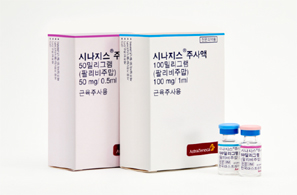
- With a shortage in the supply of Synagis (palivizumab), a preventive antibody for respiratory syncytial virus (RSV), which is a main cause of pneumonia and bronchiolitis in infants and young children, expected in Korea, concern arises on how the lack of supply may hinder disease prevention for children in high-risk groups. On the 11th, AstraZeneca Korea notified the Ministry of Food and Drug Safety of a shortage of Synagis 50 mg and 100 mg through a report on supply discontinuation and shortage of drugs. RSV is the most common cause of lower respiratory tract infections in infants and young children, and infants born prematurely, underweight, or with a history of congenital heart disease or bronchopulmonary dysplasia are classified as high-risk groups for RSV infection. Synagis can be administered monthly for 5 months from October to March, during the RSV epidemics season. The first dose should be administered in September before the RSV season begins and should be administered once a month during the RSV season, which lasts until March. The recommended dose is 15 mg per kg of body weight, and the product is available in vials (injections) of 50 mg and 100 mg. AstraZeneca said, “The number of RVS patients has increased more than in previous years, causing a surge in demand for Synagis 50 and 100 mg. Its supply may be temporarily insufficient, due to the current domestic inventory and planned import amounts.” As the hospitalization rate is decreasing as in previous years this March, the current will be of no major concern for patients who have completed receiving the five doses during this RSV epidemic. However, due to the supply shortage in March and April, there is a concern that the preventive effect may be reduced and increase the number of hospitalizations due to RSV infection for the patient group who were unable to receive all the recommended 5 doses. In particular, there is a high possibility that the drug will not be sufficiently effective in preventing the disease in indicated high-risk children. AstraZeneca said, “We will focus on normalizing supply by coordinating the import and domestic release schedules as soon as possible. The expected date for normalization of supply is May 28, 2025.” Meanwhile, Synagis and Sanofi Pasteur Korea's ‘Beyfortus (nirsevimab)' is available in Korea as a preventive vaccine for RSV, but it has different indications. Synagis was approved for the prevention of severe lower respiratory tract disease requiring hospitalization due to RSV in children at high risk of RSV disease, and Beyfortus is indicated for the prevention of lower respiratory tract disease due to RSV. In the case of Synagis, the drug is being administered to high-risk infants and toddlers who are expected to be at high risk of severe RSV disease, such as premature infants.
- Policy
- New types of risk-sharing agreements added for reimbursement
- by Lee, Tak-Sun Mar 12, 2025 05:57am
- The Health Insurance Review and Assessment Service has established two types of risk-sharing schemes, including initial treatment cost reimbursement (Fixed cost refund at initial treatment) and outcome-based reimbursement, to the detailed criteria for drugs subject to negotiation. This appears to reflect the additional content included in the recent revision of the Ministry of Health and Welfare's 'Criteria for the Determination and Adjustment of Drugs.’ According to the industry sources on the 7th, the Health Insurance Review and Assessment Service established two types of risk-sharing agreements in the 'Detailed Evaluation Standards for Medicines subject to Negotiations, Including New Drugs'. The fixed cost refund at the initial treatment type, which was added this time, is a contract in which the applicant refunds a certain percentage of the cost of the first dose used for each patient to the National Health Insurance Service. In addition, an outcome-based refund is a type of contract in which the applicant refunds a certain percentage of the total amount billed to the National Health Insurance Service if the treatment effect is not achieved after tracking and observing the treatment effect of each patient for a certain period of time. As a result, the types of risk-sharing schemes have increased from 4 to 6, including conditional treatment continuation type, mixed-refund type, expenditure cap type, refund type, and patient-specific usage cap type. The post-management entities for the additional types have also been set. The National Health Insurance Service will be responsible for post-management of the initial treatment cost reimbursement type, and the Health Insurance Review and Assessment Service will be responsible for post-management of the outcome-based reimbursement type. The newly established types were approved by the Drug Reimbursement Evaluation Committee a meeting held in February. Meanwhile, the 2 RSA types were added to the recently revised Ministry of Health and Welfare's “Criteria for the Determination and Adjustment of Drugs.” The National Health Insurance Service eased the criteria last year to omit cost-effectiveness evaluation for drugs under the risk-sharing scheme with additional claims of less than KRW 1.5 billion. In addition, the ICER threshold flexibility assessment requirement for innovative drugs was newly established, and the first beneficiary item was the breast cancer drug ‘Trodelvy’ in February. In addition, in December, the NHIS decided to simplify the evaluation for RSA drugs subject to a third round of evaluations, along with a series of measures to ease the industry burden.
- Policy
- Tadalafil, only concern for abuse in erectile dysfunction
- by Lee, Hye-Kyung Mar 11, 2025 05:54am
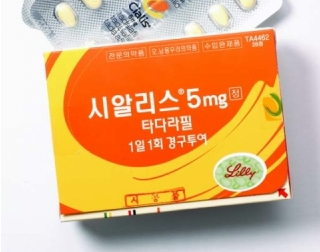
- ’Tadalafil,’ whose indications have been expanded to treat not only erectile dysfunction but also benign prostatic hyperplasia, is expected to partially get rid of the shackles of being a drug with concerns for misuse and abuse. According to the Ministry of Food and Drug Safety's “Partial Amendment to the Regulations on Designation of Drugs of Concern for Misuse and Abuse,” which was announced on the 7th, “tadalafil-containing drugs” that were designated as a drug of concern for misuse and abuse will be revised to “tadalafil-containing drugs for erectile dysfunction.” Tadalafil was designated as a drug of concern for misuse and abuse in 2003 due to concerns over its abuse as a sexual enhancer. In Korea, 3 dosage forms of tadalafil-containing drugs are currently approved (5, 10, and 20 mg) for a total of 187 items, and are indicated for the treatment of erectile dysfunction. However, since 2012, the indication for the low-dose 5 mg has been expanded, breaking the formula that tadalafil is only used for erectile dysfunction. In addition to erectile dysfunction treatment, Lilly Korea has added two indications for Cialis (tadalafil) 5 mg, including ▲benign prostatic hyperplasia and ▲benign prostatic hyperplasia. With the addition of the indications, Cialis 5mg has become a treatment that simultaneously improves the symptoms of erectile dysfunction and benign prostatic hyperplasia, the most common urological diseases in men over the age of 40. Cialis 5mg was the first and only treatment in the world to be approved by the FDA in 2011 for both the treatment of erectile dysfunction and benign prostatic hyperplasia. At the time, Korea was the 5th country to approve the additional indication. Since then, domestic companies have approved a series of generic versions of Cialis 5mg, and there are currently more than 60 low-dose tadalafil products available in the market. In addition, the development of a combination drug containing ingredients such as dapoxetine and tadalafil, following the sildenafil and clomipramine combination, has expanded the treatment options for patients with premature ejaculation and erectile dysfunction. In February, the first combination drug that contains dutasteride and tadalafil, which is used to treat benign prostatic hyperplasia, was approved in Korea. Dongkook Pharmaceutical has received marketing authorization for ‘Uresco Tab,’ an incrementally modified drug for enlarged prostate that contains dutasteride and tadalafil. Benign prostatic hyperplasia is a very common condition where the prostate enlarges with age, causing abnormalities in various urination functions. Drugs that reduce the size of the prostate (finasteride, dutasteride) are used, and various drugs are used in combination to improve symptoms.

- Policy
- Keytruda will be considered for DREC next time
- by Lee, Tak-Sun Mar 11, 2025 05:54am
- Product photo of Keytruda The expanded use of scope application of the immune cancer drug Keytruda, which passed the Cancer Disease Review Committee, is expected to be considered for the Drug Reimbursement Evaluation Committee (DREC) review as soon as April. Previously, the 2nd DREC review for 2025, held on March 6, did not include Keytruda. As Keytruda's DREC review is imminent, the National Health Insurance Service (NHIS) has started to prepare for the next stage. According to industry sources on March 10, the NHIS has initiated a preliminary financial analysis of Keytruda, which is expected to undergo negotiations for an expanded reimbursement scope. Because the approval of the expanded scope of use for Keytruda is expected to cost substantial expenditure, the NHIS may aim to take the lead in negotiations through the preliminary financial analysis. It has been reported that the NHIS will conduct a financial analysis of Keytruda's expanded scope of use through internal meetings. After failing five times, the application of Keytruda for the expanded scope of use passed the Health Insurance Review and Assessment Service (HIRA)'s CDRC on the sixth attempt on the 12th of last month. Of the 17 applications considered for the review, 11 received reimbursement standards. The reimbursement will determined for these 11 indications with reimbursement standards once they pass the DREC and complete negotiations with the NHIS. Keytruda is reimbursed for seven indications in four cancer types, including non-small cell lung cancer, Hodgkin lymphoma, melanoma, and urothelial cancer. Keytruda's yearly claim amount exceeds KRW 400 billion. Therefore, if 11 indications are additionally reimbursed, it will substantially cost the National Health Insurance finance. Because of this, the key to the expanded scope of use negotiations will be the extent to which the pharmaceutical company will take a share of the finance. Consequently, the NHIS reportedly initiated preliminary analysis before negotiating even though the drug had not passed the DREC. The completion of the DREC review is expected in early April. Industry personnel said, "Although the drug was not considered for the DREC in March, it passed the CDRC in February, so there is a chance that it will be considered for the DREC soon," adding, "Because the CDRC carefully considered this item up to six times, the drug will likely to pass the DREC quickly." A drug under the Risk Sharing Agreement (RSA) with a claim amount over KRW 1.5 billion has to pass the DREC review to receive an expanded scope of use. The review outcome will be announced on that day.
