
- LOGIN
- MemberShip
- 2026-05-01 23:44:46
- Policy
- Ocrevus, DM Duo reimbursed from March
- by Lee, Jeong-Hwan Feb 21, 2025 05:56am
- Roche's new multiple sclerosis drug Ocrevus (ocrelizumab) and Hyundai Pharm’s first dementia combination drug DM Duo (donepezil + memantine) will be reimbursed by Korea’s national health insurance starting next month. Amgen's osteoporosis drug Prolia will see some changes to its reimbursement standard as Celltrion's biosimilar Stoboclo is soon to be listed on the National Health Insurance reimbursement list. The Ministry of Health and Welfare announced on the 20th that it has issued a pre-announcement of administration regarding the details of the application criteria and methods for the reimbursement of pharmaceuticals. The new multiple sclerosis drug, Ocrevus (ocrelizumab), will be reimbursed from March 1. Reimbursement for the drug is granted for patients with relapsing-remitting multiple sclerosis (RRMS) who meet the McDonald ('17) diagnostic criteria and can exclude the occurrence of other similar diseases who have failed or are intolerant of first-line treatment (Interferon β-1b, etc.) and is ambulatory (able to walk). In patients with secondary progressive multiple sclerosis (SPMS), treatment should be discontinued when the EDSS score evaluated every six months from the first dose is 7.0 or higher. The treatment method is monotherapy. Hyundai Pharm’s DM Duo (donepezil + memantine), the first dementia combination drug in Korea, will also be reimbursed in March. Patients with moderate to severe dementia of the Alzheimer's type who meet the criteria for both the Mini-Mental State Examination (MMSE) score of 20 or less and the Dementia Scale Examination are eligible for reimbursement. Re-evaluation is conducted every 6 to 12 months to determine whether to continue administration, and continued administration is granted even if the MMSE score exceeds 20 during re-evaluations. However, when concurrently using DM Duo, Tanamin Tab, and Ginexin F Tab, the patient must pay the full cost of one of the drugs with the lowest cost of treatment within the scope of the drugs’ indications. Prolia’s reimbursement standard will change as the Celltrion biosimilar Stoboclo Prefilled Syringe’s imminent reimbursement listing. The standard change is to apply the same standards for the denosumab injection and add 'etc.' to the name of the product category in the notice.
- Policy
- 'JAK inh-biological agent' switching will be reimb in March
- by Lee, Jeong-Hwan Feb 21, 2025 05:56am
- The National Health Insurance reimbursement standard for severe atopic dermatitis treatments will be extended starting March 1. The key change is reimbursement coverage for switching between JAK inhibitor and biological agent. The Ministry of Health and Welfare (MOHW) announced on February 20 that it gave administrative notice of 'Partial revision to the pharmaceutical long-term care reimbursement.' In South Korea, the atopic dermatitis treatments that gained marketing authorization include JAK inhibitors such as AbbVie's Rinvoq (upadacitinib), Lilly's Olumiant (baricitinib), Pfizer's Cibinqo (abrocitinib), as well as biological agents such as Sanofi's Dupixent (dupilumab), and LEO Pharma's Adtralza (tralokinumab). According to this administrative notice, the MOHW improved the standard so that reimbursement coverage is provided for switching to JAK inhibitor if atopic diseases are not adequately responded to or a patient lacks tolerability to initial treatment with a biological agent. If a patient does not respond to a JAK inhibitor or no longer continues treatment due to side effects (recommended to stay on the switched drug for at least 6 months), one can switch to a biological agent. In this case, doctors must file a doctor's note. However, reimbursement has not been approved for switching between JAK inhibitors. Switching to a JAK inhibitor is possible if treatment with a biological agent is not effective or a patient cannot continue treatment due to side effects. Yet, Dupixent and Adtralza switching treatment has not been approved for reimbursement. Meanwhile, previously, JAK inhibitors were excluded from the list of allowed drugs for switching because approval is specified for 'patients over 65 years and older whose initial treatment has failed.' Once the switching is approved, this patient group can receive treatment.

- Policy
- Pfizer 'Vyndamax' reimbursed from March…KRW 100,000/cap
- by Lee, Tak-Sun Feb 21, 2025 05:56am
- Product photo of Vyndamax About 20% of the non-reimbursed price…significantly reduces patient with a special exemption of calculation provisions The completion of negotiations with the National Health Insurance Service (NHIS) has been reported, so the reimbursement listing was a matter of time. The ceiling price is reported to be KRW 100,000 per capsule. According to industry sources on February 19, Vyndamax Cap was the only treatment for ATTR amyloidosis with cardiomyopathy (ATTR-CM). As Vyndamax Cap becomes added to the reimbursement list in March, the ceiling price is reported to be set as KRW 100,000. The survival time for ATTR-CM is 2 to 3.5 years when it is not adequately treated. It is a disease mistaken for simply heart failure, but the treatment outcome is poor due to the unavailability of treatment. The efficacy of Vyndamax was demonstrated through the Phase 3 ATTR-ACT study, which showed Vyndamax reduced cardiovascular-related events and improved the 6-minute walking test in CM patients. However, after domestic approval in 2020, it faced difficulty in listing reimbursement. In April 2022, the drug was considered for the Health Insurance Review and Assessment Service (HIRA)'s Drug Reimbursement Evaluation Committee (DREC), but reimbursement appropriateness was not approved. Ultimately, high drug price was the problem. Vyndamax costs US$ 225,000 (approximately KRW 300 million) annually, and in South Korea, non-reimbursed treatment is reported to cost KRW 150 million (KRW 410,000 per capsule) annually. If the ceiling price is KRW 100,000 per capsule, it costs 20% less than when it was non-reimbursed. Patients only pay a co-payment of 10% with a special exemption of calculation provisions, so the economic burden is expected to be less. If the company has reached a risk-sharing agreement (RSA), drug cost is expected to decrease even more. The number of ATTR-CM patients in South Korea is reported to be 75 as of 2021.
- Policy
- Dilemmas for fostering pharma and lowering drug prices
- by Lee, Tak-Sun Feb 19, 2025 05:56am
- What would be a reasonable drug pricing policy to foster new drug development? The government is focusing on the sustainability of the National Health Insurance, while the industry expresses concerns about decreasing new drug development due to reduced drug prices. These conflicting perspectives are raising about the future direction of drug pricing policy. On February 14, a 'Policy debate to foster pharmaceutical and biotechnology industry' was held at the National Assembly Building. The debate was hosted by the Democratic Party of Korea's Future Economic Growth Strategy Committee (Lee Eun-Joo, Committee Leader and sponsored by the National Assembly's Public Healthcare Committee Rep. Seo Young-Seok and the Korea Pharmaceutical and Bio-Pharma Manufacturers Association (KPBMA). Photo opportunity with the debate participants. (from upper left) Kim Gook-hee, Head of the Pharmaceutical Benefits Department at HIRA, Rep. Lee Byeong-jin, Member of the Democratic Party of Korea, Noh Yunhong, President of KPBMA, Rep. Seo Young-seok, Member of the Democratic Party of Korea, and Cho Ha-Jin, Director of the Bureau of Health Insurance Policy division at the MOHW, (from lower left) Kang Hyun-Sik, Chairperson of the Drug Pricing System Specialist Committee of the KBPMA, Choi Yun Jeong, Professor of the Department of Economics at Yonsei University, Lee Eui-Kyung, a professor at the School of Pharmacy at Sungkyunkwan University, and Kim Dong-Sook, Professor of the Department of Health and Public Administration at Kongju National University. The event's speakers mentioned that a large-scale reduction in drug pricing is not effective and that the post-management system needs reform. Choi Yun Jeong, Professor of the Department of Economics at Yonsei University, said, "After the nationwide drug pricing reduction in 2012, companies directions have changed." Choi presented the research results, "The production of non-reimbursed prescription drugs increased, production of items without price reduction increased, and co-promotion of imported drugs also increased." "Changes in production types, such as an increase in production of non-reimbursed prescription drugs, have led to higher consumer drug costs, which have diminished the efforts to improve National Health Insurance improvement," Choi explained. Choi pointed, "Changes to company's production type, which was not intended by policy, may result in side effects in the long term in the pharmaceutical industry." Choi added, "The government has aimed to reduce National Health Insurance expenditure by lowering drug prices. However, this policy has not effectively improved pharmaceutical choices and volume management." Consequently, speakers stressed that before reducing drug pricing in large-scale, improvements must made to original and high-priced pharmaceutical preferences, pharmaceutical overspending, overprescription, and practices. Yu Seung-Rae, Professor of School of Pharmacy at Dongduk Women's University, stressed that regular and repetitive drug pricing reduction policy must be improved, and a comprehensive pharmaceuticals post-management system is needed. Also, the seller-distributor participation method should be established, and improvements to reimbursement monitoring, which is directly related to product quality, are required. To achieve this, Yu explained that the current policy of individually lowering the unit price of each drug should be changed to goal-oriented and comprehensive management methods. In particular, a 'refund system' can be utilized. "Seven years ago, a similar topic was discussed. If the government had initiated a mid-to-long-term project then, the current challenges would likely have been resolved," Yu said. "Other OECD countries have simplified their post-management systems and implemented policies to provide refunds based on the potential value of new drugs." As the current policy is aimed at reducing individual drug prices, all participants agreed on the need for revision. Dong-Sook Kim, Professor of the Department of Health and Public Administration at Kongju National University, remarked, "Both the universal drug price reduction and various post-management mechanisms create anxiety for pharmaceutical companies," Kim stressed, "To resolve this, we need a comprehensive approach to drug pricing management." Kim added, "Various post-management systems are available, but they are not being effectively implemented." Kim stressed that "Ongoing studies of comprehensive post-management systems show that the number of drug pricing reductions is typically only two for 20,000 items listed between 2007 and 2022. The drug price remains about 87% of the initially listed price. Therefore, we must establish a post-management system to ensure that new drug values are accurately evaluated and effectively managed." Cho Wonjun, a Project Specialist at the Public Health Division of the Democratic Party of Korea, said, "The drug pricing system has operated independently from the prescription department, making it difficult to achieve specific goals and often resulting in balloon effects." Cho added, "We need to consider whether the aim of controlling prices contradicts the initiative to reduce volume. For instance, we should evaluate whether lowering drug prices as an administrative measure in response to previous illegal rebate practices is appropriate." Cho suggested, "The system should be structured so that the goals are reflected and contribute to improving practices." During the event, it has been suggested that an assessment reflecting domestic practices is needed as domestically produced, natural new drugs are included in the reevaluation of reimbursement appropriateness for this year. Kang Hyun-Sik, Chairperson of the Drug Pricing System Specialist Committee of the KBPMA, said, "Domestically developed natural new drugs face more challenges in the process of approvall-reimbursement-listing compared to new drugs originating from foreign countries." Kang emphasized the need to consider special circumstances surrounding domestically developed new drugs, stating, "Evaluating these drugs similarly as those from foreign countries would be discriminatory against Korean companies." "A drug that has been used for many years and its claim amount is high indicates that its utility in clinical practices as well as societal demands are high," Kang said. "Domestically developed new drugs need a different evaluation standard for reevaluation." Panels representing the government emphasized that the department has been putting efforts to find a balance between industry development policy, such as reflecting new drug values, and sustaining the National Health Insurance. The department promised to bring improvements to effective post-mangagment system. Kim Gook-hee, Head of the Pharmaceutical Benefits Department at HIRA, said, "The pharmaceutical industry is a national-level industry that holds greater importance than the semiconductor business." Kim stressed that, "A predictable system for the pharmaceutical industry is important but the government must prepare additional plans." "We should consistently implement policy, focusing on reimbursed pharmaceuticals, comprehensively managing goals from a macroscopic perspective, industry reform and R&D promotion, a direction to transform generic industry capacity to exports," Kim said. "In the past, we have failed to pursue a policy consistently. Therefore, we are currently assessing whether our support for the pharmaceutical industry has been effective." Kim added, "The government is working to simplify the repetitive and excessive post-management system. The department has initiated measures to improve problems, such as promoting national essential drugs made with domestically produced ingredients and considering the value assessment of new drugs and public health and security aspects." Cho Ha-Jin, Director of the Bureau of Health Insurance Policy division at the Ministry of Health and Welfare (MOHW), said, "The policy direction of the government is changing towards balanced goals, such as supporting the pharmaceutical industry, rather than saving expenses." Cho said, "In the past, the government focused on saving expenses, but now, it is thoroughly considering ways to support industries, including new drug development and drug cost coverage for drug shortages." However, Cho explained that a significant drug pricing reduction is unlikely to lead to an increase in non-reimbursed drugs, as suggested by Professor Choi. Therefore, the government must consider clinical utility and cost-effectiveness when reevaluating the reimbursement appropriateness. Generally, supporting domestically produced new drugs requires careful consideration. Choi reassured the debate participants, "Please note that the department has appointed a research team to restructure the drug pricing post-management system to formulate a comprehensive post-management method." The debate was led by Lee Eui-Kyung, a professor at the School of Pharmacy at Sungkyunkwan University who served previously as the 5th Minister to the Ministry of Food and Drug Safety (MFDS).
- Policy
- Boehringer Ingelheim, HIRA enter drug price negotiations
- by Lee, Tak-Sun Feb 19, 2025 05:56am
- Product photo of Ofev As for reimbursement listing of 'Ofev (nintedanib),' a treatment for idiopathic pulmonary fibrosis (IPF), domestic distributor Boehringer Ingelheim and the Health Insurance Review and Assessment Service (HIRA) have entered drug price negotiations. Since the substance patent of Ofev expired last month, generic companies have already obtained approvals. Generic companies closely watch the results of negotiations because they plan to apply for reimbursement once the drug price of Ofev becomes listed. According to industry sources on February 18, drug price negotiations have been initiated for Ofev, which passed the HIRA's Drug Reimbursement Evaluation Committee (DREC) review in January. After the review, the DREC determined Ofev has reimbursement appropriateness for indications to treat ▲Systemic sclerosis-associated interstitial lung disease (ILD) ▲Advanced pulmonary fibrosis. However, Ofev's 1st indication IPF has been excluded from the reimbursement appropriateness scope. It has been reported that Boehringer Ingelheim accepted this result. After the decision, the Ministry of Health and Welfare (MOHW) ordered drug price negotiations. Besides the distributor Boehringer Ingelheim, other pharmaceutical companies also closely watch Ofev's drug price negotiations. Those include generic companies such as Yungjin Pharm and Daewoong Pharmaceutical. Yungjin Pharm received approval for its generic version of Ofev as 'Nintebro' in December 2024. Daewoong Pharmaceutical finished registering domestic approval for 'Ofevia Tab.' These companies successfully avoided the substance patent, which was unregistered, allowing them to launch in the market without any hurdles. Ofev's substance patent was expired on January 25. However, if there are no products containing nintedanib on the reimbursement list, it will be disadvantageous for market launch. Without an existing product to serve as a development benchmark, generic companies must apply for reimbursement assessment of their generics as new drugs. This process can be time-consuming and requires effort. In contrast, once the original drug Ofev becomes added to the reimbursement list, drug prices of generic drugs are estimated based on the product set as a development goal. Thus, these generic drugs can be added to the reimbursement list within three months of application. Generic companies will likely apply for reimbursement once Ofev becomes reimbursement listed. If the drug price negotiations for Ofev proceeds without any issues, it is likely to be added to the reimbursement list in April. Since the original drug has only three to four months of exclusive availability, the industry is closely monitoring how the market competition structure will be develop.
- Policy
- Lorviqua, Tevimbra, Pemazyre enter NHIS negotiations
- by Lee, Tak-Sun Feb 18, 2025 05:53am
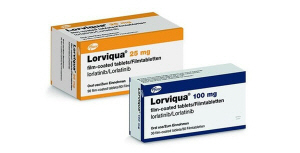
- Pfizer Three items, including Lorviqua (lorlatinib, Pfizer Korea), Tevimbra Inj 100 mg (tislelizumab, BeiGene Korea), and Pemazyre (pemigatinib, Handok), are currently under negotiations with the National Health Insurance Service. These drugs were deliberated by the Health Insurance Review and Assessment Service Drug Reimbursement Evaluation Committee (DREC) on January 9 and were deemed adequate for reimbursement. According to industry sources on the 17th, the National Health Insurance Service updated the website with information on drug price negotiations for 3 items. The National Health Insurance Service discloses information on the progress of negotiations for new drugs, drugs exempt from drug price negotiations, and drugs with expanded indications on its website. Upon the Ministry of Health and Welfare's negotiation order, the NHIS begins drug price negotiations with individual pharmaceutical companies. However, drugs for which the company has accepted the assessed amount to receive drug price negotiation exemptions will only be subject to negotiations on the expected claim amount. Among the 3 items currently under negotiations, Tevimbra and Pemazyre are expected to have entered into negotiations with the NHIS as expected, as they were recognized by the DREC as adequate for reimbursement without conditions. However, Lorviqua Tab, which is applying for the reimbursement extension as a first-line treatment for anaplastic lymphoma kinase (ALK)-positive metastatic non-small cell lung cancer, was judged by DREC to be “appropriate for reimbursement extensions if the company accepts a price less than the evaluated amount,” so NHIS negotiations for the drug was only possible after the pharmaceutical company accepted the condition. Pfizer is expected to accept the 'below the evaluation price' proposed by DREC and will again try to win the bid through negotiations with the National Health Insurance Service, as it did last year. Last year, the drug price negotiations broke down due to disagreements over the adjustment of the expenditure cap under the Expenditure Cap type of Risk Sharing Agreement (RSA). The Expenditure Cap type is a system in which the pharmaceutical company refunds the excess amount of the claim to the National Health Insurance Service if it exceeds the set total amount (cap). For this reason, in the case of Lorviqua, the profit earned by the pharmaceutical company also changes depending on how the total amount is set when expanding reimbursement. Pfizer has applied to terminate the RSA contract with NHIS and wants to expand the reimbursement without an expenditure cap. Therefore, it is expected that the termination of the RSA contract and the financial sharing plan will be the key to reaching an agreement during negotiations. Meanwhile, Tevimbra is a treatment for esophageal squamous cell carcinoma from the Chinese pharmaceutical company BeiGene Korea, and Pemazyre, which is imported by Handok, is a treatment for FGFR2 fusion or rearrangement cholangiocarcinoma. If these products reach an agreement with the NHIS, they will be added to the drug reimbursement list after reporting to the Ministry of Health and Welfare's Health Insurance Policy Review Committee.
- Policy
- Daewoong’s P-CAB Fexuclue completes first PVA
- by Lee, Tak-Sun Feb 17, 2025 05:53am
- Daewoong Pharmaceutical's new drug for gastroesophageal reflux disease, ‘Fexuclue,' has agreed to complete negotiations through the price-volume agreement system with the National Health Insurance Service for the first time since its reimbursement listing. Before negotiations, Daewoong Pharmaceutical was known to have wanted to apply the reimbursement system rather than a price cut, so the outcome of the negotiations is drawing attention. According to industry sources on the 16th, Daewoong Pharmaceutical's ‘Fexuclue Tab 10, 40mg’ and Daewoong Bio's ‘We Cab Tab 10, 40 mg.’ which contain identical ingredients, have completed price-volume agreement negotiations. The PVA system allows the NHIS and pharmaceutical companies to negotiate and reduce the maximum insurance price of drugs with increased usage by up to 12.5% this year. The aim is to save Korea’s national health insurance finances. The type of negotiation applied to Fexuclue this time is Type A, which is carried out when the amount of claims in the same product group with the expected claims amount agreed with the NHIS increases by 30% of the expected claims amount. Fexuclue, which was listed for reimbursement in July 2022, recorded a prescription volume of KRW 12.9 billion in the first year of its release based on UBIST and then grew exponentially to record a prescription volume of KRW 78.8 billion last year (2024). In particular, the analysis shows that the product’s growth accelerated after signing a copromotion agreement with Chong Kun Dang in April last year In response, the NHIS selected Fexuclue as a drug subject to PVA monitoring in the fourth quarter of last year, and negotiations began in early December of that year upon the Ministry of Health and Welfare’s order. Before negotiations, it was reported that Daewoong Pharmaceutical wanted to apply the refund-type agreement like its competitor ‘K-CAB (HK Inno.N).’ The refund-type agreement is a system that maintains the maximum insurance price of a drug while returning the difference to the National Health Insurance Service. When exporting the drug overseas, this can be advantageous as the drug’s listed price is higher than the actual price. Currently, K-CAB is the only product that has signed a refund-type PVA system. In 2015, Boryung’s hypertension drug Kanarb entered into a refund-type agreement, but in 2018, it chose to lower the maximum insurance price instead of extending the contract. On the other hand, K-CAB entered into a refund-type agreement in 2021 and extended the agreement at the end of last year. As a result, its ceiling price of KRW 1,300 per tablet was maintained when it was first listed in 2019. Fexuclue is listed at KRW 939, which is 70% of the price of K-CAB. If the ceiling price is lowered through the PVA, the gap between K-CAB and Fexuclue will widen further. However, the relatively low price of the drug may be advantageous in sales competition between products, so it is interesting to see what kind of agreement Daewoong and the NHIS have reached. P-CAB (potassium-competitive acid blocker) class drugs like Fexuclue are characterized by a longer duration of efficacy due to their longer half-life than PPIs, making them effective for controlling nighttime acid secretion. It is easy to take because it only needs to be taken once a day, regardless of meal intake, and its market size has been rapidly increasing. Currently, in addition to K-CAB and Fexuclue, ‘Ja Q Bo (Onconic Therapeutics, a subsidiary of Jeil Pharmaceutical),’ a new domestic drug with the same mechanism of action (P-CAB), has also been listed for reimbursement, making it a three-way competition.
- Policy
- Vivozon’s VVZ-2471 patent registered in China
- by Lee, Jeong-Hwan Feb 14, 2025 05:58am
- On the 23rd, Vivozon (CEO: Doo-hyun Lee), a company specializing in the development of innovative new drugs, announced that it completed registering the product patent for its oral non-narcotic analgesic VVZ-2471, which is being developed as a treatment for pain and addiction, and its derivatives in China. This is the company’s third patent registration abroad, following the United States and South Africa. Vivozon is also undergoing the patent registration process in other major countries. This patent contains content that ensures VVZ-2471’s exclusive rights in China and the protection of related compounds based on its superior analgesic effect and differentiated effect compared to existing compounds. VVZ-2471 is a new drug candidate discovered by the company’s proprietary multi-target drug discovery technology. It has been confirmed to have an analgesic effect as well as an effect on treating drug addiction. Vivozon is conducting clinical trials to develop it as a treatment for neuropathic pain in Korea and as a treatment for drug addiction in the United States. In particular, Vivozon received IND approval for a Phase II clinical trial for VVZ-2471 in June last year for patients with post-herpes zoster neuralgia in Korea. The company plans to widely use the 38th homegrown new drug Unafra Inj. (Opiranserin hydorochloride), which was granted marketing authorization from the Ministry of Food and Drug Safety last year, along with its oral analgesic candidate VVA-2471. “We expect the results of VVZ-2471’s Phase III clinical trial in Korea to be available within this year,” said a Vivozon representative. ”The patent registration in China recognizes the analgesic effect of VVZ-2471 in the market, where there is no non-narcotic analgesic with efficacy comparable to that of narcotic analgesics.” He also said, “Our goal is to develop VVZ-2471 as a non-narcotic oral analgesic for acute and chronic pain and lead the global analgesic market along with Unafra Inj.” Meanwhile, Vivozon is conducting a Phase II clinical trial to develop VVZ-2471 as a drug addiction treatment to address the serious social issue of addiction and abuse of narcotic analgesics (opioids) such as fentanyl in the United States. To this end, Vivozon is applying for research funds from the National Institute on Drug Abuse (NIDA) under the National Institutes of Health (NIH) and is cooperating with local drug addiction treatment experts.
- Policy
- Six of Keytruda's indications fail reimbursement
- by Lee, Tak-Sun Feb 14, 2025 05:58am
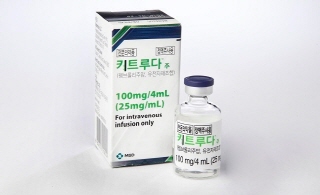
- After 5 failed attempts, MSD succeeded in receiving reimbursement standards for 11 additional indications of its immuno-oncology drug Keytruda in its 6th attempt. However, the company unfortunately has been denied reimbursement 6 indications. The six indications that have been denied reimbursement this time can only be reviewed if the company reapplies for reimbursement. On the 12th, the Health Insurance Review and Assessment Service's Cancer Disease Deliberation Committee set reimbursement standards for 11 additional indications of MSD's immuno-oncology drug Keytruda. As indications for which reimbursement standards have been set must undergo a drug price negotiation with the National Health Insurance Service after the Drug Reimbursement Evaluation Committee reviews the adequacy of their reimbursement, there are still many hurdles to overcome. Even so, the fact that the reimbursement standards for a single drug with a large number of indications were set and passed CDDC review is interpreted as a significant step in its reimbursement progress. Expanding the scope of reimbursement to 11 indications is expected to require a huge amount of health insurance finances. The 11 indications for which the salary criteria have been set this time are: ▲PD-L1 positive advanced or metastatic HER2-positive gastric cancer; ▲ advanced or metastatic HER2-negative gastric cancer; ▲ PD-L1 positive advanced or metastatic esophageal cancer ▲ MSI-H or dMMR advanced endometrial cancer; ▲ MSI-H or dMMR metastatic colorectal cancer; ▲ advanced or recurrent head and neck cancer with MSI-H or dMMR; ▲ metastatic or recurrent squamous cell carcinoma; ▲PD-L1-positive persistent, recurrent, or metastatic cervical cancer; ▲PD-L1-positive recurrent or metastatic triple-negative breast cancer ▲ MSI-H or dMMR Metastatic endometrial cancer; ▲ MSI-H or dMMR metastatic small intestine cancer; ▲ MSI-H or dMMR metstatic biliary tract cancer. MSD applied for reimbursement expansion for 13 indications in 2023 and added 4 indications last year. While the company succeeded in establishing reimbursement standards for 11 indications this time, it failed to do so for the remaining 6 indications. An official from HIRA explained, “The 11 indications for which the reimbursement criteria have been set this time have been pending for the past 2 years. The review of the financial sharing plan submitted by the pharmaceutical company has been completed, based on which the reimbursement criteria have been set during CDDC review.” “On the other hand, the results of the review showed that the 6 indications were not adequate for reimbursement without undergoing CDDC deliberations,” the official added. ”If the company applies for reimbursement again for the indications, it will be able to receive review.” The 6 indications for which the reimbursement standards have not been set are: ▲early triple-negative breast cancer, ▲adjuvant therapy after surgery for renal cell carcinoma, ▲non-invasive bladder cancer, ▲MSI-H or dMMR metastatic ovarian cancer, ▲MSI-H or dMMR metastatic pancreatic cancer, and ▲MSI-H gastric cancer. Currently, Keytruda is reimbursed for 7 indications in 4 cancer types, including as a first-line treatment for non-small cell lung cancer, melanoma, urothelial cancer, and Hodgkin's lymphoma, with annual claims amount reaching KRW 400 billion. Meanwhile, CDDC plans to reach a consensus on the need for a principle for the reimbursement of high-priced anticancer drugs and to establish detailed standards in the future, taking the review of this Keytruda as an opportunity. An official from the Health Insurance Review and Assessment Service said, “During CDDC review, there was a consensus on the need to establish a principle for the reimbursement of high-priced anticancer drugs and to review them as in some countries, such as the United States. We plan to discuss this in detail at the next CDDC meeting.”

- Policy
- MOHW "Why is HIRA concerned about substitute prescriptions?"
- by Lee, Tak-Sun Feb 14, 2025 05:58am
- The Ministry of Health and Welfare (MOHW) announced adding 'HIRA's Business Portal System' as part of the post-notification procedures for substitute prescriptions. However, an issue has been raised regarding differing opinions between the MOHW, which is responsible for the policy implementation, and the Health Insurance Review and Assessment Service (HIRA). On February 12, the MOHW team expressed discomfort regarding HIRA President Jung-Gu Kang's announcement of concerns to the press. The announcement highlighted that neither party had sufficiently discussed the agreement details during the revision of the Pharmaceutical Affairs Act guidelines and policies. The pharmacy industry deeply concerned about whether the revision can be effectively implemented given this ongoing dispute. HIRA, "We disagree with the inclusion of post-notification procedure…MOHW decided the portal service" According to industry sources, the MOHW was solely responsible deciding to include 'HIRA's Business Portal System' in the revised details of the Pharmaceutical Affairs Act guidelines and policies regarding post-notification procedures for substitute prescriptions. The HIRA did not mutually agree. It has been reported that HIRA expressed negative opinions towards utilizing either the DUR or the business portal system for post-notification procedures for substitute prescriptions. Before the notification of the implementation of the revision, the administrative team expressed concern about invading the system's intended role and potential incidents related to pharmaceuticals due to doctors not being aware of the updates. However, during the exchange of opinions, it has been reported that the party suggested the time it takes to develop a new system. After the MOHW announced the implementation of the revision to the Pharmaceutical Affairs Act on January 21, HIRA has not provided further opinion to the MOHW. The current post-notification procedure for substitute prescriptions is limited to 'telephone, fax, or computer network.' The MOHW announced the implementation of revision to the Pharmaceutical Affairs Act guidelines and policies on January 21 with details of including the 'HIRA's Business Portal System' as part of the notification method. Amid this situation, the HIRA president, who will be responsible for running the portal for substitute prescriptions, expressed concerns to the press. During the press conference the other day, Kang said, "Substitute prescriptions with the same active ingredient will not present significant issues for pharmaceuticals. However, we must be cautious because patients may have varying sensitivity for certain medicines." Kang added, "If the HIRA's portal is used, doctors must individually access the system and check the change. Thus they may be aware of the substitute prescription later or not at all in some cases." Kang also added, "We need to review ways to inform doctors about substitute prescription incidence immediately." MOHW, "Difficult to understand Kang's concerns…an agreement from doctors on the post-notification procedure is not necessary" Regarding this matter, the MOHW responds that it is difficult to understand why Kang announced a negative opinion towards the inclusion of the business portal for the post-notification procedure as part of the revision. Since the revision entails simply adding the business portal to existing methods, including phones, fax, and computer networks, the MOHW reportedly to disagree with Kang's argument that doctors' awareness and confirmation of substitute prescriptions will be delayed. During the meeting with the Korea Special Press Conference, a MOHW Bureau of Policy Planning representative said, "We did not revise the details to the guidelines to rely on the business portal system solely. We intended to add more notification channels." He added, "The intention is to add the business portal system to the existing methods, such as phones and fax, so it is difficult to understand why Kang expresses concerns." The representative added, "(If HIRA's system is used) Doctors checking the change could be delayed, but this is not intended to ask permission, but it is a notification. Adding another notification channel won't delay the check." He explained, "Technically, MOHW's adding a post-notification system to HIRA's portal is intended to support doctors and pharmacists' mutual access, and the HIRA's involvement is none." "If it (post-notification service for substitute prescriptions on the business portal) were HIRA's responsibility, Kang's concern would be important, but the HIRA does not play any role in this procedure. HIRA may be running the business portal system. However, MOHW is simply establishing the channel, and the HIRA is not responsible for mutual communication between doctors and pharmacists," the representative emphasized. "Because (HIRA) is a third party allowing the space, and does not play a specific role in the portal system, we are unclear about why (Kang) expresses opinions or whether it's his responsibility," the representative added.
