
- LOGIN
- MemberShip
- 2026-05-02 22:47:25
- Policy
- Daewoong secures generic Xigduo through a transfer
- by Lee, Tak-Sun Jul 29, 2024 05:48am
- Daewoong Pharmaceutical has secured a generic version of the diabetes treatment Xigduo XR Tab (metformin hydrochloride/dapagliflozin propanediol hydrate) through a transfer and acquisition deal. The drug will be covered by reimbursement and introduced to the market in August. With the addition of generic Xigduo XR Tab, Daewoong Pharmaceutical now completes the product lineup, as its generic Forxiga 10 mg (dapagliflozin propanediol hydrate) is listed for reimbursement this month. According to industry sources on July 26th, Daewoong Pharmaceutical's Forxilomet XR Tab 10/1000mg, Forxilomet XR Tab 10/500mg, and Forxilomet XR Tab 5/500mg will be listed for reimbursement starting in August. These products' upper-limit prices are KRW 435, KRW 402, and KRW 342, respectively. Daewoong Pharmaceutical acquired these products already on the reimbursement listing through a transfer and acquisition deal. Daewoong Pharmaceutical acquired products from Jinyang Pharm and Huons. As a result, these products are manufactured by different contract manufacturing organization (CMO) sites. Kukje Pharm manufactures Forxilomet XR Tab 5/500mg and Forxilomet XR Tab 10/500mg, and Samik Pharmaceutical manufactures Forxilomet XR Tab 10/1000mg. Dongkoo Bio&Pharma manufactures Daewoong Pharmaceutical's monotherapy Forxilo tab 5mg and 10mg. Most pharmaceutical companies have listed their products immediately after the substance patent expiration on April 7th last year, but Daewoong Pharmaceutical was unable to do so. At the time, Daewoong was in a joint-sales agreement with the original company, AstraZeneca, to sell Forxiga and Xigduo. From 2018 to the end of last year, Daewoong Pharmaceutical was jointly selling Forxiga and Xigduo. As Forxiga is set to discontinue sales in South Korea, it was canceled for approval and deleted from the reimbursement listing. HK inno.N has been jointly selling Xigduo with AstraZeneca under a joint sales agreement since January. The ceiling price of Xigduo has been reduced by mandate since July 20th, after the introduction of generics. It was reduced after a year and three months after the generic entry. Although delayed, the price of Xigduo was reduced after AstraZeneca withdrew from filing a suit to cancel the mandatory reduction. Following a price reduction, sales reduction is inevitable. Therefore, AstraZeneca and HK inno.N as a team will likely put more effort into marketing. As a result, they are expected to compete fiercely against Daewoong Pharmaceutical. Although Boryung and Hanmi Pharm are now leading the generic market for dapagliflozin, Daewoong Pharmaceutical's entry will likely intensify competition among companies vying for the top spot. Companies aiming to dominate the market, including HK inno.N, which gained Forxiga's indication, are set to begin.

- Policy
- P3T for new insomnia drug will be conducted in KOR
- by Lee, Hye-Kyung Jul 29, 2024 05:47am
- New drug candidate for insomnia The Swiss biotechnology company Idorsia will conduct a Phase III clinical trial in Korea for ACT-541468 (daridorexant), its new drug candidate for insomnia. The Ministry of Food and Drug Safety (MFDS) approved Nxera Pharma Korea's application for a "multicenter, randomized, double-blind, placebo-controlled, parallel-group, Phase III clinical trial to evaluate the efficacy and safety of ACT-541468 (daridorexant) in adults and older adults with insomnia disorders” on the 26th. Daridorexant was previously approved by the U.S. FDA on January 10, 2022, and the European Commission on May 3, 2022, for the treatment of adult patients with insomnia who have difficulty initiating and maintaining sleep. In the second half of 2022 alone, the company reported sales of approximately KRW 100 billion in the U.S. and Europe. The FDA approval was based on an extensive clinical program involving 1,854 adult insomnia patients across 18 countries worldwide. Unlike existing therapies, daridorexant treats insomnia by blocking the binding of orexin, which promotes wakefulness, thereby inhibiting excessive wakefulness. This reduces the inconvenience of daytime sleepiness in daily life. Insomnia is a prevalent condition that affects up to 10% of all adults worldwide. It is defined as a symptom of hyperarousal that is characterized by dissatisfaction with sleep and its negative impact on daytime functioning. A person is classified as having insomnia if he or she is dissatisfied with their sleep and experiences difficulty falling asleep or staying asleep at night at least 3 times per week for at least 3 months. Daridorexant induces sleep by reducing arousal without altering the rate of sleep cycles. The recommended dose consists of a 50 mg tablet taken orally within 30 minutes before bedtime in the evening. However, in certain cases, such as patients with moderate hepatic impairment or those taking CYP3A4 inhibitors, a 25 mg dose may be recommended.
- Policy
- KDCA "Will secure budget for domestic mRNA vaccine dev."
- by Lee, Jeong-Hwan Jul 26, 2024 05:47am
- The Korea Disease Control and Prevention Agency (KDCA) plans to secure national budget for developing domestic mRNA vaccines. The Korea Disease Control and Prevention Agency (KDCA) announced that they will focus on securing national budget to develop Korea-made mRNA vaccines and secure platforms, supporting up to phase 3 trials. Its vision is to secure domestic mRNA technology based on Japan's case. Japan designated companies that could develop domestic vaccines during the COVID-19 pandemic from 2020 to 2023 and invested KRW 930 billion in the entire process from the beginning of the development, clinical trials, and production. The KDCA has submitted this plan to the Health and Welfare Committee of the National Assembly on July 24th. The KDCA explained that they set a government-wide policy to develop mRNA vaccines and secure platforms. They are in the process of allocating the relevant budget. They also planned this project to allocate a sufficient budget by continuing to communicate with fields, including experts, conferences with companies, and interviews. In particular, the KDCA emphasized that they prioritize securing a multi-KRW 100 billion budget so that they could support up to phase 3 trials by referencing Japan's domestic mRNA vaccine development case. The agency aims to support companies by acquiring budgets based on Japan's KRW 930 billion investment in the development. Additionally, they stated that they are continuing to hold meetings with the Ministry of the Interior and Safety to set up a support team for mRNA vaccine development. Furthermore, they stated that discussions and communications, including conferences with companies and interviews, to establish a system for technology collaboration. The KDCA said, "We will work to secure a sufficient budget with an aim to complete mRNA vaccine development." They added, "As the budget allocation is in progress and the project details are being discussed, we will quickly organize a supporting team within the second half of the year." "When the project takes off, we will officially organize an operating committee with public-private experts and company officials," the KDCA added. "It will allow companies to share their difficulties in their field. We will also supply various technology support packages for vaccine development to research agencies such as the National Institute of Infectious Diseases."
- Policy
- Will Rinvoq’s pediatric indication be expanded in KOR?
- by Lee, Hye-Kyung Jul 26, 2024 05:47am
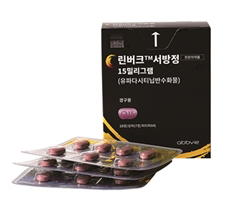
- AbbVie Korea will conduct a clinical trial in Korea to expand the indication of its atopic dermatitis drug Rinvoq (upadacitinib) to children aged 2 to 12 years old. On the 24th, the Ministry of Food and Drug Safety (MFDS) approved AbbVie’s application to initiate a Phase III, open-label, blinded trial (START UP) to compare the safety and efficacy of Dupixent (dupilumab) vs RInvoq in children aged 2 to 12 years with moderate-to-severe atopic dermatitis. The trial will be conducted at Gangnam Sacred Heart Hospital, Chung-Ang University Hospital, Konkuk University Medical Center, Korea University Ansan Hospital, Soonchunhyang University Hospital Bucheon, and Seoul National University Hospital. RInvoq can currently be administered once a day to adolescents aged 12 to 17 years weighing 40 kilograms or more. The MFDS-approved label does not recommended for adolescents under 40 kilograms because it has not been studied in the patient population. Other JAK inhibitors used for atopic patients include Eli Lilly’s ‘Olumiant (baricitinib)’ and Pfizer’s ‘Cibinqo (abrocitinib).’ While both are reimbursed for adult patients, only Rinvoq and Cibinqo (for patients 12 years of age and older) and Dupixent (for patients 6 years of age and older) have been available for pediatric and adolescent patients since April of last year. Starting next month, Dupixent will also be reimbursed for infants and children with severe atopic dermatitis aged 6 months and older. In particular, Dupixent is the only pediatric atopic dermatitis treatment that confirmed symptom control and a consistent safety profile in infants, children, and adolescents with moderate-to-severe atopic dermatitis aged 6 months and older through a Phase III clinical study. If the company can generate significant clinical data in children and adolescents aged 2 to 12 years through the new trial, this will allow pediatric atopic dermatitis patients to have broader treatment options. The dosing regimen differs for the two drugs. While Rinvoq is an extended-release tablet that can be taken orally once a day, Dupixent is a subcutaneous injection that is injected into the fatty layer under the skin. Meanwhile, Korean companies are also intent on developing atopic dermatitis drugs in Korea. LG Chem changed the indication o itsf LC510255, a new drug candidate for autoimmune diseases, to atopic dermatitis in the second phase of domestic clinical trials. JW Pharmaceuticals transferred the technology of its atopic drug candidate JW1601 to LEO Pharma in Denmark, but the contract was terminated after the candidate failed to meet the primary endpoint in the initial results of the global Phase IIa/b clinical trial.
- Policy
- Samjin and Korea Pharma’s first generics are reimb in KOR
- by Lee, Tak-Sun Jul 25, 2024 05:51am
- Samjin Pharmaceutical and Korea Pharma have launched first generics in Korea. Samjin Pharmaceutical will launch the first generic of Sanofi's atrial fibrillation drug Multaq Tab, while Korea Pharma will launch the first generic of Pfizer's antidepressant Pristiq ER Tab. According to industry sources, Samjin Pharmaceutical's ‘Samjin Dron Tab as (dronedarone)’ will be listed at KRW 808 per tablet in Korea. The drug is indicated for the management of atrial fibrillation (AF) in patients in sinus rhythm with a history of paroxysmal or persistent AF to reduce the risk of hospitalization. Adults may take 1 tablet (dronedarone 400 mg) twice daily with breakfast and dinner. The original generic version of dronedarone is Sanofi's Multaq Tab. It was approved in Korea in February 2010. The product patent for Multaq expired in 2022. According to UBIST, its last year's outpatient prescriptions amounted to KRW 10.9 billion, exceeding KRW 10 billion for the first time last year. As Samjin already owns a high market share in the field of cardiovascular disease withPlatless (clopidogrel) among others, Samjin Dron Tab is expected to settle in the market in the short term. In particular, sales growth will further accelerate as there are no generic competitors in the market. Korea Pharma will launch the first generic version of Pfizer's Pristiq 100mg. Pristiq’s generics are already available in the market. In 2020, 4 domestic pharmaceutical companies entered the market with salt-modified drugs that evaded the patents. Therefore, the currently available follow-on drugs have different ingredients from the original product. Whereas Pfizer's Pristiq contains desvenlafaxine succinate monohydrate, the salt-modified drugs contain desvenlafaxine benzoate or desvenlafaxine. Korea Pharma’s ‘Pharma Desvenlafaxine ER Tab. 100mg’ is a first generic that uses the same salt as the original. Desvenlafaxine is a serotonin-norepinephrine reuptake inhibitor (SNRI), which is characterized by its low risk of drug interactions and a low risk of side effects such as hypertension and sexual dysfunction. Last year, Pristiq generated sales of KRW 7.2 billion according to IQVIA. Its sales have been declining with newer generics gradually gaining influence in the market. A representative from Korea Pharma said, "Pharma Desvenlafaxine ER Tab is a competitive product that was first approved with the same salt formulation as the original Pristiq ER Tab. We plan to quickly land and expand our market share through active sales activities." Samjin Pharmaceutical and Hankook Pharma's products received an insurance price of 59.5% of the original’s insurance ceiling price instead of 53.55% because the two companies have listed the first and only first generics. As a result, Samjin Dron Tab was listed at KRW 808 and Pharma Desvenlafaxine ER Tab at KRW 742 in Korea. Their original versions, Multaq Tab and Pristiq ER Tab are priced at KRW 1,357 and KRW 1,247, respectively.

- Policy
- Gvt commences 'Machine Learning AI Project' for new drug dev
- by Lee, Jeong-Hwan Jul 24, 2024 05:51am
- The government will actively pursue a project for faster new drug discovery. It will fund KRW 34.8 billion over 5 years, from 2024 to 2028, and conduct a project utilizing federated learning of new drug discovery data owned by pharmaceutical companies, university hospitals, research institutes, and corporations. The Ministry of Health and Welfare (MOHW) and Ministry of Science and ICT (MSIT) announced on July 23rd that 26 projects have been selected for the 'Machine Learning Ledger Orchestration for Drug Discovery (K-MELLODY)' project. The MOHW and MSIT are jointly promoting the MELLODDY project, which aims to reduce the cost and time for new drug discovery using a federated learning-based AI model that can safely protect data while exploring. Federated learning is a decentralized learning approach that enables machine learning to be trained internally on data from multiple locations, such as private and institutes, without directly sharing. Analyzed data are sent to a central server. The government has commenced this project and designated the Korea Pharmaceutical and Bio-Pharma Manufacturers Association (KPBMA) to run the project. The project group has selected 26 subprojects and research institutes for each project through a public survey and evaluation. The selected subprojects are categorized into three fields: ▲Establishing Federated Drug Discovery (FDD) platform, ▲Utilizing new drug discovery data and quality management, and ▲Developing AI solution. First, for 'Establishing Federated Drug Discovery (FDD) platform,' project has been selected to establish FDD platform to enable machine learning safely without sharing data between institutes and keeping privacy. As a supervision agency, Evident Inc. has been chosen. Also, 20 institutes have been selected as supervision agencies for AI-driven drug discovery. They will share new data from the fields of drug metabolism·toxicity testing and pharmacoepidemiology. Pharmaceutical companies, universities·hospitals, research centers, and corporations are included. Eight pharmaceutical companies have been selected, including Daewoong Pharmaceutical, Dong-wha Pharm, Samjin Pharm, Yuhan Pharm, Jeil Pharm, Hanmi Pharm, Huons, and JW Pharmaceutical. Universities·hospitals include Gachon University, Catholic University of Korea, Kyungpook National University, Seoul National University, and Seoul National University Hospital. Participating research centers·foundations include Daegu Gyeongbuk Advanced Medical Industry Promotion Foundation, KRIBB, Institut Pasteur Korea, and KRICT. Selected corporations include CIMPLRX and Apace. For 'developing AI solution,' five institutes, including GIST, Mogam Institute for Biomedical Research, AIGEN Sciences, Chonbuk National University Industrial Cooperation Foundation, and KAIST. They will develop the 'Federated ADMET Model (FAM)' to aid in drug candidate discovery, using experimental data from all stages of new drug discovery. The MOHW and MSIT will allocate KRW 34.8 billion to these selected projects over a five year period, from 2024 to 2028. They anticipate establishing an AI-driven new drug discovery infrastructure by collaborating with the government, pharmaceutical companies, research centers, and universities. "By developing machine learning with a federated learning approach that safely shares and uses data, previously challenging large-scale data analysis and use will be enabled, accelerating drug discovery," Ko Hyeongu, MOHW's Advanced Healthcare Support Officer, said. Ko said, "We will strengthen the data usage system and support AI‧Data R&D. We will also strive to lead future healthcare and pharmaceutical innovation and promote citizen's welfare." "The federated learning approach will enable the safe utilization of high-quality drug discovery data accumulated from multiple institutes to develop an AI-driven drug discovery platform and machine-learning solution," Kwon Hyeonjun, MSIT's R&D Policy Director, said. "We will support the R&D of digital bio-health businesses, which converges digital technology, and creating value so that South Korea emerges as a hub for cutting-edge biotechnology."
- Policy
- Roche’s Phesgo is applied RSA for reimb in Korea
- by Lee, Tak-Sun Jul 24, 2024 05:51am
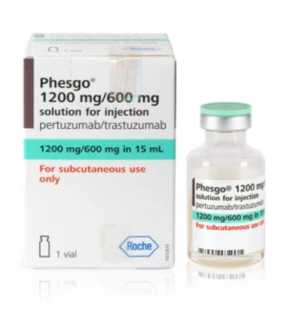
- Korea’s insurance authorities are introducing various measures to reduce drug costs. The government is applying risk-sharing agreements to precalculation drugs and requiring submission of follow-up data for drugs that are exempt from sumitting pharmacoeconomic evaluation data. The drugs subject to the authorities’ measures are Phesgo SC Inj (pertuzumab/trastuzumab) and Ilaris Solution (canakinumab). Phesgo is a biobetter that was developed as a fixed-dose subcutaneous injection formulation of the intravenous injected Herceptin and Perjeta to improve dosing convenience and reduce treatment time for breast cancer patients. Since it is approved as an improved biologic, its insurance price was automatically set at 110% of the upper limit of its targeted products. As a result, Phesgo SC Inj 600/600mg will be listed at KRW 3,490,410, and Phesgo SC Inj 1200/600mg at KRW 5,914,418. According to IQVIA, sales of Herceptin and Perjeta in Korea amounted to KRW 56.5 billion and KRW 111.3 billion, respectively, last year. As an improved version of the two drugs, Phesgo is also expected to record high sales. However, its impact on insurance finances is also expected to be significant. This is why the insurance authorities decided to apply RSA to Phesgo and save insurance finances. The decision was influenced by the fact that Phesgo’s development target, Perjeta, is currently reimbursed through RSA. Like Perjeta, Phesgo is applied the refund-type RSA, under which the company refunds a certain percentage of the claims. "Considering that Phesgo’s target product is an RSA drug, we decided to apply RSA to Phesgo through negotiations with the National Health Insurance Service," explained the insurance authorities. “The product has improved the administration route of the target product, which is convenient for patients to administer, and we expect it to bring financial savings when it replaces the target product." Phesgo passed the Health Insurance Review and Assessment Service’s Cancer Disease Review Committee in August last year, but it took more than a year for it to be listed for reimbursement, the delay which can be explained by the cost-saving measure. Ilaris, which is being reimbursed after 9 years of approval in Korea, also has a number of safeguards in place to reduce costs. It is applied to the refund-type and expenditure cap-type RSA, and conditional follow-up is also required as a PE exemption drug. Its list price is KRW 11,029,469 Ilaris is a rare disease drug for which there are no alternatives and is being publicly reimbursed in over 3 of the A8 countries, allowing the drug to omit submission of pharmacoeconomic evaluation data. However, HIRA’s panel determined that the drug needs to be followed up in the future, including reevaluation of clinical effectiveness and cost-effectiveness, given the uncertainty of its improvement in clinical utility and high cost. Therefore, HIRA imposed a condition on the pharmaceutical company to conduct a prospective clinical study (observation period of 2 years for each patient and submission of observation data and results in 1-year increments) and submit clinical utility and cost-effectiveness data at the end of the RSA term. For example, the pharmaceutical company is required to conduct relevant prospective clinical studies, in an objective, cross-sectional survey format, with at least 2 years of observation per patient, and submit observations and results on a yearly basis. For the NOMID (neonatal onset multisystemic inflammatory disease)/CINCA (chronic infantile neurocutaneous joint syndrome) indication, the company needs to submit efficacy comparison data with existing treatments and cost-effectiveness data at the end of the RSA term. In addition, details such as plans to conduct prospective clinical studies for follow-up management and measures to be taken in case of failure to conduct such studies are required in the RSA. "In the future, drugs that are exempted from economic evaluation, but whose clinical usefulness is unclear, will be thoroughly reevaluated through follow-up management measures," explained a HIRA official.
- Policy
- Breast cancer drug Phesgo will be reimb next month
- by Lee, Tak-Sun Jul 22, 2024 05:51am
- Roche Korea’s breast cancer drug ‘Phesgo SC Inj (pertuzumab, trastuzumab),’ is expected to be reimbursed next month. The drug was approved in September 2021, and in August last year, the Health Insurance Review and Assessment Service's Cancer Disease Review Committee (CDDC) set the standards for its reimbursement, but no news on its progress has been heard of since. According to industry sources on the 19th, Roche has completed negotiations with the National Health Insurance Service on supply and quality control obligations, and Phesgo will be listed on the payroll next month after being reported to the Health Insurance Policy Review Committee. The drug is a fixed-dose subcutaneous injection formulation that combines the company’s existing breast cancer treatments, Perjecta and Herceptin. Phesgo was recognized for its innovation in improving patient convenience and reducing treatment time by changing the IV-injected Herceptin and Perjeta into a fixed-dose subcutaneous injection and was named the first biobetter approved for cancer in Korea. Considering how biobetters are more difficult to develop compared to incrementally modified drugs (chemical drugs), the government decided to set the overall price of biobetters at the 100-120% range of the original drug. Phesgo’s price is known to have been set at 110% of its target drug. Phesgo was expected to be quickly reimbursed when it passed CDDC review in August last year. As it is a data submission drug that has already an established drug price for calculation, the industry expected that it would be able to skip DREC review and NHIS pricing negotiations once its reimbursement standard is established. However, there was no news of the drug's reimbursement until 11 months after the CDDC review, when the news of the completion of the negotiations with the NHIS was announced. "Due to the drug's large potential impact on healthcare finances, it is said that the company was in a tug-of-war with HIRA over the additional conditions," said an industry insider. Based on IQVIA sales last year, Herceptin and Perjeta sold KRW 56.5 billion and KRW 111.3 billion, respectively. Phesgo is expected to dominate the market in the short term by addressing two drugs' drawbacks of being injected intravenously while reducing dosing time. According to the company, metastatic HER2-positive breast cancer patients who had received maintenance therapy with IV Herceptin and Perjeta injections every three weeks may reduce their administration and monitoring time by 90% from 270 minutes (90min+180min) to 20 minutes (5min+15min) when switching to Phesgo. In addition, the drug can reduce the risk of vascular and nerve damage caused by repeated intravenous injections. Based on these advantages, although it is expected to be used a lot upon its launch, it is also expected to cost as much as a new drug.

- Policy
- Ilaris·Latuda newly reimb…Dupixent’s reimb extended
- by Lee, Jeong-Hwan Jul 22, 2024 05:51am
- New insurance reimbursement standards will be established for Novartis Korea’s Novartis' Ilaris (canakinumab), which is used to treat hereditary recurrent fever syndrome, and Bukwang Pharmaceutical’s imported drug Latuda (lurasidone HCI), which is used to treat schizophrenia and bipolar I depression. Also, the scope of reimbursement for Sanofi's severe atopic dermatitis treatment Dupixent (dupilumab) will be extended to cover infants and children 6 months to 5 years of age. On the 19th, the Ministry of Health and Welfare made a preannouncement of an administrative notice on the 'Partial Amendment to the Details on the Standards and Methods for Applying Medical Care Benefits’ and implemented the new standards starting on August 1st. ◆Ilaris Inj=Among its indications, the drug’s indications for Cryopyrin-Associated Periodic Syndromes (CAPS), Tumor Necrosis Factor Receptor Associated Periodic Syndrome (TRAPS), and Familial Mediterranean Fever (FMF) were deemed eligible for reimbursement. Otherwise, it is non-covered and the patient is responsible for the full cost of the drug. For CAPS, pediatric and adult patients 2 years of age and older with a confirmed NLRP3 gene mutation are eligible for reimbursement. Patients must meet both criteria for reimbursement: confirmed moderate-to-severe disease activity, and C-reactive protein (CRP) or serum amyloid A protein (SAA) >10 mg/L. In addition, the patient has to satisfy one of the following conditions: patients with Familial Cold Autoinflammatory Syndrome (FCAS)/Familial Cold Urticaria (FCU), Muckle-Wells Syndromes (MWS), who are unable to perform activities of daily living; or have a confirmed diagnosis of Neonatal-Onset Multisystem Inflammatory Disease (NOMID)/ Chronic Infantile Neurologic, Cutaneous, and Articular Syndrome (CINCA). In TRAPS, children and adults 2 years of age and older with a confirmed TNFRSF1A gene mutation will be eligible. The patient needs to meet both of the following criteria: confirmed moderate-to-severe disease activity and a C-reactive protein (CRP) or serum amyloid A protein (SAA) level of 10 mg/L or greater. IN FMF, children and adults 2 years of age and older with a confirmed MEFV gene mutation are eligible. These patients also need to satisfy all of the following three conditions for reimbursement: confirmation of moderate-to-severe disease activity; C-reactive protein (CRP) or serum amyloid A protein (SAA) of 10 mg/L or higher; and inadequate response to colchicine after 3 months of treatment, or inability to receive colchicine due to contraindications or side effects. ◆Latuda Tab= A new reimbursement standard will be set for oral lurasidone HCI 20mg. In principle, it is reimbursable when administered within the scope of its indication. When used for depression in individuals 24 years of age or younger, careful consideration should be given to whether the clinical benefit outweighs the risk, as indicated by the labeling (warnings, adverse reactions, general precautions, etc.) ◆Dupixent Inj=THe reimbursed indications for Dupilumab Prefilled Inj 300 mg will be extended. Currently available in children 6 to 11 years of age, its reimbursement will be extended to cover patients with chronic severe atopic dermatitis 6 months to 5 years of age. Patients must meet both of the following conditions for reimbursement: the condition has not been adequately controlled with first-line topical therapy (moderate-or-stronger corticosteroids or calcineurin inhibitors) for at least 4 weeks or is unable to use such due to side effects; EASI 21 or higher prior to initiation of treatment.
- Policy
- Was AZ's plan to maintain Forxiga’s drug price all along?
- by Lee, Tak-Sun Jul 19, 2024 05:47am
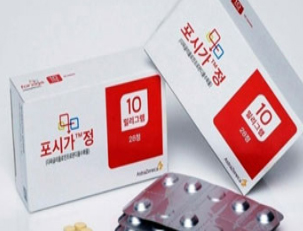
- With the market withdrawal for the diabetes drug ‘Forxiga Tab,' which retained its insurance price ceiling, already decided upon, AstraZeneca’s decision to withdraw its relevant lawsuit has been gaining much attention. AstraZeneca had filed a lawsuit against the ex-officio reduction in the price of Forxiga and Xigduo that was imposed on May 1 last year upon the emergence of their generics. The lawsuit enabled the company to retain Forxiga’s insurance price. On the 17th, the Ministry of Health and Welfare announced that AstraZeneca had withdrawn its lawsuit filed to cancel the reduction in the insurance ceiling price of Forxiga and Xigduo, ending the lawsuit and lifting the suspension of execution previously made on the price cut for Xigduo. As a result, the price of Xigduo XR 10/1000mg will be reduced from KRW 717 to KRW 512, and Xigduo XR 10/500mg will be reduced from KRW 717 to KRW 473. Dapagliflozin is a diabetes combination drug that contains dapagliflozin and metformin. The price of the single-agent dapagliflozin Forxiga Tab will not be reduced because Forxiga Tab has already been removed from the reimbursement list. Fosiga was removed from the reimbursement list on June 1, following the withdrawal of its domestic marketing authorization on April 25. With its removal, its final insurance ceiling price remains the same at KRW 734. AstraZeneca has made tireless efforts to retain this KRW 734 price. In April last year, when the Ministry of Health and Welfare announced an ex-officio adjustment to its price to KRW 514 due to the introduction of generics, AstraZeneca immediately filed a lawsuit to cancel and suspend the administrative disposition. As the first trial dragged on, the suspension of execution remained in effect. Eventually, the company was able to maintain its KRW 734 price until it was removed from the reimbursement list. Industry officials believe that AstraZeneca defended the price cut in order to sell Forxiga at a higher price in other countries that reference Korea’s drug prices. However, Forxiga almost underwent price cuts not just from ex-officio adjustments but due to post-marketing control measures - the Price-Volume Agreement negotiations. The National Health Insurance Service and AstraZeneca had been in PVA negotiations before June when Forxiga was removed from the reimbursement list. After the first round of negotiations broke down, the parties renegotiated until the end of May, when they decided to leave the price as is without changing the insurance ceiling price. This has led to speculation in the industry that the Ministry of Health and Welfare and AstraZeneca had some sort of agreement within. AstraZeneca would have had to make a counterpayment for the government to allow Forxiga to withdraw from the market at its original price. The news of the litigation withdrawal came a month after Forxiga’s removal from the reimbursement list was finalized. While the price cut of Xigduo was inevitable, AstraZeneca still chose to drop the lawsuit. AstraZeneca could have delayed the price reduction of Xigduo by waiting for the outcome of the first lawsuit. This has led some to speculate that AstraZeneca's withdrawal of the lawsuit was a trade-off for Forxiga’s PVA negotiations. There are also rumors that the Ministry of Health and Welfare was very dissatisfied with AstraZeneca filing the lawsuit. In any case, the withdrawal of the lawsuit reinforces the idea that AstraZeneca's original goal was to maintain the cap on Forxiga, not Xigduo. Unlike Forxiga, Xigduo will continue to be sold in the domestic market. In January, AstraZeneca Korea signed a co-marketing agreement with HK Inno.N for Xigduo. However, some distribution industry insiders have speculated that the company may be abandoning Xigduo as well because of the lack of notification on returns and settlements following the price reduction. However, it seems unlikely that the company would abruptly abandon Xigduo, given how Forxiga has been in the process of market withdrawal for half a year. Last year, Xigduo generated KRW 47.2 billion in outpatient prescriptions, according to UBIST.
