
- LOGIN
- MemberShip
- 2026-06-13 20:43:21
- Policy
- NA Health and Welfare bill subcommittee schedule uncertain
- by Lee, Jeong-Hwan Apr 14, 2026 08:53am
- As negotiations between the ruling and opposition floor members over the schedule for the National Assembly Health and Welfare Committee’s April bill review subcommittee drag on, the prospects for the meeting remain uncertain.If the subcommittee does not convene due to a failure to reach an agreement, bills of interest to the medical and pharmaceutical sectors, including the bill mandating limited international nonproprietary name (INN) prescribing, will be delayed until after the June 3 local elections.On the 13th, a ruling-party official on the Health and Welfare Committee explained, “Since the beginning of this month, we have been continuing discussions with the opposition over the schedule for the April bill subcommittee, but we have not yet reached an agreement.”As an agreement between the ruling and opposition party floor leaders on the subcommittee schedule remains elusive, some are predicting that holding the meeting in April is practically impossible.This is because it would be difficult for the Democratic Party of Korea to convene the subcommittee unilaterally, given that opposition parties, including the People Power Party, are not showing much enthusiasm for the meeting.Moreover, the bill on the limited mandatory use of INN prescribing, which is one of the hottest issues in the healthcare sector, falls under the jurisdiction of the first legislation subcommittee, whose chair is Rep. Mi-ae Kim of the People Power Party, making it even less likely that the meeting will be held if a consensus between the ruling and opposition parties is not reached.This bill had already been placed on the agenda at the March subcommittee, but was postponed once after failing to secure an opportunity for review.If the subcommittee does not convene this month, the probability of it being held before the June 3 local elections is effectively close to zero.This is because scheduling for the subcommittee can only be coordinated through bipartisan consultations in late June, after the local election results are announced.Given the current state of negotiations between the ruling and opposition parties on the Welfare Committee, it seems unlikely that the bill on mandatory limited INN prescribing, a source of intense conflict within the medical community, will be reviewed by the subcommittee this month.In particular, the medical community, led by the Korean Medical Association, has stated that if the Welfare Committee subcommittee places the INN prescribing bill on April’s agenda, it will again stage an outdoor rally this month, following a similar protest last month. This appears to be having some effect on whether the subcommittee is convened.The medical community maintains that it will remain on constant standby to organize protests against the bill in accordance with the subcommittee’s schedule and agenda.Accordingly, some are questioning whether the parties would really choose to convene the subcommittee now, ahead of local elections, given that it could divert attention away from the election campaign.A ruling party official on the Welfare Committee stated, “The Democratic Party continues to appeal to the opposition, the need to convene the April bill subcommittee to expedite the review of bills related to people’s livelihoods. We are currently waiting as we have not yet received a clear response, so whether the meeting will be held remains undecided.”

- Policy
- Smoking-cessation drug varenicline continues to exit the market
- by Lee, Tak-Sun Apr 14, 2026 08:53am
- AI-generated imageThe market presence of varenicline-based smoking cessation treatments is steadily contracting. Following the withdrawal of the original Champix from the domestic market, CTC Bio’s “Nicobreak Oral Disintegrating Film” (active ingredient: varenicline), which had garnered attention as the country’s only film-type smoking cessation treatment, has also been removed from the list of approved products.According to the Ministry of Food and Drug Safety on the 13th, the approvals for two strengths of CTC Bio’s smoking-cessation aid ‘Nicobreak ODF,’ 0.5 mg and 1 mg, expired on that date and were removed from the list of approved medicines. This comes 5 years after the product became the first oral dissolving film (ODF) formulation of varenicline approved in Korea in April 2021.At the time of approval, Nicobreak positioned itself as a ‘dark horse’ capable of targeting a niche market, particularly among the elderly who have difficulty swallowing pills and smokers with active lifestyles, by highlighting its convenience of being able to take the medication without water, as a break away from Pfizer’s original varenicline, ‘Champix,’ which comes in tablet form.However, the actual market trend proved harsh. The industry points to several reasons behind the expiration of Nicobreak’s approval: ▲ failure to secure market share, ▲ contraction of government-supported smoking-cessation programs, ▲ the shrinking position for varenicline-based therapies overall, and cutthroat competition among generics.The domestic varenicline market is currently understood to be led by Jeil Health Science’s ‘Nicochamps,’ with Hanmi Pharmaceutical’s ‘Nocotin’ following behind. The assessment is that the ODT formulation lacked sufficient marketing force to break the tablet-centered prescription practice.Changes in the government’s anti-smoking policy also worked against it. The Ministry of Health and Welfare’s budget for the National Smoking Cessation Support Service has steadily declined each year, from approximately KRW 143.5 billion in 2015 to KRW 91.6 billion in 2025. These budget cuts led to reduced participation by medical institutions and a decline in patient referrals, which became a decisive factor in pharmaceutical companies losing interest in the smoking cessation treatment market.Furthermore, the market shrank even further when Champix faced a supply suspension due to the nitrosamine impurity issue that arose in 2021.After Pfizer Korea voluntarily withdrew the approval for its original product, ‘Champix,’ and exited the Korean market in 2024, major pharmaceutical companies such as Daewoong Pharmaceutical and Kwangdong Pharmaceutical have also been successively surrendering approvals for their varenicline generics.An industry official analyzed the situation as follows: “Although the market was reorganized after the varenicline impurity issue, the reduction in government support has made it difficult to attract new patients. For a specialized formulation like Nicobreak ODT, if sales are not sufficient, the practical benefit of maintaining the product would have been even lower.”With Nicobreak’s exit, the market for varenicline-based treatments is expected to become even more concentrated around a few leading products. In addition, with the disappearance of a specialized formulation that can be taken without water, the range of choices available to patients seeking smoking cessation treatment is likely to narrow somewhat.
- Policy
- K-Bio Q1 sales hit record high…tops $2 billion
- by Lee, Tak-Sun Apr 13, 2026 09:12am
- Exports of Korean biopharmaceuticals in the first quarter of this year were at a record high. In particular, exports of biosimilars to Europe increased significantly.The Ministry of Food and Drug Safety (MFDS, Minister Yu-kyoung Oh) announced on the 10th that the export volume of South Korea's biopharmaceuticals in the first quarter of 2026 reached an unprecedented record of $2 billion (estimated), an 11.1% increase compared to the export value of the first quarter of last year.The MFDS explained that this is driven by an increase in the market share of K-biopharmaceuticals and by the expansion of competitiveness among biopharmaceutical Contract Development and Manufacturing Organizations (CDMOs).According to export value by year for the first quarter, it recorded $1.5 billion in 2024, followed by $1.8 billion in 2025 (a 20% increase from the previous year), and $2 billion this year (an 11.1% increase). Biopharmaceuticals accounted for 71% of the total pharmaceutical export value of $2.8 billion in the first quarter of this year."Export value by year for Q1": $1.5 billion in 2024, followed by $1.8 billion in 2025 (a 20% increase from the previous year), and $2 billion this year (an 11.1% increase). "Top 5 countries for exports in Q1": The country with the largest exported value in the first quarter of 2026 was Switzerland, recording $340 million (17.0% of total exports). Source: Korea Customs Service HS code and Korea Trade Statistics Promotion InstituteBy month, exports in January and February increased by 11.9% and 25.4% year-on-year to $660 million and $690 million, respectively. March exports were similar to the same period last year at $650 million, showing steady export figures from January through March.The country with the largest exported value in the first quarter of 2026 was Switzerland, recording $340 million (17.0% of total exports). The United States followed this at $330 million (16.5%) and Hungary at $300 million (15.0%). Exports to the top five countries accounted for 68.4% of the total.Exports to Switzerland increased by 70% (+$140 million) compared to the same period last year, rising from the 4th largest export destination in the first quarter of last year to 1st place this year.Exports to the United States decreased by $40 million (-12.6%) year-over-year, accounting for 16.5% of the first quarter export value. Exports to Hungary increased by $50 million (+20.2%) year-over-year.Analysis suggests that the increase in exports to Europe is due to a combination of cooperation with global pharmaceutical companies, technology exports, and a favorable environment for biosimilars.The MFDS explained that it is strengthening the global competitiveness of domestic biopharmaceuticals and helping them enter overseas markets by advancing rational regulatory innovation and providing customized information, as well as by actively pursuing regulatory diplomacy with major exporting countries.Aligning with the rapid growth of the biopharmaceutical CDMO market, the 'Special Act on Regulatory Support for Biopharmaceutical CDMO Companies' was enacted. By introducing a registration system for export manufacturing, an institutional foundation was established, enabling CDMO companies for export purposes to enter the global market without a pharmaceutical manufacturing license.Furthermore, the MFDS is advancing innovations in the biopharmaceutical approval and review process and in full-cycle regulatory support, enabling safe treatments to be launched faster than anywhere else in the world.To enable domestic biotech companies to enter the international market quickly, the MFDS has simplified the documents required for a preliminary GMP evaluation (from 11 to 4). It has preemptively promoted the 'Raw Material Manufacturing Site Certification Pilot Project' to support the entry of domestic biopharmaceutical raw materials into the global market.In addition, to respond to varying licensing systems and regulatory environments by country, the "Click! Global Biopharmaceutical Information Service" is operated to systematically provide regulatory information for 24 major countries, including the U.S., Europe, and Southeast Asia, along with the latest guidelines and translations to address local regulatory changes.An official from the MFDS stated, "We will continue to strengthen the international competitiveness of our biopharmaceuticals through rational regulatory improvement and institutional and technical support. We will also create an environment where the public can use them with safety management of biopharmaceuticals."

- Policy
- PVA discount for innovative companies to increase to 50%
- by Jung, Heung-Jun Apr 13, 2026 09:12am
- With the reduction rate for price cuts under the price-volume agreement (PVA) for innovative pharmaceutical companies raised to 50%, the outlook for pharmaceutical companies is expected to diverge depending on whether the existing conditions related to repeated cuts remain in place.This is because the number of beneficiaries would decrease significantly if an additional condition requiring 3 price cuts within 5 years were imposed. This is expected to be a major point of contention during discussions over detailed requirements.According to the industry and relevant institutions on the 10th, while the increase in the PVA reduction rate for innovative companies has been decided, the detailed conditions have not yet been finalized.AI-generated ImageIn March, the Health Insurance Policy Deliberation Committee approved strengthened post-listing management preferential treatment for innovative companies by increasing the reduction rate for PVA-driven price cuts. The plan involves raising the reduction rate for price cuts from 30% to 50% when price reductions occur due to increased usage volume.For example, if usage increases and the drug price reduction rate is set at 4%, the cut rate for innovative companies would be lowered to 2%.Under current guidelines for PVA negotiations, a condition is attached for drugs that have undergone repeated cuts. To qualify for the reduction, a drug must have reached an agreement in negotiations at least twice over a five-year period, and the manufacturer must be either an innovative pharmaceutical company or a company recognized by the Health Insurance Review and Assessment Service (HIRA) as having R&D expenses accounting for 10% or more of its revenue.If a drug currently under negotiation has received a third negotiation order within 5 years prior to the end of the analysis period, the pharmaceutical company may submit documents to receive a 30% reduction.The key issue is whether these additional conditions will also apply under the new 50% reduction rate scheme. If eligibility is limited to products whose usage has increased enough to warrant 3 rounds of negotiations, the number of eligible items will decrease significantly.According to the NHIS, 17 items received a 30% reduction in the negotiations 2 years ago because they had been subject to price reductions 3 or more times within 5 years.The industry is hopeful that the specific conditions may change, as the Health Insurance Policy Deliberation Committee approved the 50% increase in the reduction rate without specifying any concrete conditions.In particular, the industry maintains that a 50% reduction should be granted without additional conditions to incentivize innovative companies and R&D investment.An official from a domestic pharmaceutical company expressed concern, stating, “If this does not apply to the third round of negotiations, specific implementation methods must be determined, such as whether it applies only to the first round or whether reductions will also apply to the second and third rounds. However, limiting it to the third round would significantly reduce the number of eligible items.”
- Policy
- Label updated for hypertension drug nebivolol
- by Lee, Tak-Sun Apr 10, 2026 08:27am
- Nebivolol original ‘Nebilet’The label for the antihypertensive drug nebivolol will now include the statement, “Beta-blockers may further increase the risk of severe hypoglycemia when co-administered with sulfonylureas (SU).”This follows safety measures taken by the European Medicines Agency (EMA), with Korea’s Ministry of Food and Drug Safety (MFDS) moving to revise product labeling.While concerns about hypoglycemia due to symptom masking when beta-blockers are used in combination with sulfonylureas (SU) are well known, the latest change is intended to further emphasize the severity of the risk and strengthen monitoring.On the 6th, MFDS announced draft labeling revisions for nebivolol-containing products and will collect feedback through the 21st.This draft is based on safety information from the European Medicines Agency (EMA). Nebivolol is a third-generation beta-blocker.According to the proposed amendment, the following statement will be added to the General Precautions section: “Beta-blockers may further increase the risk of severe hypoglycemia when co-administered with sulfonylureas. Patients with diabetes should be advised to carefully monitor their blood glucose levels.”Additionally, the following statement will be added to the “Drug Interactions” section. “Concomitant use of beta-blockers and sulfonylureas may increase the risk of severe hypoglycemia.”Current labeling already advises caution when administering the drug to patients with diabetes. This is because beta-blockers, including nebivolol, can mask specific symptoms of hypoglycemia, such as tachycardia and palpitations,As a result, patients may fail to recognize hypoglycemia and progress to severe hypoglycemia.Consequently, this may increase the likelihood that patients will progress to severe hypoglycemia without recognizing the symptoms.The Interactions section currently also includes a statement that co-administration with insulin or oral antidiabetic agents may mask specific symptoms of hypoglycemia (palpitations, tachycardia).However, the current labeling does not specifically warn against co-administration with sulfonylureas (SU) among antidiabetic agents.Last year, the EMA reviewed evidence suggesting that the risk of severe hypoglycemia may increase when nebivolol is used in combination with sulfonylureas and required that this information be added to the product label.MFDS appears to have prepared the Korean revision as a follow-up measure to the EMA’s actions.Currently, there are 25 nebirol-containing products approved in Korea. These include the original “Nebilet Tab” (Menarini Korea), the low-dose “Nebilet M Tab” (Kwangdong Pharmaceutical), and the nebirol-rosuvastatin combination drugs “Nebirosta Tab” (Elyson Pharm) and “Crebista Tab” (Arlico Pharmaceutical).According to UBIST, Nebilet recorded KRW 8.6 billion in outpatient prescriptions last year.

- Policy
- Opposition to labeling obesity drugs as 'misuse drug'
- by Lee, Tak-Sun Apr 10, 2026 08:27am
- AI-generated imageVoices are growing against the plan to designate GLP-1 obesity treatments, such as Wegovy and Mounjaro, as "high potential misuse and abuse." Critics point out that such a designation could instead drive patients toward illegal distribution channels.Analysis suggests that other countries are already putting effort into establishing an environment for safe use by monitoring distribution and prescription, rather than regulating the drug itself.On the 8th, the Ministry of Food and Drug Safety (MFDS) will discuss whether to designate these treatments through the Central Pharmaceutical Affairs Advisory Committee (CPAC).Currently, this category includes erectile dysfunction treatments, premature ejaculation treatments, and anabolic steroids. Once designated, the phrase "high potential misuse and abuse" must be displayed on the product packaging, and sales without a prescription are prohibited even in areas exempt from the separation of prescribing and dispensing.The MFDS's push for this designation is due to issues such as non-face-to-face prescribing, online black-market transactions, and indiscriminate off-label use, following the immense popularity of Wegovy and Mounjaro. Following discussions in last year's parliamentary audit, health authorities have been reviewing this designation.However, the industry is voicing concern that the designation could lead to illegal distribution, resulting in a balloon effect.However, the industry warns that labeling these drugs as potentially misused could shrink the patient base and prevent those who genuinely need treatment from receiving it.They argue that global trends focus on regulating the distribution and prescription stages rather than the drugs themselves.In Japan, as the prescribing of Ozempic (semaglutide) for obesity purposes increased, guidelines were established for prescribing institutions. According to an analysis conducted by the University of Tokyo research team of Japanese medical institution websites, institutions that advertised non-reimbursed prescriptions for GLP-1 receptor agonists exhibited significantly lower information quality. Furthermore, a large majority of these institutions were found to violate pharmaceutical advertising guidelines.Japan's Ministry of Health, Labor and Welfare (MHLW), when approving health insurance coverage for Wegovy in February 2024, set strict standards for prescribing institutions and patient lifestyle habits.Australia is also focusing on blocking unofficial distribution channels. From October 2024, Australia's Therapeutic Goods Administration (TGA) excluded GLP-1 drugs from the pharmacy compounding exemption. The system is designed to allow pharmacies to prepare similar drugs in response to drug shortages or to provide customized preparation for a specific patient.They also intensified advertising regulations, imposing fines of approximately 198,000 AUD (about 200 million KRW) for illegal advertisements on telehealth platforms.Japan and Australia have clear medical evidences and are focusing on monitoring illegal distribution and prescriptions, rather than designating obesity drugs that are approved by the regulatory authority as having the potential to be misused and abused.The WHO also emphasized 'regulated distribution networks, prescriptions by qualified medical professionals, and strong supervision' in its December 2023 global guidelines to counter the spread of counterfeit and substandard GLP-1 products.An industry official stated, "Major countries are setting standards for eligible prescribing institutions and restrictions on non-face-to-face prescriptions," adding, "They are putting effort into monitoring whether prescriptions align with BMI and comorbidities." The official added, "The Korean government and medical community should develop systematic management plans that block cosmetic use while protecting patient access for those who truly need treatment."There is also concern that the negative stigma of being a "high potential to misuse and abuse" could affect severely obese and type 2 diabetic patients. Another industry official stated, "Designation of 'high potential to misuse and abuse' mandates labeling, and the label points at all obesity patients. Not only those with severe obesity but also type 2 diabetic patients would receive medication stamped with 'potential to misuse'."Furthermore, there is a risk that patients who find it harder to obtain legitimate prescriptions may turn to unverified online purchases or illegal distribution channels. With cases of fraud and harm from illegal transactions already present in Korean online communities, critics fear that the official designation could expand this illegal market.
- Policy
- Samsung Bioepis-Hanmi joint sales 'Obodence' wins nod for IIT
- by Lee, Tak-Sun Apr 10, 2026 08:27am
- Product photo of ObodenceA large-scale investigator-initiated trial (IIT) for 'Obodence,' Samsung Bioepis' denosumab biosimilar, will begin.Led by Yeouido St. Mary's Hospital, this clinical trial is drawing significant attention as a large-scale study involving 13 medical institutions across South Korea. It is expected that this trial will provide clearer evidence of Obodence's efficacy, specifically in Korean patients.On the 8th, the Ministry of Food and Drug Safety (MFDS) approved the clinical trial protocol for 'Obodence Prefilled Syringe' requested by Catholic University of Korea Yeouido St. Mary's Hospital.The clinical trial aims to evaluate the efficacy of the denosumab biosimilar in postmenopausal women diagnosed with advanced osteopenia. It is designed as a multicenter, randomized, open-label study, corresponding to a Phase 4 post-marketing clinical trial.Obodence was launched in July of last year as a biosimilar to Prolia, an osteoporosis treatment. Prolia has dominated the osteoporosis market in South Korea, recording annual sales of approximately KRW 180 billion, given its strong efficacy and the convenience of once-every-six-month administration.The biosimilar market took off last year. In March, the first biosimilar, Celltrion's 'Stoboclo,' began joint sales with Daewoong Pharmaceutical. In July, Samsung Bioepis launched Obodence in the market through a partnership with Hanmi Pharmaceutical.The market share for biosimilars is on the rise, with Stoboclo recording sales of KRW 11.8 billion within its first 10 months.Samsung Bioepis, with Obodence launched slightly later than Stoboclo, is now focusing on marketing strategies to secure trust through clinical evidence.Notably, Samsung Bioepis is emphasizing to medical professionals that Obodence demonstrated results highly similar to the original in Phase 3 trials that included Korean participants. The Phase 3 study involved 457 postmenopausal patients with osteoporosis across five countries, including South Korea.In this regard, the current IIT is expected to serve as an opportunity to accumulate further evidence of its efficacy in Koreans. Given that the trial is being conducted across 13 domestic hospitals, it is anticipated to include a larger number of Korean subjects than the Phase 3 trial did.However, the company clarified that, as this is an investigator-initiated trial, it does not necessarily reflect the firm's specific corporate objectives.Stoboclo also received approval for an IIT last February. The study, conducted by Ajou University Hospital, is designed to evaluate the efficacy of denosumab in obese subjects treated with GLP-1 receptor agonists who exhibit weight loss and bone metabolism risk factors.

- Policy
- Drug pricing premium to hinge on innovative status
- by Jung, Heung-Jun Apr 10, 2026 08:26am
- As interest in innovative pharmaceutical company certification rises following the government’s drug pricing reform, pharmaceutical companies are keeping a close eye on the changed review requirements.With the required R&D investment ratio set to rise by 2 percentage points in three years, companies are particularly focused on the certification process scheduled for the second half of this year.According to industry sources on the 9th, whether a company receives the Innovative Pharmaceutical Company certification has become a key factor determining whether a company is a winner or a loser under the revised drug pricing system. Although all companies are subject to the same structural changes, they are effectively being handed very different report cards because of differences in treatment regarding existing price cuts and pricing premiums.An official from a domestic pharmaceutical company stated, “For Innovative Pharmaceutical Companies, price reductions for existing listings are spread out over 10 years, and there are pricing premiums and reduction clauses, so the impact of the reform plan is likely to be less severe. The extent of the impact will inevitably differ from what non-innovative companies experience.”The Korea Pharmaceutical and Bio-Pharma Manufacturers Association held two explanatory sessions on the pricing reform, one online on the 3rd and another on the 8th, and many of the questions were reportedly related to innovative and quasi-innovative company certifications.There was also interest in when and how the price adjustment method would be applied if a non-innovative company’s status were to change to innovative or quasi-innovative.The introduction of the quasi-innovative category has broadened interest beyond companies that had already been focused on the certification system to a wider range of firms.However, with the Ministry of Health and Welfare revising the Enforcement Decree and Enforcement Rules of the “Special Act on the Promotion and Support of the Pharmaceutical Industry,” companies now face the need to redesign their certification strategies.In particular, as the government has signaled a shift toward more microscopic scrutiny, such as the introduction of quantitative evaluations, while simplifying review criteria, more thorough preparation has become necessary.One of the most significant changes is that four items among the detailed evaluation criteria for certification, which include R&D investment, the number of clinical trials, and export volume, have been converted into quantitative indicators.Given the high level of interest from the pharmaceutical industry, the Ministry of Health and Welfare is holding a briefing session today (the 9th) for pharmaceutical companies to explain the improvements to the certification system.Another official from a domestic pharmaceutical company stated, “Although we have avoided an immediate increase in the R&D ratio, since the review criteria have changed, even companies that were already preparing will likely be re-evaluating their plans.”An official from a pharmaceutical company preparing for certification this year said, “Companies with an R&D ratio in the 5% range are particularly interested in the revised certification system. We have already completed our preparations to a certain extent, but we will still attend the briefing session.”
- Policy
- Obesity drugs likely to be designated as drugs at risk of misuse or abuse
- by Lee, Jeong-Hwan Apr 10, 2026 08:26am
- The Ministry of Food and Drug Safety’s Central Pharmaceutical Affairs Council has issued an advisory opinion that GLP-1-based obesity treatments such as Wegovy and Mounjaro should be designated as drugs at risk of misuse and abuse.As GLP-1 obesity injections have gained popularity nationwide, indiscriminate prescribing and sales in areas exempt from the separation of prescribing and dispensing, as well as a sharp increase in pediatric prescribing, are said to have influenced the recommendation.According to the pharmaceutical industry on the 9th, following discussions on the validity of designating obesity treatments as drugs of concern for misuse or abuse, the Central Pharmaceutical Affairs Council agreed on the need to designate GLP-1 injectables as such.If regulations are finalized in line with the council’s recommendation, GLP-1 injections are expected to be designated as drugs of concern for misuse or abuse in the near future.Industry sources say that this decision was driven by a sharp rise in cases where GLP-1 obesity drugs are prescribed and sold for cosmetic purposes beyond obesity treatment, by exploiting areas exempt from the separation of prescription and dispensing, as well as growing risks associated with off-label prescriptions for children without approved indications.In fact, the Ministry of Health and Welfare has been working with the MFDS since last year to address misuse and abuse of newer obesity injections such as Wegovy and Mounjaro.To regulate indiscriminate prescriptions for cosmetic purposes, they have established an administrative policy to discuss designating these drugs as “drugs of concern for misuse or abuse” and to strengthen crackdowns on in-house dispensing by medical institutions that violate the principle of separation of prescribing and dispensing.GLP-1 obesity drugs have been associated with adverse effects ranging from relatively mild gastrointestinal side effects such as nausea, vomiting, and diarrhea to severe complications, including pancreatitis and intestinal obstruction.In particular, some medical institutions have also been criticized during NA audits for undermining the prescribing-dispensing separation principle by directly selling GLP-1 injections within hospitals through irregular in-house dispensing practices.If GLP-1 injectables are designated as drugs of concern for misuse or abuse in the future, they will be subject to much stricter distribution, prescription, and sales regulations compared to general prescription drugs.First, GLP-1 injectables will no longer be sold without a prescription, even in areas exempt from the separation of prescription and dispensing.In addition, product containers, package inserts, and outer packaging will be required to clearly display wording indicating that they are drugs at risk of misuse and abuse, so that consumers and healthcare professionals can immediately recognize the risk.Distribution oversight and surveillance will also be strengthened. The MFDS and the Ministry of Health and Welfare will more closely monitor distribution records among pharmaceutical companies, wholesalers, medical institutions, and pharmacies. If abnormal bulk purchases or prescribing patterns are identified, entities may face administrative penalties following intensive on-site inspections.A pharmaceutical industry official stated, “As Wegovy, Mounjaro, and similar agents have become extremely popular, usage has risen sharply, and GLP-1 prescriptions surged in conjunction with telemedicine during the early stages when regulations were absent. Even now, telemedicine continues to serve as a conduit linking medical institutions with patients seeking GLP-1 obesity prescriptions. In this context, the Central Pharmaceutical Affairs Council appears to have concluded that designation as drugs with a risk of misuse or abuse is unavoidable in order to control adverse effects.”Meanwhile, drugs designated as being at risk of misuse and abuse have so far included erectile dysfunction treatments such as sildenafil and tadalafil, premature ejaculation treatment dapoxetine, diuretics, and anabolic steroids. No obesity drug has previously been designated.
- Policy
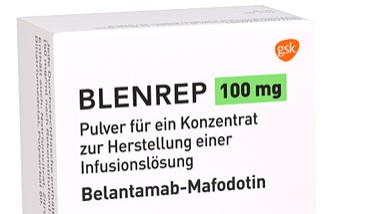
- Multiple myeloma drug 'Blenrep inj' seeking reimbursement
- by Jung, Heung-Jun Apr 08, 2026 07:47am
- GSK Korea's Blenrep inj (belantamab mafodotin), a new treatment for multiple myeloma, has officially entered the race for health insurance reimbursement listing.It has been just three months since receiving marketing authorization in December of last year as a designated new drug under the Global Innovative Product on Fast Track (GIFT) system.According to industry sources on the 8th, GSK Korea recently submitted an application to the Health Insurance Review and Assessment Service (HIRA) for the determination of reimbursement for Blenrep.Blenrep is a first-in-class Antibody-Drug Conjugate (ADC) targeting the B-cell maturation antigen (BCMA), which is overexpressed on the surface of multiple myeloma cancer cells. It induces cell death by releasing cytotoxic agents directly into the cancer cells. It has been approved as a second-line treatment for adult patients with relapsed or refractory multiple myeloma who have received at least one prior therapy.Blenrep holds clinical value by expanding treatment options for hematologic malignancies in an ADC market that has been focused on solid tumors in recent years, represented by drugs like Enhertu and Trodelvy.The approved indications in Korea are not for monotherapy but for combination therapies with ▲bortezomib and dexamethasone ▲ pomalidomide and dexamethasone.While the Central Pharmaceutical Affairs Council (CPAC) of the Ministry of Food and Drug Safety (MFDS) previously raised concerns regarding ocular toxicity, it concluded that the clinical benefits outweigh the risks. Consequently, the approval included management conditions, including regular ophthalmic examinations and the use of monitoring checklists.The approved dosage and administration also include requirements for eye exams and dose adjustments to manage adverse reactions. The upcoming reviews by the Cancer Disease Review Committee and the Pharmaceutical Reimbursement Evaluation Committee are expected to involve a thorough examination of reimbursement criteria and verification of cost-effectiveness in light of these requirements.Since this drug was approved as a second-line combination therapy to be used alongside existing anticancer drugs, analyzing the impact on National Health Insurance finances due to increased total treatment costs and negotiating Risk Sharing Agreements (RSA) are expected to be significant challenges in the listing process.
