
- LOGIN
- MemberShip
- 2026-05-03 18:08:08
- Policy
- NA Rep Kang ‘Increase gov't support to treat breast cancer'
- by Lee, Jeong-Hwan Oct 13, 2023 05:29am
- It has been pointed out that the government should strengthen economic support for innovative new drugs that treat severe diseases to improve the treatment rate of breast cancer patients. The number of female cancer patients is significantly higher than that of male cancer patients in the same age group, and the number of breast cancer patients has been steadily increasing since 2020 until last year, raising the need for measures. On the 12th, Rep. Ki-Youn Kang of the People Power Party made this claim based on the statistics submitted by the Health Insurance Review and Assessment Service. According to the number of cancer patients by age in Korea over the past 3 years, there were more cancer patients among women than among men. Among the same gender, the proportion of female cancer patients in their 40s and 50s was significantly higher. As of July this year, there were 173,066 female cancer patients in their 40s, which accounted for 10.3% of all cancer patients. This figure is more than 3 times higher than that of the 3.4% taken by male cancer patients in the same age group (56,619 patients). The number of female cancer patients in their 50s accounted for 15% (252,058 patients), which was more than twice as high as the 6.9% (115,482 patients) of male cancer patients in their 50s. In addition, even within the same gender, the proportion of female cancer patients aged between 0 to those in their 30s accounted for 1.3% and 4.2% of the total cancer patients, respectively, while the number of patients in their 40s or older increased explosively to account for double digits. In particular, among all female cancer patients, the number of breast cancer patients has been steadily increasing, from 242,945 in 2020 to 262,839, then to 281,114 in 2021, and the number of patients has also been higher than that of other cancers. In the case of breast cancer, its 5-year survival rate is 90%, but for Stage IV patients, the rate plummets to 34%, indicating the importance of receiving treatment on time. However, patients in Korea cannot easily use innovative drugs due to their high cost, and many patients are thus giving up treatment. This is why the government's economic support for serious diseases is urgently needed. Rep. Ki-Youn Kang said, “In no case shall Kore give rise to a saying such as ‘the rich live longer, and the poor die faster’ where patients are unable to receive treatment due to lack of treatment costs. Receiving drug treatment on time can greatly help improve survival rates, and the Yoon Suk-Yeol administration has also set the prompt listing of treatments for severe diseases to ease the burden of high medical costs as a national task, the relevant ministries must have the will to strengthen support for serious diseases.”
- Policy
- The fate of the drugs identified in the inspeciton inspectio
- by Lee, Tak-Sun Oct 13, 2023 05:29am
- Specifically, they are breast cancer treatment Enhertu, Parkinson's disease treatment Madopar, and other immunotherapy drugs. Enhertu was mentioned by People Power Party lawmaker Kang Ki-yoon. He said that the number of female cancer patients is rapidly increasing and ordered coverage of expensive innovative treatments. At this point, Enhertu appeared. He said, “It costs about 150 million won to cure breast cancer with Enhertu,” and asked for prompt payment, saying, “Many unfortunate cases are occurring due to lack of money.” Enhertu is currently tied up in HIRA. After a retrial last May, the Cancer Disease Review Committee established the benefit standards, but the Pharmaceutical Review Committee has not yet reviewed the adequacy of the benefits. There was no news from Enhertu at the Pharmaceutical Review Committee held on the 12th. This drug is effective, so the analysis is that the high survival rate of patients is actually holding back PE. It is difficult to prove cost-effectiveness due to increased use. Attention is being paid to whether a breakthrough in salary will be achieved thanks to Rep. Kang's order during this National Assembly inspection. There was also an order to speed up reimbursement for immunotherapy drugs whose indications are being expanded. This is the order of People Power Party lawmaker Choi Jae-hyung. He emphasized, “Please accelerate the coverage of the expansion of indications for cancer immunotherapy drugs such as Keytruda, Opdivo, Tecentriq, and Bavencio,” adding, “This is the last hope for patients with rare incurable cancers.” In response, Minister of Health and Welfare Cho Kyu-hong responded that he would review it. Part of the agenda for expanding reimbursement for cancer immunotherapy is also in the HIRA evaluation stage. In particular, in the case of Keytruda, following the expansion of reimbursement for first-line non-small cell lung cancer treatment last year, the company applied for expansion of reimbursement for 13 indications in June. On the 11th, the review committee decided to reconsider the three indications, saying that further evaluation was necessary. Fortunately, there was no failure in setting the salary standard, so attention will be paid to whether a positive result will come out in accordance with the National Assembly's request during the next discussion. Roche's 'Madopa', a treatment for Parkinson's disease, is a different case from the previous drugs for which reimbursement was promoted. This drug was already withdrawn from Korea in January. The application period for insurance benefits for inventory drugs is until December of this year. However, patients continue to request this drug. The patient personally appeared as a witness at the government inspection and appealed to be allowed to continue taking Madopa. Mr. Kim, who suffers from Parkinson's disease, said, "Patients have continued their lives by taking Madopa, but as prescriptions have become impossible, patients are suffering." He said, “Generic drugs are difficult to take due to side effects.” At the same time, he asked, “Patients are aware that generic Madopa has obvious side effects, and we ask for help so that they can continue to take Madopa tablets.” Justice Party lawmaker Kang Eun-mi said, “Many Parkinson’s disease treatments are currently being discontinued.” She asked, “The Ministry of Health and Welfare should step forward and help patients feel at ease.” Minister Cho said, “We will make efforts to resupply the original medicine as there is a demand for it.” Minister Cho responded, “We will discuss with the Ministry of Strategy and Finance.” It remains to be seen whether the Mado faction that has withdrawn from the country will return.
- Policy
- Reimb extensions for Keytruda to be rediscussed later
- by Lee, Tak-Sun Oct 13, 2023 05:29am
- MSD Korea's immunotherapy drug 'Keytruda (pembrolizumab)', which applied for a large-scale reimbursement extension, was unable to pass the first hurdle and was determined in need of rediscussions. The authorities plan to first receive the pharmaceutical company's financial sharing plan and then decide whether to set a reimbursement standard. The Health Insurance Review and Assessment Service announced that it decided to rediscuss the agenda of expanding the reimbursement standard for Keytruda at the 7th 2023 Cancer Disease Deliberation Committee meeting that was held on the 11th. The indications for Keytruda that were deliberated for reimbursement extensions were ▲ as a first-line treatment in combination with platinum- and fluoropyrimidine-based chemotherapy for patients with locally advanced or metastatic esophageal or gastroesophageal junction (GEJ) (tumors with epicenter 1 to 5 centimeters above the GEJ) carcinoma that is not amenable to surgical resection or definitive chemoradiation either who express programmed death ligand 1 (PD-L1) [combined positive score (CPS) ≥10]; ▲ for use in combination with lenvatinib to treat patients with advanced endometrial carcinoma that is not microsatellite instability-high (MSI-H) or mismatch repair deficient (dMMR), who have disease progression following prior systemic therapy and are not candidates for curative surgery or radiation; and ▲the treatment of patients with unresectable or metastatic MSI-H or dMMR colorectal cancer (CRC). The CDDC explained, “We plan to first review the medical feasibility and medical necessity for each indication among the many indications the company applied to extend Keytruda’s reimbursement to and receive the pharmaceutical companies' financial sharing plan (drafts) for the overall finances of proven indications to determine their impact before setting the reimbursement standards.” Keytruda is an anti-PD-1 immunotherapy drug, that is currently being reimbursed for 7 indications for 4 cancer types in Korea. Last year, its reimbursement was extended to include its use as a first-line treatment for non-small cell lung cancer. Keytruda has 38 indications in 18 cancers approved under the US Food and Drug Administration (FDA). In Korea, the company applied to extend reimbursement to 13 of the indications in June. The 13 indications Keytruda applied for are as follows: ▲ early-stage triple-negative breast cancer; ▲locally recurrent or metastatic triple-negative breast cancer, ▲metastatic or with unresectable, recurrent head and neck squamous cell carcinoma, ▲ locally advanced or metastatic esophageal or gastroesophageal junction (GEJ) carcinoma, ▲adjuvant treatment of patients with renal cell carcinoma, ▲non-muscle invasive bladder cancer,▲persistent, recurrent, or metastatic cervical cancer,▲ advanced endometrial carcinoma, ▲advanced endometrial carcinoma that is microsatellite instability-high (MSI-H) or mismatch repair deficient (dMMR) ▲ unresectable or metastatic MSI-H or dMMR colorectal cancer ▲metastatic MSI-H or dMMR small bowel cancer, ▲ metastatic MSI-H or dMMR ovarian cancer, and ▲ metastatic MSI-H or dMMR pancreatic cancer This time, the government deliberated on extending reimbursement to 3 of the indications. Meanwhile, the reimbursement standards for 2 new anticancer drugs have been established. Kyowa Kirin Korea’s ‘Poteligeo Inj.’ and Pfizer Korea’s ‘Mylotarg Inj.’ are the beneficiaries. However, the government decided to rediscuss the reimbursement of Handok’s ‘Pemazyre Tab.’ Also, Folfirinox (oxaliplatin + irinotecan + leucovorin + 5-FU), which has sought to expand reimbursement as neoadjuvant chemotherapy for borderline resectable pancreatic cancer, succeeded in setting reimbursement standards.
- Policy
- Overseas drug price comparison plan to be announced
- by Lee, Tak-Sun Oct 12, 2023 05:37am
- The final plan will likely be finalized after gathering opinions from the pharmaceutical industry. It is expected that a plan to reevaluate overseas drug prices will be revealed around the end of the year. Health authorities plan to prepare a reevaluation plan by the end of the year and then proceed with it starting next year. According to the industry on the 11th, the HIRA is in the process of preparing a draft plan for comparative reevaluation of overseas drug prices. The draft is expected to determine the reevaluation method and target, as well as the foreign drug price reference formula. Once the draft is completed, a working group is expected to be established to collect opinions from the pharmaceutical industry. Pharmaceutical organizations such as the Pharmaceutical and Biotechnology Association have requested a working group to establish a plan to compare and reevaluate overseas drug prices. As health authorities plan to prepare a final plan by the end of the year, discussions are expected to accelerate after the National Assembly audit. The pharmaceutical industry predicts that reevaluation will proceed sequentially, mainly focusing on chronic disease drugs whose patents have expired. There are concerns that if drug prices are reduced through reevaluation, the damage will increase. Accordingly, the possibility of filing a lawsuit against the government is already being discussed. Since the draft has not yet been released, it is difficult to make hasty predictions. An official in the pharmaceutical industry said, “If the completed plan is made public around the end of the year, there is a high possibility that the final plan will be prepared quickly through the working group after the National Assembly inspection. The pharmaceutical industry is concerned about major damage, and it seems that it will be possible to make a prediction after looking at the draft." The comparative reevaluation of overseas drug prices is also included in the 1st National Health Union Plan announced in 2019. Last year's HIRA included Canada as a reference country for overseas drug prices in addition to the existing seven countries (US, UK, Germany, France, Italy, Switzerland, and Japan), laying the foundation for reevaluation. Initially, there was an attempt to include Australia, but it was canceled due to opposition from the pharmaceutical industry. In December of last year, at a public hearing on measures to improve health insurance sustainability and support essential medical services, a plan to reevaluate foreign drug prices for chronic disease drugs whose patents have expired was formalized, and earlier this year, the HIRA announced that it would prepare a plan by the end of the year.
- Policy
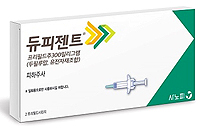
- AD drug Dupixent’s fails 1st negotiations for RSA renewal
- by Lee, Tak-Sun Oct 12, 2023 05:37am
- The first round of negotiations to renew the risk-sharing agreement (RSA) contract for the severe atopic dermatitis treatment ‘Dupixent (dupilumab, Sanofi)’ has fallen through. The company and the National Health Insurance Service plan to discuss Dupixent’s RSA renewal through additional negotiations. According to the industry on the 11th, the first round of negotiations for Dupixent's RSA renewal fell through. Dupixent was listed for reimbursement through the RSA in 2020. Three types of RSA - refund type for initial treatment, refund type, and expenditure cap type, were applied for reimbursement. At the time, the Ministry of Health and Welfare explained, "The pharmaceutical company signed an agreement to refund a part of the amount administered for a certain period of time, and then refund a certain percentage of the drug claims amount to the NHIS while limiting the total expenditure amount." Accordingly, the first biological drug used to treat severe atopic dermatitis was listed with reimbursement in Korea. At the time of the initial reimbursement listing, its subjects were limited to adult patients with moderate-to-severe atopic dermatitis who are not adequately controlled with topical treatments or for whom these treatments are not recommended. However, starting in April of this year, a new reimbursement category was added to reimburse the drug for the treatment of severe atopic dermatitis in children and adolescents aged 6 to 17. Dupixent’s sales rose vividly after the reimbursement listing. Based on IQVIA, it posted sales of KRW 72.2billion in 2021, and KRW 105.2 billion in 2022, As the treatment of pediatrics and adolescent are now also covered and the company is seeking to expand coverage to include severe asthma and atopic dermatitis in infants and toddlers, the amount of health insurance claims are likely to only increase further. Therefore, price cuts and refund rate adjustments are inevitable during RSA contract renewal. With the RSA term expiring by the end of this year, the NHIS and Sanofi were unable to reach an agreement in the first round of negotiations that began at the end of July. However, as additional negotiations are legally granted, it is expected that an agreement will be reached before the end of the RSA term. So far, no final breakdown has occurred during RSA contract renewal negotiations. If the RSA contract is not renewed, the drug will be converted to non-reimbursed status.
- Policy
- 75% of patients who administered Kymriah is not effective
- by Lee, Jeong-Hwan Oct 11, 2023 05:37am
- More than 75% of patients who received the ultra-high-priced drug Kymriah, which costs 360 million won in one dose, did not have an improvement effect. On the 6th, Kim Young-joo, a member of the National Assembly Health and Welfare Committee (the Democratic Party, Yeongdeungpo Gap) received data from the Health Insurance Review and Assessment Service on the 'Current status of administration of ultra-high-value drugs such as Kymriah and Zolgensma and patient response evaluation'. The world's first CAR-T treatment drug, Kymria,h has an indication for the treatment of adult patients with ▲post-transplant recurrence or secondary recurrence and subsequent recurrence or impresistible B cell-grade lymphoma in children and young adult patients under the age of 25 ▲reactive or non-resistible large B-cell lymphoma (DLBCL) after two or more systemic treatments. Since April 2022, health insurance benefits have been applied, and the patient's copayment has been reduced to a maximum of about 6 million won. Zolgensma, a treatment for spinal muscular atrophy (SMA), costs 1.98 billion won for a single dose of non-paid. Zolgensma was reimbursed in July 2022. Since December 2022, the HIRA has been operating a 'high-drug management system' that monitors the dosing information of ultra-high-drug patients such as Kimlia and Jolgensmaju and the evaluation of the response to drugs after administration. Kymriah had 146 patients who were dosed after reimbursement. Of these, there were 21 cases of pediatric leukemia and 125 patients with megabloid B-cell lymphoma. Their salary contract cost was 52.6 billion won. Jolgensmaju was dosed by 12 people and the cost of the payroll was 23.8 billion won. The cost-effectiveness of these ultra-high-securing new drugs is unclear, so it is implementing a 'patient-based risk-based risk-sharing system' so that the pharmaceutical company will refund a certain percentage of the amount to the healthcare company according to the contract if it is ineffective by tracking the treatment performance of each patient. According to the HIRA, as of August this year, 130 patients with lymphoma who had been treated with Kymriah for 6 months had submitted a response evaluation, of which 99 were classified as eligible for refunds. This means that more than 75% of Kymriah patients did not have a significant improvement effect. Only 1 out of 9 patients who submitted the results were eligible for reimbursement, and more than 88% of patients who received Zolgensma had the treatment effect. Health insurance and pharmaceutical companies negotiate to set the refund ratio, but the refund ratio is kept private. In the case, it is known that the refund rate is less than 50% even if there is no medicinal effect, and the refund rate is more than 50% for Jolgensmaju. The problem is that hundreds of billions of dollars are spent on medicines with low treatment performance. Rep. Kim Young-joo suggested, "In order to prevent blind spots, the target of the benefit should be expanded to patients who need ultra-high-paying treatment, such as Kymriah and Zolgensma. However, it is necessary to increase the refund rate of pharmaceutical companies if there is no treatment effect by strengthening the risk-sharing agent for the sustainable benefits of ultra-high-high-high-high-mouth new drugs." In addition, he emphasized, "The system should be improved so that patients can receive a certain part of the refund if there is no treatment effect because the patient's own burden is high even after paying," he emphasized.
- Policy
- ‘Little progress for NIP support of 9-valent HPV vaccines'
- by Lee, Jeong-Hwan Oct 11, 2023 05:36am
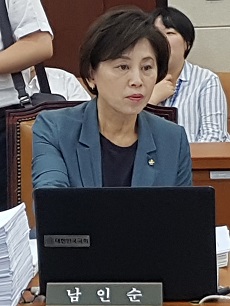
- The number of patients receiving treatment for head and neck cancer and oropharyngeal cancer, both of which are caused by HPV (human papillomavirus), is on the rise. In just a decade, from 2013 to last year, the number of head and neck cancer patients increased by 41.6%, and the number of oropharyngeal cancer patients increased by 56%. In this situation, voices have been raised on how President Suk-Yeol Yoon should actively and promptly fulfill its pledge to ‘expand the subject of HPV vaccination to males and provide support’ through relevant policies. On the 10th, Rep. In-Soon Nam of the Democratic Party of Korea, announced so after analyzing the ‘Patients Treated for Head and Neck Cancer and Oropharyngeal Cancer' data that was submitted by the Health Insurance Review and Assessment Service. The number of head and neck cancer patients increased by 41.6% from 302,960 in 2013 to 429,054 in 2022, and oropharyngeal cancer increased by 56% from 3,847 in 2013 to 6,003 in 2022. By gender, of the 429,054 patients with head and neck cancer, 104,881 (24.4%) were men and 324,173 (75.6%) were women. Among the 6,003 patients with oropharyngeal cancer, 4,890 were men. 81.5%), and 1,113 (18.5%) were women. The national HPV (human papillomavirus) vaccination program began for girls aged 12 in 2016 and then was expanded to include female adolescents aged 12 to 17 and low-income women aged 18 to 26 since 2022. The vaccines provided with national support are bivalent and quadrivalent vaccines, and 9-valent vaccines were not included. Rep. Nam said, “President Yoon, who had been a candidate back then, promised he would extend insurance coverage to Gardasil 9-valent vaccine during his’59-second shorts’ pledge. Also, the People Power Party’s presidential election policy pledge contains ‘Free national HPV vaccination for men starting from the age of 12. However, the expansion of HPV vaccine vaccination to men and support for vaccination has not been implemented.” Meanwhile, according to the 'HPV National Vaccination Status in OECD Countries' data submitted by the Korea Disease Control and Prevention Agency, only 7 countries, including Japan and Mexico, support bivalent or quadrivalent vaccines for female adolescents only like Korea. 18 countries including the United States, Canada, and France provide support for the use of the 9-valent vaccine for both men and women. Rep. Nam said, “The recent HPV vaccine cost-effectiveness analysis report concluded that expanding the target population or converting to a 9-valent vaccine is not agreeable in the current domestic situation. HPV is not only responsible for cervical cancer, but also head and neck cancer, oropharyngeal cancer, and anal cancer. This is why many OECD countries are actively administering HPV vaccines. cost-effectiveness studies. As we are promoting reconducting the cost-effectiveness research, I hope the government will also abide by its word and actively engage in the provision of 9-valent vaccines.”
- Policy
- Eisai’s Jyseleca completes negotiations with NHIS for reimb
- by Lee, Tak-Sun Oct 11, 2023 05:36am
- Eisai Korea has completed negotiations with the National Health Insurance Service for its JAK inhibitor ‘Jyseleca Tab (filgotinib).’ As a result, Jyseleca is now on the verge of being listed for reimbursement in Korea. This drug is the 5th JAK inhibitor introduced to Korea. It has a mechanism of action that selectively inhibits JAK1, the main treatment target for rheumatoid arthritis. JAK1 is a substance that transmits inflammatory cytokine signals. Results of the global FINCH Phase 3 study showed that the drug improved arthritis symptoms by more than 20% at 12 weeks when administered to patients with moderate-to-severe active RA (rheumatoid arthritis) despite continued methotrexate (MTX) treatment. When evaluating the response rate during the 12-week period during which patients showed no response to methotrexate, 66% of patients responded to Jyseleca, and symptom improvement was observed. Last July, HIRA’s Drug Reimbursement Evaluation Committee approved conditional reimbursement for the drug in treating rheumatoid arthritis and ulcerative colitis. At the time, DREC judged reimbursement was adequate when the company accepted a price below the assessed amount. Eisai Korea appears to have accepted a price below the assessed value. In particular, it is said that the company skipped negotiations on the insurance price ceiling that is set with the National Health Insurance Service by accepting a price that is below 90% of the weighted average price of its alternative. Negotiations with the NHIS on the expected claims amount were also recently completed. Accordingly, this drug is expected to be listed for reimbursement after being reported to the Ministry of Health and Welfare’s Health Insurance Policy Deliberation Committee. Other JAK inhibitors that were previously introduced to Korea include Pfizer’s ‘Xeljanz,’ Lilly’s ‘Olumiant,’ ‘Abbove’s ‘Rinvoq,’ and Pfizer’s ‘Cibinqo.’
- Policy
- Hyaluronic acid eye drops, start to revise the standard
- by Lee, Tak-Sun Oct 11, 2023 05:36am
- The HIRA has started to revise the standards to limit the use of Hyaluronic acid sodium eye drops. It is known that the revision of standards will be completed as early as the end of the year, and will be implemented from next year. According to an industry example on the 10th, the HIRA has entered a review of the revision of the standards for sodium hyaluronic acid eye drops at the request of the Ministry of Health and Welfare. Therefore, we plan to hold an expert advisory meeting soon to continue related discussions. Earlier, the Pharmaceutical Benefit Evaluation Committee held on the 6th of last month recognized the benefit of endogenic diseases for Hyaluronic acid eye drops that have been reassessed. Exogyneutic disease is caused by post-surgery, pharmaceutical, trauma, wearing of content lenses, etc. Endogenic diseases include Sjogren's syndrome, skin blemish syndrome (Steven's Johnson syndrome), and dry eye syndrome. The main indication of hyaluronic acid eye drops is an endogenic disease, so related companies sighed with relief. However, instead of recognizing the benefit of endogenic diseases, the drug review committee put a clue that it is necessary to set the prescribed amount per patient's visit and the total annual prescription amount per patient in the standard for proper use. As a result, it is more likely to affect sales due to the revision of standards. During the discussion of the re-evaluation, it was known that a plan to limit 1 bottle of 60 to 4 per year was also considered. It is said that the HIRA reported the results of the drug level to the Ministry of Health and Welfare, and the Ministry of Health and Welfare requested a revision of the salary standard. Therefore, it is expected to speed up the revision of salary standards through expert advisory meetings, etc. Since the results of this year's benefit decent revaluation will be reflected from January next year, it is known that the discussion on the revision of the salary standard of the Hyaluronic acid drop system will be completed within this year and implemented at the same time as the results of the reassessment in January next year. An official from a related company explained, "If you limit the amount of use, even if the benefit is recognized for endogenic diseases, damage to sales is inevitable." The three-year average claim amount of hyaluronic acid eye drops is 231.5 billion won, and about 400 items are listed as reimbursement.
- Policy
- Tepmetko attempts reimb again in KOR
- by Lee, Tak-Sun Oct 10, 2023 05:27am
- Merck is reattempting reimbursement listing of its MET-targeted anticancer therapy ‘Tepmetko (tepotinib)’ in Korea. The drug was unable to pass the Health Insurance Review and Assessment Service’s Cancer Disease Deliberation Committee review in February. The company voluntarily withdrew its reimbursement process at the time. The company had later reorganized the data to reapply for reimbursement. According to the industry on the 6th, Merck Korea recently applied to request a reimbursement decision for its Tepmetko to HIRA. Tepmetko is a treatment for locally advanced or metastatic non-small cell lung cancer with confirmed MET exon 14 skipping mutations. It was approved in Korea in November 2021. Afterward, Tabrecta Tab (capmatinib), a same-class drug, also sought reimbursement in Korea. MET exon 14 skipping mutation is a rare type of cancer that is present in approximately 3-4% of patients with non-small-cell lung cancer (NSCLC). Due to the lack of suitable treatments, expectations had been high for anticancer drugs targeting the disease. However, both drugs are having difficulty being listed for reimbursement. Tepmetko failed to set reimbursement standards at the Cancer Disease Deliberation Committee meeting that was held in February this year. Tabrecta also failed to pass HIRA review. The HIRA's Drug Reimbursement Evaluation Committee decided not to reimburse Tabrecta, saying there was insufficient evidence to judge its clinical usefulness. Despite such delays in reimbursement, Tepmetko has landed in major general hospitals in Korea and became available for prescription. This is proof that its need is well recognized in the field. Tepmetko’s efficacy was evaluated through the VISION study, which enrolled the largest number of patients among clinical trials targeting NSCLC patients with MET exon 14 skipping mutations. Results showed a significant life extension effect with a median progression-free survival (PFS) of 15.3 months and an objective response rate (ORR) of 56.8%. Also, the median duration of response (DoR) was 46.4 months, and the median overall survival (OS) was 25.9 months, showing continuous antitumor activity in the long term. With its need in the medical field rising, expectations are also rising for the second time to be the charm for Tepmetko’s reimbursement.
