
- LOGIN
- MemberShip
- 2026-06-21 05:58:57
- Company
- Pfizer's Q3 sales 31%↑amid increased demand for COVID-19
- by Son, Hyung Min Oct 31, 2024 05:55am
- The global pharmaceutical company Pfizer's sales are increasing compared to the previous year. Pfizer's growth has been driven by the sales of COVID-19 vaccines and treatments such as Paxlovid and Comirnaty. According to industry sources on October 30, Pfizer's sales in Q3 recorded US$17.72 billion (about KRW 24.48 trillion), up 31.2% year-over-year (YoY). Pfizer's combined sales from Q1 to Q3 were US$45.864 billion (about KRW 63.47 trillion), up 2.0% from the same period last year. Pfizer's sales growth in Q3 has been driven by COVID-19 medications. Paxlovid, a COVID-19 treatment, generated US$ 2.73 billion in Q3, up 1,238.1% YoY. Sales performances of Paxlovid (dark blue) and Comirnaty (light blue) (unit: US$ 1 million) in 2023 and 2024. The changes in the demand for COVID-19 medications significantly impacted Pfizer's sales. After recording US$4.069 billion in Q1 of 2023, Paxlovid generated US$143 million in Q2, down 96.4%. This is due to the decreased demand for COVID-19 medications in line with the time of the endemic announcement. However, many countries have recently focused on securing treatments as COVID-19 patients are on the rise due to new variants such as JN.1. The Korean government has listed Paxlovid for insurance reimbursement this month as part of its effort to secure treatments. The COVID-19 vaccine, Comirnaty, has recorded US$1.422 billion in Q3 of 2024, up 8.9% from the previous year. As the demand for the Comirnaty vaccine significantly dropped, the sales dropped to US$195 million in Q2. Pfizer released Comirnaty JN.1 this year to prepare against new mutations. The company also launched 'Comirnaty JN.1 0.033,' a COVID-19 vaccine for infants, and is expecting a sales turnaround. Besides the COVID-19 medications, Vyndaqel products significantly drove sales growth. Vyndaqel products generated sales in Q3 of US$1.447 billion, up 62.2% from the previous year. Vyndaqel products include 'Vyndaqel,' 'VYNDAMAX,' and 'VYNMAX,' which are used to treat amyloid multiple sclerosis and cardiomyopathy. Pfizer has expanded indications for these products to increase their use in countries worldwide. Pfizer expects growth of new drugs secured from acquiring Seagen. In March 2023, Pfizer acquired Seagen, a company specializing in antibody-drug conjugate (ADC), for US$43 billion (about KRW 55 trillion). Seagen developed various ADC cancer drugs, including Adcetris, Padcev, and Tukysa. Padcev, a drug approved to treat urothelial cancer, generated sales in Q3 of US$409 million, and Tukysa, a breast cancer treatment, recorded US$124 million. Adcentris, which is used for blood cancers, raised US$268 million, contributing to Pfizer's sales growth. As a mid-to-long-term strategy to foster growth, Pfizer has set a goal to strengthen its presence in the anticancer drug field by developing eight new drugs with sales of over US$1 billion (KRW 1.3 trillion) by 2023. Pfizer plans to establish a new blockbuster drug portfolio around Seagen's ADC, in addition to its targeted anticancer agents, such as Ibrance for treating breast cancer and Lorviqua for treating lung cancer. Additionally, Pfizer aims to reduce its expense by US$4 billion (about KRW 5.2 trillion) by the end of this year through the Cost Realignment Program. Pfizer announced that it plans to save an additional US$1.5 billion by 2027. Pfizer's Headquarters is also discussing restructuring. This month, the company dismissed employees from its Sanford, North Carolina, U.S. manufacturing plant.

- Company
- NIP inclusion of HPV vaccines on the horizon
- by Whang, byung-woo Oct 31, 2024 05:55am
- Amid high interest in the expansion of the National Immunization Program (NIP) to include HPV vaccines, the possibility of its inclusion in 2026 has arisen in Korea. Although the agenda is yet in the planning stage, attention is being paid to whether it can gain substance in line with the NA budget deliberation discussions next month. The NA Audit by the Health and Welfare Committee made 12 written inquiries related to HPV or the HPV vaccine this year. The inclusion of the HPV vaccine was mentioned in the last NA audits in 2022 and 2023, but interest in this year's audit was particularly high due to the interest of the ruling and opposition parties as the issue was included in the government's major national agenda. In response to the NA Audit inquiry, the Korea Disease Control and Prevention Agency answered that it had prepared the grounds for the introduction through cost-effectiveness analysis, and secured the feasibility of its introduction through priority assessment. In fact, in the study 'Establishing a Mid- to Long-term Plan for the Introduction of NIP,' including Gardasil 9 in the NIP for 12-year-old girls was ranked third in the overall priorities, and the vaccination of 12-year-old boys with Gardasil 9 was ranked sixth. However, regarding its future expansion plans, the KCDA provided a cautious response, saying that expanding subjects and introducing vaccines in the NIP requires a cautious approach due to the large budget investment required. The KDCA said, “We will closely discuss the introduction plan within the government while comprehensively considering age and gender characteristics, disease burden, vaccine availability, and the budget requirements.” However, the KCDA also provided direction on the timing of the expansion of HPV vaccination for boys in response to a written inquiry from NA Rep. Jin-sook Jeon (Democratic Party of Korea). According to the KDCA’s “Achievements and Plans for Expanding HPV Vaccination to Boys,” the KDCA plans to secure funding for expanding the target population and introducing a new vaccine in 2025 and consider introducing a new vaccine from 2026. If the agency secures the required funding, it is analyzed that NIP vaccination of boys for HPV may be possible in 2026. As HPV vaccination is on the government's agenda, the KCDA agrees on the need to introduce the vaccine, and academics and experts have emphasized the effectiveness of its addition to NIP, the industry expects that there will be no major hurdles once the budget issue is resolved. The budget issue is also likely to be resolved as the National Assembly plans to rediscuss the agency's budget cuts. Lawmakers on the National Assembly's Health and Welfare Committee are expected to discuss increasing the budget for NIPs during their budget review in November. According to the KCDA's 2025 budget and fund management proposal that it submitted in August, next year's NIP budget is 24.9% lower than this year's, but if this budget is increased, the inclusion of the HPV vaccine in NIP is likely to be discussed actively. However, it is unclear which vaccine will take center stage even if the budget is increased, as there are currently a number of vaccines that are in need of expansion to NIP, including the shingles vaccine. MSD Korea, which currently owns Gardasil 9, an HPV vaccine, said it will continue discussions with the government about expanding the NIP. “We will actively engage in discussions with the government, including the KDCA, on expanding NIP for HPV vaccines,” said an MSD representative.
- Company
- Difficulty expanding indications for antibody-drug conjugate
- by Moon, sung-ho Oct 30, 2024 05:54am
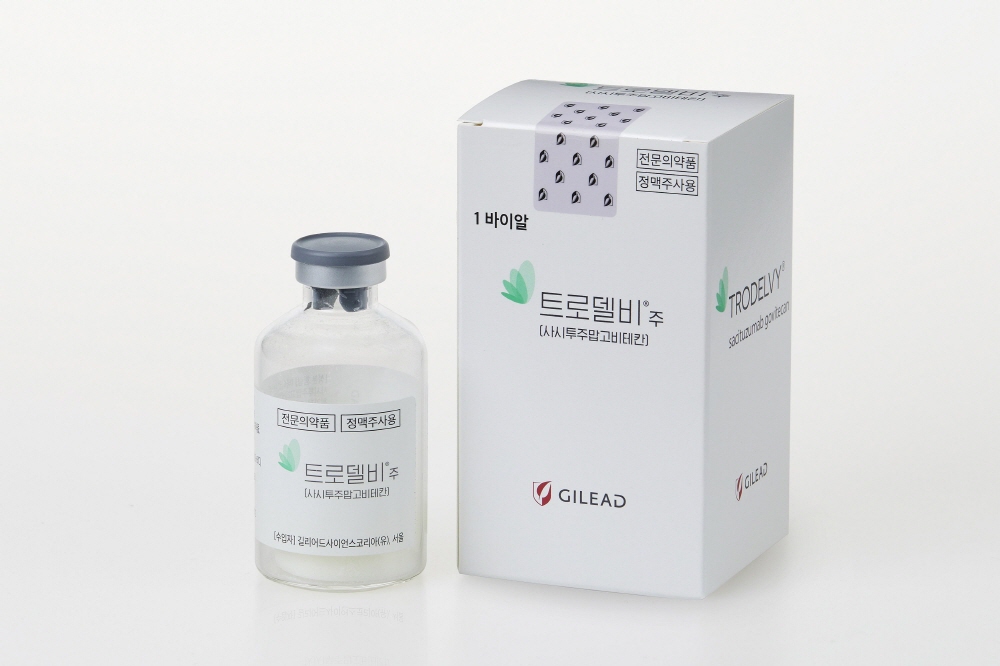
- Drug candidates that received much expectation as next-generation antibody-drug conjugates (ADCs) based on the success of Enhertu are on a struggling path to reimbursement in Korea. Although the companies aimed to expand the scope of coverage of their drugs based on their effectiveness in specific cancer types, the expectations damped somewhat due to the disappointing clinical research results. Nevertheless, the domestic and international pharmaceutical and bio industries are attempting to develop new drugs by starting clinical research on the combined use of ADCs and immuno-oncology drugs. The TROP-2 class of drugs has been receiving the most attention as the next generation of ADCs in the global pharmaceutical and biotechnology industries and clinical sites. The leading products in the market include TRODELVY® (sacituzumab govitecan-hziy, Gilead), and datopotamab deruxtecan (AstraZeneca, Daiichi Sankyo). However, these candidates have recently struggled to expand their indications. According to industry sources on the 25th, Gilead recently formalized the ‘abandonment’ of its application to expand Trodelvy’s indication to urothelial cancer in consultation with the US Food and Drug Administration (FDA). Troldelvy binds to the Trop-2 protein, which is highly expressed in a variety of cancers including breast cancer, and releases the drug inside the tumor cells, destroying not only the tumor cells but also the tumor microenvironment, with minimal impact on healthy cells. Currently, it has demonstrated efficacy in advanced triple-negative breast cancer (TNBC) and HR+/HER- breast cancer. However, the company abandoned its other promising indication - urothelial carcinoma. The company failed to demonstrate overall survival (OS) in the TROPiCS-04 study, a Phase III confirmatory trial that was part of the conditional approval. The Keytruda (pembrolizumab, MSD) and Padcev (enfortumab vedotin, Astellas) combination therapy, which has been introduced in Korea as a first-line treatment option for urothelial carcinoma, stood out in the trial, demonstrating its relative effect. Another TROP-2 class ADC, datopotamab deruxtecan, Dato-DXd, is also facing difficulties. The final OS analysis HR+/HER2 low- or negative-expressing breast cancer did not show a statistically significant improvement over chemotherapy. At the same time, it failed to achieve statistical significance in OS compared to docetaxel in advanced/metastatic NSCLC. Following the failure of Trodelvy in demonstrating survival benefits in metastatic stage IV NSCLC, datopotamab deruxtecan is also struggling to gain traction in the lung cancer space. However, AstraZeneca and Daiichi Sankyo have applied to the FDA for the approval of datopotamab deruxtecan for advanced/metastatic non-squamous NSCLC, as they believe it could be a new treatment option. As such, the FDA is expected to make a decision on whether to approve datopotamab deruxtecan for NSCLC by December 20th. Dr. Min-Hee Hong, professor of Medical Oncology at Severance Hospital, said, “If you think about the role of ADCs in NSCLC, nothing has been approved so far. “However, if you look at Trop-2-targeted ADC studies, there is some talk that some subgroup analysis results were good. But whether the company can get FDA approval with the data remains in question, as it didn't meet its primary endpoint.” “I think it shows what we call “cherry picking” in the medical community, where they're really cherry-picking the data that they want to show, so I think it's fair to say that there's no approved drug and no role for the drug at this point. But we'll have to wait and see because the FDA’s decision hasn't been announced yet.” While global pharmaceutical companies' next-generation ADC candidates are struggling to expand their scope, the domestic pharmaceutical and biotech industry's presence in ADC development has been growing. The Korean pharmaceutical and biotechnology industries are attempting various clinical trials with the combination of ADCs and immuno-oncology drugs, which are being actively conducted around the world and are leading to actual technology export results. Gilead, AstraZeneca, and Daiichi Sankyo are already attempting clinical studies with immuno-oncology drugs such as Keytruda or Imfinzi (durvalumab) in combination with Trodelvy and datopotamab deruxtecan. One representative domestic company is LigaChem Biosciences. LigaChem Biosciences is a company specializing in ADC development that has signed a total of 10 technology transfer agreements. Starting with the technology transfer to China's Fosun Pharma in 2015, the company successfully exported its LCB84 technology to Janssen in December last year. LCB84 is an ADC candidate that can target various solid cancers, including triple-negative breast cancer and non-small cell lung cancer. LigaChem Biosciences also recently announced that it has signed 2 technology transfer agreements with Japan's Ono Pharmaceutical Industries, including LCB97, which targets the L1CAM protein. The total value of the two agreements is worth over USD 700 million (KRW 943.5 billion), with the specific upfront payment amount undisclosed as per the parties' agreement. LCB97 targets L1CAM, a protein expressed in several solid tumors, including lung, pancreatic, and colorectal cancers. In February of last year, LigaChem Biosciences entered into a research and development agreement with Elthera AG in Switzerland for the L1CAM antibody, securing worldwide rights, including for ADC use. In addition, various domestic biotech companies such as NeoImmuneTech and TXINNO Bioscience are attempting clinical research with the concept of ADC and immuno-oncology combination therapy. A domestic pharmaceutical and biotech industry official said, “The success of the Padcev+Keytruda combination attracted much attention to the combination of ADCs and immuno-oncology drugs. And the combination’s reimbursement is gaining great interest in Korea. Although it has no commercialized items yet, LigaChem Biosciences gained attention for signing licensing agreements with global big pharma companies such as Ono Pharmaceutical, Janssen, and Amgen. This is because ADCs are being regarded as the next cash cow in the global market.”

- Company
- Dupixent sales skyrocket with 'expanded indications'
- by Son, Hyung Min Oct 30, 2024 05:54am
- Sales for 'Dupixent,' a biological agent developed by Sanofi, continue to skyrocket. Net sales for Dupixent from Q1 to Q3 of 2024 reached 10 billion euros. The analysis suggests that Dupixent's added indications to treat various immune diseases, including atopic dermatitis, asthma, esophagitis, and chronic obstructive pulmonary disease (COPD), have contributed to its continued sales increase. According to Sanofi's performance report on October 29, Dupixent's Q3 global sales amounted to 3.476 billion euros (about KRW 5.2 trillion), up 18.1% year-over-year (YoY). Dupixent's sales for 2024 were 9.614 billion euros (about KRW 14.4 trillion), up 24.5% compared to Q3 of last year. Dupixent After recording 2.835 billion euros in Q1 2024, it surpassed 3 billion euros in Q2. Dupixent generated 3.476 billion euros in Q3, up 115.4% compared to 1.614 billion euros in Q1 2022. Dupixent is the first biological agent to target the signaling transmission of interleukin (IL)-4 and IL-13, which are the main causes of type 2 inflammation. Dupixent was developed from a global collaboration agreement between Sanofi and Regeneron Pharmaceuticals. The drug received marketing authorization as a treatment for atopic dermatitis in various countries, including South Korea, the United States, Canada, Europe, Japan, and Australia. Launched in the global market in 2018, Dupixent continues to generate sales growth. After recording 107 million euros in Q1 2018, it generated more than 1 billion euros (about KRW 1.5 trillion) in Q1 2022. Since then, Dupixent has grown into a blockbuster drug with annual sales of more than 10 billion euros (about KRW 15 trillion). Sanofi expects Dupixent's yearly sales to reach around 13 billion euros this year. Confirmed safety and efficacy…added indications contributing to sales hike Dupixent, SanofiDupixent is regarded as a biological agent that has proven extended efficacy and safety. Unlike conventional immune inhibitors, this drug reduced the number of side effects in clinical and real-world data. It has the efficacy in targeting only the inflammatory responses of Th2 cells. Biologics are medicines that are manufactured based on pathogenic microorganisms such as proteins, antibodies, nucleotides, and cells. This agent effectively targets proteins and cells to treat diseases, and it has the advantage of lowering side effects compared to chemical agents. Dupixent's other advantage is its continued addition of indications. In 2017, the U.S. Food and Drug Administration (FDA) granted approval to Dupixent for its indication to treat atopic dermatitis. The following year, it expanded prescription areas to treat patients with moderate or higher symptoms. In the United States, Dupixent is the only asthma drug to target all ages. Since then, Dupixent has expanded the scope of approval to various immune diseases, including chronic sinusitis with nasal polyps, nodular rashes, and eosinophilic esophagitis. Dupixent has recently added an indication to treat COPT. On October 27, the FDA approved Dupixent for the treatment of COPD. Dupixent is the first biological agent to secure a COPD indication. Dupixent has shown strength in diseases triggered by type 2 inflammation, from atopic dermatitis to asthma, chronic sinusitis with nasal polyps, and eosinophilic esophagitis. It is expected to add additional indications for diseases caused by similar mechanisms. Currently, Sanofi is conducting a Phase 3 clinical study of Dupixent, aiming to secure indications to treat chronic idiopathic urticaria (CSU), chronic pruritus (CPUO), and bullous pemphigus (BP).

- Company
- "Early intervention" needed for treating multiple myeloma
- by Whang, byung-woo Oct 29, 2024 05:49am
- The survival rate of patients with multiple myeloma increased following new drug development. However, concerns have been raised that South Korea's survival rate is still far from that of advanced countries. Expert opinions indicate that the Korean medical treatment field changes with new drug approvals and reimbursement listings, yet patient access remains restricted. Dr. Chang Ki Min, a Professor of Hematology at Seoul St. MaryDuring the conference commenced by Janssen on October 28th, Dr. Chang Ki Min, a Professor of Hematology at Seoul St. Mary's Hospital, emphasized the need for early treatments customized to the nature of multiple myeloma. According to the Health Insurance Review and Assessment Service (HIRA), the number of Korean patients with multiple myeloma is on the rise due to the aging population. Multiple myeloma patients were 7,063 in 2017, and the number increased to 11,219 patients in 2023. "The average multiple myeloma onset is 60 years or higher. As the aging population continues to increase, the number of multiple myeloma patients will likely increase as well," Dr. Min explained. The problem is that remission of multiple myeloma is difficult to achieve. Despite undergoing treatments, patients are likely to experience relapse. Therefore, treatment focuses on selecting effective treatments in each stage and extending the progression-free survival period. Typically, treatment duration shortens as the number of treatments increases. For example, 95% of patients undergoing first-line treatment relapse, 15% of patients undergoing fourth-line treatment relapse, and the percentage drops to 1% by the time patients receive fifth-line treatment. "When multiple myelomas relapse after several years following treatment at an early stage, the disease becomes chronic. It is important to undergo effective treatment at early stage so that the disease does not advance to secondary, tertiary, etc," said Dr. Min. As new drugs are being developed for treating multiple myeloma, a variety of treatment options are available. Originally starting from simple chemotherapy, the treatment evolved to combination therapies, including proteasome inhibitors, immune modulators, and high-dosage steroids. Recently, new treatments, such as anti-CD38 monoclonal antibodies and BCMA-targeted immune therapy, became available. The survival rate following the development of treatments for multiple myeloma (based on a document presented by Dr. Chang Ki Min) In South Korea, new treatment options are emerging as new drugs for treating multiple myeloma receive the Ministry of Food and Drug Safety (MFDS) approvals: elranatamab in May and Talvey in June. However, the limitation to utilizing such treatments is that the National Health Insurance reimbursement is limited. A 'DVTd combination therapy (Darzalex+bortezomib+thalidomide+dexamethasone),' containing Darzalex (daratumumab), recently received an appropriateness decision from the Drug Reimbursement Evaluation Committee (DREC) for expanding reimbursement as the first-line treatment of multiple myeloma. However, analysis suggests that the medical field still needs overall improvement. "Within the limited government fund, many pharmaceuticals are covered by reimbursement. Yet, there still needs improvement based on the global standard," Dr. Min said. "Despite having good treatment options, including existing medications and new drugs, patient access is limited. Thus, it requires improvement." The survival rate of patients with multiple myeloma in South Korea and several advanced countries (based on a document presented by Dr. Chang Ki Min) The survival rate of Korean patients with multiple myeloma is 51%, showing a 10% difference compared to that of advanced countries, 61% in the United States and 62% in Germany. Consequently, the Korean medical field is changing due to new drug approvals and reimbursement listings. Various approaches may be needed to improve treatment outcomes, such as considering treating the disease at an early stage and optimizing the order of treatments. Dr. Min has suggested an improvement plan as ▲Early use of the monoclonal antibody combination therapy ▲Triple combination drug that can be used in patients who are non-responsive to Lenalidomide ▲A new class treatment for patients relapse or refractory to over third-line therapies. It suggests that administering a new drug that would significantly improve the survival rate at an early stage could achieve both the treatment effects and the National Health Insurance finance. "We understand the problem of limited National Health Insurance finance, but we expect that early administration of an effective treatment method would reduce relapse rate and increase the survival rate, thereby potentially reducing the treatment cost," Dr. Min said. "Most patients currently undergo 6th and 7th treatments. Using effective treatments at an early stage will, in turn, be effective for the National Health Insurance." Lastly, Dr. Min added, "It would be difficult for patients to fully experience the treatment effects when effective medications are used in patients with poor conditions after the 3rd and 4th treatments. By administering treatments early, we expect to see the global standard therapy results."
- Company
- Will the third time be the charm for Mylotarg?
- by Eo, Yun-Ho Oct 29, 2024 05:49am
- The industry’s attention is focused on whether the insurance reimbursement discussions for the acute myeloid leukemia drug ‘Mylotarg’ will make progress this time. According to the industry sources, Pfizer Korea’s acute myeloid leukemia (AML) drug ‘Mylotarg (gemtuzumab ozogamicin)’ is set to be submitted to the Health Insurance Review and Assessment Service’s Drug Reimbursement Evaluation Committee. However, it is not yet confirmed whether the agenda it will be presented in November. Mylotarg’s reimbursement agenda was deliberated by HIRA’s Cancer Disease Review Committee in May 2022 but was unable to set reimbursement standards then. It passed the CDDC review in October last year, but subsequent discussions had collapsed. Pfizer resubmitted the application for its reimbursement in June, which passed the Pharmacoeconomic Evaluation Subcommittee. Mylotarg is an antibody-drug conjugate (ADC) indicated for the first-line treatment of newly diagnosed acute myeloid leukemia whose tumors express the CD33 antigen (CD33-positive AML) . The drug, which received marketing authorization in Korea in December 2021, is an ADC composed of a CD33-targeting monoclonal antibody linked to calicheamicin, a potent cytotoxic agent. The drug works on cells that express the CD33 antigen, which is expressed in more than 90% of AML patients. This blocks cancer cell growth and induces apoptosis. Mylotarg’s approval was based on a clinical trial (ALFA-0701) conducted on 271 patients aged between 50 to 70 with newly diagnosed AML with no prior treatment experience. The ALFA-0701 trial was an open-label, randomly assigned, multicenter Phase III study that compared the existing standard front-line chemotherapy, daunorubicin+cytarabine combination therapy, with Mylotarg+ daunorubicin+ cytarabine combination therapy. Results showed that the median event-free survival (EFS) in the Mylotarg+daunorubicin+cytarabine combination therapy group was 17.3 months, a 7.8 month extension compared to the 9.5 months in the daunorubicin+cytarabine combination therapy group. Also, the Mylotarg combination therapy reduced the risk of induction failure, relapse, or death by 44% compared to chemotherapy alone. The median relapse-free survival (RFS) was 28.0 months in the Mylotarg+daunorubicin+cytarabine combination therapy group and 11.4 months in the daunorubicin+cytarabine combination therapy group, showing a significant 16.6-month difference with the addition ofMylotarg. In the case of median overall survival (OS), the median OS was 27.5 months in the Mylotarg+daunorubicin+cytarabine combination therapy group and 21.8 months in the daunorubicin+cytarabine combination therapy group, but there was no statistically significant difference between treatment arms in OS. Meanwhile, Mylotarg is administered intravenously under close monitoring over 2 hours at the recommended dose with dilution depending on the treatment regimen, including remission induction therapy and remission maintenance therapy. Mylotax was approved by the U.S. FDA in September 2017 and by the European Medicines Agency (EMA) in April 2018.
- Company
- ABL Bio receives ₩7B as milestone payment from Sanofi
- by Kim, Jin-Gu Oct 29, 2024 05:49am
- ABL Bio has received additional milestone payments from Sanofi for its degenerative brain disease treatment candidate ‘ABL301’. Including the upfront payment., ABL Bio will receive a total of KRW 170 billion, which includes the upfront payment. On 28 February, ABL Bio announced the completion of the manufacturing technology transfer of ABL301 to Sanofi and the receipt of USD 5 million (KRW 7 billion) as a milestone payment. ABL Bio signed a licensing-out agreement with Genzyme for ABL301, a bispecific antibody candidate for the treatment of Parkinson's disease and other neurodegenerative diseases. Genzyme is a fully-owned subsidiary of Sanofi. The total value of the agreement was estimated to be approximately $1.06 billion. As part of the agreement, ABL Bio received a non-refundable upfront payment of USD 75 million (KRW 100 billion). In September of the same year, the company received an additional USD 20 million of the USD 45 million in milestone payments for completing preclinical studies. In January last year, the company received an additional USD 25 million as a milestone (KRW 35 billion) for administering the first dose in the Phase I clinical trial. This, coupled with an additional USD 5 million (KRW 7 billion) in milestone payments for the transfer of manufacturing technology, brings the cumulative amount received from Sanofi to more than $125 million (KRW 170 billion). ABL Bio is eligible to receive up to an additional USD 940 million in other milestone payments based on further clinical, regulatory, and commercial achievements. In addition, upon successful commercialization of ABL301, the company may receive an agreed-upon percentage of net sales as an ongoing technology fee (annual fee). ABL301 is currently in a Phase I clinical trial in the U.S. led by ABL Bio. Upon completion of Phase 1 trials, Sanofi will be responsible for initiating Phase II trials. Sanofi retains global development and commercialization rights from Phase II trials. ABL301 is a bispecific antibody that uses ABL Bio’s Grabody-B platform technology to effectively deliver antibodies that inhibit the build-up of alpha-synuclein, the protein that causes Parkinson's disease, into the brain for improved treatment effect. The company's Grabody-B platform leverages the IGF1R (Insulin-like Growth Factor 1 Receptor) to maximize the blood-brain barrier (BBB) penetration of therapeutic candidates for various central nervous system diseases.
- Company
- 'Aquipta,' new oral migraine drug, can be prescribed
- by Eo, Yun-Ho Oct 28, 2024 05:53am
- Product photo of AbbVie Korea AbbVie Korea's new drug 'Aquipta,' an oral drug used to treat migranes, is expanding the number of hospitals where it can be prescribed. According to industry sources, Aquipta (atogepant), an oral calcitonin gene-related peptide (GRRP) receptor antagonist for migraine treatment, has passed the drug committee (DC) of tertiary general hospitals, including Samsung Medical Center, Seoul National University, Asan Medical Center in Seoul, and Sinchon Severance Hospital, as well as other medical centers including, Kangbuk Samsung Hospital, Hallym University Dongtan Sacred Heart Hospital, and Inha University Hospital. Since its official launch in June, it has quickly become available for prescription. Aquipta is drawing attention as the first and only oral treatment option within the same class. In 2021, the U.S. Food and Drug Administration (FDA) approved Aquipta for the prophylaxis of episodic and chronic migraine in adults. In August, it received European approval for the prophylaxis of migraine in adults who have four or more migraine days per month. The basis for the approval in South Korea was the PROGRESS, ADVANCE, and ELEVATE Phase 3 studies. In the PROGRESS study, the efficacy and safety of Aquipta in preventing chronic migraine was compared to those of placebo. In the study, 521 adult patients with a diagnosis of chronic migraine for at least a year (greater or equal to 15 headache days and at least 8 migraine days) were randomized 1:1 to the Aquipta treatment or placebo treatment. The primary endpoint was changes from baseline in monthly mean headache days across a 12-week treatment period. The results demonstrated that the Aquipta treatment group had a reduction in monthly mean headache days by 6.9 days from baseline, compared to 5.1 days for the placebo group. The ADVANCE study compared the efficacy of Aquipta in preventing episodic migraines to that of placebo. The study involved 458 patients with a history of chronic migraine 4 to 14 days per month. The results demonstrated that the Aquipta treatment group had a reduction of monthly mean migraine days from baseline by 4.2 days, compared to a reduction of 2.5 days for placebo. In the ELEVATE study, which evaluated the preventative effect of chronic migraine in patients who previously failed prophylaxis, Aquipta treatment showed more significant reduction in monthly mean migraine days compared to placebo. "CGRP treatment is significantly effective in preventing migraines. Previously released injectables required monthly hospital visits, whereas oral treatment provides patients with more treatment options," Byung-Kun Kim, Professor of Nowon Eulji Hospital, said.
- Company
- Will Roche’s lymphoma drug Columvi be discussed for reimb?
- by Eo, Yun-Ho Oct 28, 2024 05:53am
- Will Columvi, the first bispecific antibody treatment option for lymphoma, enter the first step to its reimbursement within the year? Roche Korea’s CD20-CD3 bispecific antibody for diffuse large B-cell lymphoma (DLBCL), Columvi (glofitamab), may likely be redeliberated by the Health Insurance Review and Assessment Service's Cancer Disease Deliberation Committee meeting set to be held in November. Originally, there were hopes for its discussions in October, supported by strong requests from patient groups. The agenda was reviewed by CDDC in July but failed to set reimbursement standards at the time. Therefore, industry eyes are on whether Columvi can break through the barrier this time. Columvi was approved in Korea last December for the treatment of adult patients with relapsed or refractory diffuse large B cell lymphoma (DLBCL), after two or more lines of systemic therapy. The drug is a third-line treatment option for DLBCL, like Novartis’s chimeric antigen receptor (CAR)-T-cell therapy Kymriah (tisagenlecleucel). The two drugs have different benefits; therefore the choice will likely be based on each patient's condition and circumstance. Columvi demonstrated efficacy in the Phase I/II NP30179 trial in 155 patients with relapsed or refractory DLBCL after two or more prior systemic therapies. Results showed that Columvi achieved a complete response (CR) of 40% and an overall response rate(ORR) of 52%. The efficacy was also consistent across all subgroups. The most common adverse event was cytokine release syndrome (CRS). Adding to the encouraging data presented at the 2024 Congress of the European Hematology Association (EHA 2024), the company unveiled the results of the Phase III STARGLO study, which demonstrated an improvement in overall survival (OS) with Columvi. The STARGLO study enrolled patients with relapsed or refractory (R/R) diffuse DLBCL who were not eligible to receive an autologous stem cell transplant after one or more prior systemic therapies, or who had received two or more prior systemic therapies. In the primary analysis (median follow-up 11.3 months), Columvi and gemcitabine+oxaliplatin (GemOx) combination significantly improved the primary endpoint of OS with a 41% lower risk of death compared to rituximab+GemOx. Meanwhile, the Korea Leukemia Patients Organization had continuously requested the CDDC review for Columvi review in October and has also requested that Roche, the manufacturer, provide a financial sharing plan to expedite its reimbursement listing.

- Company
- "We have clinically proven Stelara for Koreans"
- by Moon, sung-ho Oct 28, 2024 05:53am
- Due to its wide variety of conditions, Crohn's disease requires customized long-term treatment depending on the disease type and inflammatory region. When treating patients with Crohn's disease, the location of the disease is challenging because the intestinal tract of the ileum (lower part of the small intestine) is narrow. Recently, the research results of the K-STAR study, the Real-World Evidence (RWE) study of Stelara, a drug containing the original ingredient ustekinumab, was conducted for the first time in Korean patients, were published in 'IBD (Inflammatory Bowel Diseases) Journal.' The K-STAR study followed the effects and safety of Stelara in Korean patients with Crohn's disease over a year. Discussion with Dr. Byong Duk Ye and Dr. Chang Kyun Lee who have presented the first RWE study conducted in South Korea.This research confirmed clinically and endoscopically improved effects and drug tolerance profile regardless of the disease-affected regions or disease type.다. On October 14th, Daily Pharm met with the research authors, Dr. Byong Duk Ye, a Professor at Asan Medical Center (Gastroenterology), and Dr. Chang Kyun Lee, a Professor at Kyunghee University (Gastroenterology), and heard about potential changes to the treatment strategy for Crohn's disease after the K-STAR research. ▶ We have heard that the study is the first study to use the Real-World Data collected from Korean patients with Crohn's disease. Ye: The K-STAR study is a RWE study conducted from April 2018 to April 2022. It enrolled 464 patients with Crohn's disease who have started the Stelara treatment in 44 medical centers. The study evaluated the results of all adverse reactions and the efficacy over the year after the Stelara treatment. The study was significant because it was the first Stelara RWE to involve Korean patients with Crohn's disease and a multi-agency Post-Marketing Survey (PMS) study where clinical response rate·remission rate, endoscopic remission rate, and improvements to biomarker index were comprehensively evaluated. Furthermore, 60% of the patients enrolled in the study already had complications, including stenosis and fistulas. After the Stelara treatment, these patients had no further advancement in Crohn's disease and remained stable for up to 1 year. Lee: The study is meaningful because it is an RWE that shows the distribution of disease types and conditions among Koreans undergoing treatments. Unlike previously presented real-world data (RWD)-based studies were retrospective, the K-START study is significant because it collected data over a year, following pre-planned criteria from the beginning of the study. ▶ Stelara monotherapy's clinical remission rate was similar to that of the concomitant use of the drug with immune modulators. What does it entail? Ye: Patients using immune modulators often report pain during treatment due to a variety of side effects. Because of this, using the drugs in combination was uneasy. The current research showed that the clinical remission rate of Stelara monotherapy was not significantly different from that of using Stelara in combination with the immune modulator. It lowered the occurrence of side effects due to the immune modulators and provided a medical cost-saving effect ▶ We would like to hear about the report on differences in the treatment outcomes of patients previously treated with a biological agent or not. Ye: In the research, higher treatment effects were observed in patients with no prior experience with a biological agent than patients with experience of such experience. At 16-20 weeks of treatment, combined effectiveness was 50.3% for patients with no prior experience with a biological agent and 30.7% for patients with prior experience. At 52-66 weeks of treatment, 47.7% and 36.0% of combined effectiveness were observed, respectively. Both follow-up periods showed significant differences. Based on these results, greater effects can be expected when Stelara, a biological agent, is used as the first-line treatment. In my opinion, the study's importance lies in having Korean patients with Crohn's disease as study participants and in using Stelara monotherapy as the first-line treatment of a biological agent without using the drug in combination with an immune modulator. Lee: Many patients registered to the previous RWD-based studies already have prior experiences with medication, so they have undergone drug switching. This study is particularly significant because the percentages of patients with prior biological agent treatment (53.4%) and without one (46.6%) are nearly similar. ▶ In the K-STAR study, what treatment effects of Stelara were observed in the regions affected by the disease? Ye: In this research, the clinical response rate was higher in patients with the disease affecting the ileum (L1) than in patients who have the disease spread to the colon (L2) or ileocolon (L3). Typically, Anti-Tumor Necrosis Factor (TNF) agents, which show strong anti-inflammatory effects, were considered for patients with terminal ileal Crohn's disease. However, this research demonstrated that Stelara could effectively treat terminal ileal Crohn's disease. ▶How would you think the Stelara-treatable patient group would change following this research? Lee: In Korean patients with Crohn's disease, the ileum is the most affected region. Through this research, Stelara was found to effectively treat terminal ileal Crohn's disease, and the treatable patient group has expanded. We could expect to achieve treatment effects when providing Stelaral monotherapy at an early stage in patients aged 65 years and older with terminal ileal Crohn's disease who were hesitant about undergoing immune modulators. Also, Stelara was proven effective in treating patients who initially attempted anti-TNF agents and then experienced diminishing effects. We can now consider various treatment methods in the clinical setting. Ye: Regardless of disease type, over 50% of all patient groups reached clinical response, clinical remission, and clinical remission without steroids when treated with Stelara. In other words, patients with Crohn's disease with accompanying complications who were not subject to surgeries had anti-TNF agents as a treatment option. Now, Stelara can be considered depending on clinical conditions. ▶Recently, drug prescription sequence is often discussed when treating IBD, such as Croh's disease. We are curious what drugs are primarily prescribed in treating Crohn's disease. Ye: Patient-customized prescriptions are important when prescribing drugs. Safety is foremost considered when prescribing to patients who are likely to have a high risk of side effects. Administration methods are important depending on patient lifestyles. We primarily consider treatment effects for patients with poor prognosis and need to modulate inflammation quickly. Lee: Drug prescription sequence differ depending on patient profiles, so nothing is absolute. Drugs with high safety profiles are primarily used in patients who are prone to having drug-associated side effects, and drugs with superior effects are used for patients who need to treat the inflammation quickly on top of safety. Additionally, the drug prescription order is selected after a comprehensive assessment of cost issues, insurance policies, and lifestyles. In conclusion, we think that the goal of the sequence is to aim for the long-term maintenance of the treatment by considering such treatment decisions.
