
- LOGIN
- MemberShip
- 2026-06-14 11:45:42
- Company
- New Nucala autoinjector indication nears reimb
- by Eo, Yun-Ho Feb 12, 2026 06:32am
- The self-injection formulation of the antibody therapy Nucala is moving closer to reimbursement listing in Korea.In January, GSK Korea reportedly accepted the condition to price the Nucala Autoinjector (mepolizumab) below the evaluation amount and successfully passed the final review by the Drug Reimbursement Evaluation Committee (DREC) of the Health Insurance Review & Assessment Service (HIRA).As a result, the Nucala Autoinjector now only needs to complete the drug price negotiation process with the National Health Insurance Service (NHIS). Because the autoinjector includes additional indications compared with the existing Nucala formulation, the reimbursement process follows procedures equivalent to a new drug, rather than a simple formulation addition.Approved domestically in March last year, the Nucala Autoinjector underwent distribution network and supply volume securing processes before launching as a non-reimbursed product in November of the same year.It remains to be seen whether Nucala, which has established its position in the eosinophilic asthma treatment space, can further expand its influence through reimbursement listing of the new formulation.The new autoinjector formulation adds indications beyond treating severe eosinophilic asthma in adults and adolescents (12 years and older), including: ▲ Eosinophilic granulomatosis with polyangiitis (EGPA) in adults ▲ Hypereosinophilic syndrome (HES) in adults.Nucala is a self-administered injection used to treat eosinophilic diseases. It is indicated for add-on maintenance therapy in adolescents and adults aged 12 years and older with severe eosinophilic asthma (SEA), as add-on maintenance therapy in adult patients with EGPA, and as add-on maintenance therapy in adult patients with HES (excluding FIP1L1-PDGFRα positive patients).The autoinjector formulation’s key feature is its convenience, which allows patients to administer the drug easily at home. This is evidenced by a self-injection success rate exceeding 96%, high patient preference, and ease of use.Meanwhile, Nucala is poised to enhance its competitiveness by securing an indication for chronic obstructive pulmonary disease (COPD). The drug obtained additional approval from the U.S. FDA in May as ‘add-on maintenance therapy for adult patients with COPD with an eosinophilic phenotype.’This approval was based on the results of the Phase III MATINEE and METREX studies. In these studies, among a broad spectrum of COPD patients with an eosinophilic phenotype, the Nucala treatment group showed a significantly lower annual rate of moderate-to-severe exacerbations compared with placebo.
- Company
- New ADCs and immuno-oncology drugs approved for ovarian cancer
- by Son, Hyung Min Feb 12, 2026 06:31am
- The treatment landscape for platinum-resistant ovarian cancer (PROC) is rapidly expanding.Following the antibody-drug conjugate (ADC) ‘Elahere’ (mirvetuximab soravtansin), the immunotherapy ‘Keytruda’ (pembrolizumab) has gained a new indication in the US, marking its full-fledged entry into the ovarian cancer field. Eli Lilly is also focusing on developing a new ADC targeting the area.Keytruda+paclitaxel demonstrates benefit regardless of Avastin useImmuno-oncology drug KeytrudaAccording to industry sources on the 12th, the U.S. Food and Drug Administration (FDA) recently approved Keytruda in combination with ‘paclitaxel ± Avastin (bevacizumab)’ for patients with PD-L1 (CPS ≥1) positive platinum-resistant ovarian cancer, fallopian tube cancer, and primary peritoneal cancer.For epithelial ovarian cancer, which accounts for 90% of ovarian cancers, taxane-based drugs like paclitaxel and platinum-based anticancer drugs like carboplatin and cisplatin are primarily used.However, for platinum-resistant ovarian cancer, which is resistant to platinum-based drugs, response rates to standard chemotherapy have generally been low, significantly limiting survival improvements.This approval is based on results from the Phase III KEYNOTE-B96 trial. In this trial, patients were randomized 1:1 to either Keytruda + paclitaxel (± Avastin) or placebo + paclitaxel (± Avastin).Analysis of 466 PD-L1-positive patients showed that the PFS in the Keytruda combination group was 8.3 months, compared to 7.2 months in the placebo combination group. Overall survival (OS) was also 18.2 months in the Keytruda combination group versus 14.0 months in the placebo combination group. This is considered the first clinical trial demonstrating a clear survival benefit for immunotherapy in platinum-resistant ovarian cancer.The safety profile was consistent with known Keytruda adverse reactions, with continued emphasis on the need for monitoring immune-mediated adverse reactions.Alongside Keytruda’s indication approval, the FDA also approved PD-L1 IHC 22C3 pharmDx as a companion diagnostic, enabling patient selection.Notably, consistent benefits were confirmed regardless of whether Avastin, the existing standard therapy, was included in the combination regimen. This has led to the assessment that immunotherapy-based combination strategies are emerging as a new pillar in ovarian cancer treatment.Lilly develops next-generation FRα ADCAs the immunotherapy Keytruda received FDA approval for platinum-resistant ovarian cancer, broadening treatment options in platinum-resistant ovarian cancer, a new follow-up candidate has emerged in the field of FRα-targeted antibody-drug conjugates (ADCs) as well.Eli Lilly’s investigational FRα ADC, sofetabart mipitecan, recently received Breakthrough Therapy designation from the FDA.The designation specifically applies to patients previously treated with Avastin and AbbVie's already commercialized FRα ADC, Elahere. While Elahere offers later line options for patients with FRα overexpression, sofetabart mipitecan demonstrated differentiated benefit by showing responses regardless of FRα expression levels.ADC anticancer drug ‘Elahere’FRα, the target of both Elahere and sofetabart mipitecan, is minimally expressed in normal tissues but highly overexpressed in ovarian cancer cells.Research indicates that approximately 35-40% of ovarian cancer patients are classified as FRα-positive, meeting Elahere’s FRα positivity criteria.The breakthrough therapy designation of sofetabart mipitecan is based on Phase I clinical trial results (NCT06400472). Data presented at major global conferences last year reported an overall response rate (ORR) of approximately 45-50% and a disease control rate (DCR) of approximately 74-78% for sofetabart mipitecan.Notably, the ORR rose to 55% in the 4mg/kg dose group, leading to its selection as the provisional recommended Phase II dose (RP2D). More significantly, ORRs of 40–54% were consistently observed across FRα expression subgroups.Regarding safety, nausea, anemia, fatigue, and vomiting were the most common adverse events. Grade 3 or higher adverse reactions included anemia (20–25%) and neutropenia (18–24%). Notably, high-grade ocular toxicity and peripheral neuropathy, which were issues in previous ADCs, were not observed. Pharmacokinetically, minimal drug accumulation was confirmed, supporting a 3-week dosing interval.The designation of this innovative therapy, which explicitly specifies the patient population, carries significant implications for future treatment sequencing. The fact that it demonstrated meaningful response even in patients who had already undergone Avastin and Elahere therapy suggests this ADC has the potential to emerge as a new standard option in later-line therapy. Lilly is currently conducting a Phase 3 clinical trial for sofetabart mipitecan.
- Company
- "Request to postpone drug price reform"…KPBMA issues resolution
- by Chon, Seung-Hyun Feb 11, 2026 08:09am
- During the board meeting held on February 10, the Korea Pharmaceutical and Bio-Pharma Manufacturers Association (KPBMA ) announced a resolution urging the government to suspend and delay the implementation of its proposed drug pricing reform.The Korea Pharmaceutical and Bio-Pharma Manufacturers Association (KPBMA ) held the first board meeting of the year on February 10, and unanimously adopted a resolution urging the government to suspend and delay the implementation of its proposed drug pricing reform.Through its resolution, the KPBMA Board of Directors urged the government to ▲ delay the vote and implementation of the large-scale drug price reduction plan by the Health Insurance Policy Deliberation Committee ▲an impact assessment on how these cuts would affect public health and employment ▲the abolition of the market-linked actual transaction price implementation plan ▲ support measures to help small and medium-sized pharmaceutical companies upgrade their business structures ▲a formal governance structure between the government and industry to regularly discuss drug pricing policies and industrial growth.Previously, in November of last year, the Ministry of Health and Welfare reported to the Health Insurance Policy Deliberation Committee a reform plan to drop the price calculation rate for generics and patent-expired drugs from 53.55% to the 40% range. This restructured pricing system is slated for a final vote in February, with implementation following in July.The board stated, "The industry, which should be fueled with the heat of innovation and challenge, has been thrown into shock by the government's unilateral and rapid push for price cuts centered on domestic prescription drugs," and added, "If the government continues to treat domestic pharmaceuticals merely as tools for cutting the health insurance budget, the industry will face a collapse of its overall foundation, characterized by shrinking R&D investment, reduced facility spending, workforce downsizing, and a weakened supply chain."Korean pharmaceutical companies are concerned that, if the government's large-scale drug price reductions are enforced, they will be forced to abandon essential long-term research and development (R&D) in favor of short-term survival strategies. This would result in destroying sustainable industry structure and deteriorate industry competitiveness.The Board of Directors emphasized, "Large-scale drug price reductions would worsen pharmaceutical companies' profitability to an unsustainable level. This would force companies to abandon the production of exit-prevention medicines and low-priced essential drugs, which are indispensable to the public, thereby leading to the loss of the nation's health security foundation."The board stated, "If our demands are ignored, we will pursue all possible measures to defend health security and national competitiveness, including adopting a petition to the President, making a public appeal to the citizens, and filing legislative petitions."During the meeting, the board officially appointed the vice-chairman candidates recommended by incoming Chairman Kwon Kibum, who is set to begin his two-year term this March, as originally proposed.The 15 vice-chairmen who will form the leadership team alongside Chairman Kwon include, ▲Kim Woo Tae, Chairman of Guju Pharm ▲Yoon Jae-Chu, Vice Chairman of Daewoong ▲Baek In-hwan, President of Daewon Pharmaceutical ▲Jae-hun Jung, CEO of Dong-A ST ▲Kim Jung-gyun, CEO of Boryung ▲Jaeyong Ahn, President of SK Bioscience ▲Son Jee-woong, President of LG Chem Life Sciences ▲Cho Wook-je, President of Yuhan Corporation ▲Yoon Woong-sup, Chairman of Il-dong Pharmaceutical ▲Shin Young-seop, President of JW Pharmaceutical ▲Han Sang-cheol, President of Jeil Pharmaceutical ▲Young-Joo Kim, President of Chong Kun Dang ▲Eun-chul Huh, President of GC Biopharma ▲Park Jae-hyun, President of Hanmi Pharmaceutical ▲Yoon Sung-tae, Chairman of Huons Group.The board also reappointed three full-time executives whose terms expire at the end of February—Vice Chairman Lee Jae-gook, Senior Managing Director Eum Seung-in, and Managing Director Hong Jung-ki—and appointed Park Ji-man, head of the Public Relations Division, as a new full-time executive (Managing Director).Additionally, the board approved the recommendations for 48 directors (including the current leadership) and two auditors, which will be submitted as agenda items for the 81st Regular General Assembly on February 24. The general assembly will also address the revised articles of incorporation, the 2025 financial settlement, and the 2026 business plan and budget, all of which were passed during this board meeting.Chairman Yoon Woong-sup stated "The drug pricing reform currently under discussion is a policy that weakens the R&D investment base and the industry's future competitiveness, and added, "We will focus on creating a policy environment where industrial sustainability and public health improvement can harmonize through a strategic response led by the emergency committee."KPBMA President Yunhong Noh stated, "KPBMA intends to mobilize all means to achieve the goals of leaping forward as a global powerhouse in new drug development and establishing a national health safety net," and concluded, "We ask member companies to continue to support to ensure that all countermeasures are pursued to overcome the current difficulties."
- Company
- Vanflyta wins nod in KOR…expanded AML targeted therapy options
- by Son, Hyung Min Feb 11, 2026 08:08am
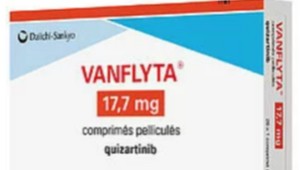
- Vanflyta (quizartinib), a new targeted therapy for acute myeloid leukemia (AML), has officially been added to first-line treatment options in South Korea, intensifying market competition.Until now, Vanflyta has faced significant hurdles, including rejections from global regulatory bodies due to safety concerns. However, it has been reevaluated based on survival benefits, signaling a potential shift in the FLT3 inhibitor market, currently dominated by Rydapt (midostaurin) and Xospata (gilteritinib).A key factor in this market restructuring is Vanflyta's comprehensive treatment model, which includes maintenance therapy for patients with the high-risk FLT3-ITD mutation.Strategy for targeting FLT3-ITD has been clarifiedAccording to industry sources on February 11, Daiichi Sankyo Korea announced that Vanflyta (quizartinib) obtained approval in Korea.AML therapy 'Vanflyta'With this approval, Vanflyta can now be used in combination with standard cytarabine and anthracycline induction therapy and standard cytarabine consolidation therapy for newly diagnosed adult patients with FLT3-ITD mutation–positive AML. It is also approved as a maintenance monotherapy.Up to 37% of newly diagnosed AML patients carry the FLT3 mutation, with approximately 80% specifically possessing the FLT3-ITD variant. This mutation is known to drive cancer growth, increase recurrence risk, and shorten overall survival. The five-year survival rate for these patients has been reported at about 20%.The approval is based on the Phase 3 QuANTUM-First study, which involved 539 treatment-naive FLT3-ITD-positive AML patients.In this study, the Vanflyta group showed a 22% reduction in mortality risk compared with the placebo group. At a median follow-up of 39.2 months, the median overall survival (OS) in the Vanflyta group was 31.9 months, more than double the 15.1 months observed in the placebo group.In terms of safety, addverse events were similar to those of the placebo group, with common observations including febrile neutropenia, hypokalemia, and pneumonia.In particular, patients who participated in the study received induction, consolidation, and maintenance for up to 3 years, regardless of whether they unwent allogeneic hematopoietic stem cell transplantation (HSCT). Therefore, it is a distinct advantage of Vanflyta in the clincial field.Expected to bring a shift to the market centered around Xospata·RydaptThe FLT3 inhibitor market has been led by Novartis's first-generation Rydapt and Astellas's second-generation Xospata.While Rydapt reduced mortality by 23% in the RATIFY study when combined with standard therapy, it lacks strong evidence for maintenance therapy post-transplant and has relatively lower selectivity for FLT3-ITD.(from left) Novartis 'Rydapt', Astellas 'Xospata'Xospata was commercialized as the first once-daily oral monotherapy for relapsed or refractory AML, with response rates better than those with Rydapt.However, Xospata failed to demonstrate sufficient clinical benefit in trials for first-line induction or post-transplant maintenance. Because of this, it is firmly established in the market. analysis suggests that this drug has limitations in obtaining an expanded indication spectrum.Medical experts are focusing on Vanflyta's inclusion of maintenance therapy. While previous inhibitors lacked clear strategies for consolidation, Vanflyta's effectiveness was demonstrated in extending complete remission (CR) and safety through long-term follow-up of over 5 years.There have been various hurdles for Vanflyta until it was approved in Korea. This drug was originally developed by Ambit Biosciences, which was acquired by Daiichi Sankyo in 2014.Vanflyta faced a major roadblock in 2019 when the U.S. FDA denied approval. The FDA cited risks of QT interval prolongation and inadequate cardiac toxicity management plans.The QT interval is measured from the beginning of the Q wave to the end of the T wave on an electrocardiogram (ECG). It represents the total time required for the heart's ventricles to undergo depolarization and repolarization. Abnormally long or short QT interval is linked to the increased risks of abnormal heart rhythm or occurrence eof sudden death.In the case of Vanflyta, Daiichi Sankyo addressed these risks by enhancing its Risk Evaluation and Mitigation Strategy (REMS) and safety protocols. However, in 2023, the FDA issued a 3-month extension for an additional safety review.After that, the FDA approved the drug following the Phase 3 QuANTUM-First study, which demonstrated significant benefits in overall survival (OS) for AML patients. This led to Vanflyta's subsequent approvals in Europe and South Korea, and Vanflyta succeeded in entering the global market.
- Company
- Will Ofev be reimbursed for idiopathic pulmonary fibrosis in Korea?
- by Eo, Yun-Ho Feb 11, 2026 08:08am
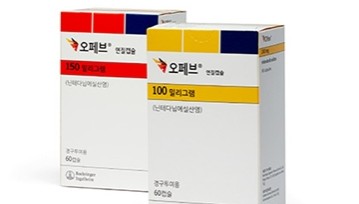
- Attention is once again focused on whether reimbursement coverage for Ofev (nintedanib) can be expanded to include idiopathic pulmonary fibrosis (IPF) in Korea. Despite being approved a decade ago, the drug has remained non-reimbursed for this indication.According to Dailypharm coverage, Boehringer Ingelheim Korea submitted an application in the second half of last year to expand reimbursement coverage for idiopathic pulmonary fibrosis (IPF) following the drug’s successful listing for progressive pulmonary fibrosis in May last year.This time, the company is reported to have additionally submitted real-world data (RWD) on patients who failed first-line treatment with Pirespa (pirfenidone), including those who discontinued therapy due to adverse events.Ofev was approved in Korea in October 2016, but reimbursement discussions have been delayed due to disagreements between the government and the manufacturer over pricing. The drug’s patent has since expired domestically, and multiple generic versions have entered the market.Nevertheless, a significant unmet medical need has persisted even after Ofev’s initial reimbursement listing. At the time, the government deemed reimbursement inadequate for the IPF indication, citing insufficient cost-effectiveness data.As a result, attention is now turning to whether IPF patients could use Ofev with reimbursement within the year.Meanwhile, idiopathic pulmonary fibrosis is the leading cause of death among rare diseases in Korea. It is a rare, intractable condition where the interstitial tissue between the alveoli becomes fibrotic and progressively hardens without an identifiable cause. As the lung structure responsible for oxygen exchange is destroyed, chronic cough and shortness of breath occur, ultimately progressing to respiratory failure.Disease progression is also rapid. While normal adults experience an annual decline in lung function of approximately 10–20 cc, patients with IPF lose 150–250 cc per year, corresponding to roughly 10% of lung function annually.Acute exacerbations, which occur in about 10% of patients each year, are particularly fatal. When this state occurs, causing the lungs to rapidly deteriorate within weeks, approximately half of the patients die. The risk of developing lung cancer is 5 to 7 times higher than in the general population, and serious comorbidities such as cardiovascular disease, stroke, and depression are also common.
- Company
- Hanmi's new drug licensed to MSD, greenlight for entering Phase 3 trial?
- by Chon, Seung-Hyun Feb 10, 2026 08:14am
- It is likely that 'efinopegdutide,' a novel treatment for metabolic dysfunction-associated steatohepatitis (MASH) licensed from Hanmi Pharmaceutical to MSD, would proceed to Phase 3 clinical trials. MSD concluded Phase 2 clinical trials at the end of last year and has significantly expanded its supply of clinical samples from Hanmi to prepare for Phase 3 studies. Improvements in export performance contributed to Hanmi Pharmaceutical recording an operating profit margin of nearly 20% in Q4 of last year.According to Hanmi Pharmaceutical, on the 6th, the company's Q4 exports last year reached KRW 54.2 billion, a 15.3% year-on-year increase. This represents an 83.0% jump from the KRW 29.6 billion recorded in Q3. While Hanmi's export volume had declined for two consecutive quarters after reaching KRW 68.2 billion in Q1 of last year, it rebounded sharply in Q4.Hanmi Pharmaceutical's Quarterly Export Performance (unit: KRW 1 million, source: Hanmi Pharmaceutical)The company explained that the export expansion was driven by a significant increase in the supply of efinopegdutide clinical samples to MSD, produced at Hanmi's Pyeongtaek Bio Plant.Efinopegdutide is a MASH treatment candidate that Hanmi Pharmaceutical licensed to MSD in August 2020. The deal was valued at up to $870 million, including a $10 million upfront payment.The drug is a dual agonist that simultaneously activates GLP-1, which aids insulin secretion and appetite suppression, and glucagon, which increases energy metabolism. It utilizes Hanmi's proprietary LAPSCOVERY technology to extend the drug's half-life.A Hanmi Pharmaceutical official stated, "Export volumes grew in Q4 as clinical samples were supplied to prepare for MSD's Phase 3 clinical trials."Following the licensing of efinopegdutide, MSD conducted Phase 2 trials comparing efinopegdutide with Novo Nordisk's semaglutide and a placebo. Results from a Phase 2a analysis presented at the 2023 European Association for the Study of the Liver (EASL) in Vienna showed that efinopegdutide reduced liver fat content by 72.7% relative to baseline at week 24. This significantly outperformed semaglutide, which showed a 42.3% reduction over the same period. Industry experts interpret MSD's purchase of clinical samples as a "green light" to enter Phase 3, suggesting that MSD is preparing for the next stage as positive outlooks were shown for Phase 2 results.MSD completed the Phase 2b trial for efinopegdutide in December last year and is expected to announce the results this year.According to ClinicalTrials.gov, the Phase 2b study began on June 23, 2023, and concluded on December 29, 2024, with 381 participants enrolled. MSD completed the Phase 2b trial for efinopegdutide in December 29 of last year. (source: ClinicalTrials.gov)In its recent Q4 earnings report, MSD listed efinopegdutide in its Phase 2 pipeline for cardiovascular, metabolic, and respiratory diseases. This report indicates that efinopegdutide is categorized as a core pipeline.Hanmi Pharmaceutical is showing a recurring pattern of surging exports tied to the supply of clinical samples of efinopegdutide. In Q1 of last year, exports rose 45.1% compared to the previous quarter. At that time, Hanmi announced that "Increased revenue from clinical samples delivered to MSD contributed to 'etc. regional volume' increases."Meanwhile, efinopegdutide is a candidate that was previously licensed to Janssen in December 2015 (as JNJ-64565111). The total contract volume amounted to $915 million with an upfront payment of $105 million. After Janssen returned the rights of JNJ-64565111 in 2019, Hanmi re-licensed it to MSD for NASH (now MASH) treatment within a year.The increase in exports of clinical samples significantly improved Hanmi's overall financial performance. In Q4 of last year, operating profit reached KRW 83.3 billion, up 173.4% year-on-year, while revenue grew 23.1% to KRW 433 billion. The operating profit margin for the quarter hit 19.2%, the highest in ten years since the 29.1% recorded in Q4 of 2015, when Hanmi secured a blockbuster licensing deals. In Q4 of 2015, Hanmi recorded sales of KRW 589.9 billion and an operating profit of KRW 171.5 billion.
- Company
- HanAll’s development of Imeroprubart on track
- by Choi Da Eun Feb 10, 2026 08:14am
- Clinical development of Imeroprubart, HanAll Biopharma’s autoimmune disease drug candidate, is progressing smoothly.Roivant Sciences, the parent company of HanAll’s partner Immunovant, disclosed the latest development updates on Imeroprubart (Immunovant development code IMVT-1402) during its earnings call on the 6th (U.S. time).Imeroprubart is one of the FcRn inhibitor candidates that HanAll Biopharma licensed to Roivant in 2017. Clinical programs are currently underway across six autoimmune indications: Graves’ disease (GD), difficult-to-treat rheumatoid arthritis (D2T RA), myasthenia gravis (MG), chronic inflammatory demyelinating polyneuropathy (CIDP), Sjögren’s disease (SjD), and cutaneous lupus erythematosus (CLE). The company estimates that the drug could offer a new treatment option to more than 600,000 patients in the U.S. alone.Notably, enrollment in the registrational trial for D2T RA progressed faster than anticipated, exceeding initial targets with 170 patients enrolled. Top-line results are expected in the second half of this year, and no major safety concerns have been reported to date.A proof-of-concept (PoC) trial in cutaneous lupus erythematosus (CLE) is also ongoing, with top-line data anticipated later this year. The upcoming clinical readouts are viewed as critical indicators of whether Imerofravat can establish itself as a first-in-class and best-in-class therapy.Roivant also outlined its future development timeline. It plans to sequentially release topline results from pivotal trials for Graves' disease and myasthenia gravis in 2027, followed by commercialization starting with the Graves' disease indication in 2028.In addition, Immunovant disclosed a single-patient case from an ongoing open-label study within the CLE PoC trial. CLE is an autoimmune condition characterized by chronic skin inflammation, presenting with erythema, pain, pruritus, burning sensations, and alopecia. In severe cases, it can lead to irreversible damage such as scarring, pigmentary changes, and permanent hair loss.According to the IR materials disclosed by Immunovant, a patient who received high-dose Imeroprubart (600 mg) for 12 weeks showed a greater than 60% reduction in the CLASI-A score (from 36 to 13), which measures the severity of skin inflammation. Clinically meaningful improvements were also observed in hair loss and skin lesions. Antibody (IgG) levels in the blood at week 12 showed a 78% reduction from baseline.Seungwon Jeong, President and CEO of HanAll Biopharma, said, “We are pleased to see Imeroprubart’s clinical development progressing faster than planned. We expect the data to be released in the second half of this year to more clearly demonstrate Imeroprubart’s differentiated therapeutic efficacy and competitiveness.”

- Company
- Statin + ezetimibe comb emerging as cashcows…33 over KRW 10B
- by Chon, Seung-Hyun Feb 10, 2026 08:14am
- In the Korean pharmaceutical industry, combination drugs containing statin + ezetimibe have become strong cash cows. Last year, 33 products surpassed KRW 10 billion in prescription sales, contributing to the company's firm performance. Notably, four products achieved annual prescriptions exceeding KRW 100 billion.Prescription sales of 20 combination drugs containing rosuvastatin‧ezetimibe surpassed KRW 10 billion. Hanmi Pharmaceutical, with Rosuzet as a key product, generated over KRW 200 billion in the statin + ezetimibe market, while Organon, Yuhan Corporation, and JW Pharmaceutical also gained high profits from these combinations.Last year, 33 statin+ezetimibe combination products recorded over KRW 10 billion…4 items surpassed KRW 100 billionAccording to pharmaceutical market research firm UBIST, 33 statin+ezetimibe combination products recorded over KRW 10 billion in prescriptions last year, an increase of six items from 27 in 2024.Statin + ezetimibe combination drugs exceeding KRW 10 billion in annual prescription sales (unit: KRW 100 million, source: UBIST). GRAY: simvastatin + ezetimibe, ORANGE: pitavastatin+ezetimibe, RED: atorvastatin+ezetimibe, BLUE: rosuvastatin+ezetimibeCurrently, four types of statin+ezetimibe combinations are available, ezetimibe + four tyeps of statin (simvastatin, rosuvastatin, atorvastatin, or pitavastatin). Last year, the rosuvastatin+ezetimibe market was the largest at KRW 809.6 billion, followed by atorvastatin+ezetimibe at KRW 380 billion and pitavastatin+ezetimibe at KRW 185.3 billion.Statin+ezetimibe combinations that generated over KRW 10 billion in prescription sales have tripled in five years, from 11 items in. The products in the '100 Billion KRW Club' continued to join every year, growing from 11 in 2020 to 13 in 2021, 18 in 2022, and 23 in 2023.Last year, there were four items with KRW 100 billion in prescription sales.Rosuzet by Hanmi Pharmaceutical, the first domestically developed statin + ezetimibe combination drug, recorded KRW 227.9 billion. Since its 2015 launch, Hanmi has secured an early lead by obtaining rights to ezetimibe usage from the patent holder, MSD. Currently, 50 domestic pharmaceutical companies have entered the statin + ezetimibe combination drug market.Atozet by Organon, the original atorvastatin + ezetimibe combination, reached KRW 127.3 billion in sales. This drug surpassed KRW 100 billion for the first time recording KRW 102.1 billion in 2023. It recorded sales above KRW 100 billion for three consecutive years, despite generic competition.LivaloZet by JW Pharmaceutical generated KRW 117 billion last year, becoming the second domestically developed product to join the '100 billion won club.' LivaloZet is a combination drug of pitavastatin + ezetimibe. LivaloZet achieved remarkable success in 2022, with prescription sales of KRW 31.8 billion. Sales skyrocketed to KRW 70.4 billion and KRW 93.3 billion in 2023 and 2024, respectively. LivaloZet showed notable growth last year, surpassing KRW 100 billion in sales for the first time.Yuhan Corporation's rosuvastatin + ezetimibe combination, Rosuvamibe, joined the '100 billion won club' with prescription sales of KRW 102.2 billion last year. Rosuvamibe surpassed KRW 100 billion in annual prescriptions in its 10th year since its launch in 2016. It is recording a high growth rate, expanding by 88.1% over five years from a prescription volume of KRW 54.3 billion in 2020.20 items with rosuvastatin + ezetimibe over KRW 10BLooking at the number of products with prescriptions over KRW 10 billion by ingredient for statin + ezetimibe combinations, rosuvastatin + ezetimibe accounted for more than half, with 20 items. This is more than double the nine items recorded in 2020.Following Rosuzet and Rosuvamibe, HK inno.N's Rovazet showed strength with a prescription volume of KRW 56.6 billion last year. Rovazet expanded more than twofold over five years, from KRW 27.5 billion in 2020, and last year's prescription volume increased by 19.6% compared to the previous year.Last year's prescriptions for Daewoong Pharmaceutical's Crezet reached KRW 47.7 billion, a 24.2% increase from the previous year. It has maintained a high-growth trend, more than doubling from KRW 20 billion in 2020 to KRW 45 billion over the past five years. GC Biopharma's Daviduo and Aju Pharmaceutical's Cretrol recorded prescriptions of KRW 34.4 billion and KRW 30.3 billion, respectively, last year, emerging as flagship medications for their companies.Huons, Jeil Pharmaceutical, Myungmoon Pharm, Mothers Pharmaceutical, and Abbott recorded over KRW 20 billion in prescriptions for rosuvastatin + ezetimibe combinations. Ahn-gook Pharmaceutical, Kyungdong Pharm, Dongkook Pharm, Hana Pharm, HLB Pharmaceutical, Kukje Pharma, Medica Korea, Daewoong Pharmaceutical, and Shinpoong Pharm recorded over KRW 10 billion.For atorvastatin + ezetimibe combinations, a total of 8 products recorded prescriptions totaling over KRW 10 billion last year. While five products each recorded over KRW 10 billion in 2023 and 2024, three additional products rose above KRW 10 billion last year.Jeil Pharmaceutical's Lipitor Plus recorded the highest domestic prescription volume at KRW 47.7 billion last year. Jeil Pharmaceutical is co-marketing Lipitor Plus with Viatris. Lipitor Plus grew nearly twofold from KRW 13.4 billion in 2022 to KRW 26.4 billion in 2023, and then reached KRW 38.4 billion in 2024, with an annual increase of about KRW 10 billion. Last year's prescriptions increased by 24.2% year-on-year.Yuhan Corporation's Atorvamibe surpassed KRW 20 billion last year with KRW 23.2 billion in prescriptions, a 45.2% increase from the previous year. Atorvamibe soared 157.8% in three years from KRW 9 billion in 2022. Daewoong Pharmaceutical's Litorvazet recorded KRW 20.1 billion in prescriptions last year. Both Yuhan Corporation and Daewoong Pharmaceutical achieved success in the atorvastatin + ezetimibe market, following the rosuvastatin + ezetimibe market. Ahn-gook Pharmaceutical, Boryung, HK inno.N, and KyungDong Pharm also saw their atorvastatin + ezetimibe combinations reach over KRW 10 billion in prescriptions.In the pitavastatin + ezetimibe combination market, a total of 4 products showed prescription performance of over KRW 10 billion last year.Following LivaloZet, products such as Ahn-gook Pharmaceutical's Pevarozet, Daewon Pharmaceutical's Tavalozet, Boryung's Lzerozet, Dongkwang Pharm's PZ, and Hanlim Pharm's Stazet have entered the market. Ahn-gook Pharmaceutical, along with Daewon Pharmaceutical, Boryung, DongKwang, and Hanlim Pharm, successfully invalidated the patents related to the pitavastatin + ezetimibe combination in April 2021. Following clinical trials, they obtained item approval in May 2023. Ahn-gook Pharmaceutical is responsible for the production of pitavastatin + ezetimibe combinations for all five of these companies.Ahn-gook Pharmaceutical's Pevarozet created a sensation last year, with prescription volume of KRW 29.2 billion, a 158.6% increase from the previous year. Pevarozet is aggressively targeting the market by highlighting its 46% smaller formulation size compared to LivaloZet, which significantly improves patient convenience with medication. Additionally, Daewon Pharmaceutical's Tavalozet and Boryung's Lzerozet recorded prescription performances of KRW 18.2 billion and KRW 13.4 billion, respectively, last year.In the pitavastatin + ezetimibe combination market, a total of 4 products recorded prescription sales of over KRW 10 billion last year.In the simvastatin + ezetimibe combination drug market, only one product, Organon's Vytorin, showed prescription performance of over KRW 10 billion last year.Looking at the prescription performance of statin + ezetimibe combinations by company, Hanmi Pharmaceutical maintained its lead with KRW 227.9 billion from a single item, Rosuzet. Organon, Yuhan Corporation, and JW Pharmaceutical demonstrated strength by recording sales exceeding KRW 100 billion. Jeil Pharmaceutical, HK inno.N, Daewoong Pharmaceutical, and Ahn-gook Pharmaceutical recorded over KRW 50 billion in the statin + ezetimibe market.
- Company
- Oral PNH drug 'Fabhalta' available at general hospitals
- by Eo, Yun-Ho Feb 09, 2026 07:33am
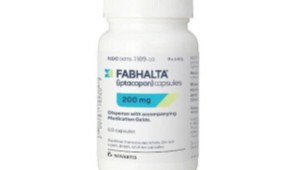
- Oral drug 'Fabhalta' for PNH is cleared to be prescribed at general hospitals.According to industry sources, Novartis Korea's Fabhalta (iptacopan), an oral treatment of Paroxysmal Nocturnal Hemoglobinuria (PNH), has passed the drug committees (DC) of 'Big 5' tertiary general hospitals, including Samsung Medical Center, Seoul National University Hospital, and Seoul St. Mary's Hospital, and medical institutes, including Kyungpook National University Hospital, Wonju Severance Christian Hospital, Chungnam National University Hospital, and Chonnam National University Hwasun Hospital.Prescription areas of Fabhalta have been consistently expanded since the insurance reimbursement listing in July of last year.PNH is a rare disease that is estimated to occur in approximately 1.5 out of 1 million people globally.The treatment of this disease has relied on C5 inhibitors. 'Soliris (eculizumab)' was approved for the first time in Korea in 2010. 'Ultomiris (ravulizumab)' was approved in 2022 and has been used as a treatment for PNH. Both treatment options fall into the category of C5 inhibitor, which work by inhibiting the terminal component C5 within the complement system's alternative pathway. They are also intravenous injectables.In April 2024, 'Empaveli (pegcetacoplan),' a subcutaneous injection that inhibits the complement cascade by binding to C3 and C3b, was approved. In August of the same year, Fabhalta, an oral treatment that inhibits Factor B, emerged.The unmet need in PNH, due to the mechanistic limitations of C5 inhibitors, is extravascular hemolysis (EVH). PNH begins with a genetic defect in red blood cells, leading to both intravascular hemolysis (IVH) and extravascular hemolysis (EVH).Such hemolysis soon causes thrombosis and bone marrow failure, making it life-threatening. Therefore, it is crucial to control hemolysis in PNH treatment. While the current standard of care, C5 inhibitors, significantly controls IVH, they have mechanistic limitations in controlling EVH.This is why attention is gathering around the reimbursement listing for the Factor B inhibitor Fabhalta. Factor B exists further upstream in the alternative pathway than C5, C3, and C3b. By inhibiting this factor, both IVH and EVH can be comprehensively controlled.In fact, Fabhalta demonstrated efficacy in treatment-naive patients. According to the APPOINT-PNH study of treatment-naïve PNH patients, 19 of 33 patients reached a hemoglobin level of 12 g/dL or higher without red blood cell transfusions.Additionally, 92% of patients showed a clinically significant increase in hemoglobin of 2 g/dL or more, and 63% of patients sustained a hemoglobin level of 12 g/dL or higher without transfusion. During the 24-week study period, hemoglobin levels showed a trend of continuous increase, reaching normalized levels from week 20 and sustaining them through week 24. Furthermore, 98% overcame transfusion dependence.Professor Jun Ho Jang of the Department of Hematology-Oncology at Samsung Medical Center stated, "When C5 inhibitors first emerged, experts analyzed that the paradigm of PNH treatment had shifted. However, C5 inhibitors still have limitations in controlling EVH."Jang emphasized, "Fabhalta is a new drug that will lead to another paradigm shift in PNH treatment. Since the mechanism of Factor B inhibition works by involving Factor B located at the top of the alternative pathway, this drug can control both intra- and extravascular hemolysis, and has shown encouraging results through clinical trials."

- Company
- "Dupixent reimb for severe asthma… access to targeted therapy"
- by Son, Hyung Min Feb 09, 2026 07:33am
- The biological agent 'Dupixent' has secured reimbursement for severe asthma, expanding patient access. Given that many patients did not respond to existing treatments, the field evaluates that this will be a therapeutic turning point that addresses long-standing unmet needs.On the 5th, Sanofi-Aventis Korea held a press conference at the Lotte Hotel in Seoul to commemorate the reimbursement of Dupixent (dupilumab) in Korea. Professor Ji-yong Moon of the Department of Pulmonary, Allergy and Critical Care Medicine at Konkuk University Medical Center Dupixent is the first biological agent to target the signaling of interleukin (IL)-4 and IL-13, which are major drivers of Type 2 inflammation.Various immunce disease indications for Dupixent has been added, including severe asthma, atopic dermatitis, prurigo nodularis, eosinophilic esophagitis, and chronic obstructive pulmonary disease (COPD). However, reimbursement had been limited to the treatment of atopic dermatitis.In December last year, patient accessibility was expanded as Dupixent became reimbursed for severe asthma. This comes about six years after the indication was added in 2020.The expanded reimbursement covers cases ▲where the blood eosinophil count is 150 cells/µL or higher, or fractional exhaled nitric oxide (FeNO) is 25 ppb or higher within 12 months before starting treatment, and at least four acute asthma exacerbations requiring systemic corticosteroids occurred within those 12 months ▲where oral corticosteroids equivalent to 5mg/day of prednisolone or higher have been continuously administered since six months before starting treatment.The evaluation method involves assessing the patient every year before and after drug administration (every six months for oral corticosteroid-dependent asthma), and the patient is approved if they meet one of the two conditions.Through the Phase 3 QUEST clinical study, Dupixent was confirmed to improve lung function and reduce exacerbation rates.The data show that the Dupixent group showed an annualized exacerbation rate reduction of more than 45% at 52-week compared to the placebo group. Additionally, significant improvement in lung function was observed from the second week of Dupixent administration. This effect was maintained throughout the 52 weeks.Notably, it significantly reduced the annualized severe asthma exacerbation rate compared with the placebo group in patients with baseline eosinophil (EOS) counts of 150 cells/µL or higher.Professor Moon stated, "Dupixent showed meaningful asthma control indicators and quality of life improvement in patients with increased Type 2 inflammatory biomarkers, and explained, "This reimbursement has opened the way for medical staff to select patients expected to respond to treatment based on clinical indicators such as blood eosinophil counts and FeNO, connecting them to targeted therapy at the appropriate time.""Symptom management is difficult to achieve with a single treatment…various options must be secured"An opinion was also presented that symptom control is difficult with a single treatment, necessitating the securing of various options. Type 2 inflammatory asthma is characterized by excessive cytokine activation, including IL-4, IL-5, and IL-13. It not only carries a high risk of repeated exacerbations and loss of lung function but also triggers various immune comorbidities, such as atopic dermatitis, chronic rhinosinusitis, and COPD, which generally diminish the patient's quality of life.Accordingly, various biological agents are being utilized for severe asthma, including interleukin-targeting Dupixent, Novartis's Xolair (omalizumab)', GSK's 'Nucala (mepolizumab)', and AstraZeneca's 'Fasenra (benralizumab)', as well as AstraZeneca's 'Tezspire (tezepelumab)', which targets thymic stromal lymphopoietin (TSLP).Unlike general asthma, severe asthma is difficult to control, and experts argue that more medications, such as oral steroids (OCS) or additional biological agents, must be secured. However, because OCS can cause various side effects, its use is currently declining.Biological agents have strengths in terms of safety and the ability to reduce dependence on oral steroids.Professor Moon stated, "Due to the characteristics of asthma, not all patients are treated with the same drug. Therefore, the Global Initiative for Asthma (GINA) guidelines recommend assessing for Type 2 inflammation when treating severe asthma and selecting the appropriate medication."Professor Moon added, "A significant number of patients undergoing treatments have a poor prognosis due to repeated acute exacerbations despite existing treatments," and emphasized, "The reimbursement of Dupixent, which targets the cause of disease, holds great clinical value in providing better treatment options to patients who experienced limitations of existing therapies."
