
- LOGIN
- MemberShip
- 2026-06-14 11:45:42
- Company
- Roche Diagnostics bets on mass spectrometry for lab automation
- by Hwang, byoung woo Feb 09, 2026 07:32am
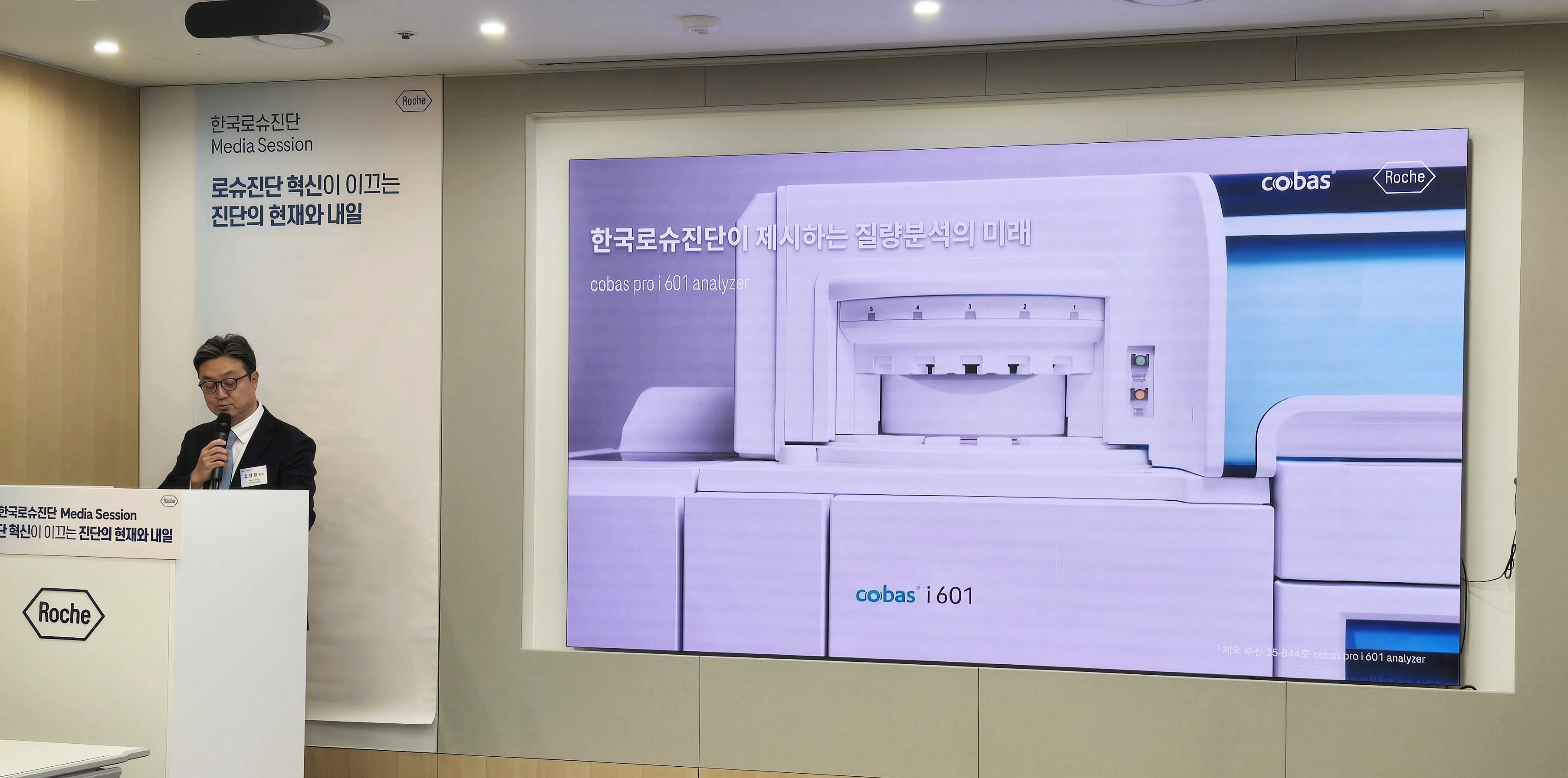
- Roche Diagnostics Korea has positioned its ‘automated mass spectrometry solution’ as the final piece of the laboratory automation puzzle.The vision is to extend the laboratory efficiency gained through existing core lab automation to mass spectrometry, delivering the most accurate results precisely when patients need them.The company particularly emphasized a strategy to organically connect automated and digital platforms within the clinical setting, which is in line with Korea’s trend of seeking infrastructure expansion.On February 6, Roche Diagnostics Korea hosted a media session titled “Beyond Data, To Certainty,” where it shared its vision for next-generation automated mass spectrometry solutions designed to maximize laboratory efficiency, alongside AI-driven digital insights.(from the left) Sungho Cho, Head of Core Lab & POC at Roche Diagnostics Korea; Muhwan Yoon, Head of Digital Insights at Roche Diagnostics KoreaFrom ‘isolated islands’ to automated tracks... the evolution of mass spectrometryAccording to Roche, mass spectrometry has traditionally functioned as an “isolated island” within diagnostic laboratories. While recognized as the gold standard for analytes requiring precise quantification, such as hormones and vitamin D metabolites, its complex process has necessitated highly skilled personnel performing manual processes in dedicated spaces.Sungho Cho, Head of Core Lab & POC at Roche Diagnostics Korea, who led the presentation at the event, said, “Until now, mass spectrometry testing was inevitably conducted in batch mode. Samples were collected and analyzed only on specific days or outsourced to external laboratories, which meant patients sometimes had to wait a full week for results.”Roche’s proposed solution is to integrate this ‘island’ into the automated laboratory track. From sample receipt and pre-analytical processing to analysis and result reporting, all steps are unified into a single automated workflow, seamlessly connecting mass spectrometry to core lab automation.At the forefront of this strategy is the company's newly introduced ‘cobas pro i 601 analyzer’. Its core feature is the direct connection of the mass spectrometry equipment to the same track as standard automated immunoassay/biochemistry analyzers, integrating the entire process from sample loading to result generation.Cho emphasized, “The era has arrived where random access (Anytime Testing) is possible for even mass spectrometry, allowing results to be confirmed on the day of testing and immediately reflected in treatment. This is the realization of Roche’s vision for a seamless, uninterrupted patient journey.”NAVIFY's smart lab vision… adding ‘certainty’ to dataWhile mass spectrometry completes the hardware connection, Roche’s digital insights brand, ‘NAVIFY’ aims to create clinical value by analyzing the data flowing across the infrastructure.Muhwan Yoon, Head of Digital Insights at Roche Diagnostics Korea, described NAVIFY as a comprehensive digital ecosystem encompassing diagnostics, clinical care, pathology, and molecular diagnostics. Roche’s digital strategy centers on AI-driven 3P principles: Prediction, Performance, and Personalization.Specifically, AI algorithms identify patients' chronic disease risks early and provide recommendations to clinicians, while predicting laboratory workload to optimize staffing and reagent allocation. The core objective is to connect this to deriving personalized treatment options tailored to each individual patient.NAVIFY-based solutions initially focused on clinical laboratories but have since expanded to include clinicians, pathology, and molecular diagnostics.Yoon emphasized, “NAVIFY integrates not only diagnostic testing but also clinical, pathology, and molecular diagnostic data into a single ecosystem. It will become the tool for delivering a ‘true smart lab,’ which reduces the time medical staff spend on administrative tasks and allows them to focus solely on patient care.”Cost and regulation remain challenges…but automation is inevitableLooking ahead, cost and regulatory barriers remain key challenges for the adoption of innovative technologies in real-world clinical settings.On this, Cho said, “Traditional manual workflows involve hidden costs such as high labor expenses for specialized personnel and management costs associated with human error. Roche’s automation systems reduce reliance on manual labor, significantly improving operational efficiency. In the long term, this represents a strategic investment that enhances both hospital profitability and diagnostic accuracy.”Kit Tang, General Manager of Roche Diagnostics KoreaYoon also stated, “We are lowering entry barriers by offering various options tailored to hospital situations, such as subscription models.”He added that the company is actively engaging with regulators to address challenges arising from the intersection of digital technologies and traditional medical device approval frameworks. There is a growing consensus in the field that digitalization is a matter of survival.In closing, Kit Tang, General Manager of Roche Diagnostics Korea, emphasized, “Roche’s mission is ‘Doing now what patients need next.’ Automating mass spectrometry and digitally connecting diagnostics are not merely for product launches. They represent our commitment to eliminating diagnostic uncertainty and providing confidence to patients.”He added, “True patient-centered care is achieved not by introducing individual technologies, but by ensuring those technologies are organically connected in the clinical setting and translated into tangible benefits for patients.”
- Company
- Biologics for atopic dermatitis, 'four-way race'
- by Son, Hyung Min Feb 06, 2026 06:43am
- The biologic market for atopic dermatitis is experiencing a new shift. Competition among interleukin (IL)-13 inhibitors has been previously centered around 'Dupixent.' As treatments with new mechanisms enter the race, multi-layer competition is intensifying, with drugs that differ in their immune pathways. (clockwise from left) Nemluvio, Dupixent, Adtralza, EbglyssAccording to industry sources on the 4th, Galderma Korea has recently received domestic approval for its biologic agent 'Nemluvio (nemolizumab).' The indication is for the treatment of moderate-to-severe atopic dermatitis and prurigo nodularis (PN). With the addition of Nemluvio to the previously approved treatments, including Sanofi and Regeneron's Dupixent (dupilumab), LEO Pharma's Adtralza (tralokinumab), and Eli Lilly's Ebglyss (lebrikizumab)—the therapeutic options in the Korean atopic dermatitis market have expanded to four.Nemluvio is the only IL-31 receptor inhibitor among the drugs approved in Korea, targeting a distinctly different immune axis compared to existing treatments that inhibit the Th2 axis related to IL-13.IL-31 is a neuro-immune cytokine that induces itch signals, sitting at the center of a vicious cycle in which it directly stimulates sensory nerves, exacerbating scratching behavior.Unlike existing drugs like Dupixent (IL-4/13) and Adtralza or Ebglyss (IL-13), which focus on inflammation control, Nemluvio's mechanistic differentiation lies in its direct blockage of itching, the core symptom of the disease burden.In clinical trials, Nemluvio, when combined with topical corticosteroids (TCS) or topical calcineurin inhibitors (TCI), met all endpoints compared with placebo.Notably, the speed of itch improvement is rapid. In the global Phase 3 ARCADIA study, Nemluvio showed a statistically significant reduction in itching compared to placebo starting from 48 hours after administration, and at the 4-week and 16-week marks, more than twice as many patients compared to the placebo group experienced a clinically meaningful level of itch relief (PP-NRS improvement of 4 points or more).Regarding inflammation and lesion improvement, the Eczema Area and Severity Index 75% improvement (EASI-75) was 43.5% and 42.1% in ARCADIA-1 and ARCADIA-2, respectively, indicating a level of inflammation suppression similar to that of existing Th2 inhibitors.Administration convenience is also a strength. For atopic dermatitis, Nemluvio is administered at an initial dose of 60mg followed by 4-week intervals up to 16 weeks, and it is the only drug in Korea that can be switched to an 8-week dosing interval once a clinical response is confirmed.Considering that Dupixent and Ebglyss are both administered every 2 weeks, and Adtralza is administered every 2 or 4 weeks, Nemluvio is the first drug to provide a dosing interval optimization model based on clinical response.Analysis suggests that, given the essential role of long-term treatment for moderate-to-severe patients, this can significantly enhance market competitiveness by improving patient convenience and compliance.Clinical safety also showed no significant difference compared to existing treatments. Adverse events reported relatively frequently with existing biologics, such as conjunctivitis and herpes, showed no significant difference between the Nemluvio and placebo groups, and most adverse events were manageable at mild to moderate levels.New target competition intensifies… IL-22·IL-18 inhibitors are being developedAs atopic dermatitis is recognized as a multi-immune network disease that is difficult to explain by the inhibition of a single cytokine, new drug development is rapidly shifting from a Th2-centric approach to a multi-mechanism competition targeting various immune axes, such as IL-31, IL-22, and IL-18.Among these, the IL-22 inhibitor 'temtokibart,' being developed by LEO Pharma, is considered one of the most notable next-generation candidates.IL-22 is a key cytokine that induces epidermal proliferation, decreased barrier function, and chronic inflammation. IL-22 inhibition offers a distinct approach to existing Th2 inhibitors by simultaneously promoting skin barrier recovery and relieving inflammation.Temtokibart binds to IL-22RA1 (IL-22 receptor α1) to block IL-22 signaling and has the potential to inhibit the IL-20 and IL-24 pathways that share the same receptor. Thus, its strength lies in its upstream signal-inhibition mechanism, which regulates the entire epidermal barrier function and inflammatory pathways rather than blocking a single cytokine.In a Phase 2a study, temtokibart achieved EASI-90 in 30.8% of patients and EASI-100 in 20.9%, with broad reductions in systemic inflammatory proteins.Additionally, temtokibart was evaluated as the first mechanistic candidate to directly regulate epidermis-immune interactions, as it was shown to simultaneously inhibit the Th17/22, Th2, and Th1 axes and restore the expression of barrier genes such as KRT and CLDN.Another new drug candidate, camoteskimab from the U.S. biotech company Apollo Therapeutics, showed an 80% improvement in EASI scores in Phase 2a and maintained clinical responses even in the patient group that failed Dupixent.Since IL-18 is known as an upstream regulator of Th1, Th2, Th17, and Th22, it is expected to be a meaningful alternative for patients who did not respond to existing treatments. Korean company AprilBio and the U.S. drug development company Evommune have also entered Phase 2 clinical trials with this same mechanism.
- Company
- Imdelltra can be prescribed at general hospitals in Korea
- by Eo, Yun-Ho Feb 06, 2026 06:43am
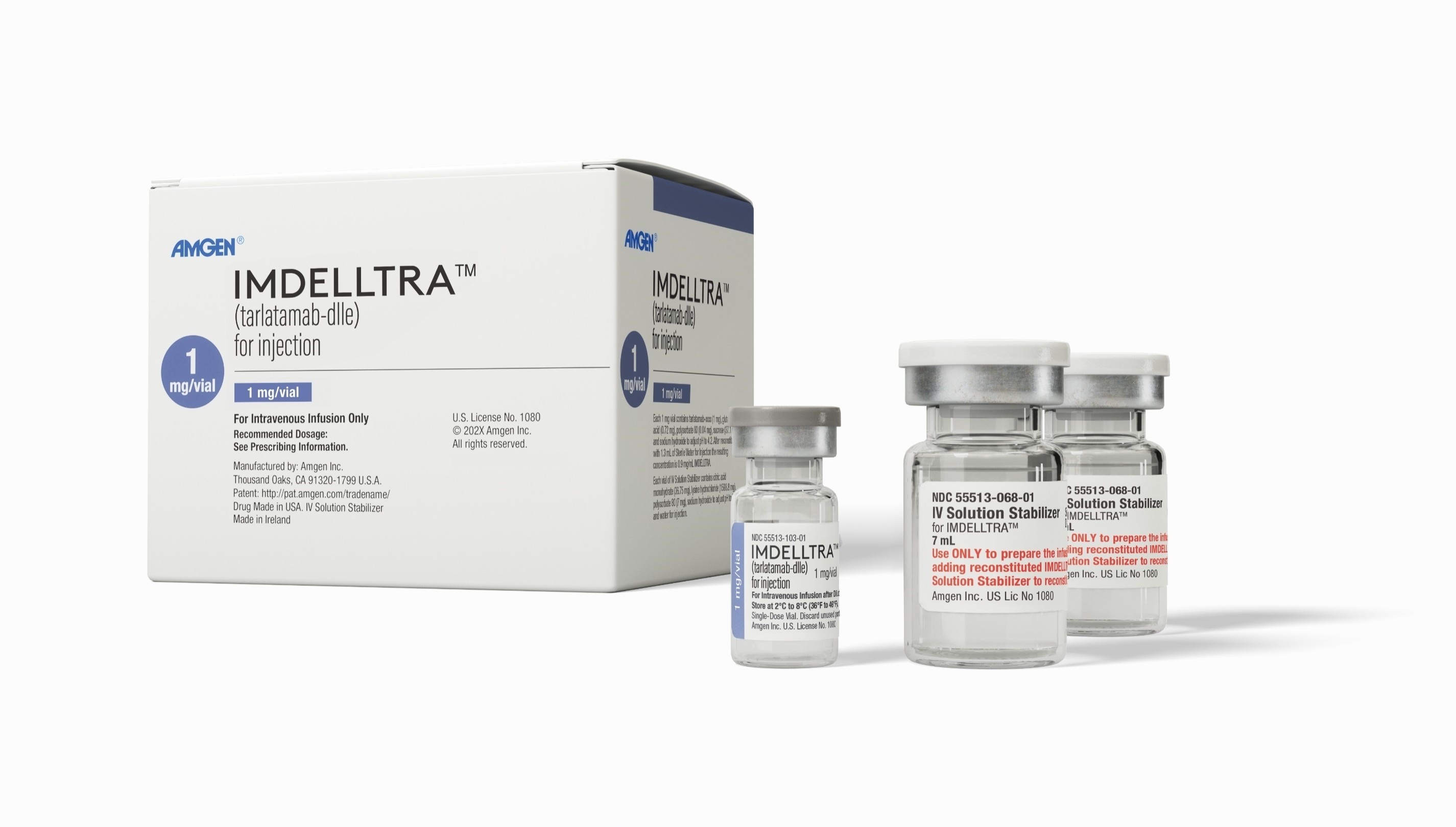
- The bispecific antibody anticancer drug Imdelltra is entering major hospital prescription lists in Korea.According to industry sources, Amgen Korea's Imdelltra (talatamab), a treatment for relapsed or refractory extensive-stage small cell lung cancer (SCLC), has passed the Drug Committee (DC) reviews at leading general hospitals, including Samsung Medical Center, Asan Medical Center, and Severance Hospital.However, Imdelltra has not yet been listed for reimbursement. In January, during the Health Insurance Review and Assessment Service’s first Cancer Drug Review Committee meeting of the year, the drug received a decision of “reimbursement criteria not established.”Therefore, it remains to be seen whether Imdelltra will secure reimbursement status and emerge as a treatment option in the underserved small-cell lung cancer field.Approved in Korea in May last year, Imdelltra is a bispecific antibody targeting delta-like ligand 3 (DLL3), which is expressed in approximately 85–96% of patients with small cell lung cancer. DLL3 is typically localized intracellularly in normal cells but is aberrantly expressed on the surface of tumor cells in SCLC and other neuroendocrine cancers.Imdelltra binds to both the DLL3 antigen on cancer cells and the CD3 antigen on T cells, redirecting T cells to induce tumor cell death. Crucially, it acts directly on the antigens of T cells and cancer cells, independent of Major Histocompatibility Complex Class I (MHC-1) expression, one of the key pathways cancer cells use to evade the immune system, making it effective even against immune-evading cancer cells.The efficacy of Imdelltra was demonstrated in the DeLLphi-301 clinical trial, a phase 2 study conducted in adult patients with extensive-stage SCLC whose disease had progressed after at least two prior lines of therapy, including platinum-based chemotherapy.In the study, Imdelltra showed a clinically meaningful objective response rate (ORR). Among 100 patients treated with Imdelltra 10 mg, the ORR was 40%, and 58% of responders (n=23/40) maintained their response for six months or longer.Furthermore, the median overall survival (OS) in the Imdelltra 10mg group was 14.3 months, and the median progression-free survival (PFS) was 4.9 months. Treatment-related adverse events in the Imdelltra 10mg group were mostly low grade, with grade 3 or higher adverse events occurring in 29% of patients in the clinical Parts 1-2 and 15% of patients in Part 3.Based on these results, the National Comprehensive Cancer Network (NCCN) recommends Imdelltra monotherapy as a preferred regimen for platinum-resistant patients and as another recommended regimen for platinum-sensitive patients. In addition, the American Society of Clinical Oncology (ASCO) has issued a strong recommendation for Imdelltra monotherapy in patients with recurrent disease after chemotherapy.Small cell lung cancer (SCLC) accounts for approximately 10-15% of all lung cancer patients and is characterized by rapid cancer cell proliferation, leading to widespread metastasis within a short period. It is known that 6 to 7 out of 10 patients are diagnosed at the extensive stage, where cancer cells have metastasized to the contralateral lung or distant organs.Current treatment options for extensive-stage SCLC are limited, primarily consisting of chemotherapy and immunotherapy. Therapeutic choices become even more restricted beyond third-line treatment. Although initial response rates to chemotherapy are relatively high, responses are often short-lived, with rapid disease progression. Particularly in refractory or resistant patients whose disease progressed within 6 months after the last chemotherapy treatment, the response rate to conventional chemotherapy drops below 10%, underscoring the substantial unmet need for new treatment options.

- Company
- 'Fintepla' reduces seizure freq…treating Dravet syndrome"
- by Son, Hyung Min Feb 06, 2026 06:43am
- Changes are emerging in the treatment landscape for Dravet syndrome, an ultra-rare pediatric refractory disease. With the domestic approval of a serotonin-based novel drug that has demonstrated efficacy in reducing seizure frequency, expectations are high for a shift in the treatment paradigm for an area with significant unmet medical needs.On the 4th, UCB Korea held a press conference at the Plaza Hotel in Jung-gu, Seoul, to celebrate the approval of 'Fintepla (fenfluramine),' a treatment for Dravet syndrome, in Korea.Professor Hunmin Kim of Seoul National University Bundang Hospital Fintepla was designated as a drug for the second pilot project of the 'Approval-Evaluation-Negotiation Linkage System' in December 2024. This drug was officially approved in Korea last December, one year after its designation.The specific indication is an add-on therapy for the treatment of seizures in patients with Dravet syndrome aged 2 years and older. Given the nature of pediatric patients who may have difficulty swallowing pills, Fintepla is formulated as a syrup.Fintepla is a treatment that reduces seizures by stimulating multiple 5-HT receptor subtypes through serotonin release. It can decrease a patient's seizures through a dual mechanism that simultaneously activates serotonin receptors and sigma-1 receptors.Fintepla's clinical value was demonstrated in three randomized Phase 3 trials (STUDY 1–3).The analysis results of STUDY 1, which initially enrolled 119 patients, and STUDY 3, which included subsequently recruited patients, showed that the monthly average convulsive seizure frequency (MCSF) in the Fintepla-treated groups decreased by 62.3% and 64.8%, respectively. Notably, near-complete seizure freedom was confirmed only in the Fintepla-treated group.In STUDY 2, which consisted of a 6-week baseline, 3-week titration, and 12-week maintenance period for a total of 15 weeks, patients were randomly assigned 1:1 to either Fintepla or a placebo as an add-on to the existing standard of care, stiripentol (+ clobazam and/or valproate).In that study, the proportion of patients who showed a 50% or greater reduction in MCSF from baseline was 53.5% in the Fintepla combination group, compared with only 2% in the placebo group.In a 3-year open-label extension study, the reduction in seizure frequency with Fintepla was maintained. 64.2% of all patients showed a 50% or greater decrease in MCSF from baseline.In terms of safety, 216 patients with Dravet syndrome who received Fintepla showed a similar adverse event profile. The most commonly reported adverse events were decreased appetite (34.7%), diarrhea (19.9%), fatigue (19.0%), fever (18.7%), reduced blood glucose (14.4%), and somnolence (13.9%).Professor Hunmin Kim of Seoul National University Bundang Hospital explained, "Fintepla is a treatment that has consistently proven its seizure control effect and therapeutic value in multiple clinical trials, despite the difficult environment for patient recruitment due to the nature of ultra-rare pediatric severe refractory diseases."Professor Kim added, "Not only the mortality rate due to sudden death but also the all-cause mortality rate appeared lower in the Fintepla-treated group compared to values reported in existing literature."Limited treatment environment for Dravet Syndrome... Expectations↑ with new treatment optionProfessor Hoon-Chul Kang of the Department of Pediatric Neurology at Severance Children's HospitalDravet syndrome is a type of pediatric epilepsy that occurs in infancy. According to experts, the majority (80%) of this disease is caused by a mutation in the SCN1A gene.The disease develops around 12 months of age, and up to 15% of patients die during early childhood or adolescence. Dravet syndrome patients are at high risk for physical and mental comorbidities, such as physical stiffness, language development disorders, autism, intellectual disability, and ADHD.Caregivers also endure high caregiving stress and low quality of life due to 24-hour care burdens, career interruptions, and loss of income.Frequent long-term seizures in Dravet syndrome patients not only lower the quality of life for both patients and caregivers but also carry a risk of Sudden Unexpected Death in Epilepsy (SUDEP). Therefore, the primary goal of treatment is to reduce or stop seizures.However, existing anti-epileptic drugs have limitations in controlling seizures, and some medications can even worsen them, leaving a significant unmet need in the domestic treatment environment.Professor Hoon-Chul Kang of the Department of Pediatric Neurology at Severance Children's Hospital stated, "Treatment for Dravet syndrome should aim beyond reducing seizure frequency to managing non-seizure comorbidities and minimizing drug side effects, but this has been difficult to achieve in the current treatment environment."Professor Kang emphasized, "There is an unmet need for treatment options that can more effectively control seizures, reduce cognitive decline and long-term disability, and improve the quality of life for patients and caregivers. Fintepla functions to prevent seizures. Seizure-freedom effects can also be expected. As it works differently from existing drugs, expectations are high."
- Company
- Kwangdong and MSD form pneumococcal vaccine alliance
- by Hwang, byoung woo Feb 05, 2026 07:48am
- The vaccine alliance between Kwangdong Pharmaceutical and MSD Korea is expanding into the adult pneumococcal market. Beyond their HPV vaccine collaboration, the partnership now includes the adult-specific 21-valent pneumococcal vaccine, marking an evolution in the companies' preventive portfolio partnership.Kwangdong Pharmaceutical is shifting its business focus toward prescription pharmaceuticals and vaccines by extending its existing vaccine sales infrastructure into the adult preventive care domain.On the 4th, Kwangdong Pharmaceutical announced that it had entered into a domestic co-promotion agreement with MSD Korea for Capvaxive, an adult-only 21-valent pneumococcal protein-conjugated vaccine. The two companies will jointly handle domestic marketing and distribution of Capvaxive starting from its launch in the first quarter of 2026.This collaboration builds on the partnership established through the co-promotion of the HPV vaccines Gardasil and Gardasil 9, which the two companies have jointly marketed and distributed in Korea since 2024.Given their existing cooperative relationship, the combination of Kwangdong’s sales infrastructure and MSD’s global vaccine portfolio is expected to generate significant synergies in the adult prevention market.Adult-only 21-valent design… broader serotype coverage expands protectionCapvaxive is a newly designed vaccine aimed at preventing invasive pneumococcal disease (IPD) and pneumococcal pneumonia in adults. It reflects the latest epidemiological characteristics of adult pneumococcal disease to address unmet needs.It prominently features the addition of eight unique serotypes—15A, 15C (deOAc15B), 16F, 23A, 23B, 24F, 31, and 35B—providing the broadest serotype coverage among currently approved pneumococcal protein-conjugated vaccines in Korea.According to the Ministry of Food and Drug Safety (MFDS) approval, Capvaxive is indicated for the prevention of invasive disease and pneumococcal pneumonia caused by pneumococcal serotypes (3, 6A, 7F, 8, 9N, 10A, 11A, 12F, 15A, 15B, 15C, 16F, 17F, 19A, 20A, 22F, 23A, 23B, 24F, 31, 33F, and 35B) in adults aged 18 years and older.Having accumulated over 25 years of experience supplying pneumococcal vaccines to adults in Korea, MSD Korea plans to fully implement adult-tailored prevention strategies through this partnership.The company stated that it will work with Kwangdong Pharmaceutical to ensure that more adults benefit from expanded serotype-based protection.The current direct competitor is Pfizer's 20-valent pneumococcal protein-conjugated vaccine, Prevnar 20.With Chong Kun Dang handling domestic sales for Prevnar 20 for adults, marketing competition between the co-promotion partners is expected to intensify.For Kwangdong Pharmaceutical, the agreement represents more than a simple product addition, as it represents part of its broader effort to build experience in the vaccine business.Having already established preventive vaccine sales and marketing systems through the co-promotion of Gardasil and Gardasil 9, the company is now positioned to extend that infrastructure to adult pneumococcal vaccines.Sung-won Choi, CEO of Kwangdong Pharmaceutical, said, “This collaboration will further strengthen our vaccine portfolio and establish a foundation to address broader preventive healthcare needs. Leveraging our differentiated sales infrastructure and expertise, we will support the successful market entry of Capvaxive and continue to enhance our competitiveness in the domestic vaccine market.”Industry observers view this collaboration as an extension of Kwangdong Pharmaceutical’s ongoing strategic shift.While maintaining stable cash flows from its beverage and OTC businesses, the company is increasingly expanding its portfolio into high-value-added areas such as prescription drugs and vaccines.According to the recently disclosed quarterly report (cumulative for Q3 2025), Kwang Dong Pharmaceutical's sales structure is gradually shifting toward a pharmaceutical-centric portfolio.Reviewing sales and order status, the combined sales of prescription drugs (ETC) and vaccines reached KRW 140.5 billion. This represents approximately 18.3% of the company’s total revenue (KRW 768.5 billion).
- Company
- Sears turns profit, seeks expansion from Middle East
- by Hwang, byoung woo Feb 05, 2026 07:47am
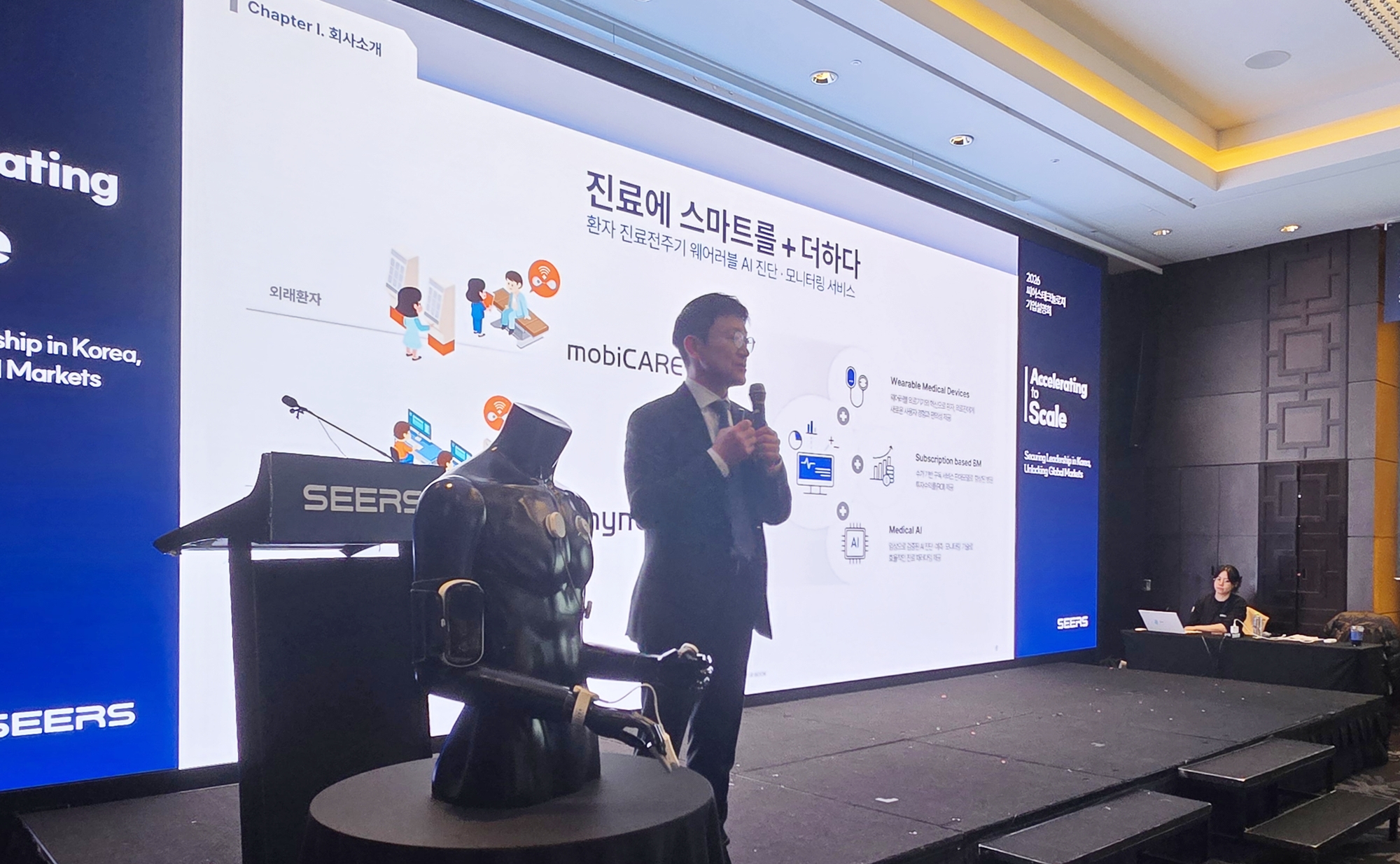
- Seers Technology, having solved the long-standing profitability challenge in Korea’s medical AI industry, has now proposed building ‘global smart wards’ as its next step.Leveraging its integrated healthcare model that starts from inpatient monitoring and extends to outpatient and home care, Seers plans to accelerate its global market expansion from the Middle East.At an investor relations (IR) event held in Yeouido on the 4th, Seers unveiled its achievement of turning an annual profit in 2025 and its blueprint for a quantum leap as a healthcare platform company.“Workflow improvements felt by HCPs, the key to profitability”Young-shin Lee, Founder & CEO of Seers TechnologyAt the event, CEO Young-shin Lee cited “hospital workflow optimization” as the core driver behind the company’s return to profitability.Lee said, “Hospitals are not just places for treatment, but spaces where patients are continuously monitored and managed. To extend real-time monitoring beyond intensive care units to general wards, we focused on workflow improvements that reduce medical staff's workload.”Seers’ inpatient monitoring platform, thynC, continuously collects and analyzes vital signs from all patients across the entire hospital wards.Once installed at the bedside, the platform is combined with a subscription-based service, which the company believes will create a virtuous cycle of recurring revenue from existing beds.Lee explained, “thynC is not a one-time installation; its structure builds recurring revenue over time from existing beds. From 2028, new deployments and renewals will overlap, driving full-scale profit leverage.”Seers reported 2025 revenue of KRW 48.2 billion, a 595% increase from KRW 8.1 billion in 2024. Operating profit also turned positive, swinging from a KRW 8.7 billion loss to a KRW 16.3 billion profit.By 2028, which is when Lee believes the profit leverage is expected to fully materialize, the company projects the number of hospitals using its platform to nearly double to around 400.The company views this structure as closer to an operational platform than simple equipment sales. It is a model that enhances hospital operational efficiency itself by linking patient biometric data with nursing records, electronic medical records (EMRs), and ward workflows.Middle East as a “model transplantation hub,” not just a sales market… medical fees 3–5 times higherA major focus of the briefing was Seers’ overseas strategy, particularly in the Middle East and North Africa(MENA).Seers has positioned the UAE as a strategic foothold for its global expansion and is collaborating with PureHealth, the largest state-owned healthcare group in the Middle East.Lee noted, “If the reimbursement for a one-day arrhythmia test in Korea is around KRW 60,000, in the Middle East it is three to five times higher. The scale of inpatient beds in the MENA region is also larger than in Korea, and the number of chronic disease patients is significantly higher, resulting in a fundamentally different revenue structure.”Seers’ approach is not simply product supply. The company plans to leverage PureHealth’s hospital network, insurance, and distribution infrastructure to deploy an integrated wearable AI healthcare model within local systems. This model encompasses ▲arrhythmia screening based on mobiCARE, ▲inpatient monitoring via thynC, and ▲remote patient monitoring (RPM) for home care. Proof-of-concept (PoC) programs for the full product portfolio are currently underway in stages.Lee emphasized, “Selling a few pieces of equipment overseas is unlikely to yield meaningful results. Our goal is to replicate the ‘hospital-outpatient-home care integrated model that has been validated in Korea.The company has set a target to raise the proportion of overseas sales to around 50% by around 2029 through this phased expansion strategy.Lee particularly conveyed the company's determination to penetrate the market based on technological specialization, noting that global giants like Philips and GE Healthcare already dominate the international arena.He stressed, “The Middle East market is a battleground where all global leaders compete. Seers distinguishes itself by internalizing the entire process—from materials to sensors and AI algorithms. We will secure references by winning against them to enter the US and European markets.”Additionally, Seers is pursuing a collaborative model linking real-time patient data accumulated via wearable devices to the pharmaceutical industry. The vision is to combine medication information with biometric data to expand into the realm of clinical and real-world data (RWD) applications.Lee concluded, “By achieving a 50% overseas revenue share by 2029, we aim to become a global wearable AI healthcare platform company. Our first-ever profitability milestone is only the starting line. We will continue to build a sustainable revenue structure while completing our global expansion.”

- Company
- Pharma companies cut distribution margins in succession
- by Son, Hyung Min Feb 04, 2026 06:51am
- Generated using AIThe pharmaceutical distribution industry is mounting strong opposition as pharmaceutical companies successively cut distribution margins in the wake of the government's drug price system reform.According to industry sources on the 4th, one multinational pharmaceutical company has reportedly lowered distribution margins on certain products by approximately 5% compared with previous levels.In addition, several small and mid-sized domestic pharmaceutical companies are said to have begun implementing or reviewing margin cuts in the range of 1% to 4%.The distribution industry is concerned that these unilateral, unconsulted adjustments could destabilize the industry ecosystem.A distribution company official stated, “While we understand that pharmaceutical companies face increased burdens due to the drug price reform, reducing margins without discussion with distributors undermines the mutually beneficial structure.”A senior official from the Korea Pharmaceutical Distribution Association also pointed out, “Indiscriminate margin reductions shake the foundation of normal business operations. With logistics costs and labor expenses already significantly increased, further reductions are difficult to withstand.”In some quarters, calls have even emerged to reconsider handling products from pharmaceutical companies that have reduced margins. Industry sentiment is rapidly cooling, with distributors warning that accumulated profitability deterioration, combined with margin cuts, could directly lead to bankruptcy risks.Meanwhile, pharmaceutical companies maintain that this is an unavoidable adjustment to withstand the government's pressure for drug price reductions. However, the distribution industry is strongly protesting, claiming its survival is threatened, leading to an escalation of conflict between the two sides.Against this backdrop, the Korea Pharmaceutical Distribution Association is scheduled to hold its general assembly on the 4th to discuss response measures. Industry observers are watching closely to see whether the association will outline strategies such as ▲strategic negotiation with pharmaceutical companies ▲collective responses, including refusal to handle products ▲policy recommendations directed at the government.An association official emphasized, “The pressure structure between pharmaceutical companies and distributors must not be repeated due to changes in the drug pricing system. When designing policies, the government must reflect the realities of the distribution structure, and a consultative body involving pharmaceutical companies, distributors, and the government is necessary.”Ho-young Park, Chair of the Korea Pharmaceutical Distribution Association (right), also expressed concern at a New Year's press briefing last month about the potential reduction in distribution margins arising from drug price cuts.
- Company
- Why new drugs are still not reimbursed within 150 days
- by Eo, Yun-Ho Feb 04, 2026 06:50am
- Questions continue to surround the effectiveness of Korea’s pilot program for parallel approval, assessment, and price negotiation.The Ministry of Health and Welfare has operated the parallel ‘approval–assessment–negotiation’ pilot program since 2023 to improve access to treatments for life-threatening severe and rare intractable diseases. The program’s core objective is to shorten the time required for new drugs to be listed on the National Health Insurance (NHI) reimbursement scheme by running regulatory approval, reimbursement assessment, and price negotiations in parallel. The stated goal is to reduce the reimbursement listing timeline, which used to take a maximum of over 300 days, to 150 days.As of 2026, expectations for the Approval-Evaluation-Negotiation pilot project were high, but the results appear to be less than satisfactory.The first pilot program, launched in 2023, concluded after nearly two years, which was longer than originally planned. Among the drugs included, Bylvay (odevixibat), the last to secure reimbursement status, took more than a year to listing.Similarly, the drugs selected for the second pilot project in December 2024—▲‘ Winrevair(sotatercept)’, ▲‘Rimqarto (anbal-cel)’, ▲‘Fintepla (fenfluramine)’—have not shown significant progress even though nearly a year has passed since the program began.At the start of the new year, the government announced plans to strengthen support for rare and severe intractable diseases, stating the intent to “reduce the reimbursement listing period for rare disease treatments, which previously took over a year, to 100 days through streamlining reimbursement appropriateness evaluations and negotiations.” However, skepticism remains within the pharmaceutical industry, questioning, “Given that even the ‘150 days’ target of the pilot project was rarely met, is this really feasible?”If the existing cost-effectiveness evaluation method remains unchanged, for chronic rare and intractable diseases requiring lifelong treatment, the longer a patient survives, the longer they must continue taking the medication. This means that while the drug improves survival and quality of life, the associated drug costs also increase.This structure makes it inherently disadvantageous to demonstrate cost-effectiveness and, in extreme cases, creates a dilemma in which a patient’s earlier death would paradoxically improve cost-effectiveness outcomes.A representative example is Winrevair, a pulmonary arterial hypertension (PAH) therapy included in the second pilot program. Winrevair is the first approved activin signaling inhibitor (ASI) in this therapeutic area, where drug development is particularly challenging. Unlike existing therapies focused on vasodilation, Winrevair improves vascular remodeling, the fundamental cause of the disease.Consequently, no comparable therapeutic alternative is available. If Winrevair is evaluated within the existing economic assessment framework, it would be compared to treatments developed two decades ago. This situation naturally delays the listing process. This challenge is not unique to Winrevair but is one commonly faced by drugs included in the parallel pilot program. Nearly 200 days have already passed since Winrevair received approval from Korea’s Ministry of Food and Drug Safety.Moreover, pulmonary arterial hypertension is a rare, severe, and chronically progressive disease. The longer patients receive sustained treatment to reach a low-risk group and maintain a favorable condition, the longer the drug is used. This creates the irony that proving cost-effectiveness becomes difficult precisely because the drug ‘keeps patients alive longer’. This is why flexible application of the ICER threshold is necessary.A representative from a multinational pharmaceutical company commented, “The parallel approval–assessment–negotiation pilot program was introduced to recognize the value of innovative medicines, yet it continues to apply conventional comparative evaluation criteria. The system was designed to improve access to innovative therapies for rare and severe intractable diseases, but it lacks evaluation standards capable of reflecting that innovation.”

- Company
- HK inno.N’s GLP-1 drug approved in China for diabetes
- by Cha, Ji-Hyun Feb 03, 2026 06:24am
- HK Inno.N's GLP-1 class obesity and diabetes treatment, ecnoglutide (XW003), currently undergoing Phase III clinical trials in Korea, has received its first product approval in China. Its original developer, Saiwind Biosciences, obtained new drug approval for the type 2 diabetes indication from Chinese authorities, which is expected to bolster HK Inno.N’s domestic development strategy.According to the biotech industry on the 2nd, Sciwind received approval from China’s National Medical Products Administration (NMPA) on the 30th of last month (local time) for the injectable formulation of ecnoglutide indicated for glycemic control in adult patients with type 2 diabetes.Previously, Sciwind had submitted marketing authorization applications to the NMPA for ecnoglutide for type 2 diabetes and obesity indications in November and December 2024, respectively. The obesity indication is currently under NMPA review in China.Ecnoglutide's cAMP-biased GLP-1 receptor agonist mechanism (Source: Sciwind Biosciences)Ecnoglutide is the world’s first cAMP-biased GLP-1 receptor agonist. Compared with conventional GLP-1 therapies, it enhances signaling selectivity, resulting in prolonged efficacy and improved metabolic effects.The approval was based on results from the Phase III EECOH-1 and EECOH-2 clinical trials conducted in China by Sciwind. In the EECOH-1 study, patients with type 2 diabetes inadequately controlled by diet and exercise achieved a reduction in HbA1c of up to 2.43% after 24 weeks of treatment. In the EECOH-2 study, ecnoglutide demonstrated superior glucose-lowering efficacy compared with dulaglutide, an existing GLP-1 therapy, in patients receiving concomitant metformin. In both studies, sustained efficacy and safety were confirmed through 52 weeks of treatment.Upon the approval, attention is turning to the pace of development and future approval strategy for HK Inno.N’s obesity and diabetes pipeline currently undergoing Phase III clinical trials in Korea. HK Inno.N signed a licensing agreement with Sciwind in May 2024 to secure exclusive domestic development and commercialization rights for ecnoglutide. Under the agreement, Under the agreement, HK inno.N paid an upfront payment, milestone payments tied to development stages, and royalties based on post-launch sales.HK Inno.N is currently conducting a Phase III clinical trial for ecnoglutide targeting the obesity indication. Recruitment for the domestic Phase III trial was completed last January, and the trial has now entered the dosing phase. HK Inno.N received Investigational New Drug (IND) approval from the Ministry of Food and Drug Safety in May last year. After enrolling the first patient in September, HK inno.N completed recruitment of a total of 313 participants in approximately four months.The Phase 3 study is being conducted at 24 medical institutions, including Kangbuk Samsung Hospital, and targets adult Korean patients who are obese or overweight without diabetes. Participants receive once-weekly subcutaneous injections of either ecnoglutide or placebo to evaluate efficacy and safety. The primary endpoints are the percentage change in body weight from baseline at week 40 and the proportion of participants achieving at least a 5% reduction in body weight.
- Company
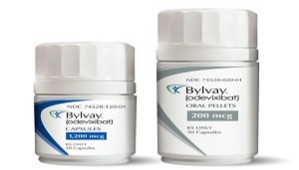
- Bylvay may be prescribed at Big 5 Hospitals in Korea
- by Eo, Yun-Ho Feb 03, 2026 06:24am
- Bylvay, the first drug approved under Korea’s parallel approval–assessment–negotiation linkage pathway, has successfully secured prescribing access at major tertiary hospitals.According to industry sources, Ipsen Korea’s Bylvay (odevixibat), a treatment for pruritus in patients aged three months and older with progressive familial intrahepatic cholestasis (PFIC), has been approved by the Drug Committees (DCs) of Korea’s “Big 5” hospitals, including Samsung Medical Center, Seoul National University Hospital, Asan Medical Center, and Severance Hospital.Since its inclusion in the national health insurance reimbursement list in October last year, Bylvay has rapidly expanded its prescribing environment.Bylvay is the world’s first oral therapy indicated for the treatment of PFIC-related symptoms. It offers a non-invasive and sustainable treatment option for patients who previously had few alternatives other than high-risk procedures such as liver transplantation.Following its initial approval in the US and Europe in 2021, it has received authorization in major countries. In Korea, it was selected as the first drug under the Ministry of Health and Welfare's ‘Parallel Approval-Evaluation-Negotiation Pilot Program’ in 2023.PFIC is a rare, inherited disease that typically manifests in childhood and causes severe pruritus, growth impairment, and liver failure. Patients and their families endure suffering across all aspects of daily life, including sleep deprivation, interrupted education, and social isolation. Bylvay is a treatment that alleviates this diminished quality of life and opens the possibility for patients to return to their daily routines.Meanwhile, Bylvay demonstrated its efficacy through the Phase III ASSERT study conducted in pediatric and adolescent patients aged 17 years and younger.Study results showed that Bylvay met its primary endpoint by significantly reducing pruritus compared with placebo. It also statistically significantly improved the key secondary endpoint, mean serum bile acid levels at weeks 20 and 24 of treatment, compared to placebo. These therapeutic effects were sustained through 24 weeks of treatment.Professor Seak-hee Oh of the Department of Pediatrics at Asan Medical Center said, “Liver transplantation was a treatment option that had to be chosen as a last resort, despite an average failure rate exceeding 10% and the risk of serious complications. In a situation where there were virtually no alternatives other than transplantation, Bylvay could establish itself as an important alternative that can protect patients without the need for liver transplantation.”
