
- LOGIN
- MemberShip
- 2026-06-23 10:51:53
- Company
- Advate leading hemophilia treatment
- by Nho, Byung Chul May 12, 2023 05:45am
- In the field of hemophilia non-antibody and antibody treatment, Takeda Korea Pharmaceutical and JW Pharmaceutical are gaining attention as they are strengthening their positions. Korea Takeda Pharmaceutical's 'Advate/Adynovate', and JW Pharmaceutical's Hemlibra's sales last year were 26.2 billion won and 7.6 billion won, respectively, ranking first in related markets. Of particular note is that the hemophilia antibody treatment market is fluctuating in line with the launch of Hemlibra in 2020. Due to the emergence of strong competing products, the external expansion of traditional powerhouses Novoseven RT and Faiva is drawing a steep downward curve. Novoseven RT·Faiva's sales from 2018 to 2022 show a decreasing trend from '19.5 billion - 5.4 billion won' to '6.1 billion - 3.6 billion won'. In the non-antibody treatment market, six domestic and foreign pharmaceutical companies, including GC Green Cross, Pfizer Korea, Sanofi, and Bayer Korea, are competing fiercely with Takeda at the forefront. Based on the sum of pharmaceutical product lines, Takeda's 'Advate/Adynovate -19.4 billion won/6.7 billion won' and GC Pharma's GreenMono/Greengene F -6.5 billion won/2.7 billion won' ranked first and second, respectively. Pfizer's Xyntha Solofuse, Sanofi's Eloctate, and Bayer's Kogenate FS achieved 5.1 billion won, 3 billion won, and 1.8 billion won last year. The newly released CSL Bering Korea Afstyla in 2021 showed a performance of 40 million won in the first year and about 100 million won last year. The peculiarity is that except for Adynovate and Eloctate, the performance of most non-antibody treatment products is showing a downward trend, and the market also decreased by nearly 5 billion won last year compared to 50 billion won in 2018, five years ago. The antibody treatment market also recorded a sales peak of 25.7 billion won in 2018, followed by a 35% decline with sales worth 16.7 billion won in 2022. Hemophilia is largely divided into hemophilia A (factor VIII deficiency), hemophilia B (factor IX deficiency, also known as 'Christmas disease'), hemophilia C (factor XI deficiency), para hemophilia (factor V deficiency), and pseudo hemophilia. (pseudo hemophilia) or von Willebrand disease (von Willebrand factor deficiency). The incidence of hemophilia A patient is about 1 in 5,000 to 10,000 normal-born males, and hemophilia B is about one-fifth of this. Von Willebrand disease occurs in both men and women and occurs in about 1 in 1000 cases. It is estimated that there are 600,000 hemophilia patients worldwide, and about 12% of all hemophilia patients are hemophilia B patients. In Korea, the number of patients with hemophilia A is the highest at 2,000, followed by 400 patients with hemophilia B, 100 patients with von Willebrand disease, and 20 patients with hemophilia C.
- Company
- SK Biopharm’s cenobamate secures KRW 700 billion
- by Chon, Seung-Hyun May 12, 2023 05:45am
- Cumulative sales of SK Biopharmaceutical’s epilepsy treatment cenobamate exceeded KRW 300 billion in the US. It had continued to show growth every quarter ever since its release. Combined with the upfront payment and milestone payments cenobamate has earned more than KRW 700 billion over the past 4 years. According to SK Biopharm on the 11th, cenobamate posted sales of KRW 53.9 billion in the United States in Q1 last year. This is a 70.0% increase from the KRW 31.7 billion made in the same period last year. This also surpassed the previous record of KRW 49.8 billion recorded in the previous quarter by 8.2%, and the sales showed continued growth every quarter since its release. The total number of prescriptions for cenobamate in the United States is also on the rise. The total number of prescriptions in the first quarter was about 55,000, up 10% from the previous quarter. Quarterly sales of cenobamate in the US (Unit: KRW 100 million, Data: SK Biopharm). Cenobamate is a new anti-epileptic developed solely by SK Biopharmaceuticals from its initial development to US FDA approval as a treatment for partial-onset seizures in adults. It simultaneously regulates 2 targets related to excitatory/inhibitory signaling that are known to cause epilepsy to reduce seizure frequency. SK Biopharmaceuticals received approval for cenobamate under the brand name ‘Xcopri’ from the US FDA in November 2019, and has been directly selling the drug through its US subsidiary, SK Life Science since May 2020. Cenobamate has been growing every quarter since generating initial sales of KRW 2.1 billion in Q2 2020. In Q1 2021, sales exceeded KRW 10 billion, and quarterly sales exceeded KRW 50 billion this year. Cumulative sales of cenobamate in the US totaled KRW 314 billion. Also, Cenobamate has secured over KRW 400 billion as technology fees over the past 4 years. SK Biopharmaceuticals entered into an exclusive licensing agreement in February 2019 with the Swiss pharmaceutical company Arvelle Therapeutics to transfer technology on cenobamate for up to USD 530 million. At the time, SK Biopharmaceuticals received an upfront payment of USD 100 million with no obligation of return. In October 2020, the company entered into an exclusive licensing agreement with Ono Pharmaceutical for Ono to develop and commercialize Xcopri in Japan. Under the agreement, SK Biopharmaceuticals received an upfront payment of ¥5 billion with no obligation of return, and will also be eligible to receive up to ¥48.1 billion based on the achievement of certain regulatory and commercial milestones, as well as over 10% royalties on net sales generated in Japan. In November 2021, SK Biopharmaceuticals licensed out 6 new central nervous systems (CNS) drugs including cenobamate to Ignis Therapeutics. Under the deal, SK Biopharmaceuticals received an upfront payment of USD 20 million, a milestone payment of USD 15 million, and royalties on net sales in the future. Through the technology export, SK Biopharmaceuticals acquired 150 million shares of Ignis (share amounts to 44.9% including common stock). And in December 2021, SK Biopharmaceuticals signed a licensing deal with Endo Group for the commercialization of its epilepsy drug cenobamate across Canada. Under the deal, SK Biopharmaceuticals an upfront payment of USD 20 million. The company will also be able to receive up to USD 21 million in Canadian dollars based on the achievement of certain regulatory and commercial milestones in the future. Paladin Labs Inc., a Canada-based operating subsidiary of Endo, will be responsible for all commercial activities related to cenobamate in the region, including its release. Endo is a global healthcare company headquartered in Ireland. In July last year, SK Biopharmaceuticals signed a licensing out deal with the Brazilian pharmaceutical company Eurofarma Laboratorios SA for cenobamate. Under the agreement, SK Biopharmaceuticals will receive an upfront payment of USD 15 million and up to USD 47 million in milestone payments. Under the licensing out agreement, Eurofarma will be selling cenobamate in 17 Latin American countries including Brazil and Mexico In addition to upfront payments, the company has also received milestone payments upon cenobamate’s approval abroad. SK Biopharmaceuticals received USD 123.22 million from its European partner Angelini Pharma as milestone payments last year. Angelini Pharma (formerly Arvelle Therapeutics UK) has collected additional milestone payments after receiving marketing authorization from the European Commission in March last year. SK Biopharmaceutical’s cash inflow from upfront payments and further milestones from the technology transfer of cenobamate is USD 278.22 million and ¥5 billion. Based on recent exchange rates, the company had secured about KRW 400 billion through upfront and milestone payments through technology transfer with cenobamate. Combined with US sales, the drug had brought in over KRW 700 billion. The company is seeking to expand its sales in the global market. After its approval in Europe in March 2021, the company released its drug under the product name ‘Ontozry.’ So far, it has been released in 18 European countries, including Germany, England, Italy, Spain, and France. The company is also speeding up development to expand indications for cenobamate as well as its pipeline. Cenobamate is undergoing multinational clinical trials to extend its indication to generalized seizures and expand the age group that can be administered from adults to adolescents, and the study has entered Phase III trials in Korea. An SK Biopharmaceuticals official said, “We plan to conduct aggressive sales activities including improving the incentive system for our sales representatives to encourage sales in the US and by expanding the clientele from epilepsy specialists to general neurologists.”
- Company
- SU's strengths maximized through combined use with SGLT-2is
- by Kim, Jin-Gu May 12, 2023 05:44am
- New opportunities have emerged for the use of the diabetes treatment sulfonylurea (SU). It is claimed that its combined use with SGLT-2 inhibitor drugs can offset the existing disadvantages such as hypoglycemia and weight gain, while fully utilizing the strong blood sugar lowering effect of SU drugs. Jin Hwa Kim, Professor, Department of Endocrinology and Metabolism, Chosun University Hospital Professor Jin Hwa Kim of the Department of Endocrinology and Metabolism at Chosun University Hospital claimed so at the 2023 Spring Conference of the Korean Diabetes Association held at the Kimdaejung Convention Center in Gwangju on the 11th, where he made his theme presentation during the special session. In his presentation on 'Expected Effects of Combined Use of Sulfonylurea and SGLT-2 Inhibitor in Type 2 Diabetes', he said, "The commonly known disadvantages and side effects of SU class drugs can be overcome by combining them with SGLT-2 inhibitor class drugs." "A recent study cleared the misconception that SU class drugs increase cardiovascular risk" SU-class antidiabetics were known to have clear advantages and disadvantages. Although it has an excellent blood sugar lowering effect, its risk of hypoglycemia and weight gain were pointed out as disadvantages. Also, there had been rising concerns about how it may increase the risk of cardiovascular disease. Due to such reasons, the use of SU-class drugs had been gradually decreasing in practice. In the past, other than metformin, SU was the most commonly used drug, but its prescriptions had decreased since the release of DPP-4 class drugs that have a lower risk of hypoglycemia. However, Professor Jin Hwa Kim cleared the misconception that SU-class drugs have a high cardiovascular risk with a recent study. According to Kim, the CAROLINA trial that was published in 2019 compared the cardiovascular safety of glimepiride, an SU drug, and linagliptin, a DPP-4 inhibitor. Results of the CAROLINA trial, which studied 6,000 people in 43 countries around the globe for 8 years, showed that the cardiovascular safety of the two drugs was similar. With glimepiride demonstrating safety similar to linagliptin, a drug proven to have cardiovascular safety, U-class drugs can be cleared of the misconception that it increases cardiovascular risk. In the 'GRADE' study that compared glimepiride’s cardiovascular safety with liraglutide, a GLP-1 analog, results showed that glimepiride had a similar level of cardiovascular risk as liraglutide. In addition, in another meta-study that compared SU class drugs with DPP-4 inhibitor class drugs or TZD class drugs, there was no significant difference in cardiovascular events and mortality between different classes overall. With such research results coming out one after another, Professor Kim explained that the American Diabetes Association (ADA) issued a 'neutral' opinion on the cardiovascular risk of SU-class drugs in its diabetes treatment guidelines this year. Professor Kim said, "The studies reduced overall concerns about cardiovascular risk. Also, when used in combination with SGLT-2 inhibitors, which have cardiovascular benefits, its use will become much safer." "The risk of hypoglycemia and weight gain of SU class drugs can be offset by SGLT-2 inhibitors" Professor Kim claimed that the risk of hypoglycemia and weight gain, which were pointed out as other disadvantages of SU class drugs, can be sufficiently offset by combining the use of SGLT-2 inhibitor class drugs. According to Kim, a recent meta-analysis showed that the risk of hypoglycemia increased when SU-class drugs were used in combination with SGLT-2 inhibitors. On this, Professor Kim said, "However, specifics showed that results differed depending on the dosage of the SU class drugs. When using SU drugs with SGLT-2 inhibitors, you can reduce the dose of the SU drug to reduce the risk of hypoglycemia.” Regarding the weight gain side effect, he added “There are concerns that SU drugs may cause weight gain, but it can be offset with SGLT-2 inhibitors.” Professor Kim added, “The concerns held by SU class drugs can be offset by combining its use with SGLT-2 inhibitors. This will allow patients to fully enjoy the strong blood sugar lowering effect of SU class drugs.” Kang-Seo Park, professor of Endocrinology at Eulji University Hospital, who chaired the session, added, “For patients with high blood sugar, SU class drugs can be used to help lower blood sugar safely through combined use with SGLT-2 inhibitors.”
- Company
- Scemblix can be prescribed at general hospitals
- by Eo, Yun-Ho May 11, 2023 05:48am
- Novartis' new chronic myelogenous leukemia drug Scemblix is entering prescription rights in general hospitals. According to related industries, Novartis Korea's Ph+CML Philadelphia chromosome-positive chronic myeloid leukemia treatment drug Scemblix has been approved by the Drug Committee (DC) of medical institutions such as Seoul St. Mary's Hospital and Seoul Asan Hospital, as well as Kyungpook National University Hospital and Uijeongbu Eulji Hospital. As the insurance benefits process is currently underway, the prescription environment is being created quickly. Scemblix was approved in Korea in June last year for the treatment of Philadelphia chromosome-positive chronic myelogenous leukemia in the chronic phase, which was previously treated with two or more tyrosine kinase inhibitors. Chronic myelogenous leukemia is a malignant blood disease caused by myeloid cells making leukocytes. In this case, splenomegaly and frequent infections and bleeding may occur. Currently, TKIs are used for the treatment of patients with chronic myeloid leukemia, but treatment may be limited due to intolerance or resistance, and the failure rate increases as the treatment course is prolonged. According to the study results, up to 70% of the second-line treatment patients did not achieve a Major Molecular Response within 2 years. While existing TKIs may develop resistance due to mutations in the ATP binding site, Scemblix is also called a STAMP (Specifically Targeting the ABL Myristoyl Pocket) inhibitor. It shows high specificity to BRC-ABL1 and is unlikely to develop resistance due to mutations in the BCR-ABL1 gene associated with resistance and intolerance of patients with chronic myeloid leukemia, which have occurred with existing treatments. Scemblix proved its effectiveness through the ASCEMBL phase 3 study in chronic-phase Philadelphia chromosome-positive chronic myeloid leukemia patients who received at least two or more TKI treatments. As a result of the study, Scemblix was used as a control group. Compared to the Bosutinib administration group, the 24-week MMR rate was found to improve by about 2 times, and even in the discontinuation rate due to adverse reactions, the Scemblix group reduced to 5.8%, about 1/4 of the control group's 21.1%, confirming the safety profile. Professor Kim Dong-Wook of the Department of Hematology at Eulji University Hospital said, “Patients with chronic myelogenous leukemia have to take targeted anti-cancer drugs for the rest of their lives. As they are experiencing difficulties such as economic burden, side effects from long-term use, and the development of resistance, it is a very important task to develop a treatment that overcomes these difficulties. was," he said. "Scemblix, a 4th-generation targeted anti-cancer drug, has achieved clinical usefulness, such as achieving a higher major gene response and long-lasting effect than existing targeted anti-cancer drugs, and safety with relatively few side effects through clinical studies, so it can solve the unmet needs of existing patients and medical staff." It will be a cure," he said.
- Company
- Scemblix can be prescribed at general hospitals
- by Eo, Yun-Ho May 10, 2023 11:18pm
- Novartis' new chronic myelogenous leukemia drug Scemblix is entering prescription rights in general hospitals. According to related industries, Novartis Korea's Ph+CML Philadelphia chromosome-positive chronic myeloid leukemia treatment drug Scemblix has been approved by the Drug Committee (DC) of medical institutions such as Seoul St. Mary's Hospital and Seoul Asan Hospital, as well as Kyungpook National University Hospital and Uijeongbu Eulji Hospital. As the insurance benefits process is currently underway, the prescription environment is being created quickly. Scemblix was approved in Korea in June last year for the treatment of Philadelphia chromosome-positive chronic myelogenous leukemia in the chronic phase, which was previously treated with two or more tyrosine kinase inhibitors. Chronic myelogenous leukemia is a malignant blood disease caused by myeloid cells making leukocytes. In this case, splenomegaly and frequent infections and bleeding may occur. Currently, TKIs are used for the treatment of patients with chronic myeloid leukemia, but treatment may be limited due to intolerance or resistance, and the failure rate increases as the treatment course is prolonged. According to the study results, up to 70% of the second-line treatment patients did not achieve a Major Molecular Response within 2 years. While existing TKIs may develop resistance due to mutations in the ATP binding site, Scemblix is also called a STAMP (Specifically Targeting the ABL Myristoyl Pocket) inhibitor. It shows high specificity to BRC-ABL1 and is unlikely to develop resistance due to mutations in the BCR-ABL1 gene associated with resistance and intolerance of patients with chronic myeloid leukemia, which have occurred with existing treatments. Scemblix proved its effectiveness through the ASCEMBL phase 3 study in chronic-phase Philadelphia chromosome-positive chronic myeloid leukemia patients who received at least two or more TKI treatments. As a result of the study, Scemblix was used as a control group. Compared to the Bosutinib administration group, the 24-week MMR rate was found to improve by about 2 times, and even in the discontinuation rate due to adverse reactions, the Scemblix group reduced to 5.8%, about 1/4 of the control group's 21.1%, confirming the safety profile. Professor Kim Dong-Wook of the Department of Hematology at Eulji University Hospital said, “Patients with chronic myelogenous leukemia have to take targeted anti-cancer drugs for the rest of their lives. As they are experiencing difficulties such as economic burden, side effects from long-term use, and the development of resistance, it is a very important task to develop a treatment that overcomes these difficulties. was," he said. "Scemblix, a 4th-generation targeted anti-cancer drug, has achieved clinical usefulness, such as achieving a higher major gene response and long-lasting effect than existing targeted anti-cancer drugs, and safety with relatively few side effects through clinical studies, so it can solve the unmet needs of existing patients and medical staff." It will be a cure," he said.
- Company
- Negotiation on the price of Onureg has started
- by Eo, Yun-Ho May 10, 2023 11:17pm
- Suggestion of treatment options for patients unable to undergo hematopoietic stem cell transplantation Onureg, an acute myelogenous leukemia maintenance treatment drug, recently entered into drug price negotiations for insurance coverage. After passing the HIRA Cancer Disease Review Committee in December of last year and the Pharmaceutical Reimbursement Evaluation Committee last month, it entered the NHIS procedure without any major changes. Considering the deadline for negotiations, the results are expected to come out in June at the latest. Onureg was approved on March 23, 2022, for maintenance therapy in adult patients with acute myeloid leukemia who achieved CR or CRi with incomplete hematologic recovery after induction therapy, with or without consolidation therapy, and who are not suitable for HSCT. Whether Oneurec can be recognized for its clinical value as the first and only treatment option that clinically extends the survival period for AML patients who cannot undergo hematopoietic stem cell transplantation and who have failed to extend their overall survival despite several R&D attempts over the years. Onureg confirmed efficacy and safety in phase 3 of QUAZAR AML-001 in 472 patients with acute myeloid leukemia. As a result of the study, the mOS of the patient group who took Onureg was 24.7 months, extending the survival time by about 10 months compared to 14.8 months of the placebo group. At 1 year and 2 years of treatment, the survival rate in the Onureg group was 73% (vs. 56% vs. placebo group) and 51% (vs. 37% vs. placebo group), respectively, both higher than those in the placebo group. RFS also confirmed that the Onureg group reached 10.2 months, 5.4 months longer than the placebo group (4.8 months), reducing the risk of recurrence. The proportion of patients without recurrence after 6 months of treatment was 67% in the Onureg group and 45% in the placebo group. Onureg has been recognized for its clinical usefulness in major overseas countries such as the UK and Australia and is being recommended for reimbursement to patients to be treated.
- Company
- Forxiga, has the largest number of clinical trials
- by Jung, Sae-Im May 10, 2023 05:58am
- With the expansion of SGLT-2 inhibitor coverage, which began in April, combination prescriptions of various diabetes drugs and SGLT-2 drugs are expected to increase. However, as the clinical basis for each drug is a prerequisite for the expansion of this benefit, there are differences in detailed application depending on the presence or absence of clinical trials. Expectations are growing that AstraZeneca's Forxiga, which has the most clinical trials among SGLT-2 inhibitors, will rise further. Kim Jong-hwa, Director of Insurance, Korean Diabetes Association Kim Jong-Hwa, head of the Department of Endocrinology at Bucheon Sejong Hospital (insurance director of the Korean Diabetes Association), said, “Forxiga is the first SGLT-2 inhibitor in Korea and has the most related clinical studies among drugs in the same class, so it will become the same as Lipitor in the statin class. expected". From April 1, the Ministry of Health and Welfare applied the expansion of the combination benefit for diabetes treatment SGLT-2 inhibitors. According to the notice, the reimbursement of two-drug combination therapy with sulfonylurea (SU), which was limited to some drugs, has been expanded to all SGLT-2 inhibitors. ▲Metformin + SU + SGLT-2, ▲Metformin + DPP-4 + SGLT-2, and ▲Metformin + Thiazolidinedione (TZD) + SGLT-2 can be used as reimbursements for the three-drug regimen. Daewoong Pharmaceutical's Envlo, which has no evidence in the SU+SGLT-2 inhibitor dual therapy, is not covered by insurance coverage. This is because Envlo has not proven its effectiveness through clinical trials in combination with the SU series. Even in the metformin + TZD + SGLT-2 triple therapy, MSD's Steglatro and Envlo, which have no clinical evidence, are not covered by reimbursement. The drugs that can be used in the two-drug regimen that is not included in this reimbursement are also limited. In the DPP-4+SGLT-2 two-drug regimen, only Forxiga and Steglatro can be used together with Januvia at the full cost of the first type patient. Among various exceptions, the drug that can be used most widely is, of course, Forxiga. As explained by Director Kim, Forxiga has proven its efficacy and safety in combination with monotherapy and other diabetes drugs through a total of 15 clinical trials. Clinical trials included not only metformin, but also various combination therapies such as sulfonylurea, insulin, DPP-4 inhibitor, TZD, sulfonylurea + metformin, and DPP-4 + metformin. This is the background of the increased utilization of Forxiga. By demonstrating the effect of protecting heart disease and heart function along with blood sugar control, Forxiga had a significant impact on changing the treatment guidelines to prioritize SGLT-2 inhibitors in patients with comorbidities such as cardiovascular disease. “The obesity rate of type 2 diabetic patients in Korea is getting higher and the number of patients with heart failure is also increasing,” said Kim. shows good compatibility with DPP-4 inhibitors and TZD, so a good effect can be produced if the combination therapy is used appropriately." Director Kim expected that Forxiga would become the same as Lipitor, a statin drug used to treat hyperlipidemia, as it accumulated long-term prescription experience and clinical data. Lipitor is an old drug that has been released in Korea for 25 years as a treatment for hyperlipidemia containing atorvastatin. Although more than 100 generics have been launched on the market since the patent expired, Lipitor still boasts an annual prescription of about 200 billion won. Forxiga also faces a full-fledged generic competition system this year. About 150 dapagliflozin products (including complex drugs) registered for a benefit that was released last month are reached. From the standpoint of Forsh, the expansion of the combination benefit widened the utilization and at the same time had to defend against the offensive of generics. It is expected that the strengths of the original product will be maintained even in the generic competition. He believed that it was necessary to pay attention to the side effects of SGLT-2 that would arise from the surge in generics. "If using SGLT-2 inhibitors indiscriminately in diabetic patients, they can be poisonous. We need to clearly determine which patients need SGLT-2 inhibitor prescription so that it can be used for appropriate patients," he urged.
- Company
- Betmiga generics’ market share rises to 49%...
- by Kim, Jin-Gu May 09, 2023 05:38am
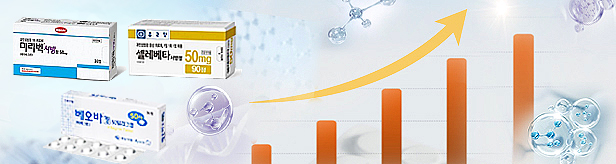
- Miragegron original Betmiga (left) and its generic versions Mirabek and Selebeta (right) Generic versions of mirabegron have increased their influence in Korea’s overactive bladder market. The overall market share of the generic products in Q1 was 49%, chasing sales of the original drug, ‘Betmiga,’ right under the nose. In particular, sales of Hanmi Pharmaceuticals ‘Mirabek’ and Chong Kun Dang’s ‘Selebeta’ have shown rapid growth. On the other hand, the prescription performance of the original product, Astellas Betmiga, dropped to less than half in 3 years after the release of its generics. Betmiga’s generics increase market share to 49%...Sales of original continue to decline According to the market research institution UBSIT on the 6th, the OAB market for the mirabegron ingredient had been KRW 15.6 billion in Q1, which is a 21% increase from the KRW 12.9 billion in Q1 2022. The market expansion was led by mirabegron generics. The overall prescription performance of the 22 Betmiga generics currently released in Korea reached KRW 7.7 billion, which is a 64% increase from the KRW 4.7 billion in Q1 last year. On the other hand, the decline in the prescription of the original mirabegron drug, Betmiga, is evident. In Q1, its prescriptions had fallen 3% from KRW 8.2 billion in Q1 2022 to KRW 8 billion this year. The amount is less than half of what it had made in Q1 2020, immediately before the release of its generics. Astellas had been delaying the execution of the price cut disposition on Betmiga that follows the release of generics by filing administrative suits and suspension of disposition execution requests, but had lost the final suit early last year and received price cuts. The increasing influence of its generics aggravated the decline in the prescription performance of the original drug. At this pace, sales of generics will exceed the original’s and take over the majority of market share in Q2 at the earliest. Mirabek and Selebeta’s sales grow rapidly... Domestic pharmaceutical companies’ new OAD drugs remain a variable in the market By product, sales of Hanmi Pharmaceuticals ‘Mirabek’ and Chong Kun Dang’s ‘Selebeta’ have shown rapid growth. In the case of Mirabek, its sales had increased 18% from KRW 3.2 billion in Q1 last year to KRW 3.8 billion in Q1 this year. In the same period, Selebeta’s sales have also risen from KRW 1.3 billion to KRW 1.7 billion. Sales of generics produced by the other 20 companies have raised less than KRW 0.5 billion in quarterly sales. Hanmi Pharmaceutical and Chong Kun Dang released their generics one after another after winning the patent dispute with Astellas in June 2020. In February last year, 20 additional companies released their generics after the generic exclusivity period expired for the two companies. The quarterly prescriptions of 20 companies that released products after the generic exclusivity period were all less than KRW 0.5 billion, but their growth rate is also quite steep. Therefore, the new OAD drugs released by domestic pharmaceutical companies are expected to act as the variable in this market. Jeil Pharmaceutical Jeil Pharmaceutical received approval for its new OAD drug, ‘Beova (vibegron)', in November last year. Jeil Pharm plans to supply this product, which was developed by Kyorin Pharmaceutical in Japan, within the year. Recently, it held a symposium for doctors, indicating its imminent entry into the market. By selectively acting on β3-adrenoceptor agonists, Beova relaxes the bladder and enhances urine collection. Its mechanism of action is similar to mirabegron, but Beova is known to have a higher response rate to β3 receptors and a low risk of cardiovascular side effects Dong-A ST is also in the final stages of developing a new OAD treatment. Dong-A ST has been conducting a Phase III trial in Korea for its OAD drug candidate 'DA-8010' since January last year. This drug is an antimuscarinic drug developed by Donga. Antimuscarinic drugs act primarily in the urine storage phase when the parasympathetic nerve is not activated, suppressing involuntary contraction of the bladder, reducing urinary urgency, and increasing bladder volume. In terms of mechanism, it is similar to another overactive bladder treatment, 'Veshcare (Solifenacin)'. DA-8010 is a new antimuscarinic being developed by Dong-A ST. Antimuscarinics inhibit involuntary contraction of the bladder and reduce urinary urgency to increase bladder capacity by primarily acting in the urinary storage phase where parasympathetic nerves are not activated. its mechanism of action is similar to that of ‘VESIcare (solifenacin),’ another OAD treatment.
- Company
- Ildong’s diabetes combi Qtern registered for reimbursement
- by Kim, Jin-Gu May 08, 2023 05:41am
- Ildong Pharmaceutical announced on the 3rd that its type 2 diabetes combination drug 'Qtern 5/10mg' was registered as an item subject to medical care benefit as of May 1st. As a result, Qtern is covered by insurance as a three-drug therapy drug that can be used in combination with metformin when HbA1c is 7% or higher even if the two-drug therapy is administered for more than 2 to 4 months. 'Qtern 5/10mg' is a combination drug that combines ▲DPP-4 inhibitor Saxagliptin 5mg and ▲SGLT2 inhibitor Dapagliflozin 10mg. In 2016 and 2017, it obtained new drug approval in Europe and the United States, respectively, and in Korea, it was launched in 2021 after item approval from the Ministry of Food and Drug Safety in 2017. According to Ildong Pharmaceutical, as a result of phase 3 clinical trials, HbA1c decreased significantly in the three-drug combination therapy of metformin and Saxagliptin·Dapagliflozin compared to the two-drug combination therapy of metformin and Saxagliptin or metformin and Dapagliflozin. Ildong Pharmaceutical emphasized that Qtern is the only combination drug of dapagliflozin and DPP-4 inhibitor that both active ingredients are based on the original. In addition, the combination of three drugs, including metformin, has an economic advantage in that the drug cost is cheaper than prescribing a DPP-4 inhibitor and an SGLT2 inhibitor as single-component preparations, respectively. An official from Ildong Pharmaceutical said, "We plan to continue conducting academic marketing, including delivery of medical information, in consideration of newly changed standards such as the expansion of insurance benefits related to prescriptions for diabetes medications."
- Company
- Xospata passed the first hurdle to increasing benefits
- by Eo, Yun-Ho May 08, 2023 05:41am
- After submitting the application for expansion of Xospata's benefits, the Health Insurance Review and Assessment Service's Cancer Disease Review Committee succeeded in setting the reimbursement standard. As a result, attention is focused on future procedures such as the schedule for submission to the Pharmaceutical Reimbursement Evaluation Committee. As Xospata is a PE drug, in the case of insurance coverage expansion, it is necessary to go through the drug price negotiation process with the Health Insurance Corporation. Xospata has been approved as monotherapy for patients with FLT3 mutation-positive relapse or Acute Myeloid Leukemia, but the current reimbursement standard allows up to four cycles only for patients eligible for allogeneic hematopoietic stem cell transplantation. There are no specific reasons to limit the dosing cycle of Xospata except for financial issues. Looking at the ADMIRAL clinical study of this drug, it was designed with no restriction on the administration period, and it is recommended as 'Category 1' in the NCCN Guidelines without any limitation on the period. The best treatment for patients with acute myeloid leukemia is hematopoietic stem cell transplantation, but there is a high risk of recurrence, and transplantation is difficult in many cases because there are many elderly patients. In the case of patients who cannot undergo hematopoietic stem cell transplantation, which is excluded from the current reimbursement standard, there is no suitable treatment alternative other than Xospata, so they remain on chemotherapy developed over 40 years ago. The Korea Leukemia Patients Association commented immediately after the review committee, "There are many patients with acute myeloid leukemia aged 70 years or older who are unable to undergo transplantation due to lack of physical strength or high non-insured hematopoietic stem cell transplantation costs. Such allogeneic hematopoietic stem cell transplantation is impossible. FLT3 Xospata is used in patients with mutation-positive relapsed or refractory acute myeloid leukemia." "The government authorities and the relevant pharmaceutical companies should expeditiously carry out follow-up procedures such as scheduled deliberation committee, drug price negotiation, and deliberation by the Health Insurance Policy Deliberation Committee so that the reimbursement standard for Xospata, a treatment for acute myeloid leukemia, can be expanded as soon as possible," he urged.
