
- LOGIN
- MemberShip
- 2026-05-01 00:26:35
- Company
- Hemlibra improves joint health and physical activity in hemophilia patients
- by Lee, Seok-Jun Dec 23, 2025 08:00am
- JW Pharmaceutical announced on the 22nd that patients with hemophilia A who switched to prophylactic treatment with Hemlibra (emicizumab) showed improvements in joint health indicators as well as increased levels of physical activity.Hemlibra is an innovative new drug that mimics the function of coagulation factor VIII, which is deficient in patients with hemophilia. It is the only treatment for hemophilia A that can be used in both patients with antibodies resistant to existing treatments (Factor VIII products) and non-antibody patients. Another key feature is its sustained preventive effect with subcutaneous administration as infrequently as once every four weeks. In May 2023, health insurance reimbursement in Korea was expanded to include non-antibody severe hemophilia A patients aged one year and older. In October 2025, Hemlibra was also added to the World Health Organization’s Essential Medicines List (EML) and the Essential Medicines List for Children (EMLc).A research team led by Professor Rebecca Kruse-Jarres of the Department of Hematology and Oncology at the University of Washington in the United States is conducting the ‘BEYOND ABR Study’ to evaluate changes in joint health and physical activity when patients with hemophilia A switch to Hemlibra.The team presented interim analysis results in poster format at the 67th Annual Meeting of the American Society of Hematology (ASH 2025), held in Orlando, USA, over four days starting on the 6th (local time). Unlike previous studies that primarily evaluated bleeding reduction effects, the BEYOND ABR study uniquely observed joint function and physical activity.The study enrolled 136 patients with moderate-to-severe hemophilia A who did not possess antibodies against conventional Factor VIII products.A total of 88 patients were included in the analysis of joint health using the Hemophilia Joint Health Score (HJHS). HJHS is a clinician-assessed measure evaluating the function and mobility of major joints such as the knees, ankles, and elbows. Scores range up to 120 points, with lower scores indicating better joint health. The analysis showed that the mean HJHS improved from 10.1 points at baseline—reflecting generally mild joint damage—to 2.8 points at 12 months after switching to Hemlibra. Among all patients analyzed, 23 patients (26.1%) experienced an improvement of 4 points or moreFurthermore, the 27 ‘target joints’ (joints prone to recurrent bleeding) identified in 15 patients before the study initiation at baseline were no longer observed at the 12-month mark after switching to Hemlibra, with no recurrence of repeated bleeding.Physical activity levels also showed improvement. The research team comprehensively assessed patients' walking and physical activity at various intensities using the International Physical Activity Questionnaire (IPAQ). As a result, the proportion of patients classified as ‘low physical activity’ according to IPAQ criteria decreased from 30.8% (32 out of 104) to 23.4% (22 out of 94) at 12 months post-switch. Conversely, the proportion of patients in the ‘high physical activity’ category increased from 44.2% (46 out of 104) to 52.4% (54 out of 103) at 3 months post-switch and remained at 50.0% (47 out of 94) at 12 months.The proportion of patients experiencing no bleeding also remained stable. Between weeks 25 and 48 after Hemlibra administration, 105 out of 134 patients (78.4%) reported no bleeding requiring treatment. Furthermore, at the 6-month follow-up, 125 out of 130 patients (96.2%) stated they preferred Hemlibra over their previous Factor VIII prophylaxis.JW Pharmaceutical plans to accumulate additional long-term observational data through follow-up and expand the evidence base that can be utilized in establishing treatment strategies in actual clinical practice.A JW Pharmaceutical representative stated, “This study presents interim analysis results confirming the bleeding prevention efficacy of Hemlibra in patients switching from conventional Factor VIII prophylaxis, along with changes in joint health and activity indicators. It provides meaningful clinical data to address key concerns, joint status, and exercise performance, key considerations when deciding whether to switch therapies.”
- Company
- K-Bios acquire US plants to mitigate tariff risks
- by Chon, Seung-Hyun Dec 23, 2025 08:00am
- Korea’s flagship biotech companies, Samsung Biologics and Celltrion, are moving in tandem to acquire manufacturing plants in the United States. Following Celltrion, Samsung Biologics has made a decisive move by acquiring a multinational pharmaceutical manufacturing facility with an investment exceeding KRW 400 billion. These two companies—Korea’s largest biotech exporters to the U.S.—are leveraging strong profitability to pursue large-scale mergers and acquisitions (M&A) as a preemptive strategy to mitigate tariff risks.Samsung Biologics acquires GSK plant in the U.S. for KRW 410 billion...first overseas investmentAccording to industry sources on the 22nd, Samsung Biologics signed an agreement with GSK to acquire a biologics manufacturing facility formerly operated by Human Genome Sciences (HGS), located in Rockville, Maryland. Samsung Biologics America, the U.S. subsidiary of Samsung Biologics, will invest $280 million (approximately 410 billion won) to acquire the facility. The asset acquisition process is expected to be completed within the first quarter of 2026.Human Genome Sciences' biopharmaceutical production facility in Rockville, Maryland, USAThe Rockville production facility is a 60,000-liter API manufacturing plant located in the heart of Maryland's biocluster. It consists of two manufacturing buildings. The facility is equipped with infrastructure capable of supporting antibody drug production at various scales, from clinical development to commercial manufacturing.This marks Samsung Biologics' first overseas plant acquisition. Samsung Biologics currently operates five plants in Songdo, Incheon. All five plants were constructed using internally sourced funds.Since its inception, Samsung Biologics has sequentially built Plant 1 (30,000 liters), Plant 2 (155,000 liters), and Plant 3 (180,000 liters). In October 2022, just 23 months after groundbreaking, it launched Plant 4, which boasts the world's largest manufacturing capacity (240,000 liters) for a single plant. With the start of operations at the 180,000-liter Plant 5 last April, Samsung Biologics' total manufacturing capacity expanded to 785,000 liters. Samsung Biologics invested KRW 5.9089 trillion in the construction of Plant 5.The GSK plant Samsung Biologics is acquiring this time is not large in scale compared to the domestic plants it built itself or the investment amounts involved. Samsung Biologics invested over KRW 2 trillion each in the construction of Plants 4 and 5.Samsung Biologics explained, “This acquisition establishes a dual-source production system connecting Songdo, Korea, and Rockville, USA, providing flexible and stable production options to global customers.” The company plans to expand its collaboration base with North American customers and enhance its ability to respond to regional supply environment changes, thereby further elevating its CDMO competitiveness.Samsung Biologics' acquisition of the US plant is analyzed as a strategy to preemptively mitigate tariff risks.South Korea and the U.S. agreed at the APEC summit in Gyeongju last October to apply Most-Favored-Nation (MFN) treatment in the pharmaceutical sector. This means domestically manufactured drugs in the U.S. will receive MFN treatment, similar to Japan and the EU, with tariffs capped at a maximum rate of 15%.According to the detailed agreement released last month, the White House announced a Joint Fact Sheet (JFS) from the Korea-U.S. summit stating that tariffs on Korean pharmaceuticals would not exceed 15%. It was confirmed that any tariffs imposed on pharmaceuticals would not exceed a 15% tariff rate. Generic drugs would be subject to zero tariffs. Nevertheless, industry players note that future tariff uncertainties remain.Celltrion acquires Lilly plant for KRW 460 billion... resolves tariff risk for top two U.S. exportersFrom the perspective of domestic pharmaceutical and biotech companies, building factories locally in the U.S. is the most realistic and optimal strategy to eliminate tariff risk.Celltrion has taken the most proactive steps in preparation for U.S. tariffs. In September, Celltrion USA, a subsidiary of Celltrion, signed a definitive agreement to acquire a biopharmaceutical manufacturing facility located in Branchburg, New Jersey, from ImClone Systems Holdings, a subsidiary of Eli Lilly. The acquisition price is approximately USD 330 million (about KRW 460 billion). In addition to the plant acquisition cost, Celltrion plans to invest a total of KRW 700 billion, including initial operating expenses.Celltrion received approval from Ireland's competition authorities last October and completed the final review by the U.S. Federal Trade Commission (FTC) in November. These two reviews are key procedures where regulatory agencies assess whether combining corporate assets could harm market competition, representing the final hurdle determining the deal's success.With these acquisitions, Korea’s leading biotech exporters have invested over KRW 1 trillion to secure U.S. production bases, effectively insulating themselves from tariff risks.According to the Ministry of Food and Drug Safety (MFDS), Korean pharmaceutical exports to the U.S. reached USD 1.49 billion (approx. KRW 2 trillion) last year, accounting for 16.1% of Korea’s total USD 9.28987 billion pharmaceutical exports. Finished pharmaceutical products accounted for USD 1,298.99 million (87.1%), while active pharmaceutical ingredients (APIs) amounted to just USD 192.19 million (16.9%. Samsung Biologics and Celltrion dominate this export volume.Samsung Biologics recorded US regional sales of KRW 1.1741 trillion out of its total sales of KRW 4.5473 trillion last year, representing 25.8%. The proportion of Samsung Biologics' sales to the US was 28.5% in 2022 and 26.3% in 2023. Samsung Biologics calculates regional sales based on the location of its CDMO clients. Its cumulative third-quarter U.S. sales reached KRW 1.6482 trillion, already surpassing last year's total exports. U.S. sales accounted for 38.8% of Samsung Biologics' cumulative third-quarter revenue of KRW 4.2484 trillion.Celltrion Regional Sales (Unit: KRW 1 billion, Source: Celltrion)Celltrion has secured 11 FDA approvals in the U.S. Its North American biologics revenue reached KRW 1.045 trillion last year. While Celltrion's North American sales decreased by 11.3% from KRW 709.5 billion in 2022 to KRW 629.2 billion in 2023, they surged 66.1% year-on-year last year, surpassing KRW 1 trillion for the first time. In Q3 alone this year, North American exports surged to KRW 265 billion, more than three times the figure from the same period last year, driven by biosimilar expansion and preemptive shipments ahead of tariff risks.Securing new revenue streams through U.S. manufacturing bases... Generous investments with cash accumulated from high-purity performanceBoth Samsung Biologics and Celltrion avoided tariff risks while securing new revenue streams by establishing U.S. manufacturing bases.Samsung Biologics acquired the Rockville production facility, inheriting contracts for existing products manufactured there and securing a stable supply of large-scale contract manufacturing (CMO) volumes. The company explained that by retaining all 500+ local employees with operational experience and expertise, it established a system that preserves manufacturing continuity and operational stability post-acquisition.Celltrion secured a stable revenue base from the outset by acquiring Lilly's plant and taking over the existing CMO volume of active pharmaceutical ingredients (APIs) previously produced by Lilly. Celltrion anticipates that once the manufacturing line conversion is completed, following post-acquisition validation and re-approval procedures, full-scale production of its own products and CMO volume supply to Lilly will commence next year. This is expected to yield tangible results, structurally mitigating U.S. tariff risks while improving manufacturing efficiency and expanding profitability.Samsung Biologics and Celltrion were able to flexibly secure U.S. manufacturing bases thanks to cash reserves accumulated through high performance.Samsung Biologics recorded cumulative sales of KRW 4.2484 trillion and operating profit of KRW 1.6911 trillion during the first three quarters of this year. Its operating profit margin reached 39.8% relative to sales. Samsung Biologics held KRW 922.1 billion in cash and cash equivalents as of the end of the third quarter.Celltrion posted cumulative sales of KRW 2.8323 trillion and operating profit of KRW 693.3 billion for the first three quarters of this year. This represents an operating profit margin of 24.5%. Celltrion's cash and cash equivalents totaled KRW 810 billion as of the end of the third quarter.
- Company
- Reimb remains urgent for severe alopecia areata treatment
- by Eo, Yun-Ho Dec 22, 2025 08:54am
- The South Korean government shows intent to expand hair-loss reimbursement, drawing industry attention to the related measures to follow.Recently, during a policy briefing for the Ministry of Health and Welfare (MOHW), President Lee Jae Myung stated that hair loss is not merely a cosmetic issue but a disease that can affect an individual's quality of life, dignity, and even their survival. The awareness of a problem has been proposed that hair loss, long dismissed as an issue of aesthetics and grooming, must be re-evaluated from a public health perspective.Notably, the daily lives of patients with severe alopecia areata are severely affected compared to those with hormonal or age-related hair loss.Severe alopecia areata is an autoimmune disorder characterized by the loss of scalp hair, as well as eyebrows, eyelashes, and body hair. Patients experience extreme social stigma and psychological distress due to these physical changes, which often lead to professional disadvantages, social isolation, and mental health issues such as depression and anxiety.While the Janus kinase (JAK) inhibitor 'Olumiant (baricitinib)' is approved in Korea for severe alopecia areata, the process for expanding its reimbursement has faced prolonged delays.Olumiant is an oral, reversible, selective JAK inhibitor already covered by national health insurance for atopic dermatitis and rheumatoid arthritis. In September 2024, the developer, Eli Lilly, applied for reimbursement expansion for three indications: pediatric atopic dermatitis, severe alopecia areata, and pediatric idiopathic arthritis.The issue lies in the different speed of progression of the reimbursement reviews for these indications. In the case of pediatric atopic dermatitis, reimbursement was finalized just two months after it was reported to the MOHW, following discussions by the Drug Reimbursement Criteria Subcommittee.In contrast, despite completing subcommittee discussions and the ministry report, the review of severe alopecia areata has remained stalled for approximately 5 months, with no procedural progress. Given that a financial impact review order is typically issued within one month of a report to the ministry, this delay is considered highly unusual.The severe alopecia areata indication has faced the longest delay among the three simultaneous applications. While the pediatric idiopathic arthritis application concluded with a non-reimbursement decision at the criteria-setting stage, severe alopecia areata remains in a prolonged 'under review' status. Despite identical product and application dates, a significant disparity in reimbursement access has emerged by specific indication.Under the current system, different officials are assigned to review each indication. Consequently, the actual processing speed varies significantly based on individual workloads, review sequences, and policy priorities. This structure means that, even for the same drug, a patient's access to reimbursement can change simply based on 'which reviewer is assigned to a specific indication'.For patients, it is difficult to understand why access to treatment for a drug with the same mechanism and active ingredient differs solely based on the government's internal review order across various indications. For those with severe alopecia areata, where social isolation and mental burden are high due to the nature of the disease, reimbursement delays are not merely administrative issues but matters that affect their entire lives.Professor Yong Hyun Jang, a professor of dermatology at Kyungpook National University Hospital (Insurance Director of the Korean Dermatological Association), stated, "Alopecia areata is not a cosmetic issue but an autoimmune disease caused by immune abnormalities. In severe stages, if the treatment window is missed, recovery becomes difficult. Despite the existence of clinically proven treatments, many patients cannot start therapy due to cost or are forced to stop mid-treatment for financial reasons."Professor Jang emphasized, "Treatments for severe alopecia areata must be viewed as essential medical care to protect a patient's daily life and mental health, not as cosmetic improvement. Discussions on poclies are necessary to improve access to treatments that have sufficient clinical evidence."

- Company
- Will silymarin reimb reversal be overturned?
- by Kim, Jin-Gu Dec 22, 2025 08:53am
- In a lawsuit challenging the Ministry of Health and Welfare's decision to remove ‘silymarin (milk thistle extract)’ products from the reimbursement list following a reimbursement adequacy reassessment, Bukwang Pharmaceutical secured a reversal victory on appeal.The case has drawn significant attention from the pharmaceutical and biotech industry as it marks the first instance where the Seoul High Court overturned a lower court ruling and recognized the clinical utility of an active ingredient that had failed a reimbursement adequacy reassessment.Bukwang Pharmaceutical overturns first instance loss, successfully demonstrates ‘clinical utilityAccording to industry sources on the 19th, the 9-1 Administrative Division of the Seoul High Court ruled in favor of the plaintiff in the lawsuit filed by Bukwang Pharmaceutical against the Minister of Health and Welfare seeking the ‘revocation of the partial amendment notice of the drug reimbursement list and reimbursement ceiling price table’. This overturns the Seoul Administrative Court's first-instance ruling in favor of the Ministry of Health and Welfare, accepting Bukwang Pharmaceutical's arguments.The key issue in this lawsuit was whether the ‘clinical utility’ of the silymarin component would be recognized. Silymarin was subject to a reimbursement adequacy reassessment in 2021 alongside ▲bilberry dry extract ▲avocado-soybean unsaponifiables ▲Vitis vinifera (grape seed extract) ▲Ginkgo biloba dry extract.Following the reassessment, the government concluded that silymarin lacked reimbursement adequacy, citing insufficient academic evidence to support its clinical utility. In November of that year, the Ministry formally announced the removal of reimbursement coverage for silymarin products.In response, pharmaceutical companies filed administrative lawsuits and sought injunctions to suspend enforcement. Bukwang Pharmaceutical, which markets the silymarin product Legalon, filed a separate lawsuit, while six other companies—including Samil Pharm, Suheung, Young Il Pharm, Korea Pharma, Hutecs Korea Pharmaceutical, and HanAll Biopharma—jointly filed a related suit.After more than two years of litigation, the Seoul Administrative Court issued its first ruling in November 2023, finding the reimbursement removal lawful and ruling in favor of the government.The pharmaceutical companies appealed, and the appellate court took a markedly different view. During appellate proceedings, Bukwang submitted additional evidence, including SCIE-indexed academic papers, to substantiate the clinical utility of silymarin. The court determined that this body of literature was sufficient to support the ingredient’s clinical utility.First case where the court recognized clinical utility. … Industry interest risesWhile multiple administrative lawsuits have challenged reimbursement adequacy reassessment outcomes in the past, no court had previously accepted a pharmaceutical company’s claim regarding clinical utility.In a 2023 case involving bilberry dry extract, a pharmaceutical company prevailed at first instance; however, the court at that time cited procedural flaws in the reassessment process rather than recognizing clinical utility. Ultimately, bilberry dry extract failed to secure final recognition of clinical utility on appeal and was removed from the reimbursement list.By contrast, the silymarin ruling directly addresses the substantive issue of clinical utility, rather than administrative procedure. It represents the first case in which a court explicitly acknowledged the effectiveness of a drug ingredient based on academic evidence submitted by a pharmaceutical company, overturning the government’s determination that the drug lacked sufficient efficacy.Reimbursement for Legalon maintained… potential ripple effects on ongoing lawsuitsAs a result of the appellate victory, Bukwang Pharmaceutical will be able to maintain reimbursement coverage for Legalon. While Legaron's reimbursement was preserved during the lawsuit due to the court's injunction, this ruling is seen as further solidifying its legal standing for reimbursement.Industry observers expect the government to appeal to the Supreme Court to seek a final judgment. However, given that the appellate court explicitly acknowledged the value of the clinical evidence, analysts suggest that pharmaceutical companies may hold a stronger position in any further proceedings.The ruling is also expected to influence other ongoing lawsuits involving silymarin products filed by companies such as Samil Pharmaceutical, as the legal issues at stake are essentially identical.According to pharmaceutical market research institute UBIST, outpatient prescription sales of silymarin products increased by 45% over three years, from KRW 23.6 billion in 2019 to KRW 34.1 billion in 2022. However, following the failure of the reimbursement reassessment, many products were removed from the reimbursement list, leading to a contraction of the market. Currently, only products from seven companies involved in litigation with the government continue to receive reimbursement coverage. Cumulative prescription sales for these products reached KRW 17.5 billion in the third quarter of this year, representing a 5% year-on-year decline. For Legalon, cumulative third-quarter prescription sales fell 11%, from KRW 12.1 billion to KRW 10.8 billion.
- Company
- 'Elahere' launches in KOR…AbbVie's ADC success
- by Son, Hyung Min Dec 22, 2025 08:53am
- New ADC drug 'Elahere'AbbVie is rapidly expanding its oncology portfolio with a series of successful new Antibody-Drug Conjugate (ADC) commercializations.AbbVie secured the first ADC approval for ovarian cancer and is now addressing unmet needs in non-small cell lung cancer (NSCLC) with the approval of a c-Met-targeting ADC.According to industry sources on December 20, AbbVie obtained domestic approval for its new platinum-resistant ovarian cancer (PROC) ADC, 'Elahere (mirvetuximab soravtansine)', in South Korea on December 19.The specific indication is for the treatment of adult patients with folate receptor alpha (FRα)-positive, platinum-resistant high-grade serous epithelial ovarian, fallopian tube, or primary peritoneal cancer who have received one to three prior systemic treatment regimens.Elahere is an ADC targeting FRα-expressing ovarian cancer, utilizing a mechanism that delivers the potent cytotoxic payload DM4 directly into cancer cells to induce tumor cell death. It is garnering significant attention as a new option for ovarian cancer patients who have developed resistance to platinum-based chemotherapy. As the first new mechanism-of-action drug for platinum-resistant ovarian cancer in approximately 10 years, it was designated as an orphan drug in South Korea this past January.Elahere is a first-in-class ADC that includes an FRα-binding antibody, a cleavable linker, and maytansinoid payload DM4, a potent microtubule inhibitor, designed to kill targeted cancer cells.In epithelial ovarian cancer, which accounts for 90% of all ovarian cancer cases, taxanes like paclitaxel and platinum-based agents like carboplatin and cisplatin are primarily used. However, in cases of recurrent ovarian cancer resistant to platinum agents, response rates to the current standard-of-care chemotherapy have been generally low, significantly limiting improvements in survival rates. Elahere proved to be a viable alternative through the Phase 3 MIRASOL study conducted on PROC patients.In the MIRASOL study, Elahere demonstrated a 35% reduction in the risk of disease progression or death compared to existing non-platinum-based chemotherapy.The median progression-free survival (PFS) was 5.62 months, an improvement over the 3.98 months in the control group. The objective response rate (ORR) was 42.3%, significantly higher than the 15.9% observed in the standard chemotherapy group.Median overall survival (OS) was 16.85 months, reducing the risk of death by 32% compared to the 13.34 months in the control group.Regarding safety, adverse events such as ocular reactions, fatigue, and abdominal pain were reported and generally considered manageable.Based on these clinical achievements, Elahere received approval in the U.S. in March of last year and in Europe in November of the same year.The U.S. NCCN guidelines recommend Elahere as a "preferred regimen" (Category 1) for the treatment of FRα-positive PROC patients, and the Korean Society of Gynecologic Oncology also recommends Elahere with the highest level of evidence (Level I, Grade A).Commercialization of c-Met-targeting 'Emrelis' in NSCLCNew ADC drug 'Emrelis'AbbVie also succeeded in ovarian cancer by commercializing an ADC for non-small cell lung cancer, following its success in ovarian cancer.In May, the U.S. Food and Drug Administration (FDA) granted accelerated approval to the c-Met-targeting ADC 'Emrelis (telisotuzumab vedotin)' for adult patients with previously treated locally advanced or metastatic non-squamous NSCLC with c-Met protein overexpression.c-Met is a protein expressed by the mesenchymal-epithelial transition (MET) gene. As a protein that transmits signals to cells, c-Met is considered a major oncogenic driver and is associated with the development of various solid tumors, including colorectal, gastric, and liver cancers, as well as NSCLC. It is known that c-Met alterations occur in approximately 6% of patients with NSCLC.Currently, AbbVie’s Emrelis is the only commercialized ADC targeting c-Met alterations.Emrelis's approval was based on improvements in key endpoints, such as ORR and duration of response (DOR). It is expected to transition to full approval if clinical benefit is confirmed in a confirmatory trial.Analysis of 84 patients with c-Met overexpression in the Phase 2 LUMINOSITY study showed an ORR of 35% and a median DOR of 7.2 months in the Emrelis arm.Major adverse events included peripheral neuropathy, fatigue, decreased appetite, and peripheral edema. Grade 3–4 adverse events reported included lymphopenia, increased liver enzymes, and electrolyte imbalances.Based on this clinical data, Emrelis was also designated as a Breakthrough Therapy by the FDA in 2021.Currently, Emrelis is under another evaluation as a monotherapy in the Phase 3 confirmatory TeliMET NSCLC-01 study.
- Company
- 'Cosentyx' reimb changes hidradenitis suppurativa strategy
- by Eo, Yun-Ho Dec 19, 2025 09:08am
- The treatment landscape for hidradenitis suppurativa (HS) in South Korea is at a turning point following approval of 'Cosentyx' for insurance reimbursement.In December 2023, the expanded indication for Novartis Korea's interleukin-17A inhibitor Cosentyx (secukinumab) was approved, making it a new biologic treatment option after approximately 8 years.However, Cosentyx has remained a non-reimbursed drug until now, while Humira has been the only biological agent patients can practically choose.Two years after approval, as of December 1, 2025, the reimbursement criteria for Cosentyx were set to treat adult patients with severe HS. Consequently, a reimbursement option is now available to the domestic HS market in approximately 10 years.The process of expanding reimbursement for Cosentyx has not been easy. The reimbursement application for Cosentyx was submitted soon after receiving indication approval in December 2023. However, the reimbursement review had been delayed due to an external issue. The company voluntarily withdrew the application and resubmitted an expanded reimbursement application in November 2024.Even after that, the review process was challenged by various external issues, including changes to the domestic drug pricing policy and discussions on Most Favored Nations (MFN). Given the evidence, such as large-scale global clinical data, international guideline recommendations, and unmet needs of domestic patients, the company succeeded in expanding reimbursement criteria 1 year after reapplication.Cosentyx is drawing attention for having different mechanisms of action compared with Humira. Whereas Humira blocks Tumor Necrosis Factor-alpha (TNF-α) to inhibit the inflammatory response, Cosentyx works by directly inhibiting IL-17A, which plays a key role in inflammatory immune diseases, thereby inhibiting the release of proinflammatory cytokines and chemokines. This drug reduces abscess and inflammatory lesions in HS.Improved treatment access to a new medicine with a mechanistic difference is meaningful because it not only provides a new option for patients in terms of treatment response conditions and drug tolerance, but also establishes a setting for potentially elaborate personalized treatment plans.Furthermore, it is encouraging that the reimbursement criteria for biological agents were updated during the Cosentyx review. Previously, reimbursement for biological agents in HS was limited to severe patients (Hurley Stage 3). The scope has now expanded to include patients with moderate-to-severe disease (Hurley Stage 2).Another significant change resulting from this expanded reimbursement is improved patient access and a broader range of treatment options. When the Special Case Medical Expense Coverage criteria are applied, the out-of-pocket cost for a single 300mg dose of Cosentyx is KRW 113,482. Cosentyx is administered once weekly for the first month of initiation, followed by dosing every 4 weeks thereafter. Excluding the initial month, patients will pay KRW 113,482 per month during the maintenance phase.In comparison, the out-of-pocket cost for a single 40mg dose of Humira is KRW 28,640, and it is administered every week or every two weeks. The monthly price (4 doses) is approximately KRW 114,560. During the maintenance period, the patient's financial burden is nearly identical for both medications, allowing patients to select and maintain therapies with different mechanisms of action without significant cost disparities.Professor Min Soo Jang, General Affairs Head of the Korean Acne and Rosacea Society (Professor of Dermatology at Kosin University Gospel Hospital), explained, "HS is a difficult disease to cure. There are cases in which the disease does not improve with conventional treatment, or symptoms progressively worsen. Strategic management is possible if a systematic treatment plan is established through biological agents."Professor Jang added, "However, unlike psoriasis or atopic dermatitis, where various biological agents with different mechanisms of action are available, HS treatment options have been limited to a single mechanism. With the expanded reimbursement of Cosentyx, treatment options have widened for patients who had insufficient responses to existing therapies or had to discontinue treatment due to side effects."Meanwhile, in the recently announced 4-year (204-week) extension of the SUNNY study, patients who achieved HiSCR at Week 52 and continued Cosentyx treatment showed a HiSCR achievement rate of 83.2% at Week 204. It was confirmed that the symptom-improvement effect is maintained for up to 4 years after starting treatment.
- Company
- 'Mounjaro' confirmed to have reimb appropriateness
- by Son, Hyung Min Dec 17, 2025 09:51am
- There are ongoing concerns that the treatment landscape for Type 2 Diabetes (T2D) in South Korea is facing limitations.While this issue persists, the GLP-1/GIP receptor dual agonist Mounjaro has passed the initial hurdle for national health insurance reimbursement coverage for diabetes, drawing significant attention to whether it will lead to a paradigm shift in domestic treatment.According to industry sources on December 17, Mounjaro (tirzepatide) passed the initial stage for national health insurance reimbursement earlier this month. Consequently, Mounjaro's developer, Eli Lilly, will now enter price negotiations with the National Health Insurance Service (NHIS). Lilly has been pursuing reimbursement for Mounjaro since early 2024, achieving the positive result after approximately two years.Lilly confirmed that Mounjaro demonstrated improved clinical utility compared to comparator drugs. Following discussions on cost-effectiveness based on economic evaluation with the Health Insurance Review and Assessment Service (HIRA), Mounjaro was considered for the final Drug Reimbursement Evaluation Committee (DREC) meeting of the year and was received reimbursement appropriateness decision. Experts anticipate that the remaining steps will proceed quickly, given Mounjaro’s acknowledged clinical value, economic feasibility, and necessity within the domestic treatment environment.Type 2 diabetes treatment 'Mounjaro'T2D diabetes management becomes harder over time...demands for new treatment option↑Given rising obesity rates and an aging population, there is a growing demand for treatment options that can manage not only blood glucose but also body weight and overall metabolism. T2D is a chronic condition where prolonged disease duration leads to cumulative decline in insulin secretion function and increased insulin resistance, resulting in a significant number of patients failing to reach target blood glucose levels with conventional strategies alone.According to the 2025 Factsheet by the Korean Diabetes Association, 6 out of 10 diabetes patients in South Korea are not achieving the treatment goal of a hemoglobin A1c (H1A1c) level of 6.5%. T2D is a progressive disease with difficulty achieving remission. With prolonged disease duration, pancreatic insulin secretion deteriorates, worsening insulin resistance and leading to difficulties in glucose regulation.The prevalence of obesity is also rising. Over half of diabetes patients (52.4%) are also obese, and 61.1% have abdominal obesity. Conversely, the prevalence of diabetes among the obese population is 17.6%, about twice as high as in the non-obese population. Among the obese population aged 65 and over, one in three (31.6%) has co-morbid diabetes.The problem is that, in patients with high Body Mass Index (BMI), visceral fat contributes to insulin resistance, and inflammatory responses in adipose tissue impair insulin action. This not only makes blood glucose management difficult but also reduces overall metabolic function. Consequently, blood glucose regulation can be challenging with conventional oral treatments or insulin alone. Failure to control blood glucose in T2D patients increases the risk of various complications, including retinopathy, neuropathy, stroke, angina, and myocardial infarction due to arteriosclerosis. One study showed that T2D patients who fail to control their blood glucose have a 2–3 times higher risk of cardiovascular disease in men and 3–5 times higher risk in women compared to the general population.Thus, there is high demand among healthcare providers and patients for GLP-1 class treatments that offer benefits not only in blood glucose control and weight loss but also in overall metabolic health. Mounjaro, which can be administered once weekly, is the first and only therapeutic agent designed to bind to and activate both GLP-1 and GIP receptors selectively.Mounjaro has mechanistic advantages that stimulate insulin secretion, improve insulin sensitivity, lower glucagon levels to lower blood glucose, and delay gastric emptying to reduce food intake, leading to weight loss.Mounjaro demonstrated superior HbA1c reduction across all doses compared to all comparator arms in the five Phase 3 clinical trials (SURPASS 1–5) involving T2D patients. The achievement rate of the T2D treatment goal, which is HbA1c level below 6.5%, in the Mounjaro group was up to 95% (SURPASS-5, 10mg), and the achievement rate of HbA1c < 5.7%, indicating a near-normal blood glucose level, reached up to 62% (SURPASS-5, 15mg). Furthermore, since a weight reduction of over 10% significantly improves blood glucose in T2D patients, up to 69% of patients in the Mounjaro group achieved this goal (SURPASS-3, 15mg).Notably, despite effective blood glucose reduction, the risk of clinically significant or severe hypoglycemia did not increase compared to the control groups. This means that even patients whose treatment options were limited by hypoglycemia risk can now expect to reach their target blood glucose (HbA1c < 6.5%) and achieve higher levels of glycemic control with Mounjaro.Mounjaro recommended in major guidelines..."Effective strategy needed for long-term metabolic health"In October, the Korean Diabetes Association (KDA) issued a statement emphasizing the need to manage comorbid conditions in T2D. A key change in the KDA's newly proposed T2D management algorithm is the initial separate listing of the GIP/GLP-1 receptor dual agonist from existing GLP-1 receptor agonists. The KDA also specified the GIP/GLP-1 receptor dual agonist as a preferred medication for T2D patients with co-morbid obesity.Professor Byung-Wan Lee (Endocrinology and Metabolism, Department of Internal Medicine, Yonsei University, Severance Hospital), who directed Guidelines for the KDA stressed, "T2D patients with co-morbid obesity require a more effective treatment strategy that includes weight loss and improved insulin sensitivity, in addition to overall and long-term metabolic health improvement."Professor Lee stated, "It is significant that, following the last guideline revision where Mounjaro was first listed as a distinct component name separate from existing GLP-1 receptor agonists to emphasize its efficacy in blood glucose and weight control, this algorithm update reconfirms the clinical utility of the GIP/GLP-1 receptor dual agonist in T2D patients with obesity."He added, "For T2D patients with obesity who failed to reach target blood glucose levels even with existing oral treatments or insulin, We hope access to Mounjaro is improved as quickly as possible so that these patients can benefit from Mounjaro's blood glucose and weight loss results."An algorithm for Type 2 diabetes management.Based on Mounjaro's clinical and practical value, domestic and international guidelines categorize it separately from existing GLP-1 receptor agonists. Furthermore, the World Health Organization (WHO) designated Mounjaro as an Essential Medicine in September for T2D patients with comorbid conditions such as obesity.This decision is significant as it officially recognizes Mounjaro as an essential, public-health-critical drug for T2D treatment with co-morbid obesity, underscoring the need to improve access through expanded insurance coverage.Professor Lee stated, "In a situation where the number of T2D patients with obesity is rising, ensuring accessibility to innovative treatments that can improve overall metabolic health beyond simple blood glucose reduction, regardless of economic status, is beneficial, both for individual patients and for long-term national health improvement," and added, "As Mounjaro has been recognized globally as an essential medicine for T2D patients with obesity, prompt policy action is needed so that it can be managed under the system and safely used by patients who critically need it."
- Company
- CKD and Bayer sign copromotion agreement for Eylea
- by Lee, Seok-Jun Dec 17, 2025 09:51am
- Chong Kun Dang Pharma (CEO Young-joo Kim) announced on the 16th that it has signed a domestic copromotion agreement with Bayer Korea (CEO JinA Lee) for the retinal disease treatment Eylea (aflibercept) at its headquarters in Chungjeong-ro, Seoul.Under the agreement, Chong Kun Dang will be responsible for sales, marketing, and distribution of both Eylea 2 mg and Eylea 8 mg, targeting clinic-level medical institutions.Bayer’s Eylea is an anti-vascular endothelial growth factor (anti-VEGF) therapy used to treat a range of retinal diseases, including wet age-related macular degeneration (AMD), diabetic macular edema, macular edema secondary to retinal vein occlusion, and vision impairment due to choroidal neovascularization associated with pathological myopia. Based on its innovative therapeutic efficacy and trust, Eylea has maintained its position as a standard of care for more than 10 years.In particular, Eylea 8 mg, the high-dose formulation that was launched last year, demonstrated comparable vision improvement and safety to Eylea 2 mg while allowing the dosing interval to be extended to up to 20 weeks, significantly improving treatment convenience for patients.Young-joo Kim, CEO of Chong Kun Dang Pharma, said, “Chong Kun Dang has already built extensive sales and marketing capabilities in the ophthalmology field through our diverse product lineup. Leveraging our expertise and sales strength in ophthalmic diseases, we will actively promote the excellence and stability of Eylea and further expand the market.”JinA Lee, CEO of Bayer Korea, stated, “Through our collaboration with Chong Kun Dang, we aim to further enhance patient access to Eylea, which has led the anti-VEGF market for over a decade. Building on our strong partnership, we will continue to provide reliable treatment options more smoothly to patients with retinal diseases and healthcare professionals in Korea, and contribute to improving patients' quality of life.”Chong Kun Dang and Bayer Korea have maintained a successful partnership, co-promoting the antibiotics Ciprobay and Avelox since 2005, and the type 2 diabetes-associated chronic kidney disease treatment Kerendia since 2024. In addition, Chong Kun Dang independently distributes Bayer Korea’s cardiovascular drugs Aspirin Protect and Adalat OROS, as well as the hepatocellular carcinoma treatments Nexavar and Stivarga.
- Company
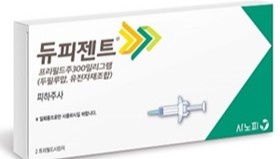
- Dupixent reimb for asthma imminent beyond atopic dermatitis
- by Eo, Yun-Ho Dec 17, 2025 09:50am
- The reimbursement coverage of the dual interleukin inhibitor Dupixent is expected to expand further in Korea.According to industry sources, Sanofi Korea has recently concluded price negotiations with the National Health Insurance Service (NHIS) for Dupixent (dupilumab), a biologic that inhibits both interleukin-4 (IL-4) and interleukin-13 (IL-13), for the indication of moderate-to-severe type 2 inflammatory asthma in adults and adolescents.This achievement comes approximately three months after the drug passed the Health Insurance Review and Assessment Service's Drug Reimbursement Evaluation Committee in September.As a result, starting in 2026, Dupixent is expected to become reimbursable for patients with type 2 inflammatory asthma.First approved in Korea in 2018, Dupixent was initially listed for reimbursement in 2020 for the treatment of atopic dermatitis, with its reimbursement criteria gradually expanded over time. With the latest expansion into asthma, including adolescent patients, attention is now turning to whether the company will apply for reimbursement listing of its additional indications, such as chronic rhinosinusitis with nasal polyps and chronic obstructive pulmonary disease (COPD).The efficacy of Dupixent for asthma, for which the drug price negotiation was concluded this time, was demonstrated through the Phase III TRAVERSE study. This study drew attention as it also released results from a Korean subgroup analysis.According to the study, Dupixent demonstrated long-term efficacy up to 96 weeks and a consistent safety profile in Korean adolescents aged 12 years and older and adults with moderate-to-severe asthma. This reaffirms that Dupixent is an important treatment option for Korean patients with moderate-to-severe asthma, for whom long-term treatment data are limited.The Phase III TRAVERSE Open-Label Extension (OLE) study enrolled 2,282 patients with uncontrolled moderate-to-severe asthma who had previously participated in a Dupixent clinical trial.Patients enrolled in the TRAVERSE study after completing either a Phase II clinical trial (DRI study, 24 weeks) or a Phase III clinical trial (QUEST study, 52 weeks) and received an additional 96 weeks of Dupixent 300mg every 2 weeks. A subgroup analysis was conducted on 74 adolescent and adult patients aged 12 years and older enrolled at domestic study sites.Results showed that the unadjusted annualized rate of severe exacerbations was low at 0.47 throughout the treatment period. As early as two weeks after treatment initiation, patients experienced a rapid improvement in lung function, with a mean increase of 0.42 L (SD 0.47) in pre-bronchodilator FEV₁, which was sustained through week 96. In addition, the five-item Asthma Control Questionnaire (ACQ-5) score improved by a mean of –1.32 (SD 0.76) from baseline at week 48, indicating better asthma control.
- Company
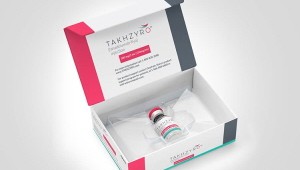
- Takhzyro enters pricing negotiations with NHIS for reimb
- by Eo, Yun-Ho Dec 16, 2025 08:36am
- The hereditary angioedema drug ‘Takhzyro’ has entered the final stage towards reimbursement listing in Korea.Takeda Pharmaceuticals Korea, in accordance with an order from the Ministry of Health and Welfare, has begun price negotiations with the National Health Insurance Service (NHIS) for Takhzyro (lanadelumab), a treatment for hereditary angioedema (HAE). This marks the first tangible step toward reimbursement nearly 5 years after the drug received approval from the Ministry of Food and Drug Safety (MFDS) in February 2021.Therefore, attention is now focused on whether the company will successfully conclude pricing negotiations for Takhzyro so that the drug could emerge as a new treatment option in the HAE, where therapeutic choices remain limited. The drug passed the Drug Reimbursement Evaluation Committee of the Health Insurance Review and Assessment Service (HIRA) in November.Hereditary angioedema is a rare disease characterized by recurrent, unpredictable episodes of acute swelling throughout the body caused by abnormalities in the C1 esterase inhibitor (C1-INH) protein.Respiratory swelling can lead to breathing difficulties or even asphyxiation, while gastrointestinal edema causes severe pain and emergency conditions such as bowel obstruction.Approximately 40% of patients experience their first attack before age 5, and 75% before age 15. However, the majority undergo a prolonged “diagnostic odyssey” and receive an accurate diagnosis only in adulthood. Despite an estimated 1,000 HAE patients in Korea, only 200–250 cases had been diagnosed as of last year.On average, it takes about 19 years for patients to receive a diagnosis, and even after diagnosis, they remain constantly exposed to unpredictable attacks and emergency situations.Until now, access to disease-modifying therapies in Korea has been limited, prompting repeated calls from the medical community for the reimbursement of Takhzyro.Whether Takhzyro will successfully complete price negotiations with the NHIS and establish itself as a new therapeutic option in the underserved HAE treatment landscape remains to be seen.Meanwhile, Takhzyro demonstrated its efficacy in the Phase III HELP study. According to the results, patients receiving Takhzyro every two weeks experienced an 87% reduction in the mean monthly number of HAE attacks compared with placebo, while those receiving the drug every four weeks showed a 74% reduction.
