
- LOGIN
- MemberShip
- 2026-06-14 23:48:02
- Company
- Pharmaceutical exports to Venezuela account for 0.02%
- by Kim, Jin-Gu Jan 07, 2026 08:46am
- Korea’s pharmaceutical exports to Venezuela totaled USD 1.53 million (approximately KRW 2.2 billion) last year, leading to projections that the impact of the recent U.S. military operation in Venezuela on Korean drug exports will be limited.According to the Korea Customs Service, on January 6, Korean pharmaceutical exports to Venezuela through November last year amounted to USD 1.526 million. This represents just 0.02% of Korea’s total pharmaceutical exports (USD 7.92788 billion) over the same period.Domestic pharmaceutical exports to Venezuela have fluctuated significantly over the past decade. Export volumes stood at USD 3.25 million in 2016, plummeted to USD 130,000 in 2017, rebounded sharply to USD 5.13 million in 2023, and then fell again to USD 650,000 the following year.Despite these fluctuations, Venezuela’s share of Korea’s total pharmaceutical exports has consistently remained below 0.1%. This is why the impact of the U.S. military operation in Venezuela is expected to be minimal on Korea’s pharmaceutical exports.The assessment is that the geopolitical variables affecting neighboring Latin American countries are also unlikely to have significant ripple effects. Domestic pharmaceutical companies primarily sign bundled regional contracts to supply medicines, covering multiple nearby markets like Colombia, Ecuador, and Peru, rather than exporting to Venezuela on a standalone basis. Under this structure, shortfalls in one country can often be offset by volumes in others, mitigating overall contract risk.However, given that Venezuela was mentioned as a competitive export region for domestic P-CAB class gastroesophageal reflux disease (GERD) treatments alongside neighboring Latin American countries, the possibility that it could act as a mid-to-long-term variable has been raised. Relevant companies are closely monitoring developments.HK Inno.N is aiming to expand its flagship GERD drug K-CAB into 18 Latin American countries, including Venezuela. In 2018, the company signed a finished-product export and distribution agreement with major Latin American pharmaceutical company Laboratorios Carnot, covering Mexico, Venezuela, Colombia, Peru, Chile, Ecuador, Uruguay, Paraguay, Bolivia, the Dominican Republic, Guatemala, Honduras, Nicaragua, Costa Rica, Panama, and El Salvador. Subsequently, in 2022, it added a technology transfer agreement with Eurofarma for Brazil.Onconic Therapeutics has also established a supply structure for its GERD drug Jaqbo, following a technology export agreement with Mexican pharmaceutical company Laboratorios Senosiain, covering 19 Latin American countries, including Venezuela.Daewoong Pharmaceutical is actively pursuing Latin American expansion for its P-CAB drug Fexuclue, aiming for global expansion into 100 countries. The product has already been launched in Mexico, Ecuador, and Chile, with regulatory applications submitted in Brazil and Peru. While no official entry into Venezuela has been announced, a regional strategy encompassing neighboring countries is being considered. Daewoong previously employed a bundled contract strategy with local partners for its botulinum toxin product ‘Nabota’ in Latin America. An industry official stated, “Exports of pharmaceuticals to Venezuela were already limited in scale, and the contract structure was mostly regional agreements. It seems unlikely that this situation will have a direct impact. However, considering the geopolitical risks surrounding the Latin American pharmaceutical market in the mid to long term, companies should review export routes and contract structures.”The United States launched military operations on Venezuela's capital, Caracas, and other locations in the early hours of the 3rd (local time). President Donald Trump announced via Truth Social that they had successfully captured Nicolas Maduro. Regarding the reason for the operation, President Trump stated, “Maduro committed narco-terrorism crimes against Americans, and he will face justice. The United States will govern Venezuela until the regime change, and Maduro will face U.S. judicial proceedings.”
- Company
- Rare cancer drug 'Welireg' faces another reimb hurdle
- by Eo, Yun-Ho Jan 07, 2026 08:46am
- The rare anti-cancer drug 'Welireg' has once again failed to be added to the insurance reimbursement list. This is the third round.MSD Korea submitted a reimbursement application for its Welireg (belzutifan), an oral hypoxia-inducible factor-2 alpha (HIF-2α) inhibitor, in June of last year. However, the company received a decision of 'reimbursement criteria have not been set' from the final review of the Cancer Drug Review Committee (CDRC), held at the end of 2025.This is the third report of Welireg failing to pass the CDRC review following previous failures in August 2025 and March of last year. Since its domestic approval in May 2023, the drug has remained non-reimbursed for over 2.5 years. Attention is now focused on whether Welireg will be summitted again for listing in 2026.Welireg was designated as an orphan drug in Korea in 2023 for the rare disease indication of von Hippel-Lindau (VHL) disease and received final approval in May of the same year.The specific indications include the treatment of adult patients with VHL disease who require therapy for associated renal cell carcinoma (RCC), central nervous system (CNS) hemangioblastomas, or pancreatic neuroendocrine tumors (pNET), where immediate surgery is not required.Welireg works by reducing the transcription and expression of HIF-2α target genes involved in cell proliferation, angiogenesis, and tumor growth.The efficacy of Welireg was demonstrated in the open-label Study 004, which enrolled 61 patients with VHL-associated RCC who had at least one measurable solid tumor localized to the kidney.Enrolled patients also had other VHL-associated tumors, including CNS hemangioblastomas and pancreatic neuroendocrine tumors.The primary efficacy endpoint of the clinical trial was the objective response rate (ORR), measured by radiological assessment using RECIST v1.1 evaluated by an independent review committee. Additional efficacy endpoints included duration of response (DoR) and time to response (TTR).The results showed that Welireg achieved an ORR of 49% in patients with VHL-associated RCC. All responses were partial responses. The median DoR has not yet been reached, and 56% of patients had response persistence for at least 12 months. The median TTR was 8 months.Furthermore, in 24 patients with VHL-associated CNS hemangioblastomas, the ORR was 63%. Within this group, the complete response (CR) rate was 4%, and the partial response (PR) rate was 58%.
- Company
- BD Korea revenue exceeds KRW 300B…record high
- by Hwang, byoung woo Jan 06, 2026 08:25am
- In the first fiscal year following the spin-off of its diabetes business unit, BD (Becton, Dickinson and Company) Korea recorded revenue exceeding KRW 300 billion, rewriting its highest performance to date.Despite selling off a business unit that generated approximately KRW 15 billion in annual revenue, the company continued its expansion, demonstrating the success of its business reorganization through numbers. Analysts believe aggressive M&A activity and the targeting of new markets directly drove this performance.Exceeding revenue of KRW 313.5 billion…record growth gains attentionBased on an analysis of audit reports for the 43rd to 46th fiscal years, BD Korea achieved revenue of KRW 313.5 billion in the 2025 fiscal year (October 1, 2024, to September 30, 2025).This figure represents a 25.1% increase compared to the KRW 250.6 billion recorded in the previous fiscal year (October 1, 2023, to September 30, 2024).Profitability indicators, including operating profit and net income, also showed significant improvement during this period.Operating profit for 2025 reached KRW 13.8 billion, an increase of approximately 41% from the KRW 9.8 billion recorded the previous year. Net income also grew by 25.4% to 10.6 billion KRW, demonstrating the company's qualitative and quantitative growth.In particular, this growth is considered highly significant, as it was achieved after the sale of the diabetes business unit, now called Embecta Korea, in March 2024.BD, founded in the United States in 1897, maintains a broad portfolio that spans traditional medical consumables, such as syringes, to advanced diagnostics, life science research equipment, and drug delivery devices.The Korean subsidiary, BD Korea, has built a robust business structure encompassing not only the hospital and diagnostic markets but also the research and pharmaceutical industries, including flow cytometry, single-cell analysis, and drug delivery devices for biopharmaceuticals.The most direct cause of the revenue jump in 2025 is attributed to aggressive M&A.In early October 2024, BD Korea acquired the 'Advanced Patient Monitoring (APM)' business unit from Edwards Lifesciences Korea for KRW 17.6 billion.According to the audit report, BD Korea recognized approximately KRW 9.8 billion in goodwill through this acquisition. It secured KRW 7.1 billion in inventory assets, significantly strengthening its critical care and operating room solution portfolio.As the APM business unit's revenue in the 2025 fiscal year was fully reflected, it served as a primary driver of overall growth.Expansion of the GLP-1 obesity treatment market and demands for deviseThe strong performance of the Medication Delivery Solutions (MDS) division also contributed positively. The expansion of the GLP-1 obesity treatment market, currently a major topic in the pharmaceutical and biotech industry, is cited as a key contributor.BD Korea's booth at COPHEX 2025Last year, the company showcased the BD Vystra, a disposable pen device optimized for the administration of obesity treatments, and the BD Hylok, a pre-filled syringe for high-viscosity drugs, at major exhibitions such as COPHEX 2025.As the obesity treatment market shifts toward combination products in self-injection formats, the increased adoption of BD’s drug delivery solutions, which meet global standards, has been a key driver of the rising performance.Analysis suggests that the distribution of diagnostic equipment within the Life Sciences (BDB) division also contributed to the revenue increase.The next-generation flow cytometer, BD FACSLyric, achieved 200 units in domestic sales as of June 2025, demonstrating an overwhelming market share in the precision immune analysis market.Furthermore, the company solidified its leadership in the high-value equipment market by installing the 'BD FACSDiscover A8', which integrates real-time single-cell imaging technology, at major research institutions such as Yonsei University and Hallym University.This indicates a sustained increase not only in equipment sales revenue but also in future revenue from reagents and maintenance services.BD Korea plans to strengthen its 'End-to-End' integrated services, supporting the entire process from the early stages of biosimilar development to production, in line with the upcoming large-scale patent expirations of major biopharmaceuticals over the next decade.An industry official stated, "BD Korea has successfully transformed its business structure toward high-growth areas like patient monitoring and obesity treatment devices following the diabetes unit spin-off," and added, "Based on its strengths in the global supply chain and strategic partnerships with domestic pharmaceutical companies, the company's growth trend is expected to persist."

- Company
- 3 new K-biosimilar approvals last year…second-highest
- by Chon, Seung-Hyun Jan 06, 2026 08:25am
- Last year, South Korean biopharmaceutical companies received approval of three new biosimilar products. It was the second-highest annual output following the record-breaking eight approvals in 2024. Samsung Bioepis and Celltrion have seen their follow-up pipelines reach the commercialization stage one after another, while Sam Chun Dang Pharm successfully entered the market with its first biosimilar, expanding the number of domestic biosimilar players to five. Currently, Celltrion and Samsung Bioepis received 11 approved biosimilars each.According to industry sources on the 5th, domestic firms obtained approval from the Ministry of Food and Drug Safety (MFDS) for four new biosimilar products last year. Samsung Bioepis secured two of these approvals, while Sam Chun Dang Pharm obtained one. Samsung Bioepis received approval for Obodence (a biosimilar to Prolia) in April 2025, followed by Xbryk (a biosimilar to Xgeva) in May. Both Prolia and Xgeva were initially developed by Amgen, using the same active ingredient, denosumab, but with different dosing schedules and administration cycles. Prolia is used for treating osteoporosis, whereas Xbryk is indicated for preventing skeletal-related events in patients with bone metastases and for treating giant cell tumors of bone.In September 2025, Sam Chun Dang Pharm's Vgenfli, a biosimilar to Eylea (aflibercept), cleared its final regulatory hurdle. This product is indicated for ophthalmic conditions such as wet age-related macular degeneration, macular edema following retinal vein occlusion, and diabetic macular edema. This marks Sam Chun Dang Pharm's first domestic biosimilar approval, entering a competitive field where Samsung Bioepis and Celltrion had already secured approvals for their respective Eylea biosimilars in 2024.The number of biosimilar approvals received by South Korean pharmaceutical and biotech companies by year (unit: number, source: MFDS)The three biosimilar approvals in 2025 were the second-highest in record. It recorded 9 in 2024, and the previous high was 3 in 2015 and 2022. Beyond new product entries, domestic firms are continuously strengthening their market competitiveness through supplemental formulation approvals.Celltrion obtained approval for an Auto-Injector (AI) formulation of Omlyclo in December 2025. This followed the June 2024 approval of the pre-filled syringe (PFS) version. Omlyclo is a biosimilar to Xolair (omalizumab), used for chronic idiopathic urticaria and asthma. The AI formulation is a unique option not currently offered by the original manufacturer in Korea, designed to enhance treatment accessibility for patients who find it challenging to visit medical institutions.Similarly, Celltrion added two new types of Avtozma (an Actemra biosimilar) in February 2025.Samsung Bioepis received approval for its Eylea biosimilar, Afilivu, in 2024, and introduced a pre-filled syringe version last year.To date, South Korean biopharmaceutical companies have successfully commercialized 27 products across 15 therapeutic areas.Celltrion pioneered this space in 2012 with Remsima and has since secured approvals for biosimilars referencing Herceptin, MabThera, Humira, Avastin, Eylea, Stelara, Xolair, Prolia, Xgeva, and Actemra.Samsung Bioepis began its journey in 2015 with Etoloce (Enbrel biosimilar) and has successfully expanded into areas referencing Remicade, Humira, Herceptin, Avastin, Lucentis, Soliris, Eylea, Stelara, Prolia, and Xgeva.LG Chem and Chong Kun Dang have also made notable entries into the Enbrel, Humira, Nesp, and Lucentis markets.Celltrion and Samsung Bioepis received approval for 11 biosimilars each. Celltrion and Samsung Bioepis account for 85% of the 26 approved products. Recently, traditional pharmaceutical companies have increasingly joined forces with these biosimilar developers for domestic distribution.While Samsung Bioepis initially partnered with MSD Korea, it later transferred rights to Yuhan Corp for several autoimmune treatments. However, in March 2024, Samsung Bioepis established its own internal sales organization for direct distribution. It currently maintains partnerships with Boryung for its oncology portfolio (Samfenet and Onbevzi) and Samils Pharmaceutical for its ophthalmology products. For Obodence, Samsung Bioepis selected Hanmi Pharmaceutical as its marketing partner, sharing domestic sales responsibilities.In 2017, Samsung Bioepis initially selected Daewoong Pharmaceutical as the sales partner for Samfenet but switched the distributor to Boryung in 2021. Immediately following the domestic approval of the Avastin biosimilar Onbevzi in 2021, the company signed an exclusive domestic sales agreement with Boryung. For its ophthalmic disease treatments, Samsung Bioepis chose Samil Pharmaceutical as the sales partner for its Lucentis and Eylea biosimilars.Samsung Bioepis recently selected Hanmi Pharmaceutical as the sales partner for Obodence. Samsung Bioepis acts as the developer responsible for production and supply, while both companies jointly manage domestic marketing and sales activities.Daewoong Pharmaceutical entered into a joint sales and distribution agreement with Celltrion Pharm to begin domestic sales of Celltrion's Prolia biosimilar, Stoboclo. Daewoong Pharmaceutical is conducting joint sales of Stoboclo across general hospitals and clinics nationwide alongside Celltrion Pharm. While Celltrion previously sold its biosimilars in the domestic market exclusively through its affiliate, Celltrion Pharm, Stoboclo is the first product from a pharmaceutical company other than Celltrion Pharm to be distributed in the domestic market. Additionally, Daewoong Pharmaceutical has joined LG Chem's sales efforts for its Humira biosimilar, Xelenka.

- Company
- Chinese API importers outnumber domestic manufacturers in Korea
- by Chon, Seung-Hyun Jan 05, 2026 10:39am
- The number of Chinese active pharmaceutical ingredient (API) suppliers importing APIs into Korea continues to rise. Compared to six years ago, nearly 100 more Chinese companies are now supplying APIs to the Korean market, significantly outnumbering domestic producers. The scale of Chinese API imports has also steadily grown, indicating an expanding influence of Chinese products in the domestic market. In addition, as pharmaceutical companies face price pressure and seek lower-cost APIs, the number of Indian suppliers has also grown substantially.According to the Ministry of Food and Drug Safety on the 3rd, the total number of Chinese API importers in 2024 was recorded at 350. This represents an increase of 19 companies from the 331 recorded in 2023, within just one year.Number of Chinese and Indian API importers and domestic API manufacturers by year (Unit: No. of companies; Source: MFDS)The number of Chinese API importers has shown an upward trend year after year. In 2018, APIs were imported from a total of 254 Chinese companies, meaning 96 new importers have been added over the past six years. Although the number declined from 342 in 2021 to 333 in 2022 and 331 in 2023, it rose again in 2024.As the scale of Chinese API imports continues to grow, the number of newly identified importers is also increasing.The value of Chinese API imports rose from USD 678.09 million in 2018 to USD 816.32 million in 2024, representing a 20.4% increase over six years.Domestic pharmaceutical companies prefer inexpensive imported APIs to reduce costs, leading to a sustained increase in imports from China and diversification of import sources. In 2014, China ranked 6th among domestic drug import sources, but by 2024, it had jumped to 3rd place.The number of Chinese importers now exceeds that of domestic API manufacturers. In 2024, there were 315 domestic API producers, 35 fewer than Chinese importers. While domestic producers were 12 fewer than Chinese importers in 2018 (242 domestic vs. 256 Chinese), the gap widened to 23 in 2024.The volume of Chinese APIs used in the domestic market is comparable to that of domestically produced APIs.In 2024, total API production amounted to KRW 4.4007 trillion. Excluding exports worth USD 2.17314 billion, APIs valued at KRW 1.43 trillion were used in the domestic market, calculated using an average 2024 exchange rate of KRW 1,367 per USD.This calculation indicates that Chinese API used domestically last year amounted to KRW 1.1159 trillion. Considering that Chinese API is cheaper than domestic products, this suggests that domestic companies actually use more Chinese API than domestic API.The number of companies importing active pharmaceutical ingredients from India is also steadily increasing. In 2018, 192 companies imported Indian API, but by 2024, this number had risen to 241, an increase of 49 companies over six years. In 2024, the gap between the number of companies importing Indian API and those producing domestically was only 74.Concerns are spreading that if generic drug prices fall further, the avoidance of relatively expensive domestic APIs will intensify.Under the revised drug pricing system scheduled to take effect this July, the pricing benchmark for generics will drop from 53.55% of the price of the original drug before patent expiration to the 40% range. A setting between 40% and 45% is regarded as most likely. Arithmetically, lowering the maximum generic price from 53.55% to 40% implies a 25% deterioration in profitability.An industry insider stated, “Ongoing drug price-cut policies have significantly expanded efforts to source low-cost APIs from import suppliers in China and India. If the price of generics, a core revenue source for domestic pharmaceutical companies, drops sharply, they will inevitably have to further reduce API costs to cut expenses.”
- Company
- Upcoming JPM 2026…K-bio focuses on 'global big deals'
- by Hwang, byoung woo Jan 05, 2026 10:39am
- The '44th Annual J.P. Morgan Healthcare Conference (JPMHC 2026)', the world's largest investment event, will be held from January 12 to 15 (local time), with major domestic pharmaceutical and biotech companies participating to target the global market.This year's event is expected to focus on the reorganization of global supply chains following the implementation of the U.S. Biosecure Act and innovation in drug development based on Artificial Intelligence (AI).Korea's domestic companies plan to strengthen their status through main track presentations while aiming to derive future technology export results through business meetings.JPMHC 2026 is a place where approximately 500 major global pharmaceutical companies, as well as domestic firms, share new R&D achievements and discuss the future direction of the pharmaceutical and biotech industries. For domestic companies, JPMHC 2026 serves as an opportunity to achieve the major goals of 'technology export' and 'partnership formation'.Samsung Biologics and Celltrion to give main track presentations…focus on CDMO strategiesThe most notable participant is Samsung Biologics. The company has received an official invitation for the 10th consecutive year since 2017 and will take the stage in the Grand Ballroom, where only 25 top-tier companies selected by the hosts are featured.CEO John Rim, serving as the speaker, is expected to officially declare the new CMO brand 'ExellenS'.This branding represents Samsung Biologics' core value '4E (Excellence)' and will emphasize company's outstanding competitiveness in the contract manufacturing (CMO) field.Notably, the presentation is likely to highlight the achievement of exceeding $20 billion (approx. KRW 26 trillion) in cumulative orders last year, the expansion of North American bases through the acquisition of the Rockville, Maryland plant, and the 'Super-Gap' strategy to absorb demand shifting away from Chinese CDMOs following the Biosecure Act.Celltrion will also give a main track presentation to demonstrate the synergies of the integrated entity.CEO Jinseok Seo, the eldest son of Chairman Jungjin Seo, is expected to step forward to announce a digital transformation roadmap that introduces AI platforms into areas of drug development to clinical trials and sales.Furthermore, the company is expected to specify plans for a full-scale entry into the new CDMO business based on its recently secured production facilities in the U.S., declaring its leap from a biosimilar firm to a 'Total Healthcare Company'.[Stock Photos] Samsung Biologics CEO John Rim delivers presentation at the 2025 Annual J.P. Morgan Healthcare Conference.APAC track official invitations…scheduled to participate in JPM week meetingsOfficial invitations for presentations on the Asia-Pacific (APAC) track will include presentations of domestic firms.Alteogen, invited as a presenting company, plans to explore additional export possibilities for its human hyaluronidase (ALT-B4) technology, which converts intravenous (IV) injections into subcutaneous (SC) formulations.D&D Pharmatech also announced its selection as an APAC track presenter, unveiling its goal to expand contact with global investors and pharmaceutical companies.D&D Pharmatech is expected to broaden its reach with multinational firms by emphasizing differentiated convenience during the 'New Obesity Drug' rush, presenting clinical progress and oral formulation technology for GLP-1 class obesity and metabolic disease treatments.Hugel is also known to be planning a presentation on its strategy to expand North American market share for its FDA-approved botulinum toxin 'Letybo' and the synergy of its filler business.Beyond the presentation tracks, the activities of biotechs seeking substantive licensing-out (L/O) contracts through unofficial meetings and showcases during JPM Week are also specified.Onconic Therapeutics stated it will participate after receiving an official invitation for the second consecutive year and plans to hold serial meetings with global pharmaceutical companies, biotechs, and investment institutions.ABL Bio will engage in follow-up discussions regarding its blood-brain barrier (BBB) shuttle platform 'Grabody-B', which previously led to large-scale contracts with GSK (approx. KRW 4.1 trillion) and Eli Lilly (approx. KRW 3.8 trillion). Notably, the company plans to share plans for entering Phase 1 clinical trials for its bispecific antibody ADC pipelines (ABL206, ABL209) currently under development through its independent U.S. firm, 'NEOK Bio'.STCube will put forward encouraging clinical data for its immune checkpoint inhibitor 'Nelmastobart'. Based on data proving the biomarker potential of the target protein BTN1A1, STCube is reportedly planning to discuss detailed business structures with global big pharma predicated on actual adoption.ROKIT Healthcare plans to participate in the 'Biotech Showcase 2026' held during JPM Week to present its AI hyper-personalized organ regeneration platform.STCube CSO Seung-han Yu stated, "Nelmastobart has great potential to become a new immune axis that supplements the limitations of existing immune checkpoint inhibitors," and added, "STCube will continue discussions with global companies centered on the mechanism and clinical data at this year's J.P. Morgan Healthcare Conference."An anonymous domestic industry official stated, "J.P. Morgan Healthcare Conference has become an event for South Korean companies to move beyond simple participation to becoming key partners for business discussions on innovative new drugs. As it is a major event at the start of the year, we expect achievements through active meetings during the event."
- Company
- Reimb talks for GVHD drug Rezurock extend into the New Year
- by Eo, Yun-Ho Jan 05, 2026 10:39am
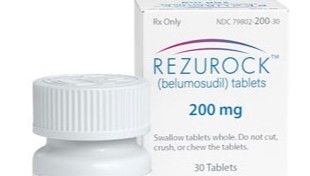
- The graft-versus-host disease (GVHD) treatment Rezurock has stalled at the final stage on its path toward reimbursement listing in Korea.Sanofi Korea and the National Health Insurance Service (NHIS) failed to conclude price negotiations for the ROCK2 inhibitor Rezurock (belumosudil) by the end-of-year deadline and have entered extended negotiations. As a result, reimbursement discussions have carried over into the beginning of this year.Accordingly, it remains to be seen whether Sanofi can complete the listing process in 2026.Rezurock, which was granted accelerated approval from the U.S. Food and Drug Administration (FDA), was approved in Korea in August 2024 and launched as a non-reimbursed product in November. Its key feature is the selective inhibition of ROCK2, a novel mechanism targeting the inflammatory response and fibrosis process in chronic graft-versus-host disease (cGVHD).Chronic GVHD is a complication that occurs in approximately half of patients who receive allogeneic hematopoietic stem cell transplantation. While the patient population may be small due to the disease's nature, it affects half of transplant recipients and is a severe, life-threatening condition requiring essential treatment.Graft-versus-host disease is the leading cause of death in hematologic malignancy patients, accounting for 37.8% of deaths excluding relapse. The problem is that as hematopoietic stem cell transplants increase annually in Korea (1,794 cases in 2023), treating chronic GVHD is becoming increasingly important. Among transplant patients, 42% experience chronic GVHD within an average of 3 years, and 66% have already experienced acute GVHD.However, a significant treatment gap remains. Steroids, recommended as first-line therapy in both domestic and international treatment guidelines, are not suitable for long-term use. Prolonged steroid therapy can cause Cushing’s syndrome, which causes various systemic side effects when used for extended periods, including osteoporosis, joint necrosis, organ failure, hyperlipidemia, gastrointestinal disorders, and growth retardation.While 96% of patients with chronic GVHD receive steroids as first-line therapy, 70% require second-line treatment, and as many as 50% ultimately need third-line therapy. When second-line therapy fails, patients are left to be treated with a combination of steroids and immunomodulators due to a lack of effective third-line options.Furthermore, 97% of GVHD patients treated with steroids experience at least one complication, with infection (79.5%) being the most common. Systemic, multiple symptoms significantly impair patients' quality of life, and host reactions occurring in the lungs or liver are particularly fatal.Against this backdrop, attention is focused on whether Rezurock, if granted reimbursement, can establish itself as a new treatment option.Meanwhile, in clinical trials involving patients who had failed two or more lines of systemic therapy, Rezurock demonstrated a high overall response rate (ORR) of 75%, confirming superior efficacy over existing treatments. Notably, it showed response rates of 71%, 39%, and 26% in the joints, liver, and lungs, respectively—areas where improvement is difficult with conventional therapies.Professor Hee Je Kim, Head of the Department of Hematology at Seoul St. Mary’s Hospital, said, “In 42% of patients with chronic graft-versus-host disease, symptoms occur at multiple sites throughout the body, significantly lowering quality of life. Host reactions occurring in the lungs and liver, in particular, can have a fatal impact on blood cancer patients, making effective management therapies urgently needed.”
- Company
- Korean Pharma wins first-instance ruling in patent challenge over Sirturo
- by Kim, Jin-Gu Jan 02, 2026 08:00am
- Generic drugmakers have secured a first-instance victory in a patent dispute surrounding Sirturo (bedaquiline), a treatment for tuberculosis.According to industry sources on the 19th, the Intellectual Property Trial and Appeal Board (IPTAB) ruled in favor of BC World Pharmaceutical and Yungjin Pharm in a passive scope confirmation (non-infringement) trial concerning the composition patent for Sirturo Tab (Patent No. 10-1514700), filed against Janssen. The two companies had submitted the petition in September.With the favorable ruling in the avoidance trial, analysts say BCWorld and Yungjin have moved one step closer to early market entry for generic versions of Sirturo.Three Sirturo Tab patents are listed in the Ministry of Food and Drug Safety's patent directory. The substance patent expired this June. Excluding this, a use patent expiring in December 2026 and a composition patent expiring in December 2027 remain.BC World and Yungjin’s strategy is to avoid the composition patent expiring in 2027 and strategically launch generics early, promptly upon the expiration of the use patent next year.Sirturo is Janssen’s tuberculosis treatment that was approved in 2014. It features a novel mechanism of action that inhibits the energy metabolism of Mycobacterium tuberculosis and is used in the treatment of multidrug-resistant tuberculosis (MDR-TB). The World Health Organization (WHO) recommends Sirturo as one of the standard treatments for MDR-TB.According to the MFDS, Sirturo recorded import sales of USD 4.1 million (approximately KRW 5.7 billion) in 2023. Although the overall market size is relatively small, the drug has become a key target for generic manufacturers due to the lack of suitable alternatives in MDR-TB treatment. Furthermore, given that tuberculosis treatment regimens last nearly a year, the launch of a generic version is expected to enable stable revenue generation.
- Company
- Roche accelerates drug reformulation strategy
- by Son, Hyung Min Jan 02, 2026 07:45am
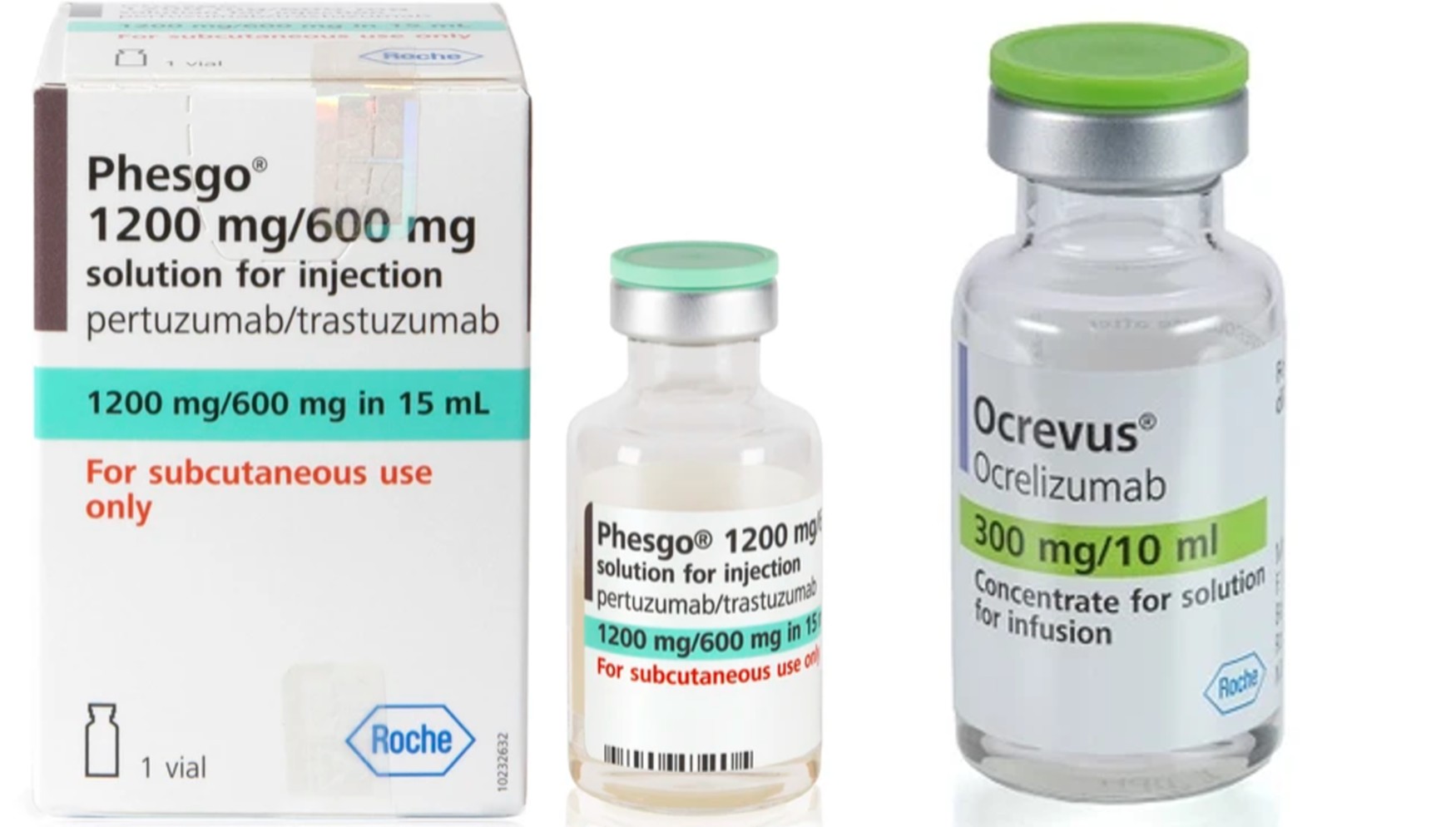
- Roche is driving a paradigm shift across the oncology field by leading with subcutaneous (SC) formulations.The company is actively pursuing formulation changes for its new drugs, positioning ease of administration as a core competitive advantage. Its R&D competitiveness has been confirmed through multiple SC formulation development achievements across both solid tumors and hematologic malignancies.FDA approves Lunsumio Velo…1-minute administration of bispecific antibodies possibleHematologic cancer therapy Lunsumio2According to industry sources on the 2nd, Roche recently received approval from the U.S. Food and Drug Administration (FDA) for Lunsumio Velo, the SC formulation of the bispecific antibody Lunsumio (mosunetuzumab). The drug is indicated for adult patients with relapsed or refractory follicular lymphoma (FL) who have received at least two prior systemic therapies.Lunsumio is the first CD20/CD3 T-cell-engaging bispecific antibody approved for relapsed or refractory follicular lymphoma.The approval was granted under the accelerated approval pathway based on results from the Phase I/II GO29781 study. Full approval will be contingent upon confirmation of clinical benefit in confirmatory trials.With the approval of Lunsumio Velo, convenience in administration has improved markedly. While the intravenous (IV) formulation requires 2–4 hours of infusion, the SC formulation can be administered in approximately 1 minute. Roche explained that this dramatically reduces the time patients spend in the hospital, enabling treatment tailored to individual clinical needs and preferences.In the Phase 1/2 GO29781 study, which formed the basis for this FDA approval, Lunsumio Velo demonstrated meaningful anticancer effects even in patients with third-line or later follicular lymphoma, a group with limited treatment options.Clinical results showed an objective response rate (ORR) of 75% in the Lunsumio Velo treatment group, with 59% achieving complete response (CR). The median duration of response (DOR) among responding patients was 22.4 months.Safety was considered manageable. The most common adverse events included injection-site reactions, fatigue, rash, cytokine release syndrome (CRS), musculoskeletal pain, and diarrhea. CRS occurred in 30% of patients, with most events being Grade 1–2, typically occurring during Cycle 1 and resolving within a median of two days. Grade 3 CRS was reported in only 2.1% of patients.Like the IV formulation, Lunsumio Velo can be administered in the outpatient setting and features a fixed-duration treatment approach. Treatment duration may be as short as six months, differentiating it from therapies that require indefinite administration until disease progression.The IV formulation of Lunsumio has already established itself as the first approved bispecific antibody for third-line or later follicular lymphoma. Roche presented long-term follow-up data for both SC and IV formulations at the American Society of Hematology (ASH) Annual Meeting last year and has submitted these data to regulatory authorities globally, including in Europe. Recently, the European Commission (EC) granted conditional marketing authorization for the Lunsumio SC formulation.Roche is also conducting studies to move Lunsumio Velo into earlier lines of therapy, including combination with Polivy (polatuzumab vedotin) in second-line or later diffuse large B-cell lymphoma (SUNMO study) and combination with lenalidomide in first-line follicular lymphoma (MorningLyte study).From Ocrevus to Tecentriq and Phesgo: Roche expands its SC portfolioRoche has systematically built its SC portfolio by developing and expanding SC formulations for multiple core products.Recently, the SC formulation of the multiple sclerosis treatment ‘Ocrevus (ocrelizumab)’ also entered the domestic market.Roche obtained domestic regulatory approval for Ocrevus SC last month. Ocrevus is a humanized monoclonal antibody that selectively targets CD20-expressing B cells and is classified as a high-efficacy therapy that reduces disease activity and delays long-term disability progression in patients with multiple sclerosis.Compared with the IV formulation, Ocrevus SC reduces administration time to approximately 10 minutes and can be used even in healthcare settings with limited IV infrastructure. The dosing schedule remains unchanged at once every six months, allowing treatment with just two administrations per year—another factor enhancing patient convenience.Roche’s Phesgo, Ocrevus, and TecentriqThe shift to SC formulation is also gaining momentum in the solid tumor field. Roche has already secured SC versions of key oncology products, including the immunotherapy Tecentriq (atezolizumab) and the HER2-positive breast cancer therapy Phesgo (pertuzumab/trastuzumab). In particular, Phesgo has been recognized as a successful case where switching from the existing IV combination therapy to a single SC formulation simultaneously improved administration convenience and operational efficiency in clinical practice.Underpinning this SC transition is Halozyme Therapeutics' ENHANZE drug delivery technology. Roche’s subsidiary Chugai Pharmaceutical secured global rights to use the ENHANZE technology through a partnership with Halozyme in 2022.ENHANZE is a drug-delivery platform that uses recombinant human hyaluronidase (rHuPH20) to convert IV drugs into SC formulations.By temporarily injecting hyaluronic acid within subcutaneous tissue, the technology facilitates drug dispersion, enabling high-dose biologics, previously only available via IV, to be administered as a single SC dose. This allows SC administration within 5 minutes compared with IV formulations, significantly reducing treatment burden on patients while greatly enhancing the efficiency of healthcare providers and the entire hospital system.
- Company
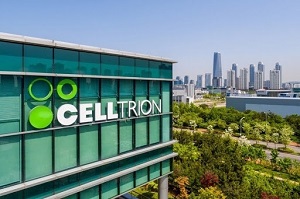
- Celltrion secures '4T sales'…generating profit after merger
- by Hwang, byoung woo Jan 02, 2026 07:43am
- In 2025, Celltrion posted 'record sales' by surpassing KRW 4 trillion in annual revenue and 1 trillion KRW in operating profit.The company successfully eliminated concerns regarding declining profitability after merger with Celltrion Healthcare late-2023. Last year, Celltrion achieved an operating margin of 36%.In 2026, growth is expected to continue based on the expanding sales of new pipelines like Zymfentra and the growth of the CDMO (Contract Development and Manufacturing Organization) business.Steady sales growth, 'Profitability quantum jump' in 2025Reviewing Celltrion's performance over the last two years, 2024 can be viewed as an 'adjustment phase' during which the company absorbed accounting costs related to the merger. 2025 can be seen a 'recovery phase', characterized by sales growth and cost reduction.During an online briefing last November, Chairman Seo Jung-jin expressed confidence, stating, "We have emerged from the long tunnel of merger-related adjustments through the third and fourth quarters."Such statement was validated by the 2025 results, which showed profitability improving at an accelerating pace toward the end of the year.Celltrion's sales and operating profits over 4 years (source: FSS, unit: KRW 100 million). GREEN: sales, ORANGE: operating profitsAccording to preliminary announcement results disclosed on December 31, 2025, Celltrion's Q4 revenue reached KRW 1.2839 trillion with an operating profit of KRW 472.2 billion, yielding an operating margin of 36.8%. This represents a significant year-over-year surge in operating profit.At the time of the merger, Celltrion Healthcare's existing inventory was recorded at market value. In 2024, as this high-cost inventory was recognized as revenue, profit margins were suppressed to single digits.However, as this inventory was depleted during the first half of 2025 and replaced with products manufactured directly by Celltrion at lower costs, the Cost of Goods Sold (COGS) ratio plummeted.Celltrion official said, "With the depletion of high-cost pre-merger inventory and the completion of development cost amortization, which were factors that exerted inevitable pressure on operating profit, combined with titer improvement, operating profit is expected to grow steeply."By Q4 2025, the COGS ratio fell to a tentative 36.1%, a 3 percentage point decrease from the 39% recorded in Q3. Q4 EBITDA is projected to reach KRW 538.9 billion, a record quarterly high.Celltrion analyzes its success to the global stabilization of high-margin new products alongside steady growth in its core portfolio.Despite conservative accounting for market volatility, new products, including Remsima SC (U.S. product name: Zymfentra), Yuflyma, Vegzelma, and Steqeyma, all recorded double-digit growth in Q4. Celltrion's quarterly sales and operating profit over two years (source: FSS, unit: KRW 100 million). PURPLE: sales, ORANGE: operating profitsThese new products are expected to show stark growth, accounting for over 60% of total revenue.Zymfentra is expected to generate even higher revenue in 2026, as the impact of PBM listings and initial marketing investments in early 2025 transitions into full-scale prescription expansion in the second half of the year.Celltrion official said, "For some new products, the timing of their launch was delayed due to factors such as patent settlements for stable product supply, resulting in a somewhat limited effect on annual performance improvement," and added, "From next year, as we expand market share and enter a full-scale profitability enhancement track, we expect a high growth trend in 2026."2026 revenue target of KRW 5.3 trillion…CDMO business in full-scaleCelltrion proposed 2026 revenue target of KRW 5.3 trillion.While Celltrion's 2026 revenue target of 5.3 trillion KRW is slightly lower than previous long-term projections , which once aimed for KRW 7 trillion. The company is showing commitment to crossing the KRW 5 trillion threshold.In 2026, the effects of Zymfentra's inclusion in major U.S. PBM listings will be reflected for a full year. As the company enters a phase where increased prescription volume leads directly to profit, significant revenue growth is expected from Zymfentra as a single item alone.In addition, the company plans to pursue an aggressive bidding 'tender strategy' focused on new products with high net profit, concentrating on substantive growth centered on high-margin product groups rather than expansion of external size through increased supply volume.Furthermore, with a portfolio of 11 biosimilar products completed in major global countries, Celltrion revealed a strategy to accelerate product launches in each country, focusing on new products, while simultaneously reducing the proportion of high-cost products and maximizing the profitability of high-margin product groups.Product photo of ZymfentraCelltrion has a total of 11 products commercialized in the U.S. and Europe. Celltrion aims to expand the number of commercialized products to more than 22 by 2030.Along with this, the company is emphasizing the full-scale launch of the CDMO business as a key to revenue expansion.Previously, to specify its mid-to-long-term CDMO business strategy, Celltrion established Celltrion BioSolutions, a specialized CDMO subsidiary, in December 2024, and in August 2025, its subsidiary Celltrion USA decided to acquire a local company with raw material medicine production facilities in the United States.This is a strategic measure to maintain the framework of the existing CDMO business roadmap while flexibly responding to changes in the external environment, such as U.S. tariff policies, and strengthening responsiveness to global customers.In addition, the company plans to secure multiple new drug product (DP) and drug substance (DS) production facilities in South Korea.Celltrion official said, "In this quarter, to enhance investor predictability and timeliness, we announced our forecast performance for the first time before the end of the quarter by applying conservative assumptions considering market volatility," and added. "From 2026, we will focus on steady growth based on high-margin product groups."
