
- LOGIN
- MemberShip
- 2026-06-15 07:49:10
- Company
- Leclaza combo confirms OS Advantage in EGFR+ NSCLC
- by Son, Hyung Min Dec 08, 2025 08:57am
- The Rybrevant + Leclaza combination therapy has demonstrated clear survival benefits in Asian patients, following the overall patient population, for first-line treatment of EGFR-mutated non-small cell lung cancer (NSCLC). Such results from the Asian subgroup analysis of the global Phase III MARIPOSA study confirmed that the combination therapy improves overall survival (OS) compared to Tagrisso, reaffirming its status as the ‘new standard of care’.Given that approximately 60% of lung cancer cases occur in Asia, and particularly considering the regional characteristic of how EGFR mutations are far more prevalent in Asia than in Western populations, the new findings have substantial implications for real-world clinical practice.On the 6th, at ESMO ASIA 2025, the Asian subgroup analysis results from the Phase III MARIPOSA study, which evaluated the efficacy and safety of ‘Rybrevant (amivantamab) + Leclaza (lazertinib)’, were presented.The Asian cohort analysis results from the Phase III MARIPOSA study were disclosed at ESMO ASIA 2025 on the 6thLeclaza, developed by Yuhan Corporation, is a third-generation EGFR TKI targeting exon 19 deletions and exon 21 (L858R) mutations. Johnson & Johnson holds global rights to Leclaza and has been studying its combination with Rybrevant, a bispecific EGFR/MET antibody that targets EGFR exon 20 insertions and MET alterations.In the trial, the Rybrevant + Leclaza combination showed a statistically significant OS improvement compared with Tagrisso (Osimertinib) monotherapy.A total of 858 patients were enrolled, of whom 501 were Asian.At a median follow-up of 38.7 months, the Rybrevant + Leclaza combination reduced the risk of death by 26% in Asian patients. While the median overall survival (OS) was not reached in the combination group, it was 38.4 months in the Tagrisso group. The researchers estimated that the survival benefit from combining the two drugs would be more than one year. The 36-month survival rate was also higher in the combination therapy group at 61%, compared to Tagrisso.Given that EGFR mutations are common in Asian patients and their disease characteristics differ from those in Western populations, changes in treatment strategies have a significant impact on clinical practice. This analysis confirmed the same survival improvement effect seen in the global overall results, reaffirming that the Rybrevant + Leclaza combination demonstrates ample efficacy in real-world clinical settings among East Asians.Professor Hidetoshi Hayashi of Kindai University in Japan, the study presenter, stated, “The combination therapy demonstrated a clear reduction in mortality risk even in Asian patients, strongly supporting its establishment as the new standard of care. It is becoming a key therapeutic strategy for achieving long-term survival in EGFR-mutated lung cancer.”The Rybrevant + Leclaza combination is already approved as a first-line treatment in major countries, including the US, Europe, South Korea, Japan, and China. Considering the high prevalence of EGFR mutations among Korean patients, this Asian subgroup analysis is expected to significantly influence actual clinical practice guidelines and treatment choices.Professor Hayashi explained, “The major unmet need in EGFR-mutated NSCLC is improving long-term survival. These results demonstrate that the treatment paradigm is shifting from single-agent targeted therapy toward combination approaches.” “
- Company
- New drug for Exon 20+ NSCLC likely…'zipalertinib' results
- by Son, Hyung Min Dec 08, 2025 08:56am
- The oral EGFR Exon 20 insertion mutation targeted therapy, zipalertinib, jointly developed by Japan's Taiho Pharmaceutical and the U.S.'s Cullinan Therapeutics, demonstrated consistent efficacy in the Asian patient cohort. Zipalertinib has become as a potential competing drug against Janssen’s 'Rybrevant (amivantamab)', which is currently the only approved first-line therapy in this area.According to industry sources on December 8, clinical results for zipalertinib were presented at the recent European Society for Medical Oncology Asia (ESMO Asia 2025) annual meeting in Singapore. This analysis was a subgroup analysis of the Asian population, following the initial data presented at the American Society of Clinical Oncology (ASCO) 2025, and evaluated zipalertinib's clinical utility in Exon 20 insertion-mutated Non-Small Cell Lung Cancer (NSCLC).Despite EGFR Exon 20 insertion-mutated NSCLC being a relatively higher prevalence in Asia, there have been limited treatment options for this disease. Following Takeda's market withdrawal of 'Exkivity (mobocertinib)', only Rybrevant remains, leaving a significant unmet need for new agents. Analysis suggests that the Asian subgroup analysis results for the orally administered zipalertinib are likely attracting considerable industry attention.Professor Ross A. Soo of the National University Cancer Institute SingaporeThe study enrolled 137 patients, of whom 107 were Asian, and 30 were from the Rest of the World (ROW). Efficacy analysis was conducted in 176 patients with at least 8 months of follow-up. Patients were administered zipalertinib 100 mg twice daily, and approximately half of the cohort (41%) had a history of brain metastases.The overall response rate (ORR) showed minimal difference between the two groups: 33% for the Asian cohort and 37% for the ROW cohort. The duration of response (DOR) was 8.3 months for the Asian cohort and 10.5 months for the ROW cohort. The progression-free survival (PFS) was 9.5 months in the Asian cohort and 9.0 months in the ROW cohort, with almost identical efficacy curves.The median overall survival (OS) has not yet been reached in the Asian cohort, compared with 24 months in the ROW cohort. The investigators assessed that "zipalertinib demonstrated a clinically meaningful and consistent response in both Asian and non-Asian populations."The safety profile also showed no significant differences between the two groups. The most common adverse events (AEs) were paronychia, rash, dry skin, stomatitis, and diarrhea, which are generally manageable AEs associated with the Tyrosine Kinase Inhibitor (TKI) class. Even considering that Asian patients tend to show a higher incidence of certain AEs like skin and hand-foot syndrome with targeted therapies, zipalertinib demonstrated a manageable tolerability.Professor Ross A. Soo of the National University Cancer Institute Singapore explained, "Zipalertinib demonstrated efficacy in Asian patients comparable to the global patient population, confirming its potential as a new treatment option," and added, "The fact that it is an oral agent also holds significant value in terms of treatment adherence and accessibility."Based on these clinical results, Taiho Pharmaceutical and Cullinan Therapeutics have initiated the New Drug Application (NDA) submission process in the United States.
- Company
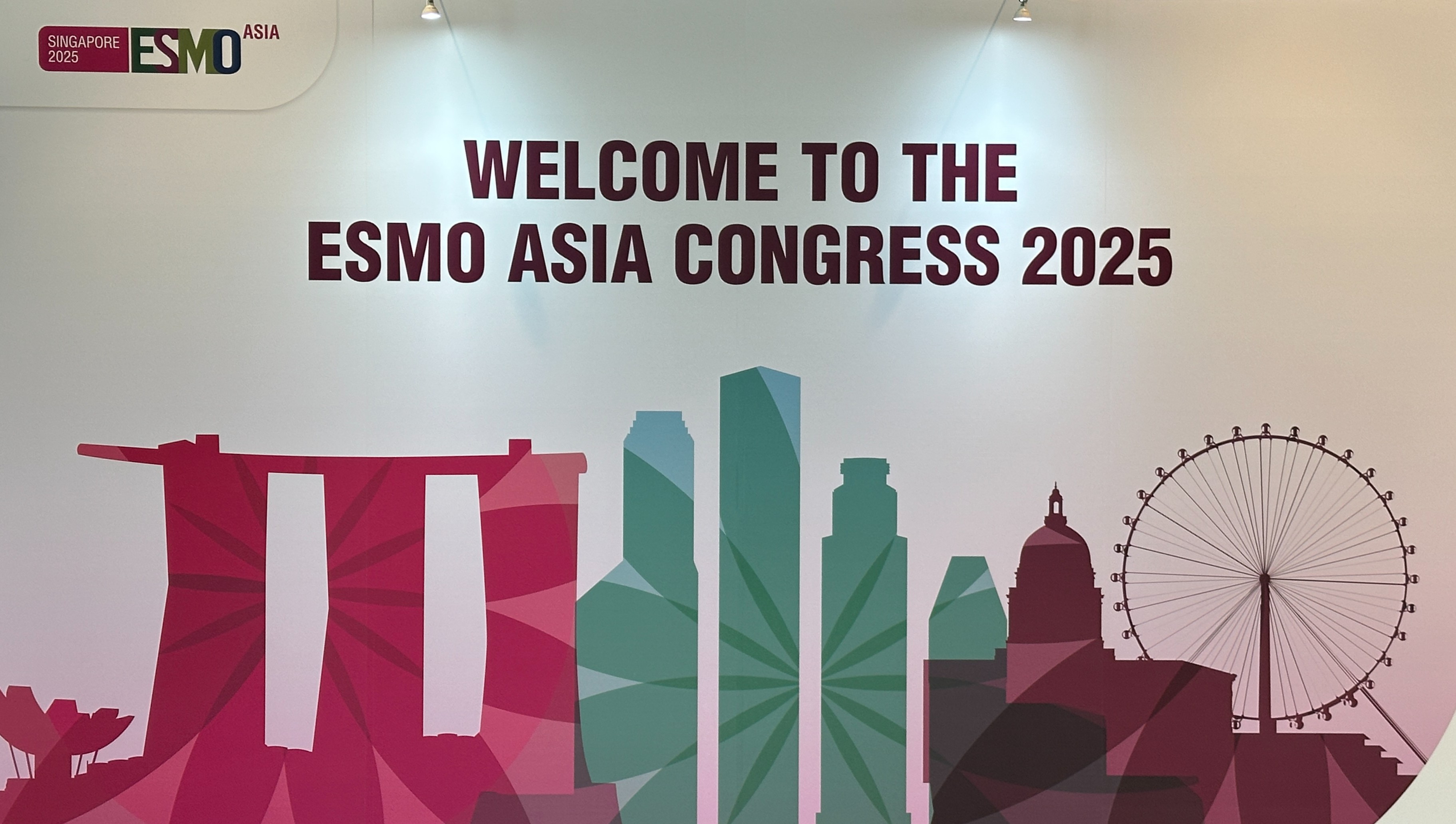
- 'ESMO ASIA' kicks off…focus on Asian patient data
- by Son, Hyung Min Dec 05, 2025 08:35am
- Asian patient data of global new drugs, including Immune checkpoint inhibitors, targeted anticancer agents, and antibody-drug conjugates (ADC), will be primarily unveiled. The European Society for Medical Oncology Asia (ESMO ASIA 2025) annual meeting, held over three days starting December 5 in Singapore, will feature post-hoc analysis targeting Asian populations from major pharmaceutical companies, including AstraZeneca (AZ), MSD, and Janssen. As Asia became a central hub for global clinical trials, not just a participating region, data of Asian patients, including Koreans, has emerged as the key focus of this year's conference.AZ's immune checkpoint inhibitor Imfinzi stands out in gastric cancer…ADC results continueThe company set to gain spotlight at the conference is AstraZeneca. AstraZeneca will unveil results of its new drugs, including the immune checkpoint inhibitor 'Imfinzi (durvalumab)', ADC anticancer agent 'Datroway (datopotamab)', and 'Enhertu (trastuzumab deruxtecan)'.Imfinzi confirmed its potential as a perioperative adjuvant therapy in gastric cancer through the Phase 3 MATTERHORN study.The final analysis of the MATTERHORN Phase 3 trial, presented at ESMO 2025 in Berlin in October, confirmed that Imfinzi given as a perioperative therapy statistically significantly improved Overall Survival (OS). At ESMO Asia 2025, clinical results for 180 Asian patients, including Koreans, will be presented.This study is evaluated as the first to demonstrate that an immuno-oncology agent provides a survival benefit as a perioperative adjuvant therapy for gastric cancer. The trial design targeted resectable locally advanced gastric (Stage 2–4A) and gastroesophageal junction (GEJ) adenocarcinoma patients, administering Imfinzi + FLOT (fluorouracil, leucovorin, oxaliplatin, docetaxel) pre-surgery, followed by Imfinzi maintenance post-surgery.AstraZeneca continues to deliver strong results in the antibody-drug conjugate (ADC) field. First, the TROP2-targeting Datroway confirmed its potential as a first-line treatment for Triple-Negative Breast Cancer (TNBC). The Phase 3 TROPION-Breast02 study evaluated the efficacy and safety of Datroway compared with standard chemotherapy.The study confirmed that Datroway monotherapy improved both OS and Progression-Free Survival (PFS) compared to the control group.Previously, patients with PD-L1-negative TNBC have had no therapeutic options other than chemotherapy. Datroway is expected to be a major player in metastatic TNBC soon. Professor Sung-bae Kim (Oncology, Asan Medical Center) is scheduled to present the clinical results at ESMO Asia 2025.Enhertu also confirmed again its potential as a first-line treatment for HER2-positive metastatic breast cancer through the Phase 3 DESTINY-Breast09 study.Enhertu was previously used in the second-line setting, but combining it with Roche's targeted agent Perjeta (pertuzumab) suggests the possibility of moving the treatment to the first line. Perjeta is one of the drugs used in the standard-of-care 'THP' (taxane-containing agent + Herceptin + Perjeta) for first-line HER2-positive breast cancer.The study compared the efficacy and safety of Enhertu + Perjeta versus the THP in 1,157 previously untreated HER2-positive breast cancer patients. Patients were randomized 1:1:1 to Enhertu + placebo (387 patients), Enhertu + Perjeta (383 patients), or the THP (387 patients).The primary endpoint was PFS, assessed using blinded independent central review (BICR). Other endpoints included OS, Objective Response Rate (ORR), Duration of Response (DOR), and safety. The trial showed statistically significant improvements in PFS and ORR with Enhertu compared to the control group.Results from targeted agents·immune checkpoint inhibitors…consistent effects on Korean patientsAnother key research result to be introduced at this conference is the Phase 3 MARIPOSA study. The OS subgroup analysis focusing on Asian patients for Janssen's NSCLC treatments, 'Rybrevant (amivantamab)' and 'Leclaza (lazertinib)', will be revealed.Leclaza, developed by Yuhan, is a third-generation Tyrosine Kinase Inhibitor (TKI) targeting EGFR Exon 19 deletion and Exon 21 (L858R) mutations. Johnson & Johnson holds the global rights to Leclaza. The company has been conducting clinical research to evaluate the efficacy of its combination with Rybrevant, a targeted option against Exon 20 and MET mutations.In this trial, the Rybrevant + Leclaza arm showed a statistically significant improvement in survival compared to the 'Tagrisso (osimertinib)' monotherapy group (p < 0.005).The results show that the median OS for the Rybrevant + Leclaza group was not estimable (42.9-NE), compared to 36.7 months for the Tagrisso monotherapy group. Based on the survival curve distribution, the Rybrevant + Leclaza arm is expected to extend OS by at least 12 months compared with the Tagrisso arm. These results were recently published in the New England Journal of Medicine (NEJM), drawing significant attention from the academic community.In the clinical results, the median OS for the combination arm was not confirmed, while Tagrisso monotherapy was 36.7 months. Thus, the Leclaza combination is expected to provide an OS extension benefit of at least 12 months compared to Tagrisso. The subgroup analysis, which included 501 Asian patients, showed efficacy consistent with the overall analysis. MSD will also unveil significant long-term follow-up data on gastric cancer. The data to be presented is a subgroup analysis of Asian patients from the Phase 3 KEYNOTE-859 study, including long-term results from a wide range of Asian patients across Korea, China, Japan, Taiwan, Malaysia, and Singapore.The Keytruda + chemotherapy combination is already established as the standard of care for first-line treatment of HER2-negative advanced gastric/gastroesophageal junction (G/GEJ) adenocarcinoma, demonstrating improvements in OS·PFS·ORR. This analysis reports the 52.4 months long-term follow-up results for Asian patients. According to the study, the Keytruda combination therapy continued to show a superior trend compared to placebo across all endpoints in Asian patients. This subgroup analysis, which includes a large number of Korean patients, is viewed as data that reaffirms the standard of care status of the 'Keytruda + chemotherapy' combination for first-line HER2-negative gastric cancer.
- Company
- Imfinzi enters final price negotiations for reimb in Korea
- by Eo, Yun-Ho Dec 05, 2025 08:33am
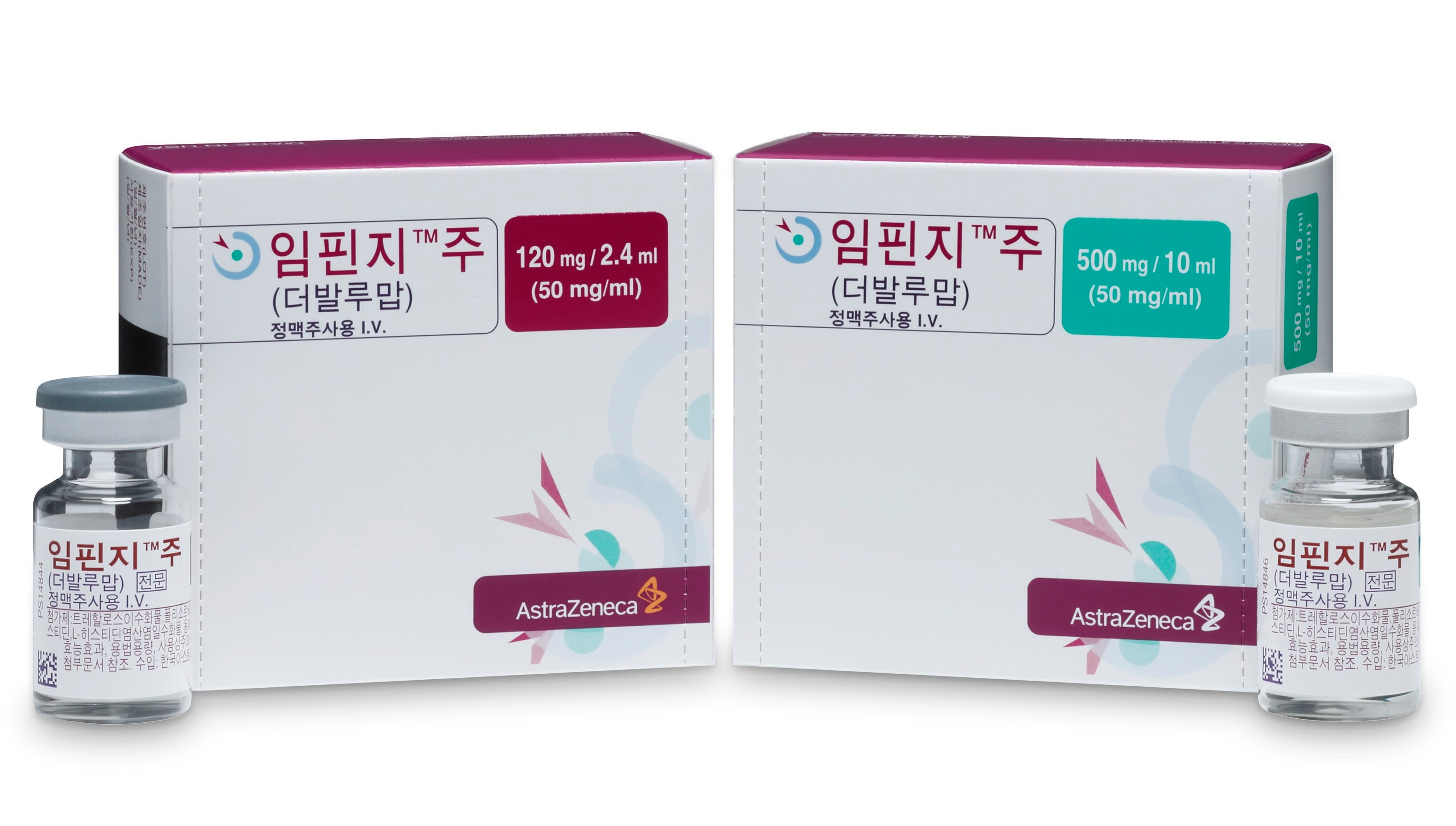
- AstraZeneca's ImfinziImfinzi (durvalumab), the second drug to receive a flexible ICER application as an innovative new drug, has entered the final stage of pricing negotiations for expanded reimbursement in Korea.According to Dailypharm coverage, the Ministry of Health and Welfare recently ordered the National Health Insurance Service to negotiate the drug price for expanding coverage of AstraZeneca Korea's ‘Imfinzi (durvalumab) combination therapy for first-line treatment of biliary tract cancer.The Imfinzi combination therapy received a flexible ICER application from the Health Insurance Review and Assessment Service's (HIRA) Drug Reimbursement Evaluation Committee in October, becoming the second drug to receive a flexible ICER, following the antibody-drug conjugate (ADC) anticancer drug Trodelvy (sacituzumab govitecan).Unlike Enhertu (before the introduction of preferential treatment for innovative drugs) and Trodelvy, which both received ICER benefit in breast cancer, the Imfinzi combination therapy has drawn significant interest from the medical community as it represents the first new treatment option for biliary tract cancer, a disease that has effectively lacked treatment options for the past 12 years.Imfinzi combination therapy is the first immunotherapy-based regimen to change the NCCN biliary tract cancer guideline in 12 years. It demonstrated improved long-term survival, which was difficult to expect with existing treatments, proving its innovation.In the global Phase III TOPAZ-1 study, the Imfinzi combination therapy achieved a 3-year overall survival (OS) rate of 14.6%, more than doubling the survival rate compared to the standard gemcitabine-cisplatin (GemCis) monotherapy (6.9%).The median overall survival (mOS) was 12.9 months, exceeding the control group (11.3 months), with a 26% reduction in the hazard ratio (HR). The characteristic separation of the long-term survival curve for immune checkpoint inhibitors was also confirmed in the long-term follow-up analysis. While the initial analysis showed an HR of 0.80 (20% reduction), the 3-year follow-up improved this to an HR of 0.74 (26% reduction), demonstrating the persistence of the immune response.An AstraZeneca representative explained, “At this DREC meeting, data from the Korean Imfinzi combination therapy, which extended bile duct cancer survival from under one year to three years, served as key evidence considering disease severity and societal demand.Results in Korean patients were even more pronounced. In the Korean subgroup analysis, the Imfinzi combination therapy demonstrated a 3-year overall survival (OS) rate of 21%, a median overall survival (mOS) of 16.6 months, and a 42% reduction in the risk of death, confirming a higher benefit than the global patient population.Considering that the average survival period for patients with advanced or metastatic bile duct cancer is less than one year, the magnitude of benefit observed in Korean patients strongly reinforces the therapy’s innovative value.The evaluation framework for Imfinzi also aligns to some extent with the government's announced direction for reforming the drug pricing system. The government is pursuing measures such as adjusting the ICER threshold to reflect reality. This policy direction aligns with the trend of expanding patient access to innovative therapies like Imfinzi, which has clear survival benefits in high-severity diseases.The remaining step is drug price negotiation. With the NHIS entering negotiations with the company, attention is focused on whether the Imfinzi combination therapy will successfully secure reimbursement in Korea.Factors such as the survival benefit, excellent outcomes in Korean patients, and the absence of alternative therapies are seen as increasing the likelihood of a successful negotiation. However, given the high cost of anticancer drugs, the negotiation is expected to be challenging due to various variables, including fiscal impact.Meanwhile, discussions surrounding Imfinzi's reimbursement are gaining increasing attention, particularly among patient groups and the National Assembly.Patient organizations, including the Korea Blood Disease and Cancer Association and the Liver Disease Patients Association, have consistently criticized the limited access to biliary tract cancer treatments and the need for systemic improvements. Related inquiries were also raised during this year's National Assembly Health and Welfare Committee audit.Rep. Seo Myeong-ok of the People Power Party, a member of the NA Welfare Committee, requested prompt review, stating, “Even though 7 out of 10 biliary tract cancer patients in Korea die within 5 years, improving treatment accessibility remains an unresolved challenge. It is unacceptable that drugs reimbursed abroad remain inaccessible to Korean patients.”

- Company
- 'KRW 1.9T deal with Lilly' Rznomics set to IPO filing
- by Son, Hyung Min Dec 05, 2025 08:33am
- "Rznomics has already secured a global technology transfer deal with a Big Pharma based on our proprietary platform. This year, we signed a platform technology transfer agreement with Eli Lilly in the form of a 'platform deal' with a multi-option structure, involving candidate discovery, upfront payments, research funding, milestones, and royalties at each stage. We believe this is a strong signal that our technology holds global competitiveness in the RNA field."Seong-Wook Lee, CEO of Rznomics, stated this about the company's competitiveness at the Initial Public Offering (IPO) press conference on December 3. The company signed a research collaboration and technology transfer agreement with Eli Lilly for an RNA editing therapy last May, valued at approximately KRW 1.9 trillion. He explained that since Big Pharma conducted extensive internal verification, confirming the technology's effectiveness and safety, the company's platform has been externally validated for its global competitiveness.Seong-Wook Lee, CEO of Rznomics, presenting company's vision at the Initial Public Offering (IPO) press conference on December 3Rznomics is a biopharmaceutical company developing novel drugs based on its RNA Trans-Splicing Ribozyme (TSR) platform technology. The company has a unique platform that selectively recognizes and cleaves target RNA associated with a disease, while simultaneously replacing and editing it with therapeutic RNA. A key feature is its ability to act at the RNA level, enhancing safety by avoiding permanent DNA mutations, and its expandability to address multiple mutations with a single therapeutic agent.Lee is an expert with over 30 years of research experience in RNA trans-splicing. He was a core researcher involved in the world's first RNA trans-splicing ribozyme study while conducting RNA function research and RNA-based therapeutic development at Cornell University and Duke University Medical Center in the U.S., resulting in a Nature Biotechnology cover article in 1997. After returning to Korea, he optimized the technology, achieved clinical entry in 2014, and founded Rznomics in 2017 based on this success.Currently, Rznomics is developing gene therapies for diseases with high unmet medical needs, such as glioblastoma, hepatocellular carcinoma, and hereditary retinitis pigmentosa, based on its platform. Key pipelines include ▲the anti-cancer candidate 'RZ-001' ▲the Alzheimer's disease candidate 'RZ-003'▲the hereditary retinitis pigmentosa candidate 'RZ-004.'The company is pursuing a differentiated out-licensing strategy for each pipeline. Regarding RZ-003, Lee stated, "It is currently in the preclinical stage, and we are pursuing technology validation with global pharmaceutical companies through a Material Transfer Agreement (MTA), aiming for a license-out before entering the clinic." He added, "Negotiations are also underway for a package deal structure, combining not only a single-asset technology transfer but also a platform deal to develop CNS targets desired by the partner company jointly."Lee said, "For RZ-004, we plan to pursue technology transfer after securing clinical data up to Phase 1/2 Part A in Australia," and added, "We are currently opening data rooms and actively conducting business development meetings with multiple global companies."Lee also provided the background on why Eli Lilly chose Rznomics' technology.According to Lee, Eli Lilly's in-house researchers took the platform and experimented with it for about a year to verify the technology. Eli Lilly selected Rznomics' technology based on its high ratings for: ▲precise gene expression modulation without being excessive ▲the ability to correct multiple mutations with a single candidate, which is crucial for diseases like hereditary hearing loss where mutation patterns vary widely among patients ▲high safety due to minimal off-target editing and no alteration of the DNA.Rznomics plans to list a total of 13,770,379 shares, including 2,060,000 shares for public offering. The offering structure is 100% new share issuance. The desired price range is KRW 17,000 to KRW 22,500. Based on this, the total public offering amount is estimated to be between KRW 35.0 billion and KRW 46.4 billion, with an expected market capitalization ranging from KRW 233.9 billion to KRW 309.5 billion.The company used the Price-to-Earnings Ratio (PER) calculation method within the relative valuation approach to determine the desired offering price. PER reflects a company's profitability, risk, and market assessment. The company calculated its corporate value by considering the net income, total shares outstanding, and benchmark prices of three comparable companies (SK Biopharm, Hanmi Pharmaceutical, and Chong Kun Dang).Rznomics first calculated the present value of its estimated net income for 2027, 2028, and 2029. Instead of simple summation, a 25% discount rate was applied to convert future earnings to current value. The theoretical corporate value was then assessed by multiplying the present value of the estimated net income by the average PER of the three comparable companies (29.58x). An additional discount rate, ranging from 44.46% to 26.49%, was applied to reflect the current market conditions and the valuation trends of recent technology-specific listed companies, ultimately determining the final desired price range.Rznomics plans to use the capital raised from the IPO to accelerate platform development, expand its Research & Development (R&D) pipeline, and identify new candidates for global technology transfer. Specifically, based on the low end of the offering price, the net proceeds (KRW 34.1 billion, after deducting fees) will be allocated as follows: KRW 21.1 billion to R&D costs and KRW 13.0 billion to other operating expenses.Lee stated, "Through this listing, we plan to accelerate the development of our existing pipelines further and focus on commercialization through global technology transfer and clinical entry," and added, "We will continuously establish new pipelines to broaden the scope of application and further strengthen our portfolio based on the scalability of our RNA editing platform."Rznomics conducted demand forecasting from November 27 to today (December 3). It plans to conduct subscriptions for general investors over two days, starting on the 9th, to list on KOSDAQ this month. The lead underwriters are NH Investment & Securities and Samsung Securities.
- Company
- Industry groups voice unified concern over price cuts
- by Chon, Seung-Hyun Dec 04, 2025 09:14am
- (From left) Dong-hee Lee, Vice Chairman of the Korea Pharmaceutical Traders Association; Young-joo Kim, President of Chong Kun Dang; Jung-jin Kim, Chairman of the Korea Drug Research Association; Yeon-hong Noh, Chairman of the Korea Pharmaceutical and Bio-Pharma Manufacturers Association; Hyung-seon Ryu, Chairman of the Korea Pharmaceutical Traders Association; Yong-joon Cho, Chairman of the Korea Pharmaceutical Industry Cooperative; Jae-kook Lee, Vice President of the Korea Pharmaceutical and Bio-Pharma Manufacturers Association.Leaders of pharmaceutical organizations have reached a consensus that the government's additional drug price cuts will inflict significant damage on the Korean pharmaceutical industry.The Emergency Countermeasure Committee for Drug Pricing System Reform for Industry Development, formed by major pharmaceutical groups, including the Korea Pharmaceutical and Bio-Pharma Manufacturers Association, held a meeting at the association on the 27th.This meeting comes just three days after the KPBMA, the Korea Biomedicine Industry Association, the Korea Pharmaceutical Traders Association, the Korea Drug Research Association, and the Korea Pharmaceutical Industry Cooperative resolved to join the emergency committee on the 24th.The committee discussed the potential impact of the drug pricing reform based on the details known so far, as the government has not formally announced the plan, and exchanged views on future countermeasures. The government is reportedly preparing to announce a major overhaul of the drug pricing system that will significantly lower the pricing standards for generics compared to current rules.Participants agreed that implementing additional drug price cuts during the industry’s “golden time” for advancing into a global pharmaceutical powerhouse—driven by increased R&D investment—would weaken the nation’s R&D and manufacturing base. They also raised concerns that the reform could increase reliance on expensive imported medicines, thereby undermining national health security.Attendees included the co-chair of the emergency committee, Yeon-hong Noh (Chairman of the Korea Pharmaceutical and Bio-Pharma Manufacturers Association), as well as co-vice-chairs Hyung-seon Ryu (Chairman of the Korea Pharmaceutical Traders Association), Jung-jin Kim, (Chairman of the Korea Drug Research Association), Yong-joon Cho (Chairman of the Korea Pharmaceutical Industry Cooperative), as well as committee leaders including Young-joo Kim, Head of the Planning & Policy Committee, and Jae-kook Lee, head of the Public Relations Committee, and executives from the associations and member companies.The committee stated it will continue to deliver rational industry feedback to the government on the proposed pricing reforms and will proactively present practical alternatives to minimize negative impacts on the industry.
- Company
- Keytruda shows benefit in head and neck cancer
- by Son, Hyung Min Dec 04, 2025 09:14am
- The immunotherapy Keytruda has opened the era of early treatment for head and neck cancer by gaining approval as a perioperative therapy.On December 2, MSD Korea held a media session to outline the clinical value of ‘Keytruda (pembrolizumab)’.Last month, Keytruda received expanded approval for use as a perioperative therapy—both neoadjuvant and adjuvant—for patients with resectable, locally advanced head and neck squamous cell carcinoma (HNSCC). Keytruda was previously approved in 2020 as a first-line treatment for metastatic or recurrent HNSCC.Professors Hye Ryun Kim, Hyun Jun Hong, Yonsei Cancer CenterThis expanded approval is significant as it broadens the treatment paradigm, previously centered on traditional palliative approaches (first- and second-line treatment for recurrent/metastatic head and neck cancer), to include the preoperative stage. With its confirmed efficacy as adjuvant therapy in the highly recurrent and high-mortality locally advanced patient group, Keytruda’s expanded approval is expected to reshape treatment strategies.The approval is based on results from the Phase III KEYNOTE-689 study in patients with Stage III or IVA HNSCC.In the study, patients received Keytruda monotherapy (2 cycles) before surgery, followed by Keytruda plus radiotherapy (with cisplatin for high-risk patients) for 3 cycles after surgery, and then Keytruda monotherapy for up to 12 cycles.Median follow-up of 38.3 months showed a 30% reduction in the risk of disease progression, recurrence, or death in the PD-L1-positive (CPS ≥1) patient group. The median event-free survival (EFS) was 59.7 months, more than double the control group's 29.6 months. The 3-year EFS also showed a gap of over 10 percentage points, with 58.2% in the Keytruda group versus 44.9% in the control group.Although the median overall survival (OS) has not yet been reached, the risk of death was reduced by 28%, confirming the potential for extending survival.Professors Hye Ryun Kim of the Department of Medical Oncology at Yonsei Cancer Hospital emphasized, “Head and neck cancer has a high recurrence rate, no matter how well surgery and radiation therapy are performed. Major immune checkpoint inhibitors, including Keytruda, can now be used preoperatively, leading to an increase in patients achieving long-term survival. Their greatest strength is their ability to prevent distant metastasis and recurrence.”"The need for perioperative therapy options is emerging... “Use of Keytruda will increase.”Head and neck cancer refers to cancers occurring in the oral cavity, pharynx (nasopharynx, oropharynx, hypopharynx), larynx, nasal cavity (sinuses), neck, salivary glands, and thyroid, excluding the brain and eyes. It can develop in over 30 sites in the head and neck region, with tumors originating in the squamous epithelial cells lining mucous membranes—such as the pharynx and salivary glands—accounting for 90% of all cases.Roughly half of HNSCC patients present with resectable disease, but the complex anatomical structures and vital functions around the face limit the extent of surgery, and achieving adequate resection margins is challenging when major organs are nearby.The standard treatment regimen, postoperative radiotherapy, has limited efficacy in improving survival, and even after surgery, it is difficult to completely remove microscopic residual disease.Even in resectable stages, the standard postoperative radiotherapy alone offers limited survival improvement, with 15-50% of patients relapsing within 5 years. Over half of these patients ultimately die, highlighting a substantial unmet need.This has led to continuous demand for neoadjuvant and adjuvant immunotherapy to reduce the risk of head and neck cancer recurrence. Preoperative adjuvant therapy can reduce tumor size and eliminate micrometastases, facilitating resection. Postoperative adjuvant therapy can remove micrometastases and contribute to preventing recurrence.Professor Hyun Jun Hong, Department of Otolaryngology at Yonsei Cancer Center, emphasized, “Head and neck cancer surgery can lead to major functional and cosmetic burdens. From an otolaryngology perspective, minimizing recurrence is a priority. When Keytruda was used perioperatively, we saw real benefit. It holds high potential to improve long-term prognosis of patients through synergistic effects with existing treatments.”
- Company
- RNAi therapeutic 'Amvuttra' enters reimb review
- by Eo, Yun-Ho Dec 04, 2025 09:12am
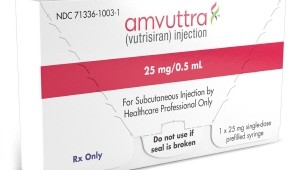
- 'Amvuttra,' an RNA interference (RNAi) therapeutic, has been put on a test stand for insurance reimbursement entry. According to sources, Amvuttra (vutrisiran), a new drug for the treatment of hereditary transthyretin amyloidosis (hATTR) with polyneuropathy (hATTR-PN), will be considered for the Health Insurance Review and Assessment Service (HIRA)'s Drug Reimbursement Evaluation Committee (DREC) today (December 4). Amvuttra was developed by Alnylam Pharmaceuticals and introduced to South Korea by Medison Pharma Korea.Amvuttra obtained an orphan drug designation from the Ministry of Food and Drug Safety (MFDS) in November 2023 and received final approval last year.Amvuttra is administered once every 3 months and is designed to target and silence messenger RNA, thereby blocking the production of wild-type and mutant transthyretin (TTR).The efficacy of Amvuttra was demonstrated through the Phase 3 HELIOS-A study. In the Phase 3 trial, 164 patients with hATTR-PN and accompanying polyneuropathy from 22 countries participated. Participants were randomly assigned to either a subcutaneous injection group receiving Amvuttra 25 mg once every 3 months (Amvuttra group, 122 patients) or an intravenous injection group receiving 'Onpattro (patisiran)' 0.3mg/kg once every 3 weeks (Onpattro group, 42 patients).Furthermore, the effectiveness of Amvuttra was evaluated by comparison with the placebo group in the APOLLO study, which evaluated the efficacy and safety of Onpattro in a patient group similar to that in the HELIOS-A trial.As a result, during the 9-month treatment period, the Amvuttra group experienced less severe neurological damage than the placebo group, and had improved quality of life. Additionally, the 10 Meter Walk Test, which evaluates patients' walking speed and exercise capacity, showed that patients treated with vutrisiran had no change in time. NT-proBNP, a biomarker of heart function, improved.Meanwhile, hATTR-PN, which affects approximately 1 in 100,000 people, is caused by a genetic mutation in the TTR gene. It is characterized by systemic multiple autonomic neuropathy, including symptoms related to the heart, digestive system, and ocular manifestations. Vyndaqel stabilizes the TTR protein.Symptoms typically begin in the lower extremity nerves, where the abnormal protein readily accumulates, presenting as pain, paresthesia, and paralysis before progressing to involve the upper limbs. Complications spread to other organs, including the heart, kidneys, and eyes. The average life expectancy after symptom onset is approximately 7 to 12 years.
- Company
- ‘BMS seeks to redesign growth through open innovation’
- by Son, Hyung Min Dec 03, 2025 08:43am
- Bristol Myers Squibb (BMS) defines itself as an ‘open innovation company’ for a reason.Over 60% of the company’s global pipeline now consists of assets sourced through external collaborations, including next-generation platforms such as targeted protein degradation, cell therapy, and radiopharmaceuticals.Steve Sugino, Senior Vice President and General Manager, BMS Asia-PacificSteve Sugino, Senior Vice President and General Manager at BMS Asia-Pacific, recently stated to reporters, “Science knows no borders. BMS goes where the science is.”BMS is one of the global pharmaceutical companies most actively pursuing open innovation and mergers and acquisitions (M&A).The company had faced declining sales due to patent cliffs with the expiry of several major drug patents, including the anticoagulant Eliquis (apixaban) and the blood cancer treatment Revlimid (lenalidomide), and the entry of their generic versions. Furthermore, its global blockbuster immunotherapy drug Opdivo (nivolumab) is also nearing patent expiration.To address this, BMS has expanded its pipeline over the past five years through investments in companies like Karuna Therapeutics (USD 14 billion), RayzeBio (USD 4.1 billion), Mirati Therapeutics (USD 4.8 billion), and SystImmune (USD 8.4 billion).Through its acquisition of Karuna, BMS developed the schizophrenia drug ‘Cobenfy (xanomeline /trospium chloride). It also entered the radiopharmaceutical market by acquiring RayzeBio and plans to develop new anticancer drugs through Mirati and SystImmune.This principle is also evident in APAC. One prime example is the agreement with Orum Therapeutics in Korea.In 2023, BMS paid Orum Therapeutics USD 180 million (approximately KRW 260 billion) and successfully secured its degrader antibody conjugate (DAC) technology.Sugino stated, “Protein degradation is an area where BMS holds a strategic advantage, and Orum's technology had clear global scalability. This is a landmark case of Korean technology becoming a global standard.”Sugino also emphasized that manufacturing and supply chain (M&SC) collaboration with domestic companies is a core pillar of BMS's strategy.He explained, “Amid complex global circumstances, a stable supply chain is an essential competitive capability for global pharmaceutical companies. BMS is strengthening its global supply chain not only through its own production but also through collaborations with Samsung Biologics and Lotte Biologics. Based on the collaborations, BMS is reliably supplying innovative therapies to patients worldwide.”BMS is working to systematically implement its collaborative framework with companies in Korea. One flagship program is the ‘Seoul–BMS Innovation Square Challenge,’ which BMS has operated since 2022. Through this program, companies like Prazer Therapeutics (proteasome inhibitors), Illimis Therapeutics (Alzheimer's disease drug), and Galux (AI-driven protein design) have been selected and are growing, leveraging BMS's global network and commercialization expertise. This serves as an incubator, placing Korean biotech companies on a global growth trajectory.BMS's criteria for evaluating external collaborations are straightforward: scientific excellence, commercial potential, strong intellectual property (IP), and ideally, both first-in-class and best-in-class potential.Sugino advised, “While excellent science is adequate, companies also must further develop global commercialization capabilities. Articulating how science translates into patient value is key to partnering.Organization dedicated to APAC established… BMS's growth axis shifts to AsiaBMS's open innovation strategy and manufacturing/supply chain collaborations ultimately align with the strategic question of ‘where to create innovation and where to execute it.’Sugino stressed, “APAC, which includes Korea, is one of the most dynamic regions, with strengths across science, clinical infrastructure, manufacturing, and commercial potential. Asia’s role will only continue to grow.”This assessment is directly reflected in BMS's global reorganization. In January this year, BMS created a dedicated APAC division through a structural reorganization. Sugino explained, “This strategic realignment was made to support key markets like Korea, Japan, China, and Australia from a closer location.”He explained that this organizational change is not merely a restructuring but the result of a company-wide decision recognizing APAC as the next-generation growth engine. BMS determined that the core APAC countries—Korea, China, Japan, and India—would be the central axis after questioning ‘Where should we invest and where should we expect growth?’BMS is seeking to expand partnerships with domestic companies. Vice President Steve Sugino and BMS Korea Country Manager Hye Young Lee at the Global Open Innovation Week held last month in Seocho-gu, Seoul.APAC has already established itself as a major clinical base for BMS. BMS has set a long-term goal of securing 40% of patients enrolled in Phase III clinical trials from APAC. In fact, Korea is included as a ‘priority country’ across all phases of development, from Phase 1 to Phase 3.Sugino noted, “Korea's medical infrastructure, clinical execution capabilities, and patient accessibility are among the best globally. There is a reason Korea has become an essential region for pivotal trials.”Since 2022, BMS has acquired 8 approvals and 6 insurance reimbursement listings in Korea alone, across key therapeutic areas including solid tumors, hematologic malignancies, and rare cardiovascular diseases.Sugino assessed, “The Korean government and regulatory authorities are making significant contributions to expanding access to innovative therapies. This is an important signal that goes beyond short-term results, earning Korea the trust of global pharmaceutical companies.”However, he clearly pointed out structural challenges. The one-year introduction rate for new drugs is only 5% in Korea compared to 78% in the US, and the health insurance coverage rate is also significantly lower at 22% in Korea versus 85% in the US and 48% in Japan. The average 46-month timeframe from approval to coverage was also highlighted as a problem.Sugino emphasized, "My father also battled cancer. If he had to wait 46 months for treatment, he would have lost his chance. Innovation only matters when it reaches patients in time."Ultimately, BMS’s goal is clear: Deliver innovative therapies to patients with serious diseases faster and more widely. AI-driven R&D, open innovation, and APAC-centric strategies are simply means to achieve that goal, with Korea at the strategic core.Sugino concluded, “BMS exists to discover, develop, and deliver innovation. For these values to be properly realized, we need an environment where new therapies are approved and reimbursed in a timely manner.“Ensuring innovation reaches patients worldwide, including those in Korea, rather than remaining confined to specific countries—that is the challenge BMS must address.”

- Company
- Why JP's distribution giant 'Suzuken' pushes dual innovation
- by Kim, Jin-Gu Dec 03, 2025 08:42am
- The challenges facing Suzuken, the Japanese pharmaceutical distribution giant with annual sales of ¥2.4 trillion (approximately KRW 21 trillion), are similar to those facing the South Korean pharmaceutical distribution industry.Despite the Japanese market being dominated by four major companies, including Suzuken, which controls 80% of the market, these firms face structural difficulties: low operating profit margins coupled with soaring labor and logistics costs.Suzuken's chosen solution is 'Dual Innovation'. The company is aiming for a fundamental change in the industry's structure by combining hardware innovation, such as smart logistics and the Cubixx system, with software innovation, focused on building the COLLABO Portal for healthcare professionals.The distribution giant's experiment to overcome low marginsHeadquartered in Nagoya, Suzuken is one of Japan's 'Four Giants' of pharmaceutical distribution, alongside Medipal, Alfresa, and Toho Yakuhin. They all commonly suffer from chronic low distribution margins, despite their massive size and market dominance. Recently, companies are facing increased labor and logistics costs due to inflation in Japan and the 'Logistics 2024 problem,' which is a regulation limiting working hours for transport workers.Suzuken's sales structure (2024): pharmaceutical wholesale (82.7%), specialty pharmaceutical distribution consignment (10.5%), regional medical·nursing support (3.4%), and healthcare product development (1.9%).As of last year, 82.7% of Suzuken's revenue was pharmaceutical wholesale. However, the company is continuously expanding into areas such as specialty drug distribution consignment (10.5%) and regional medical·nursing support (3.4%), interpreted as efforts to diversify its business.Takafumi Ogawa, Chief Operating Officer of Suzuken's Management Planning Department, explained, "The goal of pharmaceutical distribution is stable supply, but the challenge for sustained growth is overcoming the low operating profit margin," and added, "Suzuken is emplying a dual innovation strategy, by upgrading the core pharmaceutical distribution business through 'Smart Logistics' as well as by installing a new growth engine through 'Digital Healthcare.''Smart Logistics': hardware innovation through integrating manufacturing, logistics, and wholesaleThe first pillar of Suzuken's innovation is the construction of 'Smart Logistics.' This strategy goes beyond simple automation to tie the entire Supply Chain Management (SCM) by integrating manufacturing, logistics, and wholesale into a single flow, thereby maximizing cost efficiency.The 'Metropolitan Integrated Logistics Center,' becoming operational in April of last year, is a result of this hardware revolution. It is the first facility in Japan to house pharmaceutical contract manufacturing facilities alongside pharmaceutical logistics and wholesale logistics facilities in one location. This integration drastically reduces unnecessary transportation steps between the pharmaceutical company's manufacturing·shipping and the distributor's receiving·delivery process, simultaneously shortening lead times, shipping costs, and time.Suzuken's 'Metropolitan Integrated Logistics Center,' becoming operational in April of last yearSuzuken utilizes advanced robotics and image recognition technology to automate processes such as slip entry, inventory organization, and intra-facility delivery. This design enables stable operation with fewer personnel, serving as a practical countermeasure against soaring delivery costs and intensifying labor shortages exacerbated by Japanese limits on driving work hours.Furthermore, the company actively uses the 'Cubixx' system, adopted from U.S.-based Cencora, to enhance inventory management for high-value pharmaceuticals. This system enables data-driven tracking, monitoring, and the recovery·resale of unused 'Inactive Inventory.' Suzuken reported saving ¥5.7 billion (approximately KRW 53 billion) in pharmaceutical disposal costs last year alone through the Cubixx system.Suzuken's automated logistics system using robotsFrom distribution margin to data margin…software evolution through 'COLLABO Portal'The second pillar of Suzuken's innovation is its 'Digital Healthcare' business, whose key strategy is to convert the data secured through its distribution network into value for clinical practice. At the center of this strategy is the dedicated platform for healthcare professionals, the 'COLLABO Portal.'The portal has 380,000 registered healthcare professionals. Suzuken has been digitally reconstructed to include individual doctors and pharmacists utilizing its existing hospital and pharmacy network. The portal acts as a 'data hub,' structuring and delivering necessary information to healthcare institutions and practitioners based on data uniquely secured by the distribution company, moving beyond simple information provision.Through this platform, the initial response time for call center inquiries (e.g., scheduled delivery times) previously handled by phone, fax, and email has been reduced from an average of 30 minutes to 5 minutes. This frees field sales representatives from repetitive tasks, allowing them to dedicate time and capabilities to high-value solution proposals. The role of the sales agents is thus shifting from a 'order taker' to a 'digitally-enabled consultant.'Suzuken's 'COLLABO Portal,' a platform specifically designed for healthcare professionals.The platform is also beneficial to pharmaceutical companies. The COLLABO Portal serves as a channel for drug manufacturers to provide information and digital marketing outreach to medical institutions and practitioners. Suzuken expects this strategy, aiming to generate 'information margin' over 'distribution margin', to be a key component in overcoming its low-margin structure.Suzuken's case is gaining attention for its approach, which reduces cost burdens through automation-based supply chain innovation and establishes new value through a digital platform. This strategy of integrating manufacturing, logistics, and wholesale, along with data utilization, aims to mitigate the inherent limitations of the low-margin distribution industry. Given that the South Korean pharmaceutical distribution sector faces similar structural challenges, including low margins and rising labor·logistics costs, Suzuken's dual innovation strategy is considered a valuable case study for gauging the direction of future industry change.
