
- LOGIN
- MemberShip
- 2026-06-20 22:19:41

- Company
- Opdivo prolongs survival in urothelial carcinoma
- by Whang, byung-woo Feb 18, 2025 05:53am
- The emergence of new drugs such as immuno-oncology drugs in the first-line treatment of urothelial carcinoma, have refined treatment strategies in the area. With the number of options available in the clinical setting increasing, there is also growing concern over when and which treatment to select for the patients. However, experts believe that the choice of treatment that can maximize the effectiveness of the treatment is important, as the prognosis of urothelial carcinoma is still worse than that of other urologic cancers. Jong Jin Oh, Professor of Urology, Seoul National University Bundang Hospital Professor Jong Jin Oh, Professor of Urology at Seoul National University Bundang Hospital, who has the latest knowledge in the field, emphasized the need for institutional support for the emergence of new drugs that prolong the overall survival of patients with urothelial carcinoma. Urothelial carcinoma is a cancer that starts in the urothelial cells that line the inside of the bladder, and 90% of tumors that occur in the urinary tract are urothelial carcinoma. It is the most common type of bladder cancer, accounting for about 90% of all bladder cancer diagnoses. Even if patients undergo surgery, their life expectancy is not long, and the average overall survival period is just over one year, especially for patients with metastases. “In the first diagnosis, about 10% of patients with metastatic urothelial carcinoma are confirmed to have metastatic disease, and if adding patients whose cancer progressed or metastasized, 20-30% of all patients are confirmed to have metastatic disease,” said Professor Oh. “There may be microscopic metastases that are not detected by imaging tests, so the actual proportion of metastatic urothelial carcinoma may be higher than the confirmed proportion.” The chemotherapy combination of cisplatin and gemcitabine (GemCis) had been the representative treatment option. However, Professor Oh explained that the combination had clear limitations, such as response rate and toxicity. “The percentage of patients responding to gemcitabine is not high, and the duration of response is very short, less than a year, and the toxicity is strong, so patients cannot continue treatment for a long time,” said Professor Oh. ”Since urothelial carcinoma is a tumor that occurs in the urinary tract, many patients have reduced renal function, such as by having their kidneys or bladder removed.” The emergence of immune checkpoint inhibitors for urothelial carcinoma is expected to extend survival In this situation, the emergence of new drugs, including immune checkpoint inhibitors, is expected to extend patient survival. One of the recent changes is the approval of Opdivo (nivolumab) in combination with cisplatin and gemcitabine as a first-line treatment for unresectable or metastatic urothelial carcinoma in July. Looking at the Phase III CheckMate-901 trial, which was the basis for the approval of Opdivo, at a median follow-up period of 33.6 months, the median overall survival (mOS), the primary endpoint, was 21.7 months with the combination of Opdivo and chemotherapy, which was significantly longer than the 18.9 months with the combination of cisplatin and gemcitabine, and reduced the risk of death by 22%. “Opdivo is the first immuno-oncology drug approved for the first-line treatment of metastatic urothelial carcinoma. The combination of Opdivo and gemcitabine has extended the overall survival by about 3 months compared to the existing gemcitabine monotherapy,” said Professor Oh. ”This means that we have an opportunity to extend the expected life expectancy that has been around one year with the existing treatment to about one and a half years.” So, how has the actual prescription experience been for domestic patients? Professor Oh expected that Opdivo would play a role in the situation where most patients with metastatic urothelial carcinoma first experience lymph node metastasis. He said, “In the subgroup with lymph node-only metastases, the rate of complete remission of metastatic lesions was much higher with Opdivo than with gemcitabine therapy, and the duration was also much longer. As the study confirmed very good effects, I think it is an effective treatment that can be considered as a first-line treatment for patients with lymph node metastases. In fact, in the CheckMate-901 subgroup analysis, patients with lymph node-only metastases were compared between the combination of Opdivo and gemcitabine and Gemcitabine alone, and the median overall survival was 46.3 months for the combination of Opdivo and gemcitabine and 24.9 months for gemcitabine alone. In response, Professor Oh said, “Lymph nodes are where the immune response is most active in our bodies, so it is thought that their response rate to immuno-oncology drugs such as Opdivo will be high. Patients with cancer that has spread to other organs have a much lower level of activity, but patients with lymph node-only metastasis have a relatively good overall condition, which may have a positive impact on treatment outcomes as they can receive treatment as planned. In conclusion, in the first-line treatment of metastatic urothelial carcinoma, if the patient has a low tumor burden or lymph node metastasis alone, Professor Oh believes the relatively less toxic Opdivo-Gemcitabine regimen may be a useful option among the first-line treatment options. "Will increase Opdivo’s use in lymph node metastasis alone and as adjuvant therapy" In particular, Professor Oh focused on Opdivo’s use as adjuvant therapy based on the CheckMate-274 study. “Currently, the standard adjuvant therapy for urothelial carcinoma is GemCis, but there are cases where patients undergo surgery after chemotherapy and the results of the biopsy are not good. In this case, the effectiveness of adjuvant gemcitabine therapy is low, and the disease usually recurs within 6 months,” explained Professor Oh. “Since other therapies that can be tried outside of standard treatment for GemCis have not yet been established, this is a very unfavorable case, and we expect that the post-operative adjuvant therapy of Opdivo will be used most actively in such patients.” However, Opdivo as adjuvant therapy for urothelial carcinoma is not reimbursed by Korea’s health insurance. Professor Oh stressed the need for reimbursement of new drugs that can benefit patients with urothelial carcinoma, who have a short overall survival period and therefore are in urgent need of treatment. He said, “For patients with poor post-operative biopsy results, we are trying to use Opdivo as adjuvant therapy if conditions permit. Since there is no alternative to adjuvant Opdivo therapy, patients are very desperate so healthcare professionals believe the drug is absolutely necessary.” Finally, Professor Oh said, “The complete remission rate is about 40-50% with standard chemotherapy, but it can be improved to 60-70% with new drugs. I see the significance of its use as adjuvant therapy, and I hope that many patients will be able to use the drug without burden through prompt reimbursement.”
- Company
- Samsung Bioepis’s Prolia and Xgeva biosimilars approved
- by Chon, Seung-Hyun Feb 18, 2025 05:53am
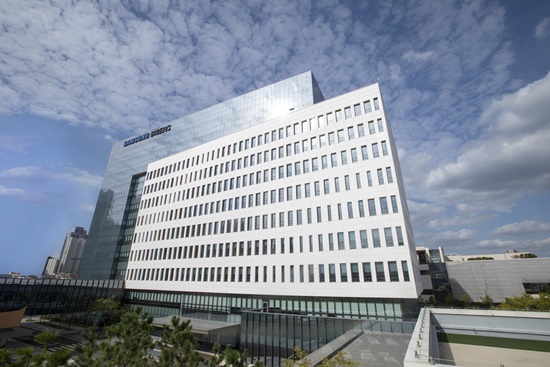
- Pic of Samsung Bioepis Headquarters Samsung Bioepis' two bone disease treatment biosimilars have passed the US and European hurdles. Samsung Bioepis announced on the 16th that it has obtained marketing authorizations for its two biosimilar versions of Prolia and Xgeva, which are bone disease treatments, from the US Food and Drug Administration (FDA) and the European Commission (EC). Prolia and Xgiva are biopharmaceuticals developed by Amgen, and the two were developed by varying the dose and dosage cycle of the main ingredient, denosumab. Prolia is used as a treatment for osteoporosis, and Xgeva is approved for the prevention of skeletal system symptoms in patients with bone metastases and the treatment of giant cell tumors of bone. Last year, global sales of Prolia and Xgeva reached a total of USD 6.599 billion (KRW 9.7 trillion). Samsung Bioepis obtained separate marketing authorizations for each indication, just like the original drug. The Prolia biosimilar was licensed under the brand name Ospomyv in the US and Obodence in Europe. The Xgeva biosimilar was licensed under the name Xbryk in both the US and Europe. Samsung Bioepis has successfully commercialized 10 biosimilar products in the United States and 11 in Europe. A Samsung Bioepis official said, “We will continue to work to meet the unmet medical needs of patients around the world through the development of biosimilars in various disease areas.”
- Company
- Celltrion gains EU approval for Eylea biosimilar Eyedenzelt
- by Chon, Seung-Hyun Feb 17, 2025 05:53am
- On February 14, Celltrion announced that it had secured the marketing authorization for the Eylea biosimilar Eyedenzelt from the European Commission. Two months after receiving the recommendation for marketing authorization from the European Medicines Agency (EMA)'s Committee for Medicinal Products for Human Use (CHMP) in December, the drug was granted the final approval. Eyedenzelt is approved for the original drug's major indications to treat wet (neovascular) age-related macular degeneration (wAMD), retinal vein occlusion, diabetic macular edema (DME), and myopic choroidal neovascularization. In 2023, Eylea recorded sales of approximately KRW 13 trillion globally. Celltrion confirmed the equivalence of Eyedenzelt compared to the original drug based on the global phase 3 trials involving 348 patients with DME. Celltrion obtained approval from the Ministry of Food and Drug Safety (MFDS) in May and is currently working on the sales. In December, Celltrion received a recommendation from the EMA's CHMP for European marketing authorization of biosimilars, including Eyedenzelt, Actemra, Prolia, and Xgeva. Celltrion plans to expand its biosimilar portfolio to bone diseases and eye diseases, in addition to previously established autoimmune diseases and anticancer agents, through the approval of biosimilars, including Eyedenzelt. "Given the marketing authorization of Eyedenzelt, we can now expand product portfolio areas in the European market and speed up the launch in the global market," a Celltrion representative said. "As we expect to secure more approvals through the marketing authorization recommendation for biosimilars, Celltrion will strive to quickly launch the products and strengthen strategies to gain market dominance."
- Company
- COVID-19 vaccination and corporate productivity
- by Whang, byung-woo Feb 17, 2025 05:53am
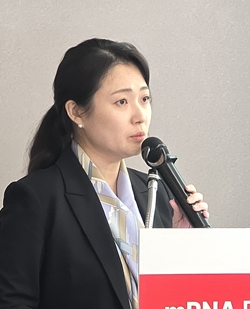
- A study has been published showing that although the COVID-19 pandemic has transitioned into the post-COVID-19 era, there is a significant difference in productivity loss depending on whether or not one has been vaccinated. Analysis showed that the productivity loss caused by not receiving COVID-19 vaccination amounts to about KRW 5.6 trillion, which is more than 3 times the medical expense. Hankil Lee, Professor of College of Pharmacy at Ajou University On the 14th, Hankil Lee, a professor at the College of Pharmacy at Ajou University Hospital, who presented on the topic of “The Losses Caused by COVID-19 and the Socio-Economic Impact of Vaccination,” said that COVID-19 infections are still causing serious socioeconomic losses. Five years after the World Health Organization (WHO) declared COVID-19 a pandemic, various assessments are being made on the economic impact of COVID-19. The research presented on this day was conducted by the College of Pharmacy at Ajou University and analyzed the socioeconomic effects of COVID-19 vaccinations. First, a domestic study (based on the National Health Insurance Service's big data) that estimated productivity losses and medical expenses for the employed population found that the social loss caused by COVID-19 in 2023 amounted to about KRW 7 trillion. Specifically, of the 25.16 million employed people aged 18-64, about 9.8 million received outpatient care, about 140,000 received inpatient care, and 1,539 died. Based on this, the estimated direct medical expenses were about KRW 1.4 trillion, of which outpatient care costs were KRW 540 billion, inpatient care costs were KRW 220 billion, and sequelae treatment costs were KRW 450 billion. The key to the study is how much COVID-19 vaccinations can reduce such socio-economic losses. A research team at Ajou University analyzed the effects of COVID-19 vaccination on 10,000 employees of a large Korean company (Samsung Electronics) and found that the vaccination could reduce medical expenses and productivity losses. The research results showed that the COVID-19 vaccine Spikevax JN.1 from Moderna reduced medical expenses and productivity losses by KRW 1.1 billion per 10,000 employees. When this is converted to the total 120,000 employees of the company, it is estimated that the cost savings can amount to KRW 13 billion. In addition, assuming that the cost of employing one employee was KRW 120 million, the loss of productivity for the company when an employee did not get vaccinated was KRW 340 million, but when the vaccination rate reached 70%, the loss decreased to KRW 240 million, resulting in an economic gain of KRW 160 million. “This is the first study to estimate the socioeconomic costs of COVID-19 infections from a national perspective using the latest data sources in Korea,” said Professor Lee. ”Looking at the trend in COVID-19 infection rates in 2024, the scale of productivity losses is expected to increase further.” Lee added, “COVID-19 infection is still causing serious socioeconomic burdens, and vaccination of employees may be an effective strategy to reduce corporate losses and cut costs.”
- Company
- Vyloy with CDx issue resolved will launch in March
- by Whang, byung-woo Feb 17, 2025 05:52am
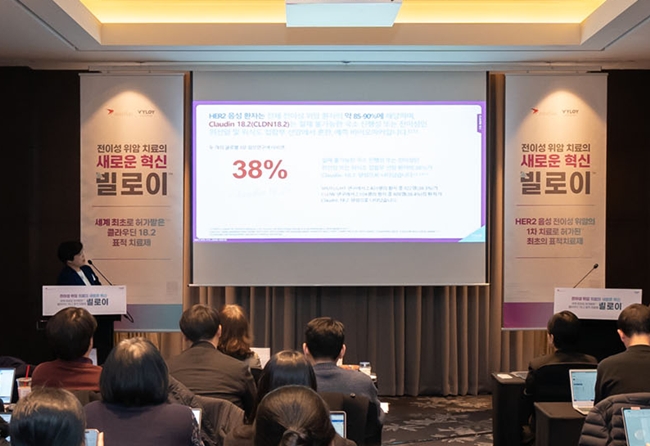
- The gastric cancer treatment Vyloy (zolbetuximab), which overcame the issue of companion diagnostics, will soon challenge the market. Reimbursement coverage with the National Health Insurance remains to be solved, but it has already received favorable assessments in the clinical practices. Despite launching as a non-reimbursed drug, it is likely to be prescribed more frequently. On February 14, Astellas Pharma Korea hosted a press conference to announce the launch of its claudin-18.2-targeting gastric cancer therapy, Vyloy. Dr. Sun Young Rha, Professor in the Department of Oncology at Younsei Cancer Center.Vyloy is a first-in-class treatment for patients with HER2-negative gastric cancer as a first-line treatment. It is the world's first anticancer agent to target claudin-18.2. In South Korea, Vyloy was approved by the Ministry of Food and Drug Safety (MFDS) as a 'First-line treatment in combination with fluoropyrimidine- and platinum-containing chemotherapy for patients with claudin-18.2-positive, HER2-negative unresectable, locally advanced, or metastatic gastric adenocarcinoma or esophageal cancer.' Dr. Sun Young Rha, Professor in the Department of Oncology at Younsei Cancer Center, Vyloy, who was the presenter for the event, said, "About 90% of the patients with metastatic gastric cancer are found to be HER2-negative. Therefore, patients were desperate for a medicine that targets a new biomarker." Dr. Rha explained, "About 40% of the HER2-negative patients are reported to be claudin-18.2-positive. Vyloy, which selectively targets claudin-18.2, introduced a new treatment option." The basis of Vyloy approval, the Phase 3 SPOTLIGHT trial showed that the median progression-free survival (mPFS) of a combination therapy containing mFOLFOX6 (oxaliplatin, leucovorin, 5-Fluorouracil, leucovorin) was 10.61 months, which was higher than 8.67 months of the placebo group. The medial overall survival (OS) was 18.23 months, higher than 15.54 months of the placebo group. In the GLOW study, the patient group treated with Vyloy in combination with CAPOX (oxaliplatin and capecitabine) recorded a mPFS of 8.21 months, which lowered the disease progression or death risk by approximately 31%. Despite these results, Vyloy's launch in South Korea had been postponed due to the issue of companion diagnostics last year. At that time, claudin-18.2-positive patients needed to be identified for the use of Vyloy. CDx used to diagnose Claudin-18.2 has been considered for evaluation as a new healthcare technology. After that, it was reviewed by the expert committee twice, and CDx was determined to be an existing technology. Consequently, Vyloy has been scheduled to launch on March 3. Dr. Hye Seung Lee, Professor in the Department of Pathology at Seoul National University Hospital, said, "Claudin-18.2 protein targeted by Vyloy is specifically expressed in certain cancer types, such as gastric cancer. It provides high specificity towards abnormal cells." Lee added, "Consistent results can be obtained, and fast analysis can be achieved with claudin-18.2, so we can quickly identify the patient group with expected treatment effects." The remaining issue is the reimbursement. Astellas Pharma Korea plans to secure reimbursement soon. However, at its first meeting for 2025 on February 12, the Cancer Disease Review Committee (CDRC) decided that 'reimbursement criteria are not set' for Vyloy. Dr. Rha said, "Obtaining reimbursement will not be easy, but there are only a few treatments with such benefits for gastric cancer. We are considering ways to build data to identify the drug's effectiveness in Korean patients." Regarding this, before the approval of Vyloy, Astellas Pharma Korea has been openly providing the EAP program openly so that patients who need the treatment can use the drug promptly. Currently, 51 patients have been registered in 10 medical centers. Astellas Pharma Korea representative said, "The clinical usefulness of Vyloy is non-debatable, and the company is preparing with utmost efforts for the cost aspect." Adding, "How the drug is used in clinical practices is also important; thus, by collaborating with institutes participating in the EAP program, we will strive to build data so that patients can benefit clearly."

- Company
- Columvi can be prescribed at Big 5 hospitals in KOR
- by Eo, Yun-Ho Feb 17, 2025 05:52am
- ‘Columvi,' the first bispecific antibody treatment option for lymphoma, may be prescribed at general hospitals in Korea. According to industry sources, Roche Korea's CD20-CD3 bispecific antibody for diffuse large B-cell lymphoma (DLBCL) Columvi (glofitamab) has passed the drug committees (DCs) of the Big 5 general hospitals in Korea, including Samsung Medical Center, Seoul National University Hospital, Asan Medical Center, Seoul St. Mary's Hospital, and Sinchon Severance Hospital. However, Columvi is currently a non-reimbursed drug. Its reimbursement application was reviewed by the Health Insurance Review and Assessment Service’s Cancer Disease Deliberation Committee in July and December but was unable to set reimbursement standards at the time. Since prescription codes have been generated for the drug in many medical institutions, it will be interesting to see if Columvi can complete the reimbursement process within the year. Columvi was approved in Korea in December 2023 for the treatment of adult patients with relapsed or refractory diffuse large B cell lymphoma (DLBCL), after two or more lines of systemic therapy. The drug is a third-line treatment option for DLBCL, like Novartis’s chimeric antigen receptor (CAR)-T-cell therapy Kymriah (tisagenlecleucel). The two drugs have different benefits; therefore the choice will likely be based on each patient's condition and circumstance. Columvi demonstrated efficacy in Phase I/II NP30179 trial in 155 patients with relapsed or refractory DLBCL after two or more prior systemic therapies. Results showed that Columvi achieved a complete response (CR) of 40% and an overall response rate(ORR) of 52%. The efficacy was also consistent across all subgroups. The most common adverse event was cytokine release syndrome (CRS). At the 2024 Congress of the European Hematology Association (EHA 2024), the company unveiled the results of the Phase III STARGLO study, which demonstrated an improvement in overall survival (OS) with Columvi. The STARGLO study enrolled patients with relapsed or refractory (R/R) diffuse DLBCL who were not eligible to receive an autologous stem cell transplant after one or more prior systemic therapies, or who had received two or more prior systemic therapies. In the primary analysis (median follow-up 11.3 months), Columvi and gemcitabine+oxaliplatin (GemOx) combination significantly improved the primary endpoint of OS with a 41% lower risk of death compared to rituximab+GemOx. Seok Jin Kim, Professor of Hematology and Oncology at Samsung Medical Center, said, "There had been much unmet need in DLBCL for more effective third-line treatment options for patients who fail first-line or experience repeated relapses. We expect the introduction of Columvi to significantly improve the outcomes for patients with relapsed or refractory lymphoma in Korea."
- Company
- Expanded indication sought for Novartis 'Kisqali' in KOR
- by Eo, Yun-Ho Feb 14, 2025 05:58am
- Product photo of Kisqali Early breast cancer indication of a CDK4/6 inhibitor 'Kisqali' is expected to be introduced in South Korea. According to industry sources, Novartis has recently submitted an application to the Ministry of Food and Drug Safety (MFDS) for Kisqali (ribociclib)'s expanded indication to treat early breast cancer. It is currently being reviewed for approval. Early breast cancer indication for Kisqali was approved in the United States and Europe in September and November last year, respectively. Once it's approved in South Korea, the competition against Lilly Korea's Verzenio (abemaciclib) is expected to expand. Verzenio is currently seeking reimbursement for early breast cancer. Kisqali was demonstrated to improve survival in hormone-positive/HER2-negative (HR+/HER2-) early breast cancer. The 4-year follow-up NATALEE study of Kisqali was presented during the recent European Society for Medical Oncology Congress 2024 (ESMO Congress 2024), showing its benefits. The 4-year landmark analysis results from the NATALEE study showed that during the median value of 44.2 months, the Kisqali combination therapy group had invasive Disease Free Survival (iDFS) of 88.5%, which was 4.9% higher than 83.6% of the group treated with endocrine therapy alone. Previously, in the 3-year analysis result, the Kisqali combination therapy group and endocrine therapy alone group had 90.8% and 88.1%, respectively. Considering that the two groups showed a difference of 2.7%, Kisqali's effect on reducing the risk of relapse has increased. However, it would require more time to accumulate further evidence on overall survival (OS). During the follow-up period of a median value of 44.2 months, mortality events showed no statistical difference due to few instances. However, the Kisqali group showed a slightly more positive trend. Meanwhile, regarding early breast cancer indication, Verzenio's first attempt to be considered for the Cancer Disease Review Committee (CDRC) of the Health Insurance Review and Assessment Service (HIRA) has been uneasy. After 6 months of waiting after submitting a reimbursement document, Verzenio was reviewed in May 2023, but the result was 'reimbursement criteria not set.' Five months later, Lilly reapplied for reimbursement to the HIRA in October. The drug was considered for the CDRC review in March 2024, but the result was the same. After that, Lilly again applied for the reimbursement and is awaiting the CDRC review date.
- Company
- Reimb status of Keytruda for breast cancer treatment
- by Moon, sung-ho Feb 13, 2025 05:59am
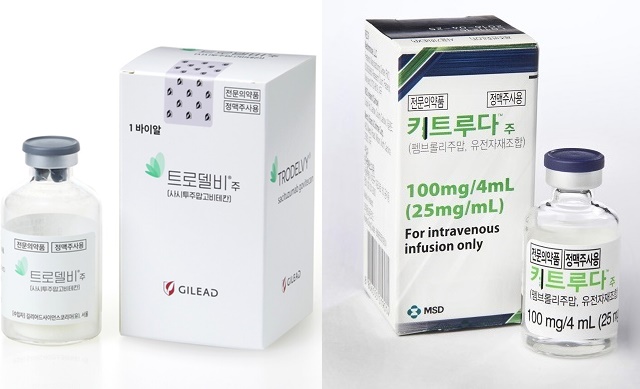
- As Keytruda passed the Drug Reimbursement Evaluation Committee (DREC) review after another attempt, it is expected to be reimbursed within the first half of the year. According to the pharmaceutical industry on February 10, the Health Insurance Review and Assessment Service (HIRA) held the 2nd DREC for 2025 and approved reimbursement appropriateness for Gilead Sciences Korea's Trodelvy (sacituzumab govitecan). Product photos of Trodelvy and KeytrudaTrodelvy is an antibody-drug conjugate (ADC) that binds to Trop-2 protein, highly expressed in various cancer types, including breast cancer, and releases medication inside the tumor cells. It minimally affects healthy cells, and it can destroy not only tumor cells but also the tumor microenvironment (TME). Consequently, clinical practices in South Korea can now use the drug as a non-reimbursed treatment for triple-negative breast cancer (TNBC). However, using the drug without reimbursement costs over KRW 10 million per cycle (three weeks). Due to this cost burden, reimbursement is needed to improve patient access and more uses in clinical practices. Furthermore, Trodelvy is the only treatment approved by the MFDS as a second-line treatment for patients with metastatic TNBC, regardless of existing genetic mutation or biomarkers. Patients have high hopes for reimbursement of this medication. In response, the HIRA recognized the necessity of Trodelvy, which was reviewed for reimbursement appropriateness. HIRA stated that Trodelvy is the first case of a new drug being recognized for innovativeness. Last year, HIRA revised the details of the criteria for drugs submitted for negotiations and determined to offer new drugs a benefit from the government based on their ICER value. Innovative drugs are to meet the criteria of ▲If no products or therapy that can be replaced or have therapeutic equivalence ▲Final result index, such as overall survival extension, indicates significant clinical improvements ▲New drugs granted expedited review according to Article 35-4 Clause 2 of the Pharmaceutical Affairs Act or medicine determined to have equivalent value as determined by the committee. HIRA stated, "Trodelvy is the first case for which a revised system aimed at improving patient access to new drugs with innovativeness." Following this decision, Trodelvy is now closer to being reimbursed as the second new ADC drug, following Enhertu. If the company agrees to the drug price negotiations with the National Health Insurance Service (NHIS) without further issue, reimbursement can be applied within the first half of the year. Obtaining reimbursement will positively impact Gilead Sciences, which launched its oncology business division when launching Trodelvy in South Korea, to expand its presence in clinical practices. However, the status of Keytruda (pembrolizumab), used as a first-line treatment in combination with chemotherapy, is concerning as it remains non-reimbursed. Since Trodelvy is used as a second-line treatment, reimbursement approval of Keytruda is essential for use in clinical practices. MSD Korea has also applied for setting reimbursement criteria for Keytruda for up to 17 indications to treat cancers, including TNBC. Now, for metastatic TNBC treatments in clinical practices, chemotherapy, Keytruda or Tecentriq (atezolizumab) is used as first-line treatments, the PARP inhibitor Lynparza (olaparib) is used as a second-line treatment, and Trodevly is used after the second-line treatment. Professor Joohyuk Sohn at Yonsei Cancer Hospital (Department of Oncology) said, "Keytruda is not actually competing against Trodelvy. We hope reimbursement will be provided for drugs benefiting all patients." Sohn added, "Trodelvy extended the progression-free survival (PFS) by five months compared to chemotherapy. Five months is a significant time for patients. And, data indicate that patients who respond well to the treatment can extend up to 10-15 months, so the drug is clinically significant." Meanwhile, HIRA's DREC determined reimbursement appropriateness for Adempas (riociguat, Bayer Korea), a treatment for arterial pulmonary hypertension, in addition to Trodelvy during the second meeting. The committee determined that the plaque psoriasis treatment Bimzelx Autoinjector (bimekizumab, UCB Korea) and Ebglyss Autoinjector inj (lebrikizumab, Lily Korea) would be appropriate for expanded reimbursement scope if the companies accepted the drug price below the evaluated amount. Additionally, the committee determined that Cabometyx tab (cabozantinib, Ipsen Korea), a treatment for renal cell carcinoma (RCC), would be appropriate for expanded reimbursement scope if the company accepted the drug price below the evaluated amount.

- Company
- "Paradigm shift in follicular lymphoma treatment: CAR-T"
- by Whang, byung-woo Feb 13, 2025 05:58am
- "Although CAR-T cell therapy or bispecific antibody respectively offers an advantage for treating follicular lymphoma, CAR-T data demonstrating positive results over 10 years in 60% of patients indicate that it is an effective treatment option." As various treatment options are introduced to treat relapsed/refractory follicular lymphoma (FL) with a poor prognosis, how these treatments can be utilized is of great interest. In South Korea, Kymriah (tisagenlecleucel), which is known as the chief CAR-T therapy, was approved for expanded indications in 2023 to treat patients with relapsed/refractory FL who had previously undergone two or more treatments. After that, doctors are gaining treatment experiences with the drug. Dr. Stephen J. Schuster, Professor of the Department of Hematology/Oncology at the University of Pennsylvania Abramson Cancer CenterDuring a meeting with Daily Pharm, Dr. Stephen J. Schuster, Professor of the Department of Hematology/Oncology at the University of Pennsylvania Abramson Cancer Center, who has years of prescription experience in the United States, emphasized the necessity of CAR-T therapy for treating follicular lymphoma. Follicular lymphoma (hereafter, FL) is a type of non-Hodgkin Lymphoma (NHL) that occurs when cells in the lymph system turn malignant. Because the symptoms of the disease progress slowly, about 80% of the cases are identified at stage III or Stage IV after the disease progresses. The prognosis for patients who relapse is poor. Dr. Schuster said, "The prevalence of FL seems to be increasing in Asia." He added, "As FL progresses in various ways, clinical characteristics significantly vary by patient." Dr. Schuster explains that considering the characteristics of FL, characterized by low-risk disease cases and slow disease progression, most diseases can be managed through proactive treatments. The disease becomes problematic if a disease has a poor prognosis requiring more than one treatment due to relapses. According to Dr. Schuster, data from patients with FL who need more than one treatment indicate that the remission period shortens as patients repeatedly receive treatment. "About 20% of the patients with FL relapse after two years following the initial treatment. Even after further treatment, the remission period shortens, and patients have a poor prognosis, thereby needing strong treatments, including CAR-T cell therapy," Dr. Schuster said. "Despite increased overall survival, patients repeatedly need treatments, and the disease can become fatal, ultimately leading to death." There are several treatment options for FL, but Dr. Schuster highlights the clinical benefits of CAR-T cell therapy because CAR-T cell therapy does not require further treatment after the initial therapy. The clinical effect of Kymriah (tisagenlecleucel) has been proven through the ELARA clinical study regarding relapsed/refractory FL. The four-year long-term follow-up results of the study were presented at the American Society of Hematology (ASH) conference held in December 2024. The four-year long-term assessment results of the ELARA study (median follow-up period at 53 months) showed that patients with relapsed/refractory FL treated with Kymriah had consistent treatment response over 4 years and a favorable safety profile. The median progression-free survival (PFS) of all patients was 53.3 months. At 48 months, 50% PFS was reported in all patients, and 66% of patients were reported to have gained complete remission (CR). "The follow-up on patients who participated in the 2014 study has been about 10 years, and the data indicate that the overall response rate (ORR) is about 80%, similar to the recently presented ELARA clinical study result," Dr. Schuster said. "In contrast to FL requiring repeated blood tests, various scans, and drug administration for additional therapy, CAR-T cell therapy can lessen the physical and mental burden." Will the introduction of bispecific antibody change the treatment paradigm?..."CAR-T cell therapy's advantage" Kymriah received expanded indication in April 2023 in South Korea to treat FL, broadening treatment options. (모네투주맙)However, there are even more options available at clinical practices. For instance, the bispecific antibody Lunsumio (mosunetuzumab) has been introduced. Regarding this, Dr. Schuster acknowledges the role of bispecific antibodies but favors CAR-T cell therapy, which demonstrates positive long-term results over 10 years. "Each CAR-T cell therapy and bispecific antibody has an advantage, and there are no concrete answers to the treatment sequence. The CAR-T data demonstrating positive results over 10 years in 60% of patients is unbeatable," Dr. Schuster said. In particular, Dr. Schuster highlights that antigen can be easily lost during the treatment course of bispecific treatments, like MabThera or mosunetuzumab, that target CD20. "The biopsy results from patients treated with bispecific antibody drugs showed that 5.5-6% of patients had losses of CD20. However, CD19-targeting CAR-T cell therapy rarely led to losses of CD19," Dr. Schuster remarked. Dr. Schuster views that bispecific antibody drugs are important but may not replace CAR-T cell therapy. Long-term follow-up data on the remission period and response rate are needed for bispecific antibody treatment outcomes. Dr. Schuster mentions that drug tolerance is an advantage for Kymriah. The most common adverse event (AE) of CAR-T cell therapy is cytokine release syndrome (CRS). Kymriah has a relatively low AE rate and low severity. Dr. Schuster also emphasized, "In the past, there have been cases where FL patients received therapies repeatedly, but ultimately, the disease led to death. However, Kymriah offers a single treatment that can help maintain a remission state. It is also a cost-effective treatment option compared to previous therapies." Lastly, Dr. Schuster said, "Even if FL patients experience relapse after treatments, they may receive CAR-T cell therapy and maintain remission state for about 10 years, as well as having improved quality of life." He added, "Because an index for predicting survival varies by disease and disease shows characteristics, making a treatment choice through clinical follow-up assessment is important."
- Company
- Celltrion wins, Samsung loses Eylea patent trial
- by Kim, Jin-Gu Feb 13, 2025 05:58am
- Companies have seen mixed results regarding the preliminary injunction applications over the biosimilar version of the macular degeneration drug Eylea (aflibercept). While Samsung Bioepis lost the preliminary injunction application for patent infringement filed by Bayer, Celltrion won its case. The conflicting results have also led to conflicting reports on whether or not the Eylea biosimilar will be sold in Korea. Sales of Samsung Bioepis and Samil Pharmaceutical's Afilivu will be discontinued in Korea after the existing inventory. On the other hand, Celltrion and Kukje Pharm will be able to continue selling Eydenzelt as before. According to industry sources on the 12th, the Seoul Central District Court's 60th Civil Division recently reached conflicting conclusions in the preliminary injunction applications for patent infringement filed by Bayer and Regeneron against Samsung Bioepis and Celltrion. On July 30, 2019, Bayer filed a petition with the court for a preliminary injunction against Samsung Biologics, Samsung Bioepis, and Samil Pharmaceutical for infringement of the patent on the composition of Eylea along with Regeneron. On the same day, Bayer also filed a petition with the court for a preliminary injunction against Celltrion and Kukje Pharm. Their request was to discontinue sales of Samsung Bioepis and Celltrion’s Eyelea generics as they infringe on Eylea’s unlisted patents. On the 7th, the court made a decision. It decided to “acknowledge” Bayer's claims in the petition for a preliminary injunction against Samsung Bioepis. On the other hand, it decided to “dismiss” the petition for a preliminary injunction against Celltrion. The conflicting court decisions have rendered sales of the two companies biosimilars in Korea in opposite positions. Furthermore, Samil Pharmaceutical and Kukje Pharm, which have signed joint sales contracts with the two companies, are also experiencing mixed fortunes. Samsung Bioepis has been jointly selling Afilivu with Samil Pharmaceutical. Celltrion has been jointly selling Eydenzelt with Kukje Pharm. Due to the court’s decision, sales of Samsung Bioepis and Samil Pharmaceutical's Afilivu will be discontinued. Samsung Bioepis received approval for Afilivu in February last year and began joint sales with Samil Pharmaceutical in May. However, the company explained that the remaining stock can be prescribed to patients. “We will file an objection to the preliminary injunction,” said an official at Samsung Bioepis. ‘We cannot carry out any additional sales activities, but the stock that is already in circulation in the market can be prescribed to patients.’ On the other hand, Celltrion and Kukje’s Eydenzelt from Kukje Pharmaceutical can continue to be sold. Celltrion received approval for Eydenzelt in May last year. Kukje Pharm signed a joint sales agreement with Celltrion in April last year. It then began full-scale sales in September last year. The industry estimates that Samsung Bioepis and Samil Pharmaceutical, which launched their products one step ahead, have gained an advantage in the competition. However, the court's decision to grant a preliminary injunction is expected to accelerate the pace of the latecomers, Celltrion and Kukje Pharm’s product, in their pursuit.
