
- LOGIN
- MemberShip
- 2026-06-14 03:51:19
- Opinion
- [Reporter’s View] Beyond generics to new drugs
- by Choi Da Eun Apr 30, 2026 08:24am
- The Korean pharmaceutical industry’s push into new drug development has reached a turning point. Companies are moving away from a business model centered on generics and contract manufacturing (CMO), expanding into next-generation anticancer drugs and obesity treatments, signaling a clear shift toward innovation-driven growth to improve the company’s structure with a focus on new drugs.Whereas it was once common to acquire candidate compounds from global pharmaceutical companies and focus on late-stage clinical trials or commercialization, there is now a growing movement to take the lead directly, from early discovery through Phase 1 and 2, and even late-stage clinical trials. This strategy aims to go beyond simply securing a pipeline to internalize the entire new drug development cycle.This shift is led by major pharmaceutical and biotech companies such as Hanmi Pharmaceutical, Daewoong Pharmaceutical, JW Pharmaceutical, HK inno.N, Celltrion, and Samsung Bioepis. These firms are diversifying portfolios across oncology, obesity, and immunology by expanding pipelines of new drug candidates.A notable trend is the growing emphasis on in-house development. Companies are increasingly attempting to internalize the entire R&D cycle, moving beyond simple pipeline acquisition toward full-spectrum innovation, from early-stage compound discovery through Phase 1 and 2 clinical trials, and on to late-stage clinical trials. This marks a strategic shift away from a focus on in-licensing toward internalizing the entire R&D cycle.For example, Celltrion and Samsung Bioepis are accelerating the development of antibody-drug conjugate (ADC) anticancer drugs, thereby expanding their footprint into the field of biopharmaceuticals. This is an attempt to leap to the next stage by leveraging the technological capabilities and capital accumulated through biosimilars.In particular, obesity treatments and anticancer drugs are emerging as next-generation growth engines. Although these are fields with fierce competition in the global market, they are also areas where the landscape can rapidly shift depending on technological innovation. Multi-mechanism-based obesity treatments and next-generation ADC anticancer drugs are cited as representative fields where domestic companies can compete based on their technological prowess.Hanmi Pharmaceutical is taking one of the most aggressive approaches, expanding both bispecific antibody oncology pipelines and obesity drug programs simultaneously. The company is aiming to secure global competitiveness by leveraging multi-mechanism obesity drugs and anticancer platforms as its two main pillars.JW Pharmaceutical has demonstrated the ability to independently advance late-stage development by bringing a gout treatment candidate to Phase 3. This is significant because it demonstrates that these companies have internalized development capabilities not just to acquire a pipeline, but to reach the stage immediately prior to commercialization.HK inno.N is strengthening its in-house R&D capabilities by combining the introduction of obesity drug candidates with an open innovation strategy. This is a hybrid strategy that leverages external technology while aiming to secure an independent pipeline in the long term.Chong Kun Dang is developing innovative drugs through its subsidiary Achelra, while Yuhan Corporation is advancing biologics via ImmuneOncia. These specialized subsidiaries aim to improve research efficiency and success rates.The strengthening of new drug development capabilities reflects both technological advancement and improved financial stability among Korean companies. However, the industry is still in a transitional phase. Some companies are balancing between in-licensing and in-house development, but cases where clinical trials successfully lead to commercialization remain limited. A gap between expectations and actual outcomes persists.Nevertheless, the reason domestic pharmaceutical companies are shifting course is clear. With generic drug price cuts and intensifying competition among contract manufacturing organizations (CMOs), the limits to growth under the existing business model have become evident. Ultimately, the prevailing view is that it is difficult to secure a meaningful foothold in the global market without proprietary new drugs.The fact that domestic pharmaceutical companies have entered a stage where they are charting their own course in new drug development is clearly a significant change. With accumulated manufacturing expertise, global expansion experience, and strengthening R&D infrastructure, the industry’s structure is gradually evolving.Whether the challenge of shifting the R&D structure from a focus on generics and biosimilars to new drugs will remain a temporary trend or become a turning point for securing a presence in the global market depends on clinical outcomes and commercialization capabilities.This effort is not merely business expansion but a structural transformation of the industry. Market evaluation should therefore consider both outcomes and the process of capability building. If this trend continues, the leap from a generic powerhouse to a powerhouse in new drug development will no longer be a distant prospect.

- Opinion
- [Reporter’s View] Medical Devices Act binds payment within 6 months
- by Hwang, byoung woo Apr 29, 2026 03:49pm
- An amendment to the Medical Devices Act, centered on the introduction of a “payment within 6 months” standard, is set to take effect in Korea. Although the regulation aims to enhance transaction transparency, it is likely to act as a variable requiring changes in overall cash flow management and transaction structures within the actual distribution sector.There is no disagreement regarding the direction of improving unfair trading practices and increasing transparency.However, questions remain as to whether the system’s design is practical enough to function effectively in the actual industry.The amended Medical Devices Act, scheduled to take effect on December 31, 2027, centers on strengthening the distribution management system, including restrictions on related-party transactions, explicit payment deadlines, mandatory written contracts, and reporting requirements on the status of related medical institutions.Structurally, this means that regulatory mechanisms for ‘normalizing distribution order,’ focused on improving unfair trade practices and strengthening transparency in the distribution process, have become more specific.The issue arises when these mechanisms are applied to real-world situations.The current medical device distribution system is not a simple supply structure, but an ecosystem in which hospitals, sellers, and financial structures are intricately intertwined.Against this backdrop, some in the industry are voicing concerns about the impact these regulatory changes will have on actual business environments, pointing out that payment practices extending beyond a certain period have long existed in transactions with hospitals.In this situation, the ‘payment within six months’ standard is, in principle, interpreted as a device to enhance transaction transparency. However, if exception criteria and application methods are not sufficiently specified, it may become a burden on some companies’ cash flow management or transaction structures.If financial pressure materializes, some distributors will have no choice but to reduce transaction volumes or delay shipments. This is highly likely to lead not to an improvement in distribution order but to a contraction in transactions.The purpose of restricting related-party transactions is also clear. However, given the diverse distribution structures formed in Korea’s medical device market, some hold the view that existing transaction methods cannot simply be interpreted as unfair transactions.Ultimately, the core of this legislative amendment places greater emphasis on ‘on-the-ground implementation’ rather than merely ‘introducing regulations.’For the system to actually function, not only the direction of regulation but also the application method and detailed criteria are important. Without meticulous planning that takes into account the scope of exceptions, the possibility of phased implementation, and the impact on different industry scales, it is difficult to rule out the possibility that the policy’s intent could lead to market confusion.In this regard, the opinion-gathering process before implementation is expected to serve as an important forum for discussion that can improve the completeness of the system before it takes effect. Above all, it is important to narrow the gap in perspectives between industry and policy authorities and find points of contact that can actually work.A system is completed not when it is created, but when it works in the field.Whether the amendment to the Medical Devices Act remains just another regulation or becomes a turning point that changes the distribution order depends on how it is designed from this point forward.

- Opinion
- "Vabysmo PFS shifts the retinal disease treatment persistence·efficiency"
- by Son, Hyung Min Apr 27, 2026 09:03am
- "The key to retinal disease treatment is not just in simple vision improvement, but in how stably and long-term the disease can be managed."As retinal disease treatment shifts from a short-term effect-centered approach to a long-term management strategy, the introduction of pre-filled syringe (PFS) formulations is shifting the practices.In particular, the 'Vabysmo (faricimab)' PFS formulation, launched as a reimbursed drug on the 1st of this month, is expected to lead to changes in treatment persistence and the clinical environment, including extended dosing intervals and improved procedural efficiency.Director Soon Il Choi of Nune Eye HospitalDirector Soon Il Choi of Nune Eye Hospital recently met with DailyPharm to highlight these changes, assessing that the retinal disease treatment paradigm is being reorganized around long-term management.At the center of this change are dual-mechanism therapies. Until now, treatments for wet age-related macular degeneration (nAMD) and diabetic macular edema (DME) were dominated by single-mechanism therapies that inhibit only VEGF.Before the emergence of high-dose formulations, the patient burden was significant, as dosing intervals were limited to about 2 months and required repeated direct intravitreal injections.Vabysmo is a bispecific antibody that simultaneously inhibits vascular endothelial growth factor (VEGF)-A and angiopoietin-2 (Ang-2), offering a differentiated approach compared to existing treatments. While VEGF-A is a key factor in angiogenesis, Ang-2 is known to promote vascular instability and leakage.Choi explained, "Blocking both pathways can contribute to maintaining blood vessels in a more stable state, going beyond simply inhibiting blood vessel formation."This mechanistic difference is highly likely to lead to improvements in anatomical indicators in clinical practice. Experts expect faster, more stable changes in reducing retinal fluid or normalizing macular thickness, which can lead to extended dosing intervals and sustained treatment persistence. The efficacy of Vabysmo has been confirmed in various clinical trials and real-world data.Choi stated, "Since the vision improvement effects of existing treatments have already reached a certain level, the perceived difference may be limited," and added, "How quickly and stably the retina maintains a dry state is a key factor determining long-term prognosis."Choi suggested that Vabysmo could be more actively considered for: ▲patients who relapse even with a slight increase in treatment intervals ▲patients with insufficient response to existing agents ▲patients with high retinal fluid or high volatility; ▲patients with repeated findings suggestive of vascular instability ▲patients who could previously maintain relatively long intervals but are seeing a shortening of the drug's duration of effect.Choi analyzed, "The advantages of Vabysmo can be expected in clinical situations requiring dual-pathway mechanisms, such as when stable disease control is needed. It can also be considered for patients with high intraretinal or subretinal fluid, high volatility, or those with concerns related to inflammation or fibrosis."As the central axis of treatment shifts from vascular inhibition to vascular stabilization, another change is simultaneously underway in the clinical environment: formulation changes."PFS formulation, significance in terms of procedure standardization and infection control"The Vabysmo PFS formulation, reimbursed since the 1st of this month, is evaluated as an element that changes the clinical process itself beyond just improving convenience.The existing vial formulation requires several steps, such as drawing the medication into a syringe, changing the needle, and removing air. The PFS is pre-filled with the medication and can be used immediately after opening.Choi emphasized, "Since an intravitreal injection is a procedure where medication is administered directly into the eye, even minor contamination can lead to serious complications. Reducing the preparation process is a very important change in lowering the risk of infection."According to Choi, although complications such as endophthalmitis do not occur frequently, prevention is critical because they can have a fatal impact on vision when they do occur. In this regard, simplifying the preparation process is meaningful for ensuring safety beyond mere convenience.In high-volume practices, this difference plays an even larger role. In ophthalmology clinics, tens of thousands of intravitreal injections are performed annually, making it crucial to minimize variables that may arise during repeated preparation steps.Choi stated, "Intravitreal injection is a frequently performed procedure. In our hospital, about 20,000 intravitreal injections are performed annually. In an environment with a high number of procedures, the effect of reducing a single step leads to system stability, not just saved time."Choi added, "Looking at overseas cases, there are reports that about 85% switched to PFS within about two months after the PFS formulation was released. If the reimbursement criteria are the same and there are no special restrictions on supply, most will likely switch to the PFS formulation."The PFS formulation also affects the actual procedural process.The Vabysmo PFS features an extra-thin-wall needle to deliver a higher flow rate at the same pressure. The injection process can be carried out more smoothly and quickly.Choi mentioned, "For elderly patients, it is not easy to keep the eye fixed during the procedure, so it is important that the injection process is fast and smooth. These factors affect the actual patient experience."Another characteristic of the Vabysmo PFS is that it comes with a filter needle. This structure filters out fine particles and contaminants, simultaneously increasing procedural precision and safety. This needle consists of a dedicated filter needle approved by the European Medicines Agency (EMA) and the U.S. Food and Drug Administration (FDA).Choi added, "Other products do not include a needle, but Vabysmo includes the needle in the product package. Maintaining consistent needle quality is a very important factor for medical staff," and added, "It can provide a consistent procedural environment in terms of handling and stability."This mechanistic evolution and formulation improvement ultimately converge in one direction: the treatment persistence.Macular degeneration and diabetic macular edema are diseases that must be managed over years or even decades. According to the Health Insurance Review and Assessment Service (HIRA), the number of patients with macular degeneration in Korea increased by more than 150% over the past five years, from about 200,000 in 2020 to about 560,000 in 2024.In this process, the treatment interval, procedural burden, and frequency of hospital visits are key variables determining patient compliance. Currently, Vabysmo has extended the dosing interval up to a maximum of 16 weeks. Choi believes this is highly significant because it can substantially reduce patients' long-term treatment burden.Choi said, "From the patient's perspective, receiving an injection directly into the eye is a significant psychological burden. Because this treatment must be repeated for a long time, it is important to determine whether the frequency of hospital visits and injections can be reduced. Receiving treatment every month versus every three months is a completely different experience for a patient. This difference determines whether long-term treatment is maintained."In conclusion, Choi emphasized, "For some treatments, inflammation issues can pose a clinical burden regardless of efficacy. Vabysmo is an option that can be used with relative peace of mind regarding safety and efficacy. In cases where preserving vision in one eye is critical, such as 'last eye' patients, safety is even more important than treatment effect, and Vabysmo can be a reliable treatment option in both aspects.
- Opinion
- Anzupgo emerges as a new option in chronic hand eczema
- by Son, Hyung Min Apr 26, 2026 01:45pm
- As the steroid-centered stepwise approach in the treatment of chronic hand eczema reveals its limitations, the non-steroidal topical JAK inhibitor ‘Anzupgo Cream’ is emerging as a new turning point in treatment.In particular, as it is gaining attention as an option to fill the treatment gap before moving on to systemic therapy following treatment failure, the need to redefine treatment strategies in actual clinical practice is being raised.Andrea Bauer, Professor of Dermatology at University Hospital Carl Gustav Carus Dresden, GermanyAndrea Bauer, Professor of Dermatology at University Hospital Carl Gustav Carus Dresden, Germany, recently spoke with Dailypharm about the paradigm shift observed in the treatment of chronic hand eczema.Chronic hand eczema is an inflammatory skin condition that causes red patches, cracking, itching, and pain on the hands. It is aggravated by water, detergents, allergic reactions, and stress, and in severe cases, it can make daily life difficult.Professor Bauer stated, “Chronic hand eczema is defined as a condition in which symptoms persist continuously for more than three months or recur at least twice within one year. It is a disease with a high prevalence, affecting approximately 10% of the total population in European countries, and there are globally agreed-upon diagnostic criteria.Traditional treatment for chronic hand eczema has been based on a step-wise approach.Treatment begins with moisturizer-based management, followed by topical corticosteroids (TCS) and calcineurin inhibitors (TCI). Subsequently, phototherapy or oral alitretinoin may be used, and in severe cases, biologics or JAK inhibitors may be used off-label.The problem is that each step has clear limitations.Until now, treatment options for chronic hand eczema have been limited, leading to the predominant use of potent topical steroids. However, long-term use carries risks of various side effects, including skin barrier damage, skin atrophy, and telangiectasia.Alitretinoin, an oral therapy approved for chronic severe hand eczema, is used in patients who do not respond to at least four weeks of potent topical steroid treatment. It improves symptoms through skin regulation, anti-inflammatory, and immunomodulatory actions, and is known to be effective for the long-term management of chronic severe hand eczema, which has a high risk of recurrence.However, long-term use raises concerns about various side effects such as headaches, elevated lipid levels, and teratogenicity, limiting continued treatment.Professor Bauer said, “Steroids carry a risk of skin atrophy when used for more than 3–4 weeks, making long-term use difficult, and alitretinoin is limited in use not only due to headaches and lipid abnormalities but also because of the risk of birth defects in women of childbearing age. Ultimately, there had been a clear treatment gap with no distinct alternative before moving to systemic therapy following the failure of topical treatment."Anzupgo cream blocks the JAK-STAT pathway… addresses limitations of topical therapy"Anzupgo Cream (delgocitinib) has been proposed as an option to fill this gap.Anzupgo Cream is the only non-steroidal topical cream formulation approved for the treatment of moderate to severe chronic hand eczema in adult patients who do not respond to topical steroid preparations or for whom such treatment is not appropriate.Anzupgo Cream does not contain parabens or steroids. It helps alleviate skin inflammation and itching by inhibiting the JAK-STAT signaling pathway, which is involved in various inflammatory responses, thereby suppressing the activity of JAK1, 2, and 3, as well as TYK2. Anzupgo Cream was approved in Korea last September and was officially launched in the domestic market this year.Professor Bauer said, “Unlike oral JAK inhibitors, it has minimal systemic exposure, giving it an advantage in terms of safety. In clinical studies, adverse event rates were similar to or lower than those in the placebo group.”He continued, “Another important advantage is that it absorbs quickly and has good usability, leading to high patient adherence.”Anzupgo cream has demonstrated broad efficacy across all subtypes of moderate to severe chronic hand eczema in multiple clinical studies.In the clinical trials designated DELTA 1 and 2, adult patients with moderate to severe chronic hand eczema who applied Anzupgo Cream twice daily for 16 weeks showed significant relief from itching starting on the first day of application and from pain starting on the third day, compared to the placebo. Furthermore, at the 16-week mark, the proportion of patients achieving the Hand Eczema Severity Index (HECSI-75) was significantly higher compared to the placebo group.In the subsequent DELTA 3 extension study, the long-term efficacy and safety of Anjupgo Cream were further evaluated, confirming generally good tolerability and consistent clinical improvement even with long-term administration. The initial treatment effect was stably maintained in the 52-week data, which included the 16-week main study and the 36-week extension study.Recent expert consensus positions Anzupgo cream as the only non-steroidal topical option between steroid failure and systemic therapy.Professor Bauer stated, “In German clinical practice, we are also observing cases where skin that has thickened due to chronicity returns to a near-normal state upon application of Anjupgo Cream. Patient satisfaction is high as it gradually improves wrinkled and rough skin.”The professor emphasized the importance of treatment timing.Professor Bauer noted, “If the condition remains uncontrolled after 1–2 cycles of steroid treatment or recurs immediately after discontinuation, treatment should be switched without delay. As the disease becomes more chronic, treatment becomes more difficult, so early intervention is key.”He explained, "Anjupgo Cream can be effective in various subtypes of chronic hand eczema, such as bullous and hyperkeratotic types. In particular, patients with prominent inflammatory symptoms show a rapid response. For patients with hyperkeratotic eczema who have thickened skin, absorption may take some time, but consistent use will yield results.”
- Opinion
- [Reporter's View] NHI "red light", societal consensus needed
- by Lee, Jeong-Hwan Apr 17, 2026 09:03am
- South Korea’s National Health Insurance (NHI) finances are expected to enter a deficit in 2026. While the fund was in surplus for five consecutive years since 2021, the end of the COVID-19 pandemic, the transition to endemic status, and the onset of a super-aged society have led to a sharp increase in medical expenditures, causing the surplus to plummet annually.The government has established and implemented various policies to ensure the soundness and sustainability of NHI finances. One example is the reduction of pharmaceutical costs through generic drug price cuts, which recently sparked a conflict with the domestic pharmaceutical industry.However, health insurance experts argue that the government must resolve larger fundamental issues rather than focusing on administrative measures to create fiscal room through drug price cuts.While the increase in medical utilization and benefit expenditures due to a super-aged population is an unavoidable natural growth factor, experts criticize that the failure to aggressively resolve distortions in the medical delivery system or the lack of measures to eradicate excessive medical care ("medical shopping") is a man-made disaster that exacerbates the problem through inadequate administration despite being preventable.Furthermore, health insurance experts view the solutions for securing the soundness of NHI finances as having been consistently discussed as an agenda for over a decade, and the correct answers are already somewhat determined.Ultimately, this means that procedures must be established for the government, medical providers (doctors), and medical consumers (patients and the public) to form a consensus and agree on a policy direction that boldly lowers or suspends the benefit coverage rate for excessive medical care and overhauls the payment system centered on the fee-for-service model from its roots.Of course, there is a high probability that opinions will differ regarding the priorities for allocating NHI finances. However, before coordinating such detailed disagreements, the government should take the lead in establishing societal consensus.The etymology of "consensus" originates from the Latin words con- (together) and sentire (to feel). It refers to members of society sharing common feelings and thoughts.NHI finances are a social insurance system operated by the state with public consent, and the key lies in how to create, maintain, and distribute limited public resources. Ultimately, it means that the NHI can be operated without conflict only when it is based on consensus.At this crossroads, where NHI finances are being depleted and the deficit is set to increase significantly, the Ministry of Health and Welfare (MOHW), the ministry in charge, must engage in bold, active administration. This is necessary so that the entire public and medical providers can share the common view that NHI sustainability must be significantly strengthened before social conflict is triggered by fiscal deterioration.This implies that the Ministry of Health and Welfare (MOHW) should take the lead in improving the perception that a "red light" has been turned on for NHI finances and that all members of our society must share some of the burden to solve the problem.
- Opinion
- [Desk’s View] Unmet needs remain in immuno-oncology
- by Eo, Yun-Ho Apr 13, 2026 09:12am
- Immuno-oncology has now become quite a fairly common term. It is a term even ordinary people are likely to have heard at least once. More than a decade has already passed since the term was first introduced to Korea. At present, immuno-oncology drugs have expanded their indications across various cancer types and established themselves as a major pillar of cancer treatment. Whether the growing number of indications receive coverage has become an important gateway that determines treatment access.The extent to which the clinical value of new treatment options should be reflected during reimbursement review remains a persistent concern. For the government, it is a matter of striking a balance between the financial burden and the clinical benefits offered by new drugs.The upcoming Cancer Disease Deliberation Committee of the Health Insurance Review and Assessment Service is one place where this question constantly comes up for debate. At this month’s meeting, reimbursement for the ‘Opdivo (nivolumab)’ and ‘Yervoy (ipilimumab)’ combination as first-line treatment for hepatocellular carcinoma and non-small cell lung cancer will be presented for deliberation. At the meeting held last October, the combination was rejected for both liver and lung cancers.In hepatocellular carcinoma, following Tecentriq (atezolizumab) plus Avastin (bevacizumab), Imfinzi (durvalumab) plus Imjudo (tremelimumab) have also been added to the reimbursement list. In non-small cell lung cancer as well, an immuno-oncology-based treatment strategy has already taken hold, with ‘Keytruda (pembrolizumab)’ already reimbursed as monotherapy and combination therapy for 4 years.With immuno-oncology drug combinations already reimbursed, attention is now turning to whether reimbursement criteria will be set for the new Opdivo-Yervoy combination, as the addition must be more than simply another treatment option to pass review.In this regard, hepatocellular carcinoma remains a cancer type with frequent recurrence, poor prognosis, and high mortality rates, and many patients begin treatment with impaired liver function. Due to these disease characteristics, key evaluation criteria include whether the treatment option can provide deep and durable responses, long-term survival, and long-term survival benefit regardless of liver function status.The Opdivo and Yervoy combination is the treatment option that has demonstrated the longest survival data in first-line treatment for hepatocellular carcinoma. In clinical trials, it recorded a median overall survival (mOS) of 23.7 months, with a survival rate of 31% at 48 months. In addition, in an Asian patient subgroup analysis, a median overall survival (mOS) of 34.0 months, a 3-year survival rate of 49%, an objective response rate of 37%, and a complete response rate of 10% were reported. Compared with existing immuno-oncology combinations, whose mOS typically does not exceed 20 months, these are significant results.In particular, the Opdivo-Yervoy combination significantly reduced the risk of death by 25% versus the control arm, even in patients with impaired liver function classified as ALBI grade 2/3, demonstrating a degree of mortality risk reduction comparable to that seen in patients with preserved liver function.Its use in non-small cell lung cancer also warrants attention. Although Keytruda-based regimens have effectively become the cornerstone of first-line treatment, it is difficult to say that they fully address the treatment needs of all patient subgroups. In practice, there are still patient groups, such as those with PD-L1-negative tumors or squamous histology, for whom long-term survival benefit under existing immuno-oncology treatment settings has been reported only to a limited extent.As the Opdivo-Yervoy combination demonstrates consistent survival improvements in these patient groups, regardless of PD-L1 expression or histology, it has been discussed as a viable alternative.Ultimately, the core of the Cancer Disease Deliberation Committee review should not be on whether another option should be added to the reimbursement list. Real deliberation should be made on whether the current reimbursement system is offering a sufficient range of treatment choices in practice, and to what extent unmet treatment needs in specific patient groups should be reflected in deliberations. It would be difficult to accept a conclusion that the current system is sufficient merely because options already exist. When it comes to immuno-oncology drugs, unmet needs remain.

- Opinion
- [Reporter's View] Dilemma of off-label prescribing
- by Son, Hyung Min Apr 10, 2026 08:26am
- For patients who have used all cancer treatment options, the only remaining path is often clinical trials. This is because a system has become rigid, so that even if a treatment with expected efficacy exists, institutional constraints prevent it from being prescribed.Theoretically, off-label prescribing is permitted. In South Korea.To use an off-label drug, a hospital's Institutional Review Board (IRB) must first deliberate on the case, after which the Health Insurance Review and Assessment Service (HIRA) determines whether to approve. However, critics point out that IRBs are limited to specific hospitals, and because deliberation standards are applied at a very high level, significant hurdles remain before actual approval is secured.Furthermore, the problem is that this pre-approval system and the list of available treatments operate differently across hospitals. Even under identical patient conditions, a prescription may be possible at one specific hospital but impossible at another.Consequently, the decision to treat depends not on the patient’s clinical status but on the medical institution's decision. Patients must search for a hospital that can provide treatment, rather than choosing the treatment itself.As a result, it is difficult for patients even to know under what circumstances treatment is possible or to what extent it is allowed. This structure, in which treatment availability varies by hospital and situation despite the same disease and conditions, causes significant confusion.This issue is even more pronounced among patient groups outside approved indications. It is not uncommon for patients with the same biomarker to be excluded from treatment simply because they do not fall within the authorized indication. In a system where off-label use is effectively blocked, the options available to these patients become extremely limited.Within this framework, the only option left for patients is to participate in clinical trials. However, clinical trials are not a realistic option for everyone. Participation conditions are stringent, and accessibility varies widely by region and institution. Most importantly, for patients who might be missing their treatment window, a clinical trial is less a choice and more a last resort.Under these circumstances, the discussion on expanding off-label prescribing is emerging as an alternative rather than simply an option. Instead of dismissing this as a risky or unrealistic approach, it is necessary to consider it as a solution to guaranteeing treatment opportunities within a limited fiscal environment. At the very least, restructuring is required to ensure that the system does not block treatment opportunities.This is not a regulatory issue, but it is a minimum requirement to reduce confusion caused by a lack of standards and to provide patients with a predictable treatment environment. If the structure where clinical trials are the only remaining option persists, fair treatment opportunities can hardly be guaranteed.

- Opinion
- "Preventing itch-scratch cycle…Dupixent for prurigo nodularis"
- by Son, Hyung Min Apr 10, 2026 08:26am
- Changes are emerging in the treatment landscape for prurigo nodularis, a condition of patients with an itch so intense it persists until they bleed, destroying their lives.With the introduction of the biologic 'Dupixent (dupilumab),' which targets the mechanism of the disease, there is a growing call for a reestablishment of treatment strategies, moving beyond the traditional symptom-focused approach.Tae Young Han, a professor of dermatology at Nowon Eulji University HospitalTae Young Han, a professor of dermatology at Nowon Eulji University Hospital, said during a recent meeting with Daily Pharm, "Prurigo nodularis accompanies the most severe itch among all dermatologic conditions, significantly deteriorating quality of life of a patient," adding, "With the introduction of a targeted therapy, such as Dupixent, changes to the treatment paradigm is anticipated."Prurigo nodularis is characterized by tens to hundreds of hard nodules accompanied by chronic, extreme itching. In over 80% of cases, the itch lasts more than six months, and for more than half, it persists for over two years. The psychological burden, including sleep disorders and depression, is so severe that quality of life is significantly compromised. The problem is the low awareness of the disease. It is often confused with atopic dermatitis, leading to diagnostic seeking where the correct diagnosis is significantly delayed. Missing the optimal treatment window can lead to chronicity and an increased risk of comorbidities.The mechanism of the disease differs from simple skin conditions. The key is a Type 2 inflammatory response where the immune and nervous systems interact. Interleukins such as IL-4, IL-13, and IL-31 trigger and amplify the itch, forming a vicious cycle. Sanofi’s Dupixent, developed based on this pathological mechanism, has emerged.Dupixent inhibits both IL-4 and IL-13 signals. This approach blocks the root cause of the disease rather than merely alleviating inflammation. It reduces itch, leading to decreased scratching and eventual improvement in skin lesions.Global clinical trials showed that the proportion of patients achieving significant itch reduction (WI-NRS reduction of 4 points) was approximately 3 times higher with Dupixent than with placebo, with rapid improvement starting in week 3. By week 24, the proportion of patients achieving clear or almost clear skin was significantly higher than that of the control group.Professor Han stated: "While existing treatments only non-specifically suppress inflammation, Dupixent is significant in that it directly inhibits the key cytokines of Type 2 inflammation to reach the root cause," and that "Reducing the itch leads to less scratching, which eventually improves the lesions."Q. How severe is the itch and the resulting decrease in quality of life?The most prominent feature is the itch's extreme intensity. The scale of itch is evaluated with the WI-NRS (0–10 scale): 0 means no pruritus and 10 means very severe pruritus.Many patients score 8 or higher, indicating very severe itch. Patients often describe not just itching, but stinging, pain, and a stabbing sensation.In terms of the DLQI (Dermatology Life Quality Index), prurigo nodularis patients experience a much greater decline in quality of life than even psoriasis patients. Many suffer from anxiety, depression, and sleep disorders. Some patients even express suicidal ideation, saying they "want to die because it itches so much."Q. How is the current treatment carried out?Previously, there were no treatments directly targeting the Type 2 inflammatory response. We typically start with topical steroid ointments. If the nodules are too firm so that ointments cannot be absorbed, direct steroid injections are made into the nodules. If the nodules are too numerous, phototherapy is used, and if that is insufficient, immunosuppressants are used.However, many patients are elderly (60s–80s), making these treatments difficult. Phototherapy requires standing naked in a closed booth for several minutes, which is a burden.Immunosuppressants carry risks for patients with decreased kidney function or a history of cancer. Consequently, treatment is often limited to ointments, making it hard to achieve a sufficient response.Under international guidelines (IFSI, US, and EU), biologics like Dupixent are recommended immediately if phototherapy or immunosuppressants are difficult to apply. In fact, biologics are considered the most effective options.Q. What is the clinical value of Dupixent compared to existing treatments?While conventional treatments focus on nonspecifically controlling overall inflammation, Dupixent differs mechanistically by directly inhibiting IL-4 and IL-13, the primary mediators of Type 2 inflammation, which is the core mechanism underlying the development of prurigo nodularis. By addressing the underlying cause of the disease, Dupixent approaches the condition at its root.Because Dupixent targets the fundamental cause to effectively reduce itching, the natural result of decreased pruritus is reduced scratching behavior, which subsequently improves skin lesions. When these immunological abnormalities are controlled, it is possible to break the itch-scratch cycle that forms between the nervous system and the inflammatory response.Furthermore, Dupixent has a robust safety profile from other indications. In fact, prurigo nodularis is strongly associated with repetitive scratching. Some patients even present with both atopic dermatitis and prurigo nodularis, as severe scratching from atopic dermatitis can progress to similar lesions. For such patients, including the elderly or those with underlying medical conditions, Dupixent can be used with relatively little burden, as it holds multiple indications for conditions such as atopic dermatitis, asthma, and chronic rhinosinusitis. Q. What improvements, in terms of patient symptoms, are seen after Dupixent treatment?Clinical studies report a rapid reduction in itching within three weeks of starting treatment. In actual clinical practice, significant relief of pruritus is observed within three to four weeks, leading to a noticeable improvement in the patient’s quality of life. In particular, it serves as a critical treatment option for patients who find it difficult to use immunosuppressants due to medical histories such as hepatitis, dialysis, or tumors.The administration protocol is specified as a continuous cycle every two weeks. By breaking the vicious itch-scratch cycle, Dupixent reduces scratching and improves skin lesions. Once this fundamental cycle is broken, cases have been observed in which the improved condition is maintained even after treatment is discontinued.Q. Would you like to provide advice for patients with prurigo nodularis and for medical staff treating them?Because the name prurigo nodularis is unfamiliar, many patients don't recognize their condition. Patients who do not seek dermatology often mistake their symptoms for simple eczema, being left without a correct diagnosis. They often wander between clinics. If a patient gets an accurate diagnosis from a dermatologist, symptoms can be improved. My advice is that with the emergence of new options such as biologics, patients should pursue treatment.
- Opinion
- [Desk View] An odd policy ensuring high-priced biosimilars
- by Lee, Tak-Sun Apr 06, 2026 03:51pm
- If the government's recent decision to cut generic drug prices is aimed at reducing the National Health Insurance (NHI) financial burden, excluding biosimilars from this reform would be contradictory.As high-priced original biologics place a significant strain on NHI finances, promoting the use of lower-priced biosimilars could yield substantial financial savings. Patients could also significantly reduce their financial burden through affordable biosimilars.Major countries are implementing policies to increase biosimilar prescribing rates and dramatically reduce medical expenses. Japan has set a biosimilar market share target of 80% and provides financial rewards for prescriptions.France also encourages biosimilars to account for 70% of outpatient prescriptions and pays physicians a portion of the savings as an incentive.In contrast, South Korea's biosimilar prescription rate is merely 21% as of 2021.Unlike other developed nations, Korea has neither specific targets for prescription rates nor supporting policies. Ironically, the prescription rate remains low, despite the presence of two companies, Celltrion and Samsung Bioepis, that are globally competitive in the biosimilar field.The government attributes the low domestic biosimilar prescription rate to a preference for original drugs. While this is partially correct, it is also partially flawed.Another reason is that the government initially set biosimilar prices high to increase export competitiveness, resulting in a lack of price competitiveness with originals in the domestic market.When a biosimilar is listed for reimbursement, its price is set at up to 80% of the original drug's maximum price. After one year, both the original and the biosimilar are lowered to 70% of the maximum price. This means that the identical pricing structure is also applied to biologics.Consequently, biosimilars sometimes voluntarily lower their prices below the original to gain market competitiveness. However, in a market as small as Korea, the margin for voluntary price reductions by biosimilar manufacturers is limited.For this reason, biosimilar prices, which are 40% to 50% of the original price in global markets, remain at approximately 90% of the original drug price in Korea.This situation reinforces the preference for original drugs due to the negligible price difference and creates reverse discrimination, where only domestic patients bear the burden of high-priced biosimilars.To increase the biosimilar prescription rate, it is necessary to lower the price ratio relative to the original. Under the drug pricing reform, generic drugs will be set at approximately 45% of the original drug's maximum price. However, biosimilars are expected to maintain a guaranteed 70%. It is unrealistic to guarantee a 70% price point while hoping to drive up prescription rates through "low-cost biosimilars" at 40% to 50% of the reference price, as seen in other countries.Because biosimilar prices are kept above a certain level, the margin for price reductions on original drugs is also limited. This places a heavy burden on NHI finances. Even if the prices of cheap generics are cut, the contribution to fiscal savings will be low if the prices of expensive biologics remain unchanged.Despite these issues, the government conversely raised the price weighting from 70% to 80% in 2016 to support the competitiveness of the biosimilar industry. However, it must be recognized that the consumption volume of biologics in the domestic market has changed significantly since 2016. Biologics have now taken over major therapeutic markets, led by products like Prolia, which dominates the osteoporosis market thanks to its efficacy and convenience, and by various immune-oncology agents that have revolutionized cancer treatment.The problem is that these biologics are high-priced compared to synthetic drugs. Despite market growth, competition among biosimilars is also intensifying, and the domestic pricing structure limits the potential for cost savings.The government should first consider abolishing the identical pricing policy and lowering the price weighting.Incentive policies for biosimilar prescriptions, like those in other developed nations, may be necessary. In fact, this is needed not only for biosimilars but also for generic drugs. Significant fiscal savings result from replacing high-priced original drugs.Fundamentally, the government should favor prescribing low-cost generics or biosimilars to encourage companies to lower their prices voluntarily.However, it is unclear why the government continues to push for maintaining the original-generic (biosimilar) identical pricing mechanism while favoring a collective generic price reduction policy. In particular, the rationale for the government's push for a collective reduction in generic prices while maintaining a high-price guarantee policy for biosimilars remains unclear.

- Opinion
- "Joint bioequivalence licensing system is driving abundant generics"
- by Lee, Jeong-Hwan Mar 31, 2026 08:45am
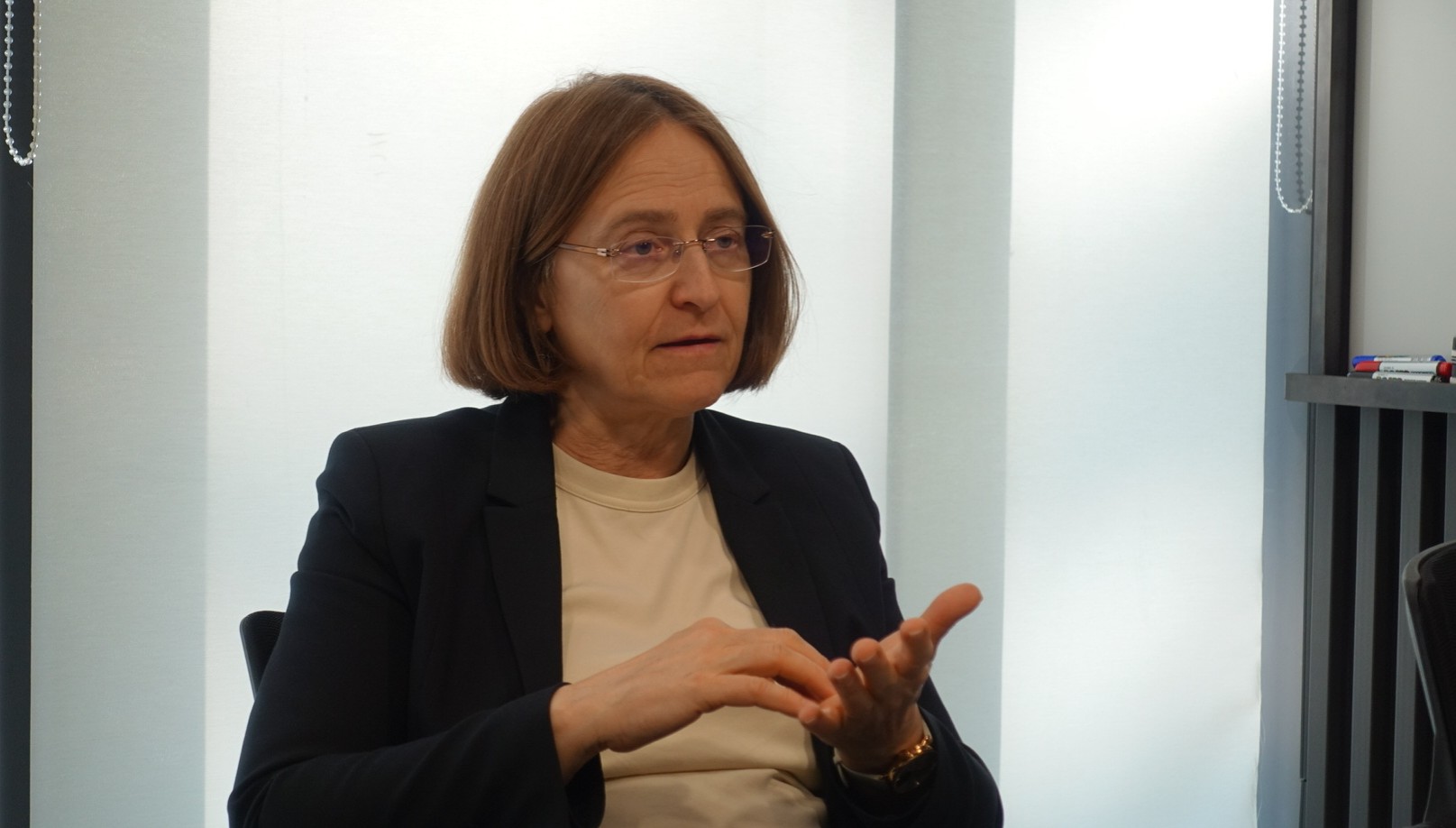
- Director Lee Jae HyunWhile the government announced plans to divert from the multi-item generic structure and improve the pharmaceutical industry’s trend by focusing on new drugs through drug pricing reforms, criticism has emerged that there is a need to innovate by diagnosing blind spots in the "approval system" beyond pricing alone.In Korea, it has been pointed out that the so-called '1+3 system,' under which the government grants marketing authorization for generics based on a single joint bioequivalence (BE) study conducted by one contract manufacturer and up to three consigned pharmaceutical companies, must be discarded.Furthermore, it has been suggested that, for the long-term development of the domestic pharmaceutical industry, the government must make a policy decision to allow South Korea's world-class clinical physician workforce to enter new drug development.In an interview on the 29th at the Sungkyunkwan University Center for Pharmaceutical Regulatory Sciences in Yeongdeungpo, Seoul, Director Lee Jae Hyun (Professor at Sungkyunkwan University College of Pharmacy) emphasized, "Why we are seeing hundreds of generics for a single active ingredient today is not due to high drug prices, but because of the joint bioequivalence licensing system."Regarding the '1+3 system,' which grants generic marketing authorization even to companies that did not conduct in-house BE tests but instead outsourced them to a contract manufacturer, Lee evaluated it as a "policy with no global precedent."Lee questioned whether a company can truly be called a "pharmaceutical company" if it simply purchases BE test data conducted by others, obtains authorization for identical twin generics, and profits by releasing them to the market after merely changing the brand name and packaging.Lee noted, "Although it was reduced to '1+3' (from the previous unlimited structure), the concept of joint BE licensing is preposterous. Even a '1+1' system, where only one consigned license is granted per contract manufacturer, makes no sense. Lee stated, "This is the fundamental cause of generic proliferation, which undermines the fundamentals of regulatory science. Why do drugs with identical shapes, ingredients, and dosages have different manufacturers, brand names, and packaging?"Lee emphasized, "If one set of BE data exists, marketing authorization should be granted only to that specific pharmaceutical company. As long as this joint BE licensing system remains in place, a structure in which generic substitution is hindered, and generics proliferate, will persist. We should not allow companies to outsource production just by hanging up a 'pharmaceutical company' sign. We must abolish these mismanaged licensing and joint BE policies."Lee explained, "If the licensing policy is corrected, drug price management can also be designed much more rationally. A policy could be designed that grants 'branded generic' rights only to the original and the first generic, while all other generics are authorized as 'no-brand generics' using the ingredient name rather than a brand name," adding, "Policies to increase generic utilization could become possible, and the controversy over INN (International Nonproprietary Name) prescribing would disappear, as the product name itself would be authorized as the ingredient name."Director Lee also believes that to develop Korea-Blockbuster new drugs, Korea’s abundant clinical physician workforce must be funneled into new drug development, where basic science is essential.While the stages of new drug development include discovery, demonstrating efficacy and safety through clinical trials, and obtaining marketing authorization, Lee suggests establishing policies to recruit physicians, one of Korea's greatest strengths, in the actual development of new drugs.Director Lee suggested, "New drugs are not developed by government pricing policies or pharmaceutical companies. They emerge from the advancement of a country's life sciences and the continuous increase in research on new drug substances," adding, "I believe the cultivation of talent for developing new drugs ultimately lies in the utilization of the physician workforce. Implementing administration that actively utilizes Korea's globally powerful resource in the clinical trial field is the shortcut to becoming a powerhouse in new drugs."Lee stated, "We must allow doctors to engage in new drug activities through policies such as designating university hospitals as new drug development centers, providing military service benefits to participating doctors, and expanding national-level support for new drug ventures and startups within those institutions. It is difficult to develop new drugs solely within the pharmaceutical industry or regulatory science. A policy decision is needed to use doctors as the foundation for blockbuster new drugs."Lee added, "Furthermore, we need to consider amending the outdated Pharmaceutical Affairs Act. Korea's Pharmaceutical Affairs Act has not been changed from a generic-centered legal structure since the 1950s. While a pharmaceutical company is defined as one that manufactures and produces drugs, there is no system where a new drug developer can receive product approval as a pharmaceutical company."Lee concluded, "We need to create a Pharmaceutical Affairs Act to manage pharmaceutical personnel, have a Drug Safety Management Act handle synthetic drugs and new drug approvals, and separate biological products from synthetic drugs through a "Biopharmaceutical Act" or an "Advanced Biologics Act," adding, "This is a matter that requires a shift in the government's regulatory paradigm. It is time to consider shifting the manufacturer-centered Pharmaceutical Affairs Act into a basic act and separately operating laws for drug distribution management, synthetic drug licensing, and biological products."
