
- LOGIN
- MemberShip
- 2026-06-13 20:42:39

- InterView
- ADCs rise to become SOC in key solid tumors
- by Son, Hyung Min Nov 06, 2025 06:32am
- Major antibody-drug conjugates (ADCs) are rapidly becoming standard-of-care (SOC) therapies across solid tumors, reshaping treatment paradigms. Daiichi Sankyo and AstraZeneca’s Enhertu (trastuzumab deruxtecan) has displaced Kadcyla (trastuzumab emtansine) as the new SOC in HER2-positive breast cancer. Enhertu is also validating potential as a first-line therapy in combination with the targeted therapy Perjeta (pertuzumab). In urothelial carcinoma, Astellas’ Padcev (enfortumab vedotin) is rising rapidly. Padcev monotherapy has already become SOC in second-line settings, and in first-line disease, Padcev + Keytruda (pembrolizumab) is now a preferred regimen in the NCCN guidelines, overtaking Bavencio (avelumab) + chemotherapy as the dominant option. Merck's existing immuno-oncology drug ‘Bavencio (avelumab)’ + chemotherapy, has been used as the SOC for urothelial carcinoma, but the introduction of Padcev significantly increased the likelihood of this position changing. Enhertu aims to become SOC across HER2-mutated solid cancers Enhertu is a next-generation ADC composed of a monoclonal antibody that has the same structure as trastuzumab, which binds to receptors overexpressed on cancer cells and a highly potent Topo I inhibitor payload, linked via a tumor-selective cleavable linker. ADCs are anticancer drugs manufactured by linking an antibody that binds to a specific target antigen on the surface of cancer cells with a drug that has cell-killing (cytotoxic) properties (payload). ADCs act selectively on cancer cells by using the selectivity of antibodies to their targets and the killing activity of drugs to increase therapeutic efficacy while minimizing side effects. In a head-to-head study, Enhertu nearly doubled progression-free survival (PFS) compared to Kadcyla. Enhertu and Kadcyla use the same trastuzumab backbone but with a different microtubule inhibitor payload. Unlike Kadcyla, which uses a microtubule inhibitor monomethyl auristatin E (MMAE) as its payload, Enhertu utilizes a topoisomerase I inhibitor. This difference led to a starkly contrasting efficacy. As a result, companies in Korea and abroad are actively pursuing ADC development using topoisomerase I inhibitor payloads. Among later-stage drugs, ‘Datroway (datopotamab)’ and ‘Trodelvy (sacituzumab govitecan)’ have adopted topoisomerase I inhibitor payloads. However, Enhertu's ambition extends beyond second-line HER2-positive breast cancer. It has shown potential not only as the second-line SOC for HER2-positive breast cancer but also as a first-line therapy, demonstrating efficacy across various solid tumors. Enhertu has established its efficacy in combination with Roche's Perjeta. Perjeta is one of the drugs used in the so-called ‘THP regimen (taxane + Herceptin + Perjeta)’, which serves as the standard first-line treatment for HER2-positive breast cancer. The Phase III DESTINY-Breast09 trial compared the efficacy and safety of Enhertu plus Perjeta versus THP therapy in 1,157 patients with previously untreated HER2-positive breast cancer. Patients were randomized in a 1:1:1 ratio to the Enhertu + placebo group (387 patients), the Enhertu + Perjeta group (383 patients), or the THP therapy group (387 patients). The primary endpoint was progression-free survival (PFS) assessed by blinded independent central review (BICR). Secondary endpoints included overall survival (OS), objective response rate (ORR), duration of response (DOR), and safety. During a median follow-up of 29 months (interim data cutoff February 26, 2025), the PFS in the Enhertu+Perjeta group was 40.7 months, longer than the 26.9 months in the THP therapy group. The ORR was 85.1% in the Enhertu+Perjeta group and 78.6% in the THP therapy group. DOR was 39.2 months in the Enhertu+Perjeta group and 26.4 months in the THP therapy group, showing a difference. The OS data were immature at the time of cutoff. In addition to breast cancer, Enhertu has been approved for gastric cancer and non-small cell lung cancer. In April last year, it also received accelerated approval from the U.S. Food and Drug Administration (FDA) for all HER2-positive solid tumors that lack alternative treatment options. Its potential is now being explored in cancers with limited treatment options, such as colorectal cancer and biliary tract cancer. Padcev seeks to become first-line SOC in urothelial carcinoma in combination with an immune-oncology drug Astellas’ Padcev is pushing toward first-line SOC in combination with Keytruda. That position had long been held by Bavencio plus chemotherapy. Bavencio is a relatively mild agent and has advantages for use in elderly patients and long-term administration. But Padcev’s clinical results are being regarded as groundbreaking. In the Phase III EV-302/KEYNOTE-A39 study, Padcev + Keytruda achieved a median overall survival (OS) of 31.5 months in previously untreated urothelial carcinoma patients. This represented a significant difference compared to the 16.1 months observed in the control group(chemotherapy). Although differences existed in the control group and clinical design, the median OS for the Bavencio maintenance therapy arm was 29.7 months. This represents an extension of over 9 months compared to the 20.5 months observed in the control group receiving maintenance therapy alone. However, patients were randomized after receiving approximately 4 months or more of prior treatment (4-6 cycles) with gemcitabine plus cisplatin or carboplatin combination therapy. Accordingly, the NCCN guidelines recommend Padcev + Keytruda as a Category 1 first-line therapy in locally advanced or metastatic urothelial carcinoma. For second-line or later settings, Padcev monotherapy is the preferred therapy, and for third-line or later, it is recommended as a Category 1 preferred therapy. Padcev also demonstrated efficacy in muscle-invasive bladder cancer, where radical cystectomy is the SOC, presenting new possibilities. The combination therapy of Padcev plus Keytruda demonstrated statistically significant improvements in event-free survival (EFS), overall survival (OS), and pathological complete response rate (pCR) compared to radical cystectomy+pelvic lymph node dissection (RC+PLND) alone. This study is the first randomized Phase III trial demonstrating a clear survival benefit from pre- and post-operative combination therapy in patients with cisplatin-ineligible, muscle-invasive bladder cancer who are eligible for surgery. Padcev is an ADC targeting Nectin-4, composed of a Nectin-4-specific fully human monoclonal antibody and MMAE. Padcev chose MMAE as the payload due to its synergistic effect with PD-1. Nectin-4 is overexpressed in urothelial carcinoma cells compared to normal tissue, providing high selectivity for cancer cells. After binding, it enters the cell and releases MMAE to induce cell death. When combined with PD-1 inhibitors like Keytruda, the cytotoxicity of MMAE synergizes with the immune activation from PD-1 inhibition, maximizing antitumor activity. Despite its aggressive nature, metastatic urothelial carcinoma has had no first-line treatment options beyond chemotherapy for 30 years, creating a significant unmet need. Before Padcev monthearpy, the response rate to immune-oncology drugs was only 13-28% regardless of PD-L1 status, and a significant number of patients experienced disease progression within 3 months of treatment. Therefore, whether Padcev + Keytruda becomes the new standard of care (SOC) in the first-line treatment space is now a matter of intense interest. Recently, this combination therapy cleared the first hurdle for reimbursement in Korea by passing the Cancer Disease Deliberation Committee, taking a significant step closer to commercialization in Korea.
- InterView
- "GI Innovation challenges melanoma"
- by Hwang, byoung woo Oct 21, 2025 06:18am
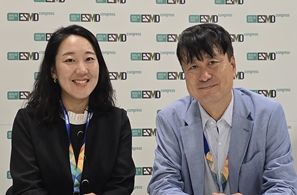
- GI Innovation is accelerating its entry into the global market. The company unveiled clinical data for its new immunotherapy drug candidate, 'GI-102,' at the ESMO Congress 2025 (European Society for Medical Oncology). GI-102 is drawing attention for its potential to overcome resistance, as it showed clinical improvement, including tumor shrinkage of more than half, even in melanoma patients who did not respond to PD-1 antibody monotherapy. Based on the latest results, the company has strategized to expand collaboration with global pharmaceutical companies for joint clinical trials and aims for first-line treatment for melanoma. DailyPharm met with Myoung Ho Jang, CEO of GI Innovation, and Nari Yun, Director, at the ESMO Congress 2025 to hear about the significance of the GI-102 poster presentation and the company's future strategy. (from left) Na Ri Yun, Executive Vice President (Clinical Dev & Strategy) and Myoung Ho Jang, CEO of GI Innovation "Demonstrated activity in patients refractory or resistant to immunotherapies…potential to overcome Keytruda resistance" The new drug candidate GI-102 is a fusion protein developed using the company's proprietary "Immune-cytokine" platform. It is structured to maintain the anti-cancer immune activation function of IL-2 (Interleukin-2) while reducing toxicity by combining it with the immunomodulatory protein CD80. It works by a differentiated mechanism that directly activates immune cells and suppresses regulatory T-cells (immunosuppressive cells), thus being assessed as an innovative candidate that can compensate for the limitations of existing PD-1 antibodies. According to the GI-102 poster presentation at ESMO Congress 2025, the drug showed significant anti-cancer activity in a combination trial targeting patients refractory or resistant to PD-1 antibodies. In the initial combination trial, 10 melanoma patients who were refractory to PD-1 antibodies, the combination of GI-102 and Keytruda (pembrolizumab) recorded an objective response rate (ORR) of 40% and a disease control rate (DCR) of 70%. Notably, a case was presented where a patient whose disease had progressed just two months after initial Keytruda treatment achieved a partial response (PR), with the tumor shrinking by approximately 59%, after the GI-102 combination therapy. In this case, the tumor reduction (cPR, -59%) and progression-free survival (PFS) of 3.9 months were observed when GI-102 was combined with the same drug backbone. Na Ri Yun, Executive Vice President of GI Innovation (Clinical Dev & Strategy), explained, "The fact that the tumor shrank by more than half in a patient who did not respond to PD-1 antibody monotherapy signifies the potential to overcome refractoriness," and added, "The key finding is that GI-102 dramatically increases the number of immune cells (lymphocytes) that determine the response rate of immunotherapies." The GI-102 combination group also showed an increasing trend in anti-cancer immune cells, such as CD8⁺ and CD4⁺ T-cells, as treatment progressed. Yun mentioned, "We confirmed a clear increase in anti-cancer immune cells, such as CD8⁺ and CD4⁺ T-cells, following the GI-102 combination," and added, "When the number of immune cells increases, there are more targets for the PD-1 antibody to bind to, which ultimately strengthens the anti-cancer effect." Notably, no dose-limiting toxicities (DLT) were observed in this combination trial. Most adverse events, such as fever and chills, were mild (Grade 1-2). Although elevated liver enzymes occurred transiently in some patients during the first treatment cycle, they recovered to the normal range. The company explained that "global pharmaceutical companies also assessed these to be manageable through meetings." Yun said, "The frequency of side effects was significantly low compared to conventional IL-2 class drugs, and patients tolerated the treatment well." She added, "We have obtained very positive data in terms of safety." Myoung Ho Jang, CEO of GI Innovation, said, "This data confirmed that GI-102 monotherapy shows activity comparable to global blockbuster immunotherapies," and assed that "The combination therapy was confirmed to induce a response even in patient populations that existing PD-1 antibodies could not reach." Jang added, "GI-102 is garnering high interest from global pharmaceutical companies because it is an IL-2-based immunocytokine that suppresses regulatory T-cells." Active discussions with global pharma..."A head-to-head challenge in first-line melanoma treatments" GI Innovation engaged in discussions with global pharmaceutical companies at the conference regarding collaborative clinical trials for first-line melanoma treatment. Currently, PD-1 antibodies like Keytruda and Opdivo (nivolumab) are approved as first-line monotherapies for melanoma. Jang said, "We are having positive discussions with global pharmaceutical companies here at ESMO 2025," and added, "We are reviewing a randomized clinical design to 'head-to-head' compare the efficacy of the GI-102 combination effect against PD-1 monotherapy." Yun added, "Melanoma is the only cancer type where PD-1 monotherapy is the standard of care. Proving the superiority of GI-102 here will increase its potential for expansion into other solid tumors." The fact that the company is considering a direct comparison clinical trial against a first-line monotherapy is evidence of its confidence in the results. Notably, GI Innovation stated that it is considering developing GI-102 not merely as a technology transfer (L/O) but as a co-clinical/co-commercialization model with global pharmaceutical companies. Jang stressed, "While we are in discussions for the technology transfer of GI-101A, we prefer a model where the company retains certain rights and co-develops GI-102 with a global pharmaceutical company," and stressed, "Our goal is to increase long-term value through a direct commercialization structure, creating direct revenue rather than just royalty income." Yun added, "We favor a partnership structure where the company proactively secures rights so as not to be swayed even if a global pharmaceutical company's internal priorities change." In conclusion, the analysis suggests that the discussions held at ESMO Congress 2025 confirmed GI-102's competitiveness in the global market. Finally, Jang said, "Although we are starting with melanoma, we expect a rapid expansion into other solid tumors through off-label use as clinical evidence accumulates," and added, "The conference provided us with confidence that GI-102 possesses genuine competitiveness in the global market."
- InterView
- "New landscape in DLBCL trt…Columvi·Polivy's bigger role"
- by Hwang, byoung woo Oct 10, 2025 06:06am
- Diffuse large B-cell lymphoma (DLBCL) has been known to lack new treatment options besides rituximab (MabThera) for over 20 years. Approximately one-third of DLBCL patients who undergo existing treatments (primarily R-CHOP) experience relapse or become non-responsive, and the second-line treatment has been limited to intensive chemotherapy and autologous stem cell transplant. However, the treatment paradigm is changing as innovative treatments, including antibody-drug conjugate (ADC), bi-specific antibodies, and CAR-T cell therapies, have emerged recently. During the meeting with DailyPharm, Professor Gareth Gregory of Monash University in Australia emphasized the role of treatments with new mechanisms, such as Polivy and Columvi, for older adults or patients who failed previous therapies. DLBCL still lacks treatments for older adults or transplant-ineligible patients…second-line treatment alternatives are needed Professor Gareth Gregory of Monash University in AustraliaAccording to Professor Gregory, the highest unmet needs for DLBCL are the second-line treatment. Exiting treatment data show that approximately one-third of all patients with DLBCL experience disease progression despite undergoing first-line treatments. To date, treatment options have been limited to intensive chemotherapy and autologous stem cell transplant. Professor Gregory said, "A significant proportion of DLBCL patients globally are elderly, aged 68 or older, and often have comorbidities, thus most of them are ineligible for autologous stem cell transplant," and added, "Given the high relapse rate characteristic of lymphoma, the response rate for patients receiving CAR-T or autologous stem cell transplant treatment in the second line is only about 21%, highlighting a significant need for more effective and safer therapeutic options." For this reason, interest has grown in treatments with new mechanisms, like bispecific antibodies. The need for monotherapy or combination therapy options, particularly for elderly patients or those who have failed previous treatments, is persistently being raised. Among the therapies currently driving a paradigm shift in DLBCL treatment are Polivy (polatuzumab vedotin) and the combination therapy of the bispecific antibody Columvi (glofitamab) with Gemcitabine and Oxaliplatin (GemOx). Particularly in the first-line setting, Polivy in combination with R-CHP is emerging as the new standard of care, replacing the traditional R-CHOP. For relapsed/refractory patients, the combination of the bispecific antibody Columvi and GemOx is gaining attention as a powerful alternative that shows long-term efficacy. Regarding this, Professor Gregory emphasized that the core of DLBCL treatment is not the 'effectiveness of a single agent,' but the 'design of the entire treatment journey.' For example, this involves a strategy in which Polivy reduces the risk of relapse in the first line, and Columvi increases the complete response rate in the second-line treatment setting, thereby extending treatment continuity. Professor Gregory said, "Polivy reduces the risk of relapse and death in first-line treatment, and Columvi offers the potential for long-term survival for relapsed patients," and added, "Both treatments are evolving to improve the patient's entire treatment journey." Polivy drives changes to the first-line setting...increased expectation of expanded reimbursement Polivy is evaluated as a key therapy for reducing the risk of recurrence associated with the conventional R-CHOPregimen and for improving long-term patient survival. Fortunately, it recently passed the Cancer Disease Review Committee (CDRC) in Korea, raising expectations for expanded reimbursement for first-line treatment. The 5-year follow-up data from the POLARIX study showed that the Polivy + R-CHP combination therapy improved both progression-free survival (PFS) and overall survival (OS) compared with conventional R-CHOP, and the rate of transition to subsequent treatments was significantly lower. Professor Gregory said, "Polivy combination therapy has been included in the first-line recommendations in guidelines in multiple countries, including Australia," and added, "Tolerability was similar to or better than R-CHOP, and we confirmed a long-term trend of reduced risk of relapse and death." Furthermore, Professor Gregory also pointed out that, given the characteristic of DLBCL, where the risk of relapse increases sharply if complete response is not achieved in the first line, the Polivy combination therapy is significant for its role in reducing treatment burden and medical resource consumption. He said, "Polivy combination therapy is significant not only for its treatment results but also for the efficiency of medical resources," and added, "Reducing relapse shortens the complex treatment process that leads to high-intensity therapies, and can also reduce patient hospitalization time, medical costs, and the loss of social productivity." Columvi offers long-term survival potential for relapsed patients...reimbursement remains a hurdle Meanwhile, in the second-line setting, Columvi is showing new possibilities. Columvi, a bispecific antibody, targets T cells and B cells simultaneously, achieving a high response rate even in relapsed/refractory patients with reduced chemotherapy response. In the 2-year follow-up analysis of the STARGLO Phase 3 trial, the Columvi + GemOx combination group had a 4-fold increase in PFS (13.8 months vs. 3.6 months) and a more than 2-fold improvement in complete response rate (58%) compared with the rituximab + GemOx group. Notably, 82% of patients who achieved remission maintained their response for at least 1 year, demonstrating the potential for long-term survival despite the fixed duration of therapy. Columvi's step-up dosing strategy is highlighted as a clinical feature that secures safety by minimizing immune-related side effects. Professor Gregory said, "Bispecific antibodies carry the risk of Cytokine Release Syndrome (CRS) due to immune system activation, but Columvi can be managed safely through step-up dosing and pre-treatment," and emphasized, "Columvi has the biggest advantage in that it is an 'off-the-shelf' therapy, meaning it can be administered immediately after diagnosis." He assessed, "Some patients in the STARGLO trial have maintained a long-term response for over four years, and for patients ineligible for CAR-T or transplant, the Columvi combination therapy offers a possibility of cure." Despite these therapeutic effects, the issue of utilization in Korea remains a reimbursement barrier. Polivy was stuck in a non-reimbursed state for five years after its 2020 approval, and Columvi also failed to pass the CDRC in December last year. Although Polivy initiated its first step toward reimbursement this year with discussions for first-line coverage, Columvi is still waiting for reimbursement listing for its second-line indication. Professor Gregory mentioned, "Effective treatment is meaningless if it is not delivered to the patient," and added, "Drugs with better accessibility and tolerability should realistically be reimbursed, especially compared to high-cost therapies like CAR-T, which are restricted to limited facilities." According to Professor Gregory, Australia has already approved reimbursement for the combination therapy of Columvi + GemOx for autologous stem cell transplant-ineligible patients, using the same criteria as those used in the clinical trial patient population. Finally, he said, "The ultimate goal of lymphoma treatment is to create patient-centered outcomes. If a treatment has sufficient accumulated clinical data, it should be applied to the field quickly," and added, "Institutional support is needed so that patients can receive the best care more safely and rapidly."

- InterView
- "Gilead-Kite will lead the trt landscape for DLBCL in KOR"
- by Hwang, byoung woo Sep 10, 2025 06:12am
- With the approval of the CAR-T cell therapy Yescarta (axicabtagene ciloleucel) in Korea, a shift in the treatment landscape for Diffuse Large B-cell Lymphoma (DLBCL) is anticipated. Analysis suggests that an innovative therapeutic option that has demonstrated higher cure rates and improved survival compared to existing second-line treatments is expected to provide a new option for patients in Korea. Gilead Sciences and Kite Pharma plan to use Yescarta's Korean approval to strengthen their cooperation with Korea's health authorities and medical institutions, focusing on addressing the unmet needs of DLBCL patients. DailyPharm met with Diego Santoro, Head of the International Region for Kite Pharma (a Gilead Sciences company), to hear about the company's specific plans. Diego Santoro is an expert who has led the commercialization and expansion of access for CAR-T cell therapies in key countries such as Japan, Korea, and Brazil, with over 25 years of leadership experience at global pharmaceutical companies. Yescarta's Milestone in DLBCL Treatment..."Became a Key Treatment Option" Diffuse Large B-cell Lymphoma (DLBCL) is a very rapidly progressing disease, with approximately 40% of patients who receive first-line treatment experiencing a relapse. Previously, the average survival period after second-line treatment was only about 6 months, but with the introduction of CAR-T therapies, survival rates have significantly improved. Diego Santoro, Head of the International Region for Kite PharmaThrough one of the world's largest clinical studies, Yescarta demonstrated that approximately 41% of patients survive for over 5 years. Yescarta is currently approved in over 40 countries, and its reimbursement has been secured in numerous countries based on its therapeutic efficacy and financial feasibility, expanding patient access. From this perspective, Yescarta is also expected to become an important therapeutic option that addresses unmet needs in Korea. Diego Santoro explained, "Korean medical professionals were well-informed about Yescarta's clinical data even before its approval, and the demand for its introduction was high." He added, "The biggest differentiation factor is that it allows patients to start treatment at an earlier stage, which improves prognosis and increases the possibility of a cure. The trend in clinical practice is already shifting, with patients who were previously considered for third-line therapy now being treated at the second-line stage." In other words, by administering CAR-T earlier at the second-line treatment stage, rather than waiting until the third-line as in the past, it is possible to suppress the cancer early and aim for a cure. For Yescarta, which has already proven its efficacy in the global market, to secure influence in Korea, three major challenges exist: access, supply, and competing treatments. Among these, entry into the national health insurance system will be the biggest hurdle for expanding access. Regarding this, Santoro said, "Yescarta's reimbursement application was submitted at the end of August, immediately following its domestic approval in Korea. We are currently expediting the submission of all relevant documents and are ready to enter into full-scale discussions with the government," and added, "Gilead and Kite Pharam will focus on improving patient access by collaborating closely with the government, as well as with Korean medical professionals and patient organizations." And added, "We are fully aware of the concerns regarding the drug's price and institutional challenges. During the negotiation process, we plan to present a compelling case about Yescarta's differentiated clinical value as a second-line therapy and how earlier treatment improves patient outcomes and the possibility of a full recovery." "Quickly applying for reimbursement...patient access is the main priority" Another task is the supply issue. Currently, both the reimbursed CAR-T therapy Kymriah and Yescarta require harvesting the patient's cells in Korea, sending them to the U.S. for manufacturing, and then bringing the finished product back to Korea. There is a concern that this process can delay treatment, which is critical for CAR-T patients, and potentially worsen their prognosis. Regarding this, Santoro said, "The speed of supply is the priority for treatment outcomes with CAR-T therapies, so we prioritize it above all else." He added, "Based on the experience accumulated from treating over 31,000 patients worldwide, Gilead and Kite Pharma have achieved a CAR-T therapy manufacturing success rate of over 96%, which is the highest in the industry, and a vein-to-vein (V2V) time that is among the fastest globally." V2V refers to the time from a patient's leukocyte collection to the infusion of the therapy. The company maintains a supply time of less than 30 days in Asia and plans to guarantee the same volume for Korea. He said, "We ensure that the collected cells are not frozen and arrive at the manufacturing site within 72 hours. In the actual supply process, we always secure more than two backup flights to prevent any disruption to patient treatment." He stated, "We know that a difference of even 1-3 days can have a significant impact on a patient's treatment outcome, so our goal is to provide the therapy as quickly as possible." Regarding competition with new options like recently emerged bispecific antibodies, Santoro emphasized, "In most countries, bispecific antibodies are approved as third-line therapies after CAR-T, and the guidelines from major academic societies and institutions also recommend the use of CAR-T therapies in early stages." Aim to Become a Hub for CAR-T Therapy in Asia Santoro views that Yescarta's approval in Korea represents not just a commercial entry but also a significant medical and scientific milestone. He said, "Korea is a competitive country with excellent medical infrastructure and highly skilled medical professionals. The swift approval of Yescarta is expected to bring a positive change to the patient treatment environment, alongside existing anti-cancer drugs." Kite Pharma has a strong history of collaboration with Korea's medical institutions and health authorities, as it highly values Korea's capabilities. Based on this foundation, Kite Pharma has presented a blueprint to develop Korea into a hub for CAR-T therapy in Asia by investing in training medical professionals and strengthening hospital capabilities. Finally, Santoro stated, "The approval of Yescarta as a second-line therapy in Korea is an important starting point that will significantly change the patient treatment environment." He added, "Based on our global experience, we will provide trustworthy and innovative treatment options to Korean patients."
- InterView
- Dong-A ST launches Sterlara biosimilar Imuldosa in the US
- by Cha, Jihyun Aug 20, 2025 06:22am
- Dong-A ST (CEO: Jae-Hoon Jeong) announced on the 19th that the company has launched IMULDOSA (project name DMB-3115, active ingredient ustekinumab), a biosimilar version of Stelara, in the US through its partners, multinational pharmaceutical companies Intas Pharmaceuticals and Accord Biopharma. IMULDOSA is biosimilar version of Janssen’s Stelara that is indicated for the treatment of inflammatory conditions such as plaque psoriasis, psoriatic arthritis, Crohn's disease, and ulcerative colitis. Stelara has generated global sales of approximately USD 21.552 billion (IQVIA 2024 cumulative revenue). IMULDOSA has been launched in 14 countries, including Germany, the United Kingdom, and Spain, and has obtained marketing authorization in the MENA region, including Saudi Arabia, Qatar, and the United Arab Emirates. A representative from Dong-A ST stated, “With the launch of IMULDOSA in the United States following its introduction in Europe, our global market expansion is gaining momentum. We will strive to ensure that IMULDOSA becomes an effective treatment option for patients worldwide.” IMULDOSA was jointly developed by Dong-A Socio Holdings and Meiji Seika Pharma since 2013. In July 2020, the rights for development and commercialization were transferred to Dong-A ST to facilitate efficient global project execution, and the two companies have since continued joint development. In July 2021, a global license-out agreement for IMULDOSA was signed with the multinational pharmaceutical company Intas Pharmaceuticals. Intas is commercializing IMULDOSA through its global subsidiaries, including Accord BioPharma in the U.S. and Accord Healthcare in Europe, the UK, and Canada.

- InterView
- V-olet challenges to become a blockbuster fat-destroying inj
- by Nho, Byung Chul Jul 08, 2025 06:36am
- Kim Seul-ki, PM of Daewoong Pharmaceutical Daewoong Pharmaceutical's V-olet Inj, a deoxycolic acid (DCA)-based fat-destroying injectable, is garnering attention as it implements an external expansion strategy to become a global blockbuster drug, following Nabota Inj. Launched in 2021, V-olet Inj is an injectable that demonstrates significant improvement in moderate-to-severe bulging or excessive submental fat in adults through its mechanism of irreversible fat cell destruction and collagen synthesis. It currently holds a 90% market share in the Korean market. Deoxycholic acid (DCA) is a secondary bile acid that emulsifies and breaks down fat in the body. The active ingredient used in V-olet Inj is 100% chemically synthesized DCA, not derived from human or animal sources. Kim Seul-ki, PM of Daewoong Pharmaceutical's Nabota Business Team, stated, "V-olet Inj demonstrated significant submental fat improvement and safety in Koreans through a domestic Phase 3 clinical study." Kim added, "It is currently regarded as the only original product among related products launched in Korea." Notably, 72.1% of V-olet Inj recipients showed significantly higher satisfaction (compared to 25.4% for placebo), and not a single serious adverse event (SAE) occurred. Currently, V-olet Inj's domestic sales are handled by DNC Aesthetics and approximately 500 Daewoong Pharmaceutical sales representatives, and it is highly likely to surpass KRW 10 billion in annual sales soon. Kim stated, "Marketing approval for V-olet Inj was granted in the Philippines, and the company plans to seek approvals and launches in other Asia-Pacific countries, including China, Indonesia, and Thailand. Nabota, a blockbuster drug, is currently marketed in over 80 countries globally, and we are pursuing a product expansion strategy like Nabota." Q&A with Kim Seul-ki, PM, Daewoong Pharmaceutical. -Please introduce yourself. =Hello. I am Kim Seul-ki, overseeing the marketing of Daewoong Pharmaceutical's medical aesthetics pipeline, Nabota, and V-olet Inj. I was solely responsible for the launch of V-olet Inj in 2021, so it has already been five years since its release. -Belkyra was withdrawn from the Korean market, and there was a period without DCA-component products.What was the motivation for Daewoong Pharmaceutical to launch V-olet Inj in 2021? =Daewoong Pharmaceutical strives to develop and market differentiated, high-quality products. I believe DCA fat reduction was one of them. DCA is the only ingredient approved for fat improvement, so its efficacy is not disputed. The problem was that Belkyra was too expensive, which led to its failure in the Korean market. 'PPC (phosphatidylcholine),' which is currently suspended from sale but was previously used, and 'combination contour injections,' which most aesthetic clinics still offer, remain very popular fat-dissolving procedures. We assessed that the obesity market and fat-dissolving market would continue to grow, just as GLP-1 drugs like Wegovy are gaining attention today. As everyone is aware, Daewoong Pharmaceutical has been manufacturing and selling Nabota for over ten years. We believed that Nabota, indicated for wrinkle and muscle hypertrophy improvement, and V-olet Inj, focused on fat improvement, could create good synergy, and that V-olet Inj could establish itself as the next-generation product following Nabota. -V-olet Inj's initial launch reaction was significant, and I understand it quickly revitalized the DCA market in a short period. What's the secret to its rapid market impact? =It's thanks to our efforts to build trust as the first domestically produced DCA injectable. Notably, its approval as the only specialized pharmaceutical for fat improvement, along with its differentiated mechanism of action for fat cell destruction, was well communicated to medical professionals through significant effort. I believe that actively sharing the experiences of medical professionals with extensive clinical experience in the DCA field, and continuously conducting research to build trust, so that medical professionals can use it confidently, has played a significant role. Initially, concerns arose about potential side effects due to the word 'destruction.' Still, by emphasizing and educating on 'proper injection techniques,' many medical professionals are now using it with peace of mind. Additionally, when V-olet Inj was launched, some individuals were using DCA products with cosmetic approval that were not intended for internal body injection. By emphasizing the importance of approved specialized pharmaceuticals even more, those products seem to have largely disappeared now. I believe we played a significant role in changing market perception as well. -With V-olet Inj's success, many competing products are being launched. There are products like Bellacholine, which was launched last year. What are V-olet Inj's unique advantages? =The biggest differentiator is that V-olet Inj has undergone Phase 1-3 clinical studies and post-marketing surveillance (PMS), which current competing products have not. This allowed us to confirm its efficacy and safety in real-world clinical settings. Since DCA is currently the only approved ingredient in the fat-dissolving market, it was important for us to have clinical data to support its more widespread use, similar to toxins or fillers, in Korea. We have results from clinical studies involving over 960 Koreans. Now, in 5th year since launch, we have accumulated tens of thousands of treatment cases, which is another advantage. -It seems there are many more products available now for obesity and body contouring. Considering the mechanistic characteristics of fat-destroying injectables, what differentiates them from other products?. =Body contouring has become much easier thanks to drugs like Wegovy and various EBD (Energy-Based Device) products available today. However, DCA, meaning V-olet Inj, is the only injectable that can precisely target and destroy fat. There are also fat-destroying devices, such as InMode, but it's challenging to predict which fat layer those devices will target. In contrast, V-olet Inj is injected directly into the middle layer of fat, so it can be said to destroy the core of the fat. Additionally, one might worry about skin sagging as fat disappears, but V-olet Inj promotes collagen synthesis, which also improves skin elasticity. Compared to appetite suppressants like GLP-1 drugs, if you've ever tried dieting, you know that even if you lose weight, areas like a double chin or arm fat don't easily go away. V-olet Inj's advantage lies in its ability to target such areas and smoothly sculpt the body precisely. -In addition to submental fat improvement, research on body procedures seems to be active both domestically and internationally. Do you have plans for indication expansion? =V-olet Inj's approved indication is for improving moderate-to-severe bulging or excessive submental fat in adults. However, based on DCA's mechanism of action in improving fat, we conducted case studies with clinical research on various body areas. The results of a study on arm fat (upper arm) improvement using DCA were published in March. We confirmed for the first time in Koreans the effect of improving fat thickness and circumference in the upper arms. Overseas, research using DCA injectables on various fat-containing areas (e.g., jowls, abdomen, flanks, thighs, accessory breasts [axillary fat], under the buttocks, above the knees, "buffalo hump" neck, under-eye fat, lipomas, etc.) is already actively reported. Internally, we are viewing the market demand and potential for indication expansion positively. Currently, we are starting with small-scale studies, such as case studies. Thanks to its fat-destroying mechanism, its expandability seems limitless. -Daewoong Pharmaceutical plays a pioneering role in the domestic DCA market; however, competition is likely to intensify further. As the leading company in the fat-destroying injectable market, what are Daewoong's future aspirations and plans? =As you mentioned, competition in the domestic DCA market will indeed become very fierce. As various competing products emerge, the DCA market itself is expected to grow, which I view as a positive development from a marketer's perspective. V-olet Inj demonstrated trustworthiness in Korea. To help the DCA market grow to the size of the KRW 100 billion toxin market in Korea, as a pioneer of DCA, we plan to continue research on usage methods to help medical professionals utilize V-olet Inj more effectively. Furthermore, through various activities to deliver correct awareness and knowledge about fat improvement procedures to the public, we aim to create a more valuable market.

- InterView
- 'Viatris will lead market with innovation and leadership'
- by Whang, byung-woo Jun 10, 2025 06:04am
- “Viatris Korea is pursuing growth through two pillars: a core brand-focused business and new pipelines. Based on the pillars, we expect to secure growth momentum once again on a global scale.” Viatris Korea is working to strengthen its position in the domestic market by introducing a global innovative pipeline and driving continuous growth with its existing key product portfolio. While striving to maintain its leadership in the chronic disease treatment market with products such as Lipitor, the company is also planning a two-track strategy to add innovation for future growth. Dailypharm met with Bill Schuster, Representative Director & Country Manager of Viatris Korea, who is entering his third year in office, to hear about the company's growth strategy and mid- to long-term plans. Bill Schuster marks third year as CEO: "Organizational culture is key to growth” Since Bill Schuster took office, Viatris Korea has actively pursued changes to improve its organizational culture and strengthen its market response. Bill Schuster, Representative Director & Country Manager of Viatris Korea"In his first year as CEO in 2023, he focused on fostering a voluntary and participatory organizational culture led by employees, forming a task force centered on junior and mid-level managers, and working to redefine the company’s core values and principles of conduct." Schuster described his leadership style as “transformational leadership.” He explained, “I have not only strived to provide direction for our members but also to empower them with motivation and autonomy to achieve our shared vision." He added, "After experiencing the Great East Japan Earthquake, I came to realize the importance of work-life balance. Since then, I have led by example as a leader, fostering a culture that values and promotes work-life balance."’ A notable aspect of this transformation is the hospital-centric “Go-to-Market” strategy, which strengthens market response around Schuster's leadership. “At Viatris, we have delineated roles by focusing on the hospital channel ourselves while assigning our partners to the clinic channel, thereby eliminating redundant sales structures across the two.” He added, “By strengthening key field-oriented functions, we go beyond being just a sales organization and seek to forge strategic partnerships.” As part of such strategy, the company has strengthened collaborations with Jeil Pharmaceutical in the cardiovascular disease treatment sector and with SK Chemical in the pain management treatment sector. He stated, “We have significantly expanded our hospital channel workforce and established a Key Account Management (KAM) system to provide tailored management for major hospitals and distribution channels. Additionally, we are identifying new opportunities with small and medium-sized hospitals through our Sales Account Management (SAM) system.” These efforts align with Viatris Korea's portfolio. While its major therapeutic agents, such as Lipitor, which ranks first in the single-agent market for dyslipidemia, and Norvasc, which ranks first among CCB (calcium channel blocker) class hypertension treatments, hold high market shares, the company is also facing challenges due to the emergence of new treatment options. In response, Schuster emphasized the expansion of the “base business centered on core brands.” He stated, “South Korea has one of the fastest aging populations in the world, so the demand for chronic diseases such as cardiovascular and pain conditions is expected to continue to grow. In response, Viatris plans to carry out initiatives that raise disease awareness and improve treatment access.” This also includes strengthening market responsiveness through artificial intelligence (AI) and digital strategies. Schuster said, “We are preparing a system that leverages AI technology to precisely analyze marketing performance and optimize resource allocation.” He added, “A pilot project is currently underway, with full-scale implementation targeted for 2025.” He added, “We will leverage AI to analyze customer channel preferences and market trends and develop tailored communication strategies to deliver optimal information to both patients and healthcare professionals. In particular, we plan to actively adopt digital healthcare technologies to support more effective disease management for patients, especially in the areas of cardiovascular health and chronic pain.” Viatris Korea secures growth momentum with customized capabilities for new drug launches "In particular, Viatris Korea is laying the foundation for introducing global innovative drug pipelines into the domestic market, with the aim of establishing new growth engines for the future." Notably, the acute pain treatment 'Meloxicam (MR-107A-02)' and the low-dose contraceptive patch 'XULANE LO' have shown positive effects in global Phase III clinical trials, raising expectations. Specifically, Meloxicam is anticipated to arise as a non-opioid alternative and a new first-line treatment option for moderate to severe acute pain. XULANE LO, a low-dose estrogen patch requiring a once-weekly application, is also receiving positive evaluations for its market potential. The company plans to submit a New Drug Application (NDA) to the U.S. Food and Drug Administration (FDA) by the second half of 2025. If Viatris Korea maintains its existing core business while introducing new drugs over the next few years, concerns about the sustainability of the company’s long-term growth will be resolved. Schuster emphasized, “While we already possess some of the necessary capabilities, we have determined that this is the time to enhance and expand our internal systems and personnel in preparation for future launches. Therefore, building the capabilities to execute new pipelines over the next few years will be a critical task.” Currently, Viatris Korea has all the core functions, including development, approval, and compliance, and is capable of handling processes such as bridging clinical trials and approval applications with its own capabilities. However, the company plans to nurture a dedicated organization internally to establish launch strategies, secure market recognition, and handle customer communication in preparation for the launch of new drugs. He added, “We aim to become a partner that goes beyond simply importing and selling drugs, and instead works to build a scientific and institutional foundation in Korea in the mid-to long- -term, we will not hesitate to make the necessary investments and collaborations to achieve this.” Finally, he added, “Viatris Korea is committed to sustainable growth in the domestic market and will actively introduce global innovations to contribute to the local healthcare environment. We will continue to fulfill our responsibility as a company that enables patients to lead healthier lives.”

- InterView
- "Livtencity offers new CMV trt for transplant patients"
- by Whang, byung-woo Jun 04, 2025 06:19am
- "Cytomegalovirus (CMV) infection is worse than a simple viral infection in patients with solid organ transplant (SOT), but existing treatments have limitations. Reimbursement of new medicines is meaningful in terms of extending treatment options." Livtencity (maribavir), which can be prescribed to post-transplant patients who have had limited treatment options, is receiving a favorable assessment. It can be used following initial treatment. Livtencity, as a second-line treatment, was approved for reimbursement in April 2024 for patients who experienced an inadequate response to conventional antiviral agents or discontinued treatment due to serious adverse events. Dr. Sang-Oh Lee, a professor at Seoul Asan Medical Center's Department of Infectious Diseases, who has the latest expertise in related fileds, emphasized that reimbursement approval of Livtencity elevated the flexibility of treatment strategy. "Introduction of second-line treatment for CMV is receiving favorable assessment" Cytomegalovirus (CMV) is a virus for which approximately 95% of Korean adults already possess antibodies. While it typically causes almost no symptoms in individuals with normal immune systems, it can progress to a severe illness in post-transplant patients who must take immunosuppressants. Dr. Sang-Oh Lee, professor at Seoul Asan Medical CenterDr. Lee explained, "About 60% of solid organ transplant patients in Korea experience CMV infection, and approximately 13.7% of these progress to severe CMV disease." Dr. Lee added, "CMV disease is divided into CMV syndrome associated with systemic viral activation and localized infections affecting specific organs, with gastrointestinal involvement accounting for about 75% of these cases." According to Dr. Lee, the risk of CMV infection varies depending on the type of transplanted organ. The risk of CMV viremia is highest in lung transplant patients, at around 10%, followed by heart and liver transplant patients at approximately 7-8%, and kidney transplant patients at approximately 5%. Dr. Lee said, "When CMV DNA levels in a patient's blood rise above a certain threshold, even without symptoms, preemptive treatment is initiated. However, treatment sustainability often declined due to side effects of existing treatments, such as myelosuppression or nephrotoxicity." Existing CMV treatments like ganciclovir and valganciclovir, despite their potent antiviral effects, caused adverse reactions such as myelosuppression, posing clinical limitations for immunocompromised transplant patients. Furthermore, patients showing resistance or are refractory to these drugs had to use foscarnet or cidofovir, but these agents were limited in use due to severe nephrotoxicity concerns. Livtencity is a novel drug that emerged to overcome the limitations of existing treatments. As an antiviral agent with a novel mechanism that targets the UL97 protein kinase, it has a lower burden of myelosuppression and nephrotoxicity compared to existing therapies. Its oral administration significantly improved patient convenience and treatment sustainability. Dr. Lee stated, "Livtencity demonstrated superior efficacy in clinical studies in patient groups who developed resistance or refractoriness to previous treatments," and added, "Since its reimbursement approval last year, favorable responses have continued to be reported in clinical practice." Dr. Lee has directly prescribed Livtencity to about 10 patients since its introduction, observing substantial treatment effects, including a stable decrease in CMV DNA levels in most treated patients. Asan Medical Center in Seoul performs approximately 500 liver transplants and numerous lung transplants annually. The number of CMV disease cases among these patients is estimated to be around 40 per year. Livtencity is particularly regarded for demonstrating outstanding efficacy in various clinical situations, including liver and lung transplant patients, such as CMV hepatitis and chronic graft-versus-host disease (GVHD). "The efficacy of Livtencity treatment is adequate, but reimbursement criteria need to be improved" Notably, Dr. Lee particularly gave high marks for Livtencity's safety and treatment sustainability observed in clinical practice. Dr. Lee said, "Livtencity has a superior safety profile compared to existing antiviral drugs, showing high patient satisfaction in terms of treatment sustainability in clinical settings. Since its use, there have been no cases of severe adverse reactions warranting treatment discontinuation, and its treatment sustainability is overwhelmingly superior to existing drugs." However, Dr. Lee proposed that the current reimbursement criteria for Livtencity in Korea may need some improvement. Currently, Livtencity's reimbursement criteria are set for cases where 'treatment has failed after using existing antiviral drugs (ganciclovir, valganciclovir) for at least 2 weeks, or severe side effects have occurred, or resistance has been confirmed.' Dr. Lee views that while the current criteria are reasonable to a certain degree, they can be improved for actual clinical practice, as the reimbursement criteria are limited to solid organ transplant (SOT) and hematopoietic stem cell transplant (HSCT) patient populations. Dr. Lee emphasized, "Currently, Livtencity's reimbursement criteria are limited to cases where refractoriness is confirmed after at least 2 weeks of treatment with existing therapies," and added, "This is a somewhat long period for high-risk patients, and since CMV can be worsened in a short time, more flexible and rapid reimbursement application criteria are needed." Additionally, for transplant patients, Dr. Lee proposed that institutional improvements are necessary to extend reimbursement coverage to other severely immunocompromised patient groups, such as those with hematologic cancers, where CMV treatment is urgently needed. Finally, Dr. Lee concluded, "The introduction of Livtencity has brought a substantial change to the CMV infection treatment environment in Korea. However, more improvement of related systems and policies is essential so that even more flexible and patient-customized approaches are available in the future."

- InterView
- ‘SGLT2i+TZD promising for diabetics with fatty liver risk’
- by Kim, Jin-Gu May 26, 2025 05:55am
- A large-scale epidemiological study conducted on a Korean population has found that metabolic dysfunction-associated steatotic liver disease (MASLD), which commonly accompanies diabetes, increases the risk of cardiovascular disease and mortality. MASLD is not merely a liver disease but a cause that exacerbates overall metabolic disorders, making it a focus of recent attention. As a result, proactive treatment strategies to address it early are gaining prominence. Professor Cheol-Young Park of the Endocrinology Department at Gangnam Samsung Hospital said, “Combining SGLT-2 inhibitors and TZD-class diabetes medications early on could be a promising treatment option for diabetes patients with MASLD. This combination therapy not only improves blood sugar control but also regulates lipid metabolism and insulin resistance, while also mitigating the side effects of each medication.” A follow-up study on 500,000 diabetes patients revealed that those with MASLD had a 1.2-fold increased risk of death. Professor Cheol-Young Park, along with Professor Kyung Soo Kim from Bundang Cha Hospital, Professor Sangmo Hong of Hanyang University Guri Hospital, and Professor Kyung-do Han of Soongsil University, conducted a large-scale epidemiological study to examine the correlation between MASLD, cardiovascular disease, and mortality in patients with Type 2 diabetes. MASLD is a condition previously known as non-alcoholic fatty liver disease (NAFLD). It refers to the accumulation of fat in the liver in the presence of metabolic abnormalities (such as diabetes, hyperlipidemia, and obesity), regardless of alcohol consumption. It is not merely a liver disease but is considered a manifestation of systemic metabolic issues and is associated with cardiovascular disease, kidney disease, and certain cancers. Professor Cheol-Young Park’s team conducted a follow-up study on 500,000 patients with type 2 diabetes among 7.7 million participants in the National Health Insurance Service's health screening program in 2009. The results showed that patients with diabetes and MASLD had a 1.37 times higher risk of developing major cardiovascular diseases such as myocardial infarction and ischemic stroke. The risk of death from all causes also increased significantly by 1.21 times. This trend was consistently observed even in those with mild NAFLD (grade 1). In patients with NAFLD but without diabetes, the absolute risk of developing cardiovascular disease within 5 years was 1.23% to 1.42%. In contrast, patients with NAFLD and diabetes had a significantly higher absolute risk of developing cardiovascular disease within five years, ranging from 3.34% to 4.66%. The risk of death also showed a similar trend. Professor Cheol-Young Park explained, “This study shows that MASLD does not simply affect liver health, but also has a significant impact on overall cardiovascular outcomes. In particular, the results showing that patients with diabetes and NAFLD have a higher risk of cardiovascular disease and death highlight the importance of treating both conditions together.” “SGLT2i+TZD combination, a promising option for treating MASLD in patients with diabetes” Regarding these complex metabolic disorders, Professor Park proposed the SGLT-2 inhibitors and TZD drug combination as a promising treatment strategy. The two drugs have complementary effects in alleviating insulin resistance and reducing fat accumulation in the liver through different mechanisms. TZD class drugs promote the differentiation of subcutaneous adipocytes, redistribute fat from visceral depots, suppress hepatic glucose production, and enhance glucose uptake in muscle and adipose tissue, thereby improving insulin sensitivity. SGLT-2 inhibitors induce energy loss by excreting glucose through the kidneys, thereby indirectly promoting fat oxidation and reducing liver fat. Professor Park explained, “TZDs redistribute fat outside the liver to reduce fat accumulation within the liver, while SGLT-2 inhibitors reduce blood glucose levels and encourage the use of fat as an energy source. When used in combination, they regulate the metabolic environment through different pathways, producing a synergistic effect in improving MASLD.” Furthermore, Professor Park emphasized that the combination of the two drugs has the potential to offset each drug’s side effects. TZD-class drugs are associated with side effects such as weight gain and edema. In this context, the weight-reducing and diuretic effects of SGLT-2 inhibitors can partially offset these side effects. Additionally, by fundamentally improving insulin resistance, they reduce the burden on insulin-secreting cells (β-cells), thereby alleviating hyperinsulinemia and potentially contributing to reduced insulin dependence in the long term. Professor Park added, “Combination therapy is an integrated strategy that can regulate not only blood sugar levels but also lipid metabolism, insulin resistance, weight, and lipid status. It is necessary to consider this treatment approach early on for patients with both diabetes and MASLD. “MASLD, a key risk factor for cardiovascular disease… Early use of combination therapy required to improve prognosis” Professor Park explained that considering the high prevalence of MASLD in Korea, early combination therapy is important for patients with both diabetes and MASLD. He emphasized that since MASLD is not merely an indicator of liver health but also increases the risk of metabolic disorders and cardiovascular disease, an integrated management approach is required from early on. MASLD is deeply associated with various metabolic abnormalities such as insulin resistance, dyslipidemia, visceral obesity, and hypertension. These metabolic abnormalities interact synergistically to negatively impact the cardiovascular system. For example, insulin resistance accelerates fat accumulation in the liver while also causing dyslipidemia through increased triglycerides, reduced HDL cholesterol, and changes in LDL cholesterol particle size. Visceral obesity increases systemic inflammation by secreting inflammatory cytokines from fat cells, while hypertension increases atherosclerosis and cardiac burden, making it a direct risk factor for cardiovascular disease. Professor Park stressed, “The factors do not exist independently. When one worsens, it has a cascading effect on the others. MASLD originates at the core of this metabolic imbalance and should be recognized not just as a simple liver disease but as the starting point of a systemic disease.” Professor Park noted, “For patients with MASLD accompanying diabetes, strategies that not only control blood sugar but also reduce liver fat accumulation and improve the overall metabolic environment should be used. The combination of SGLT-2 inhibitors and TZDs could be an effective approach that can simultaneously target these complex goals.”
- InterView
- Hemlibra shows long-term efficacy and safety in hemophilia
- by Kim, Jin-Gu May 16, 2025 06:19am
- “The hemophilia patients’ only desire is to lead a normal life like everyone else. Hemlibra (emicizumab) has been found to be effective in preventing bleeding and safe in long-term follow-up studies. Moreover, it demonstrates clear bleeding prevention effects even during high-intensity exercise, significantly helping patients lead normal lives.” Dr. Steven Pipe, Professor of Pediatric Hematology-Oncology at the University of Michigan C. S. Mott Children's Hospital in the United States, said so while participating at the 'HAVEN Symposium' held on the 9th at the Sofitel Ambassador Seoul Hotel in Songpa-gu, Seoul. Dr. Pipe visited Korea to present the results of long-term administration of Hemlibra in patients with hemophilia A. He led the 'HAVEN3' and 'HAVEN4’ trials on Hemlibra. HAVEN3 is a study involving 151 hemophilia A patients who received emicizumab at a dose of 1.5mg/kg weekly or 3mg/kg every two weeks. HAVEN4 is a study involving 40 patients with hemophilia A who received emicizumab 6 mg every four weeks. Five years of follow-up data on the 191 patients showed that the annual bleeding rate (ABR) was 2.0 during the initial treatment period (weeks 1–24). At the long-term treatment stage (217–240 weeks), the annual bleeding rate fell to 0.8 episodes. Joint bleeds, a common complication in hemophilia A patients, also decreased in the long-term follow-up. The annual joint bleeding rate (AJBR) at the 217–240-week mark was 0.9 episodes. The proportion of patients who did not experience any bleeding during Hemlibra treatment increased from 62.2% at weeks 1–24 to 78.8% at weeks 217–240. Only 1 patient discontinued treatment over the five-year period. This case was a mild adverse reaction, and no association with the drug was identified. Twelve patients experienced inadequate bleeding control, and these patients continued treatment with an increased weekly dose of 3 mg/kg. Dr. Pipe highlighted the bleeding prevention effect of Hemlibra during various sports and physical activities. Similar to healthy individuals, he explained that there is little concern about bleeding even with high-intensity physical activity. The long-term follow-up results also showed that the annual bleeding rate (ABR) during sports and physical activities remained low at 0.91. Dr. Pipe said, “What hemophilia patients want most is ‘zero bleeding.’ They want to live their daily lives without any bleeding. Especially, they want to engage in high-intensity physical activities, including intense exercise, without worrying about bleeding.” In this sense, Hemlibra showed long-term efficacy as a preventive therapy. For example, at our hospital, 80% of patients diagnosed with hemophilia in childhood are currently receiving Hemlibra, and the drug shows definite bleeding prevention effects even during high-intensity exercise.” He also explained that the fact that Hemlibra maintains a higher level of clotting factor concentration for a longer period compared to existing treatments contributes to improving the patients' quality of life. Dr. Pipe said, “With previous medications, it was difficult to maintain consistent concentrations throughout the day, so patients had to take additional doses before intense exercise, which was inconvenient. In contrast, Hemlibra maintains consistent concentration levels, allowing patients to live their daily lives without such inconveniences.” Dr. Pipe plans to expand research on the long-term effects of Hemlibra in infants. He is conducting a long-term observational study (HAVEN 7) on the joint damage prevention effects of Hemlibra prophylaxis in 55 infants under one year of age with severe hemophilia A who have not developed antibodies to Hemlibra. R. Pipe stated, “Based on the results so far, infants receiving Hemlibra also exhibit a low annual bleeding rate. Even when bleeding occurs, it typically presents with traumatic bleeding patterns similar to those observed in infants of the same age. This is why we anticipate that Hemlibra will continue to demonstrate high bleeding prevention efficacy in the long term.”
