
- LOGIN
- MemberShip
- 2026-06-13 20:42:38
- InterView
- “Solid position of JAK inhibitors despite ongoing concerns"
- by Eo, Yun-Ho Mar 15, 2024 05:48am
- Professor Seung Cheol Shim. JAK inhibitors, an 'oral drug' that initially gained attention in the field of autoimmune diseases, are now considered one of the treatment options. The first approved ‘Xeljanz (tofacitinib)’ has accumulated a ten-year prescription record. The fifth JAK inhibitor, ‘Jyseleca (filgotinib),’ is now available on the reimbursement listing. With their convenient oral administration, JAK inhibitors have emerged as favorable treatment options, providing an alternative to injectable anti-TNF inhibitors. In the medical field, JAK inhibitors are now considered a treatment option for patients with conditions such as rheumatoid arthritis and ankylosing spondylitis. “Various treatment options are now available for treating autoimmune diseases, including anti-TNF inhibitors and interleukin inhibitors. However, some patients are unresponsive to existing medicines,” Professor Seung Cheol Shim of the Division of Rheumatology at Chungnam National University Hospital stated. “JAK inhibitor, which blocks inflammatory signaling within the cell unlike biological inhibitors, can provide solutions to unmet needs,” he added. However, safety concerns remain an issue that needs to be addressed with JAK inhibitors. In 2021, JAK inhibitors faced issues related to cardiovascular side effects. The U.S. FDA issued warnings about the risks of heart disease, cancer, and other safety issues associated with JAK inhibitors. Similarly, the Ministry of Food and Drug Safety (MFDS) also distributed safety letters. Eventually, the FDA made a decision to include critical cardiovascular events, thrombosis, and mortality risks in boxed warning labels for JAK inhibitors. Although causality between the drug and adverse reactions has not been definitively proven, the safety concerns surrounding JAK inhibitors remain unresolved. “Due to these reasons, I still prefer anti-TNF inhibitors as the first-line treatment. It's not a matter of what's better. I have long experience prescribing anti-TNF inhibitors, and managing adverse reactions (such as tuberculosis) is also possible. However, while there may be hypotheses about JAK inhibitors, the exact cause remains unknown,” Shim explained. “Furthermore, considering the clear advantages of JAK inhibitors, they are often considered for relatively young patients with lower cardiovascular risks during their first medical examination,” Shim added. Some reimbursement criteria have yet to be addressed. While JAK inhibitors are expanding their indications to include atopic dermatitis, rheumatoid arthritis, and ankylosing spondylitis, there are undoubtedly still areas of uncertainty. “Due to special exemption of calculation provisions, patients who meet the reimbursement criteria have significantly reduced economic burdens. However, patients with seronegative rheumatoid arthritis still do not receive benefits. In the case of ankylosing spondylitis, reimbursement prescriptions are only possible for patients with confirmed bone damage. These issues need to be addressed,” Shim stated. The medical field has long complained about the issue of cross-medication between JAK inhibitors. “While cross-medication reimbursement is approved for ankylosing spondylitis, it is not approved for rheumatoid arthritis. The issue lies in the limited availability of data regarding JAK inhibitors in South Korea. More data on JAK inhibitors must be collected to expand reimbursement criteria,” Shim emphasized.
- InterView
- ‘Yuhan expects Leclaza’s FDA approval this year'
- by Kim, Jin-Gu Feb 05, 2024 05:52am
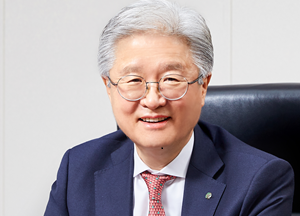
- Wook-Je Cho (59), President, CEO & Executive Director of Yuhan Corp, has set global commercialization of its new anti-cancer drug Leclaza (lazertinib) as the company’s top priority this year. Last year, the company focused on the challenge of securing first-line reimbursement coverage for Leclaza in Korea. This year, he plans to move on to the global stage and focus on securing the U.S. Food and Drug Administration (FDA) approval for its Leclaza+Rybrevant combination therapy. In addition, he emphasized that the company will focus on global clinical trials of 28 drug candidates, including a treatment for metabolic dysfunction-associated steatohepatitis (MASH) and a treatment for obesity, to achieve the company’s goal of becoming a ‘top 50 global pharmaceutical company’ by 2026, the 100th anniversary of the company's founding. " Expect FDA approval of Rybrevant-Leclaza combination... results come out within the year" Wook-Je Cho, President, CEO & Executive Director of Yuhan CorpCEO Cho recently met with reporters and pointed to ‘FDA approval of Leclaza’ as his most anticipated achievement this year. Leclaza is the 31st novel drug to be developed in Korea. It had first received approval as a second-line treatment for patients with EGFR T790M mutation-positive, locally advanced, or metastatic non-small-cell lung cancer who were previously treated with an EGFR-TKI. The past year, the company focused on expanding insurance reimbursement of Leclaza from second-line to first-line treatment. The company received approval for the drug’s first-line use from the Ministry of Food and Drug Safety in June last year and passed through the health insurance reimbursement gateway in 6 months since then. Leclaza has been reimbursed as a first-line treatment in Korea since January this year. The company’s next goal is global commercialization. Late last year, Johnson & Johnson (J&J) submitted a supplemental Biologics License Application (sBLA) and a New Drug Application (NDA) to the FDA for the approval of Leclaza in combination with its EGFR-positive non-small cell lung cancer drug Rybrevant (amivantamab) at the end of last year. The industry expects a decision to be made within this year. If Leclaza crosses the FDA threshold, it will be the first of Yuhan Corp's new drugs to enter the U.S. market. Cho said, "Together with Janssen, we look forward to pursuing U.S. and European approvals for the Rybrevant+Leclaza combination within the year. Also, we expect to see positive overall survival (OS) data following the progression-free survival (PFS) data we secured last year." The trial results for the use of the triple Rybrevant+Leclaza+chemotherapy combination therapy as a second-line treatment are also gaining attention. Janssen is currently conducting 2 studies - MARIPOSA and MARIPOSA-2. MARIPOSA is a study on the first-line use of the two-drug combination, Rybrevant+Leclaza, which the company had sought FDA approval for. At the same time, the company started a trial on the use of the 3-drug Rybrevant+Leclaza+chemotherapy combination as a second-line treatment through the MARIPOSA-2 study. The study enrolled patients who were previously prescribed Tagrisso. The second-line treatment trials are expected to provide faster market penetration results than first-line treatment trials because there is currently no treatment available after Tagrisso in the indication. Janssen and Yuhan are awaiting results on the recruitment of additional patients for the three-drug combination. Cho said, "We expect results from the Janssen-led global Phase III second-line therapy study to be available within a year," Cho said. "Will focus on discovering the next Leclaza, including treatments for MASH, allergies, and obesity" Cho also emphasized that the company will also speed up the discovery of its next Lekraza. The company is currently running non-clinical and clinical trials on its 28 drug candidates. One substance gaining particular attention is ‘YH25724,’ which is being developed as a treatment for MASH. In 2019, the company signed an out-licensing agreement with Boehringer Ingelheim for YH25724, worth USD 870 million (approximately KRW 1 trillion). Boehringer Ingelheim entered the Phase I trial for the substance in Europe in 2021. A Phase 1b clinical trial is currently underway. It has a mechanism of action that simultaneously inhibits liver fibrosis and steatohepatitis while improving metabolic function. Boehringer Ingelheim and Yuhan Corp plan to first commercialize the product for MASH, and then expand its indication to diabetes and obesity. Also of interest is ‘YH35324,’ a candidate for the treatment of allergic diseases. This candidate has a mechanism of action that binds to immunoglobulin IgE and works on protein allergies. It is expected to be used as a treatment for chronic urticaria, food allergies, and asthma. Yuhan aims to complete the domestic Phase Ib study of YH35324 within the year and apply for approval of its Phase 2 trial plan by the end of the year. ‘YH32367,’ which is being developed as a bispecific antibody anticancer drug, is expected to enter Phase Ib clinical trials in the second half of the year. It activates target tumor-specific T cell immunity, and Yuhan Corp expects to be able to acquire indications for breast, gastric, and biliary cancers in the future. In addition, the company’s clinical development pipeline includes ‘YH14618’ for degenerative disc disease, ‘YH12852’ for gastrointestinal motility disorders, and ‘YH34160’ for obesity. YH34160 is a novel, long-acting obesity treatment candidate that targets the GDF15 fusion protein. It was approved for a Phase I clinical trial in the U.S. last year, and the company is currently exploring partners to proceed with its global clinical development. Cho plans to lay the foundation for long-term global expansion with the company’s broad clinical development pipeline. Cho said, “We will focus on expanding our pipeline to next-generation anticancer drugs and metabolic, fibrosis, and immune-inflammatory therapies and speed up our entry into early clinical and non-clinical trials. We want to secure a base to expand our late-stage pipeline in the long term." Cho added, "We will expand our pipeline by actively engaging in open innovation in Korea and abroad, in addition to our focus on in-house development. We will strengthen partnerships with global pharmaceutical companies to speed up existing development projects and increase potential for technology exports." Yuhan Corp rises as an ‘M&A bigshot..." will further expand investment this year" Cho said the company will also diversify its business through active M&A with domestic and foreign companies. The company has recently risen as a big M&A player in the domestic pharma and bio industry. Last year, it acquired Progen for KRW 30 billion to work together for the development of multi-target antibody therapeutics. It also invested KRW 5.7 billion in Fermentec to produce high-quality, low-cost probiotics. In 2022, Yuhan also invested a total of KRW 32.6 billion in 9 projects, including acquiring the probiotics manufacturer AtoGen for KRW 17.5 billion. The company's total investments in the last decade since 2014 totals almost KRW 602.4 billion in 54 companies. Cho explained, “We are continuously promoting new businesses to secure future growth engines while making strategic investments to strengthen existing businesses and develop R&D. We will continue to seek opportunities to become a total healthcare company this year."

- InterView
- Patent outlook after Forxiga withdrawal in Korea
- by Kim, Jin-Gu Jan 24, 2024 12:37pm
- Forxiga If ‘Forxiga (dapagliflozin)’, a SGLT-2 inhibitor class treatment for diabetes, is withdrawn from the Korean market, the question is whether companies can begin selling generics containing the same active ingredient for the treatment of heart failure. The answer to the question is that selling Forxiga generics for the purpose of treating heart failure might be challenging. This is because the ‘method-of-use patent' describing the treatment of heart failure has been registered, regardless of the withdrawal of Forxiga from the Korean market. However, generic companies may have options available to treat kidney disease. AstraZeneca has completed the filing of the method-of-use patent for treating heart failure with the patent office. Yet, they must still complete the filing process for the method-of-use patent related to treating kidney disease. Even though the method-of-use patent for heart failure has been registered and listed for reimbursement, Forxiga withdraws from the Korean market In March 2020, AstraZeneca filed the method-of-use patent for Forxiga, which described its use in treating heart failure. The patent, titled ‘the use of dapagliflozin in treating heart failure with reduced ejection fraction,’ is set to expire in March 2040. The company faced challenges before finally obtaining patent registration. Following the initial patent filing, the company received a rejection letter from the patent office and subsequently faced two more rejection decisions. AstraZeneca revised the patent statement three times before successfully registering the method-of-use patent with a description related to heart failure in February 2022. In July of the same year, the patent was listed with the Ministry of Food and Drug Safety (MFDS). Prior to this listing, in December 2020, the indication for 'the use of dapagliflozin in treating heart failure with reduced ejection fraction' was added to the MFDS approval list. The expanded reimbursement will be applied to Forxiga. On the 19th, the Ministry of Health and Welfare (MOHW) announced that the reimbursement for SGLT-2 inhibitors, including Forxiga and Jardiance, will be expanded to the treatment of chronic heart failure, starting next month on the 1st. The issue is that AstraZeneca Korea decided to withdraw Forxiga from the Korean market between the time when the heart failure indication was added, and the reimbursement application was made. In December of last year, AstraZeneca announced its decision to withdraw Forxiga from the Korean market by the first half of this year. AstraZeneca explained it as a "portfolio restructuring decision." AstraZeneca has stated that the supply of Forxiga in Korea is secured enough until its withdrawal. However, there is concern that patients with heart failure may face limited access to Forxiga, as they will need to discontinue its once the remaining stock is depleted. Generic companies would need to challenge the 'method-of-use patent' related to the active ingredient to begin selling drugs for the treatment of heart failure The generic versions of Forxiga only have indications for type 2 diabetes because generic companies have not challenged the method-of-use patent. When generic companies began extensive patent challenges after 2015, the method-of-use patent for heart failure had not been registered. In technical terms, Forxiga generics cannot be marketed for the treatment of heart failure without nullifying the method-of-use patent. After last year’s flood of generics, certain companies used promotional materials claiming their products as being effective in treating heart failure. In response, the MFDS concluded in June last year that "promotion for the treatment of heart failure is a violation of the Pharmacist Act." As a result, companies that used such promotional materials faced a three-month suspension of advertising activities in August. Due to these reasons, generic companies are in a situation where they need to file for nullification of the patent for the use of Forxiga to treat heart failure. However, no generic companies have applied to nullify the patent for Forxiga for treating heart failure. "Many pharmaceutical companies are closely monitoring the potential nullification of the patent through cancellation applications, given AstraZeneca's decision to withdraw Forxiga," a pharmaceutical industry staff has commented and added, "Once AstraZeneca's stance becomes clear, generic companies will likely determine whether to challenge the patent for heart failure." "The headquarters are responsible for managing the patent-related matters, and there are currently no plans for patent cancellation," AstraZeneca has stated. AstraZeneca “undecided on canceling the patent”…Has not registered the kidney disease method-of-use patent The status of the patent for the treatment of kidney disease remains uncertain. Although the indication for kidney disease treatment has been added to the MFDS’s regulatory approval, an official patent has not yet been registered. AstraZeneca submitted a patent application titled 'the use of dapagliflozin in treating heart failure with reduced ejection fraction' in April 2021. However, this patent has yet to be officially registered. The Patent Office has rejected the patent registration twice, and in response, AstraZeneca has filed an appeal against the rejection decision. If the patent for treating kidney disease is officially registered, generic companies may have the opportunity to challenge it through nullification proceedings and gain approval for the indication of kidney disease. However, the current situation is complicated because there is no registered patent for kidney disease treatment, making initiating a challenge through invalidation proceedings impossible. Generic companies may have two options. One option is to wait until the kidney disease method-of-use patent is finally registered and then initiate a nullification proceeding, following a path similar to the heart failure method-of-use patent. Another option is for generic companies to modify their generic approval by adding the kidney disease indication before it is officially registered. If the kidney disease method-of-use patent is registered later, generic companies can address any potential patent infringement lawsuits that AstraZeneca might file in response. Yet, it seems that no generic companies have applied for the addition of the indication for kidney disease at this time. Additionally, AstraZeneca has stated that they are still undecided about whether they will complete the patent registration process for kidney disease, similar to the heart failure patent.

- InterView
- ‘2nd line opt for CMV is limited…should improve access'
- by Son, Hyung-Min Jan 15, 2024 05:36am
- Sung Shin, Professor of Kidney and Pancreas Transplantation at Asan Medical Center (Director of General Affairs, the Korean Society for Transplantation) An expert had suggested that we improve access to a new cytomegalovirus (CMV) treatment drug that has shown effect in patients with resistance as CMV has a major impact on transplanted organs. Sung Shin, Professor of Kidney and Pancreas Transplantation at Asan Medical Center (Director of General Affairs, the Korean Society for Transplantation) expressed so at a meeting with Dailypharm, explaining how Livtencity, which has been shown to be effective in second-line treatment, could be beneficial amid the rising number of CMV patients developing resistance to existing first-line therapies. CMV is a member of the herpesvirus family that causes infectious diseases. The risk of CMV infection is particularly high after organ transplantation when the patient’s immunity is lowered. CMV is a common complication in kidney transplant patients, to the extent that around half of the patients report infections. If not treated in time, it can lead to a variety of complications, including pneumonia and lung inflammation, but treatment options are limited for patients who develop resistance to first-line therapy, raising the need for new second-line options. Takeda's CMV therapy, Livtencity (maribavir), has demonstrated efficacy in patients who are resistant or intolerant to existing first-line therapies. In clinical trials, Livtencity demonstrated more than double the CMV viremia clearance rate compared to existing treatment options and had lower toxicity. Professor Shin welcomed the introduction of a new class of antivirals for resistant and treatment-refractory CMV and emphasized the need for its reimbursement to increase patient access to Livtencity CMV, predominantly affects organ transplant patients, and can potentially be fatal Delayed treatment of CMV can lead to the infection of various organs. Especially in the early stages of transplantation, when immunity is low, it can lead to severe pneumonia, enteritis, sepsis, and even death. CMV infection is known to be especially prevalent in kidney transplant patients. More than 2,000 patients receive kidneys in Korea every year. According to reports, more than 50% of them are infected with CMV, and more than 10% of the infected patients show infected symptoms. As much as it is difficult to receive a kidney transplant, it is also important to manage various viruses after the transplant. Professor Shin said, “CMV infection is associated with earlier loss of function in the transplanted kidneys compared to uninfected patients. Also, CMV infection is associated with a significantly higher risk of fatal pneumonia and death from severe infections.” As such, early administration of effective antiviral therapy is important for organ transplant patients susceptible to infections. However, with a reported 60% resistance rate to existing first-line antivirals such as ganciclovir and valganciclovir, only a limited range of second-line CMV treatment options exist due to toxicity issues. MSD's Prevymis (letermovir) has emerged as a prophylactic therapy for CMV infection, but can only be used up to 100 days after organ transplantation. Professor Shin explained, "The goal of CMV treatment is the achievement of complete negative viral load. We consider the treatment a failure if the virus increases after 2 weeks of treatment or does not decrease sufficiently. This could be due to the virus itself being genetically resistant to antivirals or the patient's poor medication adherence to antivirals.” "After developing a resistance, patients may use the same drug again or consider using second-line options such as foscarnet or cidofovir. However, there are limitations to the use of these agents because of their severe nephrotoxicity, which can be fatal in kidney transplant patients." Livtencity enters the scene...showing promise in patients with resistant CMV Livtencity is the drug that can address these concerns. It works by inhibiting a kinase called UL97 that allows the virus to multiply inside the cellular host. The drug’s efficacy and safety compared to existing treatment were confirmed through the Phase III SOLSTICE study. Study results showed that Livtencity demonstrated a CMV viremia clearance rate of 55.7%, more than double the 23.9% achieved with valganciclovir/ganciclovir, foscarnet, or cidofovir arms that used the drugs alone or in combinations. Also, Livtencity is associated with fewer side effects compared to existing therapies. Patients taking immunosuppressants after transplant often have poor kidney function, and Livtencity reduced their dosing burden with its low toxicity. In terms of safety, Livtencity was associated with a 1.7% incidence of neutropenia. This was 15 times lower than the 25.0% in the ganciclovir/valganiclovir arm. "The negative conversion rate was better in the Livtencity arm, and the Livtencity arm also showed a significantly higher negative conversion rate at 16 weeks of follow-up. It also showed a lower rate of adverse events such as neutropenia and nephrotoxicity, with very few discontinuations due to adverse events being reported. Livtencity’s developer Takeda’s reimbursement application for its drug had passed the Drug Reimbursement Review Committee in December last year and the company has been negotiating drug prices with the National Health Insurance Service since this month. Professor Shin stressed that insurance reimbursement is necessary for Livtencity’s broader use to benefit more patients. Professor Shin emphasized, "CMV is a virus that has a significant adverse effect on the survival rate of all transplant recipients, even among the opportunistic infections that can occur with solid organ transplant and hematopoietic stem cell transplants. Delaying its treatment increases the risk of rejection, therefore, early and effective treatment is very important." He added, "In this regard, we should welcome the introduction of a new class of antivirals for resistant and treatment-refractory CMV, as it is a blessing for transplant patients in practice. Insurance coverage for the drug is all that more important as it relieves the Livtencity’s burden of cost for healthcare providers and patients in Korea."
- InterView
- Restoring confidence post-Invossa incident was my priority
- by Kim, Jin-Gu Jan 10, 2024 05:42am
- “Even in the face of failure, do not worry. As the CEO of the company, I will take full responsibility for everything. We will engage in frequent communication. Once we reach a consensus after thorough discussions, I will bear responsibility for the outcome, regardless of the outcome.” In his inaugural speech in March of the previous year, the newly appointed CEO, Kim Sun Jin, of Kolon Life Science sent the message to the executive and staff members. Kim dedicated a year of relentless efforts toward enhancing the corporate mood after assuming the leadership position at Kolon Life Science. Kim Sun Jin, CEO of Kolon Life Science CEO Kim became affiliated with Kolon Life Sciences after joining Kolon TissueGene as an independent director in March 2020. At the time, both Kolon TissueGene and Kolon Life Sciences were heavily affected by the Invossa incident. About ten months before his joining, the U.S. Food and Drug Administration (FDA) issued a clinical hold on Invossa in May 2019. The clinical hold was lifted in April 2020, however, the clinical trials in the United States were unable to resume immediately. Patient enrollment was significantly hindered by the Covid-19 pandemic. Further complicating matters, the clinical reagents sent to the Contract Manufacturing Organization (CMO) were inadvertently contaminated with foreign substances. Faced with one challenge with another, CEO Kim, serving as a Chief Medical Officer (CMO) of Kolon TissueGene, committed himself to resolving the problem. Subsequently, the Phase 3 trials for the drug resumed a drug administration in Dec. 2021. Kim is recognized for his pivotal role in successful resumption of Phase 3 U.S. trials for Invossa (current project name: TG-C). Although the U.S. trials resumed, the overall corporate mood remained depressed. Recognizing this, Kim stressed the saying ‘Even in the face of failure, do not worry.’ in his inauguration speech. "After the Invossa incident in 2019, Kolon Life Science experienced a somewhat depressed corporate mood overall," Kim recalled. “When someone experiences failure once, the fear of failing again intensifies,” Kim added, “The setback deeply affected everyone. So, I consistently reassured them that what happened was not an individual's fault. I tried to help the members of the company heal from those wounds and rebuild their confidence.” In the 2nd year of joining, CEO restructures the company…”Reinforcing R&D and bringing synergy among the four companies” While focusing on reorganizing the company roles, Kim focused on instilling confidence. Kim placed particular emphasis on restructuring the research division. As part of this effort, research headquarters was established within Kolon Life Science on January 1st of this year, making it the first major organizational change since he assumed the CEO role. Previously, the company's research capabilities were split between bio- and chemical research, and now, these have been merged into one. Additionally, synthetic drug development has been strengthened. The analysis is that after restructuring, the focus is more on new drug development without differentiating between chemical and bio research. Kim evaluated that Kolon Life Science and associated companies have a perfect rotational structure. With Kolon Life Science in the center, Kolon TissueGene is responsible for new drug R&D and clinical development, Kolon Biotech manages production, and Kolon Pharma manages domestic distribution and sales of these products. It is intended to encompass the entire process from discovering new drug candidates to production, distribution, and sales. However, Kim expressed some reservations about the level of organic integration among these companies. Kim believes that there is still room for improvement in utilizing the potential and capabilities of each company up to 100%. "After joining the company, I realized that, with the exception of Kolon Pharma, which is already normalized, other companies fell short," Kim remarked and added, "I focused on eliminating redundant functions across the four companies and internalizing as many R&D technologies as possible." Kim also announced that each company will specialize in R&D based on specific diseases and substances. The goal is to restructure and enhance the efficiency of R&D by allowing each company to maximize its unique expertise. "Just as a conductor leads an orchestra to bring out the unique talents of each musician, we will strive to create synergy among the four companies, allowing them to maximize their respective expertise in research and development, clinical development, production, and distribution," Kim remarked. “Invossa U.S. trials are nearing completion…In development with more stringent conditions” With the new organization, Kim’s goal is to successfully complete the clinical trials for Invossa (TG-C) in the short term and approach the commercialization of other candidate substances in the long term. For Invossa clinical trials, U.S. Phase 3 trials are nearing completion. The patient registration is closing. Industry experts predict that the trials will be near completion by early this year. Following the trial's completion and a subsequent two-year follow-up observation period, the company will be able to submit a Biologics License Application (BLA). “Invossa and TG-C are essentially the same substance,” Kim explained. “While there are minor differences in the volume and manufacturing of cells used in Korea and the United States, there aren’t any differences in the aspect of the safety and the efficacy.” “In cell and gene therapies, differences due to gender, age, or race are typically negligible. Therefore, the results from clinical trials conducted in Korea might be replicable in U.S. trials” Kim said. “I cautiously speculate that we can potentially achieve approval without significant difficulty.” However, having faced setbacks previously, Kim intends to stay vigilant until the very end. Therefore, the U.S. clinical trials will implement more stringent conditions. “For treatments targeting pain, external factors can influence the clinical outcome greatly. I wouldn’t jump to conclusion. We must stay focused until the completion,” Kim added. “While the overall clinical design is similar to that in Korean clinical trials, the U.S. trials are being conducted under more stringent conditions. To that extent, we are confident about these clinical trials,” Kim stressed. Kim elaborated that the development of other candidate products, in addition to Invossa, is actively progressing. Kim added that 'KLS-2031,' a potential therapeutic for radiculoneuropathy, is currently subjected to sub-group analysis with results from the concluded Phase 1/2a clinical trials in the United States. At the same time, non-clinical trials designed to expand indications are nearing completion. For 'KLS-3021,' a chemotherapy candidate currently in development, its indication was determined after additional non-clinical testing. The toxicity and distribution testing is in process prior to clinical trial entry. Kim, as an expert in clinical translation, emphasized the importance of innovative clinical trial designs. “A notable issue in the Korean pharmaceutical and biotech industry is the tendency to replicate clinical designs from overseas. I strongly oppose this approach. Instead, development of innovative designs optimized for candidate substances is needed,” Kim stated.

- InterView
- ‘RCC treatment should reflect international guidelines’
- by Son, Hyung-Min Jan 09, 2024 05:49am
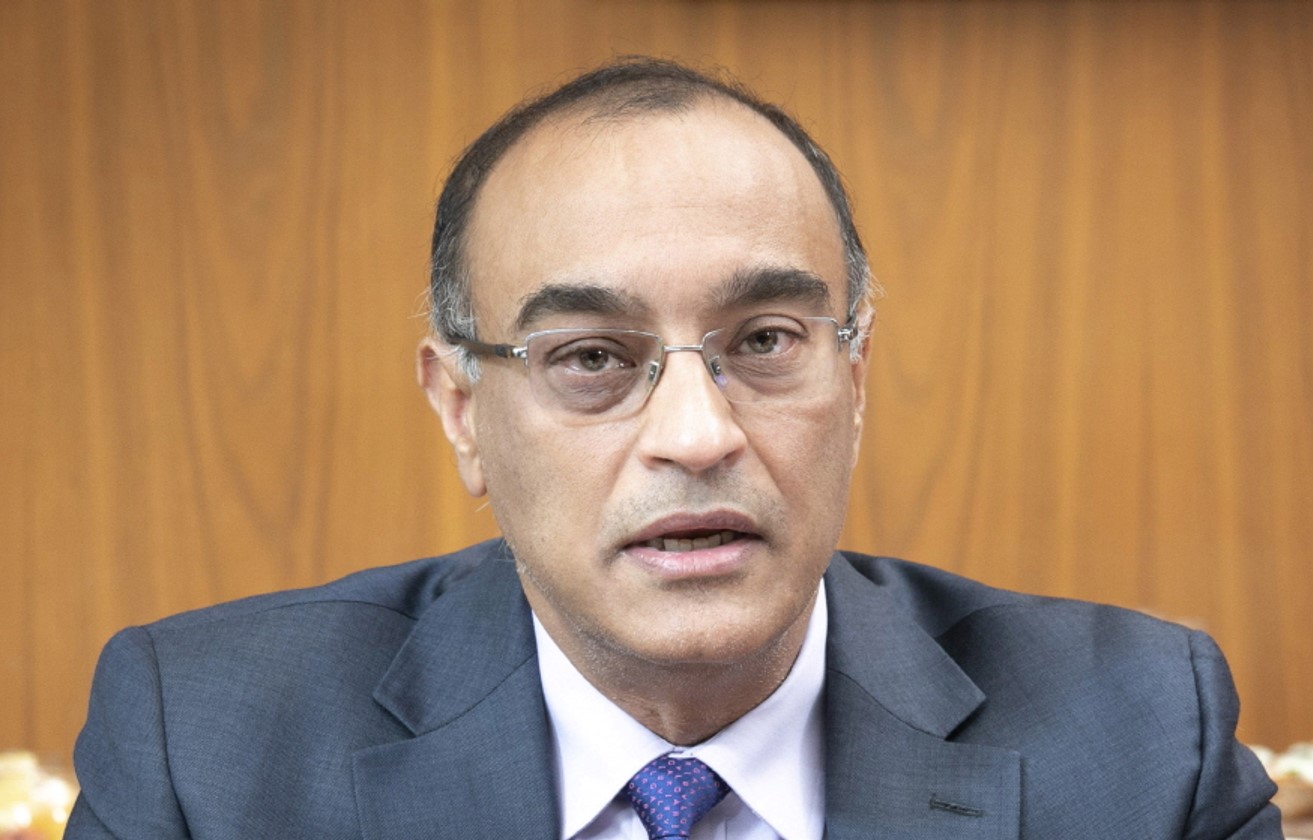
- In-Keun Park, Professor of Oncology at Seoul Asan Medical Center The treatment paradigm for renal cell carcinoma has been changing with the emergence of immuno-oncology drugs, but the latest practice guidelines for the disease are not being reflected in practice in Korea. In-Keun Park, Professor of Oncology at Seoul Asan Medical Center stressed how treatment options for patients with recurrent renal cell carcinoma are limited. In the first-line treatment of renal cell carcinoma, immuno-oncology drugs have been approved and have been successful in improving survival rates. However, treatment options for recurrent patients remain limited. As renal cell carcinoma is often diagnosed at an advanced stage, it has a poor prognosis and a high rate of recurrence. Therefore, it is important to secure a variety of options for each line of treatment, but when looking at the currently available second-line options, there are fewer drugs available in the second-line than in the first-line. Professor Park stressed how securing treatment options for RCC after immuno-oncology drugs by referring to international guidelines can improve the survival rate of RCC patients in Korea. Introductino of immuno-oncology drugs for renal cell cancer change the treatment paradigm Professor Park believes that the introduction of immuno-oncology drugs has completely transformed the treatment paradigm for renal cell carcinoma. Currently, 4 treatment options that include immuno-oncology drug combinations are approved in Korea as a first-line treatment for renal cell carcinoma. ▲The combination of BMS's immuno-oncology drugs Opdivo (nivolumab) and Yervoy (ipilimumab); ▲combination of Opdivo and Ipsen's targeted anticancer drug Cabometyx (cabozantinib); ▲ combination of MSD's immuno-oncology drug Keytruda (pembrolizumab) and Eisai’s targeted anticancer drug Lenvima (lenvatinib); and ▲ combination of Keytruda and Pfizer's targeted anticancer drug Inlyta (axitinib) are available for the first-line treatment of renal cell carcinoma. The Immuno-oncology drug+ immuno-oncology drug and immuno-oncology drug+targeted anticancer drug combinations have increased survival in patients with renal cell carcinoma. However, in Korea, only the combination of Opdivo+Yervoy is granted reimbursement. Also, the insurance only covers treatment with the combination for two years. Professor Park said, “Immuno-oncology drugs are a game changer that transformed the treatment of renal cell carcinoma. Before, when the targeted anticancer drug Sutene (sunitinib) was the standard of care, patients with poor prognostic factors had a life expectant that did not last one year," He added, “In Korea, the Opdivo+Yervoy combination is the most commonly used, and its progression-free survival (PFS) often exceeds 1 year. However, the combination is only covered for two years in Korea, so it is difficult to predict the outcome after that." While it is possible for patients to treatment with immuno-oncology drugs without reimbursement, its cost is burdensome. For Opdivo alone, patients have to pay more than KRW 4 to 5 million a month as out-of-pocket costs. “Also, due to the limited reimbursed options in the first-line, patients are almost always forced to use the Opdivo+Yervoy combination. Major guidelines recommend the Opdivo+Cabometyx combination and the Keytruda combination for low-risk patients in first-line treatment, but these are difficult to use in the field due to their non-reimbursement." Limited reimbursed treatment options after first-line treatment Immuno-oncology drugs have been successful in improving survival in first-line renal cell carcinoma, but treatment options for recurrent patients remain limited. Reimbursed second-line treatment options for renal cell carcinoma in Korea are Pfizer's Sutene, GSK's Votrient( pazopanib), and Inlyta. Cabometyx has demonstrated improved overall survival (OS), progression-free survival (PFS), and objective response rate (ORR) over Novartis’ Afinitor (everolimus) in recurrent renal cell carcinoma patients, but is non-reimbursed in Korea. In the METEOR trial, Cabometyx demonstrated a median PFS of 7.4 months, OS of 21.4 months, and ORR of 24%, making it the only second-line treatment option in renal cell carcinoma that showed efficacy in all three measures. However, its use is further limited due to its indication in addition to its non-reimbursement. The drug is approved in Korea as a monotherapy for patients with advanced renal cell carcinoma who have been previously treated with VEGF (vascular endothelial growth factor) targeted therapy. In-Keun Park, Professor of Oncology at Seoul Asan Medical Center Moreover, Cabometyx is not indicated for use in patients who developed resistance to first-line standard-of-care immuno-oncology combination treatment, because a VEGF inhibitor has not been used in the previous line of treatment. Professor Park explained, “Studies have confirmed the efficacy of Cabometyx over other second-line treatments, and has shown better results compared to Sutene as a first-line treatment in intermediate- and high-risk renal cell carcinoma.” He added, “When we look at the data from recent real-world studies and smaller studies where patients were administered Cabometyx after immuno-oncology treatment, the results are not bad. We're seeing response rates from 30%, up to 50%. However, its limited indication has made it difficult to use Cabometyx as second-line therapy.” The treatment paradigm is shifting...expert and international practice guidelines should be reflected#EB Professor Park emphasized that as international guidelines for renal cell carcinoma have changed, these latest treatment trends should also be reflected in Korea as well. International guidelines, including the National Comprehensive Cancer Network (NCCN), the European Society for Medical Oncology (ESMO), and the European Association of Urology (EAU) recommend Cabometyx as the first-line treatment for renal cell carcinoma after use of immuno-oncology drugs in the first-line. However, in Korea, it is difficult to prescribe Cabometyx in the second line due to its limited indications and reimbursement conditions. Professor Park said, “I understand that the government needs to closely review the effectiveness of drugs based on clinical results. However, in line with the changing environment for first-line treatment of renal cell carcinoma, the insurance standards for later lines of treatment should reflect the opinions of experts related to pharmacological mechanisms and international guidelines. This is because many limitations remain to reconduct clinical trials and change the indication.” In other countries like Japan, Japan allows reimbursement for a single cancer type, regardless of the stage of treatment. In the United States, therapies are allowed to be used off-label if there is evidence to support it. As such, Professor Park explained that the treatment paradigm for renal cell carcinoma has changed internationally, but is not being reflected in Korea and goes against the constantly changing treatment trends with the excuse that it lacks clinical results. "We should aim for evidence-based medicine, but in the end, I would like the government to be more considerate of what is the optimal treatment for the people. In the process, treatment standards should be based on expert opinions and international guidelines.”
- InterView
- Targeted cardiomyopathy drug, Camzyos effective in Asians
- by Son, Hyung-Min Dec 19, 2023 11:19am
- Milind Y. Desai, a professor of Department of Cardiovascular Medicine at Cleveland Clinic, US The first targeted treatment option for obstructive hypertrophic cardiomyopathy has finally emerged. Obstructive hypertrophic cardiomyopathy (oHCM) is a sub-classification of hypertrophic cardiomyopathy that is characterized by LV outflow tract (LVOT) obstruction impeding blood flow from the heart to the rest of the body. Previously, the treatment options for HCM were limited to chronic disease treatments such as beta-blockers and calcium channel blockers. While these drugs could indirectly manage HCM symptoms, if there was no improvement, there were no other treatment options besides surgery. In this context, BMS’s development of Camzyos offered a targeted therapy option for HCM. Camzyos differs from existing drugs as it directly inhibits myosin, leading to improvements in symptoms and exercise capacity in patients. Camzyos functions by reducing the number of actin-myosin cross-bridges that constricts cardiac muscle, thus relaxing the cardiac muscle. In clinical trials, once-daily administered Camzyos showed significant improvement, bringing about half of the patients to asymptomatic levels. Additionally, 74% of patients experienced considerable improvement in obstructed left ventricular outflow, to the point where they no longer required consideration for Septal Reduction Therapy (SRT). Based on such clinical results, Camzyos was approved in May in Korea, becoming the first drug in Asia to be approved to enhance exercise capacity and alleviate symptoms in adult patients with symptomatic oHCM. Milind Y. Desai, a professor of Department of Cardiovascular Medicine at Cleveland Clinic in the US, analyzed that the demand for Camzyos will rise in medical settings based on results of the studies on Asian patients, as they have shown results consistent to those observed in global clinical studies. Q. What is the current global prevalence of HCM? The estimated global prevalence of HCM is about 1 in 500 or 1 in 200 people. Considering these figures, millions of people worldwide should be diagnosed with HCM; however, approximately 85% of these cases go undetected due to misdiagnosis, underdiagnosis, or delayed diagnosis. Based on a prevalence rate of 1 in 500, in the US with a population of approximately 340 million, it's estimated that there should be about 700,000 people diagnosed with HCM. However, the current number of diagnosed patients is estimated to be only about 100,000 to 120,000. This suggests a substantial disparity between the actual prevalence of the condition and the number of diagnosed cases. Q. What is the treatment strategy for HCM? Until recently, the treatment strategy for HCM primarily concentrated on alleviating symptoms. With no medications specifically approved for HCM, drugs for coronary artery disease, such as beta-blockers, calcium channel blockers, and disopyramide, were used for treating HCM. If symptoms failed to improve with these medications, patients had only invasive treatments, such as surgery, as alternatives. Unlike any existing treatments, Camzyos is the first therapy to directly target the underlying pathophysiology of HCM. Camzyos can inhibit excessive actin-myosin cross-bridges in cardiac muscle. By allowing only the necessary amount of actin-myosin binding to occur, it normalizes the excessive cardiac contractions, effectively treating the obstructed cardiac structure and its related symptoms. Q. In clinical trials, symptoms and exercise capacity of the patients who received Camzyos were significantly improved. In the EXPLORER-HCM trial, patients who received Camzyos achieved both primary and secondary endpoints with significant improvements over those who received placebo. A higher percentage of Camzyos-treated patients achieved each of the composite functional end point (an improvement of at least 1.5 mL/kg/min in peak oxygen consumption (VO2) accompanied by an improvement from baseline of at least one NYHA functional class, an improvement from baseline of 3.0 mL/kg/min or greater in peak VO2 maintaining NYHA functional class) compared with the placebo group. Patients treated with Camzyos showed a higher proportion of relieved LVOT pressure gradients towards normal levels and enhanced quality of life compared to the placebo group. Overall, Camzyos showed significant improvements across all evaluated parameters when compared to the placebo, thereby confirming its superiority in terms of both safety and efficacy. In addition to sustained effectiveness observed in clinical trials, patients treated with Camzyos showed reduced hypertrophied cardiac muscle thickness and size to optimal levels and were resolved of issues with stiff cardiac muscles. Furthermore, in a separate clinical study, EXPLORER-CN which had been conducted in Chinese patients, the results were consistent with those observed in global studies, despite the fact that these patients started treatment at lower doses, confirming Camzyos is an effective treatment option for Asian patients. Q. If you have experience prescribing Camzyos, what actual treatment outcomes have observed with its use? How has it impacted patients’ prognosis and satisfaction with the treatment? Currently, approximately 7,000 patients across the US are receiving treatment with Camzyos. The real-world data indicates a discontinuation rate of Camzyos therapy at around 2.2%, which is lower than what was reported in clinical trials. Among the patients receiving Camzyos treatment at the Cleveland Clinic, there were no cases requiring myectomy, and even patients who had previously undergone myectomy at other medical institutions without symptom improvement have shown a positive prognosis after starting Camzyos treatment at the Cleveland Clinic. Q. In August, the European Society of Cardiology (ESC) updated its HCM guideline. What are the most noteworthy changes? In the past, HCM guidelines had to rely on limited evidence, such as small-scale observational data from individual institutions, retrospective analysis, or consensus opinions from experts. For the past nine years since 2014, there were no drugs that has produced enough data to justify updating the guidelines. During this period, no drugs have received a recommendation with a level of evidence higher than B. However, Camzyos has completely changed the circumstances. With significant efficacy demonstrated in two large-scale Phase 3 randomized controlled trials (RCT), Camzyos has received a recommendation of A based on the newly revised ESC guidelines, making it the first treatment option to receive the highest level of evidence. Nevertheless, there was some surprise and disappointment as Camzyos had hoped to receive a Class 1 recommendation but was instead granted a Class 2A recommendation. Currently, the American College of Cardiology (ACC) and the American Heart Association (AHA) are also preparing for guideline updates, with new announcements expected early next year. Q. In conclusion, how do you predict the paradigm of the HCM treatment will shift in the future? The first step would be assessing the patients diagnosed with HCM for the presence of symptoms. If symptoms are present, treatment could begin with first-line treatment options such as beta-blockers, calcium channel blockers, or disopyramide. If initial drugs fail to alleviate symptoms in HCM patients, it may be more effective to consider transitioning to Camzyos at an appropriate time, rather than simply increasing the dosage and continuing the treatment. However, it's important to know that treating HCM isn't a linear progression from beta-blockers to Camzyos, and then to surgery. Treatment should be tailored to the patient's specific condition, which might necessitate moving back and forth between these stages. The precision medicine approach is already applied in the field of HCM, with AI-based diagnostic tools identifying more patients, and therapies targeting specific genetic mutations are under exploration. Considering these advancements, the future of HCM treatment is expected to become more diverse, offering therapeutic options that are more appropriately tailored to each patient's circumstances.

- InterView
- ‘Leclaza can occupy 50% of mkt if used as combination'
- by Jung, Sae-Im Jul 28, 2023 05:30am
- Yuhan Corp’s Leclaza (lazertinib) was the first homegrown new drug to be approved as a first-line treatment for EGFR mutation-positive non-small-cell lung cancer. The industry’s eyes are now on how the drug will fare in the global market. Will Leclaza be able to rise as a new contender to AstraZeneca’s ‘Tagrisso (osimertinib)’ that is dominating the global market? The key lies in the clinical results of 'MARIPOSA', which is being conducted by Janssen. The Phase III MARIPOSA study directly targets the current first-line standard-of-care Tagrisso with Janssen’s ‘Rybrevant (amivantamab)’ and Leclaza combination. If the Rybrevant+Leclaza combination demonstrates a progression-free survival (PFS) superior to that of Tagrisso, this could bring major change to the current treatment environment. The interim results of MARIPOSA phase 3 are expected to be presented at the European Society for Oncology (ESMO) Congress 2023 which will be held in October. “If the MARIPOSA trial ends a success, third-generation options for the first-line treatment of EGFR-mutation-positive NSCLC will increase to 3 (Tagrisso, Rybrevant+Leclaza, Leclaza). I think it's very significant that two-thirds of the options include the use of Leclaza." Professor Byoung-Chul Cho (Medical Oncology, Yonsei Cancer Center) and Professor Ki Hyeong Lee (Hemato-Oncology, Chungbuk National University Hospital) Professor Byoung-Chul Cho (Medical Oncology, Yonsei Cancer Center) and Professor Ki Hyeong Lee (Hemato-Oncology, Chungbuk National University Hospital) met with the reporter at the LASER Symposium that was held on the 22nd for medical oncologists and relayed their anticipation on Leclaza’s potential as a global new drug. According to clinicaltrials.gov, a registry and results database of clinical studies, the MARIPOSA study divided 1,074 patients around the world into three treatment arms. Treatment Arm A will receive Rybrevant+Leclaza and Arm B and C will each receive Tagrisso and Leclaza as monotherapy. The study seeks to demonstrate that the Rybrevant+Leclaza combination therapy is superior to Tagrisso. Tagrisso has settled as the global standard of care with progression-free survival (PFS) of 19 months when used in the first-line. Therefore, achieving a statistically significant superiority will be very difficult. Conversely, if the clinical trial produces good results, it would also be that much of a game-changer. Professor Cho said, “The standard for statistical significance was set quite high in the clinical trial that compared Rybrevant+Leclaza and Tagrisso. I have high expectations for the study because I believe the cancer treatment paradigm will shift from the use of monotherapy to combination therapies. After the results of the MARIPOS clinical trial are presented, the company will sequentially start its approval process in the US. If approved, two of the three options in the field will include the use of Leclaza, and simple arithmetic can tell us that the drug can occupy up to 70% of the market share. "This will have a significant impact on prescriptions," he predicted. Although it is not the main point of the trial, the study may also serve as an opportunity to recognize the effect of Leclaza once again as it also evaluates Leclaza and Tagrisso as monotherapy in one trial. Leclaza demonstrated a long progression-free survival of 20.6 months in the global Phase III LASER301 trial that was presented last year. Although this is longer than what Tagrisso had achieved in its Phase III trial, the two are not directly comparable due to the different patient groups enrolled in each study. The MARIPOSA study includes Tagrisso and Leclaza monotherapy arms, which allows for the efficacy between the two to be examined. Professor Lee said, “I want to know if the results from the LASER301 clinical trial and its subgroup analysis will show consistently in the MARIPOSA study. If we see positive results in that trial, it would be an opportunity for HCPs to recognize the efficacy of Leclaza. If successful, I believe Leclaza would be able to take over 50% of the market.” Tagrisso is also seeking to expand its indication through the FLAURA2 trial, which examined Tagrisso’s use in combination with chemotherapy. The combination obtained statistically significant top-line results recently and will announce the results in the second half of the year. However, the professors believe the FLAURA2 trial will not cause a major change in the current treatment landscape. Professor Cho held the 1st generation gefitinib+chemotherapy combination in the past as an example. The combination had shown a significant improvement in overall survival (OS), and a related paper was published in the Journal of Clinical Oncology (JCO) published by the American Society of Clinical Oncology (ASCO) and also listed in international guidelines. However, no one has been actually prescribing this combination on-site. Cho added, “Those who have experience dealing with a lot of EGFR mutations are confident that they can achieve the same results with monotherapy without adding chemotherapy. Adding chemotherapy is effective with immunotherapy, but the situation is different in EGFR-mutation-positive NSCLC, as we are already achieving high response rates with targeted therapies alone. The MARIPOSA trial is at another level compared with the FLAURA2 trial.” Professor Lee said, “Chemotherapy not only brings side effects, but I'm just personally not sure if it works. I think chemotherapy will disappear from the market in the future. With the advent of targeted therapy, there is no reason for us to go back and use chemotherapy, so it is difficult to understand why we should consider using it again even as a combination.”

- InterView
- Immunotherapy for early lung cancer was used
- by Jun 29, 2023 05:56am
- As immuno-anticancer drugs can be used in early lung cancer, the prognosis of patients is improving. Unlike before, when chemotherapy and concurrent chemoradiation were all, it is evaluated that the number of cases of 'complete pathological remission' has increased. Opdivo was approved by the Ministry of Food and Drug Safety in October of last year for adjuvant therapy before non-small cell lung cancer surgery. This is the first case in which immuno-oncology drugs have advanced into adjuvant therapy before surgery. Specifically, Opdivo can be used along with chemotherapy in non-small cell lung cancer patients with tumors larger than 4 cm or with positive lymph nodes. The treatment proceeds by using 3 cycles of Opdivo + chemotherapy and undergoing surgery. Prof. Lee Kun-guk (left), Prof. Ahn Byeong-cheol (right), National Cancer Center Lee Kun-Guk, a professor of pathology at the National Cancer Center, gave a positive evaluation, saying, "The introduction of immuno-anticancer drugs has greatly increased the number of cases of pathological CR, which were rarely seen before." "CR was observed in 5 out of 7 cases at our hospital. Through a conversation with Professor Lee and Professor Ahn Byeong-Cheol of the Department of Hematology and Oncology at the National Cancer Center, Daily Pharm examined the changes brought about by the advent of immuno-anticancer drugs in adjuvant therapy before lung cancer surgery. -We know that the way to expect a complete cure for early lung cancer is through surgical treatment. What is the percentage of patients who can undergo surgery by stage? There are cases of recurrence even after surgery. What if there has been an unmet need? =Professor Ahn Byeong-Cheol (referred to as Professor Ahn): Looking at each stage, 80% of stage 1, 60% of stage 2, and 50% of stage 3A can be operated. It is known that all stages 1 to 3A can be operated, but not all patients can operate because of the complex effects of various factors, such as the patient's psychological burden for surgery and the state of the disease, in addition to the stage. Lung cancer is a carcinoma with a high recurrence rate, with studies showing that even stage 1 patients recur up to 40%. Three out of four patients with stage 3 disease with a high stage show recurrence. Therefore, there has always been an unmet need for therapies that can reduce the recurrence rate and improve the prognosis. There have been many attempts to increase the success rate of surgery by reducing the size of the tumor as an adjuvant therapy before surgery for patients with a difficult surgery. However, chemotherapy, which was a representative preoperative adjuvant therapy, did not show a therapeutic effect to such an extent that the pathological CR ratio remained in the single digits. Simultaneous chemoradiation had limitations due to toxicity and side effects such as pneumonia, decreased lung function, and adhesions. -Recently, immuno-anticancer drugs appeared in adjuvant therapy before lung cancer surgery in combination with chemotherapy. I am curious to see how much treatment has been achieved with the experience of actually prescribing this therapy. =Professor Lee Kun-Guk (Professor Lee): So far, immunotherapy was used as an adjuvant therapy before surgery in 7 cases, and in 5 of them, so-called pathological CR, in which lung cancer was not found, although lumps remained, could be confirmed. Certainly, it shows a significantly improved treatment effect compared to previous preoperative adjuvant therapy. Previously, pathological CR was rarely reached. Therefore, it was difficult to evaluate the treatment effect. If complete pathological remission is frequently achieved, as in the combination of Opdivo and chemotherapy, a significant part of the worry can be relieved from the perspective of medical staff. If it is confirmed that there is no cancer mass when observed under a microscope, a lot of burdens is relieved for pathologists who have to quantify the treatment effect. -Are there any concerns about missing the right time for surgery when treated with adjuvant therapy before surgery? =Professor Ahn: I think it is homework to be solved in the preoperative adjuvant treatment. Statistically, less than 10% of patients who were able to undergo surgery may miss the timing due to adjuvant therapy before surgery and may not be able to undergo surgery. However, the ratio of patients who underwent surgery in clinical trials with this immunotherapy was 83.2%, higher than 75.4% of the chemotherapy alone group. Ultimately, I think it is important for medical staff to select and treat patients who are suitable for preoperative adjuvant therapy. -Opdivo + chemotherapy combination therapy has been approved for use regardless of the PD-L1 expression rate and major gene mutations. Is there any difference in actual effect? =Professor Ahn: The higher the PD-L1 expression rate, the higher the therapeutic effect of immuno-anticancer drugs. The higher the PD-L1 expression rate, the lower the risk of recurrence and the higher the pathological complete response rate. However, since it showed a significant improvement effect in all patient groups regardless of the PD-L1 expression rate, it is prescribed regardless of the actual clinical setting. =Professor Lee: In patients with target gene mutations, the effect of immuno-anticancer drugs is relatively low, and a follow-up study on this is likely to be necessary. However, I think it is meaningful in that the opportunity for adjuvant therapy before immuno-oncology surgery is open to all patients. -It is expected that the importance of pathological examination will be further emphasized in lung cancer treatment. What do you think the pathological diagnosis system needs to change in the future? =Professor Lee: I think the pathology examination fee needs to be improved. About 400 genes are identified by the NGS test at medical institutions, and the fee is 1.5 million won based on the main hospital, which is a secondary hospital. This is a very small amount compared to about 6 million won in the United States. In Korea, the number of genes required to be tested is low compared to the number of genes that need to be tested, making it difficult for NGS testing to be universalized. Personally, I think NGS testing will become more common in more hospitals if NGS testing is lightweight and appropriately priced so that only necessary genes are tested rather than testing all 400 genes.
- InterView
- The use of HTN combi tx in Korea is the highest in the world
- by May 23, 2023 05:53am
- Park Chang-kyu, Chairman of the Society of Hypertension (Korea University Guro Hospital) (photo by Dailypharm) Korea is the best in the world for complex drugs related to hypertension and hyperlipidemia. The drugs prescribed for each patient’s condition will change, but recently there is a growing trend to use complex drugs that are convenient to take.” Park Chang-gyu, chairman of the Society for Hypertension (Professor, Cardiovascular Center, Korea University Guro Hospital, 64), met with Dailypharm at the '2023 Korean Society of Hypertension Spring Conference' held at Exco in Daegu on the 20th and said this. Park Chang-gyu, president of the Society, graduated from Korea University College of Medicine and received a master's degree from the graduate school. He received a doctorate in internal medicine from Korea University School of Medicine. He was an exchange professor at the University of Ottawa, Canada. Since 2014, he has been the head of the cardiovascular center, the head of internal medicine, and the chairman of the faculty council at Korea University Guro Hospital. Since last year, he has been serving as the president of the Hypertension Society. Hypertension is one of the chronic diseases that most require lifelong treatment. This disease can lead to a healthy life through management and treatment. If it is judged asymptomatic and not treated, it can lead to fatal complications. Essential hypertension occurs in 90% of hypertensive patients. It is a disease that is difficult to treat because the cause is unknown. Efforts to control blood pressure to normal should be made for the rest of pt's life. "The trend of prescribing high blood pressure drugs has changed to prescribing a combination drug rather than giving individual drugs such as ARB or CCB," said Park. "It has already been published in papers that the combination drug is beneficial for patient treatment," Park said. Park also presented his opinion on areas where pharmaceutical companies can secure competitiveness in the complex drug market where competition is overheated. “To strengthen the competitiveness of complex drugs, first of all, the scientific basis for the treatment effect or safety is the most important,” said Chairman Park. There will be," he said. Park also said, "Some companies can coat drugs well so that side effects such as gastrointestinal disorders do not appear, and some companies can develop improved formulations for drugs that are weak to moisture and can show reasonable drug prices by improving the production process." "Considering various factors such as technology and price competitiveness, we will be able to secure the competitiveness of high blood pressure combination drugs," he said. With an increasing number of young hypertensive patients, “We will engage in community education and exchanges with global societies” Park also introduced that the number of young hypertensive patients is increasing and that active management and treatment are needed, as well as strengthened treatment guidelines. According to HIRA's health care big data, hypertensive patients aged 20 to 29 increased from 29,123 in 2017 to 42,048 in 2021, a 44.4% increase. During the same period, the number of hypertensive patients aged 30 to 39 increased by 26.6% from 166,644 to 210,890. Park plans to further publicize the revised treatment guidelines in November last year for the increasing number of young hypertensive patients and health care at the age of 100 years old. The revised 2022 hypertension treatment guidelines recommended lowering the target blood pressure to 130. The target blood pressure was lower than the previous guideline. The Society of Hypertension also gave a recommendation grade for the appropriate use of combination drugs through an amendment. This means that it is recommended to consider treatment more actively than before. Park said, “Now, except for simple hypertension, most hypertension meets the enhanced blood pressure standard.” “It was announced in November 2022, but education that introduces the reason for lowering the standard and research needs to be known more starting this year.” "he said.
