
- LOGIN
- MemberShip
- 2026-06-13 20:42:38

- InterView
- ‘Even a 0.2 vision is a miracle to some’
- by Eo, Yun-Ho May 15, 2023 05:41am
- Professor Suk Ho Byeon The reason for the slow development of new drugs in a specific disease can usually be attributed to one of the following two reasons. Low disease awareness or difficulty in developing the drug itself. The one-shot gene therapy Novatis’s ‘Luxturna (voretigene neparvovec)’ is a drug that overcame both barriers. Luxturna, which is a treatment for IRD (Inherited Retinal Dystrophy) caused by the mutation in both copies of the RPE65 gene, is the first treatment option developed for the difficult rare genetic condition. IRD is a rare intractable disease caused by a mutation in the gene responsible for the structure and function of retinal visual cells. It includes over 20 types of ophthalmologic conditions, and around 270 causal genes are known to be implicated in IRD. RPE65-IRD, caused by the mutation in both copies of the RPE65 gene, causes abnormalities in the visual cycle of the retina that converts visual information into a neural signal and delivers it to the brain. The mutation in the RPE65 gene reduces the RPE65 protein essential to the visual cycle and destroys the retinal cell, gradually narrowing the field of vision to eventually result in loss of vision. With only 6 patients found with IRD in Korea, patients with the condition reach legal blindness in their adolescence, at about 16 to 18 years of age, then progress to complete blindness. Due to the lack of a fundamental cure, only conservative treatment that could temporarily delay symptoms was available until now. WIth its release, Luxturna became the first drug introduced into the field that could prevent blindness. Dailypharm met with Professor Suk Ho Byeon, Department of Ophthalmology at Sinchon Severance Hospital to hear about the significance of RPE65-IRD and Luxturna. Professor Byeon had recently coauthored a consensus paper on RPE65-IRD published in the Korean Journal of Ophthalmology, an English journal published by the Korean Ophthalmological Society. -The consensus paper you released recently seems to have covered the whole content on RPE65 mutation-associated IRD starting from its concept. It felt more like a clinical practice guideline. Does the fact that this paper was published signify the lack of content on the diagnosis and management of RPE65-IRD in Korea? It can be said so. Due to the characteristics of the disease, treatment is rare in any form of IRD. Not many doctors have experience using drugs to treat the disease. So we tried to relay the existence of such a disease and the need to look for the disease. With the first drug released fRPE65-IRD, hope is rising among all IRD patients including those with genetic mutations other than the RPE65 mutation. However, since there was little information arranged on the disease itself as well as its diagnosis and treatment, we decided to bring together experts who had experienced or were familiar with the disease in Korea to arrange the information on the disease. The consensus paper includes information on what RPE65-IRD is, what kind of patients are considered to have IRD, its global epidemiology and epidemiology in Korea, to which extent genetic mutations are reported, and how and whom should receive gene tests for the disease. -As you’ve mentioned, the consensus paper includes content on finding the subjects that should receive genetic testing. Which parts should the doctor check during gene testing? One of the most prominent characteristics in these patients is that they had poor eyesight from an early age. This may be difficult to notice during infancy, but over time, the patient’s eyesight decreases significantly compared to normal people and is accompanied by night blindness. However, with so many areas bright at night, night blindness is sometimes discovered late these days. Patients with severe symptoms also experience eye tremors. However the features of the disease can vary even among patients affected with the same genetic mutation. Some patients show fewer symptoms and some do not have night blindness. Therefore, the disease is difficult to identify based solely on symptoms. Therefore, in pediatric patients, I think it is better to proceed and conduct a genetic test even if at the smallest suspicion. -So Luxturna was released in the field that had no available drugs. The drug received attention as the first gene therapy for ophthalmic diseases. What is your opinion on the value of the drug? That would be difficult for general ophthalmologists to judge. I can better explain its significance because I have experience treating patients with Luxturna. Patients with poor eyesight ever since childhood rarely visit the hospital, so doctors often do not know how these patients are faring. In that sense, it is difficult to estimate how much a patient's life would have improved with improved eyesight. Ophthalmologists measure both visual acuity and visual fields. This index of visual acuity and field of view measures how far off the patients’ eyesight is from those of normal people. Patients who were treated with Luxturna showed much improvement in the visual field and visual acuity. The improved visual acuity was about 0.2. For non-patients, visual acuity of 0.2 may feel like a poor condition, but for those that had almost no vision, even a 0.2 vision can be of great benefit. I was very surprised to see a patient I treated working part-time at a coffee shop. A patient who could go blind escaped the danger with Luxturna. In this sense, the effect of such treatment should not be judged based on standards set for normal eyes. - Luxturna received the non-reimbursement decision last month from the National Health Insurance Review and Assessment Service’s Drug Reimbursement Evaluation Committee. The committee pointed to how the condition is not life-threatening and is a high-priced drug as a barrier to reimbursement. There also seems to be a difference between the government and pharmaceutical companies regarding reimbursement standards. Reimbursement is a complex issue that requires broad and serious considerations. Since Luxturna is a gene replacement therapy, I know there have been disagreements on the remaining target cell and the criteria for recognizing its effect. As a doctor, I can definitely say that there can be no crystal-clear standard for evaluating living cells. Some cases can only be determined after treatment. Since it is such a rare condition, it is difficult to even estimate how many cases there will be.
- InterView
- Samsung Bio, investing in Swiss ADC bio company
- by Hwang, Jin-joon Apr 13, 2023 05:43am
- Panoramic view of Samsung Biologics. (Photo Samsung Biologics) Samsung Biologics announced on the 12th that it invested in Araris Biotech AG through the 'Samsung Life Science Fund' along with Samsung C&T. This investment was conducted exclusively by Samsung as a strategic investor (SI) prior to Araris Biotech AG's Series A phase. The investment is expected to be used for the further development of antibody-drug conjugate (ADC) candidates by Araris Biotech AG. ADC is a drug that combines a drug with an antibody and is one of the next-generation treatments. Araris Biotech AG is a company established in 2019 through the Federal Institute of Technology in Zurich, Switzerland. It has next-generation ADC linker technology. Araris Biotech AG's next-generation ADC linker technology has the advantage of attaching drugs to off-the-shelf antibodies without the need to redesign the antibody. This can reduce the time and cost required for drug development. Samsung plans to cooperate with Araris Biotech AG in the field of ADC treatment production and development. Previously, in July 2021, Samsung created a life science fund worth 150 billion won to discover new businesses in the biofield.

- InterView
- CDK4/6 latecomer Kisqali exudes confidence in its effect
- by Jung, Sae-Im Apr 11, 2023 06:11am
- Novartis’s Kisqali (rivociclib), a latecomer CDK4/6 inhibitor used in metastatic breast cancer, is taking on an unexplored path, away from other CDK4/6 inhibitors. The drug has demonstrated efficacy in aggressive forms of breast cancer, which had not been attempted by other CDK 4/6 inhibitors. Aggressive breast cancers appear relatively often in Korea where the proportion of younger aged patients is large, but the patients’ only available option was to use highly toxic chemotherapy. In a recent interview with Dailypharm, Seock-Ah Im, Professor of Hemato-Oncology at Seoul National University Hospital said, “Younger breast cancer patients have a higher probability of accompanying visceral metastasis because of their rapid cancer growth and aggressive clinical pattern. However, due to the clinical practice guidelines that recommended using chemotherapy for the past 20 to 30 years, there were doubts about whether to use CDK4/6 inhibitors. However, Kisqali's recent study convinced me of the viability of using CDK4/6 therapies." The recent study mentioned by Professor Im is the RIGHT Choice trial that was released in December last year. The trial studied aggressive hormone receptor–positive, HER2-negative advanced breast cancer patients that had symptomatic visceral metastasis, rapid disease progression or impending visceral compromise, or marked symptomatic nonvisceral disease. Although the CDK4/6 inhibitor+ endocrine therapy is currently used as the standard treatment for breast cancer in the first line, chemotherapy was still used in patients with rapid disease progression or visceral metastasis. Metastatic breast cancer often spreads to the lungs, liver, or brain, and when metastasis occurs, symptoms such as shortness of breath and pain may arise. In such cases, it is difficult to quickly reduce tumor size with hormone therapy alone. CDK4/6 inhibitors have been introduced as a new option in this field, but no data existed demonstrating their effectiveness in these patients. Kisqali is the only CDK4/6 inhibitor class drug to demonstrate an improved effect over combined chemotherapy in aggressive breast cancer. Results showed that the median progression-free survival (PFS) of the Kisqali + endocrine therapy combination was 24.0 months, a 1-year extension over the 12.4 months recorded by the control group (HR=0.54). The median time to treatment failure in the Kisqali combination group was 18.6 months, which was at least 10 months longer than that of the control group (HR=0.45). In terms of safety as well, the Kisqali combination group had a lower rate of treatment-related serious adverse reactions and treatment discontinuation rate compared to the combination chemotherapy group. Professor Lim said, "The scope of use of CDK4/6 inhibitors including Kisqali in HR+ breast cancer has increased significantly over the past two years. In line with the broadened scope of use of CDK4/6 inhibitors that changed the treatment paradigm of HR+ breast cancer, the ground is being laid to allow their more active use.” Professor Seock-Ah Im-I heard that Asian doctors first suggested the initiation of the RIGHT Choice trial = I am a member of a group of researchers that seek to improve the treatment of young breast cancer patients. As members, specialists from Asian countries, including Korea, Taiwan, Hong Kong, and Singapore, gather together to discuss and study how to improve the treatment environment for young breast cancer patients. During a meeting, the researchers suggested that a combination therapy that uses a CDK4/6 inhibitor could improve the quality of life and have a better antitumor effect than combination chemotherapy, and a research proposal was sent to pharmaceutical companies based on the suggestion. We proposed a study because young patients in their 40s and 50s occupy the majority population in Asia, compared to the West, which is dominated by elderly patients in their 60s and 70s. Breast cancer often takes on an aggressive form among young patients due to the fast cancer growth rate and relatively faster cell division. This means patients are highly likely to have accompanied liver or lung metastases. These doctors had been using chemotherapy as the first-line treatment for HR+ patients because it takes a long time to improve the patient’s symptoms by reducing cancer size with hormone treatment. Chemotherapy allows the tumor size to reduce within 1 to 2 months and the symptoms improve. However, it is also highly toxic. Therefore, a consensus was reached on how combining hormone therapy and targeted therapy instead of chemotherapy, which is difficult to be approved, would yield better results. Novarits’s Kisqalit team accepted the request, and so the RIGHT Choice study was conducted to demonstrate the actual improvement effect.. -How would you interpret the RIGHT Choice trial results? s= There had been clinical trials comparing hormone therapy and CDK4/6 inhibitors with oral anticancer drugs. However, this study is the first to show improvement compared to a combination therapy that is administered in two injections of cytotoxic anticancer drugs. In general, if a patient starts anticancer therapy, the tumor size is first reduced and then starts to grow again. The time until disease progression, that is, the time to symptom relief after chemotherapy and relapse is about 5 to 6 months. In clinical practice, the median time to treatment failure in the Kisqali combination group was 18.6 months, about twice as large as 8.5 months in the control group. Median progression-free survival was also extended by about 1 year compared to the control group. In particular, this study brings more significance because it includes premenopausal women and proves that a more comfortable initial treatment can be performed in premenopausal patients with more aggressive liver cancers or those with lung metastases. The limitation is that the study enrolled patients whose control group could be either one of two cytotoxic anticancer drugs and have a normal range of liver function and daily performance ability to some extent. The study did not include patients whose daily performance is so poor that they are almost bedridden. There are some cases we feel it’s inappropriate to conduct chemotherapy in some patients with visceral metastasis. However, on the other hand, there were many questions about whether it was really okay to use CDK4/6 inhibitor combination therapies. The study convinced me of the potential held by 'CDK4/6 therapy.’ -Kisqality was the last of the three CDK4/6 inhibitors to be introduced to the market. However, if you look at the recent sales records reported by the market research institution IQVIA, Kisqali made notable sales. How reliable are new drugs like Kisqali? =The data was interesting. Having participated in the trial of all three CDK4/6 inhibitors, Ibrance, Verzenio, and Kisqali, I am well aware of the benefits and disadvantages of each drug. Therefore, doctors tend to select drugs after comprehensively considering each patient’s safety, the patient's environment, and condition. In the case of postmenopausal women, side effects such as age, presence or absence of pulmonary embolism or venous thrombosis, and probability of pneumonia are considered. In addition, bone marrow function, liver function, electrocardiogram abnormality, and diarrhea are also considered. However, re-menopausal breast cancer patients didn't have as many options to choose from. Before Ibrance, the patient had to first remove both ovaries to use Ibrance. Fortunately, the combination therapy with Ibrance after ovariectomy did not require chemotherapy, and had only a few side effects other than a slight decrease in white blood cell count, so this method was mainly used. Later, the MONALEESA-7 study played a significant role.in allowing premenopausal women to use Kisqali combination therapy without ovarian resection.
- InterView
- The rebate effect is not just employee deviation
- by Kim JiEun Mar 22, 2023 05:47am
- The pharmaceutical company, which was suspended from sales due to the confirmation of the salesperson's suspicion of providing rebates, argued that there was no reason for the disposition, saying that it was only an employee's deviance, but the court did not accept it. The Suwon District Court recently dismissed a request for cancellation of a disposition to suspend sales of pharmaceuticals filed by a pharmaceutical company against the Gyeongin Food and Drug Administration. The reason for the disposition of pharmaceutical company A is as follows. Mr. B, who was a salesperson at this company, provided a total of 41 million won worth of economic benefits to the hospital administration manager several times from October 2013 to January 2016. As the charges were confirmed, Mr. B received a summary order of a fine of 10 million won for violating the Pharmaceutical Affairs Act around February 2017. The Gyeongin Food and Drug Administration issued a three-month suspension of drug sales to Pharmaceutical Company A in October 2021, four years after going through the prior notification procedure. The reason for the disposition was in accordance with Mr. B's summary order. Regarding this disposition, Pharmaceutical Company A argued that there was no reason for the disposition and that the KFDA's disposition violated and abused its discretion. First of all, the pharmaceutical company said the reason why there is no reason for disposition, "(Rebate) is only Mr. B's personal deviation, and the company has never been involved." "There is a legitimate reason for not being a person who provided economic benefits, or for not being able to blame for the neglect of duty." “It was difficult for the company to know Mr. B’s rebate act, and it was only after four years had elapsed since the summary order, in this case, was finalized,” he said. Considering that the education was conducted and Mr. B's act was an aberrant act, this disposition violates the principle of proportionality and responsibility, and is illegal as it deviates from and abuses discretion.” However, the court completely refuted the claim of pharmaceutical company A. First of all, it was emphasized that Mr. B's kickback behavior was not regarded as Mr. B's individual act and that the company was also responsible for it. The court said, “Mr. B, who was an employee of a pharmaceutical company A, committed an act in this case in which he provided economic benefits to medical personnel, etc. in the process of carrying out sales duties entrusted by the company.” is ultimately vested in the company. The responsibility for the violation of administrative obligations that occurred in the process is also acknowledged as partly attributable to the company.” The pharmaceutical company said that it did not fulfill its obligations even if it provided education related to fair trade self-compliance to its employees. While pointing out that the 3-month suspension of business was not excessive as the company claims, the court also effectively reviewed the precedent in which the company was previously suspended for 3 months due to illegal kickbacks. The court said, "It is acknowledged that the company conducted regular CP (Compliance Program) training for its salespersons, but the contents of the training only seem to be of a general level." It is difficult to admit a legitimate reason that cannot be blamed for neglect of duty based on circumstances alone.” The court continued, “Although all of the 35 million won in cash that Mr. B provided to the hospital administration manager does not appear to be a rebate to promote the drug sales of this pharmaceutical company, considering the purpose of the case that the standard, in this case, did not determine the degree of disposition in proportion to the amount of the rebate. If so, it is difficult to conclude that the disposition, in this case, is unfair.” Company A’s claim is dismissed without reason.”
- InterView
- ‘Reimbursing Revlimid as maintenance therapy beneficial’
- by Eo, Yun-Ho Mar 16, 2023 05:45am
- Professor Hyeon-Seok Eom The multiple myeloma treatment ‘Revlimid’ has finally been listed for reimbursement after 4 long years of await as maintenance therapy, starting from the new year of 2023. Reimbursement of Revlimid as maintenance therapy had undergone various twists and turns in Korea. Since 2019, BMS Korea had actively sought to list the drug for reimbursement, but was unable to make progress. The agenda has been deliberated by the Cancer Disease Drug Committee during meetings that were held in September 2019, June 2020, then again in September last year. The last meeting gained attention due to its deliberation of the CAR-T therapy ‘Kymriah (tisagenlecleucel),’ but to no avail for Revlimid. After passing CDDC deliberations in June last year, Revlimid’s reimbursement was finally extended to cover its use as maintenance therapy after 4 years. That a drug can prevent or delay the recurrence of cancer is an extraordinary concept that all cancer survivors would opt for. Revlimid has presented such an option for the first time in the field of multiple myeloma, a type of blood cancer that has a recurrence rate of 70-80%. Dailpharm met with Hyeon-Seok Eom, Professor of Hemato-Oncology at the National Cancer Center to seek insight into the significance and value brought by Revlimid's reimbursement as maintenance therapy. -It took a long time for Revlimid to receive the reimbursement extensions. How do you believe the reimbursement extension will affect the field? When considering how research on Revlimid’s use as maintenance therapy started in the mid-2000s, quite some time had been taken for its reimbursement approval. After the 5-year, and 10-year study data were published, I remember demand started to rise for the reimbursement of the drug as maintenance therapy around 2015. Even patients recognized the need and filed petitions to the National Assembly. Despite such efforts, it took quite some time for Revlimid to receive reimbursement as maintenance therapy. Patients were unable to use the drug as maintenance therapy or had to pay the full non-insured price for such use. In fact, from the late 2000s to early 2010s, this difference in treatment options led to a difference in the 5-year survival rate of multiple myeloma patients in Korea and the U.S. This is an example of how access to drugs directly affected the survival rate of patients. In the same context, patients in Korea will enjoy an improvement in their survival rate with the reimbursement extension. Improvement in the patient's quality of life and survival rate is of the greatest significance in terms of treatment as well. -The reimbursement approval of RVd (lenalidomide+bortezomib+ dexamethasone) therapy last year has greatly changed the prescription pattern of HCPs in Korea. The reimbursement of the maintenance therapy will also bring much change in the prescription environment. I believe the reimbursement of Revlimid as maintenance therapy will change how HCPs progress with treatment in the first line as well as the second line for multiple myeloma. For example, a patient’s overall survival may improve further if he or she uses Revlimid as maintenance therapy after VRd (bortezomib+lenalidomide+dexamethasone) therapy. This is why many studies abroad investigated the use of Revlimid as maintenance therapy following VRd therapy. In this aspect, the reimbursement approval of Revlimid has great significance. -Ultimately, how well the disease can be cared for in the front line (as first-line therapy) seems to be key in managing multiple myeloma as well. That’s true. Despite the increasing diversity of treatment options available in the field, it is still most important to see a good prognosis in the earlier stages. Considering how about 30% of patients die while transitioning from first-line treatment to second-line treatment and the prognosis of patients generally worsens with later lines of treatment, it is very important to increase the time to recurrence and survival rate of patients by treating patients well in the earlier stages. Therefore, it is most important to improve the prevention of recurrence, PFS, and OS with first-line treatment after considering various treatment options. Many HCPs abroad use many drugs in the first line to prolong the treatment period as much as possible. -What improvements do you wish for in treating multiple myeloma? The reimbursement of Revlimid as maintenance therapy has improved the front-line treatment environment, therefore, we now need to focus on improving the second-line treatment environment. We need to use more diverse options to treat multiple myeloma in the second line as well. The survival period of the patients is greatly reduced when patients go through further lines of treatment. The PFS is only a few months, and even the OS does not exceed 1 year in later lines of treatment, so it is important to use drugs well in the earlier stages. Also, good drugs remain unreimbursed in Korea. It is a pity that these effective drugs cannot be used earlier due to environmental issues like lack of reimbursement and are therefore used in the later stages of treatment. As in the United States, we should allow the use of effective drugs in earlier lines of treatment, and discretion should be given to the doctors for the combined use of drugs with reimbursement. - Are there any drugs you are looking forward to in the field of multiple myeloma in the future? With treatments continuing to evolve, I expect new treatment methods like CAR-T therapies would also eventually be introduced to the field. Development of such treatments will significantly improve the OS and quality of life of patients in the earlier lines of treatment, in the first- or second-line. Currently, patients with multiple myeloma generally recieve chemotherapy and autologous hematopoietic stem cell transplantation. However, some patients may experience side effects such as hair loss due to strong drugs and the process itself is also cumbersome as it requires weekly hospitalization. I hope that positive changes would come to foster a better treatment environment for patients in the future.
- InterView
- SGLT-2 I is a great help in the treatment of heart failure
- by Kim, Jin-Gu Feb 06, 2023 05:51am
- SGLT-2 inhibitors developed for the purpose of treating diabetes are speeding up the expansion into the area due to heart failure. The use of SGLT-2 inhibitors targeting heart failure is expanding not only in university hospitals but also in the local area. This trend has been expanding since the revision of the domestic heart failure guidelines last year. Although benefits are still limited, expectations for the drug are said to be very high at the front-line prescription site. Jung Young-jin (37), head of the cardiovascular center at Yongin Myeongju Hospital, said, "SGLT-2 inhibitors are very helpful in treating heart failure. He said, "The effect of improving major symptoms of heart failure, including difficulty breathing, is visible," adding, "Personally, we are more actively prescribing SGLT-2 inhibitors to heart failure patients than in the past." ◆SGLT-2 Inhibitor, Improvement of Heart Failure Symptoms Visibly The Korean Heart Failure Association revised the guidelines for heart failure treatment in July last year. The revised guidelines recommended SGLT-2 inhibitors as the main treatment for heart failure treatment regardless of the presence or absence of diabetes. It was used limitedly only to reduce heart rate and mildness during heart failure, but the revision of the guidelines added an area to preserve heart rate. The pharmaceutical industry predicts that SGLT-2 inhibitors will become the basic treatment for heart failure. SGLT-2 inhibitors have previously been known to be diabetes treatments that benefit cardiovascular diseases. Still, their status has risen significantly as the results of solo clinical trials on heart failure patients were announced in 2019. Expectations for this drug are high even at the front-line prescription site. Jung Young-jin, head of the cardiovascular center at Yongin Myeongju Hospital, said, "It is prescribed a lot to patients with heart failure who do not have diabetes," adding, "Improvement of major heart failure symptoms, including difficulty breathing, is visible." Jung, head of the center, said, "It was often used in heart failure patients in the past, but I have been using it more actively since a paper was published last year that it is effective in heart failure patients whose heart function is preserved." He added, "We are seeking consent from patients and prescribing them because the salary has not yet been applied." The pharmaceutical industry also predicts that SGLT-2 inhibitors will be able to further expand their areas in the future. SGLT-2 inhibitors are mechanisms that selectively inhibit SGLT-2 transporters involved in the reabsorption of glucose. Through this, blood sugar is controlled by blocking the reabsorption of glucose discharged into the urine into the bloodstream. In this process, SGLT-2 inhibitors also inhibit the secretion of inflammatory cytokines, which has the effect of treating heart failure. Considering this mechanism alone, it is estimated to be effective not only for heart failure but also for cardiovascular disease as a whole. This means that SGLT-2 inhibitors can be used to treat heart failure and other cardiovascular diseases such as myocardial infarction. Already in the United States and Europe, a paper has been published on the effect of SGLT-2 inhibitors on the treatment of myocardial infarction. AstraZeneca and Beringer Ingelheim, which have major drugs, are undergoing phase 3 clinical trials for myocardial infarction. The two clinical results are scheduled to be released this year. He also agreed with the possibility. Since the most common cause of heart failure is ischemic heart failure, I think it will be effective in other cardiovascular areas, said he, head of the center. "There is a possibility in terms of the mechanism."

- InterView
- Takeda will lead industry with focus on Oncology
- by Eo, Yun-Ho Feb 02, 2023 05:47am
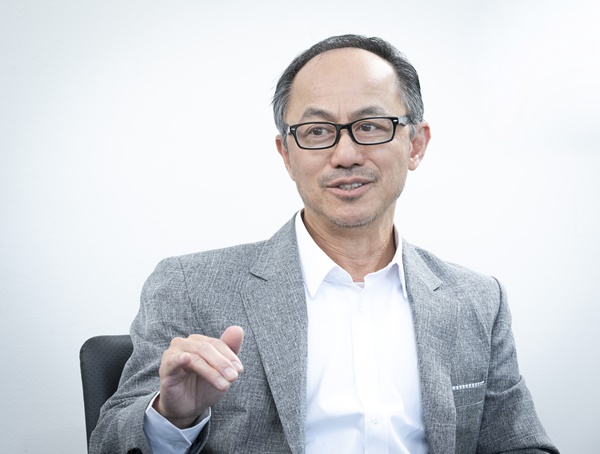
- A company has achieved evolution through aggressive investment in line with the current trend. Through such evolution, Takeda Pharmaceuticals has become renowned as a 'Big Pharma' rather than a 'Japanese company' from some point. The company had previously focused on OTCs and chronic diseases such as diabetes and hypertension. However, through various small and large M&As, the company quickly secured pipelines for anticancer drugs and rare diseases. Until now, the company conducted four M&As, starting with Millennium Pharmaceutical in 2008, Nycomed in 2012, ARIAD Pharmaceuticals in 2017, then Shire in 2018. As a result, the company has been actively releasing advanced anticancer drugs in the oncology market, including the PARP inhibitor ‘Zejula and the’ EGFR Exon 20 insertion mutation targeting ‘Exkivity.’ Also, the company has made constant progress in treating hematologic cancers with products such as ‘Ninlaro,’ and ‘Adcetris.’ Dailypharm met with Sun Jin Lee, Head of the Oncology Business Unit at Takeda Pharmaceuticals Korea to seek insight into the company’s vision and future. Sun Jin Lee, Head of Oncology BU at Takeda Pharmaceuticals Korea-Could you give us a brief introduction of yourself? I first started my career in the industry as a peritoneal dialysis Product Manager at Baxter. Since then, I also was in charge of high blood pressure treatment products for 3 years and then served as a marketing manager for the circulatory system division for 3 years at Boehringer Ingelheim. After joining Takeda Pharmaceuticals in 2017, I first worked for over 3 years in the hemophilia BU and was involved in the domestic launch of ‘Adynovate,’ etc. After that, I was assigned to Takeda’s Asia-Pacific office and worked in Singapore for 1 year. Last year, I returned to Korea after being appointed the head of Oncology BU at Takeda Pharmaceuticals Korea. In other words, I have worked in marketing throughout my entire career in the pharmaceutical industry. - Takeda has been known to have undergone many changes. In the Oncology BU, the role of its head would have increased significantly with the reimbursement listing and prescriptions of the company’s oncology products. What area did you focus most greatly on last year? I have been with the Oncology BU for about 7 months now. As the head of the BU, I feel the greatest responsibility in performance delivery. This is the basic goal for all business units. Takeda’s fiscal year begins in April, therefore we are in our last quarter right now. Currently, we are focusing on achieving the performance target we set for the last year. My next area of focus was in strengthening the organization. After being assigned to the unit, I had a certain observation period, then focused on strengthening the internal capability of our unit. So I am focusing externally on performance, and internally on our human resources. In particular, only one manager had been assigned to manage all our oncology products despite our increasing portfolio. So we appointed additional managers and divided the work by disease area to increase efficiency. - What do you think is the most important competency required to be a marketer in the Oncology BU? Brand managers (BMs) in each unit have their own strengths and weaknesses as well as various abilities. Having experienced Primary Care and rare diseases firsthand, I believe anticancer drug brand managers should basically have an underlying respect for the patients and their life. In the Oncology BU, we consider various activities such as patient programs and directions to improve access to treatments. Many of these programs cannot be carried out if we are profit-focused or sales-focused. Therefore, I thought it would be difficult for our managers to understand how we carry out our activities if they do not have experience and patient-centricity at heart. Also, our managers need to have the ability to quickly acquire, examine widely, and draw out the essence of the flood of information. There is always a lot of up-to-date data on anticancer drugs. So you have to be able to read out the trend of the entire therapeutic area, including those about competing drugs. Otherwise, you will not be able to communicate with healthcare professionals. sb-The word all-comer is mentioned often during discussions on the reimbursement of anticancer drugs in Korea. Zejula was one representative example of such a drug last year, and more are expected to come this year. However, Korea has been conservative in reviewing these drugs for being less effective and having lower-level results. That is a very difficult issue. Our primary consideration is what will benefit the patient the most. This is also true on the doctors’ part. Pharmaceutical companies obtain permission based on clinical data and then promote drugs based on approved indications. And this will continue to be the same in the future. Doctors as clinicians will use the drug when they feel that the drug is beneficial and needed by the patient. The decision is entirely at the discretion of the doctor. - Exkivity was released this month and is receiving much attention from academic societies. The company would also have rising expectations for the product. Exkivity was approved in Korea last July and released on the 1st of this month. One significant aspect of the release is that we released the drug for the first time in Asia in Korea. Also, Korea is the 5th country in the world to obtain marketing authorization for Exkivity. Being the first oral anticancer drug that targets the EGFR exon 20 insertion mutation, we expect eligible patients to benefit greatly from our release.

- InterView
- “Novartis will lead the provision of innovative medicines”
- by Eo, Yun-Ho Jan 25, 2023 06:08am
- Byungjae Yoo, General Manager of Novartis Korea The Korean subsidiary of Novartis underwent a period of turmoil last year. The company integrated its Pharmaceuticals and Oncology business units in line with the reorganization policy set by its global headquarters. Before then, the company had been operating 2 separate business units independently under one name. The two units had separate support departments including marketing·sales departments as well as drug pricing·government relations·approval departments. Through the integration process, all of these departments were merged into single departments with one head. As a result, layoffs were made and the head of the integrated subsidiary was appointed for the first time since the company’s establishment. The fact that a Korean representative was appointed to head this first-ever integrated Novartis Korea was also a big change. Since its establishment in 1997 and the first president Frans Hompe, the company had mostly appointed foreign heads to lead the Korean subsidiary, including Jean-Luc Scalabre in 1998, Peter Maag in 2003, Andrin Oswald in 2006, Peter Jager in 2008, Brian Galdsden in 2014, and most recently, Joshi Venugopal. The only Korean national that had been appointed until now was Hak-sun Moon in 2015. Dailypharm met with Byungjae Yoo, General Manager of Novartis Korea, who first-handly lead the company through this momentous change. - You were appointed General Manager of Novartis Korea’s Pharmaceutical division in 2021, and then the General Manager of the integrated Novartis Korea last year. What have you been focusing on in the company amid the various changes that had been made last year? My prime focus was on finding the role and direction for Novartis Korea in the changing global pharmaceutical industry. For this, I reviewed much research and consulting reports on the global pharmaceutical industry over the past year. Also, I discussed Novartis’s strategic priorities and Korea's role with our global head office and region managers. Secondly, I tried to connect with our employees and find out what the employees wanted and how to satisfy such desires. After various discussions, I came to the conclusion that Novartis Korea as a company excelled in being ‘goal-oriented,’ but needed to make more effort in being ’purpose-driven.’ Ultimately, I want Novartis Korea to become a purpose-driven company rather than a goal-oriented company. -The Pharmaceuticals and Oncology business units were integrated last year. What was the purpose of the integration and what is your future direction? The biggest purpose of integrating the business units was to ‘do what we do best.’ As so many companies exist in the pharmaceutical industry, each company needs to find its areas of specialty, such as generic drugs or specialty drugs. Also, the needs of each society or patient are also different. Therefore, Novartis decided to integrate its business units to do what it does best – ‘ to overcome diseases’ – and focus on its 5 core therapeutic areas (cardiovascular, immunology, neuroscience, solid tumors, and hematology) to bring synergistic effects. -What is Novartis Korea’s business goal for this year? From 2018 to 2022, Novartis has had one of the most extensive and innovative pipelines among global pharmaceutical companies. Therefore, the company’s priority this year is to increase patient access to its innovative treatments. We plan to discuss how to increase patient access to such innovative treatments within the limited National Health Insurance budget with experts and reach a social consensus on the measures derived. Also, we plan to continue working with domestic companies and startups. We plan to actively support Korean companies that wish to enter the global market through discussions with our head office. -When setting the 1-year business plan, what products have you set as a priority? Among the newly launched products, therapies that are not yet sufficiently supplied to patients in need will likely be given priority. These include Entresto, Cosentyx, Kisqali, Scemblix, Zolgensma, and Kymriah. -The company received much attention, both good and bad, for successfully listing ultra-high-priced drugs such as Zolgensma, and Kymriah for reimbursement in Korea last year. I heard you have other formidable new drugs awaiting release in your pipeline. Could you share your plans for the future? Novartis is not afraid to take risks in developing new drugs for incurable diseases. This is why the company has a higher probability of developing new drugs as well as a high R&D cost. therefore, we will also need to make efforts to reduce such costs while developing new drugs. Patients talk of how a ray of hope shone through in their desperate situation with the introduction of a new drug. I think access to innovative treatments that address existing unmet needs has been strengthened in general in Korea. However, a lot of discussions are still needed on how to address the resulting increase in social cost. The issue cannot be resolved by just strengthening one part while sacrificing others. Therefore, I plan to continue discussions with relevant parties to devise measures that fit the situation. -Do you have plans in place to improve access to ultra-high-priced drugs in Korea? I think making dialogues will be the answer to finding ways to improve treatment access to such drugs. In the past, when Korea’s health expenditure amount of the total GDP had not been as high as other advanced countries and NHI finances were not in deficit, the patient's medical needs were a decisive factor in determining reimbursement. However, that time has passed, and much discussion is now required for any reimbursement. If experts provide opinions on how to finance the national health insurance and the pros and cons, including whether to finance the NHI through funds, private insurance, or bring in other sources of finances other than the NHI, we could provide opinions from the pharmaceutical company’s perspective and seek out solutions together.

- InterView
- Avodart, Real World Data
- by Dec 28, 2022 05:48am
- GSK's large-scale real-world clinical results of Avodart, a treatment for prostatic hypertrophy, which marks the 13th anniversary of its launch in Korea, have been released for the first time. Based on actual field data, the company expressed its ambition to further strengthen Avodart's position in early hair loss treatment.LEAD clinical trials are the first RealWorld study conducted to evaluate the long-term clinical usefulness of Avodart in Korean male hair loss patients. It was compared with Finasteride, the two major mountain ranges for oral hair loss treatment. 600 patients participated in five general hospitals in Korea, including Inha University Hospital and Gangdong Kyung Hee University Hospital, and the average analysis period reached 3.4 years. In particular, the Korean Hair Loss Type Classification Act (BASP) developed by the Hair Institute for data analysis with the domestic medical staff was applied. The accuracy of the evaluation was improved by using the Korean classification method, not the Western classification method, which is difficult to apply to Koreans. Dr. Gary Ong, general manager of GSK Global Dermatology Medical, who led the LEAD clinical trial, said, "This study confirmed that Avodart is more effective in treating male hair loss based on Korean classification," adding, "M-shaped hair loss is the part that patients care the most, and Avodart showed good results compared to Finasteride." LEAD clinical results showed that Avodart had a significantly higher cumulative number of patients with improved symptoms compared to Finasteride in most types of hair loss. In M-shaped hair loss, which is most common in Korean men, the proportion of patients with improved symptoms was 86.0% for Avodart and 45.5% for Finasteride, showing a difference of more than 40%p. The improvement rate of hair growth was also about twice as high in the Avodart group as in the Finasteride group. A common misconception about Avodart is that it has higher side effects than Finasteride, which inhibits only type 2 by inhibiting both type 1 and type 2 of 5-alpha reductase. As a result of the Real World study, Avodart showed only a similar level of adverse reactions to Finasteride. Dr. Gary Ong said, "As a result, Avodart was more effective, and safety was similar. "I think the results of this study not only help reduce misunderstandings and prejudices about Avodart but also help doctors make more appropriate decisions when prescribing it in real life," he explained. Based on the results of the first Real World, GSK set a goal of further enhancing Avodart's position as a primary treatment in the Korean hair loss market. This is because there is still a high perception that finasteride is used first in the early stages of hair loss and Avodart is used after further progress. Dr. Gary Ong said, "This study broadens the path to prescribing Avodart as a primary treatment. Male-type hair loss is a progressive disease, so you need to start treatment as soon as possible to get better results in the long term, he stressed. In order to achieve this goal, GSK Korea has recently increased its marketing staff. BM Kim Hwan-geun, who joined Avodart marketing two months ago, said, "Avodart has maintained the top prescription for oral male hair loss treatment from the fourth quarter of 2020 to the second quarter of 2022, and real-world data for 600 Koreans will have a positive impact on Avodart's prescription expansion." "Avodart started as a latecomer amid fierce competition and showed double-digit growth every year," said BM, in charge of Avodart. As it is expected to grow further in the future, two managers will join us in marketing, he said. "We will try to make Avodart the epitome of hair loss treatments next year."
- InterView
- IL-23 Continued research on inflammatory pathways
- by Dec 23, 2022 06:05am
- Efforts to develop treatments through various studies such as combination therapy and receptor targets. Interleukin (IL) inhibitors used in autoimmune diseases such as psoriasis are evolving as several companies continue to develop them. With the emergence of more effective treatments, psoriasis can expect "PASI 100," which means complete improvement. Interleukin inhibitors are classified according to the mechanism. Stelara, which appeared first, targets IL-12 and IL-23 simultaneously. Cosentyx and Taltz are mechanisms that inhibit IL-17. Recently, drugs that are attracting attention are Tremfya and Skyrizi, which are exclusively targeting IL-23. It is known to have the most powerful effect. As IL-23 pathway research becomes more active, evidence is accumulating that IL-23 inhibitors are inevitably more effective than interleukin inhibitors of other mechanisms. In a recent interview with Dailypharm, Daniel Cua Janssen, vice president of the immune business department, said, "IL-23 inhibitors act on immune cells themselves that activate inflammatory pathways, preventing the underlying cause in the early stages. Recently, it was found that IL-23 reprogrammed a group of T cells that produce IL-17 and found that a fairly strong inhibitor was needed among IL-23 inhibitors, he explained. Daniel Cua is a world-renowned scholar who first discovered the IL-23 pathway 22 years ago. The IL-23 route he discovered was the beginning of the development of IL-23 inhibitors such as Trempier and Skyrich. Studies on the mechanism of how IL-23 causes inflammation are still ongoing. "It is clear that IL-23 is the strongest interleukin associated with autoimmune diseases. Based on this, he added, "In the future, challenges to develop treatments through various studies such as combination therapy and receptor targets will continue." The following is a question-and-answer session with Vice President Cua. -After studying immunology for a long time, we discovered the IL-23 pathway that is the target of autoimmune disease treatment. We are curious about the history. =22 years ago, I was researching a small biotech in Silicon Valley, USA. At that time, research was in full swing to discover substances that control inflammation. The goal was to find an inflammatory control substance, but the IL-23 pathway was found at that time. At that time, not many people believed it because it was an unexpected discovery. It was only a year or two later that the substance that academia wanted to find was IL-23 which we discovered in 2000. It began to be recognized as a very important discovery. Animal models that inhibited IL-23 showed all resistance to several autoimmune diseases. This also affected future research and treatment development. The discovery of the IL-23 pathway is considered to be the starting point of several subsequent studies. - Various interleukin inhibitors such as IL-12/23, IL-17 and IL-23 have been developed as treatments for autoimmune diseases. What differences do differences in mechanisms make? =One of the most frequently asked questions is why blocking only IL-23 works better than blocking IL-12 and 23 together. To put it simply, IL-23 is the standard target we have to hit. Cytokines sometimes cross-regulate each other. Controlling one means that the other rises. IL-12 and IL-23 are. Blocking the two together in a cross-regulation relationship results in a "push and pull" conflict effect of each other's actions at the same time, which reduces the effect. Only IL-23 should be blocked to show the most precise inhibitory effect we want. IL-17 is an interleukin present in a lower stage than IL-23 on the reaction path. It has higher specificity in intestinal epithelial cells and skin epidermal cells. On the other hand, IL-23 acts on immune cells themselves that activate inflammatory pathways. For this reason, IL-23 must be suppressed to prevent the underlying cause of the inflammatory system in a more early stage. In psoriasis, IL-23 shows a clinical improvement effect of 80-90% in more than 90% of patients. - Like immuno-cancer drug combination therapy in cancer, can autoimmune diseases be more effective by combining upper and lower series that suppresses interleukin? = combination therapy is the approach that many researchers and companies in this field are most interested in. The concern is the accumulation of adverse reactions caused by combination therapy. Therefore, research on port therapy is being conducted on the most reasonable and scientific basis. A combination of specific route drugs based on biomarkers is being sought. Although it is still in its early stages, many efforts are being made to find a combination that increases the effectiveness but does not increase the response. So far, it is known that blocking complementary paths may be more effective than targeting only specific paths. For detailed research, the understanding of various paths is improved based on biomarker analysis. -How far has the research on IL-23 progressed? =The level we know is that IL-23 induces the production of receptors called IL-17, IL-22, and GM-CSF. However, it was not clear exactly how IL-23 causes inflammation. It has recently been revealed that IL-23 reprogrammed a group of T cells that produce IL-17. Reprogramming is a fairly powerful action and cannot go back because it is semi-permanent in itself. To prevent this, considerably strong inhibitors among IL-23 inhibitors should be used. In the end, I realized that inhibiting IL-23 has a much stronger effect than inhibiting elsewhere and that it is also effective in preventing lower-level diseases when applying a mechanism that prevents reprogramming at the epigenetic level to new drug development. - What are the targets or pipelines to pay attention to in the subsequent development of interleukin formulations? = First, the receptor. Ligands such as IL-23 bind to receptors, a new drug that blocks the receptor itself to prevent binding. The number of receptors is smaller than that of ligands, so it is easier to block and has precise access, making them a good candidate. The second is the study of RORgamma-t. Many researchers are targeting it, but no one has succeeded yet. Treatments that produce the most accurate and precise effects in this route are expected to be developed in the future.
