- LOGIN
- MemberShip
- 2026-09-27 09:35:11
- Impurity checks are left to the industry
- by Lee, Tak-Sun | translator Choi HeeYoung | 2019-12-30 21:47:36

In the sense that all restrictions can be made, irrational systems were introduced as soon as possible to prevent the entry of generics.
Generic regulatory measures, including restrictions on cooperative and entrusted activities, the introduction of three batches of commissioned generic trial production, and mandatory licensed generic DMF, have already been implemented or heralded.
Among them, the joint and consignment limit is an administrative notice announced in April, and the domestic pharmaceutical industry is under pressure and is keen to implement it.
Generic entry restrictions up to maximum aimed at consigned production items
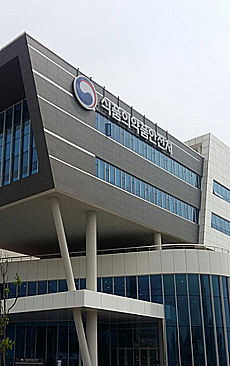
Earlier this year, the MFDS held a meeting with CEOs to limit the number of items allowed for co-communication to 1 + 3 from 2020, and informed them that they will not allow it in 2022, three years later.
In April, the government announced an amendment to the relevant regulations and is going to start at any moment.
However, it is unreasonable regulation that the co-commission is not allowed.
In 2010, the regulatory reform committee under the Prime Minister's Office was also braked.
As the review of the proposed rule is delayed, it is noteworthy whether the 1+3 regulation, which was announced in the first half of next year, will be implemented on time.
Currently, generic drugs of the same ingredient produced in the same plant through a consignment contract are replaced by a review of the existing Bioequivalence test by existing consignees.
This has been criticized for the exponential increase in the number of generically approved generic ingredients.
In November, it announced the introduction of another regulation.
The contractor is obligated to produce three batches of licensed drugs that were exempted.
The system, which disappeared in 2014, has also been revived in the name of preventing generic upheaval.
Once this system is introduced, the consignor, who is entrusted with the production of the consignment company, must test and produce three batches as part of the GMP review, even at the time of generic approval.
The domestic pharmaceutical industry is complaining of the burden of livestock costs due to the limitation of co-prosperity and the additional cost of trial production due to the revitalization of three batches.
There are also new regulations that have already been announced as part of the ban on generics.
In March, an amendment that mandates the submission of safety proof data on the genotoxicity or carcinogenic impurities and metal impurities of medicines will be announced in next September.
In October, an amendment was announced to include licensed generics in stages for drug substance registration.
▲ Commercial drugs by December 31, 2021 ▲ High-cost drugs by December 31, 2022 ▲ Other drugs and drugs that require testing without a living body should register DMF by June 30, 2023.
Since June 12, the pharmacological law revision has extended the restriction period for healthy people to participate in clinical trials to six months, making it difficult to conduct bioequivalence trials in the field.
Ranitidine, Nizatidine Impurities Continue to Burst, direct assessment of all synthetic raw materials Even during the mobilization of generic regulations, the fear of impurities in pharmaceuticals did not go away.
Following the hypertension Valsartan formulation, the carcinogen NDMA was continuously detected in the gastric ulcer therapeutic Ranitidine and Nizatidine formulations.
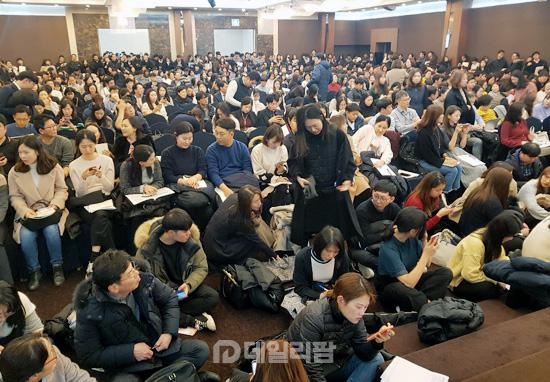
In addition, as NDMA is detected in the anti-diabetic Metformin preparation in Singapore, some items are being recovered and impurity fears are still in shape.
The MFDS instructed pharmaceutical companies to submit their own results of impurity evaluations to all synthetic materials by next May and test results on drugs concerned with impurities by May 2021 for self-examination of persistent impurity issues.
Advanced Law Passes Parliament, laying grounds for fast track such as serious diseases Unlike generic regulation, new types of drugs have provided the basis for supporting rapid licensing.
This is accelerated in August when the Act on Advanced Renewable Medical and Advanced Biologics Safety and Support passed the National Assembly.
As a result, drugs that need to come to market early, such as serious illnesses, rare diseases, and pandemic infections, will be included in the expedited treatment for early approval.
The organization and system are being set up by establishing the Convergence Innovative Product Support Group in the Korea Food and Drug Administration for the next August.
However, the threshold for safety testing for advanced drugs has been strengthened due to the effects of ' Invossa', which was released in April due to the fact that the main component cells were changed and the license was revoked.
-

- 0
댓글 운영방식은
댓글은 실명게재와 익명게재 방식이 있으며, 실명은 이름과 아이디가 노출됩니다. 익명은 필명으로 등록 가능하며, 대댓글은 익명으로 등록 가능합니다.
댓글 노출방식은
댓글 명예자문위원(팜-코니언-필기모양 아이콘)으로 위촉된 데일리팜 회원의 댓글은 ‘게시판형 보기’와 ’펼쳐보기형’ 리스트에서 항상 최상단에 노출됩니다. 새로운 댓글을 올리는 일반회원은 ‘게시판형’과 ‘펼쳐보기형’ 모두 팜코니언 회원이 쓴 댓글의 하단에 실시간 노출됩니다.
댓글의 삭제 기준은
다음의 경우 사전 통보없이 삭제하고 아이디 이용정지 또는 영구 가입제한이 될 수도 있습니다.
-
저작권·인격권 등 타인의 권리를 침해하는 경우
상용 프로그램의 등록과 게재, 배포를 안내하는 게시물
타인 또는 제3자의 저작권 및 기타 권리를 침해한 내용을 담은 게시물
-
근거 없는 비방·명예를 훼손하는 게시물
특정 이용자 및 개인에 대한 인신 공격적인 내용의 글 및 직접적인 욕설이 사용된 경우
특정 지역 및 종교간의 감정대립을 조장하는 내용
사실 확인이 안된 소문을 유포 시키는 경우
욕설과 비어, 속어를 담은 내용
정당법 및 공직선거법, 관계 법령에 저촉되는 경우(선관위 요청 시 즉시 삭제)
특정 지역이나 단체를 비하하는 경우
특정인의 명예를 훼손하여 해당인이 삭제를 요청하는 경우
특정인의 개인정보(주민등록번호, 전화, 상세주소 등)를 무단으로 게시하는 경우
타인의 ID 혹은 닉네임을 도용하는 경우
-
게시판 특성상 제한되는 내용
서비스 주제와 맞지 않는 내용의 글을 게재한 경우
동일 내용의 연속 게재 및 여러 기사에 중복 게재한 경우
부분적으로 변경하여 반복 게재하는 경우도 포함
제목과 관련 없는 내용의 게시물, 제목과 본문이 무관한 경우
돈벌기 및 직·간접 상업적 목적의 내용이 포함된 게시물
게시물 읽기 유도 등을 위해 내용과 무관한 제목을 사용한 경우
-
수사기관 등의 공식적인 요청이 있는 경우
-
기타사항
각 서비스의 필요성에 따라 미리 공지한 경우
기타 법률에 저촉되는 정보 게재를 목적으로 할 경우
기타 원만한 운영을 위해 운영자가 필요하다고 판단되는 내용
-
사실 관계 확인 후 삭제
저작권자로부터 허락받지 않은 내용을 무단 게재, 복제, 배포하는 경우
타인의 초상권을 침해하거나 개인정보를 유출하는 경우
당사에 제공한 이용자의 정보가 허위인 경우 (타인의 ID, 비밀번호 도용 등)
※이상의 내용중 일부 사항에 적용될 경우 이용약관 및 관련 법률에 의해 제재를 받으실 수도 있으며, 민·형사상 처벌을 받을 수도 있습니다.
※위에 명시되지 않은 내용이더라도 불법적인 내용으로 판단되거나 데일리팜 서비스에 바람직하지 않다고 판단되는 경우는 선 조치 이후 본 관리 기준을 수정 공시하겠습니다.
※기타 문의 사항은 데일리팜 운영자에게 연락주십시오. 메일 주소는 dailypharm@dailypharm.com입니다.