- LOGIN
- MemberShip
- 2026-09-15 01:29:03
- Gvn’t ‘No blanket drug price cuts will be made’
- by Lee, Jeong-Hwan | translator | 2025-12-02 12:34:52
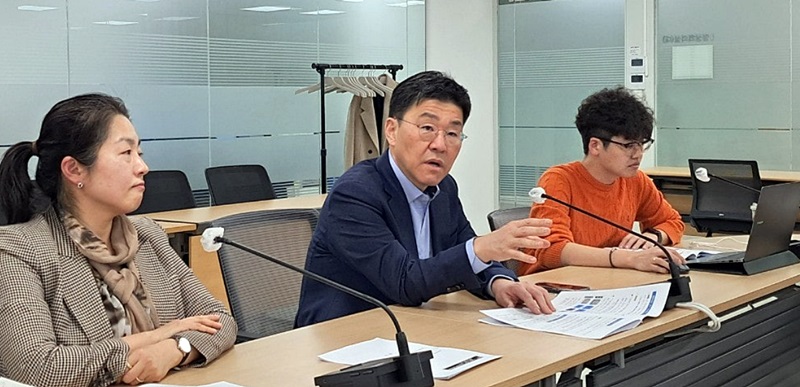
"During the blanket drug price reduction, prices of approximately 6,000 items were cut. Since then, 13 years have passed, and 4,500 items have either not been reduced at all or only reduced to 45% from 53.55%. Starting next year, the price reductions will be made over the next 3 years to these 4,500 items. There is little room for debate about price cuts over these listed generics since they've been generating excessive profits for over a decade. The remaining 15,000+ already-listed generics are not targets for this price reduction. We plan to review the other listed generics only after completing the adjustment process for the initial 4,500 items. ‘Reviewing’ does not mean we intend to cut their prices."
As the government unveiled a plan to lower the generic price rate from 53.55% to the 40% range of the original drug’s price, it confirmed that prices of 4,500 pre-listed generics will be cut first when the reform is implemented in the second half of next year (July). The expected savings in National Health Insurance drug expenditure from this measure amount to KRW 1 trillion.
Based on the 6,000 items subject to the 53.55% blanket generic price reduction applied in 2012, the plan targets 3,000 items whose prices have barely decreased (maintaining 53.55%~50%) since then up to the present (2025), and 1,500 items that saw only a slight decrease (maintaining 50% to 45% range). The plan is to reduce prices to the 40% range over 3 years, targeting only these items.
For the 3,000 generics maintaining prices between 53.55% and 50%, adjustments will begin next year (2026) and will be reduced to the 40% range by 2028. The 1,500 generics in the 50% to 45% range will begin adjustments the year after next (2027) and be reduced to the 40% range by 2029.
The government has clearly stated that it will not reduce the prices of generics listed from April 2012, when the blanket price reduction for generics began, to July next year, when the reform plan takes effect, at least until the price adjustments for 4,500 items are completed.
However, starting in 2030, when the price reduction process for the 4,500 items concludes, the government intends to establish a mechanism to periodically review generics listed between April 2012 and June 2026 to assess the need for price adjustments.
On the 30th, Joong-kyu Lee (Director General for Health Insurance Policy), Yeon-sook Kim (Director of the Pharmaceutical Benefits Division), and Gi-heon Bae (Deputy Director, Pharmaceutical Benefits Division) held a briefing with the MOHW press corp to explain the sequential adjustment plan for pre-listed generics.
- 4,500 drugs to see 40% price cuts by 2029... “KRW 1 trillion in drug cost savings”
The Ministry expects that reducing the prices of 4,500 existing generic drugs by around 40% over the next 3-4 years, starting next year, will yield savings of approximately KRW 1 trillion in National Health Insurance finances.
Lee explained, “These 4,500 generics have kept their prices unchanged for more than 10 years since 2012 and have enjoyed excessive profits. The need for reduction is hardly disputable.”
Simply put, since this generic drug price reduction targets only 4,500 items out of the 6,000 that underwent a blanket price reduction in 2012, it is unlikely to provoke significant backlash from the domestic pharmaceutical industry. It's essentially saying, ‘These generics deserve the cut.’
But the Korean pharmaceutical industry strongly disagrees.
They argue that maintaining the 53.55% price level required real investment efforts, such as conducting their own bioequivalence tests and registering DMFs (Drug Master Files), and meeting various regulatory criteria. Therefore, criticizing the price as excessive profit and cutting it simply because it wasn't reduced amounts to the Ministry of Health and Welfare itself, negating the tiered pricing system it has set standards and requirements for.
Moreover, while the price reduction mechanism for multinational pharmaceutical companies focused on original products converges to zero, the Ministry announced it would accept systems favored by multinationals—such as the flexible pricing contract system that allows different listed and actual transaction prices, and the differential pricing system by indication. This has led to cynical reactions within the pharmaceutical industry, including “a reform plan that cuts domestic generic drug prices while further bolstering prices for imported originals.”
- Lee Jung-kyu: “The focus of the reform plan is on rewarding innovative R&D, not restructuring generics.”
Director-General Lee emphasized that the reform plan's significance lies in encouraging innovative new drug R&D (research and development) rather than restructuring domestic pharmaceutical companies or domestic generics. He stressed that it aims to overhaul the drug pricing system into one that “favors as hard as possible” the drug prices for companies developing and producing medicines with unstable supply, namely essential medicines and market exit prevention drugs.
He specifically clarified that at the current phase, the government is not considering price reduction mechanisms for generics listed between April 2012 and June 2026. This does not mean the prices of these existing generics won't be cut, but rather that after reducing prices for the initial 4,500 drugs, the necessity for further reductions will be discussed and considered with the pharmaceutical industry.
The implication is that plans for handling the prices of these existing generics, which were not touched this time, will be determined gradually going forward.
Domestic pharmaceutical companies maintain that retroactively applying the 40% generic drug price reduction reform to listed generics is unreasonable. Should the Ministry of Health and Welfare proceed with adjusting prices for generics listed since 2012, industry backlash is expected to be even stronger than it is now.
Lee stated, “Currently, generics approved in 2012 are the target for price reductions. The 15,000 generics listed afterward will be reviewed later. This does not mean we intend to reduce prices periodically. It means we will thoroughly review the status of all generics listed in Korea.”
He further emphasized, “The fact that 4,500 generics either maintained their prices at the 53.55% level or saw reductions of only up to 45% might warrant an audit from the perspective of the Ministry of Health and Welfare's National Health Insurance Policy Bureau and Pharmaceutical Benefits Division. We will regulate generics that have not seen price reductions for over a decade and have generated excessive profits.”
Lee stated, “In 2012, the specific goal was to unilaterally reduce generic drug prices across the board. Yet, the amount of reduction made was not significant. This reform is not about restructuring generics; the policy direction is to properly support pharmaceutical companies excelling in new drug R&D and stable supply. It is an administrative measure to naturally reduce the prices of simple generics and incentivize their elimination from the market.”
- Preferential pricing for essential drugs, exit-prevention drugs, and domestic raw materials is also being discussed… “Active substitution to relieve public anxiety”
To incentivize R&D, the reform links pricing with the “Korea Innovative Pharmaceutical Company” certification—the top 30% of certified companies by R&D-to-sales ratio will receive additional benefits. MoHW also emphasized support for companies producing essential medicines and exit-prevention medicines.
Lee, Kim, and Bae all explained that efforts were also made to include measures to revive the struggling domestic raw material industry within the drug pricing system reform plan.
Lee stated, “We hope it will be effective, but it is difficult to predict whether the essential drugs, withdrawal prevention drugs, and domestic raw materials sectors will function properly once the actual reform plan is implemented. We deliberated on creating a drug pricing system that benefits domestic raw material pharmaceutical companies, though some already consider it too late. For now, we will establish a system to protect the domestic industry from a public health security perspective.”
Lee specifically outlined a vision to support the smooth prescription and dispensing of unstable-supply drugs on-site, alongside the drug pricing system reform.
Specifically, the Ministry of Health and Welfare plans to use prescription-related systems to notify about supply instability and guide substitution with equivalent drugs within the list.
Furthermore, the Ministry will establish the legal basis for building and operating a public information system to support post-prescription information sharing between pharmacists and physicians for smooth substitution dispensing, and will also build the information system itself.
Lee stated, "When drugs with unstable supply are monitored, we will take administrative action to ensure substitution dispensing occurs actively. Doctors only prescribe the specific drug they intend, and when that drug runs out, they tell the media there's no medicine available. This creates a problem where the public feels anxious even when substitute drugs exist. We have focused significant effort on preventing such situations, ensuring a stable supply of essential medicines, and establishing a supply safety net to avoid triggering public anxiety."
-

- 0
댓글 운영방식은
댓글은 실명게재와 익명게재 방식이 있으며, 실명은 이름과 아이디가 노출됩니다. 익명은 필명으로 등록 가능하며, 대댓글은 익명으로 등록 가능합니다.
댓글 노출방식은
댓글 명예자문위원(팜-코니언-필기모양 아이콘)으로 위촉된 데일리팜 회원의 댓글은 ‘게시판형 보기’와 ’펼쳐보기형’ 리스트에서 항상 최상단에 노출됩니다. 새로운 댓글을 올리는 일반회원은 ‘게시판형’과 ‘펼쳐보기형’ 모두 팜코니언 회원이 쓴 댓글의 하단에 실시간 노출됩니다.
댓글의 삭제 기준은
다음의 경우 사전 통보없이 삭제하고 아이디 이용정지 또는 영구 가입제한이 될 수도 있습니다.
-
저작권·인격권 등 타인의 권리를 침해하는 경우
상용 프로그램의 등록과 게재, 배포를 안내하는 게시물
타인 또는 제3자의 저작권 및 기타 권리를 침해한 내용을 담은 게시물
-
근거 없는 비방·명예를 훼손하는 게시물
특정 이용자 및 개인에 대한 인신 공격적인 내용의 글 및 직접적인 욕설이 사용된 경우
특정 지역 및 종교간의 감정대립을 조장하는 내용
사실 확인이 안된 소문을 유포 시키는 경우
욕설과 비어, 속어를 담은 내용
정당법 및 공직선거법, 관계 법령에 저촉되는 경우(선관위 요청 시 즉시 삭제)
특정 지역이나 단체를 비하하는 경우
특정인의 명예를 훼손하여 해당인이 삭제를 요청하는 경우
특정인의 개인정보(주민등록번호, 전화, 상세주소 등)를 무단으로 게시하는 경우
타인의 ID 혹은 닉네임을 도용하는 경우
-
게시판 특성상 제한되는 내용
서비스 주제와 맞지 않는 내용의 글을 게재한 경우
동일 내용의 연속 게재 및 여러 기사에 중복 게재한 경우
부분적으로 변경하여 반복 게재하는 경우도 포함
제목과 관련 없는 내용의 게시물, 제목과 본문이 무관한 경우
돈벌기 및 직·간접 상업적 목적의 내용이 포함된 게시물
게시물 읽기 유도 등을 위해 내용과 무관한 제목을 사용한 경우
-
수사기관 등의 공식적인 요청이 있는 경우
-
기타사항
각 서비스의 필요성에 따라 미리 공지한 경우
기타 법률에 저촉되는 정보 게재를 목적으로 할 경우
기타 원만한 운영을 위해 운영자가 필요하다고 판단되는 내용
-
사실 관계 확인 후 삭제
저작권자로부터 허락받지 않은 내용을 무단 게재, 복제, 배포하는 경우
타인의 초상권을 침해하거나 개인정보를 유출하는 경우
당사에 제공한 이용자의 정보가 허위인 경우 (타인의 ID, 비밀번호 도용 등)
※이상의 내용중 일부 사항에 적용될 경우 이용약관 및 관련 법률에 의해 제재를 받으실 수도 있으며, 민·형사상 처벌을 받을 수도 있습니다.
※위에 명시되지 않은 내용이더라도 불법적인 내용으로 판단되거나 데일리팜 서비스에 바람직하지 않다고 판단되는 경우는 선 조치 이후 본 관리 기준을 수정 공시하겠습니다.
※기타 문의 사항은 데일리팜 운영자에게 연락주십시오. 메일 주소는 dailypharm@dailypharm.com입니다.