- LOGIN
- MemberShip
- 2026-08-03 04:32:14
- Reimb talks for GVHD drug Rezurock extend into the New Year
- by Eo, Yun-Ho | translator | 2026-01-05 10:39:02
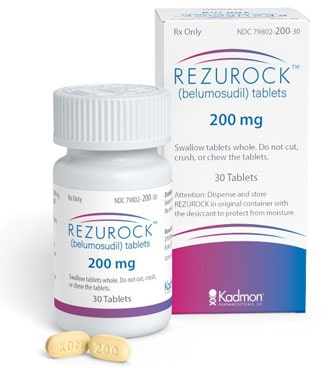
The graft-versus-host disease (GVHD) treatment Rezurock has stalled at the final stage on its path toward reimbursement listing in Korea.
Sanofi Korea and the National Health Insurance Service (NHIS) failed to conclude price negotiations for the ROCK2 inhibitor Rezurock (belumosudil) by the end-of-year deadline and have entered extended negotiations. As a result, reimbursement discussions have carried over into the beginning of this year.
Accordingly, it remains to be seen whether Sanofi can complete the listing process in 2026.
Rezurock, which was granted accelerated approval from the U.S. Food and Drug Administration (FDA), was approved in Korea in August 2024 and launched as a non-reimbursed product in November. Its key feature is the selective inhibition of ROCK2, a novel mechanism targeting the inflammatory response and fibrosis process in chronic graft-versus-host disease (cGVHD).
Chronic GVHD is a complication that occurs in approximately half of patients who receive allogeneic hematopoietic stem cell transplantation. While the patient population may be small due to the disease's nature, it affects half of transplant recipients and is a severe, life-threatening condition requiring essential treatment.
Graft-versus-host disease is the leading cause of death in hematologic malignancy patients, accounting for 37.8% of deaths excluding relapse. The problem is that as hematopoietic stem cell transplants increase annually in Korea (1,794 cases in 2023), treating chronic GVHD is becoming increasingly important. Among transplant patients, 42% experience chronic GVHD within an average of 3 years, and 66% have already experienced acute GVHD.
However, a significant treatment gap remains. Steroids, recommended as first-line therapy in both domestic and international treatment guidelines, are not suitable for long-term use. Prolonged steroid therapy can cause Cushing’s syndrome, which causes various systemic side effects when used for extended periods, including osteoporosis, joint necrosis, organ failure, hyperlipidemia, gastrointestinal disorders, and growth retardation.
While 96% of patients with chronic GVHD receive steroids as first-line therapy, 70% require second-line treatment, and as many as 50% ultimately need third-line therapy. When second-line therapy fails, patients are left to be treated with a combination of steroids and immunomodulators due to a lack of effective third-line options.
Furthermore, 97% of GVHD patients treated with steroids experience at least one complication, with infection (79.5%) being the most common. Systemic, multiple symptoms significantly impair patients' quality of life, and host reactions occurring in the lungs or liver are particularly fatal.
Against this backdrop, attention is focused on whether Rezurock, if granted reimbursement, can establish itself as a new treatment option.
Meanwhile, in clinical trials involving patients who had failed two or more lines of systemic therapy, Rezurock demonstrated a high overall response rate (ORR) of 75%, confirming superior efficacy over existing treatments. Notably, it showed response rates of 71%, 39%, and 26% in the joints, liver, and lungs, respectively—areas where improvement is difficult with conventional therapies.
Professor Hee Je Kim, Head of the Department of Hematology at Seoul St. Mary’s Hospital, said, “In 42% of patients with chronic graft-versus-host disease, symptoms occur at multiple sites throughout the body, significantly lowering quality of life. Host reactions occurring in the lungs and liver, in particular, can have a fatal impact on blood cancer patients, making effective management therapies urgently needed.”
-

- 0
댓글 운영방식은
댓글은 실명게재와 익명게재 방식이 있으며, 실명은 이름과 아이디가 노출됩니다. 익명은 필명으로 등록 가능하며, 대댓글은 익명으로 등록 가능합니다.
댓글 노출방식은
댓글 명예자문위원(팜-코니언-필기모양 아이콘)으로 위촉된 데일리팜 회원의 댓글은 ‘게시판형 보기’와 ’펼쳐보기형’ 리스트에서 항상 최상단에 노출됩니다. 새로운 댓글을 올리는 일반회원은 ‘게시판형’과 ‘펼쳐보기형’ 모두 팜코니언 회원이 쓴 댓글의 하단에 실시간 노출됩니다.
댓글의 삭제 기준은
다음의 경우 사전 통보없이 삭제하고 아이디 이용정지 또는 영구 가입제한이 될 수도 있습니다.
-
저작권·인격권 등 타인의 권리를 침해하는 경우
상용 프로그램의 등록과 게재, 배포를 안내하는 게시물
타인 또는 제3자의 저작권 및 기타 권리를 침해한 내용을 담은 게시물
-
근거 없는 비방·명예를 훼손하는 게시물
특정 이용자 및 개인에 대한 인신 공격적인 내용의 글 및 직접적인 욕설이 사용된 경우
특정 지역 및 종교간의 감정대립을 조장하는 내용
사실 확인이 안된 소문을 유포 시키는 경우
욕설과 비어, 속어를 담은 내용
정당법 및 공직선거법, 관계 법령에 저촉되는 경우(선관위 요청 시 즉시 삭제)
특정 지역이나 단체를 비하하는 경우
특정인의 명예를 훼손하여 해당인이 삭제를 요청하는 경우
특정인의 개인정보(주민등록번호, 전화, 상세주소 등)를 무단으로 게시하는 경우
타인의 ID 혹은 닉네임을 도용하는 경우
-
게시판 특성상 제한되는 내용
서비스 주제와 맞지 않는 내용의 글을 게재한 경우
동일 내용의 연속 게재 및 여러 기사에 중복 게재한 경우
부분적으로 변경하여 반복 게재하는 경우도 포함
제목과 관련 없는 내용의 게시물, 제목과 본문이 무관한 경우
돈벌기 및 직·간접 상업적 목적의 내용이 포함된 게시물
게시물 읽기 유도 등을 위해 내용과 무관한 제목을 사용한 경우
-
수사기관 등의 공식적인 요청이 있는 경우
-
기타사항
각 서비스의 필요성에 따라 미리 공지한 경우
기타 법률에 저촉되는 정보 게재를 목적으로 할 경우
기타 원만한 운영을 위해 운영자가 필요하다고 판단되는 내용
-
사실 관계 확인 후 삭제
저작권자로부터 허락받지 않은 내용을 무단 게재, 복제, 배포하는 경우
타인의 초상권을 침해하거나 개인정보를 유출하는 경우
당사에 제공한 이용자의 정보가 허위인 경우 (타인의 ID, 비밀번호 도용 등)
※이상의 내용중 일부 사항에 적용될 경우 이용약관 및 관련 법률에 의해 제재를 받으실 수도 있으며, 민·형사상 처벌을 받을 수도 있습니다.
※위에 명시되지 않은 내용이더라도 불법적인 내용으로 판단되거나 데일리팜 서비스에 바람직하지 않다고 판단되는 경우는 선 조치 이후 본 관리 기준을 수정 공시하겠습니다.
※기타 문의 사항은 데일리팜 운영자에게 연락주십시오. 메일 주소는 dailypharm@dailypharm.com입니다.
- “Drug pricing intervention contributes to the crisis in essential healthcare and shortage of drugs”
- Reporter's view | Lee, Jeong-Hwan