- LOGIN
- MemberShip
- 2026-09-14 00:12:13
- ‘Biologics have transformed Korea’s asthma treatment landscape’
- by Son, Hyung Min | translator Alice Kang | 2026-06-09 10:00:57
The treatment landscape for severe asthma is changing rapidly. In the past, patients whose symptoms remained uncontrolled despite treatment with high-dose inhaled corticosteroids (ICS) and long-acting beta agonists (LABA) had few treatment options beyond oral corticosteroids (OCS).
Patients who experienced repeated exacerbations, emergency room visits, and hospitalizations often had no choice but to depend on long-term steroid treatment. In the process, they were exposed to the risk of numerous complications, including osteoporosis, obesity, diabetes, and cataracts.
However, the emergence of biologics targeting the inflammatory mechanisms underlying the disease has fundamentally changed the treatment paradigm. In particular, for Type 2 inflammatory severe asthma, which is characterized by eosinophilia and allergic responses, personalized treatment based on biomarkers and patient phenotypes has become possible, expanding treatment goals beyond simple symptom control to prevention of exacerbations, reduction of systemic steroid use, and even clinical remission.
Dailypharm spoke with Professor Guy Brusselle of the Department of Respiratory Medicine at Ghent University Hospital in Belgium and Professor Yoo-sook Cho of the Department of Allergy and Clinical Immunology at Asan Medical Center to discuss changes in the global severe asthma treatment landscape, the clinical significance of biologics, and the challenges facing Korea’s treatment environment.
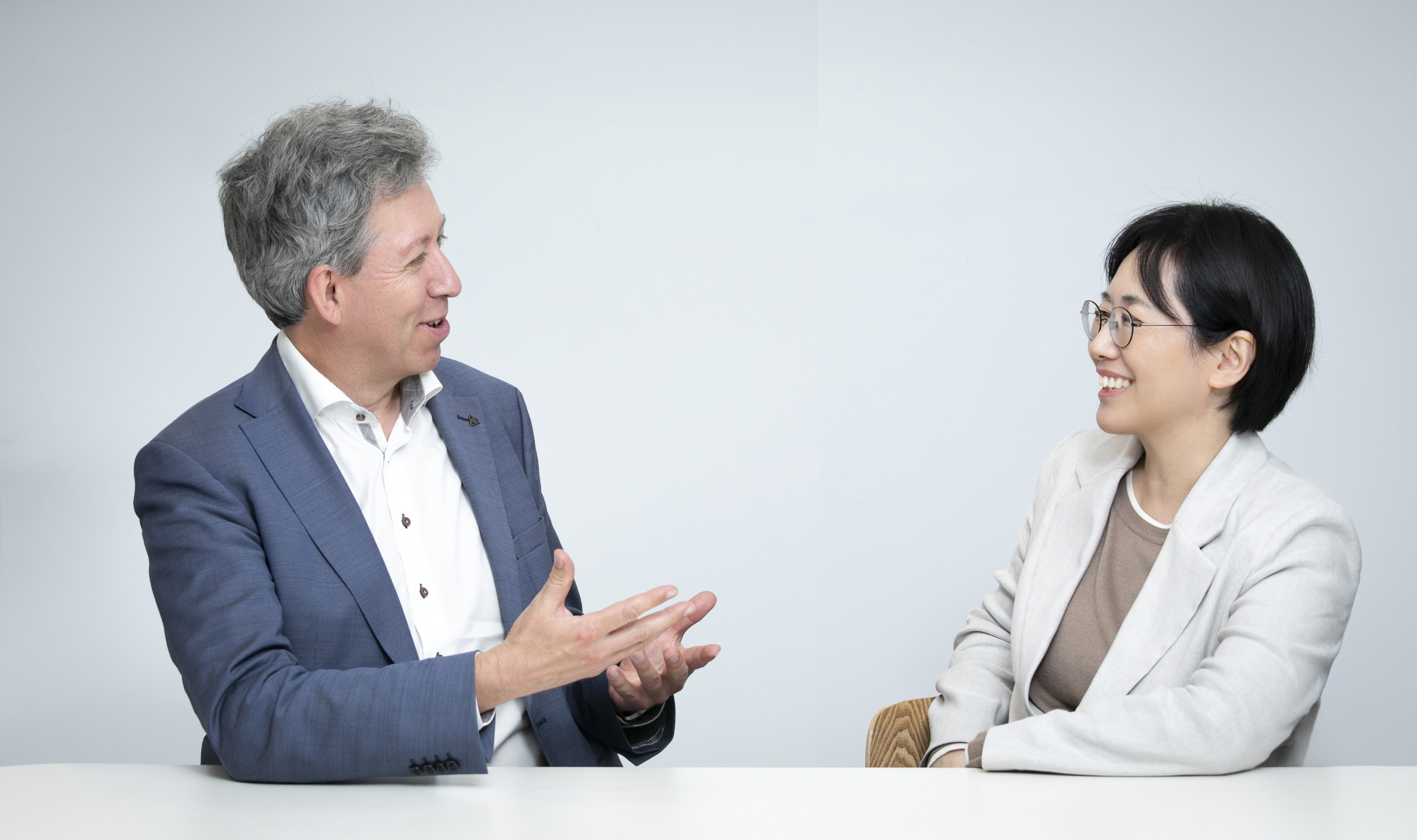
The Global Initiative for Asthma (GINA) recommends biologic therapy guided by Type 2 inflammatory biomarkers in patients with severe asthma that remains uncontrolled despite high-dose ICS-LABA treatment. Recent updates to the guidelines also place greater emphasis on early intervention and proactive disease control rather than responding only after exacerbations occur. In other words, treatment goals are shifting from “managing uncontrolled asthma” to “achieving remission.”
Most asthma patients can control their symptoms with ICS, LABAs, and relievers. Severe asthma patients, however, continue to experience symptoms and repeated exacerbations despite optimized treatment using high-dose ICS and LABAs.
In fact, biologics are being used more broadly and rapidly in real-world clinical practice globally. Using objective indicators such as blood eosinophil counts and fractional exhaled nitric oxide (FeNO) to classify patient characteristics and applying targeted therapies has become the standard among physicians. In some countries, switching between biologics based on treatment response is also widely practiced.
Korea presents a somewhat different picture. Reimbursement criteria for biologics remain strict, and patients still face substantial out-of-pocket costs. Even when patients fail to respond adequately to a specific biologic, they often must meet reimbursement requirements all over again before switching to another treatment. This is why criticism continues to rise on how difficult it is to implement treatment strategies tailored to individual patient needs in practice.
According to the International Severe Asthma Registry (ISAR), the global average biologic utilization rate is 25.4%, whereas Korea’s rate is only 1.4%. Experts view this gap as reflecting differences not merely in prescribing patterns but also in healthcare systems and reimbursement policies.
Recently, there have been growing calls for severe asthma patients to be managed as a distinct disease population and for increased treatment access for the patient group. In other words, asthma requires support that reflects the disease burden and quality of life impact in a manner similar to cancer and rheumatic diseases.
Both professors emphasized that as treatment goals in severe asthma evolve from symptom control toward remission, treatment environments should also evolve to accommodate such change.
Q. What has been the most significant change in the severe asthma treatment landscape in recent years?

Professor Cho: The emergence of biologics itself represents the most significant change. Unlike how treatment options were limited in the past, patients with severe asthma who could not be adequately controlled with conventional inhaler therapies now have access to entirely new treatment options.
Particularly with the addition of new biologics to the severe asthma section of the GINA guidelines, we are witnessing more than a guideline update—the treatment paradigm itself is changing.
Professor Brusselle: Severe asthma is not simply asthma with severe symptoms. It refers to patients whose disease remains uncontrolled despite receiving appropriate treatment over a sufficient period of time. Approximately 5% of adult asthma patients fall into this category.
Today, physicians can evaluate blood eosinophil levels and FeNO to determine whether Type 2 inflammation is present and then select an appropriate biologic. Compared with the past, this represents a tremendous advancement.
Q. How has the severe asthma treatment environment changed with the introduction of biologics?
Professor Brusselle: Before biologics were available, long-term systemic corticosteroid therapy was often the only next-step treatment option. However, oral corticosteroids can cause numerous complications, including obesity, osteoporosis, and cataracts, and long-term use may lead to irreversible damage.
Biologics, on the other hand, help reduce steroid-related toxicity while providing safer disease control. Major biologics include ‘Fasenra (benralizumab),’ ‘Nucala (mepolizumab),’ and ‘Dupixent (dupilumab),’ all of which have demonstrated favorable efficacy and safety profiles.
Professor Cho: In practice, there are patients whose asthma continues to worsen despite diligent inhaler use and aggressive treatment of comorbidities. These patients often become dependent on steroids.
Biologics can reduce or even eliminate steroid use while also decreasing the frequency of exacerbations. That is why they can truly be described as game changers in severe asthma treatment.
Q. How is the global treatment landscape evolving?
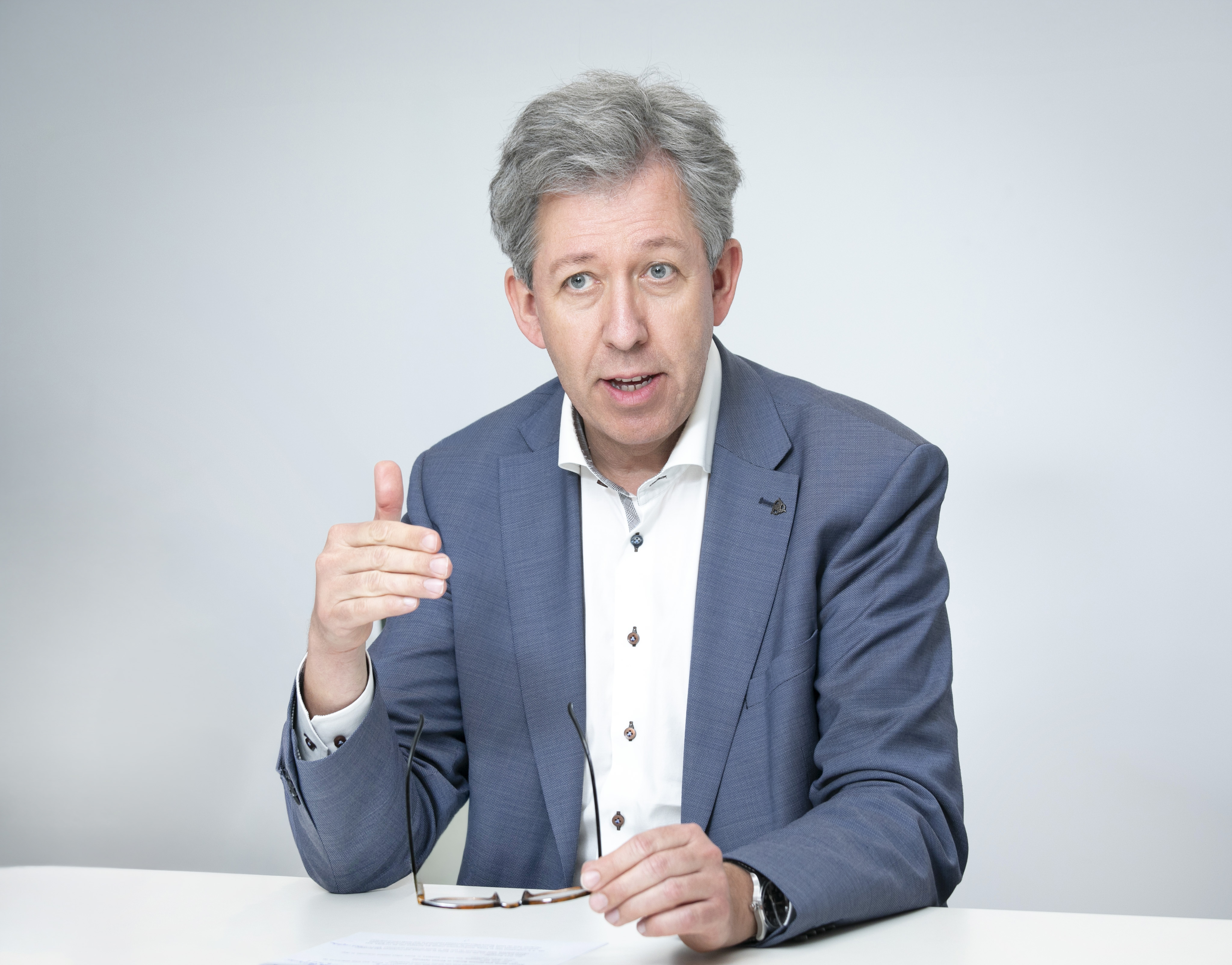
Professor Brusselle: The GINA guidelines have been continuously updated since 1993 and have evolved based on evidence from randomized clinical trials as well as real-world clinical data. One of the greatest strengths of these guidelines is that they address healthcare environments in both high-income and low-income countries, while also taking a multidisciplinary approach that extends beyond pulmonology to primary care settings.
In the past, rheumatic diseases were often treated only after joint damage had already occurred. Today, however, treatment is initiated aggressively before irreversible damage develops.
The same principle applies to severe asthma. Patients should be treated proactively before airway remodeling or lung function declines occur. In fact, a substantial proportion of patients receiving biologic therapy achieve clinical remission.
Patients no longer talk about what asthma prevents them from doing. Instead, they talk about what they are able to do despite having asthma. Improving quality of life is also an important therapeutic goal.
Q. What is the greatest limitation in Korea’s treatment environment?
Professor Cho: The biggest issue is accessibility. Currently, only an estimated 10–20% of patients who meet indications for biologic therapy are actually receiving biologics in Korea.
Even after reimbursement approval, patients often face monthly out-of-pocket expenses of approximately KRW 800,000–900,000. In addition, even when a patient fails to respond adequately to a particular biologic, reimbursement criteria must often be met again before switching to another therapy.
As a result, cases occur where patients must wait for their condition to worsen to try a new treatment.
Q. How do Korea’s reimbursement criteria and restrictions on switching between biologics affect clinical practice?
Professor Cho: Restrictions on switching are currently considered one of the biggest challenges in Korea. Even if a patient does not respond sufficiently to a particular biologic, they must satisfy reimbursement requirements again before switching to another option. As a result, physicians sometimes find themselves waiting for a patient's condition to deteriorate before they can initiate a new treatment strategy.
Initial treatment selection is also important. In Korea, differences in launch timing and pricing often result in the prior use of lower-cost biologics. However, in real-world practice, physicians frequently consider switching to Fasenra when patients fail to achieve adequate responses with Nucala or Cinqair (reslizumab).
Professor Brusselle: In Belgium, switching between biologics is permitted. However, the most important factor is accurately identifying the patient’s phenotype and selecting the most appropriate drug. In this sense, collaboration with otolaryngologists is also extremely important. In patients with chronic rhinosinusitis accompanied by nasal polyps, upper airway disease status should also be taken into account when selecting a biologic.
Q. What are your thoughts on special reimbursement calculation programs and measures to reduce patient burden being carried out in Korea?
Professor Brusselle: In Belgium, patients with severe asthma benefit from low out-of-pocket cost structures similar to those available for patients with rheumatic diseases and cancer. By contrast, I was surprised that in Korea, patients with rheumatic diseases or atopic dermatitis often face co-insurance rates of around 5%, whereas patients with severe asthma do not receive any comparable support.
Professor Cho: In Korea, asthma is relatively common, and symptoms differ broadly due to disease characteristics, which may explain why policymakers have adopted a more conservative approach.
Recently, however, efforts have been made to classify patients with severe asthma under a separate disease code (Severe eosinophilic asthma, J82.12) and to manage them as a distinct patient population. This initiative is intended to more accurately identify the number of patients who genuinely require biologic therapy. Ultimately, the key issue is ensuring appropriate treatment access for patients who truly need these therapies.
Q. What improvements are needed in the future severe asthma treatment environment?
Professor Brusselle: Ideally, patients with severe asthma should face co-insurance rates below 5%, similar to patients with cancer or rheumatic diseases. Also, patient advocacy groups should have a stronger voice in healthcare policy decision-making processes.
Professor Cho: Realistically, it may not be possible to provide unrestricted access to every biologic drug. However, patients with severe asthma should be guaranteed treatment opportunities comparable to those available for other severe immune-mediated diseases at the very least.
The reality is that access to biologics for severe asthma patients remains lower than both the global standards and levels seen in other immune-related diseases within Korea. So priority should therefore be given to expanding special reimbursement programs and allowing switching between biologics.
Pharmacoeconomic evaluations should also consider not only drug acquisition costs but also quality-of-life impairment, limitations on social activities, and the long-term costs associated with steroid toxicity.
-

- 0
댓글 운영방식은
댓글은 실명게재와 익명게재 방식이 있으며, 실명은 이름과 아이디가 노출됩니다. 익명은 필명으로 등록 가능하며, 대댓글은 익명으로 등록 가능합니다.
댓글 노출방식은
댓글 명예자문위원(팜-코니언-필기모양 아이콘)으로 위촉된 데일리팜 회원의 댓글은 ‘게시판형 보기’와 ’펼쳐보기형’ 리스트에서 항상 최상단에 노출됩니다. 새로운 댓글을 올리는 일반회원은 ‘게시판형’과 ‘펼쳐보기형’ 모두 팜코니언 회원이 쓴 댓글의 하단에 실시간 노출됩니다.
댓글의 삭제 기준은
다음의 경우 사전 통보없이 삭제하고 아이디 이용정지 또는 영구 가입제한이 될 수도 있습니다.
-
저작권·인격권 등 타인의 권리를 침해하는 경우
상용 프로그램의 등록과 게재, 배포를 안내하는 게시물
타인 또는 제3자의 저작권 및 기타 권리를 침해한 내용을 담은 게시물
-
근거 없는 비방·명예를 훼손하는 게시물
특정 이용자 및 개인에 대한 인신 공격적인 내용의 글 및 직접적인 욕설이 사용된 경우
특정 지역 및 종교간의 감정대립을 조장하는 내용
사실 확인이 안된 소문을 유포 시키는 경우
욕설과 비어, 속어를 담은 내용
정당법 및 공직선거법, 관계 법령에 저촉되는 경우(선관위 요청 시 즉시 삭제)
특정 지역이나 단체를 비하하는 경우
특정인의 명예를 훼손하여 해당인이 삭제를 요청하는 경우
특정인의 개인정보(주민등록번호, 전화, 상세주소 등)를 무단으로 게시하는 경우
타인의 ID 혹은 닉네임을 도용하는 경우
-
게시판 특성상 제한되는 내용
서비스 주제와 맞지 않는 내용의 글을 게재한 경우
동일 내용의 연속 게재 및 여러 기사에 중복 게재한 경우
부분적으로 변경하여 반복 게재하는 경우도 포함
제목과 관련 없는 내용의 게시물, 제목과 본문이 무관한 경우
돈벌기 및 직·간접 상업적 목적의 내용이 포함된 게시물
게시물 읽기 유도 등을 위해 내용과 무관한 제목을 사용한 경우
-
수사기관 등의 공식적인 요청이 있는 경우
-
기타사항
각 서비스의 필요성에 따라 미리 공지한 경우
기타 법률에 저촉되는 정보 게재를 목적으로 할 경우
기타 원만한 운영을 위해 운영자가 필요하다고 판단되는 내용
-
사실 관계 확인 후 삭제
저작권자로부터 허락받지 않은 내용을 무단 게재, 복제, 배포하는 경우
타인의 초상권을 침해하거나 개인정보를 유출하는 경우
당사에 제공한 이용자의 정보가 허위인 경우 (타인의 ID, 비밀번호 도용 등)
※이상의 내용중 일부 사항에 적용될 경우 이용약관 및 관련 법률에 의해 제재를 받으실 수도 있으며, 민·형사상 처벌을 받을 수도 있습니다.
※위에 명시되지 않은 내용이더라도 불법적인 내용으로 판단되거나 데일리팜 서비스에 바람직하지 않다고 판단되는 경우는 선 조치 이후 본 관리 기준을 수정 공시하겠습니다.
※기타 문의 사항은 데일리팜 운영자에게 연락주십시오. 메일 주소는 dailypharm@dailypharm.com입니다.