- LOGIN
- MemberShip
- 2026-09-14 14:27:48
- "Cosentyx is shifting the treatment paradigm for hidradenitis suppurativa"
- by Son, Hyung Min | translator Hong, Ji Yeon | 2026-06-22 09:23:00
"Previously, the therapeutic option for hidradenitis suppurativa was limited to systemic antibiotics and salvage surgical interventions. However, the introduction of advanced biological agent is shifting clinical goals."
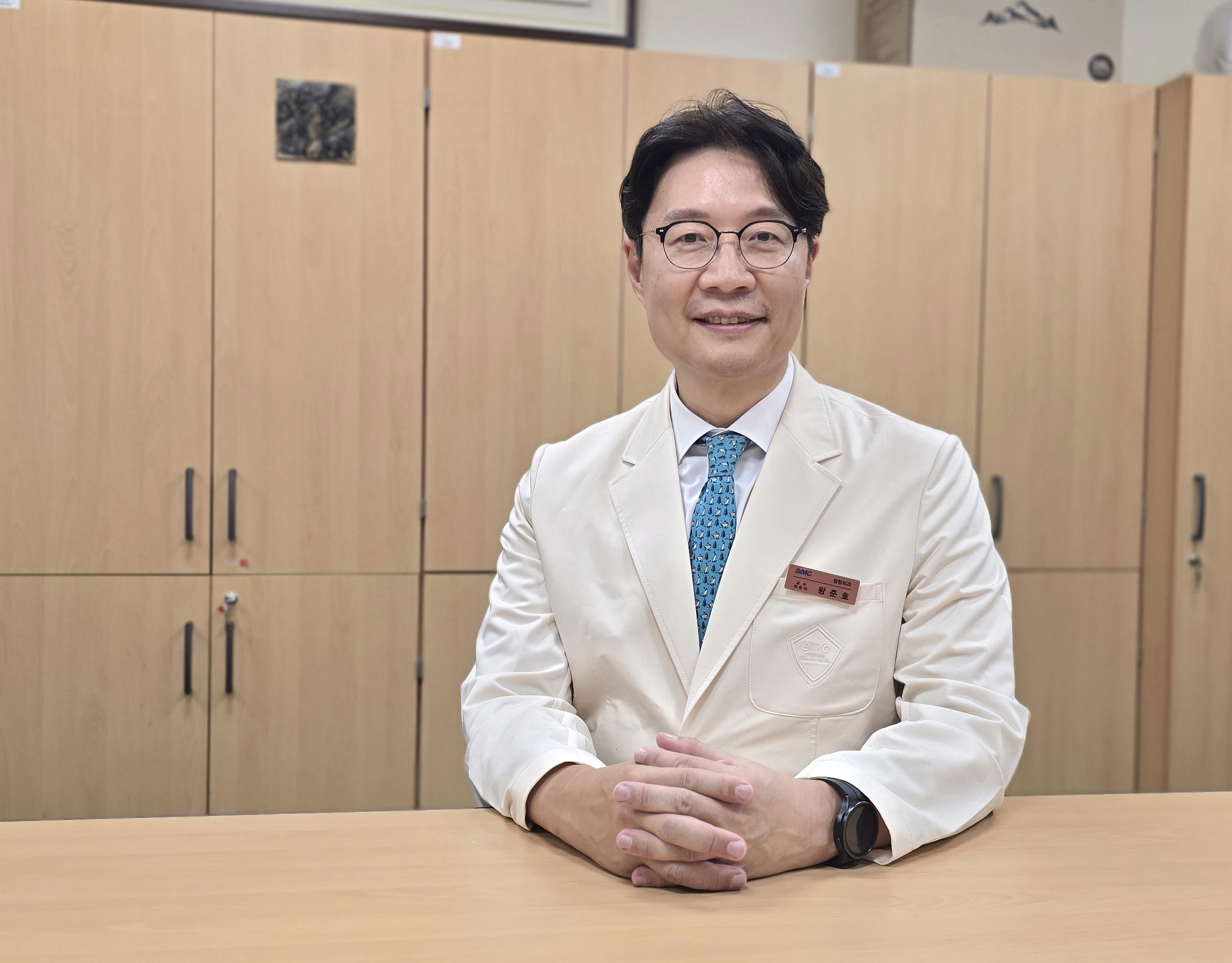
In a recent interview with DailyPharm, Professor Hee Jung Lee of the Department of Dermatology at Cha University Bundang Medical Center evaluated that the introduction of the interleukin-17A (IL-17A) inhibitor 'Cosentyx (secukinumab)' has opened new therapeutic opportunitiess for patients who are non-responsive to conventional standards of care.

Hidradenitis suppurativa (HS) is a debilitating, chronic inflammatory skin disease characterized clinically by recurrent, deep-seated nodules, abscesses, fistulas (sinus tracts), and progressive fibrotic scarring. It occurs in inverse, high-friction anatomical zones such as the axillae, inguinal folds, and gluteal regions. Due to persistent purulent discharge, intense pain, and malodor, the disease imposes an extraordinary physical and psychosocial burden on patients.
In its initial stages, HS frequently mimics acne vulgaris, folliculitis, or localized cutaneous infections, resulting in significant diagnostic delays. Global clinical literature indicates that patients experience an average diagnostic latency of 7 to 10 years. During this prolonged window, individuals routinely visit multiple medical departments or undergo repetitive, short-term incision and drainage (I&D) procedures without receiving a definitive diagnosis.
The problem is that the consequence of delayed therapeutic intervention result in increased patient burden. While early-stage presentation is confined to transient inflammatory nodules, unmanaged disease progression triggers the formation of deep, interconnected subcutaneous sinus tracts and extensive, irreversible tissue distortion. In advanced stages, severe chronic pain compromises basic mobility, such as walking or sitting, and necessitates continuous complex wound care, profoundly impairing patients' professional and social functionality.
Recently, treatment approaches have been shifting as more patients view HS as a systemic, immune-mediated chronic inflammatory disease. The updated European S2k Guidelines for Hidradenitis Suppurativa advocate for an integrated management matrix that delineates between inflammatory and non-inflammatory lesions. The guidelines emphasizes the importance of early intervention with biologics in moderate-to-severe cohorts to arrest disease activity before irreversible structural tissue damage occurs.
Amid this shifting landscape, the IL-17A inhibitor Cosentyx is garnering significant attention. Marking the first novel biological mechanism introduced to the HS market in approximately 8 years, Cosentyx secured regulatory approval in South Korea in 2023, followed by the expansion of national health insurance reimbursement for severe adult HS late last year.
Data from a recent domestic Medical Access Program (MAP) evaluating the real-world performance of secukinumab demonstrated that at week 16, Cosentyx recorded HiSCR achievement of 86.9%, IHS4-55 achievement of 78.3%, and NRS-30 (Skin Pain Reduction) of 81.8%, confirming significant treatment effects in real-world clinical landscape. HiSCR (Hidradenitis Suppurativa Clinical Response) is defined as a 50% reduction in abscess and inflammatory nodule count, with zero increase in abscesses or draining tunnels.
Professor Kim said, "While clinicians previously faced limited treatment choices outside of antibiotic prescription or highly morbid surgeries, the commercialization of biologics is shifting the baseline expectations for severe HS management," and added, "Given that secukinumab confirmed its real-world efficacy within patient populations in South Korea, it is being established as a critical core therapy in clinical practice."
Q. What is Hidradenitis Suppurativa (HS)?
HS is classified as a rare chronic inflammatory dermatosis in Korea. Based on Health Insurance Review and Assessment Service (HIRA) data, approximately 12,000 patients were documented last year, though epidemiological prevalence studies estimate the baseline rate at 0.06% to 0.1%. This indicates a domestic patient number of roughly 30,000 to 40,000 individuals, suggesting a significant volume of undiagnosed cases. In the clinic, it is common to encounter patients who have endured unmanaged symptoms for 10 to 20 years.
The disease manifests in areas where skin-on-skin friction occurs, such as armpits, groin and bottom. Clinical suspicion is warranted when painful, inflammatory lesions exceeding 1 cm recur at least twice within a six-month window. If active lesions are accompanied by palpable sinus tracts in these hallmark anatomical zones, a definitive diagnosis can be readily established.
Recenty, disease awareness has risen substantially in recent periods. We are seeing increased self-referrals driven by high-profile public health disclosures, such as by singer Lee Hong-gi, and targeted medical education content across digital media.
Q. Why is early, specialized dermatological intervention critical for this patient group?
Due to the anatomical distribution of acute abscesses in the gluteal and inguinal areas, patients overwhelmingly present first to general surgery or colorectal clinics for emergent incision and drainage. Consequently, many individuals arrive in our dermatology departments exhibiting extensive, cross-hatched surgical scarring across the buttocks from dozens of historical operations. While acute drainage mitigates immediate pressure and pain, it fails to address the underlying immunological driver and degrades the patient's long-term quality of life.
International clinical guidelines mandate an initial baseline course of targeted systemic combination antibiotics for at least 3 months. A pervasive challenge in real-world practice, however, is poor patient compliance; patients frequently discontinue the regimen after a single week once acute drainage subsides. Because HS is a deep-seated, chronic immunologic process, short-term antibiotic pulses are structurally ineffective. If a patient exhibits an inadequate response or therapeutic intolerance to first-line systemics, the protocol dictates an escalation to alternative systemics, subsequently changing to biologics or planned radical margin surgeries if control is not achieved.
Q. How has the clinical introduction of secukinumab reshaped the advanced treatment matrix?
While tumor necrosis factor-alpha (TNF-alpha) inhibitors previously represented the sole biological standard, a distinct subpopulation of patients either demonstrated primary or secondary nonresponse or had to discontinue therapy due to class-specific adverse events. The emergence of secukinumab, an IL-17A antagonist, has substantially diversified our advanced therapeutic options. Notably, IL-17 inhibitors have a robust, decade-long safety database across highly populated indications such as plaque psoriasis and psoriatic arthritis, which substantially lowers patients' psychological resistance to initiating advanced systemic therapy. While certain patients hesitate to initiate traditional TNF-alpha blockers due to class warnings regarding systemic malignancies, including cutaneous cancers, or complex immunogenicity profiles, IL-17A inhibition provides a highly reassuring, differentiated safety profile that enhances clinical onboarding.
Q. What was the background for conducting clinical studies in South Korea, and what were the most significant result?
Domestic HS phenotypes differ from the global clinical, necessitating localized validation. Globally, HS exhibits a strong female predominance. However, in South Korea, males comprise approximately 75% of the patient population. Furthermore, while Western cohorts present predominantly with axillary and inguinal involvement, domestic patients present with a distinct predilection for severe gluteal disease. This epidemiological divergence is hypothesized to stem from lower baseline obesity rates in Korea alongside distinct genetic variances.
In the domestic MAP analysis, secukinumab delivered exceptionally robust outcomes, with specific response metrics trending higher than those documented in the global Phase III program. The clinical significance lies in the holistic efficacy demonstrated across multiple concurrent endpoints, including HiSCR, IHS4-55, and objective pain reduction (NRS-30). Furthermore, concurrent transcriptomic analyses verified that key upstream pro-inflammatory pathways were directly down-regulated at the molecular level post-treatment, correlating perfectly with clinical resolution.
Q. Following the health insurance reimbursement for secukinumab, what are the cases regarding patient quality of life in real-world clinical practice?
The secukinumab reimbursement has created new treatment options for patients who previously failed TNF-alpha inhibition or had no options due to tolerability issues. It has also optimized the treatment pathway for transitional age groups; young patients who spent years unable to access advanced biological interventions due to regulatory constraints can now safely initiate a highly selective IL-17A inhibitor immediately upon turning 18.
We have observed multiple cases of improved patient quality of life in real-world clinical practices. Generally, a therapeutic intervention is deemed successful if it achieves 50% symptom reduction. At the 4-month clinical evaluation checkpoint, our center recorded a 0% discontinuation rate due to lack of efficacy, underscoring high patient retention and satisfaction.
Q. With the emergence of a biological agent, can we project a "cure" for HS?
The domestic regulatory framework for the Specialized Copayment Exemption Program was recently updated. Previously, the system strictly limited registration to end-stage patients exhibiting extensive, irreversible fibrotic scarring or massive structural distortion. The revised criteria now capture patients presenting with high-intensity, active inflammatory burdens, enabling significantly earlier access to biologics. Consequently, we are documenting clinical cases where high-inflammation patients achieve complete clinical clearance of all active lesions.
However, for advanced patients who already present with extensive, irreversible structural tissue architecture destruction, a complete cure remains clinically unrealistic. In these severe cohorts, stabilizing the disease to achieve a sustained 50% reduction in inflammatory lesions and restoring basic daily function represent a major therapeutic victory. Managing these structural challenges continuously reinforces the pharmaceutical and clinical imperative for early, aggressive biologic intervention.
Q. Regarding the system, which areas need improvement?
There are two points. First, expanding therapeutic access for pediatric and adolescent cohorts. While early intervention is universally recognized as vital to prevent irreversible tracking, a severe therapeutic gap persists for teenage patients due to a lack of local pediatric indications. The US FDA proactively expanded the label for this agent to include adolescent HS patients by bridging established safety data from other pediatric indications, despite the absence of an HS-specific adolescent trial. Conversely, domestic teenage patients are forced to cycle through repetitive, sub-optimal antibiotic courses and painful surgical drainages, effectively waiting until they turn 18 to qualify for biological therapies.
Second, the restructuring of the surgical system. Advanced, recalcitrant HS demands highly complex, wide-margin radical excisions coupled with complex reconstructive flap surgeries. However, the current national medical fee rate fails to accurately compensate for the technical complexity and the significant resource allocation required for these specialized procedures. Establishing distinct criteria is imperative for patients to receive necessary treatments.
-

- 0
댓글 운영방식은
댓글은 실명게재와 익명게재 방식이 있으며, 실명은 이름과 아이디가 노출됩니다. 익명은 필명으로 등록 가능하며, 대댓글은 익명으로 등록 가능합니다.
댓글 노출방식은
댓글 명예자문위원(팜-코니언-필기모양 아이콘)으로 위촉된 데일리팜 회원의 댓글은 ‘게시판형 보기’와 ’펼쳐보기형’ 리스트에서 항상 최상단에 노출됩니다. 새로운 댓글을 올리는 일반회원은 ‘게시판형’과 ‘펼쳐보기형’ 모두 팜코니언 회원이 쓴 댓글의 하단에 실시간 노출됩니다.
댓글의 삭제 기준은
다음의 경우 사전 통보없이 삭제하고 아이디 이용정지 또는 영구 가입제한이 될 수도 있습니다.
-
저작권·인격권 등 타인의 권리를 침해하는 경우
상용 프로그램의 등록과 게재, 배포를 안내하는 게시물
타인 또는 제3자의 저작권 및 기타 권리를 침해한 내용을 담은 게시물
-
근거 없는 비방·명예를 훼손하는 게시물
특정 이용자 및 개인에 대한 인신 공격적인 내용의 글 및 직접적인 욕설이 사용된 경우
특정 지역 및 종교간의 감정대립을 조장하는 내용
사실 확인이 안된 소문을 유포 시키는 경우
욕설과 비어, 속어를 담은 내용
정당법 및 공직선거법, 관계 법령에 저촉되는 경우(선관위 요청 시 즉시 삭제)
특정 지역이나 단체를 비하하는 경우
특정인의 명예를 훼손하여 해당인이 삭제를 요청하는 경우
특정인의 개인정보(주민등록번호, 전화, 상세주소 등)를 무단으로 게시하는 경우
타인의 ID 혹은 닉네임을 도용하는 경우
-
게시판 특성상 제한되는 내용
서비스 주제와 맞지 않는 내용의 글을 게재한 경우
동일 내용의 연속 게재 및 여러 기사에 중복 게재한 경우
부분적으로 변경하여 반복 게재하는 경우도 포함
제목과 관련 없는 내용의 게시물, 제목과 본문이 무관한 경우
돈벌기 및 직·간접 상업적 목적의 내용이 포함된 게시물
게시물 읽기 유도 등을 위해 내용과 무관한 제목을 사용한 경우
-
수사기관 등의 공식적인 요청이 있는 경우
-
기타사항
각 서비스의 필요성에 따라 미리 공지한 경우
기타 법률에 저촉되는 정보 게재를 목적으로 할 경우
기타 원만한 운영을 위해 운영자가 필요하다고 판단되는 내용
-
사실 관계 확인 후 삭제
저작권자로부터 허락받지 않은 내용을 무단 게재, 복제, 배포하는 경우
타인의 초상권을 침해하거나 개인정보를 유출하는 경우
당사에 제공한 이용자의 정보가 허위인 경우 (타인의 ID, 비밀번호 도용 등)
※이상의 내용중 일부 사항에 적용될 경우 이용약관 및 관련 법률에 의해 제재를 받으실 수도 있으며, 민·형사상 처벌을 받을 수도 있습니다.
※위에 명시되지 않은 내용이더라도 불법적인 내용으로 판단되거나 데일리팜 서비스에 바람직하지 않다고 판단되는 경우는 선 조치 이후 본 관리 기준을 수정 공시하겠습니다.
※기타 문의 사항은 데일리팜 운영자에게 연락주십시오. 메일 주소는 dailypharm@dailypharm.com입니다.