- LOGIN
- MemberShip
- 2026-08-06 19:40:14
- Olumiant receives reimbursement for severe alopecia areata
- by Hwang, byoung woo | translator Alice Kang | 2026-08-06 17:25:07
For the first time, patients with severe alopecia areata have gained access to an evidence-based targeted therapy reimbursed by Korea's National Health Insurance system.
With reimbursement now granted for Eli Lilly Korea's Janus kinase (JAK) inhibitor Olumiant (baricitinib), the treatment landscape is expected to shift away from reliance on conventional immunosuppressants and non-reimbursed therapies.
However, given the chronic, relapsing nature of alopecia areata, several issues remain unresolved, including the two-year reimbursement limit, reimbursement eligibility requirements for patients previously using non-reimbursed treatments, and coverage for adolescents.
Lilly Korea held a press conference on the 5th to mark the reimbursed launch of Olumiant for adults with severe alopecia areata. The drug was granted National Health Insurance reimbursement from July 1 for severe alopecia areata.

Alopecia areata is an autoimmune disease, not a cosmetic condition… marks first step for reimbursement of targeted therapies
Alopecia areata is an autoimmune disease in which immune privilege around hair follicles collapses, allowing immune cells to attack the follicles. The disease follows an unpredictable course, with repeated cycles of relapse and remission.
In severe cases, patients may lose not only scalp hair but also eyebrows, eyelashes and body hair. The resulting changes in appearance often lead to reduced self-esteem, social withdrawal and difficulties in daily life.
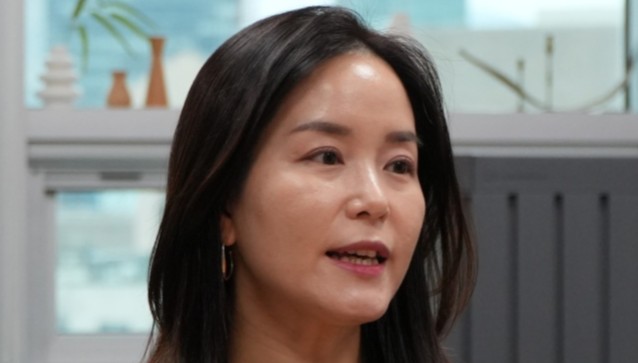
Chang Hoon Huh, Professor of Dermatology at Seoul National University Bundang Hospital (President of Korean Hair Research Society), said, "Reimbursement for alopecia areata treatment has been one of the Korean Hair Research Society's key priorities for many years. Olumiant’s reimbursement marks an important first step."
Sang Seok Kim, Professor of Dermatology at Kangdong Sacred Heart Hospital (Secretary General, KHRS), also highlighted the limitations of existing treatments. Systemic corticosteroids and cyclosporine, which have long been used for severe cases, lack robust large-scale clinical evidence specifically in alopecia areata and are associated with significant safety concerns during long-term use.
JAK inhibitors are targeted therapies that block intracellular signaling pathways involved in the pathogenesis of alopecia areata. Professor Kim said, "The introduction of JAK inhibitors is changing the treatment paradigm for severe alopecia areata. Olumiant’s reimbursement opened an opportunity for patients to reduce financial burden."
Under the reimbursement criteria, coverage is available for patients whose Severity of Alopecia Tool (SALT) score has not improved by at least 30% after three months or more of treatment with systemic corticosteroids or cyclosporine, or for those unable to continue treatment because of adverse events.
Eligible patients generally include those with SALT scores of 50 or higher, indicating at least 50% scalp hair loss. Patients with SALT scores between 20 and 50 may also qualify if they show eyebrow or eyelash loss, or obvious interruption of hair growth.
Yong Hyun Jang, Professor of Dermatology at Kyungpook National University Hospital, said, “In most countries, reimbursement is limited to patients with SALT scores of 50 or above. Korea's decision to include patients with SALT scores between 20 and 50 who also have eyebrow or eyelash loss is particularly meaningful," he added.
Clinical benefits continue beyond 36 weeks… support long-term treatment
The clinical evidence supporting Olumiant comes from the Phase III BRAVE-AA1 and BRAVE-AA2 trials in adults with severe alopecia areata.
More than half of participants had lost over 95% of their scalp hair. The mean SALT score was 96, and the average disease duration was approximately 12 years, indicating that most participants had long-standing, severe disease.
At Week 36, the proportion of patients achieving SALT 20 or lower, corresponding to no more than 20% scalp hair loss, was 38.8% in BRAVE-AA1 and 35.9% in BRAVE-AA2 among patients receiving Olumiant 4 mg. Hair regrowth was also observed in the eyebrows and eyelashes.
Treatment responses continued to improve beyond Week 36. While some patients responded early, others experienced gradual improvement or showed meaningful responses after Week 36.
Professor Jang said, "Because hair regrowth takes time, some patients show better outcomes at Week 52 than at Week 36. We need reimbursement criteria that allow both early and late responders to continue receiving treatment."
Reimbursement is only the beginning, not the end… 2-year limit and progress rules remain challenges
Several challenges remain following reimbursement approval. To maintain reimbursement, patients must achieve a SALT score of 20 or below at Week 36. Treatment response is then reassessed every 6 months, and reimbursement is currently limited to a maximum of 2 years.
The concern is that alopecia areata is a chronic disease characterized by repeated relapses and remissions. Even after successful hair regrowth, discontinuing treatment may lead to renewed hair loss, meaning some patients could require therapy beyond the current reimbursement period of 2 years.
Professor Jang argued that extending reimbursement for patients who continue to respond is unlikely to place a substantial additional burden on the healthcare budget, given that treatment effectiveness is already reassessed every 6 months. He said a formal pathway is needed to allow continued reimbursement beyond 2 years for patients who maintain treatment benefit.
The transition rules for patients already using non-reimbursed Olumiant were also identified as an issue. To receive reimbursement, these patients must objectively demonstrate through historical medical records, photographs, and SALT assessments that they met the current reimbursement criteria when treatment began. Patients treated for more than 36 weeks must also submit their Week 36 evaluation results.
However, before reimbursement criteria existed, neither physicians nor patients had any reason to collect or preserve such documentation. Patients who have already responded to treatment may find it difficult to prove the severity of their previous condition based on their current clinical status, while those who changed hospitals may struggle to obtain earlier records.
Professor Jang said, "Applying today's reimbursement criteria to treatment that began before those criteria existed and requiring historical documentation is problematic. The evidentiary requirements should be relaxed, and a separate pathway must be established to ensure that patients who have already improved are not excluded from coverage."
Expanding reimbursement to adolescents also remains an outstanding issue. Although Olumiant's indication was recently extended to include patients aged 12 years and older with severe alopecia areata, reimbursement currently applies only to adults. Experts also noted that as additional JAK inhibitors enter the alopecia areata market, reimbursement criteria should allow physicians to switch therapies based on individual patient response and safety profiles.
Professor Jang said, "Reimbursement for Olumiant should not be the final improvement; rather, it should be the starting point for improving treatment in alopecia areata. Future efforts should focus on enabling continued treatment beyond 2 years, extending reimbursement to adolescents, improving transition rules for existing patients and providing greater flexibility in treatment selection."
-

- 0
댓글 운영방식은
댓글은 실명게재와 익명게재 방식이 있으며, 실명은 이름과 아이디가 노출됩니다. 익명은 필명으로 등록 가능하며, 대댓글은 익명으로 등록 가능합니다.
댓글 노출방식은
댓글 명예자문위원(팜-코니언-필기모양 아이콘)으로 위촉된 데일리팜 회원의 댓글은 ‘게시판형 보기’와 ’펼쳐보기형’ 리스트에서 항상 최상단에 노출됩니다. 새로운 댓글을 올리는 일반회원은 ‘게시판형’과 ‘펼쳐보기형’ 모두 팜코니언 회원이 쓴 댓글의 하단에 실시간 노출됩니다.
댓글의 삭제 기준은
다음의 경우 사전 통보없이 삭제하고 아이디 이용정지 또는 영구 가입제한이 될 수도 있습니다.
-
저작권·인격권 등 타인의 권리를 침해하는 경우
상용 프로그램의 등록과 게재, 배포를 안내하는 게시물
타인 또는 제3자의 저작권 및 기타 권리를 침해한 내용을 담은 게시물
-
근거 없는 비방·명예를 훼손하는 게시물
특정 이용자 및 개인에 대한 인신 공격적인 내용의 글 및 직접적인 욕설이 사용된 경우
특정 지역 및 종교간의 감정대립을 조장하는 내용
사실 확인이 안된 소문을 유포 시키는 경우
욕설과 비어, 속어를 담은 내용
정당법 및 공직선거법, 관계 법령에 저촉되는 경우(선관위 요청 시 즉시 삭제)
특정 지역이나 단체를 비하하는 경우
특정인의 명예를 훼손하여 해당인이 삭제를 요청하는 경우
특정인의 개인정보(주민등록번호, 전화, 상세주소 등)를 무단으로 게시하는 경우
타인의 ID 혹은 닉네임을 도용하는 경우
-
게시판 특성상 제한되는 내용
서비스 주제와 맞지 않는 내용의 글을 게재한 경우
동일 내용의 연속 게재 및 여러 기사에 중복 게재한 경우
부분적으로 변경하여 반복 게재하는 경우도 포함
제목과 관련 없는 내용의 게시물, 제목과 본문이 무관한 경우
돈벌기 및 직·간접 상업적 목적의 내용이 포함된 게시물
게시물 읽기 유도 등을 위해 내용과 무관한 제목을 사용한 경우
-
수사기관 등의 공식적인 요청이 있는 경우
-
기타사항
각 서비스의 필요성에 따라 미리 공지한 경우
기타 법률에 저촉되는 정보 게재를 목적으로 할 경우
기타 원만한 운영을 위해 운영자가 필요하다고 판단되는 내용
-
사실 관계 확인 후 삭제
저작권자로부터 허락받지 않은 내용을 무단 게재, 복제, 배포하는 경우
타인의 초상권을 침해하거나 개인정보를 유출하는 경우
당사에 제공한 이용자의 정보가 허위인 경우 (타인의 ID, 비밀번호 도용 등)
※이상의 내용중 일부 사항에 적용될 경우 이용약관 및 관련 법률에 의해 제재를 받으실 수도 있으며, 민·형사상 처벌을 받을 수도 있습니다.
※위에 명시되지 않은 내용이더라도 불법적인 내용으로 판단되거나 데일리팜 서비스에 바람직하지 않다고 판단되는 경우는 선 조치 이후 본 관리 기준을 수정 공시하겠습니다.
※기타 문의 사항은 데일리팜 운영자에게 연락주십시오. 메일 주소는 dailypharm@dailypharm.com입니다.

- “Drug pricing intervention contributes to the crisis in essential healthcare and shortage of drugs”
- Reporter's view | Lee, Jeong-Hwan