
- LOGIN
- MemberShip
- 2026-06-14 11:45:42
- Company
- Pharma labor groups voice "job security concerns" ahead of drug pricing reform
- by Kim, Jin-Gu Mar 06, 2026 08:44am
- Gemini 생성 이미지.As the government's drug pricing reform plan is soon to be finalized, labor groups in the pharmaceutical industry visited the Blue House (Presidential Office) to voice concerns regarding the policy's potential impact on employment.According to pharmaceutical industry sources on the 5th, the Pharmaceutical and Cosmetics Division of the Federation of Korean Chemical Workers' Unions (FKCU), under the Federation of Korean Trade Unions (FKTU), recently hosted a meeting with the Secretary to the President for Health and Welfare and the Secretary for Labor at the Presidential Office. The meeting was attended by Jang-hoon Lee, Chairman of the Pharmaceutical and Cosmetics Division, along with members of the FKTU's External Cooperation Headquarters.During a phone call with DailyPharm, Chairman Lee stated, "Organized by the FKTU, we met with the Secretary to the President for Health and Welfare and for Labor. We delivered our opinions on the drug price reductions from the perspective of workers." "We expressed concerns that if the government forces through the drug price reductions, it will undermine job security and hurt job creation," he said, "Regarding this, the Presidential Office responded that they could not provide a definitive answer at this time."The drug pricing reform plan was originally scheduled to be finalized through a resolution of the Health Insurance Policy Deliberation Committee last month; however, the schedule was postponed once due to continued backlash from the pharmaceutical and labor sectors. The government plans to hold a meeting in March to finalize the proposal, which includes the calculation rate for reductions in generic drug prices. Within the industry, a schedule is being discussed to pass the plan through the subcommittee on the 11th and reach a resolution at the plenary session in mid-March.Labor groups maintain that the government must consider the impact on industry and employment as it finalizes the reform plan. However, as specific details of the reform have not been disclosed, they plan to determine the intensity of their response after monitoring the HIPDC's discussion process.Regarding this, pharmaceutical labor unions under the FKCU will hold a two-day resolution rally starting on the 10th to fight for victory in the 2026 wage and collective bargaining agreements. Their response to the drug pricing reform is also expected to be discussed at this meeting.Chairman Lee stated, "Although this meeting is intended for the 2026 wage negotiations, discussing the direction of the union's response will be a major topic because concerns regarding the drug price reductions are great. Chairmen of the FKTU and the FKCU are also scheduled to attend, and we will review countermeasures together."The possibility of a joint response with the pharmaceutical and biotech industry has also been raised. Chairman Lee added, "I understand that the Korea Pharmaceutical and Bio-Pharma Manufacturers Association (KPBMA) is also discussing countermeasures," adding, "It is reported that various methods, such as a national signature campaign or a public petition, are being considered. We are exploring ways to respond jointly with the Association."On January 29, the FKTU issued a statement opposing the government's drug pricing reform, stating, "A hasty reform that excludes workers can protect neither the health insurance finances nor the pharmaceutical industry."At the time, the FKTU criticized, "We express deep concern that the drug pricing reform currently pursued by the government is being unilaterally pushed forward without sufficient social discussion and agreement," adding, "Indiscriminate drug price reductions are highly likely to eventually lead to a deterioration of labor conditions and layoffs. Policies that threaten the survival rights of workers will, in the long term, undermine the public's access to medicines and right to health.""As an organization representing National Health Insurance subscribers, we cannot tolerate policy decisions made through closed-door and desk-bound administration while excluding workers, patients, and the public," adding, "The government must transparently disclose the basis and financial effects of the drug pricing reform and immediately establish a social discussion structure where the opinions of stakeholders are substantially reflected."The FKTU concluded, "We will fulfill our responsible role to ensure that the interests of health insurance subscribers and the survival rights of workers are harmoniously reflected in the future drug pricing reform discussion process," adding, "We clearly state that we will never slip any attempts to cause a retreat in labor conditions or job insecurity under the disguise of this policy."

- Company
- US-Iran tension hits business trips for medical device Middle East projects
- by Hwang, byoung woo Mar 06, 2026 08:44am
- AI이미지 제작Although military tensions between the United States and Iran are escalating and destabilizing the Middle East, it appears that no direct setbacks have yet emerged in the operations of South Korean medical device companies established in thes regions.However, the industry is closely watching the situation, as factors such as overseas business trips and flight operations could have a short-term impact.According to the Korean medical device industry, medical AI companies and aesthetic·medical device firms currently active in the Middle East are monitoring the situation with local partners and medical institutions. So far, no direct disruptions to business operations have been identified.An official from Medical AI Company A, which operates in the Middle East, stated, "Upon checking with local partners and medical staff, there have been no particular changes in hospital operations or collaborative projects. We currently judge that there are no major setbacks to our business progress."An official from Company B also stated, "Our Middle East operations are primarily focused on Saudi Arabia, and we believe the likelihood of these military tensions directly affecting our business is low. As Saudi Arabia's medical digital transformation policy is being pursued as a long-term national strategy, it is unlikely to be suspended due to short-term variables."The situation suggests it is difficult to predict the outcome at this stage as local companies and hospitals continue to operate normally. An official from KOTRA's Dubai Trade Center stated in a call with DailyPharm, "As the conflict has only recently begun, there is currently no major impact on local companies or businesses. The UAE government also appears to be maintaining a normal daily routine as much as possible." They added, "While impact may appear if the situation is prolonged, no specific business disruptions or corporate inquiries have been received so far."Business trips and flight variables are variables…identified as short-term risksHowever, what companies are concerned about is not the local business itself, but the travels.As the Korean Ministry of Foreign Affairs has placed a Level 4 travel ban on Iran (effective March 5, 2026) and issued a Special Travel Advisory (Level 2.5) for seven other countries, including the UAE and Saudi Arabia, the burden on overseas business trips has increased significantly. This is particularly relevant for medical device companies, which often require Korean personnel to visit in person for local sales, medical staff training, and equipment installation.The industry also considers the psychological burden on employees with families, who may be hesitant to travel to the Middle East during a conflict, regardless of whether flights are operational. One industry official noted, "While local hospitals and partners are operating as usual, there is psychological pressure regarding movement, separate from the resumption of flights."The industry is particularly focused on the schedule following Ramadan. Ramadan is a religious period where Muslims fast from sunrise to sunset, and this year it is expected to continue until March 19, 2026. Generally, the Middle Eastern medical device market sees its most active sales activities begin after this religious period.In fact, visits from overseas companies typically increase around April for Abu Dhabi Global Health Week 2026, scheduled for April 7–9.The official from Company B stated, "Many domestic companies set the April to June period after Ramadan as a 'sprint month' and actively conduct overseas sales," adding, "We are currently keeping a close eye on the situation while considering various variables."The KOTRA official added, "Because medical exhibitions and events in the Middle East are organized after Ramadan, company visits are naturally high during this time," and concluding, "If the conflict stabilizes quickly, scheduled plans may proceed normally."
- Company
- Amgen immediately reapplies for Imdelltra’s reimbursement in Korea
- by Eo, Yun-Ho Mar 06, 2026 08:44am
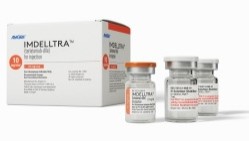
- The bispecific antibody anticancer drug ‘Imdelltra’, which faced an initial setback in its reimbursement journey in Korea, is immediately making another attempt.According to industry sources, Amgen Korea recently resubmitted its application for reimbursement listing of Imdleltra (tarlatamab), a treatment for relapsed or refractory extensive-stage small cell lung cancer (SCLC).This comes less than 2 months after the drug failed to establish reimbursement criteria at the Health Insurance Review and Assessment Service’s Cancer Drug Deliberation Committee in January, highlighting the company’s strong commitment to securing coverage.With rapid reorganization and swift action, attention is now on whether Imdelltra can succeed in obtaining reimbursement status and emerge as a treatment option in the underserved small-cell lung cancer field.Approved domestically last May, Imdelltra is a bispecific antibody therapy targeting ‘Delta-like ligand 3 (DLL3)’, which is expressed in 85-96% of small cell lung cancer patients. The DLL3 antigen is typically distributed within normal cells but abnormally expressed on the surface of cancer cells in neuroendocrine tumors, including small cell lung cancer.Imdelltra binds to both the DLL3 antigen on cancer cells and the CD3 antigen on T cells, inducing T cells to kill cancer cells. Crucially, it acts directly on the antigens of T cells and cancer cells, independent of Major Histocompatibility Complex Class I (MHC-1) expression, a key mechanism tumors use to evade immune detection, making it effective even against cancer cells that escape immune surveillance.The drug demonstrated efficacy in the DeLLphi-301 clinical trial, a Phase II study involving adult patients with extensive-stage small-cell lung cancer whose disease had progressed after at least two prior treatments, including platinum-based chemotherapy.Study results showed Imdelltra demonstrated a significant objective response rate. The objective response rate in 100 patients treated with Imdelltra 10mg was 40%, and 58% of responders (23/40) maintained responses for more than 6 months.Furthermore, the median overall survival (OS) in the Imdelltra 10mg group was 14.3 months, and the median progression-free survival (PFS) was 4.9 months. Treatment-related adverse events in the Imdelltra 10mg group were mostly low grade, with grade 3 or higher adverse events occurring in 29% of patients in Parts 1-2 and 15% of patients in Part 3 of the trial.Based on these results, the National Comprehensive Cancer Network (NCCN) recommends Imdelltra monotherapy as a preferred regimen for platinum-resistant patients and an alternative recommended regimen for platinum-sensitive patients. Additionally, the American Society of Clinical Oncology (ASCO) also strongly recommends Imdelltra monotherapy for patients whose disease has relapsed after chemotherapy.Meanwhile, small cell lung cancer (SCLC) accounts for approximately 10-15% of all lung cancer patients and is characterized by rapid cancer cell proliferation, leading to widespread metastasis within a short period. It is known that 6 to 7 out of 10 patients are diagnosed at the extensive stage, where cancer cells have metastasized to the opposite lung or other organs.Currently, the main treatment options for extensive-stage small cell lung cancer are limited to chemotherapy and immunotherapy, and the choices become even more limited when treatment progresses beyond the third line. Although the initial response rate to chemotherapy in small-cell lung cancer patients is relatively high, it often does not last long, and the disease tends to progress rapidly. Particularly in refractory or resistant patients whose disease progressed within 6 months after the last chemotherapy treatment, the response rate to traditional chemotherapy drops below 10%, creating a high demand for new treatment options.
- Company
- Pharma exports to the Middle East reach $570M
- by Kim, Jin-Gu Mar 05, 2026 05:30pm
- AI-generated image As military tensions in the Middle East escalate following the United States’ attack on Iran, the pharmaceutical and biotech industry is closely monitoring developments.While export volumes to Iran and other directly involved countries remain limited, concerns are emerging that major export markets, including Türkiye, could contract if the conflict spreads to neighboring regions. Observers also note that indirect burdens could increase due to heightened volatility in energy prices and exchange rates.According to the Korea Customs Service on the 3rd, exports of Korean pharmaceuticals to 15 Middle Eastern countries (Syria, Bahrain, Saudi Arabia, United Arab Emirates, Yemen, Oman, Jordan, Iraq, Iran, Israel, Egypt, Qatar, Kuwait, and Türkiye) totaled USD 569.07 million (approximately KRW 830 billion) last year.Since 2018, annual pharmaceutical exports to the Middle East have consistently exceeded USD 500 million. Exports peaked at USD 723.79 million in 2020 before entering a gradual decline. Last year’s figure marked a 4.3% decrease compared to the previous year.As of last year, the Middle East accounted for 6.5% of total Korean pharmaceutical exports. This represents a steady decline from 15.7% in 2018. The trend reflects stagnant exports to the Middle East alongside expanding exports to the United States and Europe.Exports to Iran remain minimal. Last year, shipments to Iran totaled just USD 3.17 million (approximately KRW 4.6 billion). Iran has long been subject to secondary sanctions by the United States. Direct transactions may restrict access to dollar settlements and U.S. financial networks, leading Korean companies to rely primarily on indirect export channels.Similarly, exports to neighboring countries where retaliatory actions by Iran have been confirmed or anticipated, including the United Arab Emirates, Bahrain, Jordan, Kuwait, Qatar, and Saudi Arabia, each amounted to less than USD 50 million, indicating relatively limited exposure.However, if the conflict spreads to neighboring countries, it could directly impact pharmaceutical export performance. Türkiyestands out as a key variable. Türkiyewas the seventh-largest destination for domestic pharmaceutical exports last year. A full 67.5% of exports to the Middle East are concentrated in this country. Last year's exports alone reached USD 384.28 million (approximately KRW 560 billion). Under these circumstances, any disruption in shipments to Türkiye could translate into an overall decline in pharmaceutical exports.Heightened alert over indirect impacts, such as rising costs and exchange ratesThe pharmaceutical industry is also closely watching the potential indirect effects of a prolonged conflict. While short-term export disruptions may be limited, uncertainty across cost structures and supply chains could increase.In particular, concerns are mounting over rising energy costs amid the growing possibility that Iran could block the Strait of Hormuz. If crude oil prices increase, this could trigger a chain reaction affecting not only factory operating expenses but also the prices of intermediate goods and raw materials.For the pharmaceutical industry, which heavily relies on petrochemical-based raw materials, this could lead to increased manufacturing cost burdens. If the situation prolongs, there is an analysis suggesting delays in the supply schedules for some equipment, reagents, and raw materials.Increased volatility in foreign exchange markets is another burden factor. Should the strength of the U.S. dollar persist, upward pressure on the won–dollar exchange rate is expected. The Korean pharmaceutical industry is heavily dependent on imported active pharmaceutical ingredients (APIs), meaning that a weaker won directly raises production costs. Although a significant share of APIs is sourced from China, transactions are typically settled in U.S. dollars, leaving companies vulnerable to exchange-rate fluctuations.On the 28th of last month (local time), the United States and Israel launched a large-scale airstrike targeting missile bases and command centers within Iran. Iran has warned of a major retaliation, especially following the death of Supreme Leader Khamenei, a core figure of the Iranian regime. Iran has initiated retaliatory airstrikes against nearby U.S. bases and announced a policy of mobilizing all means, including the closure of the Strait of Hormuz.
- Company
- IgA nephropathy drug Vanrafia soon to be introduced to Korea
- by Eo, Yun-Ho Mar 05, 2026 05:30pm
- Vanrafia, a new treatment for the rare kidney disease IgA nephropathy, may soon enter the Korean market.According to industry sources, Novartis Korea recently submitted a marketing authorization application to the Ministry of Food and Drug Safety (MFDS) for Vanrafia (atrasentan), a treatment for adults with primary IgA nephropathy (IgAN) with a urinary protein-to-creatinine ratio (UPCR) of 1.5 g/g or higher.Vanrafia was designated an orphan drug in Korea in August last year and previously received accelerated approval from the U.S. Food and Drug Administration (FDA).The drug is a once-daily oral non-steroidal therapy that can be used in combination with supportive treatment, including renin–angiotensin system (RAS) inhibitors, and may also be used in combination with sodium-glucose cotransporter-2 (SGLT-2) inhibitors.Vanrafia demonstrated efficacy in an interim analysis of the Phase III ALIGN study. However, the study has not yet confirmed whether the drug can slow the decline of kidney function in IgAN patients.In the ALIGN study, patients receiving Vanrafia in combination with RAS inhibitors experienced a clinically meaningful and statistically significant 36.1% reduction in proteinuria compared with the placebo group. This effect was observed as early as 6 weeks and was sustained for 36 weeks.The effect of Vanrafia on UPCR was consistent across subgroups in the primary study cohort, including differences in age, sex, race, estimated glomerular filtration rate (eGFR), and baseline proteinuria.IgA nephropathy is a progressive, rare autoimmune kidney disease in which the immune system attacks the kidneys, often causing glomerular inflammation and proteinuria.Up to 50% of IgAN patients with persistent proteinuria progress to kidney failure within 10 to 20 years after diagnosis, eventually requiring maintenance dialysis or kidney transplantation. Treatment responses can vary among patients.
- Company
- Amvuttra for multiple neuropathy now prescribed at hospitals
- by Eo, Yun-Ho Mar 04, 2026 05:41pm
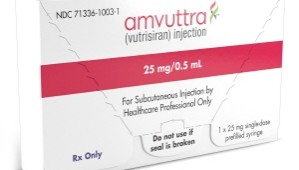
- A RNAi-based drug, 'Amvuttra,' currently seeking reimbursement listing, has entered the prescription area of general hospitals.According to industry sources, the new drug Amvuttra, a treatment for hereditary transthyretin-mediated amyloidosis with polyneuropathy (hATTR-PN), introduced to the Korean market by Medison Pharma Korea, has passed the drug committees (DC) of tertiary general hospitals, including Seoul Samsung Medical Center and Sinchon Severance Hospital.Medison Pharma is currently negotiating with the National Health Insurance Service (NHIS) for the drug price. Accordingly, once this drug is listed, it is expected to proceed quickly to prescription. Amvutra previously passed the Health Insurance Review and Assessment Service's (HIRA) Drug Reimbursement Evaluation Committee in December last year.Furthermore, Medison Pharma is currently operating Amvuttra's Expanded Access Program (EAP) for patients.Amvutra was designated as an orphan drug by the Ministry of Food and Drug Safety (MFDS) in November 2023 and received final approval in November last year.Amvutra is administered by subcutaneous injection once every 3 months. This drug targets and silences specific messenger RNA (mRNA), thereby blocking the production of both wild-type and mutant transthyretin (TTR) protein.The efficacy of Amvutra was demonstrated through the HELIOS-A Phase 3 study. The Phase 3 trial enrolled 164 patients with hATTR-PN and polyneuropathy across 22 countries. These patients were randomly assigned to either the Amvutra group (122 patients), receiving 25mg via subcutaneous injection every three months, or the 'Onpattro (patisiran)' group (42 patients), receiving 0.3mg/kg via intravenous injection every three weeks.Amvutra's efficacy was assessed by comparing its data with placebo data from the APOLLO study, which evaluated the efficacy and safety of Onpattro in a patient population similar to that in HELIOS-A.As a result, during the 9-month treatment period, the Amvutra group experienced less severe neurological impairment and showed improved quality of life compared to the placebo group. In the 10-meter walk test, which assesses a patient's walking speed and motor ability, the time taken by the vutrisiran group showed almost no change. NT-proBNP, a biomarker used to evaluate cardiac function, also showed improvement.Meanwhile, hATTR-PN, which affects approximately 1 in 100,000 people, is a disease caused by mutations in the transthyretin gene. It is characterized by systemic multiple autonomic neuropathies, including cardiac, gastrointestinal, and ophthalmic. Vyndaqel stabilizes the transthyretin protein.Generally, symptoms such as pain, paresthesia, and paralysis begin in the lower extremity nerves, where abnormal proteins tend to accumulate, eventually spreading to the upper body and affecting other organs, such as the heart, kidneys, and eyes. Life expectancy is 7 to 12 years on average from the onset of symptoms.
- Company
- Will Vyloy secure reimb this year?...Passes CDDC review
- by Eo, Yun-Ho Feb 27, 2026 08:36am
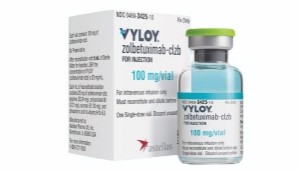
- Attention is turning to whether the gastric cancer targeted therapy Vyloy will succeed in its renewed bid and secure reimbursement after clearing the Cancer Disease Deliberation Committee review.Vyloy (zolbetuximab), developed by Astellas Korea for Claudin 18.2–positive gastric cancer, passed the Health Insurance Review and Assessment Service (HIRA) Cancer Disease Deliberation Committee in October last year and is currently undergoing procedures for submission to the Drug Reimbursement Evaluation Committee.Approved in Korea in September 2024, Vyloy failed to clear the CDDC review with its initial application in February last year but promptly submitted a reapplication, ultimately securing approval.Vyloy is the world’s first approved Claudin 18.2–targeted therapy. It is an immunoglobulin monoclonal antibody that binds to Claudin 18.2, a protein expressed and exposed in gastric cells.According to the Phase III SPOTLIGHT study, which formed the basis for Vyloy's approval, the median progression-free survival (mPFS) for Vyloy combined with mFOLFOX6 (oxaliplatin, leucovorin, fluorouracil) was 10.61 months, exceeding the placebo group’s 8.67 months. Median overall survival (mOS) was also longer at 18.23 months versus 15.54 months.In the GLOW study, the Vyloy plus CAPOX (capecitabine and oxaliplatin) combination group achieved a median progression-free survival of 8.21 months, reducing the risk of disease progression or death by approximately 31%.Professor Sun Young Rha of Yonsei Cancer Center stated, “About 90% of patients with metastatic gastric cancer are HER2-negative, underscoring the urgent need for therapies targeting new biomarkers. Given that about 40% of HER2-negative patients are reported to be Claudin 18.2-positive, the emergence of Vyloy, which selectively binds to Claudin 18.2, presents a new therapeutic option for these patients.”Meanwhile, the Korean Gastric Cancer Association revised its treatment guidelines on January 6, 2025, in the Journal of Gastric Cancer (JGC), granting Vyloy the ‘highest-level’ recommendation as first-line therapy for patients who are HER2-negative and Claudin 18.2-positive.Vyloy has also been listed as a standard treatment option in Japan’s gastric cancer guidelines and the European Society for Medical Oncology (ESMO) clinical practice guidelines. It is included as a preferred regimen in the U.S. NCCN guidelines, rapidly establishing itself as a global standard of care for gastric cancer.
- Company
- Twice-yearly HIV treatment 'Sunlenca' nearing KOR mkt entry
- by Eo, Yun-Ho Feb 27, 2026 08:35am
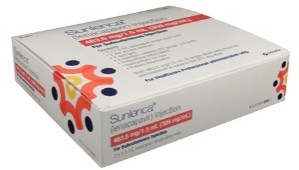
- The domestic market entry of twice-yearly injectable 'lenacapavir', a new drug for HIV prevention, is imminent.The Ministry of Food and Drug Safety (MFDS) is currently conducting a final review for the approval of Gilead Sciences' Sunlenca (lenacapavir), an HIV treatment. It is expected to be approved as early as the first half of this year.The drug's detailed indication is 'to be used in combination with other antiretrovirals to treat patients with multidrug-resistant HIV-1 infection for whom antiretrovirals cannot be used.'This drug is the first-in-class long-acting HIV-1 capsid inhibitor that is subcutaneously administered every six months. It was approved in the United States and Europe in 2022 and is available for prescription.The current HIV treatment regimen requires daily oral administration of antiretrovirals. As long-acting agents are being developed, the treatment frequency has been extended to every 2 or 6 months.Although this indication has not been submitted for approval in Korea, lenacapavir is gaining interest because it can be used for prophylaxis, beyond HIV treatment.This drug obtained approval in the United States in June last year and in Europe in August of the same year as a 'pre-exposure prophylaxis (PrEP) to reduce the risk of sexually acquired HIV-1 infection in adults and adolescents weighing at least 35 kg who are at increased risk of HIV-1 infection.' The product name for lenacapavir used for prophylaxis is 'Yeytuo.'The efficacy of lenacapavir for PrEP was demonstrated through the Phase 3 PURPOSE 1 and PURPOSE 2 trials.The PURPOSE 2 study result has shown that lenacapavir reduced HIV infection by 96% compared to baseline HIV prevalence (HIV).In a group of 2,180 participants, only two cases occurred, showing that 99.9% of the participants in the lenacapavir treatment group did not become infected with HIV.In 2024, Gilead Sciences concluded the double-blind trial conducted in Sub-Saharan Africa early after meeting the key endpoints. This PURPOSE1 clinical trial evaluated lenacapavir as a PrEP among cisgender women.Meanwhile, lenacapavir was selected as 'Breakthrough of the Year' in Science, the academic journal and outlet for scientific news, based on these study results.

- Company
- Wegovy and Mounjaro reshape Korea’s obesity drug market
- by Chon, Seung-Hyun Feb 26, 2026 07:48am
- Following the market impact of the obesity treatment Wegovy, Mounjaro has now begun its full-scale expansion in the domestic market. Wegovy exceeded KRW 100 billion in sales for three consecutive quarters, with annual sales nearing KRW 500 billion. Mounjaro nearly reached KRW 200 billion in sales within just 3 months, significantly disrupting the obesity drug landscape. Previously dominant treatments such as Saxenda and Qsymia have seen their market influence sharply decline.According to market research institution IQVIA, Novo Nordisk’s Wegovy recorded annual sales of KRW 467 billion last year.Wegovy, which was approved by the Ministry of Food and Drug Safety in April 2023, is a glucagon-like peptide-1 (GLP-1) receptor agonist containing semaglutide. Novo Nordisk developed Wegovy after identifying weight loss effects during clinical trials of GLP-1 diabetes candidates, ultimately advancing semaglutide into a once-weekly treatment for obesity.Wegovy gained explosive popularity immediately after its domestic launch in October 2024. It rapidly ascended to the top of the obesity drug market, generating KRW 60.3 billion in sales in Q4 2024.Wegovy surpassed KRW 100 billion in quarterly sales just 9 months after launch, reaching KRW 133.8 billion in Q2 last year. It recorded KRW 137 billion and KRW 116.7 billion in Q3 and Q4, respectively, achieving quarterly sales exceeding KRW 100 billion for 3 consecutive quarters. Novo Nordisk strengthened its commercial presence by signing a co-promotion agreement with Chong Kun Dang for Wegovy in September last year.Even before its domestic launch, Wegovy gained global notoriety through word of mouth as the weight-loss secret of overseas celebrities, such as Tesla CEO Elon Musk, leading to worldwide shortages. Despite its high price, Wegovy garnered explosive interest immediately after its domestic release, causing initial shortages.Wegovy's sales in the Q4 last year decreased by 14.9% compared to the previous quarter, analyzed to be due to the impact of price reductions and the emergence of the new product Mounjaro. Following Mounjaro’s launch in August, Novo Nordisk reduced Wegovy’s supply price by approximately 40%.Eli Lilly’s Mounjaro, which was launched domestically in August, generated KRW 215.5 billion in sales during the second half of the year alone.Mounjaro acts on both the glucagon-like peptide-1 (GLP-1) receptor and the glucagon-like peptide-1 (GLP-1) receptor, enhancing insulin secretion, improving insulin resistance, and reducing glucagon secretion. This induces reductions in both pre- and post-meal blood glucose levels. In Korea, Mounjaro was initially approved as a diabetes treatment in June 2023 and later secured an additional obesity indication in August 2024.Mounjaro generated its first sales of KRW 28.4 billion in Q3 last year and significantly outpaced Wegovy with KRW 187.1 billion in Q4. In Q4 last year, Wegovy and Mounjaro combined reached KRW 303.8 billion in sales, marking a historic milestone in Korea’s obesity treatment market.Mounjaro also surpassed Wegovy in the global market. Last year, Mounjaro sales reached USD 23.065 billion (approximately KRW 33 trillion), substantially exceeding Wegovy’s sales of DKK 79.1 billion (approximately KRW 18 trillion).Saxenda and Qsymia, which previously led the obesity drug market before Wegovy's arrival, have seen their market positions significantly eroded.Novo Nordisk's Saxenda saw its sales shrink by 84.4% in just one year, plummeting from KRW 65.6 billion in 2024 to KRW 10.2 billion last year. Saxenda had dominated the obesity treatment market since its launch in 2019, achieving sales of KRW 42.6 billion that year and maintaining its leading position for 5 consecutive years until 2023. Saxenda's sales reached KRW 66.8 billion in 2023, but dropped significantly after Wegovy's launch.Launched domestically in 2018, Saxenda was the world’s first GLP-1 analogue approved for obesity treatment. It shares the same active ingredient (liraglutide) as Victoza, differing only in dosing regimen. The arrival of Wegovy, another GLP-1 agonist like Saxenda, has further eroded Saxenda's market share.Alvogen Korea’s Qsymia recorded annual sales of KRW 35.6 billion, reflecting an 8.8% year-on-year decline. Qsymia, a combination of phentermine and topiramate, entered the Korean market in late 2019. While Qsymia experienced a smaller sales decline compared with Saxenda, its revenue remained below 10% of Wegovy’s, indicating a substantial contraction in market presence.
- Company
- Tariff risk again…pharma closely watches exports to the US
- by Kim, Jin-Gu Feb 25, 2026 05:46pm
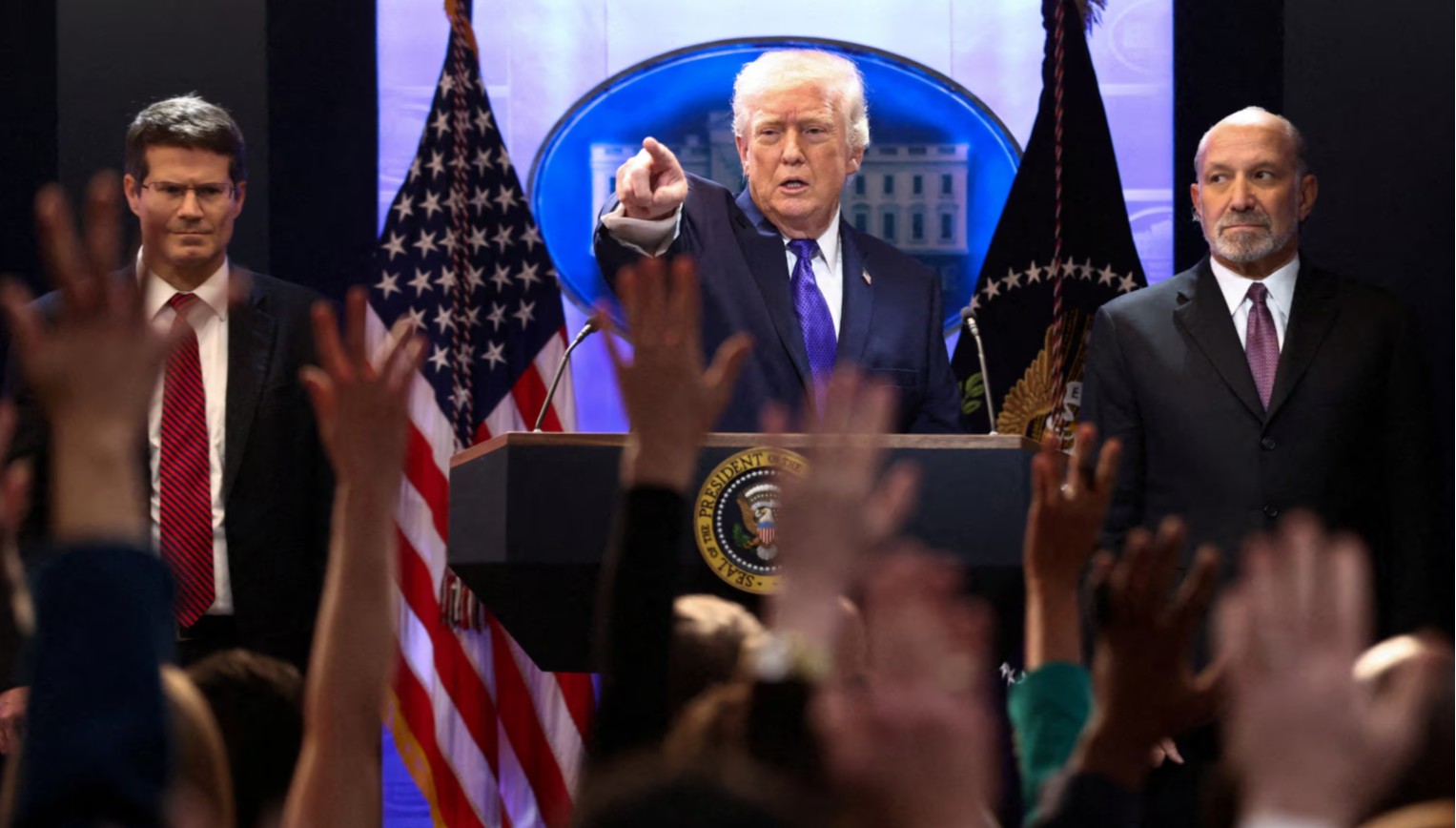
- The US Supreme Court's ruling that reciprocal tariffs are unconstitutional, and President Trump's new 15% reciprocal tariff, come into effect at 2 PM on the 24th. The pharmaceutical and biotech industries are closely monitoring the situation as the risk of US tariffs may reignite.Currently, many view the impact of the new 15% tariff as limited. Major pharmaceutical and biotech companies that export have already prepared countermeasures by securing sufficient local inventory and expanding local production through manufacturing facilities in the United States. Some observers also predict that export performance, which surged significantly last year during the process of securing local inventory, may decrease to typical levels this year due to a base effect.New '15%' tariff takes effect…Prospects↑ for "Limited impact on Korean drug exports to the US"According to pharmaceutical industry sources on the 24th, the new 15% tariff imposed by US President Donald Trump on imports from all countries worldwide takes effect today (the 24th).Immediately following the US Supreme Court's ruling on the unconstitutionality of reciprocal tariffs on the 20th, President Trump announced that he had signed an executive order imposing a new 10% tariff. The following day, President Trump adjusted the tariff upward to 15%. According to the White House, the new tariff takes effect at 12:00 AM on the 24th, Eastern Time, which corresponds to 2 PM on the 24th, Korean Time.The new 15% tariff is based on 'Section 122 of the Trade Act.' This clause focuses on responding to serious international balance of payment deficits or a decline in the value of the dollar. It allows for the imposition of emergency tariffs of up to 15% for 150 days, which can be extended with congressional approval.Regarding the Supreme Court's ruling and President Trump's 15% tariff, the pharmaceutical industry is keeping a close watch, keeping in mind the possibility that US export risks could reignite.However, many view that the impact will be limited even if a 10% (or 15%) tariff is imposed. Indeed, during an emergency meeting immediately after President Trump's announcement, the Ministry of Trade, Industry and Energy explained, "While export uncertainty to the US has risen slightly, the export conditions for the US secured through the Korea-US tariff agreement will largely be maintained."An official from the domestic pharmaceutical and biotech industry also stated, "As a result, a new 15% tariff replaces the 15% reciprocal tariff. The key is whether the Most Favored Nation (MFN) status for medicines will be maintained following the conclusion of Korea-US tariff negotiations; however, regardless of MFN status, we have prepared measures, such as securing inventory in the US and acquiring local production facilities. Even if new tariffs are applied, we expect the impact to be minimal."Securing local stock + acquiring US manufacturing plants…Major pharmaceutical and biotech firms complete countermeasuresThe domestic pharmaceutical and biotech industry secured sufficient local inventory last year as a short-term measure ahead of the Trump administration's tariff imposition. Using Celltrion as an example, the company has preemptively secured two years' worth of inventory for products exported to the US as of early this year.In the mid- to long-term, measures have been put in place to minimize risk by acquiring local production facilities.Celltrion will engage in local production through Eli Lilly’s biologic manufacturing plant in Branchburg, New Jersey, which it acquired last year. In September last year, Celltrion acquired the Branchburg plant, with a production capacity of 66,000 liters, for KRW 460 billion (approximately USD 330 million). The acquisition process was finalized last month, and the facility reportedly began full-scale operations this month.Samsung Biologics plans to commence local production after finalizing the acquisition of a biologic manufacturing plant in Maryland, purchased in December last year, by next month. This plant has a production capacity of 60,000 liters, and the company is considering expanding to 40,000 liters.Preemptive export↑ last year for inventory accumulation…Export sales may decrease this year due to base effectSome in the pharmaceutical industry suggest that the export performance of Korean medicines to the US this year may appear to decrease on the surface compared to last year.This prospect suggests that while major companies preemptively increased export volumes last year to secure local inventory, leading to a significant spike in export performance, this year will see a decrease due to the resulting base effect.Sales performance of Korea's domestic medicines exported to the US (unit: USD 1 million; source: Korea Customs Service)According to the Korea Customs Service, the value of Korean medicines exported to the US reached USD 1.76 billion last year, the highest on record. Exports to the US have increased significantly over the past four years. Drug exports to the US, which were USD 843.94 million in 2022, grew by 7% to USD 903.3 million in 2023, and increased by approximately 50% to USD 1.358 billion in 2024. Building on this, high growth of nearly 30% continued last year, driving record-breaking performance for Korean medicines.However, this year is slightly different. In January of this year, the export value of Korean medicines to the US was USD 76.42 million, which is less than half of the USD 176.3 million recorded in January last year. This figure is also more than 25% lower than the USD 103.07 million recorded in January 2024.
