
- LOGIN
- MemberShip
- 2026-05-01 00:26:35
- Company
- Remsima-Onbevzi compete for No.1 rank in the biosimilar mkt
- by Chon, Seung-Hyun Nov 19, 2025 06:10am
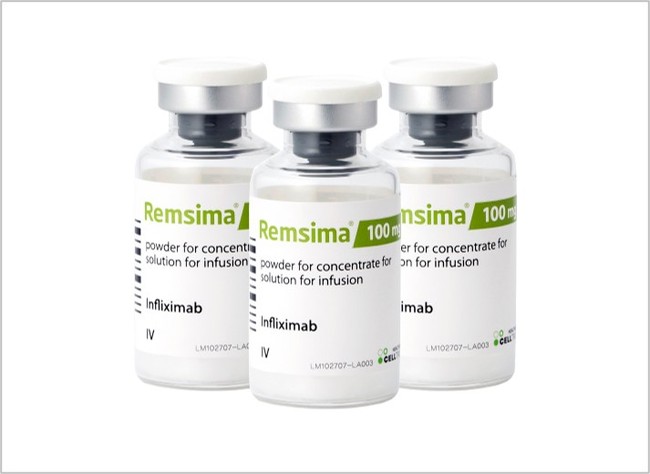
- Celltrion's Remsima and Samsung Bioepis' Onbevzi are fiercely competing for the top spot in the Korean biosimilar market. Remsima has now surpassed Onbevzi's sales after nine quarters, following its previous lead in Q4 of last year. Both Remsima and Onbevzi generate quarterly revenues exceeding KRW 10 billion, proving the commercial viability of domestically developed biosimilars. The entry of traditional pharmaceutical companies into the sales of these biosimilars is attributed to the stable market growth. According to the Financial Supervisory Service on November 17, Celltrion's Remsima recorded sales of KRW 12.5 billion in the third quarter, up 11.5% year on year. Remsima surpassed Onbevzi's sales of KRW 10.5 billion by KRW 2 billion, marking the highest domestic revenue among domestically developed biosimilars. This record is based on sales figures disclosed by Celltrion Pharm and Boryung, the companies selling biosimilars from Celltrion and Samsung Bioepis, respectively. Quarterly sales of major domestically-developed biosimilars. ORANGE-Remsima, BLUE-Onbevzi, GREEN-Herzuma (unit: KRW 1 million, source: Financial Supervisory Service) Remsima is a biosimilar of Remicade, the treatment for autoimmune diseases. It was approved in 2012 as the first domestically developed antibody biosimilar and is used to treat Crohn's disease, ankylosing spondylitis, ulcerative colitis, and rheumatoid arthritis. Onbevzi is a biosimilar of the anti-cancer drug Avastin. It is used for metastatic colorectal cancer, metastatic breast cancer, non-small cell lung cancer, advanced or metastatic renal cell carcinoma, glioblastoma, epithelial ovarian cancer, fallopian tube cancer, primary peritoneal cancer, and cervical cancer. This is the first time in three quarters, since Q4 of last year, that Remsima has surpassed Onbevzi's sales. Remsima led Onbevzi by KRW 1.6 billion in Q4 of last year, with KRW 12.1 billion in sales. However, Onbevzi took the lead in Q1 of this year with KRW 10.9 billion, surpassing Remsima by KRW 1.7 billion. Q2 sales of Onbevzi exceeded those of Remsima by KRW 700 million. Remsima had maintained the sales lead among domestically developed biosimilars for 10 years after its launch. Onbevz first surpassed Remsima in Q1 2023 with KRW 9.2 billion in sales, leading by KRW 1 billion. Remsima retook the lead in Q2 2023 with KRW 13.4 billion, surpassing Onbevz by KRW 3.3 billion, but then conceded the lead to Onbevz from Q3 2023 to Q3 of last year, with sales between KRW 8 billion and KRW 9 billion. Since then, Remsima and Onbevz have repeatedly traded the lead. Sales have reversed a total of five times between Remsima and Onbevz over the past three years since 2023. Onbevzi became a stable cash cow, recording sales of over KRW 10 billion for 10 consecutive quarters since first crossing the KRW 10 billion mark in Q2 2023. However, Onbevzi's growth has slowed slightly since recording KRW 11.7 billion in sales in Q2 of last year. After declining to KRW 11.5 billion in Q3 and KRW 10.6 billion in Q4 of last year, it rebounded to KRW 10.9 billion in Q1 of this year, but its sales in Q2 and Q3 slightly decreased from the previous quarter. In the Avastin market, Samsung Bioepis launched Onbevzi in September 2021, followed by Celltrion and Alvogen Korea. Onbevzi, the first biosimilar to enter the market, was equipped with a customized sales force, thereby maximizing its synergy. Samsung Bioepis signed an exclusive domestic sales agreement with Boryung immediately after Onbevzi's approval in South Korea. Boryung is a domestic company with strengths in oncology. Onbevzi's cumulative sales for the first three quarters were KRW 31.7 billion, a 8.4% year-on-year decrease, but it still led Remsima's sales of KRW 31.3 billion by KRW 400 million. Remsima's cumulative sales for the first three quarters decreased by 1.5% from the previous year. Celltrion's Herzuma, a biosimilar of the anti-cancer drug Herceptin, followed Onbevz and Remsima, recording KRW 4.3 billion in Q3 sales, a 21.0% decrease year-on-year. Herzuma's cumulative sales for the first three quarters totaled KRW 15.7 billion, a 1.6% year-on-year decrease. Recently, traditional pharmaceutical companies have entered the biosimilar market. Domestic biotech companies have successfully commercialized 26 biosimilar products across 15 markets. Domestic companies began actively entering the biosimilar market when Celltrion received approval for Remsima in 2012. Celltrion has received MFDS approval for biosimilars targeting Herceptin, MabThera, Humira, Avastin, Eylea, Stelara, Xolair, Prolia, Xgeva, and Actemra. Samsung Bioepis received approval for Etoloce, its first biosimilar product, in 2015. The original drug for Etoloce is Enbrel. Samsung Bioepis has successfully commercialized biosimilars targeting Remicade, Humira, Herceptin, Avastin, Lucentis, Soliris, Eylea, Stelara, Prolia, and Xgeva. LG Chem received approval for Eucept, an Enbrel biosimilar, in 2018 and a Humira biosimilar in 2023. Chong Kun Dang launched biosimilars in the Nesp and Lucentis markets. Samsung Bioepis initially launched the Enbrel biosimilar Etoloce in 2015 and the Remicade biosimilar Remaloce in 2016 through MSD Korea, but transferred the domestic rights for both products to Yuhan in 2017. Yuhan also secured the rights for Samsung Bioepis' Humira biosimilar, Adaloce, in 2021. However, since March of last year, Samsung Bioepis newly established its own sales organization and began direct sales of three autoimmune disease treatments. Samsung Bioepis selected Daewoong Pharmaceutical as its sales partner for Samfenet in 2017, but replaced the partnering company with Boryung in 2021. In 2021, it signed an exclusive domestic sales agreement with Boryung immediately after the domestic approval of the Avastin biosimilar, Onbevzi. Samsung Bioepis chose Samil Pharm as its sales partner for the ophthalmology treatments Lucentis and Eylea biosimilars. Samsung Bioepis selected Hanmi Pharmaceutical as its sales partner for the Prolia biosimilar, Obodence. Prolia, developed by Amgen, works by inhibiting bone resorption and increasing bone density by suppressing osteoclast activity (cells that break down bone). It prevents bone loss and reduces fracture risk in postmenopausal women, suppresses bone metastasis, and protects bone structure, reducing complications in cancer patients. Samsung Bioepis, as the developer of the Prolia biosimilar, is responsible for product production and supply, while both companies jointly handle marketing and sales activities. Daewoong Pharmaceutical entered a co-promotion and distribution agreement with Celltrion Pharm and began domestic sales of Celltrion's Prolia biosimilar, Stoboclo. Daewoong Pharmaceutical jointly sells Stoboclo with Celltrion Pharm in general hospitals and clinics nationwide. Celltrion previously sold its biosimilars in the domestic market through its affiliate, Celltrion Pharm. Stoboclo is the first Celltrion biosimilar sold by a pharmaceutical company other than Celltrion Pharm. Daewoong Pharmaceutical also joined LG Chem's sales effort for its Humira biosimilar, Xelenka.
- Company
- Leqvio may reshape the mkt for statin-intolerant patients
- by Eo, Yun-Ho Nov 19, 2025 06:09am
- Leqvio, the dyslipidemia treatment administered once every six months, is rapidly expanding its presence by targeting niche patient segments. The treatment is gaining traction, particularly among patients with statin intolerance, those with a family history of dyslipidemia, and those who prefer a biannual, physician-administered injection schedule. Novartis Korea’s Leqvio (inclisiran) is the first-in-class siRNA therapy approved in Korea. It received domestic approval in June 2024 as an adjunct to diet for patients with primary hypercholesterolemia (heterozygous familial and nonfamilial) or mixed dyslipidemia. Leveraging naturally occurring siRNA mechanisms, Leqvio inhibits the production of PCSK9, a protein that increases LDL cholesterol, thereby reducing circulating LDL-C levels. A key advantage is its twice-yearly administration by healthcare professionals, which removes the burden and fear associated with self-injection. Experts note that Leqvio’s introduction brings more than just improved convenience. Professor Young Bin Song of the Department of Cardiology at Samsung Medical Center said, "Leqvio effectively lowers LDL-C with just two injections per year, fundamentally changing the strategy of lipid-lowering therapy (LLT). Maintaining lowered LDL-C levels over the long term plays a crucial role in reducing cardiovascular disease risk. Therefore, the 6-month dosing interval offers value that goes beyond convenience.” Leqvio specifically targets patients with statin intolerance, addressing the unmet need in the existing dyslipidemia treatment market dominated by statins. Currently, 39% of Korean patients with high cholesterol levels do not use lipid-lowering drugs, which inevitably increases their risk of cardiovascular disease. Professor Song said, “High-intensity statins, the first-line LLT, require daily administration. Unfortunately, patient adherence rates are not high. Discontinuation often occurs due to adverse reactions like liver or kidney function impairment, muscle pain, or daily inconvenience from muscle pain, creating challenges in lipid management.” Meanwhile, the results of the V-DIFFERENCE study, a Phase 4 clinical trial evaluating the LDL-C target achievement rate in patients with hypercholesterolemia who received either LLT optimized for individual patients plus Leqvio or LLT plus placebo, were recently presented at the European Society of Cardiology Congress (ESC 2025). This study holds significance as the first to evaluate Leqvio’s effect on muscle symptoms and pain commonly observed in patients receiving statins and other LLT treatments. Secondary endpoints included the proportion of patients experiencing at least one muscle-related adverse event (MRAE) after 360 days of treatment and the proportion reporting self-reported pain. Results showed that the Leqvio treatment group achieved significantly higher rates of individual LDL-C target attainment compared to the placebo group. Furthermore, the likelihood of muscle-related adverse events (MRAEs) was 43% lower in the Leqvio group than in the placebo group, and numeric improvements were also observed in pain-related quality of life (QoL) scores. Professor Song stated, “Given that some patients undergoing statin therapy suffer from side effects like muscle pain, this study reaffirms that Leqvio can serve as a viable treatment option that can address the unmet needs of existing LLT strategies.”
- Company
- GC Biopharma's U.S. plasma centers are fully operational
- by Chon, Seung-Hyun Nov 19, 2025 06:08am
- ABO Plasma, GC Biopharma's recently acquired U.S. plasma center, is seeing rapid revenue growth, with third-quarter sales exceeding those of the first and second quarters combined. The plasma centers, acquired for KRW 138 billion, has started full operations as its locations received U.S. approvals, leading to expanded sales of GC's blood products in the U.S. market. According to the Financial Supervisory Service on November 19, ABO Plasma recorded sales of KRW 43.1 billion in the third quarter. This represents a fourfold increase from the previous quarter's KRW 9.1 billion. The cumulative revenue for the first three quarters totaled KRW 65.4 billion. ABO Plasma is a U.S.-based plasma center that GC Biopharma acquired in January of this year. Immediately following the acquisition, ABO Holdings was renamed ABO Plasma. GC Biopharma decided to acquire a 100% stake in ABO Plasma for KRW 138 billion in December of last year. ABO Plasma, located in California, operates plasma centers in New Jersey, Utah, and California. The purpose of the acquisition was to expand the business for the blood product Alyglo and secure a stable source of raw materials. Alyglo, which received U.S. Food and Drug Administration (FDA) approval in December 2023, is a liquid immunoglobulin preparation refined from plasma fractionation. It is used to treat primary immunodeficiency diseases, such as congenital immunodeficiency and immune thrombocytopenia. Alyglo was the first blood product developed by a Korean company to enter the U.S. market. GC Biopharma established a system in which it uses plasma supplied by ABO Plasma to manufacture Alyglo at its Ochang plant in Korea, and sells the finished product in the U.S. Previously, GC Biopharma purchased plasma from U.S. plasma centers before manufacturing Alyglo at its Ochang plant. ABO Plasma generated revenues of KRW 13.2 billion and KRW 9.1 billion in the first and second quarters, respectively, and then skyrocketed in the third quarter. The third-quarter revenue alone was about double the revenue of the first half. At the time of GC Biopharma's acquisition of ABO Plasma, three of the total six plasma centers had already received FDA approval. An additional three centers received FDA approval in the second quarter. U.S. plasma centers can collect plasma from donors after opening, but they can only sell the plasma once they receive FDA approval. Since ABO Plasma's centers received FDA approval in succession following the acquisition, plasma sales revenue has gradually expanded. U.S. sales of Alyglo are also gradually increasing. The company explained, "Alyglo has maintained growth every quarter this year, achieving 117% sales growth compared to the same period last year." GC Biopharma proactively secured local inventory by increasing Alyglo export volume in the first half of the year to respond preemptively to changes in U.S. tariff policy. GC Biopharma recorded KRW 133.6 billion in blood product sales in the third quarter. This is similar to the KRW 136.6 billion recorded in the same period last year, but represents a 33.7% increase compared to KRW 99.9 billion in Q3 2023. GC Biopharma began full-scale sales after completing the initial shipment of Alyglo in July of last year. Blood product sales recorded KRW 90.6 billion in Q2 last year, expanded by 50.8% to KRW 136.6 billion in Q3 with Alyglo's launch, and rose to KRW 161.7 billion in Q4. This year, Q1 and Q2 recorded KRW 127.2 billion and KRW 152.0 billion, respectively. ABO Plasma is accelerating its facility expansion. On November 16, ABO Plasma opened the Laredo Plasma Center in Texas. ABO Plasma plans to start recruiting plasma donors immediately upon the center's launch. Collected plasma can be stored for 24 months, and the company plans to begin sales as soon as FDA authorization is complete. The FDA approval process for a plasma center typically takes nine months, and ABO Plasma expects to complete approval by the first half of next year. The Laredo Plasma Center was initially scheduled for completion in 2026, but expansion was accelerated to keep pace with Alyglo's growth and the domestic plasma fractionation products. The Eagle Pass Plasma Center in Texas is also expected to open in 2026. ABO Plasma recorded a net loss of KRW 5.7 billion in the third quarter. The company's deficit slightly increased, following net losses of KRW 5.1 billion and KRW 5.5 billion in the first and second quarters, respectively. The increased deficit compared to the previous quarter is attributed to higher costs associated with the early opening of the Laredo Plasma Center in Texas and to the recognition of one-time investment costs to build a foundation for mid- to long-term growth. The cumulative net loss for the first three quarters is KRW 16.2 billion. GC Biopharma utilized its internally established investment vehicle to acquire ABO Plasma. The acquisition involved investing GC Biopharma's existing cash reserves of KRW 55.7 billion and disposing of its stake in of the private equity firm 'For Human Life Private Equity Joint Venture No. 1' for KRW 82.3 billion. GC Biopharma Holdings and GC Biopharma jointly established For Human Life in March 2021, each investing KRW 6.4 billion. For Human Life subsequently launched 'For Human Life Private Equity Joint Venture No. 1' after receiving an investment of KRW 67.0 billion from GC Biopharma.
- Company
- Will the 53.55% generic drug pricing system be overhauled?
- by Kim, Jin-Gu Nov 18, 2025 06:12am
- The Korean government is moving toward a full-scale overhaul of the national drug pricing system Structural overhauls of the overall domestic drug pricing system are materializing, including adjustments to the generic drug pricing calculation rate, reform of the tiered pricing system, consolidation of post-marketing control systems, expansion of risk-sharing agreement and dual pricing systems, and introduction of R&D investment-linked drug pricing premiums. According to industry sources on the 18th, the Ministry of Health and Welfare is scheduled to attend the Korea Pharmaceutical and Bio-Pharma Manufacturers Association’s board meeting this afternoon to explain the direction of the drug pricing system reform. It is understood that Lee Jung-kyu, Director-General of the Bureau of Health Insurance Policy, will personally explain the reform's purpose and direction and request the pharmaceutical industry's participation. The Ministry has been continuously discussing the reform of the drug pricing system. Discussions have accelerated, particularly since the inauguration of the Lee Jae-myung administration. The outline has been shaped to simplify an overly complex system, making it more predictable, while simultaneously encouraging R&D investment by domestic pharmaceutical and biotech companies. A draft of the reform plan is reportedly already prepared. Following the ministry's briefing to the KPBMA, the discussions on drug pricing system reform, which have been progressing behind the scenes, are expected to move into the official phase. The focal point of interest is the generic drug price calculation rate. Lowering the current 53.55% rate is understood to be one of the core elements of the reform plan. Under the current system, the generic drug price is set at 59.5% of the original drug's highest price for the first year after initial listing. From the second year onward, the price is maintained at a reduced rate of 53.55%. To qualify for the 53.55% rate, both conditions must be met - ‘conducting its own bioequivalence test’ and ‘using a registered Drug Master File registered API.’ Meeting only one condition results in an additional 15% reduction (45.52% of the original price). Failing to meet both conditions leads to a further 15% reduction (38.69% of the original price). The government believes the current 53.55% benchmark is excessively high. Although the exact adjustment level has not been disclosed, industry insiders expect a considerably lower figure, potentially around 40%. An industry official stated, “If the discussion were merely about lowering the 53.55% calculation rate to 50%, the reform talks wouldn't have even started. The consensus is that the final figure will be below 50%.” The tiered generic pricing system is also expected to face revisions. Currently, the first 20 generic products maintain the 53.55% price level, and after the 20th, the price is reduced by 15% sequentially. The 21st generic is priced at 85% of the lowest price among the first 20 products, and the 22nd generic is priced at 85% of the 21st generic, and so on. In this regard, the Ministry of Health and Welfare considers the ‘20-product’ range as excessively broad. It is reported that a plan to reduce this to around 10 products is under review. However, it is understood that discussions are also underway to moderate the structure where prices drop by 15% after the 20th product, meaning fewer generics per tier, but smaller price drops per step. A major consolidation of post-management regulations is also underway. Current systems, including the ▲ Actual Transaction Price (ATP) reduction, ▲ reassessment of reimbursement adequacy, and ▲ the Price-Volume Agreement system, run simultaneously. The government has also previously considered introducing an external reference pricing-based reevaluation. The Ministry of Health and Welfare plans to consolidate these systems to enhance predictability. To this end, the Ministry commissioned a study titled “Integrated Framework for Post-Management of Drug Pricing” to the Daegu Catholic University Industry-Academic Cooperation Foundation in March this year. Once the results are released at the end of the year, related discussions are expected to accelerate. The drug price premium system is also likely to undergo a significant overhaul. Given persistent criticism that the current premium system is overly complex, the government is considering a method to determine drug price premiums and preferential treatment based on the R&D investment ratio of pharmaceutical and biotech companies. A pharmaceutical industry insider stated, “It is clear that the government intends to overhaul the multi-product, generic-centered market structure. Based on the judgment that the system has become excessively complex due to additions made as needed over time, discussions are proceeding toward streamlining it within a broad framework to enhance predictability. The government intends to strongly convey the message that growth is no longer feasible solely through a generic-centered market.” A government-ruling party official explained, “The focus of this reform is not on cutting healthcare spending. The goal is to create an environment where pharmaceutical innovation can function properly. We are reviewing options such as linking pricing premiums to the company’s R&D investment ratio. The intent is to make R&D investment a key determinant of reward.”
- Company
- 'True innovation requires guaranteed access to new drugs'
- by Son, Hyung Min Nov 18, 2025 06:09am
- A recent survey on perceptions of pharmaceutical innovation showed that the vast majority of Koreans believe innovation should be assessed not only by clinical efficacy but also by whether patients can realistically access and use the treatment. The survey, commissioned by global pharmaceutical company BeOne Medicines and conducted by research firm Embrain from August to October 2025, aimed to objectively understand public perceptions of new drug accessibility and the need for improvement. A total of 1,000 Korean adults aged 20 and older participated, including more than 200 cancer or severe-disease patients and caregivers. Among respondents, 69.5% believed they or a family member could face cancer or a severe disease, and a similar proportion, 69.7%, replied that “accessing new drugs would be difficult.” The biggest barriers were financial burden (54.2%) and lack of information (52.2%). Older respondents perceived the lack of information about new drugs as a greater problem. Among respondents who had personally experienced or had a family member with cancer or a serious illness, 47% considered treatment with new drugs, but 74% of those reported difficulties accessing such treatments. 84% of respondents stated that ensuring accessibility after new drug development is essential for innovation, and 82.7% agreed that if a drug is inaccessible due to cost, it cannot be considered innovative. This indicates that the majority of Koreans perceive pharmaceutical innovation not merely as scientific progress but also as encompassing broader social value. The government (89%) was identified as the most important entity for improving new drug accessibility, followed by healthcare professionals (83.5%) and pharmaceutical companies (64.2%). 70.8% of respondents felt that the role of certain stakeholders was being over-emphasized in the current system, while 87.2% agreed that collaboration among all stakeholders is necessary. Regarding the roles expected of each entity to improve new drug accessibility, the most common response (receiving positive responses from over 80% of respondents) was that the government should secure flexibility in new drug price evaluations and relax/expand reimbursement criteria to broaden coverage. Healthcare professionals needed to provide patients with information on new drugs and disease education, and to assist in selecting optimal treatments through sufficient communication with patients. Pharmaceutical companies needed to contribute to improved accessibility by expanding clinical trials and engaging in reasonable price negotiations. Patient groups needed to lead efforts to improve awareness through sharing patient experiences and advocating for healthcare policy improvements. In-depth interviews conducted to gain deeper insights from the quantitative survey results and derive practical improvement measures revealed that experts from various sectors, government, pharmaceutical industry, patient groups, and media, unanimously agreed that for the innovation of new drugs to truly reach patients, cooperation across systems, industry, and society as a whole must function together. The most urgent issue identified was structural reform of the pricing and reimbursement system. Experts noted that the system remains largely unchanged from 20 years ago and pointed to shortages of trained reviewers and delayed assessment timelines as major bottlenecks. There was broad consensus on the need for a shift toward a reimbursement structure prioritizing severe diseases, improved predictability in pricing evaluation procedures, and greater flexibility to accommodate patient-specific circumstances. Additionally, establishing a sustainable ecosystem for new drug supply was presented as a key task. Emphasis was placed on transparency of data during drug price negotiations, reasonable price negotiations, and responsible efforts by the pharmaceutical industry to prevent market withdrawal due to pricing issues. Lastly, patient-centered decision-making and strengthened public dialogue were deemed necessary. Experts pointed out that the rigid reimbursement criteria limit treatment choices for individual patients, proposing institutional mechanisms to bridge the gap between medical professionals' judgments and patient expectations. They also emphasized the importance of the media and civil society's role in consistently highlighting treatment access issues and fostering public discourse. Ji-yeon Lee, Team Leader of the Business Division at Embrain Research, who oversaw this survey, stated, “This survey confirmed that the public recognizes the innovation of new drugs not just as technological achievements, but as social value that actual patients can tangibly experience. It is time to ‘redefine innovation’ to include not only efficacy but also accessibility, and this public perception needs to be actively reflected in future policy and system improvement discussions.” Jihye Yang, CEO of BeOne Medicine Korea, remarked, “This survey confirms the public's recognition that innovation must be proven in patients' lives, not just in laboratories. The background enabling BeOne Medicine Korea to drive the rapid reimbursement introduction of Brukins and Tevimbra was internalizing clinical development and streamlining operational models. Innovation can reach patients when all stakeholders—the government, healthcare professionals, and patient groups—act and cooperate."
- Company
- ABL Bio shows successful technology transfer…Lilly invests
- by Cha, Jihyun Nov 18, 2025 06:08am
- ABL Bio, a company specializing in bispecific antibodies, successfully secured both a large-scale technology transfer agreement and a strategic investment from Eli Lilly, a global pharmaceutical company. These deals instantly provided the company with over KRW 80 billion in cash reserves. The consecutive deals proved the company's global technological competitiveness, causing the stock price to surge. ABL Bio's market capitalization approximately doubled in just three days, from the KRW 5 trillion range to the KRW 10 trillion range. According to the Korea Exchange (KRX) on November 16, ABL Bio's stock price closed at KRW 174,200, a 6.5% increase from the previous trading day. Earlier that day, ABL Bio briefly broke its 52-week high of KRW 195,500. ABL Bio's stock price surged for three consecutive trading days from the 12th to the 14th. Compared to the closing price of KRW 97,500 on the 11th, ABL Bio's stock price jumped approximately 78.7%. The market capitalization increased from KRW 5.3747 trillion on November 11 to KRW 9.6028 trillion on November 14, based on closing prices. During the day, the market cap peaked at KRW 10.77 trillion. The company's valuation nearly doubled in just three days. ABL Bio climbed to the 4th position by market capitalization on the KOSDAQ as of the November 14 closing price. ABL Bio Analysis suggests that ABL Bio's stock price surge was driven by its consecutive technology-transfer and strategic-investment agreements with Eli Lilly. ABL Bio previously signed a technology transfer and joint research and development (R&D) agreement with Eli Lilly on November 12 for its Blood-Brain Barrier (BBB) shuttle platform, 'Grabody-B'. The deal grants Eli Lilly exclusive worldwide rights to develop and commercialize multiple undisclosed target candidates, applying ABL Bio's Grabody-B platform to various modalities. The total value of the agreement is $2.602 billion (approximately KRW 3.8072 trillion). The non-refundable upfront payment is $40 million (KRW 58.5 billion), representing 1.5% of the total contract value. ABL Bio will receive up to $2.562 billion (approximately KRW 3.7487 trillion) in milestone payments, contingent on clinical, regulatory, and commercialization achievements. Royalties on net sales, if commercialization is successful, are separate. Notably, their agreement is a 'platform deal,' transferring comprehensive rights to develop multi-target therapies using the Grabody-B platform across various modalities, rather than a single candidate molecule. Since a global top-tier pharmaceutical company chose a platform that can be expanded across multiple disease areas and development methods, it is considered significant. ABL Bio previously signed an R&D agreement in April with the global pharmaceutical company GlaxoSmithKline (GSK) to develop neurodegenerative disease treatments using Grabody-B. That agreement was valued at £2.1401 billion (approximately KRW 4.1104 trillion). At the time, ABL Bio also entered a platform agreement with GSK to develop multi-target therapies using various modalities, including siRNA, ASO, and antibodies. This is significant as two global top-tier pharmaceutical companies, GSK and Eli Lilly, have chosen the ABL Bio platform. Summary of ABL Bio Such a platform's competitiveness is further confirmed by Eli Lilly's decision to make a direct equity investment. Two days after the technology transfer announcement, on November 14, ABL Bio announced a capital increase of 3rd-party share allocation worth $15 million (approximately KRW 22 billion) to Eli Lilly, specifically issuing 175,079 common shares at KRW 125,900 per share. The common shares issued in this transaction will be held in escrow at the Korea Securities Depository for one year. ABL Bio plans to invest the secured funds in R&D, specifically advancing Grabody-B and developing bispecific antibody-drug conjugates (ADCs). ABL Bio also announced its goal to use this investment to strengthen its new drug development capabilities and explore diverse opportunities for collaboration with Lilly for new drug development from a long-term perspective. This investment is particularly noteworthy because it is a strategic investment made separately from the technology transfer agreement, suggesting that Eli Lilly highly values the commercial potential and long-term partnership value of the Grabody-B platform. The fact that the same partner decided to make a consecutive strategic equity investment immediately after a technology transfer agreement is a rare event in the Korean biotech industry. The market views this as evidence that ABL Bio's BBB shuttle platform has been recognized as competitive on the international stage. Consequently, ABL Bio has immediately secured over KRW 80 billion in cash reserves, combining the KRW 58.5 billion upfront payment from the Grabody-B technology transfer with Lilly and the KRW 22 billion from the capital increase. Including the KRW 73.9 billion upfront payment from the GSK platform technology transfer in April, ABL Bio has secured over KRW 150 billion in cash reserves from global big pharma companies this year alone. ABL Bio is establishing a virtuous cycle by reinvesting funds generated from successive strategic investments and technology-transfer revenues into R&D. ABL Bio recently officially launched its U.S. local subsidiary, Neok Bio, to strengthen its global clinical system. Neok Bio is a company dedicated to the clinical development of bispecific ADC candidates. It will serve as a worldwide clinical hub, responsible for communication with U.S. regulatory authorities, conducting bispecific ADC clinical trials, and formulating development strategies.
- Company
- What's the outcome of the 2nd reimb attempt for 'Uplizna'?
- by Eo, Yun-Ho Nov 17, 2025 06:11am
- Attention has been drawn to whether 'Uplizna,' a new treatment for neuromyelitis optica spectrum disorders (NMOSD), will successfully gain insurance reimbursement listing at its second attempt. According to industry sources, Mitsubishi Tanabe Pharma Korea has accepted the conditional price that Health Insurance Review and Assessment Service (HIRA)'s Drug Reimbursement Evaluation Committee (DREC) suggested for Uplizna (inebilizumab), a treatment for adult patients with anti-aquaporin-4 (AQP-4) antibody-positive neuromyelitis optica spectrum disorder (NMOSD). The Ministry of Health and Welfare (MOHW) has ordered the National Health Insurance Service (NHIS) to initiate drug price negotiation. Therefore, the company is expected to begin discussions with the NHIS. The listing process for Uplizna was halted in October of last year during the drug price negotiation stage due to a supply issue. At that time, the company accepted a price below the amount evaluated by the HIRA's DREC and began drug price negotiations. However, a conclusion was not reached within the 60-day negotiation period. Although the National Health Insurance Service (NHIS) intended to enter into an extension negotiation, the renegotiation could not commence because the pharmaceutical company was unable to secure a domestic supply. NMOSD occurs when AQP4 autoantibodies, which are disease-specific markers produced by B cells, bind to the target antigen Aquaporin 4 (AQP4) on astrocytes in the central nervous system, thereby activating an immune response that leads to neurological damage. Uplizna is a CD-19-targeting humanized monoclonal antibody, developed using a novel mechanism, that prevents disease relapse by selectively binding to CD19, a B-cell-specific surface antigen, to deplete AQP4 antibody-producing B cells. Uplizna's safety and efficacy were demonstrated in the N-MOmentum clinical study, a monotherapy study conducted in 230 patients without concomitant immunosuppressants. The study results showed that 89% of patients who received Uplizna did not experience a relapse during the 197-day follow-up period, demonstrating a 77.3% reduction in relapse risk compared with the placebo group. The safety evaluation also showed a similar rate of adverse events to the placebo group.
- Company
- Generic companies win 1st trial on unlisted Jardiance patent
- by Kim, Jin-Gu Nov 17, 2025 06:10am
- Generic drugmakers have scored the first victory in Korea’s ongoing disputes over unlisted patents related to the SGLT-2 inhibitor class diabetes treatment Jardiance (empagliflozin). Industry observers expect this decision to set the tone for similar disputes surrounding Jardiance's unregistered patents that are pending. According to industry sources on the 15th, the Intellectual Property Trial and Appeal Board (IPTAB) ruled in favor of four Korean generics companies, including Chong Kun Dang, Genuone Science, Korea Prime Pharm, and Huons, in an invalidation trial they filed against Boehringer Ingelheim’s unlisted use patent for Jardiance. This is effectively the first conclusion made regarding the disputes surrounding Jardiance's non-listed patents. Since January last year, Chong Kun Dang and the other companies have filed successive invalidation trials against the patent for ‘Therapeutic Uses of Empagliflozin (Patent No. 10-2318207)’. This patent pertains to the treatment and prevention of cardiovascular diseases in diabetic patients using empagliflozin. It expires in April 2034. A total of 7 unregistered patent disputes related to Jardiance are currently ongoing. Generic companies have filed successive trials against unlisted Jardiance-related patents since August 2023. All related patents pertain to the uses of empagliflozin or empagliflozin+linagliptin. Specifically: ▲1 patent expiring November 2027 (10-1463724) ▲1 patent expiring August 2028 (10-1491554) ▲1 patent expiring in February 2030 (10-1694136) ▲1 patent expiring in October 2030 (10-1737142) ▲Three patents expiring in April 2034 (10-1725469/10-2318207/10-2309654), etc. The patent that expires in November 2028 has drawn the most challenges. 13 companies, including Chong Kun Dang, Hanmi Pharm, PharmGen Science, DongKoo Bio&Pharma, Daehan Nupharm, Dongwha Pharm, Youngpoong Pharm, Withus Pharmaceutical, JW Pharmaceutical, Medica Korea, Boryung, Aprogen Biologics, and Korea Pharma filed invalidation trials, while Aju Pharm has filed a passive scope confirmation request. For the 2028 combination-use patent (empagliflozin + linagliptin), 9 companies, including Genuone Sciences, Boryung, Dongkook Pharmaceutical, Medica Korea, Aprogen Biologics, Korea Prime Pharm, Daewha Pharm, GC Biopharma, and Aju Holdings, have each filed for invalidation trials and passive scope confirmation trials. In addition, Hana Pharm and Aju Pharm filed avoidance trials for the 2030 empagliflozin + metformin related use and formulation patent, while Genuone Sciences filed an invalidation trial for the 2030 triple-combination patent (empagliflozin + linagliptin + metformin). However, Genuone Science voluntarily withdrew this trial. For the 3 patents expiring in April 2034, companies including Chong Kun Dang, Genuone Science, Korea Prime Pharm, Huons, and Cosmax Pharma are currently challenging them for invalidation or seeking to circumvent them. With this first trial decision regarding Jardiance's non-registered patents issued, the industry anticipates that similar pending cases will follow with first-instance conclusions. Indeed, in most cases, examiners have been assigned to panels for deliberation. If generic companies prevail in multiple disputes over non-listed patents, they could significantly reduce their patent risks. Non-listed patents are those registered with the Korean Intellectual Property Office but not included in the Ministry of Food and Drug Safety's Green list. Since they are not listed, they have no impact on generic product approvals. However, product launch is a different matter. The original drug’s company can claim infringement of unregistered patents. If the Patent Trial and Appeal Board or the Patent Court finds the generic company in infringement of the patent, the original drug’s company can then seek a preliminary injunction to halt product sales and claim damages for patent infringement. From the generic company's perspective, overcoming all unregistered patents is necessary to fully eliminate patent risk.
- Company
- "Expanded access to Pergoveris…for older infertile women"
- by Son, Hyung Min Nov 14, 2025 06:12am
- The paradigm of infertility treatment is shifting amid the increased age of mothers and the expansion of the patient population with poor ovarian response (POR). Notably, the utilization of FSH (Follicle-Stimulating Hormone) and LH (Luteinizing Hormone) combination therapy has surged since the reimbursement criteria for 'Pergoveris inj (follitropin alfa, lutropin alfa)' were eased last year. Consequently, a personalized ovulation induction strategy focused on older and low-responder patients is emerging as the core of domestic infertility treatment. In response to this change, Merck Korea held a 'Fertility Academy' on November 13 at the Parnas Hotel in Gangnam-gu, Seoul, to share the clinical value of Pergoveris and emphasize the importance of personalized treatment strategies. The event was held to commemorate Infertility Family Day (November 11), which was established to encourage infertile couples, raise social awareness, and share the clinical value and personalized treatment strategies associated with Pergoveris. The expanded insurance reimbursement for Merck's ovulation induction injection last April provided new treatment opportunities for many infertility patients. Professor Hee Jun Lee of CHA Gangnam Medical CenterPreviously, Pergoveris was only reimbursed (up to 2 vials/day) for assisted reproductive technology in patients with severe endogenous Luteinizing Hormone (LH) deficiency (concentration below 1.2 IU/L). However, the reimbursement criteria were expanded to cover 'cases where Pergoveris is administered (up to 2 vials/day) for ART in patients with LH deficiency.' Consequently, patients can now receive reimbursement benefits for Pergoveris without restriction based on LH levels. Pergoveris is the only approved combination product in Korea that mixes recombinant rFSH and r-hLH. It has shown significantly improved results across all indices, including pregnancy rate, cumulative pregnancy rate, and pregnancy rate per embryo transfer, compared to FSH monotherapy. These data were consistent in the real world. A large-scale analysis involving 10,000 poor ovarian response patients showed that Pergoveris resulted in a higher cumulative live birth rate compared to FSH monotherapy. The effect of Pergoveris was particularly pronounced in cases of severe poor ovarian response. Professor Hee Jun Lee of CHA Gangnam Medical Center's Department of Obstetrics and Gynecology assessed, "In older mothers and those with poor ovarian response, a treatment strategy that considers the balance of FSH and LH is paramount." He added, "It has been confirmed across multiple clinical trials and international expert consensus that co-administering recombinant LH from the beginning of ovulation induction improves both implantation and pregnancy success rates." Professor Lee added, "Given the high proportion of older mothers in Korea, the preference for combination therapy is increasing in actual clinical practice. The FSH + LH combination, primarily with Pergoveris, is becoming a key treatment strategy. The expanded reimbursement for Pergoveris has been a great help to patients. However, support for oocyte cryopreservation is still lacking, and there is room for improvement." Professor Lee emphasized, "The importance of early treatment for infertility is continuously stressed. As the efficacy and safety of these injectable agents have been confirmed, it is necessary to start treatment early." Merck's efforts to improve access for Korean infertility patients The infertility sector is particularly important due to the unique situation of low birth rates and aging demographics. Korea's fertility rate was 0.75 last year, the lowest in the world, and the population is expected to halve by the end of this century. The country remains at the lowest level among OECD nations. Demand for infertility treatment is also rapidly increasing due to the rise in older mothers. As of 2022, women aged 35 and over accounted for 70% of those receiving infertility procedures. Female fertility rapidly declines after age 35, often leading to Low Ovarian Reserve (LOR). When ovarian function is reduced, ovulation is less regular, and oocyte quality decreases, lowering fertilization and implantation rates. Merck is involved in social activities to address the low birth rate, going beyond simply supplying treatments. Kim Wook, Healthcare Fertility Unit Head at Merck KoreaMerck currently supplies the ovulation inducers 'Gonal-F' and 'Luveris,' in addition to Pergoveris, and has developed treatments for preventing premature ovulation. Merck launched the 'Fertility Counts' initiative in 2023 to discuss and respond to the socioeconomic challenges arising from declining birth rates in the Asia-Pacific (APAC) region. Fertility Counts was established to support effective policy intervention by authorities in building a family-friendly society through relevant research and resource provision, emphasizing the need for improved fertility-related policies to help those who wish to have children. In particular, Merck plans to continue its environmental, social, and governance (ESG) activities in Korea through its Infertility Awareness Campaign. Last year, Merck and the Korean Infertility Family Association signed an MOU to address the growing social problem of infertility rates. Kim Wook, Healthcare Fertility Unit Head at Merck Korea, stated, "We are conducting various activities in collaboration with multiple stakeholders, including the Fertility Counts initiative, the Family-Friendly Future Forum, a network of companies, government, and academia, as well as collaboration with infertility patient groups," and added, "We will continue our efforts, focusing on Pergoveris, to contribute to healthy births for Korean mothers."
- Company
- Generic company challenges flu drug Xofluza’s patent
- by Kim, Jin-Gu Nov 14, 2025 06:12am
- Roche's influenza treatment Xofluza (baloxavir marboxil) has become a generic company’s target for patent challenge. This marks the first patent challenge against Xofluza. Industry observers predict related patent challenges will continue in the near future. According to industry sources on the 13th, Kwangdong Pharmaceutical recently filed a passive scope of rights confirmation trial against Shionogi & Co. regarding Xofluza’s formulation patent. Shionogi is the original developer of Xofluza, and Roche Korea is currently in charge of its domestic sales. A total of 4 patents related to Xofluza are currently registered. These include two substance patents expiring in 2031 and 2036, respectively, and two formulation patents expiring in 2038 and 2039, respectively. Among these, Kwangdong Pharmaceutical has filed a circumvention trial against the formulation patent (for a solid formulation with excellent stability) that expires in April 2039. The industry anticipates that patent challenges against Xofluza will likely expand in the future. Kwangdong Pharmaceutical is expected to file an additional challenge against one of the remaining formulation patents. If Kwangdong Pharmaceutical successfully avoids both formulation patents, it could bring forward the launch date for Xofluza generics to September 2036. There is also speculation that other generic companies may follow suit with patent trial applications. Under current regulations, to satisfy the requirement of being the “first to file a trial request” and obtain exclusive marketing rights (first generic exclusivity rights), companies only need to file the same trial request within 14 days. As a result, it is projected that patent challenges from other generic companies besides Kwangdong Pharmaceutical will continue until the end of this month. Previously, a total of 10 companies participated in the patent challenge against another influenza treatment, Peramiflu inj (Peramivir). Xofluza is an influenza treatment approved in Korea in 2019. Roche introduced Xofluza as a successor to its existing influenza treatment Tamiflu (oseltamivir). Unlike Tamiflu, which requires oral administration over 5 days, Xofluza offers improved convenience in administration by enabling treatment with a single injection. However, Xofluza is currently a non-reimbursed drug, resulting in limited domestic sales performance. If it succeeds in gaining reimbursement status, projections indicate it could absorb Tamiflu's sales. According to the Ministry of Food and Drug Safety, Xofluza’s domestic import sales were around USD 1.6 million in 2022-2023 but surged significantly to USD 7.38 million (approximately KRW 10.8 billion) last year.
