
- LOGIN
- MemberShip
- 2026-06-15 14:36:38
- Company
- "Fosamax's value in osteoporosis sequential therapy rises"
- by Hwang, byoung woo Nov 06, 2025 06:32am
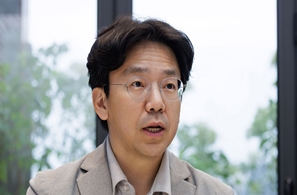
- As South Korea enters a super-aged society, the importance of long-term management in osteoporosis treatment is being emphasized. During this process, the bisphosphonate class of drugs, demonstrating long-term evidence and sustained efficacy, is once again becoming the key treatment strategy. DailyPharm met with Professor Beom-jun Kim of the Department of Endocrinology and Metabolism at Seoul Asan Hospital, to discuss the changing landscape and future challenges of osteoporosis treatment. "Osteoporosis cases is increasing...prevention before fracture is crucial" Professor Beom-jun Kim of the Department of Endocrinology and Metabolism at Seoul Asan HospitalSouth Korea is one of the world's fastest-aging nations. With the elderly population rapidly increasing, the importance of osteoporosis management and government attention have both grown. In particular, the rise in osteoporosis cases in South Korea is attributed to rapid aging and increased diagnosis rates. Professor Kim explained, "As the elderly population rapidly increased, government attention rose, and this year, osteoporosis screening in general health check-ups was expanded to include women aged 60 and older," and added, "With early prevention and diagnosis underway, the number of patients is also increasing." Osteoporosis is a disease characterized by porous bones. Since it typically presents no specific symptoms before a fracture occurs, it is easily overlooked by both patients and physicians. However, as bone strength naturally declines by about 2% annually with age, the risk of fracture increases. Therefore, continuous management is emphasized, treating osteoporosis as a chronic disease requiring lifelong care, similar to hypertension or hyperlipidemia. He stated, "Spinal and hip fractures not only severely diminish the quality of life due to pain, deformity, and mobility impairment, but hip fractures, in particular, carry a mortality rate of about 20%. Preventing fractures before they occur is particularly important, more so than treating them after one." "Fosamax, a drug with 30 years of evidence...sustained efficacy of oral therapy is gaining attention" To effectively treat osteoporosis, it is essential first to evaluate the patient's fracture risk and prescribe the appropriate medication. According to Professor Kim, various factors are considered, including bone mineral density (BMD), T-score, age, weight, current medications, and family history. Generally, patients with a T-score below -2.5 are diagnosed with osteoporosis and categorized as high-risk for fracture. Bisphosphonate agents, including Fosamax, are globally recommended as the first-line treatment for these patients. The major bisphosphonate, Fosamax (alendronate sodium), celebrates its 30th anniversary this year since its U.S. FDA approval in 1995. It was introduced in Korea in 1998. Professor Kim explained, "The fact that we are still talking about Fosamax after three decades indicates its reliability." He added, "Its preventive effect has been confirmed across various sites, including vertebrae, non-vertebrae, and hip, establishing it as a first-line treatment for high-risk patients in both domestic and international guidelines." He also mentioned the unique advantage of Fosamax as a once-weekly oral drug in the osteoporosis treatment landscape, where injectable drugs are commonly used. Professor Kim pointed out, "According to the Korean Society for Bone and Mineral Research fact sheet, only 73.9% of women and 66.7% of men maintain treatment for a full year after starting medication. For injectables, discontinuing treatment can rapidly increase the risk of multiple vertebral fractures." He added, "In contrast, Fosamax is deposited in the bone and maintains its therapeutic effect for a certain period." He emphasized that this feature, where the fracture-prevention effect persists for a period even after discontinuation, is an advantage in the Korean context, where treatment persistence is often low. "The last in sequential therapy...need to improve access for patients at ultra-high-risk" Professor Kim stressed that the concept of sequential therapy is becoming crucial, as osteoporosis treatment is a long-term strategy rather than a short-term prescription. He said, "Considering the 100-year lifespan, continuously using a single drug is impractical. Therefore, a strategy of sequentially using multiple treatments, similar to hypertension or diabetes, is necessary," And added, "While Fosamax is recommended as a first-line treatment, its advantage as a 'closer' in the context of sequential therapy is gaining attention." Professor Kim also said, "In the 'finishing stage' after reaching the osteoporosis treatment goal, Fosamax has the advantage of maintaining its efficacy in the bone, preventing rapid deterioration of the patient's condition." He added, "Regardless of the initial drug used, treatment must ultimately conclude with a bisphosphonate agent. We believe Fosamax's role in sequential therapy will only grow as new drugs increase." He also evaluated the expansion of reimbursement criteria for osteoporosis treatment last year as a meaningful change. He said, "Previously, patients had to stop treatment coverage if their T-score went above -2.5, even if they wished to continue. Now, the maximum period for continued treatment has been extended up to two years, even at a T-score of -2.0, which is positive for securing treatment continuity." Professor Kim pointed out the institutional need to lift restrictions on the treatment sequence for ultra-high-risk patients and advised against avoiding treatment due to concerns about adverse reactions. Professor Kim said, "Globally, the recommended strategy is first to use bone formation promoters (anabolic agents) followed by anti-resorptive agents for maintenance. However, due to current domestic reimbursement criteria, we must apply this in reverse," and suggested, "The treatment sequence needs to be improved, at least for the ultra-high-risk group." Finally, Professor Kim said, "Although fear of adverse reactions is one reason for hesitation, concerns like 'jawbone necrosis' are actually very rare," and added, "The incidence in South Korea is around 4 per 10,000 people (0.04%), while the risk of fracture is a thousand times higher. Avoiding treatment due to a rare risk is like not wearing a seatbelt."
- Company
- "Bavencio MT after short chemotherapy proves survival·QoL"
- by Hwang, byoung woo Nov 06, 2025 06:30am
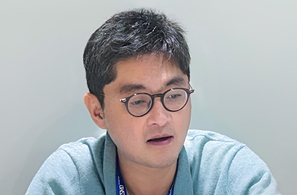
- The treatment for urothelial carcinoma is shifting toward the direction of 'short chemotherapy, long survival'. The DISCUS study confirmed that there is no difference in treatment outcome even when platinum-based chemotherapy is administered for only three cycles. This evidence demonstrated that it can reduce unnecessary toxicity while maintaining survival. During a meeting with DailyPharm, Professor In Ho Kim of Seoul St. Mary's Hospital's Department of Oncology assessed, "Bavencio is now a treatment strategy that goes beyond simple maintenance therapy, reducing patient burden while extending survival benefit." He added, "The DISCUS study, disclosed at ESMO (European Society for Medical Oncology) conference, clearly demonstrated the potential for patient-centric treatment." "Switching to Bavencio after 3 cycles of chemotherapy... no survival difference, improved quality of life" Professor In Ho Kim of Seoul St. MaryThe DISCUS study was an exploratory Phase 2 trial that compared the effect of Bavencio maintenance therapy in 267 patients with locally advanced or metastatic urothelial carcinoma, divided into two groups: 3 cycles (133 patients) and 6 cycles (134 patients) of platinum-based chemotherapy. The study results showed that the median overall survival (OS) for the 3-cycle group was 18.9 months, with no significant difference compared to the 6-cycle group (18.9 months). Progression-free survival (PFS) was also statistically similar (3-cycle group had 8.0 months vs. 6-cycles group had 9.0 months). Notably, quality of life (QoL) improved in patients who received shorter chemotherapy. The QoL score change in the 3-cycle group was 0.0 points (95% CI -5.9 to 5.2), showing an improvement of +8.5 points (p=0.016) compared to the 6-cycle group (-8.5 points; 95% CI -14.1 to -2.9). Regarding this, Professor Kim explained, "While it was customary in the past to administer up to six cycles, in reality, side effects and fatigue often accumulated around the fourth cycle, making treatment continuation difficult." He said, "The DISCUS study provides clinical evidence that sufficient efficacy can be achieved without compromising the patient's condition." Professor Kim added, "In clinical practice, treatment cycles were often adjusted to around four cycles based on the patient's condition, and this result supports that empirical finding." Professor Kim summarized the study's key finding as maintaining therapeutic efficacy while reducing the burden of side effects. He said, "For urothelial carcinoma, the treatment process itself can cause greater suffering to the patient than the treatment types," and added, "The strategy of switching to Bavencio after short chemotherapy is a model that captures both survival and quality of life." In the DISCUS study, the incidence of adverse events was 11.9% in the 3-cycle group and 15.7% in the 6-cycle group, confirming a lower toxicity burden in the shorter chemotherapy group. Bavencio's clinical significance is further strengthened by the fact that its clinical trial results and Real-World Data (RWD) are nearly identical. Professor Kim stated, "The efficacy of most drugs is lower in actual clinical practice, but Bavencio's results in the clinical trial and the real world align," and added, "It is due to low toxicity and good tolerability, which allows it to be used even in patients with poor health. The same result was confirmed in the AVENANCE RWD analysis conducted in France. In patients whose disease had not progressed after platinum-based chemotherapy, the probability of surviving for more than 1 year after receiving Bavencio maintenance therapy for 1 or 2 years was maintained at the same level as in the JAVELIN Bladder 100 trial. Professor Kim said, "This data consistency is evidence that medical professionals can trust in treating patients," and added, "I often see elderly patients continuing treatment stably." "Customized treatment completed through patient value and communication" This effect is evaluated as significant for urothelial carcinoma, a disease where patients aged 70 and over account for the majority. Professor Kim said, "In the past, chemotherapy was rarely given to patients in their 80s, but recently, treatment has been continued if their condition is good," and added, "What is important in such cases is not just the duration of survival but how comfortably they can receive treatment." He continued, "Patients are increasingly expressing that they do not want difficult treatments." He stressed, "The process of shared decision-making, where medical staff and patients set treatment goals together, is now essential." Meanwhile, the enfortumab vedotin + pembrolizumab combination therapy also garnered significant interest at this conference. Professor Kim said, "The clinical indexes are very impressive, but the patients participating in clinical trials are generally in good overall condition," and added, "In everyday clinical practice, the proportion of patients in poor condition is higher, making it difficult to apply the data directly." He mentioned, "If a patient's disease is progressing very rapidly, combination therapy should be considered. However, patients with more controllable metastases, such as liver or lymph node metastases, can achieve long-term survival with Bavencio maintenance therapy alone." Professor Kim continued, "In everyday clinical practice, the patient's condition and preferences must be considered comprehensively over numerical data." He assessed, "Bavencio is the most 'balanced option' in this regard." Professor Kim summarized the key findings confirmed at this ESMO as the 'importance of the process, not the answer'. Professor Kim said, "Each urothelial carcinoma patient has different disease progression rates, metastasis patterns, and values. Some patients say, 'I want to live a little longer,' while others say, 'I want to maintain my routine quietly.'" He concluded, "Ultimately, the treatment strategy is finalized through conversation with the patient." Finally, Professor Kim said, "The strategy of maintenance therapy after 3 cycles of chemotherapy, as suggested by the DISCUS study, is the starting point for this individualized treatment," and, "Bavencio is the most realistic choice that can guarantee quality of life while maintaining survival benefits."

- Company
- 'Leqembi will reshape early dementia care landscape'
- by Hwang, byoung woo Nov 05, 2025 06:23am
- Leqembi (lecanemab), a therapy that directly removes the pathogenic protein driving Alzheimer's disease and slows disease progression, is opening a new treatment paradigm in a super-aged society. Unlike existing drugs that primarily focused on symptomatic relief, Leqembi has demonstrated disease-modifying potential, signaling broad changes across clinical practice and policy. Dailypharm spoke with Professor Min-young Chun, neurologist at Yongin Severance Hospital, regarding Leqembi’s long-term evidence, real-world clinical implications, and the importance of early diagnosis and early intervention in Alzheimer's disease. “Leqembi delays disease progression by one year, which is a significant extension in the survival period” Professor Min Young Chun, Department of Neurology, Yongin Severance HospitalLeqembi is the first disease-modifying treatment to emerge in the field of Alzheimer's disease, which had seen no new drugs for over 20 years. Since the 1990s and early 2000s, there have been almost no new drugs developed for Alzheimer's disease, resulting in a prolonged 20-year innovation gap without any new drug approvals. While existing drugs focus on symptom relief, Leqembi is drawing attention for its mechanism that directly removes amyloid beta to slow the fundamental progression of the disease. Professor Chun stated, “Leqembi is the first treatment option that directly targets amyloid beta to slow the fundamental progression of the disease, marking a significant advancement that ends the 20-year gap in new drug development.” She further explained, “In the recently published 4-year long-term analysis, the Leqembi treatment group showed a delay in disease progression of approximately one year compared to the natural decline in Alzheimer's disease. Based on the CDR-SB score, it was 1.75 points lower versus ADNI and 2.17 points lower versus BioFINDER.” Furthermore, no new safety concerns were observed during the 4-year OLE study, and the ARIA incidence rate decreased after the initial 12 months of treatment and remained stable without significant change over the 4 years. Professor Chun emphasized, “Some may underestimate a one-year delay, but just as a 6-month survival gain in oncology is considered a meaningful outcome, delaying the time when independent daily living becomes impossible by even one year holds immense value.” Lower ARIA rate in Asians…Will also strengthen domestic monitoring system As Leqembi has not been released in Korea for long, sufficient data has not yet accumulated to yield statistically significant results. Concerns also exist regarding the management of amyloid-related imaging abnormalities (ARIA), the most notable adverse reaction requiring caution during Leqembi treatment. On this, Professor Chun explained, “ARIA-E occurred in 6.2% and ARIA-H in 14.4% of Asian patients %, lower than the overall population. This could be attributed to complex factors like differences in APOE ε4 gene frequency or drug dosage variations due to body weight.” She further noted, “South Korea has well-established imaging infrastructure, including MRI and PET, enabling systematic monitoring before and after administration. This environment supports the safe use of new drugs like Leqembi.” According to Professor Chun, the Asian subgroup analysis of Leqembi’s Phase III Clarity AD clinical trial showed an ARIA-E incidence rate of 6.2% in Asians, lower than the 12.6% rate in the overall population. The ARIA-H incidence rate was also lower in Asians at 14.4%, compared to 17.3% in the overall population. She added, “Adverse reactions are being closely managed through regular monitoring. When they occur, treatment is guided by established medication-related guidelines. Currently, multiple institutions are compiling and analyzing Leqembi treatment data, and clearer results are expected as early as the beginning of next year. Regarding the approval of the subcutaneous (SC) maintenance therapy formulation in the U.S., Professor Chun noted, “The Leqembi SC formulation offers similar efficacy to the intravenous (IV) formulation while having a lower incidence of infusion-related adverse events. This allows patients or caregivers to administer the drug themselves, offering significant advantages in terms of accessibility and compliance.” “Early diagnosis and treatment of Alzheimer's reduces socioeconomic burden” With South Korea entering a super-aged society, dementia has emerged as a socioeconomic challenge beyond an individual disease. Professor Chun emphasized that advancing the timing of treatment is key to reducing the national burden. She stated, “Domestic dementia care costs approximately KRW 25 trillion annually. Delaying progression to severe stages through early diagnosis and treatment can significantly reduce long-term care and medical expenditure.” Long-term simulation data showed Leqembi confirmed such an effect. Leqembi delayed progression to mild-and-moderate stages by 2.7 years and 2.9 years, respectively — supporting meaningful savings in healthcare costs. Regarding this, Professor Chun explained, “These results can enhance the efficiency of the dementia management system and positively impact national healthcare finances.” Institutional challenges remain. The treatment remains non-reimbursed, and while MRI scans are covered, amyloid PET scans remain non-reimbursed, resulting in patient out-of-pocket costs. Professor Chun noted, “Beyond amyloid, the long-term therapeutic effect of new drugs like Leqembi is more pronounced in patients with lower tau protein accumulation. As Alzheimer's disease progresses, tau protein accumulation increases. Therefore, I believe it would be efficient to prioritize coverage for the early stages when tau levels are lower.” Professor Chun further explained, “We are conducting amyloid PET scans to compare how much amyloid is removed before and after Leqembi administration, but this process incurs significant cost burdens. If amyloid PET scans were covered, it would greatly aid patients in receiving early diagnosis and treatment.” Finally, Professor Chun reiterated the necessity of early intervention for Alzheimer's disease. Professor Chun added, “Early detection and intervention are paramount for Alzheimer's disease, yet some delay hospital visits due to fear of dementia diagnosis. The sooner diagnosis and treatment occur, the greater the effect. If treatments become reimbursed, it would alleviate household medical expenses and could positively impact socioeconomic aspects and reduce national healthcare costs in the long term.”
- Company
- Alfresa launches Jenecell to expand stem-cell business in KR
- by Chon, Seung-Hyun Nov 05, 2025 06:22am
- Alfresa Group, a major Japanese pharmaceutical distribution company, has entered the Korean market with the establishment of its subsidiary Jenecell and declared its entry into the stem cell business market. Hee-seok Joo, CEO of Jenecell Alfresa Corporation announced on the 3rd that it has established Jenecell in Korea. The Alfresa Group is a Japanese healthcare company engaged in diverse businesses, including pharmaceutical distribution, operation of dispensing pharmacies, and regenerative medicine–related businesses. The group recorded annual sales of JPN 2.961 trillion (approx. KRW 28 trillion) last year. Jenecell was established to expand the group's business in the stem cell sector, which the group has identified as a next-generation growth engine. Alfresa plans to strengthen its presence in the Asian market and accelerate global expansion through Jenecell. The company appointed Hee-Seok Joo, former Vice President of Medytox, as CEO. Joo is a seasoned industry expert with 35 years of experience at Daewoong Pharmaceutical and Medytox, spanning operational roles through executive leadership. He has led regulatory affairs, pricing, PR, and marketing, and is known for his broad network and expertise across the pharmaceutical industry. Joo selected “Forever Young” as the corporate slogan, reflecting a commitment to the pursuit of eternal youth. Leveraging Korea’s advanced biotechnology infrastructure, Jenecell plans to pursue ▲regenerative medicine research, ▲stem cell and culture-media-based product development, and ▲strategic partnerships and M&A with promising domestic biotech companies. The company is accelerating recruitment talent in key functions, including R&D, marketing, and business development. Hee-seok Joo, CEO of Jenecell, said, “Leveraging the expertise and broad network built through years of experience, I plan to grow Jenecell into a global core hub in the stem cell field. Based on Alfresa’s technological capabilities and know-how, we will advance high-value product development and premium brand positioning.”
- Company
- Vyloy gains reimb momentum...targets gastric cancer mkt
- by Moon, sung-ho Nov 05, 2025 06:22am
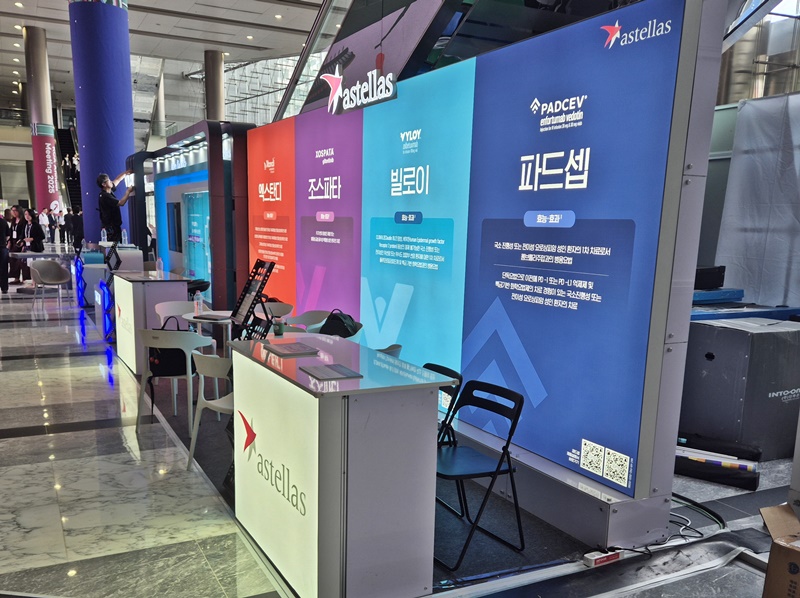
- After clearing reimbursement review on its second attempt, Astellas’ Vyloy (zolbetuximab) is expected to reshape the metastatic gastric cancer treatment landscape. The entry of a targeted therapy option into a market previously dominated by immuno-oncology drugs presents a dilemma for treatment selection in clinical practice. #According to industry sources on the 3rd, the Health Insurance Review and Assessment Service (HIRA) recently convened its 8th Cancer Disease Deliberation Committee to review reimbursement criteria for major anticancer drugs submitted for consideration. At this meeting, Vyloy, the first-in-class CLDN18.2-targeted therapy, successfully established reimbursement criteria, and the application will now move up for review by the Drug Reimbursement Evaluation Committee. The indication approved for reimbursement is as ‘first-line treatment, in combination with fluoropyrimidine- and platinum-based chemotherapy, for patients with unresectable locally advanced or metastatic CLDN18.2-positive, HER2-negative gastric adenocarcinoma or gastroesophageal junction adenocarcinoma. The current treatment landscape for metastatic gastric cancer is dominated by immuno-oncology drugs. Specifically, Opdivo (nivolumab) is currently reimbursed in domestic clinical settings and is considered a first-line treatment option. Patients with PD-L1 expression levels of ‘CPS 5 or higher’ are granted Opdivo use with reimbursement. The other two options (Keytruda, Tevimbra) remain non-reimbursed. Under the recently revised partial coverage policy for combination anticancer therapies, only existing platinum and fluoropyrimidine-based chemotherapy regimens qualify for ‘partial coverage (5/100)’, while immuno-oncology drugs remain uncovered. However, Keytruda is currently undergoing price negotiations with the National Health Insurance Service for metastatic gastric cancer indications, with coverage expected in the first half of next year. However, Keytruda's situation is not so rosy. As its reimbursement criteria were set at ‘CPS 10 or higher,’ meaning its listing could actually impose greater restrictions on its use relative to Opdivo. In such a context, the industry believes that Vyloy would be sufficiently competitive if it were to be covered. Furthermore, according to the integrated analysis of the SPOLIGHT and GLOW studies presented at last year's European Society for Medical Oncology Annual Congress 2024 (ESMO 2024), the median progression-free survival (PFS) was 9.2 months in the Vyloy-chemotherapy combination group and 8.2 months in the placebo group. The median overall survival (OS) was 16.4 months in the Vyloy combination group and 13.7 months in the placebo group. Subsequent analysis of the Korean subgroup showed that the Vyloy combination group's mPFS and mOS were 12.6 months and 30.0 months, respectively. This is a marked improvement compared to the results previously published in the global study. Having passed the National Health Insurance Service (NHIS) review, if reimbursement is approved, as nearly 40% of all gastric cancer patients express Claudin-18.2, clinicians may consider between Vyloy and immuno-oncology drugs. Professor Minkyu Jung (Department of Medical Oncology) at Yonsei Cancer Hospital stated, “For clinicians, a major dilemma arises when a patient is both Claudin-18.2 and PD-L1 positive: which agent should be used first?” He added, “For patients who are Claudin18.2-positive and have a PD-L1 CPS (Combined Positive Score) between 5 and 10, the hazard ratio confirmed for Vyloy is 0.77, lower than that for immuno-oncology drugs. If reimbursement status is not a factor, many oncologists prefer using Vyloy in that patient group. He emphasized, “Claudin18.2 is a biomarker expressed in gastric and pancreatic cancers. It may be a pivotal biomarker in the entire gastric cancer treatment paradigm.”
- Company
- 'Mounjaro' prescription now available at general hospitals
- by Eo, Yun-Ho Nov 04, 2025 06:10am
- 'Mounjaro,' which ranked No. 1 in global sales, is actively pursuing the prescription area in Korea. According to industry sources, Lilly Korea's dual GIP/GLP-1GIP/GLP-1 receptor agonist Mounjaro (tirzepatide) has passed drug committees (DC) of 66 medical institutes nationwide, including Samsung Medical Center, Kangbuk Samsung Hospital, Konkuk University Medical Center, Seoul National University Bundang Hospital, Soonchunghyang University Hospital, Ajou University Hospital, Eulji Medical Center, Chung-Ang University Hospital, and Hanyang University Seoul Hospital. Lilly Korea is pursuing an insurance reimbursement listing for the diabetes indication. With the obstructive sleep apnea indication added, the company plans to make prescriptions available at more general hospitals by the end of this year. In Korea, Mounjaro is approved as an adjunct drug to diet and exercise for improving glycemic control in adult patients with Type 2 diabetes (as monotherapy or combination therapy). It is also approved as an adjunct to a low-calorie diet and increased physical activity for chronic weight management in obese adults (initial BMI≥30kg/m2) or overweight adults (initial BMI≥30kg/m2) with at least one weight-related comorbidity (hypertension, dyslipidemia, type 2 diabetes, obstructive sleep apnea, or cardiovascular disease).

- Company
- Imfinzi reimb discussions at a standstill in Korea
- by Son, Hyung Min Nov 04, 2025 06:10am
- Concerns are mounting over multinational pharmaceutical companies’ market strategies as U.S. President Donald Trump’s Most-Favored-Nation (MFN) drug pricing policy moves toward implementation. If enforced, U.S. drug prices would be pegged to the lowest levels among major advanced markets — raising the risk that Korea’s comparatively low prices could be used as reference points, escalating fears of a “Korea-passing” scenario. In fact, the ripple effects of the MFN policy are becoming concrete as major multinational pharmaceutical companies like Pfizer and AstraZeneca engage in negotiations. Domestic drug prices for major new drugs are only about one-fourth of their U.S. counterparts. Consequently, concerns are mounting that multinational pharmaceutical companies may avoid the Korean market or reduce supply, inevitably leading to reduced access to new drugs. During the recent NA audit, Rep. Jia Han of the People Power Party warned, “If the MFN policy is implemented, Korea could be excluded from new drug introductions. Patients with severe illnesses could be particularly harmed.” Bile duct cancer coverage gap remains unfilled for 10 years… Urgent need for ‘Imfinzi’ listing raised ImfinziThis trend is especially critical for bile duct cancer patients, who have extremely limited treatment options. Bile duct cancer is difficult to diagnose early, with over half of patients diagnosed at metastatic stages. The 5-year survival rate for patients diagnosed with distant metastasis is only 4.1%. In 2022, the immune checkpoint inhibitor ‘Imfinzi (durvalumab)’ was approved in combination with chemotherapy as first-line treatment for bile duct cancer, offering the possibility of long-term survival. In clinical trials, Imfinzi demonstrated improved 3-year long-term survival rates compared to the control group, with even more pronounced effects observed in Korean patient cohorts. However, despite being approved over 3 years ago, reimbursement has yet to be granted. Imfinzi received a “redeliberation” verdict from the Drug Reimbursement Evaluation Committee (DREC) in September, but subsequent discussions have stalled, deepening patient anxiety. Notably, no new drugs for bile duct cancer have been reimbursed in the past decade. This stands in stark contrast to the expansion of reimbursement for immune-oncology drugs in other cancers like lung and breast cancer. Professor Changhoon Yoo of the Department of Medical Oncology at Asan Medical Center in Seoul emphasized, "Biliary tract cancer has a very poor prognosis and limited treatment options. While Imfinzi improves survival rates and quality of life, its non-reimbursed status places a heavy financial burden on patients. Patients need rapid access to this global standard of care.“ ” Strengthening compensation for innovative drugs"... attention rises on November DREC review results Experts unanimously agree that a flexible drug pricing evaluation system that reflects disease characteristics and societal needs is necessary for covering innovative treatments like Imfinzi. In the UK, considering Imfinzi was the first approved immunotherapy for primary biliary cancer as a first-line treatment, the ICER (Incremental Cost-Effectiveness Ratio) threshold was applied flexibly to determine its National Health Service coverage. The longer discussions drag on, the more unlikely reimbursement becomes due to the aftermath of MFN-driven global pricing effects. AstraZeneca Korea said it “remains committed to improving access and fulfilling all required procedures for Imfinzi’s reimbursement.” At the recent NA audit, Minister of Health and Welfare Eun-kyeong Jeong acknowledged MFN-related access risks and pledged to “improve compensation for innovative new drugs and improve patient access through expedited listing.” Consequently, attention is focused on whether discussions regarding Imfinzi's reimbursement will resume at the upcoming DREC meeting on November 6. The industry is watching closely to see if this committee meeting could mark a new turning point in treatment for bile duct cancer patients.
- Company
- Bispecific antibodies pass reimbursement hurdle
- by Son, Hyung Min Nov 03, 2025 06:09am
- (from left) bispecific antibodies Major bispecific antibody therapies targeting hematologic cancers have successively cleared the first stage of reimbursement. With patients who have failed prior therapies desperately needing new options, attention is focused on whether these new drugs with innovative-mechanism will secure insurance reimbursement. According to industry sources on November 3, the Health Insurance Review & Assessment Service (HIRA) recently held its 8th Cancer Disease Review Committee (CDRC). At the meeting, reimbursement criteria were established for two hematologic bispecific antibodies: Janssen's 'Tecvayli (teclistamab)' and 'Pfizer's Elrexfio (elranatamab).' Multiple myeloma is a blood cancer characterized by the proliferation of abnormal plasma cells, which are created in the bone marrow, throughout the body. A relatively large number of treatments have emerged for this cancer type, with new drugs being approved for up to fifth-line treatment and beyond. Besides bispecific antibodies, various CAR-T new drugs like 'Kymriah (tisagenlecleucel)' and 'Yescarta (axicabtagene ciloleucel)' also target this disease. Due to exiting alternative like CAR-T had led to the assessment that reimbursement for bispecific antibodies would not be easy. However, limitations of CAR-T therapies include complex manufacturing processes, the time delay of over a month until administration, and the requirement for patients to maintain a certain health condition. Unlike these, bispecific antibodies are off-the-shelf anti-cancer drugs that work by simultaneously recognizing cancer cells and T-cells, activating the T-cells to indirectly eliminate the cancer cells. BCMA is a protein expressed on the surface of B cells, and CD3 is expressed on the surface of T-cells. Elrexfio and Tecvayli have a novel mechanism that induces myeloma cell death by targeting both. Elrexfio demonstrated efficacy in the MagnetisMM-3 Phase 2 study in patients who had failed three or more prior therapies. In the trial, Elrexfio showed an Objective Response Rate (ORR) of 61%, and the rate of maintained response at 15 months was confirmed to be 71%. The median Overall Survival (OS) for the Elrexfio group was 24.6 months, and the median Progression-Free Survival (PFS) was 17.2 months. Tecvayli was administered to 165 patients in the MajesTEC-1 Phase 2 study, resulting in an ORR of 63%, with a stringent Complete Response (sCR) of 32.7%, a Complete Response (CR) of 6.7%, and a Very Good Partial Response (VGPR) of 19.4%. The median time to response was 1.2 months, and the duration of response was reported to be 18.4 months. Bispecific antibodies for B-cell lymphoma also await to be reviewed bispecific antibodiesDiscussions on reimbursement for bispecific antibodies are also progressing in relapsed/refractory Diffuse Large B-cell Lymphoma (DLBCL), another type of hematologic cancer. Among these, AbbVie's 'Epkinly (epcoritamab)' passed the CDRC in July, after its reimbursement criteria were established. DLBCL is the most common B-cell lymphoma, accounting for about 40% of non-Hodgkin lymphomas, and has an aggressive nature with rapid progression. The failure rate after first-line treatment reaches about 15%, and even patients who achieve CR have a relapse rate of 25% within 18 months. Although existing CAR-T therapies are reimbursed and utilized, their application to elderly patients is limited due to treatment initiation delays and neurotoxicity (ICANS). Thus, the demand for new treatments still exists. Epkinly was evaluated in the EPCORE NHL-1 Phase 1/2 study, involving 167 patients with CD20-positive relapsed or refractory DLBCL who had received two or more prior lines of therapy. The results showed an ORR of 62%, a CR of 39%, and a median Duration of Response (DOR) of 15.5 months. bispecific antibodyAttention is also focused on the re-attempt for Roche's bispecific antibody, 'Columvi (glofitamab).' Columvi was submitted to the CDRC in December last year and July this year but failed to establish reimbursement criteria. Columvi was submitted concurrently with Epkinly in December last year; however, Epkinly succeeded in passing the CDRC hurdle in June on its second attempt. Since Columvi has expanded its indication to second-line DLBCL treatment in the U.S. and Europe, Roche may be considering a simultaneous reimbursement application for both second- and third-line settings. Columvi is a treatment with a maximum duration of 12 cycles, approximately 8 months, and has a defined end of treatment. In clinical trials, Columvi showed a CR of 40%, an ORR of 52%, and a median DOR of 26.9 months for patients who achieved CR. It also recorded a 67% CR maintenance rate at 18 months.
- Company
- Olympus to redefine BPH treatment landscape with iTind
- by Hwang, byoung woo Nov 03, 2025 06:09am
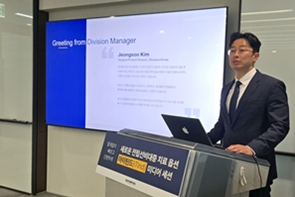
- Olympus Korea is moving to reshape the urology market with its benign prostatic hyperplasia (BPH) treatment device, “iTind.” Leveraging the advantages of its non-resection, shape-memory alloy structure, the company is highlighting key features such as sexual function preservation and rapid recovery as it pushes to expand market penetration. Olympus Korea held a press conference on the 31st to outline strategies to broaden adoption at domestic clinics and improve patient accessibility following the recognition of its new health technology. (From the left) Naeun Min (UG Marketing Cell Leader), Jeongsoo Kim (SP Unit Leader), Junsoo Lee,(SP Marketing Sub-Unit Leader) Olympus Korea strengthens urology portfolio Olympus Korea already possesses a diagnostic and therapeutic portfolio for various diseases, including cancer, through medical endoscopes, laparoscopes, and surgical equipment. Its core areas are gastroenterology, respiratory, and urology, while also providing diagnostic and therapeutic solutions in otolaryngology, surgery, and other fields. In April, Olympus Korea introduced the minimally invasive BPH treatment device ‘iTind’ to the domestic market. iTind is a temporary implantable device made from Nitinol alloy. When inserted into the prostatic urethra in a folded state, it gradually unfolds at the 5 o'clock, 7 o'clock, and 12 o'clock positions in response to body temperature, gently exerting pressure on the prostatic urethra and bladder neck. This process induces localized ischemia and tissue remodeling, widening the urinary channel. The device is removed after 5–7 days via a simple procedure, leaving no foreign material behind. Junsoo Lee, SP Marketing Sub-Unit Leader at Olympus Korea, stated, “iTind is a non-incisional treatment that creates a channel without using energy, thus avoiding tissue damage. It is a minimally invasive option that preserves sexual function while offering rapid recovery.” The first domestic procedure was performed at Kangdong Sacred Heart Hospital in April. The company noted that the simple procedure enables use even at clinic-level facilities and plans gradual site expansion. Jeongsoo Kim, SP Unit Leader at Olympus Korea, added, “Unlike resection surgery, it offers differentiated value by leaving no foreign objects in the body and enabling faster recovery. It will become a new treatment strategy that reduces the burden on both patients and clinicians.” Clinical evidence-based efficacy and safety...strengths of new health technology iTind’s clinical data simultaneously demonstrated long-term efficacy and safety. In a 48-month follow-up study of 81 patients with benign prostatic hyperplasia (BPH), the International Prostate Symptom Score (IPSS) decreased by 45.3%, and maximum urinary flow rate (Qmax) increased by 114.7%. A 12-month follow-up multicenter study (120 patients) confirmed a 54.9% reduction in IPSS and a 106.6% increase in Qmax, with no reports of sexual dysfunction or ejaculation disorders. Naeun Min, UG Marketing Cell Leader at Olympus Korea, stated, “Long-term benefits have been confirmed overseas, and early domestic procedure cases show high patient satisfaction. There is no residual material in the body and no tissue deformation, reducing the burden of repeat procedures.” In this regard, Olympus disclosed on-site feedback from clinicians, noting that patients reported improved urination and a rapid return to daily life after the procedure, indicating high initial satisfaction. iTIND was officially designated as a new health technology by the Ministry of Health and Welfare in May last year and is currently used in 23 countries, including the US, Europe, and Korea. It is also listed in the American Urological Association (AUA) guidelines for benign prostatic hyperplasia (BPH), securing treatment evidence. Confidence in market expansion...“Will enhance patient accessibility to spread treatment value” According to statistics from the Health Insurance Review and Assessment Service, the number of BPH patients in Korea reached 1.61 million in 2024, a roughly 24% increase compared to five years ago (1.3 million in 2019). Pic of iTindOf these, 98% are managed with medication, driving rapid growth in demand for the minimally invasive surgical therapies (MIST) category, which bridges the gap between drugs and surgery. Currently, iTind is a non-reimbursed procedure, leading to cost variations between hospitals. This means that even with good technology, cost limitations can create access barriers. Lee noted, “Although non-reimbursed, the cost is roughly half that of existing minimally invasive procedures, improving accessibility. It’s a realistic option for patients delaying surgery or struggling with drug side effects.” In the long term, Olympus Korea is focusing on expanding adoption primarily in clinics and delivering patient-tailored treatment solutions. Lee added, “We will continue education and awareness efforts to position iTind as a low-burden treatment option. Expanding access and delivering the clinical value of iTind will be our key priorities.” Kim concluded, “Olympus Korea is expanding its medical device portfolio beyond cancer treatment to enhance patient quality of life. Beginning with iTind, we will continue delivering innovative solutions in urology and minimally invasive care.”
- Company
- Samsung Bioepis wins second trial in Eylea patent dispute
- by Kim, Jin-Gu Nov 03, 2025 06:08am
- Samsung Bioepis has overturned a prior loss and secured victory in the second-instance trial on invalidating the formulation patent for Eylea (aflibercept). The ruling strengthens expectations that commercial sales of its Eylea biosimilar ‘Afilivu’ may resume. According to industry sources on the 31st, the Patent Court on Oct. 30 ruled in favor of Samsung Bioepis in its lawsuit seeking invalidation of Regeneron’s registered patent. This patent pertains to the composition of Aflibercept. It centers on formulation technology to ensure stable preparation of aflibercept, the main component of Eylea, at high concentrations (40-50mg/mL) as a ‘VEGF antagonist formulation suitable for intravitreal administration’. Samsung Bioepis filed a patent invalidation trial in December 2022. In October last year, the Intellectual Property Trial and Appeal Board (IPTAB) partially dismissed and partially rejected the petition, siding with Regeneron. Following the IPTAB ruling, domestic sales of Samsung Bioepis’ biosimilar Afilivu were suspended in Korea. Based on that decision, Regeneron had filed both a main patent-infringement lawsuit and a preliminary injunction request for sale suspension, and the court granted the injunction in May this year. Samsung Bioepis contested this, filing a lawsuit with the Patent Court to overturn the IPTAB ruling. One year later, the Patent Court reversed the earlier decision and ruled in favor of Samsung Bioepis. As a result, prospects are rising that Afilivu sales may resume. Because the preliminary injunction relied on the IPTAB decision, observers expect the injunction may now be lifted following the Patent Court ruling. The company is also seen gaining a strategic advantage in its broader legal battle with Regeneron. In addition to this invalidation lawsuit, Samsung Bioepis has appealed an earlier loss in the injunction case. The main patent infringement lawsuit is ongoing at the first-instance level.
