
- LOGIN
- MemberShip
- 2026-06-20 01:31:07

- Company
- Early diagnosis and personalized therapy are key
- by Son, Hyung Min Sep 10, 2025 06:12am
- Hong-Ki Min, Division of Rheumatology, Konkuk University Medical Center “The treatment options for rheumatoid arthritis (RA) have become far more diverse than in the past. Contrary to the past when management focused primarily on alleviating symptoms, today, with early diagnosis and tailored treatment strategies, it is possible to maintain long-term remission. Patients can now continue their daily lives with fewer limitations, marking a major paradigm shift in their care.” This was the assessment shared by Professor Hong-Ki Min of Konkuk University Medical Center’s Division of Rheumatology in a recent interview with Dailypharm. Rheumatoid arthritis is a common autoimmune disease diagnosed in Korea, where the immune system attacks the joints, causing inflammation that often begins in small joints such as the wrists and fingers, and may progress to larger joints throughout the body, such as the knees and ankles. In its early stages, it is often mistaken for simple joint pain and neglected. However, missing the optimal treatment window can lead to joint deformity and loss of function, significantly restricting daily life. Furthermore, the risk of systemic complications like cardiovascular and pulmonary diseases increases, classifying it as a systemic disease beyond a simple joint disorder. The cornerstone of RA treatment is pharmacotherapy, including disease-modifying antirheumatic drugs (DMARDs) such as methotrexate (MTX). Professor Min explained, “During treatment, it is crucial to monitor not only inflammation suppression but also long-term side effects, infections, and the occurrence of cardiovascular disease. Depending on the patient’s needs, therapy may be switched to biologics or Janus kinase (JAK) inhibitors.” Currently, various treatment options for rheumatoid arthritis have emerged, including not only immunosuppressants but also biologics and JAK inhibitors. Notably, JAK inhibitors like Eisai’s Jyseleca and AbbVie’s Rinvoq have gained attention because they are oral therapies, offering an alternative to injections and significantly improving convenience. Professor Min stated, “JAK inhibitors are evaluated as being equivalent to biologics in terms of efficacy. They represent an important alternative for patients with significant aversion to injections.” “Cross-switching between JAK inhibitors now permitted... expanding treatment options” Previously, patients who switched from biologics to a JAK inhibitor and failed to respond had no choice but to return to biologics, as switching between different JAK inhibitors was not permitted under Korea’s reimbursement regulations. However, following advocacy by physicians and the Korean College of Rheumatology and patient requests, the government approved reimbursement for switching between JAK inhibitors as of December 2023. This has reduced the burden associated with switching between biologics to JAK inhibitors. Professor Min explained that while the expansion of treatment options enables personalized therapy, institutional limitations still exist. Under Korea's health insurance system, switching to a specific drug requires at least six months of use. Even if the effect is insufficient, maintaining the drug for that period is necessary before switching to another option. Professor Min stated, “The rheumatoid arthritis treatment environment has significantly improved compared to the past. New drugs with diverse mechanisms have emerged, and treatment strategies have become more specialized, leading to an increase in patients maintaining remission for extended periods.” He added, “This can be particularly challenging for patients who show resistance to multiple drugs. Some patients cannot revert to their previous medication even if the effect diminishes after switching, leaving physicians in a difficult position.” With treatment options becoming diversified and personalized care made possible, early diagnosis has become more important than ever. Because RA directly attacks the joints, failure to diagnose and treat early can lead to irreversible joint deformities and functional impairment. The Korean College of Rheumatology is running a nationwide campaign under the theme “Early Diagnosis, Specialist Care.” This goes beyond a simple recommendation for medical care and is an academic-level message aimed at preventing long-term complications and preserving patients' quality of life. Professor Min concluded, “RA patients who are not treated in time risk joint damage, deformity, and disability, which significantly reduce quality of life. But today, with more therapeutic options available, patients should not lose hope. With regular specialist care, patients can fully maintain their daily social activities.”

- Company
- Launch of K-new drugs in the Chinese market is accelerated
- by Chon, Seung-Hyun Sep 10, 2025 06:12am
- New drugs developed in Korea are successively entering the Chinese market. Based on their commercial success in the Korean market, new P-CAB (Potassium-Competitive Acid Blocker) drugs for gastroesophageal reflux disease are quickly entering the approximately KRW 3 trillion-worth Chinese market. Fexuclue has become the second P-CAB to enter the Chinese market after K-CAB. Zaqubo is also in the approval process. Improvement is expected in the massive pharmaceutical trade deficit with China, which has exceeded KRW 5 trillion over the past 10 years. Fexuclue Launches in the Chinese Market, following K-CAB...Zaqubo Also Enters Approval Process According to industry sources on September 8, Daewoong Pharmaceutical received product approval for Fexuclue 40mg from China's National Medical Products Administration (NMPA) on September 5. Fexuclue obtained approval in China for the treatment of gastroesophageal reflux disease. Daewoong Pharmaceutical applied for Fexuclue approval in China in June 2023, and obtained the product approval in two years. Fexuclue is a 'P-CAB' gastroesophageal reflux disease treatment developed by Daewoong Pharmaceutical. It was approved as the 34th domestically developed new drug in December 2021. Fexuclue is a new Korean drug that Daewoong Pharmaceutical successfully developed with proprietary technology over 13 years, starting in 2008. P-CAB anti-ulcer drugs work by competitively binding to the proton pump and potassium ions, which are located in the final stage of acid secretion in parietal cells, thereby inhibiting gastric acid secretion. P-CAB new drugs have proven their commercial value in Korea by proven advantages such as a faster onset of action and the ability to be taken regardless of meals, unlike conventional PPI (Proton Pump Inhibitor) class products. According to global market research firm IMS data, the size of China's anti-ulcer drug market is approximately KRW 3 trillion, making it the largest in the world. With its 1.4 billion population adopting more Westernized dietary habits, the number of gastroesophageal reflux disease patients is rapidly increasing, and treatment demand is expected to expand. Daewoong Pharmaceutical projected, "Fexuclue is expected to rapidly increase market share in the Chinese anti-ulcer drug market by improving upon the drawbacks of existing PPIs, such as slow onset of action, short half-life, and the need for pre-meal administration." Fexuclue is highly regarded for its long half-life, which enables sustained acid suppression and provides excellent relief for nocturnal heartburn. Among drugs in the same class, Fexuclue is the only one to have clinically proven its effect in 'alleviating chronic cough' caused by acid reflux. Daewoong Pharmaceutical has set the second half of 2026 as the goal for Fexuclue's launch. The company plans to deploy a full-scale market entry strategy that reflects the characteristics and demand of the local Chinese market. Park Seong-soo, CEO of Daewoong Pharmaceutical, said, "This Chinese product approval will be a very important turning point for Fexuclue's leap to becoming a global blockbuster drug." Park added, "We will strive to ensure that Fexuclue becomes the most trusted treatment option for patients and medical professionals in China, the world's largest anti-ulcer drug market." Fexuclue is the second Korea-developed new P-CAB drug to enter the Chinese market, following K-CAB. In April 2022, HK inno.N's K-CAB was approved in China for the treatment of erosive esophagitis. The local product name was decided as 'Taisinzan (泰欣赞),' meaning 'carrying great joy.' HK inno.N pursued K-CAB's overseas expansion in 2015 by signing a technology export agreement with Chinese pharmaceutical company Luoxin Group and passed the Chinese hurdle in seven years. The agreement with Luoxin Group includes a total of $18.5 million in milestone payments based on upfront payment, clinical development, approval, and commercialization stages. K-CAB has been approved for three indications in China: erosive esophagitis, duodenal ulcer, and Helicobacter pylori eradication therapy. Since January of this year, K-CAB's scope of reimbursement has been expanded with the addition of the duodenal ulcer indication to the China's National Reimbursement Drug List (NRDL). Product photo of K-CAB (left) and Zaqubo (right) Onconic Therapeutics, a subsidiary of Jeil Pharmaceutical, is also accelerating the entry of its new P-CAB drug, Zaqubo, into the Chinese market. In March 2023, Onconic Therapeutics signed a technology export agreement for Zaqubo with Chinese pharmaceutical company Livzon Pharmaceutical Group. The contract value is up to $127.5 million. Onconic Therapeutics received a non-refundable upfront payment of $15 million and is set to receive up to $112.5 million in technology fees based on development, approval, and commercialization milestones. Livzon Pharmaceutical Group began patient dosing for Zaqubo's Chinese Phase 3 clinical trial at the end of last year and successfully completed the trial last month, submitting a product approval application to the China's National Medical Products Administration. Expectations are high for the success of Korea-developed new P-CAB drugs in the Chinese market, building on their commercial success in the Korean market. In the Korean market, K-CAB's prescription sales surpassed KRW 100 billion in 2021, its third year since launch, and has recorded over KRW 100 billion in prescription sales for four consecutive years. In the first half of this year, its prescription sales increased by 14.0% year-on-year to KRW 104.7 billion, possibly leading to an annual prescription sales of KRW 200 billion. Fexuclue, launched in Korea in July 2022, recorded KRW 12.9 billion in prescription sales in its first year, and its sales soared over six times in two years, reaching KRW 78.8 billion last year. Its prescription amount in the first half of this year was KRW 43.2 billion, a 22.5% increase from the same period last year. Zaqubo, which entered the prescription market in earnest after receiving health insurance reimbursement in October of last year, recorded KRW 17.2 billion in outpatient prescription sales in the first half of this year. Last year's pharmaceutical trade deficit with China amounted to KRW 630B...Expectation for improving 'deficit of KRW 5T over 10 years' If Korea-developed new P-CAB drugs achieve commercial success in China, an improvement in the trade balance with China is also expected. The performance of Korean companies' pharmaceuticals in the Chinese market has been low. According to the Ministry of Food and Drug Safety, the value of pharmaceutical exports to China last year was $407.27 million, less than half of the import value of $865.61 million. Last year's pharmaceutical trade deficit with China amounted to $457.34 million (approximately KRW 630 billion). Pharmaceutical Exports and Imports to China (unit: $1,000, source: MFDS). Light Blue-Exports, Blue-Imports Over the past 10 years, from 2015 to last year, the total pharmaceutical trade deficit with China reached $3.66939 billion (approximately KRW 5.1 trillion). The pharmaceutical trade deficit with China expanded by $115.78 million over the past 10 years, from $341.56 million in 2014. During this period, pharmaceutical exports to China increased by $299.88 million, from $107.39 million to $407.27 million. However, imports increased by a significantly larger amount, $415.67 million, from $448.94 million to $864.61 million. This sluggish performance in exporting finished pharmaceutical products from Korea, coupled with the accelerated penetration of Chinese raw materials into the Korean market, is identified as a key factor in the worsening trade balance. Last year, the value of finished pharmaceutical product exports to China was $138.98 million. While this represents a 59.7% increase over 10 years from $87.01 million in 2014, it is a 45.8% decrease compared to the $256.44 million recorded in 2020. The slow progress of Korean companies in the Chinese market is pointed out as a reason for the worsening trade balance. In contrast, imports of Chinese active pharmaceutical ingredients (APIs) reached $816.32 million last year, a 110.2% jump from $388.31 million 10 years ago. Finished pharmaceutical product exports to China (unit: $1,000, source: MFDS) The continuous increase in imports from China is analyzed to be due to Korean pharmaceutical companies' preference for cheaper imported APIs for cost reduction. In 2014, China was the 6th largest country of origin for pharmaceutical imports, but it has now jumped to the 3rd position last year. In 2014, China was the second-largest country in terms of pharmaceutical exports, following Japan, but it fell to 9th place last year. An industry official said, "The continuous decrease in the cost structure of finished pharmaceutical products due to the government's sustained drug price reduction policy inevitably leads to a higher demand for cheaper imported APIs for cost reduction," and added, "If Korean companies' efforts into entering the Chinese finished pharmaceutical product market are initiated, an improvement in the trade balance can be expected."

- Company
- KIPO, IPTAB to introduce ‘advance invalidation notice’
- by Hwang, byoung woo Sep 09, 2025 06:13am
- The Korean Intellectual Property Office (KIPO) and the Intellectual Property Trial and Appeal Board (IPTAB) announced a reform plan introducing a pre-announcement system for invalidation decisions (“advance invalidation notice”) in patent invalidation trials, dividing opinions within the pharmaceutical industry. Led by the Korea Pharmaceutical and Bio-Pharma Manufacturers Association (KPBMA), the domestic pharmaceutical companies expressed concern that this system could inadvertently delay the launch of domestic generic drugs, hindering market competition. Conversely, the Korean Research-based Pharmaceutical Industry Association (KPBMA), led by multinational pharmaceutical companies, welcomes the change, viewing it as a positive step toward strengthening patent holders' defense rights. Amid these conflicting views, IPTAB recently held an industry meeting to hear the pharmaceutical sector's concerns and is considering supplementary measures, including new exception clauses. Notably, it is considering exceptions for the link between drug approvals and patents. Patent trials to institutionalize additional correction opportunities, pharmaceutical industry on high alert In April, KIPO and IPTAB introduced improvements to the ‘advance invalidation notice’ system. This procedure informs parties in advance of the final decision outcome, aiming to strengthen patent holders' defense rights by granting them one more opportunity for correction (patent amendment). By ensuring patent holders sufficient time to defend themselves during the trial process, the reliability and stability of patents will be enhanced. KIPO emphasized that this change will “contribute to creating ‘premium patents’ that enjoy broad exclusive rights for high-value innovative technologies, with clear rights that are also effective against third parties.” In current practice, when a patent is ruled invalid, the patent holder has to separately file a lawsuit to overturn the decision or request a correction trial afterward. However, under the new system, if the trial division finds grounds to invalidate the patent, it will not immediately finalize the decision but will instead issue a prior notice stating it ‘will issue an invalidation decision’. Upon receiving this notice, the patent holder gains an additional opportunity to supplement the patent through a correction request within a specified period. In essence, it offers one more chance to save the patent. This is interpreted as part of the recently emphasized policy to foster premium patents, an effort to protect high-quality patents and support the technological competitiveness of domestic companies. The IPTAB also stated it will enhance the burden of proof for petitioners and improve procedural aspects like strict adherence to evidence submission deadlines, aiming to operate patent disputes more transparently and predictably. Domestic pharmaceutical companies express concern, “Generic launch delays... may be disadvantageous when obtaining first patent exclusivity ” The system for notifying patent invalidation decisions is not going to be implemented by the industry sector. However, while the domestic pharmaceutical industry agrees with the system's intent, it maintains that the unique characteristics of the pharmaceutical sector must be considered. Particularly, it is pointed out that if this system interacts with the drug approval-patent linkage system, it could cause critical delays for domestic pharmaceutical companies (generic manufacturers). Under the current approval-patent linkage system, the first generic company to successfully challenge a patent is granted a 9-month exclusive marketing authorization right (first generic exclusivity). However, during the patent dispute, the original drug’s company can apply for a sales ban to block the generic's launch for up to 9 months. If the generic company obtains a favorable ruling, such as patent invalidation, within the 9-month period, the sales ban is immediately lifted, allowing the early launch of generics. However, if no favorable ruling is obtained, the generic company must wait up to 9 months until the ban is lifted. Domestic firms believe that an advance invalidation notice may critically affect this timing. The original drug’s companies may amend patents at the last moment to avoid invalidation, which could rob generic drug manufacturers of their exclusivity, delay market entry by up to a year, and allow originals to maintain higher drug prices longer. The head of the patent team at domestic pharmaceutical company A pointed out, “This system could create an unreasonable situation where a generic drug that could have been approved and sold immediately ends up being released a year later. There is also the potential for some original drug companies to exploit this to maintain their drug prices for an extra year.” Such concerns were raised at an explanatory session held by IPTAB with the Korea Pharmaceutical and Bio-Pharma Manufacturers Association, leading to additional discussions. Domestic companies also raise concerns about the fairness of the system's application. This is because the advance invalidation notice system is highly likely to effectively favor multinational pharmaceutical companies. They argue that while domestic pharmaceutical companies hold fewer patents and have grown through generic patent challenges, multinational pharmaceutical companies hold numerous new drug patents in Korea. An industry insider stated, “While we agree with the intent, if implemented without exception clauses considering the unique characteristics of the pharmaceutical and biotech industry, domestic companies could be at a relative disadvantage.” Multinational pharmaceutical companies, “Expanded opportunity to amend patents... Expect it to enhance rights protection” Global pharmaceutical companies are welcoming the move. According to KRPIA, which represents multinational pharmaceutical companies, the introduction of the advance invalidation notice system is viewed as a positive measure that further strengthens the patent holder's right to defend. KRPIA assessed, “Receiving advance notice of the decision and being granted an additional opportunity for correction can clearly work to the patent holder's advantage.” Under the current Patent Act, opportunities for amendment requests are limited, mostly only possible during the early stages of invalidation trials (such as when submitting the first response). Consequently, there have been cases where patents were invalidated because amendments couldn't be made when clear issues emerged later in the proceedings. In such cases, patent holders were forced to bear the cost and time burden of filing a lawsuit to overturn the decision and separately requesting a correction trial. The introduction of the advance notice system would allow them to rectify the situation immediately during the trial stage through additional corrections, making the process more efficient. A KRPIA official stated, “Even a single opportunity for additional amendments could become a highly significant strategic option for patent holders in their defense. Receiving advance notice of the anticipated decision from the IPTAB to prepare tailored amendments will also substantially aid in protecting rights.” However, multinational companies also anticipate that the effectiveness will vary depending on the detailed design of the system. KRPIA stated, “We must await the final system design to judge, but if the structure provides an additional unconditional amendment opportunity after the anticipated decision notice, it is highly likely to positively impact patent holder rights protection. The precise effect can only be assessed upon reviewing the specific details of the system design to be released later.” IPTAB shares concerns with the pharmaceutical industry...reviews supplementary measures The IPTAB stated it is discussing the creation of new exception clauses as a supplementary measure to address concerns from the domestic pharmaceutical industry. In response to Dailypharm's inquiry regarding this matter, the IPTAB’s Adjudication Policy Division stated, “We have internally discussed measures to provide exceptions to prevent domestic pharmaceutical companies from suffering disadvantages.” Specifically, it is reviewing a proviso clause that would allow the omission of the advance notice-and-hearing procedure for invalidation trials related to the Ministry of Food and Drug Safety's approval-patent linkage system. Given that swift rulings are particularly crucial in pharmaceutical patent disputes, the plan is to allow the trial division to issue a ruling immediately without the notice procedure upon request by interested parties, after assessing the nature of the case. The IPTAB stated that it plans to explicitly include these details in the upcoming Patent Act amendment. If such an exception clause is introduced, the procedure for issuing immediate decisions will be maintained in patent disputes that could affect the future launch of generic drugs, as was previously the case. An IPTAB official emphasized, “We will ensure the intent established by other statutes is not undermined,” stressing that the implementation of the notice system will be harmoniously designed so as not to undermine the principle of concluding trials under the approval-patent linkage system within 9 months. In practice, the MFDS and the IPTAB have long operated systems like advance trials to harmonize generic drug approvals and patent disputes. This time, they are expected to refine the scope and requirements for applying exceptions through inter-agency consultations. The IPTAB official added, “We will supplement the system by reflecting field feedback, but we will find a balance point that does not derail the system's implementation itself.”
- Company
- Interest in Wegovy and Mounjaro rises at KSSO conference
- by Kim, Jin-Gu Sep 09, 2025 06:12am
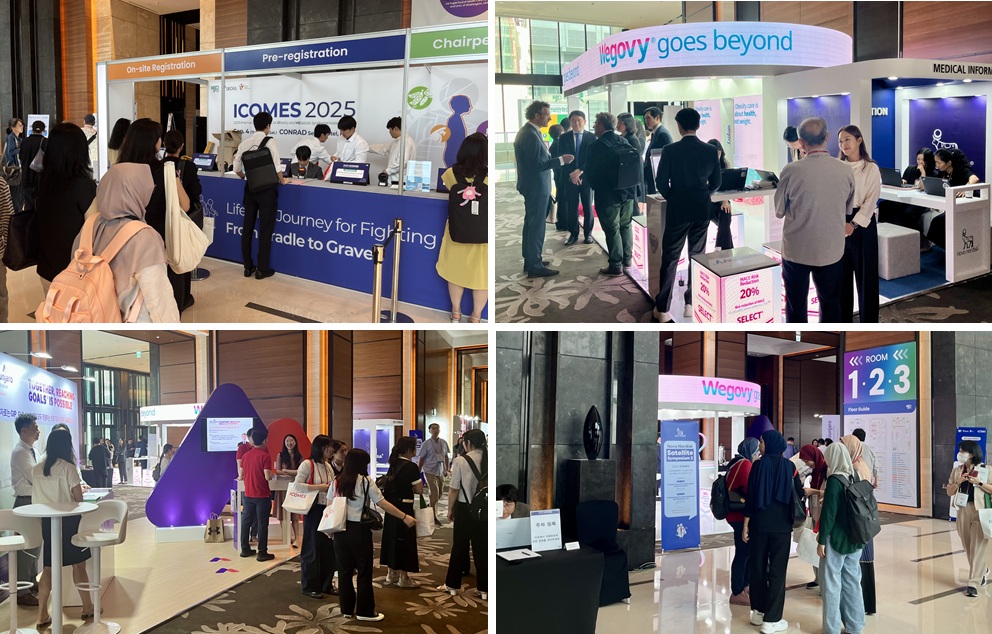
- On the morning of September 5 at Conrad Hotel, Yeongdeungpo, Seoul, a long line formed in front of the registration desk for the Autumn Conference of the Korean Society for the Study of Obesity (KSSO). With more than 1,000 pre-registered attendees, the conference drew continuous interest from healthcare professionals from the very first day. The surge of interest reflects the recent launches of the GLP-1 class obesity drugs Wegovy (semaglutide) and Mounjaro (tirzepatide). According to a conference official, “This is the first time we’ve had over 1,000 pre-registrants. When including on-site registration, more than 1,500 people are expected to attend.” Given the high turnout, Novo Nordisk and Eli Lilly engaged in a fierce competition to capture physicians’ attention through large promotional booths. Novo Nordisk secured the most prominent location near the entrance and set up the largest booth among all participating companies. It was the second year in a row that Novo Nordisk operated a Wegovy booth, but this year, with Lilly’s Mounjaro newly launched, their promotional efforts were even more aggressive. The Wegovy booth emphasized three key clinical benefits - ▲Over 20% body weight reduction, ▲20% reduction in major adverse cardiovascular events, ▲up to four years of long-term follow-up data- which were displayed prominently on the booth walls, drawing attention from healthcare professionals. Novo Nordisk organized an interactive event where conference attendees selected the most important message and placed a ball into a transparent box. The booth naturally drew large crowds, and participants intuitively grasped Wegovy's three key benefits. A Novo Nordisk representative stated, “As the pioneer that opened the GLP-1 obesity treatment market, we focused on communicating Wegovy's clinical value. We will do our utmost to further grow and lead the obesity treatment market.” The company also promoted Wegovy’s indication expansion plans. Currently approved for adult obesity, Novo Nordisk is seeking to expand the indication to include adolescents and has already submitted a related application to the Ministry of Food and Drug Safety. Right next to Novo Nordisk, Lilly set up its Mounjaro booth. Emphasizing its dual mechanism of action on both GIP and GLP-1 receptors, Lilly highlighted the strong weight-loss efficacy of Mounjaro. A Lilly representative commented, “This is our first time setting up a Mounjaro booth. With the autumn academic conference season underway, we plan to establish booths at other events, such as the Korean Academy of Family Medicine and the Society for Korean Obesity and Metabolism Studies, to promote the product.” The representative added, “Many attendees asked us to compare the strengths of competing products. As the market grows, both Wegovy and Mounjaro will benefit. Rather than competition, we aim for joint growth through cooperation.” The sponsorship tiers at the conference also reflected the two companies’ weight. Among 46 participating firms, Novo Nordisk was a Diamond sponsor, the highest tier. Lilly joined Hanmi Pharmaceutical and Chong Kun Dang as Platinum sponsors. Alvogen, Daewoong Pharmaceutical, Yuhan Corporation, and HK inno.N participated as Gold sponsors, while Dong-A ST, AstraZeneca, LG Chem, and Celltrion Pharm were among the Silver sponsors. On-site, physicians naturally gravitated toward the two major booths. One family medicine specialist remarked, “It was helpful to compare weight-loss effects and safety profiles. Beyond the brochures, the booth staff answered questions directly, which made it much easier to understand.”
- Company
- "Effect of Bavencio on long-term survival confirmed"
- by Son, Hyung Min Sep 09, 2025 06:12am
- Professor Jae-lyun Lee of Seoul Asan HospitalAt the conference held in Korea, Bavencio's real-world data (RWD) have been unveiled, extending beyond its initial trial that served as the basis for approval. Bavencio maintenance therapy has been shown to prolong the lives of patients with urothelial carcinoma in multiple countries, including Korea, Japan, France, and the U.S. Notably, the sequential treatment results with an antibody-drug conjugate (ADC), a global R&D trend, have also been positive. Global RWD Shows OS Surpassing 40 Months...ADC Combination Strategy Yielded Results At the annual meeting of the Korean Society of Medical Oncology (KSMO) held on September 5, long-term survival outcomes for Bavencio (avelumab), a treatment for advanced or metastatic urothelial carcinoma, were unveiled. The key result was that the latest result from a real-world clinical setting surpassed the overall survival (OS) observed in Bavencio's approval trial, JAVELIN Bladder 100 (JB 100) trial. The platinum-based chemotherapy previously used for patients with metastatic urothelial carcinoma shows high response rates. However, its toxicity and lack of durability made long-term treatment difficult, with survival benefits lasting only 12-15 months. Even with a response, 70% of patients relapsed within a year, patients and doctors having to endure treatment gaps. Bavencio recorded a median OS of 29.7 months in the JB 100 trial, an improvement of over 9 months. This effect was consistently confirmed in global RWD involving over 5,100 patients from the U.S., Europe, Japan, and Korea, with some cohorts even reporting superior results. The value of an anti-cancer drug depends on whether its clinical trial outcomes can be reproduced in a real-world setting. While clinical trials are conducted under limited conditions, real patient populations are far more complex. RWD is considered a key piece of evidence that bridges this gap and validates the efficacy and safety of a treatment. Professor In-Ho Kim of Seoul St. Mary's Hospital's Division of Medical Oncology, who presented on the changes in metastatic urothelial carcinoma (mUC) treatment in Korea and the significance of first-line maintenance therapy, stated Bavencio's outstanding tolerability as a key strength. The advantage of this drug enables patients to continue treatment stably for an extended period. Professor In-Ho Kim of Seoul St. Mary Professor Kim explained, "The results confirmed in Bavencio's clinical trials are being directly replicated in real-world clinical setting. Specifically, it has been demonstrated that toxicity issues, which were effectively managed under strict monitoring in clinical trials, can also be adequately controlled in a real-world setting. Thanks to these characteristics, We believe Bavencio is not just a new treatment option for patients but is setting a criteria for long-term treatment." For example, the PATRIOT-II study in the U.S., which analyzed the medical records of 160 patients, showed a median OS of 30.5 months from the start of chemotherapy and 24.4 months from the beginning of maintenance therapy. The JAVEMACS study conducted in Japan showed that the long-term survival effect was also replicated in an Asian patient population, with a median OS of 38.9 months from the start of chemotherapy and 31.8 months from the beginning of maintenance therapy. The AVENANCE study conducted in France is also notable. In a subgroup of 55 patients who received Bavencio maintenance therapy after first-line chemotherapy and then received the ADC enfortumab vedotin as a second-line therapy, the median OS reached 41.5 months. This contrasts with the median OS of just 24.5 months in a group of patients with similar conditions who received a platinum-based chemotherapy again. Such results demonstrate that the possibility of treatment sequence of 'platinum chemotherapy-Bavencio-ADC' as a long-term survival regimen. Furthermore, it is significant that the study included over 15% of patients with a performance status of ECOG 2 or higher, proving its efficacy even in a more realistic patient population. Korea data have also supported these results. An analysis of an Expanded Access Program (EAP) involving 30 patients from five Korean hospitals between 2021 and 2023 showed that the median progression-free survival (PFS) from the start of Bavencio was 7.9 months, surpassing the 5.5 months in the JB 100 trial. The complete response (CR) rate was 20%, with a median duration of CR of 17.8 months. The fact that these results were consistent with global outcomes, despite a challenging patient population where 67% were Stage 4 at diagnosis and 40% had visceral metastases, is significant. This is also the reason why Bavencio quickly became the standard of care for first-line maintenance therapy soon after its approval for reimbursement. Professor Jae-lyun Lee of Seoul Asan Hospital's Department of Oncology, who chaired the session, emphasized, "Bavencio is a treatment that fundamentally overturned the previous 12-15 month survival median with a median OS of 29.7 months." Lee added, "The fact that the survival benefit confirmed in the clinical trials has been replicated in RWD shows that long-term survival is no longer just an expectation but a reality." Bavencio is also supported by evidence of effortless side effect management and improved quality of life. In both clinical trials and RWD, adverse reactions were mild or manageable, and treatment discontinuation was rare. Long-term administration was possible even in elderly patients and those with comorbidities, and it yielded positive results in terms of quality of life indicators. A post-hoc analysis using the Q-TWiST index showed that Bavencio-treated patients had, on average, 4.2 months longer time without toxicity than those in a standard-of-care group. Based on this various clinical trial and RWD evidence, Bavencio is currently recommended as a standard-of-care for first-line maintenance therapy in metastatic urothelial carcinoma by organizations including the National Comprehensive Cancer Network (NCCN), the European Society for Medical Oncology (ESMO), and the European Association of Urology (EAU). In particular, it is designated as a Category 1 treatment in the NCCN guidelines. In Korea, patient access has also significantly improved following Bavencio approval in 2021 and reimbursement in August 2023. Professor Hongsik Kim of Chungbuk National University Hospital Professor Hongsik Kim of Chungbuk National University Hospital's Department of Hematology and Oncology, who presented on the topic of 'The Treatment Journey for Metastatic Urothelial Carcinoma,' said, "Bavencio can be safely administered to elderly patients and those with chronic kidney disease. The fact that this drug can provide long-term and sustained responses makes it clinically very significant. Although immune-related adverse events (irAEs) may occur during immunotherapy, it is important to maintain careful clinical judgment and not prematurely discontinue treatment." Professor Kim added, "irAEs can occur even more than a year after treatment, making careful long-term monitoring essential. Considering all these factors, We believe Bavencio is an option that can reliably provide patients with long-term treatment opportunities in a real-world clinical setting." Finally, Professor Lee added, "While various options are emerging in the urothelial carcinoma treatment market, it is rare to find a drug like Bavencio with proven long-term follow-up data and broad RWD." Lee concluded, "With the clinical efficacy, safety, and health insurance reimbursement of Bavencio, it has become a standard-of-care in Korea."
- Company
- Bispecific Ab 'Epkinly' for DLBCL available at gen hospitals
- by Eo, Yun-Ho Sep 08, 2025 06:17am
- Product photo of Epkinly'Epkinly,' a new innovative drug that is a T-cell-engaging bispecific antibody, is now available for prescription at general hospitals. According to industry sources, AbbVie Korea's Epkinly (epcoritamab), the treatment of relapsed or refractory diffuse large B-cell lymphoma (DLBCL), passed the drug committees (DC) of tertiary general hospitals, including Samsung Medical Center, Seoul National University Hospital, Asan Medical Center, and Seoul St. Mary's Hospital, as well as medical institutes, including Seoul National University Bundang Hospital, Yeouido St. Mary's Hospital, Wonju Severance Christian Hospital, Jeonbuk National University Hospital, Chungnam National University Hospital, and Chonnam National University Hwasun Hospital. As Epkinly is under review for insurance reimbursement and has passed the Health Insurance Review & Assessment Service (HIRA)'s Cancer Disease Review Committee, it is expected to be available for prescription once it is included in the listing. Epkinly, approved in Korea last June, was also designated as an orphan drug by the Ministry of Food and Drug Safety. Epkinly is a type of immunoglobulin 1-based bispecific antibody that simultaneously binds to CD3 on T-cells and CD20 on B-cells, with a mechanism that induces T-cell-mediated killing of lymphoma B-cells. The drug recently received approval from the U.S. FDA through an accelerated approval program, and the Phase 1/2 EPCORE NHL-1 study served as the basis for approval. The study enrolled 148 patients with CD20-positive DLBCL. Of these patients, 86% had unspecified DLBCL, 27% had DLBCL transformed from indolent lymphoma, and 14% had high-grade B-cell lymphoma. As a result, Epkinly showed an objective response rate of 61%, a complete response rate of 38%, and a median duration of response of 15.6 months in relapsed or refractory DLBCL patients who had received an average of three prior treatments. Professor Deok Hwan Yang of Chonnam National University Hwasun Hospital's Department of Hematology said, "Epkinly, a bispecific antibody treatment, showed a complete response rate similar to that of CAR-T therapies. Furthermore, it can be administered to patients immediately at a medical institution without a separate manufacturing period. As it targets a different antigen from CAR-T therapies, which target CD19, it also has the advantage of being usable in patients who have failed CAR-T therapy."
- Company
- Competitiveness of K-anticancer drugs reaffirmed
- by Son, Hyung Min Sep 08, 2025 06:17am
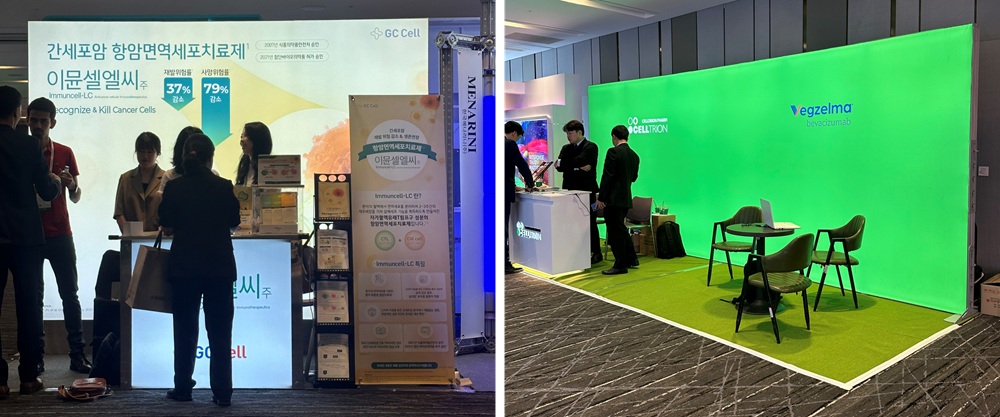
- Korean pharmaceutical companies gathered in one place to show off their anti-cancer pipelines, including both in-house developed and imported new drugs. At the Korean Society of Medical Oncology 2025 International Conference (KSMO 2025), which was held over three days from September 3 at Walkerhill Hotel in Seoul, major domestic pharmaceutical companies showcased their oncology pipelines, including both self-developed and in-licensed drugs. Companies such as Yuhan, Boryung, GC Cell, Jeil Pharmaceutical, and Celltrion highlighted their therapies, including Lazertinib, Zepzelca, Immuncell-LC, Lonsurf, and Vegzelma, covering a wide range of solid and hematologic cancers. Domestic companies focus on promoting self-developed drugs and biosimilars Yuhan spotlighted its non-small cell lung cancer (NSCLC) therapy, Lazertinib. Lazertinib was approved as Korea’s 31st novel homegrown drug approved in in January 2021. The technology of the drug, which was originally developed by Genosco (a subsidiary of Oscotec) was transferred to Yuhan in 2015. Yuhan later signed a USD 1.4 billion out-licensing deal with Janssen in November 2018. Janssen confirmed Lazertinib’s efficacy compared with Tagrisso monotherapy, the current standard of care. Through the MARIPOSA Phase III trial, In August 2023, the U.S. FDA approved Lazertinib as a combination therapy as a first-line treatment for EGFR-positive NSCLC. The combo regimen is expected to extend overall survival (OS) by more than a year versus existing therapies. With over half of the patient group still alive, the trial is expected to reveal further significant improvements as new data emerges. (from the left) GC Cell and Celltrion GC Cell promoted Immuncell-LC, an autologous cell therapy originally developed by InnoCell (the predecessor of GC Cell). The therapy uses mononuclear cells extracted from a cancer patient’s blood, cultured for over two weeks with anti-CD3 and IL-2 stimulation. The activated immune cells target and eliminate cancer cells in the body. Immuncell-LC functions by inducing activated T-lymphocytes and autologous cytokine-induced killer cells (CIK) to seek out and eliminate cancer cells within the body. In a nine-year extended follow-up study of a Phase III trial in hepatocellular carcinoma, Immuncell-LC showed recurrence-free survival (RFS) of 43.5 months, compared with 27.4 months for the control group, with cancer-specific survival (CSS) not yet reached in either group. Hanmi Pharmaceutical showcased Rolontis, a neutropenia drug that was approved in Korea in 2021 as the 33rd novel homegrown drug. Marketed as Rolvedon in the U.S., it generates over KRW 20 billion in quarterly revenue. Hanmi has been working to strengthen Rolontis’s competitiveness through a same-day administration trial. Unlike existing drugs such as Neulasta, which require administration 24 hours post-chemotherapy, Rolontis allows for same-day dosing, reducing hospital stays and improving convenience. Celltrion highlighted Vegzelma, a biosimilar to Roche’s Avastin (bevacizumab). Now launched across Korea, the U.S., and Europe, Vegzelma has become the top-selling bevacizumab biosimilar in Europe. (clockwise from the upper left) Jeil Pharmaceutica, Yuhan Corp, Boryung, and Hanmi PharmaceuticalIntense Competition in In-Licensed Oncology Drugs Boryung emphasized its portfolio of in-licensed drugs, including Gemzar and Alimta. Boryung acquired Korean rights to the cytotoxic anticancer drug for NSCLC and pancreatic cancer, Gemzar (originally by Eli Lilly), in October 2020, later adding the NSCLC drug Alimta’s rights in 2022 and transitioning from imports to in-house production. Boryung also pinned hopes on the SCLC drug Zepzelca (developed by Spanish company PharmaMar), for which it holds exclusive sales rights in Korea. A symposium on the Phase III IMforte study on its use in combination with the immunotherapy drug Tecentriq was also being held, focusing efforts on establishing Zepzelca as the standard of care. Zepzelca is a novel drug developed by the Spanish pharmaceutical company PharmaMar, and is already being marketed in North America by Jazz Pharmaceuticals. Boryung holds exlclusive right to its sales and distribution in Korea. Zepzelca inhibits DNA transcription in cancer cells and reduces tumor-associated macrophage (TAM) activity, thereby blocking cancer cell proliferation, immune evasion, and angiogenesis. Zepzelca is being tested in the IMforte Phase III trial as a first-line option for small-cell lung cancer in combination with the immunotherapy Tecentriq (atezolizumab). Early results show survival benefits compared with Tecentriq alone. Jeil Pharmaceutical presented Lonsurf, which the company licensed from Japan’s Taiho. Approved in the U.S. in 2015 and now in 75 countries, Lonsurf is indicated for metastatic colorectal cancer and, since 2021, for metastatic gastric cancer.
- Company
- Kerendia+Jardiance combo demonstrates early benefit
- by Hwang, byoung woo Sep 08, 2025 06:16am
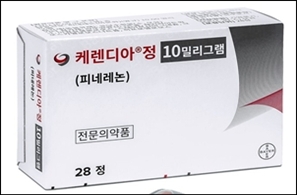
- Kerendia (finerenone), a treatment for chronic kidney disease, has strengthened its clinical presence by demonstrating efficacy in combination with the SGLT-2 inhibitor Jardiance (empagliflozin). Pic of Kerendia Kerendia is the first non-steroidal mineralocorticoid receptor antagonist (MRA), with a novel mechanism of action that directly suppresses inflammation and fibrosis in the kidney. In June, results from the CONFIDENCE study drew attention by confirming the benefit of early combination therapy with SGLT-2 inhibitors. The trial included 818 patients with type 2 diabetes and CKD (eGFR 30–90 mL/min/1.73m², urine albumin-to-creatinine ratio [UACR] ≥100–
- Company
- Zynyz receives orphan drug designation in Korea
- by Eo, Yun-Ho Sep 05, 2025 06:20am
- The immuno-oncology drug Zynyz that Handok has decided to market in Korea has been designated as an orphan drug in Korea. The Ministry of Food and Drug Safety (MFDS) recently announced the designation through a public notice. Specifically, the drug is indicated for ▲Merkel cell carcinoma and ▲ squamous cell carcinoma of the anal canal (SCAC). Among these, the Merkel cell carcinoma indication had already been granted orphan drug status earlier in June. Zynyz (retifanlimab), which was developed by the US company Incyte, was also designated in July as a subject for the “Global Innovative Products on Fast Track (GIFT)” program. Since receiving approval from the U.S. FDA in May, the PD-1 inhibitor Zynyz has been gaining attention as the first first-line treatment for adult patients with unresectable locally recurrent or metastatic anal cancer, in combination with platinum-based chemotherapy (carboplatin, paclitaxel). The efficacy of Zynyz in anal cancer was demonstrated in the Phase III POD1UM-303 study. This study evaluated 308 patients with unresectable locally recurrent or metastatic squamous cell carcinoma of the anal canal (SCAC) by comparing outcomes between the Zynyz + carboplatin + paclitaxel combination arm and the standard-of-care arm. Results showed that the median progression-free survival (PFS) was 9.3 months in the Zynyz arm, which is a 37% reduction in the risk of disease progression or death compared with the 7.4 months in the standard-of-care arm. In the interim analysis, the median overall survival (OS) was 29.2 months in the Zynyz arm and 23 months in the standard-of-care arm. The objective response rate (ORR) for the Zynyz arm was 56%, with 22% achieving complete response and 33% partial response—higher than the 44% observed in the standard-of-care arm. The median duration of response (DoR) was 14 months in the Zynyz arm, compared with 7.2 months in the standard-of-care arm. SCAC accounts for about 85% of all anal cancers and is classified as a rare cancer. The majority of cases are caused by human papillomavirus (HPV) infection, and HIV-positive individuals face a 25–35 times higher risk. Early symptoms often resemble hemorrhoids, leading to delayed diagnosis, with many patients visiting hospitals at advanced stages.
- Company
- MenQuadfi’s indication includes infants as young as 6 weeks
- by Hwang, byoung woo Sep 05, 2025 06:19am
- On the 4th, Sanofi Kore announced that its fully liquid quadrivalent meningococcal vaccine, MenQuadfi, received expanded indication approval from the Ministry of Food and Drug Safety (MFDS) on August 26. The new approval allows MenQuadfi’s vaccination for infants from 6 weeks to under 2 years of age. With the indication extension, MenQuadfi has become the first quadrivalent meningococcal conjugate vaccine in Korea that can be administered to infants as young as 6 weeks. This approval allows a broader age range to have preventive options against invasive meningococcal disease. MenQuadfi contains 10μg of antigen each for the four meningococcal serogroups (A, C, W, and Y) and is formulated as a fully liquid formulation that requires no reconstitution or mixing, enhancing ease of use. It utilizes tetanus toxoid (TT) as a protein carrier to induce a strong T cell–mediated immune response. Following the indication extension, MenQuadfi now offers flexible vaccination schedules to those 6 weeks to 55 years of age. Infants aged 6 weeks to under 6 months may receive a 4-dose series, with the initial three doses given at minimum 8-week intervals, and a fourth booster at least 6 months after the third dose, administered at ≥12 months of age. For infants aged 6 to less than 24 months with no prior meningococcal vaccination, a 2-dose schedule is recommended, with a minimum 3-month interval between doses and the second dose administered after 12 months of age. For individuals aged 2 to 55 years, a single dose is sufficient for protection. MenQuadfi’s indication extension was based on results from the MET42 and MET61 studies. The Phase III MET42 trial enrolled about 2,627 infants and toddlers aged 2 to 18 months to evaluate the immunogenicity and safety of MenQuadfi versus an existing quadrivalent meningococcal vaccine. After just three doses starting at 2 months of age, MenQuadfi demonstrated strong immune responses across all 4 meningococcal serogroups: A (64.4%), C (96.4%), W (92.8%), and Y (88.7%). These results were higher compared to the comparator vaccine (A: 50.6%, C: 82.8%, W: 85.6%, Y: 81.8%). The MET61 study assessed infants aged 6 to 23 months with a 2-dose schedule, comparing the immunogenicity and safety of MenQuadfi against control vaccines, including Sanofi’s own Menactra. The results confirmed that MenQuadfi induced non-inferior immune responses across all serogroups (A, C, W, Y) compared with control vaccines, with a safety profile comparable with existing vaccines. Hee-kyung Park, Director of Sanofi’s Vaccines Business Unit, said, “With the indication extension of MenQuadfi in Korea, we are pleased to be able to protect infants as early as 6 weeks of age from invasive meningococcal disease. Sanofi will continue to work closely with health authorities to strengthen preventive strategies and secure protection against meningococcal infections across various age groups.”
