
- LOGIN
- MemberShip
- 2026-06-20 23:50:51
- Opinion
- [Reporter’s View] Time to verify K-radiopharmaceuticals
- by Son, Hyung Min Jul 10, 2025 06:09am
- Radiopharmaceuticals are special preparations that combine drugs with radioactive isotopes for diagnostic or therapeutic use. In particular, radioligand therapy (RLT), which delivers radiation directly to tumor cells, is known for its high precision, being referred to as "moving radiation surgery." As beta particle-based radioligand therapy enters the commercialization stage, the global industry is shifting its focus to alpha particle-based therapies, which offer higher energy, shorter range, and more precise killing power. Leading candidates include actinium-225 and astatine-211. These agents, which have a shorter range and higher linear energy transfer (LET) than the existing beta-particle-based lutetium-177, are gaining attention as next-generation targeted therapies for their ability to precisely target cancer cells while minimizing damage to surrounding tissues. Multinational pharmaceutical companies are also making bold investments. Novartis, which developed Lutathera and Pluvicto, acquired a radioligand therapy developer Mariana Oncology last year. AstraZeneca has begun joint development with Actinium Pharmaceuticals. The United States, Canada, and Europe have already incorporated the development of actinium production and purification infrastructure into their national strategies. In contrast, Korea is still in its early stages. Although the Korea Atomic Energy Research Institute (KAERI) and the Korea Institute of Radiological & Medical Sciences (KIRAMS) have isotope production and some research platforms, vertical integration encompassing isotope purification, labeling technology, ligand design, and clinical development has not yet been achieved. Above all, the connection between hospitals, nuclear power, and pharmaceutical companies remains weak. While platforms exist, they rarely lead to the development of pharmaceuticals. Radiopharmaceuticals for diagnostic use have been commercialized, but the development of therapeutic agents is still lagging behind. Nevertheless, companies in Korea have also begun to explore this field. Currently, Cellbion is completing Phase II clinical trials for prostate cancer and is expected to apply for approval. They expect therapeutic effects comparable to or better than those of the already commercialized Pluvicto. FutureChem has completed a Phase II clinical trial for prostate cancer and plans to proceed with Phase III trials. The company plans to apply for conditional approval as soon as it receives authorization for the Phase 3 Investigational New Drug (IND) application. In this sense, the rumored development of K-radiopharmaceuticals is finally beginning to show some tangible results. However, the companies’ pipelines still have gaps in key technological elements such as target protein design, clinical strategy, and formulation optimization compared to global standards. Therefore, structural government support is necessary to secure independent competitiveness. Radiopharmaceuticals are a complex technology with a high barrier to development. However, as the entry barriers become extremely high, some experts believe that successful localization could enable market dominance even beyond that of antibody-drug conjugates (ADCs) once a company enters the field. The solution for domestic production of radiopharmaceuticals lies not in isolated technologies but in “strategic integration.” It is now time to establish a “Korean RLT Alliance” that encompasses everything from target proteins to hospital networks, clinical design, and isotope supply. Otherwise, domestically produced radiopharmaceuticals will remain mere objects of technology transfer rather than becoming market leaders.
- Company
- Ono Pharma Korea’s sales double in 4 years with Opdivo
- by Son, Hyung Min Jul 10, 2025 06:09am
- Ono Pharmaceutical Korea continued its sales growth, powered by its immuno-oncology drug Opdivo. The company's sales doubled in 4 years. The company is preparing for the expiration of Opdivo's patent by securing a diverse pipeline of new anticancer drugs, including antibody-drug conjugates (ADCs) and novel immuno-oncology drugs with different mechanisms of action. According to the Financial Supervisory Service's electronic disclosure system on the 9th, Ono Pharmaceutical's sales last year reached KRW 60.3 billion, a YoY increase of 10.7%. During the same period, operating profit rose by 11.7% from KRW 3.9 billion to KRW 4.4 billion. The sales and operating profit recorded by Ono Pharmaceutical last year are the highest figures since the company began submitting audit reports in 2017. Ono Pharmaceutical recorded sales of over KRW 40 billion in 2021 and exceeded KRW 50 billion for the first time the following year. Comparing the company’s sales of KRW 60.3 billion last year with the KRW 31 billion in 2020, it has increased by 94.5% in four years. The immuno-oncology drug Opdivo drove Ono Pharmaceutical's sales growth. Opdivo is an anti-PD-1 class immune-oncology drug jointly developed by Ono Pharmaceutical and BMS, and was approved in Korea in 2015. Ono Pharmaceutical holds the development and marketing rights for Opdivo in Asia, including Korea, Japan, and Taiwan. Ono Pharmaceutical's sales have risen significantly since 2017, when Opdivo was granted reimbursement. The first indication reimbursed was for non-small cell lung cancer. Ono Pharmaceutical's sales in 2018 were KRW 44.8 billion, up 44.4% from KRW 31 billion the previous year. However, competition from MSD's Keytruda had an impact on Opdivo’s sales. Opdivo recorded sales of KRW 32.4 billion in 2019, down 27.8% from the previous year. Ono Pharmaceutical sought to reverse the trend by expanding the indications and reimbursement for Opdivo. In particular, the combination of Opdivo and BMS's CTLA-4 targeted immuno-oncology drug Yervoy has been effective in various solid cancers, such as melanoma, renal cell carcinoma, and hepatocellular carcinoma, contributing to an increase in market share. In addition, Opdivo became the first immuno-oncology drug to be approved for the treatment of gastric cancer in 2021. According to the market research institution IQVIA, Opdivo surpassed KRW 100 billion in domestic sales in 2022. Company busy securing future pipeline following Opdivo Ono PharmaceuticalOno Pharmaceutical is preparing for the expiration of Opdivo's patent. Opdivo's patent is scheduled to expire in the United States in 2028, followed by other markets around the world. First, the company is defending the market with Opdivo Qvantig, a subcutaneous injection (SC) formulation of Opdivo. Opdivo Qvantig was approved in the United States last year, and Ono Pharmaceutical and its partner BMS are seeking approval in major countries. The existing intravenous (IV) formulation of the anticancer drug requires administration for over an hour, but the SC formulation has the advantage of reducing the administration time to less than 10 minutes. The SC formulation of the anticancer drug can provide convenience to patients who must visit the hospital once every 3 weeks on average to receive the IV formulation. Ono Pharmaceutical is also seeking to enter the antibody-drug conjugate (ADC) market. Last year, Ono Pharmaceutical acquired LCB97, an ADC candidate substance developed by LigaChem Biosciences, a domestic ADC developer. LCB97 targets L1CAM, a protein expressed in various solid tumors, such as lung cancer, pancreatic cancer, and colorectal cancer. LCB97 incorporates LigaChem Biosciences’ proprietary ConjuALL linker technology. ADCs consist of a linker, payload (drug), and antibody, and the ConjuALL linker is evaluated to overcome issues such as the release of cytotoxic drugs in the bloodstream and attacks on normal cells. LigaChem Biosciences and Ono Pharmaceutical have also signed a contract to transfer the company’s proprietary technology for ADCs that target multiple targets along with LCB97. Under this contract, Ono Pharmaceutical has secured the rights to discover and develop ADC candidates targeting multiple targets using LigaChem Biosciences’ platform technology. Additionally, Ono Pharmaceutical has entered into a technology transfer agreement with domestic company NEX-I and will begin developing the immunotherapy candidate ‘NXI-101.’ NXI-101 is a next-generation immunotherapy drug candidate that inhibits the function of ONCOKINE-1, a newly identified target discovered through the ‘ONCOKINE’ platform, which identifies factors causing resistance to cancer immunotherapy. Currently, Ono Pharmaceutical has completed preclinical trials for NXI-101 and is conducting Phase I clinical trials.

- Policy
- Discussion on "Indication-specific drug pricing system"
- by Lee, Tak-Sun Jul 10, 2025 06:09am
- Kim Gook-hee, Director of the Pharmaceutical Benefits Department at HIRA (left) and Lee So-young, Director of the Pharmaceutical Performance Assessment Department, (right) are answering to questions during the Q&A session. The Health Insurance Review & Assessment Service (HIRA) announced that the issue of 'indication-specific drug pricing system' proposed by the pharmaceutical industry may require further discussion, and the immeditate implementation is difficult. They explained that further discussion is needed, particularly regarding the prevention of confusion in clinical practice and post-market management. Kim Gook-hee, Director of the Pharmaceutical Benefits Department at HIRA, stated this at a press conference with specialized journalists held on July 8th at the main office in Wonju. The press conference was held with the Pharmaceutical Management Department and the Pharmaceutical Performance Assessment Department (TF), with Director Kim and Lee So-young, Director of the Pharmaceutical Performance Assessment Department, participating in the Q&A session. Kim explained the need for introducing an indication-specific drug pricing system: "Multi-indication drugs refer to cases where 'a single product has two or more indications,' and the current system applies a single reimbursement cap regardless of the number of indications." She added, "I understand that the need for an indication-specific drug pricing system is emerging due to the increasing trend of adding indications after approval and expanding reimbursement after listing, especially for anticancer drugs." Kim emphasized, "Regarding this system, it is necessary to review it cautiously, considering the appropriateness of setting different drug prices per indication and its actual applicability." Currently, countries that have adopted an indication-specific drug pricing system either apply differentiated refund rates per indication or calculate a weighted average price based on the prices of individual drugs per indication. Countries applying differentiated refund rates per indication include Italy, Switzerland, Australia, and Belgium. Countries using weighted average prices per indication include Italy, France, Australia, and Japan. Kim stated, "Measures to minimize confusion in clinical settings, such as issues of fairness among patients and concerns about prescription distortion that could arise if a single product's drug price varies by indication, must be prepared concurrently." Kim also added, "Even when applying a single weighted average price, careful discussion must precede regarding data collection methods for weighted average price calculation, drug price setting methods, and post-market management." Regarding the criticism that domestic natural new drugs are included in the re-evaluation targets for drug reimbursement appropriateness this year, which is contrary to industrial promotion policies, Kim stated there is no issue. She explained, "When reviewing clinical usefulness, we comprehensively examine not only overseas data but also domestic materials such as local medical textbooks, clinical practice guidelines, and domestic clinical literature listed in SCIE journals." Furthermore, regarding the reimbursement application for combination therapies of new drugs, Kim explained, "Combination therapies of new drugs lead to a significant cost increase compared to monotherapies. Therefore, reimbursement will only be possible in cases where a clear improvement in clinical efficacy is demonstrated." Kim also stated, "Regarding the reimbursement evaluation of new drugs used in combination with already listed drugs from other companies, if one pharmaceutical company applies for reimbursement, we request relevant data from the other company involved in the combination. However, if the other company has no intention of expanding reimbursement, it is difficult to mandate reimbursement under the current selective listing system." Meanwhile, Lee So-young, Director of the Pharmaceutical Performance Evaluation Office, stated that re-evaluation of drugs exempted from cost-effectiveness evaluation has not yet been specifically reviewed. Lee added, "A commissioned research study on 'Guidelines for Generating Real-World Evidence (RWE) for Pharmaceutical Performance Evaluation' has been underway since March and is expected to conclude in November." She explained, "We plan to prepare the guidelines through sufficient discussion with stakeholders during the research process." Once the research results are available, the plan is to discuss specific implementation directions with relevant organizations, including the Ministry of Health and Welfare (MOHW), as well as pharmaceutical companies. The following is a summary of the Q&A session: 1. Related to Proposals for Improving Medical Reimbursement Criteria Last year, 57 improvement suggestions were submitted by 7 associations and academic societies (including 7 sub-associations/societies). This year, 42 suggestions were submitted by 8 associations and academic institutions (including 21 sub-associations/societies). All 57 improvement suggestions submitted last year have been reviewed. Among them, 28 items have either had their notices or announcements revised, or are undergoing subsequent procedures. For other items involving misunderstandings, the medical community has been properly informed. Among the 42 improvement suggestions submitted this year, 32 related to general drugs were proposed. For instance, the Korean Association of Internal Medicine requested a general revision of the principles governing diabetes medications, and the Korean Hospital Association requested clarification of the diagnostic criteria for osteoporosis. For anticancer drugs, a total of 10 suggestions were made. These included the Korean Association of Internal Medicine (KAIM)'s opinion on the need to improve the eligibility criteria for treatment regimens to align with clinical reality, and requests to clarify phrases like 'refractory' or 'surgical or local treatment impossible' where interpretation differences might arise. In response, HIRA prioritizes reviewing items where numerous claim adjustments occur due to unreasonable or unclear criteria, or where prompt guidance is needed to address misunderstandings in interpretation. 2. Related to Indication-Specific Drug Pricing System Multi-indication drugs refer to cases where 'a single product has two or more indications,' and the current system applies a single reimbursement cap regardless of the number of indications. Recently, I am aware that the need for an indication-specific drug pricing system is emerging due to the increasing trend of adding indications after approval and expanding reimbursement after listing, particularly for anti-cancer drugs. Regarding this system, it is necessary to review it cautiously, considering the appropriateness of setting different drug prices per indication and its actual applicability. Measures to minimize confusion in clinical settings, such as addressing issues of fairness among patients and concerns about prescription distortion that could arise if the drug price of a single product varies by indication, must be prepared concurrently. Even when applying a single weighted average price, careful discussion must precede regarding data collection methods for weighted average price calculation, drug price setting methods, and post-market management. 3. Related to Requests for Reimbursement of Combination Therapies The trend of increasing anticancer combination therapies has been significant recently. To expand treatment opportunities for patients, the Ministry of Health and Welfare's notice in May and HIRA's announcement in June improved the system to allow reimbursement for existing anticancer drugs when combined with new anticancer drugs, thereby strengthening access to anticancer combination therapies. Combination therapies of new drugs incur a significant cost increase compared to monotherapies, etc. Therefore, reimbursement will only be possible in cases where a clear improvement in clinical efficacy is demonstrated. Combination therapies of new drugs incur a significant cost increase compared to monotherapies, etc. Therefore, reimbursement will only be possible in cases where a clear improvement in clinical efficacy is demonstrated. Furthermore, regarding the reimbursement evaluation of new drugs administered in combination with already listed drugs from other companies, if one pharmaceutical company applies for reimbursement, relevant data is requested from the other company involved in the combination. However, if the other company has no intention of expanding reimbursement, it is difficult to mandate reimbursement under the current selective listing system. 4. Related to Re-evaluation of Reimbursement Appropriateness for Domestic Natural New Drugs Eight ingredients are targeted for reimbursement appropriateness re-evaluation in 2025. Currently, a practical review is underway based on data submitted by pharmaceutical companies, relevant evidence, and academic opinions. The Drug Reimbursement Evaluation Committee (DREC)'s review is scheduled for the second half of this year. The re-evaluation targets include all drugs that meet the selection criteria and are not selected based on the original country of development of the ingredient. Among the 8 ingredients targeted for re-evaluation this year, Clematis root, Trichosanthes root, Prunella spike, and Mugwort extract are classified as natural new drugs. Even if these drugs are selected for evaluation, their reimbursement will be maintained if clinical usefulness is recognized during re-evaluation. Additionally, when reviewing clinical usefulness, not only overseas data but also domestic materials such as local medical textbooks, clinical practice guidelines, and domestic clinical literature listed in SCIE journals are comprehensively examined. 5. Related to Delays in Drug Evaluation for Concurrent Approval-Evaluation-Negotiation Pilot Program The 'Concurrent Approval-Evaluation-Negotiation Pilot Program' was initiated to expedite the reimbursement listing time by simultaneously conducting the review processes of the Ministry of Food and Drug Safety, HIRA, and the National Health Insurance Service. It primarily selected drugs that showed superior efficacy for life-threatening diseases without alternative treatments, and reimbursement for the pilot program's target drugs was not a prerequisite. However, if changes occur during the approval and reimbursement evaluation process or supplementary data is submitted after a drug has been selected as a pilot program target based on the pharmaceutical company's application data, additional review time may be required. Unlike medical procedures or treatment materials, drugs are subject to a selective listing system that applies health insurance coverage to drugs with excellent therapeutic and economic value. This is operated through HIRA's reimbursement evaluation and the National Health Insurance Service's negotiation procedures. 6. NHIS's Stance on Participation in DREC As the NHIS is the insurer and a direct party to negotiating drug reimbursement caps with pharmaceutical companies, if the NHIS were to participate in the committee's composition, concerns might arise regarding the fairness and objectivity of the decisions made. Currently, the NHIS attends and monitors every meeting of the DREC, and relevant data is shared periodically. We will continue to collaborate with the NHIS for efficient drug management. 7. Related to Revision of Indirect Comparison Guidelines If a clinical study has been conducted to evaluate the clinical usefulness of a new drug, such as its improvement in efficacy, as a single-arm study of the applicant drug, or if there is no direct comparison data with an alternative drug, objective evidence derived through a valid indirect comparison is required. To this end, HIRA conducted the "Research on Revising Indirect Comparison Guidelines (March-December 2024)" in 2024, and the final research report was published on our website in February this year. Furthermore, an expert advisory meeting regarding the guideline revision was held in early May. Based on this, a draft will be prepared, and the guideline revision will be pursued this year after gathering internal and external opinions. 8. Pharmaceutical Performance Assessment Department Organization and One-Year Achievements Last year, the Pharmaceutical Performance Assessment Division operated with one department, the Pharmaceutical Performance Evaluation Department. However, starting this year, it has been reorganized into a one-office, two-department system. A new Pharmaceutical Performance Assessment Department was established to strengthen development functions, including RWD data analysis methods, performance evaluation models, and guidelines for generating real-world evidence (RWE). We have focused on establishing a system to ensure patient access to high-cost severe disease treatments while managing evidence uncertainty through post-listing performance evaluation. Following the review stage of a drug reimbursement application, the head of the Pharmaceutical Performance Assessment Department participates in discussions within the relevant three subcommittees to select target drugs for performance evaluation. To date, performance evaluations have been conducted for drugs such as Kymriah and Zolgensma, and we have efficiently managed high-cost severe disease treatments. Based on the revised risk-sharing agreement (RSA) type notification in March this year, the system is being operated to create good models for pharmaceutical performance evaluation, aiming for complete system completion by appropriately selecting and reviewing evaluation targets. We will also strive to standardize the entire performance evaluation review process to establish it as a rational and acceptable system. 9. Related to RWD Drug Evaluation Procedures If the DREC approves a submitted drug with a condition for post-marketing collection of RWD. In that case, the pharmaceutical company must submit a performance evaluation plan, detailing specific conditions such as collection period, frequency, and indicators, after consultation with the Pharmaceutical Performance Assessment Department. Subsequently, the pharmaceutical company periodically submits the collected data (RWD) to HIRA, and HIRA cross-validates it with claims and review data to verify reliability. Before the end of the risk-sharing agreement period, the pharmaceutical company submits the performance evaluation results, analyzing the collected data (RWD) according to the predefined plan, to HIRA. After that, the DREC then evaluates these results. 10. Related to RWE Guidelines and Re-evaluation of Cost-effectiveness Evaluation Exempted Drugs The commissioned research on 'Guidelines for Generating Real-World Evidence (RWE) for Pharmaceutical Performance Evaluation' has been underway since March and is expected to conclude in November. We plan to develop the guidelines through thorough discussions with stakeholders during the research process. Once the research results are available, the plan is to discuss specific implementation directions with relevant organizations, including the MOHW and pharmaceutical companies. The re-evaluation of drugs exempt from cost-effectiveness evaluation has not yet been specifically reviewed.

- Policy
- Introduction of AI for drug approval and review in Korea
- by Lee, Hye-Kyung Jul 10, 2025 06:09am
- The Ministry of Food and Drug Safety is conducting follow-up research to introduce generative artificial intelligence (AI) to the domestic drug approval and review field starting next year. The Pharmaceutical and Medical Device Research Department of the National Institute of Food and Drug Safety Evaluation is conducting an ISP project to establish the system, and plans to gradually expand the scope of AI application from chemical drugs to biopharmaceuticals. The Pharmaceutical and Medical Device Research Department of the National Institute of Food and Drug Safety Evaluation met with MFDS press corp reporters at the Jeju National Herbal Resource Management Center presented initiatives including research using AI and big data, the development of impurity analysis methods for pharmaceuticals, evaluation technologies for biological products, and plans to distribute standardized herbal reference substances. (From the left) Kyung-hoon Son, Director of the Drug Research Division;, Cheol-hyun Lee, Director of the Biologics Research Division; Gidae Park, Acting Director, Division of Advanced Biopharmaceutical Research; Jinhee Hwang, Director, Herbal Medicine Research Division; Youngmi Song, Director, Cosmetics Research Division; Haedae Park, Director, Division of Medical Device Research On the day, Jiwon Jeong, Director-General of the Pharmaceutical and Medical Device Research Department, opened the meeting with an explanation of the current status of research related to artificial intelligence and big data. Jeong said that new projects being promoted this year include research on strategies for utilizing AI in drug reviews. Director-General Jeong explained, “It is a two-track approach: the AI system is being developed by the IT team, while we are researching to determine whether AI can be used in medical product reviews.” She added, “The process of introducing AI into medical product reviews requires an enormous amount of data, so it is difficult to initiate everything at once. Starting next year, we will implement the project in phases, beginning with the simple and repetitive task of preparing review materials. We will start with chemical drugs.” Kyung-hoon Son, Director of the Drug Research Division, then discussed research on utilizing big data in the course of developing technology for assessing the safety of overseas manufacturing facilities related to Good Manufacturing Practice (GMP) standards. Director Son explained, “We conduct on-site inspections of overseas manufacturing facilities every year, but since each facility has its own system, there are challenges in organizing the data. Through this research, we aim to develop technology to standardize data related to GMP to assist with overseas inspections.” He also noted, “This research utilizing big data has not yet progressed to the stage of using AI. Even without collaborating with overseas companies, we believe it will be possible to develop and utilize a model that utilizes big data domestically.” In addition, the Pharmaceutical and Medical Device Research Department is promoting research on the development of specialized translation models (Korean-English) for safety management in the field of pharmaceuticals, the application of next-generation advanced pharmaceutical innovation technologies such as AI to manufacturing facilities, and a model for the utilization and dissemination of public data based on adverse drug reaction reports. (from the left) Jiwon Jeong, Director-General of the Pharmaceutical and Medical Device Research Department, Kyung-hoon Son, Director of the Drug Research Division, Cheol-hyun Lee, Director of the Biologics Research Division ◆ Research on impurity analysis methods expanded to include new substances=The National Institute of Food and Drug Safety Evaluation is also conducting research on the safety management of impurities and infectious diseases in pharmaceuticals. This includes developing and providing impurity analysis methods, developing and publishing impurity safety management guidelines, and compiling and distributing case studies on impurity occurrence assessments. In this regard, Director Son said, “The current research focuses on how to reduce single impurities such as N-nitrosodimethylamine (NDMA),” adding, “We are also conducting research on simultaneous analysis methods in consideration of small-sized companies.” He emphasized, “In particular, since the beginning of this year, we have been analyzing and categorizing the characteristics of newly developed substances, not just single substances, to develop analysis methods. Although the results are not yet available, we are striving to manage impurities that did not exist before.” The development of evaluation technologies for biological products is a research area currently being pursued by the National Institute of Food and Drug Safety Evaluation to strengthen infectious disease control. Biological products include mRNA vaccines, antibody-drug conjugates (ADCs), and antibody-based therapeutics such as monoclonal antibodies, bispecific antibodies, and small-molecule–multi-specific antibody combinations. Cheol-hyun Lee, Director of the Biologics Research Division, explained, “We have been conducting research on delivery methods and materials for mRNA vaccines for about 5 years, and we expect to complete the research this year.” He added, “We have not developed evaluation technologies for specific products or indications in the field of antibody drugs, but are creating relevant guidelines and information booklets. We are indirectly supporting companies' relevant research and development through methods such as introducing overseas cases.” Jeju National Herbal Resource Management Center ◆ National Herbal Resource Management Center owns 396 standardized herbal reference materials = The National Institute of Food and Drug Safety Evaluation is also creating standard herbal medicine products through the National Herbal Resource Management Center. Located in three locations, Yanggu-gun, Gangwon-do; Okcheon-gun, Chungcheongbuk-do; and Seogwipo-si, Jeju-do, the National Herbal Resource Management Center serves as a control tower for the preservation, research, and investigation of herbal medicine resources in Korea. According to data from the National Institute of Food and Drug Safety Evaluation, the National Herbal Resource Management Center currently has 396 standardized herbal reference materials, including 273 standard herbal items, 120 marker compounds, and 3 reference materials. This is an increase of 12 items compared to 384 in 2023. Jin-hee Hwang, Director of the Herbal Medicine Research Division, said, “About five standard products are added every year. Although no products have been successfully commercialized, research using standard products is ongoing at Jeju Techno Park and Jeju University laboratories.” Additionally, the distribution of standardized herbal reference materials will not be categorized by sector such as pharmaceuticals, health functional foods, or cosmetics, but rather based on their intended use, such as quality control or research and development. The National Herbal Resource Management Center is currently working to improve the distribution system and plans to implement sector-based distribution, including for pharmaceuticals, starting next year.

- Company
- Credit ratings for Samsung Biologics·JW Holdings↑
- by Kim, Jin-Gu Jul 10, 2025 06:08am
- Major pharmaceutical and biotech companies (biopharma companies) are facing varying differing credit ratings and outlooks. While Samsung Biologics and JW Holdings received upward credit ratings, Handok was downgraded. Dong-A ST's credit rating outlook shifted from 'stable' to 'negative'. Credit rating agencies explained that these results to differences in individual company performance and profitability. They anticipated that the disparities among companies will become even more pronounced in the second half of the year. Credit rating adjusted upward for Samsung Biologics and JW Holdings... attributed by improved performance & stable profitability According to industry sources on the July 8, Korea Ratings·Korea Investors Service (KIS) recently upgraded Samsung Biologics' credit rating and outlook from 'AA- positive' to 'AA stable'. Korea Ratings also raised JW Holdings' rating by one grade, from 'BBB- positive' to 'BBB stable'. Samsung Biologics' stable profitability and expanding global orders were reflected in its evaluation, while JW Holdings' recovery in pharmaceutical business profitability and improved financial structure were reflected. In contrast, credit ratings·outlooks for Handok and Dong-A ST were adjusted downward. KIS adjusted Handok's credit rating downward by one grade from 'BBB+' to 'BBB', while converting its outlook from 'negative' to 'stable'. Sluggish performance and increased financial burden were cited as the primary reasons for the credit rating downgrade. Credit rating for Dong-A ST was maintained, but the company's outlook was downgraded. NICE Investors Service kept Dong-A ST's credit rating at 'A+' but adjusted its outlook from 'stable' to 'negative'. Korea Ratings also changed Dong-A ST's outlook to negative. This is analyzed as a result of a complex interplay of factors, including slowing profitability and the burden of research and development (R&D) costs. Other major biopharma companies maintained their existing credit ratings and outlooks. According to Korea Ratings, Chong Kun Dang's credit rating and outlook remained 'AA- stable' as of the end of the first half, identical to the end of last year. Chong Kun Dang Holdings, Green Cross, and Daewoong Pharmaceutical maintained 'A+ stable', while Dong-A Socio Holdings, HK inno.N, and Boryung held 'A stable'. ISU Abxis remained at 'BB- stable', and Korea Union Pharmaceutical stayed at 'CC negative'. KIS and NICE Investors Service also maintained the credit ratings and outlooks of Green Cross Holdings·Chong Kun Dang Holdings·Chong Kun Dang·HK inno.N·Dong-A Socio Holdings·SK Plasma·ISU Abxis·Vivacell Biotechnology at last year's levels. Upward·downward credit rating adjustments·outlook by companies..."It will become more polarized in the second half of the year" Overall, while the fluctuation in credit ratings·outlooks for biopharma companies was not significant, individual companies experienced mixed fortunes depending on their business structure and financial response capabilities. Combined Sales and R&D Spending Trends by Year-High R&D expenditure burden puts pressure on profitability (legend: sales (left), R&D ratio (red line, %), operating profit (blue line, %) Credit rating agencies assessed that while companies successful in external growth and profitability improvement received upward credit ratings, some pharmaceutical companies highly dependent on the domestic market are accumulating factors that burden their credit rating. Korea Ratings assessed, "In the first half, strong exports and new product launches drove overall external growth in the biopharma industry, but profitability improvement was limited due to increasing R&D costs," and added, "By companies, clear performance differentiation is observed based on the presence of high-margin products, the extent of market share secured, the scale of new business investments, and the ability to control R&D costs." This trend is expected to continue into the second half of the year. Notably, new drug development and overseas expansion are projected to have a significant impact on corporate performance. An analysis suggests that the disparity between companies could widen further, depending on the expansion of export proportions, new drug development achievements, and the pursuit of new business opportunities. In particular, the growth momentum in the biopharma sector, including Contract Development and Manufacturing Organization (CDMO), is expected to continue. Korea Ratings predicted, "New drug development, biosimilar growth, and the increasing outsourcing demand from global pharmaceutical companies will drive the growth of the CDMO industry." Combined Borrowings and Coverage Trends-Increased capital requirements expected to drive up borrowings (Legend: Net Borrowings (dark blue, Unit: KRW 100 million), Net Borrowings/EBITDA (orange line, %), Based on Combined performance of 7 companies with our credit ratings, Source: Industry data compilation, estimate from Korea Ratings) Key variables for the second half of the year were identified as 'control over financial stability and the U.S. pharmaceutical trade policy.' The explanation was provided that "the performance gap could widen further depending on how stably companies control their profitability and financial structure" in a situation where R&D burdens are expanding and the business environment is rapidly changing. Concerns also arise that "if the competitiveness of flagship products weakens or investment recovery is delayed, credit rating burden could increase due to deteriorating cash flow." Furthermore, if the U.S. applies tariffs to imported pharmaceuticals, a negative impact on the exports of generics and biosimilars by domestic biopharma companies is anticipated. In response, credit rating agencies advised, "Each company should strengthen its product portfolio and manufacturing competitiveness to review its response strategies."

- Company
- 'Ebglyss' can be prescribed at general hospitals
- by Eo, Yun-Ho Jul 09, 2025 06:10am
- Product photo of Ebglyss'Ebglyss,' a new drug for the treatment of atopic dermatitis, is now available for prescription at general hospitals. According to industry sources, Lily Korea's interleukin (IL)-13 inhibitor 'Ebglyss (lebrikizumab)' has passed the drug committees (DC) of tertiary general hospitals, including Seoul National University Hospital, Asan Medical Center in Seoul, and Sinchon Severance Hospital, as well as medical institutes, such as Korean University Anam Hospital and Seoul National University Bundang Hospital. Several medical institutes have generated prescription codes through emergency DC. After this drug was included in the insurance reimbursement this month (July), the prescription areas of this drug have expanded quickly. Ebglyss is a new biologic that selectively blocks the cytokine Interleukin (IL)-13, a primary cause of atopic dermatitis. Ebglyss was approved last August for the treatment of moderate-to-severe atopic dermatitis in adults and adolescents aged 12 years and older (weight over 40kg) who are not adequately controlled by topical therapies or for whom these therapies are not recommended. Existing atopic dermatitis treatments include Dupixent, which inhibits IL-4 and IL-13, JAK inhibitors like Rinvoq,and Adtralza, which targets IL-13. The introduction of Ebglyss further expands the range of treatment options. As atopic dermatitis is a chronic disease that is difficult to cure and requires long treatment periods, a wide range of therapeutic options are essential. The efficacy and safety of Ebglyss have been confirmed through Phase 3 clinical studies, including ADvocate-1, ADvocate-2, and ADhere. In ADvocate-1 and ADvocate-2, which evaluated Ebglyss monotherapy, the Ebglyss group showed Eczema Area and Severity Index (EASI)-75 rates of 58.2% and 52.1% respectively, during the induction period (weeks 0-16), representing an improvement over the placebo group (16.2% and 18.1%). EASI-90 rates for the Ebglyss groups were 38.3% and 30.7% respectively, while placebo groups remained at 9% and 9.5%. EASI is the percentage improvement in eczema severity. Additionally, after one year of maintenance therapy, the Ebglyss group's EASI-75 achievement rate at week 52 was 81.7%, and the EASI-90 rate was 66.4%. These figures were higher than those of the placebo group, at 66.4%. Ebglyss is the third biologic to enter this market. The introduction of this drug has expanded patient choices, following the launch of Sanofi's Dupixent and LEO Pharma's Adtralza. However, some experts say that despite the introduction of various treatments, there are still unmet medical needs. According to Korea's atopic dermatitis guidelines, systemic treatment is strongly recommended for patients with moderate-to-severe atopic dermatitis. However, while the proportion of moderate-to-severe atopic dermatitis patients in Korea increased from 30.9% to 39.7% between 2002 and 2019, the prescription rate of systemic immunosuppressants in this patient group remained at only 5%. Professor Min Kyung Shin of Kyung Hee University Hospital's Department of Dermatology said, "Patients with severe atopic dermatitis may show different effects or side effects from each treatment depending on their age and immune status. We consider reactions to side effects like latent tuberculosis, whether the treatment can help with comorbidities, patient preference, and clinical phenotypes when treating."
- Policy
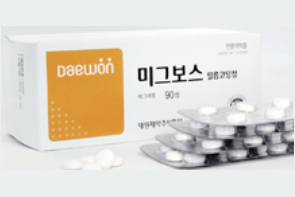
- Daewoong’s generic version of Migbose approved in Korea
- by Lee, Hye-Kyung Jul 09, 2025 06:09am
- Daewoong Pharmaceutical has been approved to sell a generic version of the diabetes treatment Migbose Film-Coated Tablets (miglitol) in Korea. On the 7th, the Ministry of Food and Drug Safety approved Daewoong Pharmaceutical's Daewoong Miglitol Tab. (miglitol). Like the original Migbose, Daewoong Miglitol Tab is a film-coated tablet indicated for the treatment of non-insulin-dependent diabetes mellitus (NIDDM) whose hyperglycemia cannot be adequately controlled by diet alone or with diet in combination with sulfonylurea therapy. It should be taken once daily with a small amount of water before meals or with a small meal. Although the active ingredient was developed as a diabetes treatment, it is primarily being prescribed off-label in practice for weight management. Approved in 2013, Migbose has a structure most similar to glucose, which stimulates the release of GLP-1 (glucagon-like peptide) and improves gastrointestinal side effects. Migbose regulates blood sugar by inducing the secretion of GLP-1. GLP-1 promotes the secretion of insulin, which lowers blood sugar, and inhibits the secretion of glucagon, which accumulates glucose and raises blood sugar, thereby regulating blood sugar levels. Migbose induces clinically significant levels of GLP-1 release upon intake, thereby regulating blood sugar levels. It also increases satiety by reducing gastrointestinal motility, making it useful for diabetic patients who need to lose weight. In addition, it is absorbed gradually in the small intestine, reducing the amount of carbohydrates that enter the large intestine, and therefore has relatively few gastrointestinal side effects. Daewon Pharmaceutical transferred the rights to Migbose to Daehan New Pharm in 2020. According to the pharmaceutical research institute IQVIA, the outpatient prescription amount for Migbose increased from KRW 0.5 billion in 2022 to KRW 1.2 billion in 2023.

- Company
- Adding amiloride effective in resistant hypertension
- by Son, Hyung Min Jul 09, 2025 06:08am
- Sungha Park, Professor of Cardiology, Severance Hospital A new treatment option has been proposed for patients with resistant hypertension that cannot be controlled even with the existing triple combination therapy for hypertension. A regimen combining an olmesartan-based triple combination therapy with the potassium-sparing diuretic ‘amiloride’ demonstrated similar blood pressure-lowering effects to spironolactone, which was previously recommended as a fourth-line treatment, with fewer side effects. The SPARE study, led by Professor Sungha Park of the Department of Cardiology at Severance Hospital, was published in the international medical journal JAMA, attracting significant attention. During an interview with Dailypharm, Professor Park emphasized that the amiloride-based combination therapy has established clinical evidence supporting its broader use in real-world clinical settings for resistant hypertension. Difficult-to-treat ‘Resistant Hypertension’...Need for use of amiloride highlighted There are approximately 12.3 million hypertension patients in South Korea, of whom 10 -15% are classified as having “resistant hypertension,” which is defined as failing to achieve target blood pressure despite the use of three or more antihypertensive medications. Patients who fail to control their blood pressure even with up to 5 antihypertensive medications are classified as having “refractory hypertension,” accounting for less than 1% of all patients. According to National Health Insurance Service data, approximately 7.4% of hypertensive patients in South Korea are diagnosed with true resistant hypertension. Patients with true resistant hypertension have a 1.5 to 2 times higher risk of developing cardiovascular diseases compared to general hypertensive patients, making active blood pressure control crucial for managing their prognosis. Resistant hypertension is treated by adding an antihypertensive drug to the three antihypertensive drugs used to control blood pressure in general hypertensive patients: calcium channel blockers, RAS blockers, and diuretics. For patients whose blood pressure remains uncontrolled even with the four-drug combination, spironolactone is recommended in the fourth line as an additional drug. Spironolactone is a diuretic that acts as an aldosterone receptor antagonist, inhibiting sodium reabsorption to lower blood pressure. If blood pressure remains uncontrolled even then, vasodilators such as beta-blockers, alpha-blockers, minoxidil, and hydralazine may be used. Professor Park stated, “The biggest issue with spironolactone is its side effects. Although spironolactone is an aldosterone antagonist, it can block sex hormones, leading to fatigue, gynecomastia in men, and menstrual irregularities in women. The most serious concern is the high risk of hyperkalemia.” He added, “Due to concerns about such side effects, its use is restricted in elderly patients or those with impaired renal function, and compliance may be low. Although spironolactone is recommended as a fourth-line drug in various clinical guidelines, it is not widely used in practice.” Professor Park said, “While spironolactone has been recognized as a typical potassium-sparing diuretic due to its proven efficacy in reducing the risk of cardiovascular disease after heart failure or myocardial infarction, amiloride has been relatively overlooked. Amiloride is a drug that was widely used in the past, as it acts as a diuretic while also increasing potassium levels.” Amiloride demonstrates non-inferiority to spironolactone To verify this, Professor Park's research team and 14 other domestic institutions conducted a study to confirm the non-inferiority of spironolactone and amiloride. This clinical trial is the first head-to-head trial comparing the two drugs. Professor Park explained, “Guidelines recommend considering amiloride for patients with poor tolerability due to spironolactone’s side effects. However, there was no randomized controlled trial (RCT) data to support this recommendation. Against this backdrop, we decided to conduct a randomized controlled trial comparing spironolactone and amiloride.” He added, “Amiloride is a potassium-sparing diuretic that directly acts on the epithelial sodium channel (ENaC) in the distal convoluted tubule to block sodium reabsorption and preserve potassium. Unlike spironolactone, which blocks aldosterone receptors, its different mechanism of action does not cause hormone-related side effects such as fatigue, gynecomastia, or menstrual irregularities.” The study, named SPARE, targeted patients whose blood pressure remained uncontrolled despite taking existing triple antihypertensive medications. The study focused on patients whose systolic blood pressure remained at or above 140 mmHg after a 4-week introductory treatment with Sevikar HCT (active ingredients: olmesartan, amlodipine, and hydrochlorothiazide), The research team then divided the patients into two groups and compared them for 12 weeks: one group additionally received amiloride 10 mg and the other additionally received spironolactone 25 mg. After 12 weeks of treatment, the average home systolic blood pressure and the rate of achieving target blood pressure in the clinic were measured. Professor Park emphasized the importance of selecting “true resistant hypertension patients” to ensure more accurate results during this process. Professor Park explained, “We focused on patients who had uncontrolled blood pressure despite taking three or more conventional antihypertensive medications. We noted that a single combination therapy drug was effective in improving medication adherence, so we administered Sevikar HCT, a three-drug combination therapy containing olmesartan, amlodipine, and hydrochlorothiazide, at an appropriate dose tailored to each patient's condition for four weeks.” He added, “Sevikar HCT has already been proven to be an effective combination with excellent blood pressure-lowering effects and target blood pressure achievement rates among olmesartan-based triple combination drugs. It is a combination with proven clinical evidence.” The study results showed that amiloride demonstrated non-inferiority to spironolactone in terms of blood pressure-lowering effects. More specifically, the average home systolic blood pressure at week 12 compared to baseline was reduced by 14.7 mmHg in the amiloride group and 13.6 mmHg in the spironolactone group. The difference in blood pressure reduction between the two groups was -0.68 mmHg, which was not statistically significant. Additionally, spironolactone was particularly effective in individuals with elevated aldosterone levels, whereas amiloride demonstrated consistent efficacy across all patients, regardless of aldosterone to renin ratio. It is known that an abnormally activated aldosterone-to-renin ratio can lead to elevated blood pressure. Professor Park stated, “Considering drug characteristics such as medication adherence, ease of use, and side effects, amiloride could serve as an alternative to spironolactone. However, further long-term follow-up studies and expanded application in practice would be necessary.” He continued, “It is uncertain whether this study can be directly applied to Caucasians, but at least in East Asian populations such as Koreans and Japanese, amiloride can be expected to provide sufficient blood pressure-lowering effects. Although it was only a three-month study, side effects were significantly reduced. There were no cases of hyperaldosteronism, and the incidence of hyperkalemia was low. These findings also relay an important message. Professor Park noted, “While amiloride has not been actively recommended in the past, major guidelines may likely incorporate this finding in the future.” The Korean Society of Hypertension is currently revising its guidelines, and there is a high likelihood that the updated guidelines will reflect this information next year. Since the study involved domestic patients, the findings will likely be reflected. The guidelines may include recommendations to use amiloride as an option for resistant hypertension when spironolactone cannot be used. I believe it may also be reflected in other guidelines as well.”
- Opinion
- [Reporter's View] The revision of the Commercial Act
- by Kim, Jin-Gu Jul 09, 2025 06:08am
- The bill on revising the Commercial Act has passed the National Assembly. The bill expands the fiduciary duty of directors to include not only the “company” but also “shareholders,” mandates the introduction of electronic shareholder meetings for listed companies with assets of KRW 2 trillion or more, and changes the title of “outside directors” to “independent directors.” The bill also includes a provision limiting the voting rights of the largest shareholder and related parties to 3% when appointing audit committee members. The pharmaceutical and biotechnology industry has been keenly eyeing the change. This is because many companies in the industry have traditionally been owner-managed. Owner-managed companies have the advantage of being able to make quick decisions and establish long-term strategies. Nevertheless, the absence of proper oversight mechanisms has often led to abuses such as unilateral decision-making and the pursuit of private interests. In fact, there are countless cases where internal transactions with special-related companies controlled by the owner's family are approved by the board of directors without any significant opposition. Many companies have not paid dividends for several years while the owners' compensation increases every year. The second and third generations of owners are appointed to key positions without any verification of their expertise, but the board of directors, which should serve as a check on them, fails to fulfill its role. Even when facing major business decisions such as changes in clinical strategies or whether to apply for approvals, management often unilaterally sets the direction without prior explanation or communication with shareholders. There have also been repeated controversies where clinical results are intentionally delayed or distorted information is leaked to boost stock prices, followed by the sale of shares held by owners or management at that time. These structural limitations are also evident in ESG evaluations. Pharmaceutical and biotech companies have consistently received lower ratings in the governance (G) category compared to the environmental (E) and social (S) categories. This is because the board of directors has lost its oversight function, and internal audits are often conducted merely as a formality. In the process of repeated closed and arbitrary decisions being made, general shareholders are pushed out of the decision-making structure. Such closed decision-making increases the risk of business failure, and its impact is not limited to the losses of the company concerned. It also leads to losses for investors, a decline in overall market confidence, increased risks for partner companies, and ultimately impose a burden on patients waiting for new drugs. The recent revision of the Commercial Act addresses these issues. The revision aims to expand the scope of directors' duties to include shareholders, clarify the status of independent directors, and strengthen shareholder participation through electronic shareholder meetings. Although issues such as cumulative voting and mandatory separation of audit committee elections remain as future tasks, the revision is analyzed as providing a clear direction for frontline companies. The pharmaceutical and biotechnology industry must now recognize shareholder oversight and participation not as a “burden” but as a “responsibility.” Owner-centric quick decision-making is not always the right choice. Especially in industries like new drug development, which require extensive time and resources, the initial direction of decision-making can determine success or failure. A governance structure with checks and balances and transparency is the only way to minimize the costs of failure. In the realm of corporate decision-making, direction is more important than speed. Though change is often uncomfortable, it is essential — and the pharmaceutical and biopharmaceutical sectors are no exception.

- Policy
- Industry requests postponement of drug reimbursement reevals
- by Lee, Tak-Sun Jul 08, 2025 06:37am
- The pharmaceutical industry has expressed the need to postpone next year's drug reimbursement reevaluations to the government. The reason is that the reevaluation targets have not been decided by the second half of the year, leaving insufficient time for the target companies to prepare the necessary data. As a result, some are even suggesting that the reevaluations be skipped next year. According to industry sources on the 7th, the Health Insurance Review and Assessment Service held a meeting with pharmaceutical organizations, including the Korea Pharmaceutical and Bio-Pharma Manufacturers Association, on the 4th to discuss the drug reimbursement adequacy reevaluations for 2026 and thereafter. The first phase of the drug reimbursement adequacy reevaluations will be completed this year. A pilot project was launched in 2020 targeting choline alfoscerate, for which reevaluations have been ongoing for 6 years. The ingredients subject to reevaluation were drugs that were listed for reimbursement from 2006 to 1990, before the implementation of the positive listing system. Accordingly, it is expected that the second phase of reimbursement reevaluation will focus on ingredients registered after the positive listing system was implemented. In fact, in a study on “Measures to Rationalize the Drug Reimbursement Adequacy Reevaluations” that was conducted by HIRA, the researchers presented a plan for the second phase of reimbursement adequacy reevaluations, focusing on ingredients registered between 2007 and 2013. However, it is known that some government officials are planning to strengthen the selection criteria and re-examine products that were registered before the positive listing system was introduced. The current criteria for drugs with annual claims of KRW 20 billion or more may be lowered to KRW 10 billion or more, and drugs whose reimbursement adequacy was controversial will be selected. However, as discussions with the pharmaceutical industry have only just begun, it is expected to take more time before the target ingredients are finalized. The pharmaceutical industry believes that it will be difficult to conduct a normal drug reimbursement adequacy reevaluation next year due to delays in discussions on target ingredients. An industry official said, “In the first phase, the ingredients to be reviewed for the following year were announced in March of the previous year, but this year, the ingredients have not been decided even after the start of the second half of the year, so it will be difficult to prepare data. The industry hopes that the data submission period will be extended or that the review will be postponed until the year after the next.” The ingredients to be reviewed for reimbursement adequacy in 2025 were announced in March last year. These opinions were delivered to HIRA by industry representatives at a meeting held on the 4th. Meanwhile, the first results of this year's reimbursement adequacy reevaluation will likely be announced after the DREC meeting in August. This year's reevaluation includes domestically produced natural drugs such as styrene and Joins, and the industry is paying close attention to the first results.
