
- LOGIN
- MemberShip
- 2026-07-05 22:33:29

- Opinion
- [Reporter’s View] Real reasons for disqualification?
- by Eo, Yun-Ho Dec 11, 2020 06:15am
- A multinational pharmaceutical company Sanofi Korea has failed to qualify as a certified innovative pharmaceutical company. Fairness aside, the transparency in the process seems questionable. Since its first certification won in 2014, the company lost its certification status after six years. Now, only three multinational companies—AstraZeneca, Janssen and Ostuka Pharmaceutical—are certified as innovative pharmaceutical companies in South Korea. The certification is definitely not permanent; if a certified company is disqualified, then the company’s benefit should be taken away. But the problem here is that there is no known reason behind the disqualification. An innovative pharmaceutical company is evaluated based on investment performance, manufacturing facility status, R&D vision and strategy, collaboration and partnership with local and overseas university and research institute, licensing contract, business ethics and business transparency. Reportedly, Sanofi has passed all the ‘quantitative criteria’ for the evaluation. In other words, the reviewers saw disqualifying factor in ‘qualitative criteria.’ But the details have not been disclosed. To Daily Pharm, the government official answered, “The innovative pharmaceutical company certification takes account of not only quantitative evaluation, but also quantitative evaluation.” However, Sanofi Korea has no clue on why they failed the qualification. Their answer of ‘qualitative evaluation is also used’ is not a justifiable answer. They need to state how the company’s qualitative factor scored lower than the passing score. The rumor has it that ‘the health authority was offended by Sanofi terminating the licensing contract with Hanmi Pharmaceutical,’ or ‘the government is trying to reduce the ratio of certified multinational companies.’ But the government lacking transparency has no rights reprimand the rumors. The innovative pharmaceutical company certification program allows the authority to officially certify and grant benefits to the qualifying companies. Fairness and transparency is essential to the program. At least the disqualified companies should have feedback to consider either prepare for the certification reapply or not. The poor reputation of ‘offending the authority is a surefire disqualification’ cannot be good. If such situation continues to happen, then Sanofi would not be alone in this. The relationship between multinational pharmaceutical companies and South Korea should not be overlooked. The country still does not have sovereignty over new drug. Without a clear guideline on the government’s key program for those companies bringing new drugs, the country and the companies’ headquarters could spark a conflict. Even private companies and universities are enforcing ‘blind interview’ to reinforce transparency in the application process. A head coach keeping a silence to a player asking why they are benched should not complain for being replaced.
- Product
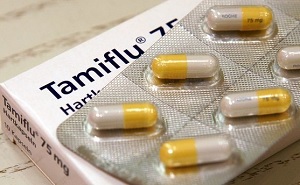
- Instructing Tamiflu users on neurological side effect
- by Kang, Shin-Kook Dec 11, 2020 06:14am
- “Have you heard of that incident two years ago, where a middle school student took a fall after taking Tamiflu?” The importance of influenza treatment administration instruction is reiterated due to the reported neurological adverse reaction after the administration. On Dec. 9, the Korean Pharmaceutical Association (KPA) notified and warned the regional offices of the neurological adverse reactions like spasm and delirium, especially in children and adolescents, who have administered influenza treatment by oral (oseltamivir), inhalation (zanamivir) and injection (peramivir) route. The Ministry of Food and Drug Safety’s (MFDS) safety alerts reported adverse behavior of a user taking a lethal fall. But a similar adverse reaction can be found in patients who did not take the drug. Accordingly, the influenza treatment administration instruction highlights the healthcare provider to inform the patient and their guardians of the risk of adverse behavior and ensure the guardians to not leave the influenza patient alone for at least two days, regardless of taking the treatment or not. And the patients’ guardians should also be guided to lock windows, veranda windows and entrance door to prevent any adverse behavior by the influenza patient and closely monitor them. In December 2018, a female middle school student in Busan took a fall after taking Tamiflu, which raised an issue with the hallucination-related adverse reaction from the drug. The investigation on the healthcare provider and pharmacist who prescribed and dispensed Tamiflu to the deceased student confirmed both of them never explained about the adverse reaction, and as a result the pharmacist was fined.

- Policy
- HIRA green lit coverage on 14 out of 26 new drugs
- by Lee, Hye-Kyung Dec 10, 2020 06:11am
- 14 out of 26 new drugs deliberated by the Health Insurance Review and Assessment Service (HIRA) Drug Reimbursement Evaluation Committee (DREC) were listed for the healthcare reimbursement. To this date, the DREC has listing rate of 53.8%, but it could get higher as there are new drugs, cleared by DREC during the 10th meeting convened in October, that are currently either negotiating the pricing with NHIS or waiting for it. On Dec. 9, Daily Pharm analyzed new drugs deliberated and decided by DREC in its 12 meeting held in 2020. The analysis found total 13 out of 26 new drugs that passed the reimbursement feasibility review were listed for reimbursement. Only two drugs—Kowa Company’s Granatec Eye drops 0.4% (ripasudil hydrochloride hydrate) and Daewoong Pharmaceutical’s Fiblast spray (trafermin)—could not pass through the DREC’s threshold, as they were labeled ‘non-reimbursements.’ An item is decided as a non-reimbursement, when clinical efficacy and cost-effectiveness are relatively ambiguous. The non-reimbursement can reapply for the reimbursement and wait for DREC to deliberate the item after the evaluation on newly submitted cost-effectiveness evidence. And other 11 drugs would be listed if the company accepts pricing lower than the evaluated price as they would cost more than their alternative options, regardless of the clinically proven efficacy. When a pharmaceutical company accepts to take the pricing lower than DREC-evaluated adequate reimbursed pricing, the applicant drug can receive the reimbursement. Until a few years ago, such case was labeled as ‘conditional non-reimbursement’ or coverage with evidence development. Four drugs that accepted HIRA’s evaluated pricing and received the reimbursement include Merk’s Maven Clad Tablet (cladribine), Ferring Pharmaceuticals Korea’s Rekovelle Prefilled Pen (follitropin delta), SK Chemicals’ Ongentis Capsule 50 mg (opicapone) and Novartis Korea’s Kisqali tablet 200 mg (ribociclib). Dae Hwa Pharmaceutical’s Liporaxel and Bukwang Pharmaceutical’s Navelbine capsule (vinorelbine tartrate) were not listed as they refused to accept HIRA’s evaluated pricing. Eisai Korea’s Equfina Film Coated Tablet (safinamide mesilate) and JW Pharmaceutical’s Ferrinject (Ferric hydroxide carboxymaltose complex) DREC passed in October, and Takeda Pharmaceuticals Korea’s Ninlaro capsule (ixazomib citrate) green lit in November would be listed for pharmaceutical reimbursement next year if they reach agreement with the National Health Insurance Service (NHIS) in drug pricing negotiation within 60 days. From October through December, DREC granted coverage with evidence development on Santen Pharmaceutical Korea’s Eybelis Eye drops 0.002% (omidenepag isopropyl), Roche Korea’s Xofluza tablet 40 mg (baloxavir marboxil), Novartis Korea’s Beovu Injection and Pre-filled Syringe (brolucizumab), Novo Nordisk Pharma Korea’s Xultophy FlexTouch Injection (insulin degludec/ liraglutide) and CSL Behring Korea’s Afstyla injection (lonoctocog alfa). When these companies accept the pricing lower than the HIRA-evaluated pricing, they can initiate the negotiation on the projected reimbursement claim with NHIS.
- Company
- AZ supplies 20 million doses of COVID-19 vaccines to Korea
- by Dec 10, 2020 06:09am
- The government announced a contract with AstraZeneca and other COVID-19 vaccine developers on the 8th, and AstraZeneca Korea said, "We are pleased to be able to supply (vaccine) for the public benefit." Korea AstraZeneca (CEO, Sang-pyo Kim) said on the day, "According to the contract with the KDCA, we will supply 20 million doses of AZD1222 (for 10 million people) to Korea." COVID-19 vaccine candidates being developed jointly with Oxford University This is the result of discussions on domestic supply after signing a letter of intent for cooperation with the MOHW and SK Bioscience in July. An official from AstraZeneca Korea said, "We are pleased to be able to supply the vaccine to Korea for the public benefit through the signing of a supply contract for AZD1222 vaccine." He added, "I hope that we will be able to respond to the urgent demands of public health to protect the public's health and contribute to the government's efforts to fight COVID-19." He added, "As we have accurately disclosed the results of interim analysis of vaccine clinical studies through publication in authoritative academic journals, we will continue to verify the effectiveness and safety profile of vaccines based on scientific evidence." Previously, the government signed a contract for supply of 10 million people with AstraZeneca, and the government announced that it has confirmed the supply of 10 million people (20 million batches) from Pfizer and Modena respectively. It also secured about 10 million people from COVAX Facility and 4 million people from Janssen. COVAX Facility aims to equally supply vaccines up to 20% of the population by the end of 2021, focusing on the World Health Organization (WHO), the Coalition for Epidemic Preparedness Innovations (CEPI, vaccine development), and the Global Vaccine Alliance (GAVI, vaccine supply). A total of 44 million vaccines have been secured in this way. The government plans to introduce the vaccine that it purchased in advance from February next year.

- Policy
- Secured COVID-19 vaccines for 44 million people
- by Lee, Tak-Sun Dec 10, 2020 06:09am
- The government announced that it has secured up to COVID-19 vaccines for 44 million people AstraZeneca, a global pharmaceutical company, has already signed a contract to supply 10 million vaccines (20 million doses), and Pfizer and Modena announced that they have signed a binding purchase agreement with 10 million doses (20 million doses) respectively. The remaining doses will be filled with COVAX Facility (about 10 million people) and 4 million Janssen vaccines. The government announced that it had deliberated and decided on a plan to secure a vaccine developed overseas for COVID-19 and discussed vaccination plans at a cabinet meeting presided over by the Prime Minister on Tuesday. Through the meeting, the government announced that it will pre-purchase overseas vaccines for up to 44 million people through COVAX Facility (for about 10 million people) and global vaccine companies (for about 34 million people). With the goal of equally supplying vaccines up to 20% of the population by the end of 2021, COVAX Facility is focused on the World Health Organization (WHO), Coalition for Epidemic Preparedness Innovations (CEPI, vaccine development), and Global Vaccine Alliance (GAVI, vaccine supply). It is a multinational coalition that is being promoted. At a meeting of experts in introducing vaccines, it was recommended to secure AZ, Pfizer, Modena, and Janssen vaccines The government has formed Vaccine Introduction Special Team (TF) composed of relevant ministries and private experts from the end of June to secure vaccines quickly, and from July to global companies leading vaccine development such as Pfizer and AstraZeneca. On September 15th, it was decided to first secure a vaccine that can inoculate 60% of the people (about 30 million people) through participation in COVAX Facility and negotiations with individual companies as a first step through a state council meeting. It is explained that the government has been reviewing the supply conditions, safety and effectiveness of each company with private experts, and has carefully negotiated to secure a vaccine with good safety, effectiveness and high probability of success. The government decided to pre-purchase more vaccines than vaccines that can be inoculated by 60% of the population, taking into account the possibility of failure of the developed vaccine after discussing experts in the field of vaccines, and proceeding with the procedure for signing a contract for pre-purchase with global companies. The committee recommended securing all vaccines from four companies: AstraZeneca, Pfizer, Modena, and Janssen. Accordingly, the government first purchases up to 64 million doses (for 32 million people) of vaccine through global pharmaceutical companies. The government pre-purchases 20 million AstraZeneca batches, 20 million Pfizer batches, 4 million Janssen batches, and 20 million batches by pharmaceutical companies. The government announced that AstraZeneca had already signed a pre-purchase contract, and the rest of the companies also signed binding terms and conditions, and confirmed purchase quantities, and the remaining contract procedures will be expedited. It explained that the pre-purchased vaccine will be introduced in stages from the first quarter of 2021 (February and March), and it will closely monitor the development trend of subsequent vaccine development in the future, and will actively secure additional quantities required. The government explained that it has secured a budget of about ₩1.3 trillion, including ₩172.3 billion for transfer and exclusive use of the 2020 budget for advance payment of vaccines and purchase of vaccines, for the fourth additional ₩183.9 billion, and ₩900 billion for reserves in 2021. ₩85 billion of ₩172.3 billion is previously executed as an advance payment for joining the COVAX Facility. Establishment of COVID-19 Vaccination Response Promotion Team, Comprehensive consideration of vaccination timing The government said that it will prepare COVID-19 vaccination system quickly and without disruption. It was expected that there would be difficulties in the vaccination preparation process due to the storage conditions of the vaccine (Pfizer -70℃±10℃, etc.), short shelf life, two doses and various types. Regardless of the timing of vaccinations, the government plans to pursue preparations in earnest. The KDCA is promoting the establishment of a separate organization (COVID-19 Vaccination Response Promotion Team) for vaccine introduction and vaccination. Vaccine development has not yet been completed with respect to the vaccination timing, and there are still concerns about the safety and effectiveness, so it will be flexibly decided in consideration of ▲COVID-19 domestic situation ▲foreign vaccination trends and side effects ▲national demand. The government is reviewing the recommended targets for vaccination (approximately 36 million people) for the elderly, the elderly, living in group facilities, chronic diseases, etc. And it will be reviewed with relevant ministries. However, the evidence of safety and efficacy for children and adolescents is still insufficient, but the future vaccination strategy will be reviewed through continuous monitoring of clinical trial results. Minister of Health and Welfare Park Neung-hoo said, “As the vaccine is still in the pre-development stage, and there are still uncertainties about success such as side effects during the vaccination process, we will pre-purchase more than the 30 million people announced by the government for public health and safety.” He said, “As it is expected that the domestic treatment currently being developed will be commercially available as early as next year, a more robust quarantine system can be established with prevention (COVID-19 vaccine)-rapid discovery and diagnosis-early treatment.” He stressed, "As it takes a considerable amount of time to complete the vaccination against the COVID-19 vaccine, the people need to strictly follow the quarantine guidelines, such as distancing in daily life, wearing masks, and refraining from going out."
- Product
- What’s it like to have ATTR-CM in Korea
- by won, jong-hyuk Dec 10, 2020 06:09am
- A few years ago, a 50-year-old man visited a hospital when he experienced shortness of breath and edema. But he had to visit a number of hospitals for years for examination as he struggled to pin point the name of the disease. And one day, he felt tingling sensation in his toes and examined the heart. That was the time he had to face his rare disease called hereditary transthyretin amyloid cardiomyopathy (ATTR-CM). Typically categorized as either wild type or hereditary, ATTR-CM is an ultra rare disease that has extremely limited patient size and the prevalence rate in South Korea has not been estimated. To this date, about over 120 types of genetic mutation have been reported, and apparently some of them show qualities of endemic disease in specific regions. But the biggest issue is that the disease is easily diagnosed as other disease. Some of the major symptoms of ATTR-CM include congestive heart failure, shortness of breath, edema, fatigue and more. And because of these symptoms, the rare disease is often misdiagnosed as unexpected restrictive cardiomyopathy, heart failure, irregular heartbeat and heart failure with preserved ejection fraction (HFpEF). According to the researches done by academic societies so far, ATTR-CM is identified as a critical advanced rare disease resulting in restrictive cardiomyopathy caused by extracelluar deposition of transthyretin (TTR), normally involved in the transportation of the hormone thyroxine and retinol-binding protein, in the myocardium Moreover, these patients’ prognosis could be worsened rapidly due to accumulated amyloid, and in fact, the survival period from the point of diagnosis is only about two to 3.5 years. Considering the dire conditions, experts reiterate “An accurate early diagnosis is crucial for adequate disease management and improved treatment in patients with ATTR-CM.” ATTR-CM treatment manages heart failure and irregular heartbeat, and uses treatments” Even for ATTR-CM treatment scene with an absence of adequate treatment, a new door to treatment option was opened from August. For the South Korean market, Vyndamax (tafamidis) is now indicated to treat adult patients with ATTR-CM based on its evidence of reducing the risk of heart-related death and cardiovascular issue-related hospitalization. The drug is the first and only treatment for the disease in South Korea. The American Heart Association (AHA) recommends three treatment types for ATTR-CM—managing heart failure and irregular heartbeat, and using treatments. Before the new indication approval, the only treatment was to manage the organ failure symptoms and to slow down the disease progress. But ultimately, Vyndamax became a breakthrough treatment that patients can expect to reduce risk of cardiovascular-related death or hospitalization as the health authority cleared the drug. The U.S. Food and Drug Administration (FDA) approved the treatment for patients with wild type or hereditary ATTR-CM, and more specifically the patients categorized as New York Heart Association (NYHA) Heart Failure Class I through III. The U.S. health authority reflected the recommendation of the drug contributing in delaying the disease progress when consuming Vyndamax at early stage. Also, the Summary of Product Characteristics on tafamidis, published by the European Medicines Agency (EMA) mentions “To seek for more accurate clinical benefit in progress of ATTR-CM, tafamidis treatment should be initiated as soon as possible.” Rate of misdiagnosis high in South Korea and delays actual treatment The approval on Vyndamax was based on the results of a multicenter, placebo-controlled Phase III ATTR-ACT study with 441 patients with ATTR-CM. The 441 patients were randomly assigned to administrating 80 mg or 20 mg of tafamidis or placebo. The primary endpoint evaluated the frequency of cardiovascular related death and hospitalization. The secondary endpoint was the change in the Kansas City Cardiomyopathy Questionnaire Overall Summary (KCCQ-OS) score from 6-minute walk test taken and compared among the baseline time to 30-month point. The study found 264 people, who were administered with two different doses of tafamidis, had 29.5 percent and 42.9 percent lower risk of death by all causes, respectively, than the 177 in the placebo group and the risk of hospitalization also improved statically. Moreover, the KCCQ-OS score and the 6-minute walk test at the 30-month point were improved significantly with the drug. The president of the Korean Society of Heart Failure and a cardiology professor at Seoul National University Bundang Hospital, Dr. Choi Dong-ju emphasized, “ATTR-CM has high rate of misdiagnosis, which usually delays the diagnosis process. The ATTR-CM patients tend to only survive at least two to 3.5 years after the diagnosis, so an early diagnosis and aggressive treatment are important.” Dr. Choi elaborated, “Although the studies and investigation on the disease is insufficient in South Korea, an effective treatment Vyndamax is already approved for prescription. If the patients can quickly get diagnosed, they would be able to manage their prognosis better. But because the drug is not listed for reimbursement, the financial burden on ATTR-CM patients in Korea is unfortunately very high. I hope the treatment access improve even by a bit as the disease has to be both urgently diagnosed and treated.” Regardless of all efforts by the government and other organization, the only treatment option Vyndamax is still not listed for reimbursement in South Korea.
- InterView
- “PARP inhibitor as backbone in ovarian cancer treatment”
- by Eo, Yun-Ho Dec 09, 2020 10:54am
- Dr. Kim Byoung Gie (left) and Dr. Kim Jae Won Disease with limited treatment options tends to simplify the treatment pattern itself. But an emergence of a new treatment mechanism can open doors to various treatment strategies. A poly ADP-ribose polymerase (PARP) inhibitor is the new mechanism opening the new doors to the ovarian cancer treatment scene. PARP inhibitors that target BRCA gene like Lynparza (olaparib) and Zejula (niraparib) are indicated as a monotherapy for the maintenance treatment in patients with epithelial ovarian, fallopian tube, or primary peritoneal cancer who are in response (complete or partial) to first and second -line platinum-based chemotherapy, and also as a fourth-line monotherapy in patients, who have been treated with third and later-line chemotherapy. Beyond treating the BRCA mutation-positive patients, the medicine has expanded to a new biomarker like homologous repair deficiency (HRD). Especially, Zejula won an all-comer indication after proving its efficacy at all lines of treatments regardless of the gene mutation. Recently, a number of studies are confirming the effects of chemotherapy, Avastin (bevacizumab) and immunotherapy in combination with PARP inhibitor as a backbone. Daily Pharm interviewed Dr. Kim Byoung Gie, an obstetrics and gynecology professor at Samsung Medical Center and Dr. Kim Jae Won, an obstetrics and gynecology professor at Seoul National University Hospital about the current status of PARP inhibitor use and their future strategies in ovarian cancer treatment. -What does a PARP inhibitor mean in regards to the ovarian cancer treatment scene? Dr. Kim Byoung Gie Dr. Kim Byoung Gie (“KB:”): The search for a new treatment option in ovarian cancer has continued since two decades ago, but there was no noteworthy progress. But finding the PARP inhibitor for treating an ovarian cancer was the biggest breakthrough in last decade. While the existing standard of care Avastin for ovarian cancer is also effective in treating other types of cancer, PARP inhibitor has been actively conducting biomarker researches and entered the ovarian cancer treatment market as a result. Dr. Kim Jae Won (“KJ”): At a global gynecologic oncology society seminar a few years ago, we had a discussion on the “game changer” in ovarian cancer. I personally think the PARP inhibitor would be the game changer for ovarian cancer patients. Unlike before, the overall survival for the patients has been extended. -Other than BRCA gene mutation, PARP inhibitor also targets HRD as another biomarker. Please elaborate on the efficacy and value of HRD as a biomarker? KB: Based on the clinical findings so far, PARP inhibitor monotherapy demonstrates the best treatment effect in BRCA mutation-positive patients. The next in line is HRD group, where the medicine confirmed its effect through clinical studies. However, the problem was ‘how to define HRD?’ The BRCA mutation could be dichotomously divided into positive or negative mutation, but HRD is rather scaled by the level of severity. Therefore, the cut-off line for diagnosing the patients became crucial. No clear standard was set to determine score the severity of HRD that categorizes the patients. And as the standard could change depending on the PARP inhibitor and the line of treatment, more studies should follow in the future. KJ: I agree. It is great news that PARP inhibitor prescription can now cover both BRCA and HRD groups. But HRD diagnosis has to be developed further as it is not a clear dichotomy, but a spectrum. Then, does that mean there is no consensus on the clear cut-off line to define the HRD group at the moment? KB: There is a consensus agreed upon each drug. The PRIMA study on Zejula as a first-line treatment was conducted by dividing the patient group by the HRD cut-off score set at 42 points. Zejula’s efficacy was confirmed in all patients, regardless of biomarker, but the study divided the HRD group, because the prognosis has to be observed in different patient groups. Another PARP inhibitor candidate ‘veliparib’ by AbbVie has conducted a trial based on cut-off score of 33 points. Dr. Kim Jae Won -As mentioned just now, Zejula has an all-comer indication. But the South Korean government is conservative on granting the insurance benefit on BRCA or HRD-negative patients. Do you think the coverage should be provided for all types of ovarian cancer patients? KJ: With the launch of Zejula, a patient group who are homologous recombination proficient (HRp) can use a maintenance therapy, which can significantly raise the survival rate. And a first-line maintenance therapy and a second or later-line therapy showed a vast difference. Obviously, using the drug earlier boosts the survival rate. Personally, the first-line maintenance therapy should be covered with insurance for all patients, if possible.” JB: But the fairness among other types of cancer is important, and it would also require concrete evidence related to efficacy and survival rate. Currently listed for reimbursement in first-line therapy, Avastin’s overall survival (OS) evidence played a big role in the listing process. Zejula would also be able to receive the reimbursement, when the survival rate data is accumulated enough for all-comers. -In South Korea, Lynparza and Zejula can be prescribed as a first-line maintenance treatment. When there is a patient group with overlapping indications, how do you choose a drug? KJ: Zejula’s PRIMA study included more patients with advanced ovarian cancer. So I lean towards using Zejula more, when treating a patient in an advanced stage. And depending on the patients, I also take administration convenience into account. -The treatment scene has changed through the emergence of PARP inhibitor, and it would continue to evolve in the future. When there are more options to treat a disease, then naturally you would have to consider sequential treatment. KJ: While Avastin has evidence of the efficacy in a second-line treatment when relapsing after a first-line treatment, PARP inhibitors do not have such evidence, yet. It would be advisable to use PARP inhibitor in first-line maintenance treatment, and prescribing Avastin when relapsed. -It seems like PARP inhibitor would become a backbone substance in treating ovarian cancer. Is there a promising option with PARP inhibitor backbone in the future? KB: Currently, there are about four clinical trials in process to confirm combination therapies using PARP inhibitor as a backbone. Based on beyond biomarker testing, the clinical trials are seeking for mechanisms to treat patients without BRCA mutation more effectively, which would be integral studies for the prospective ovarian cancer treatment scene.
- Policy
- Clinical data for COVID-19 vaccine will be submitted soon
- by Lee, Tak-Sun Dec 09, 2020 05:56am
- Park Neung-hoo, Minister of Health and Welfare Minister of Health and Welfare Park Neung-hoo said that AstraZeneca will soon submit clinical trial data for COVID-19 vaccine to the MFDS. On the morning of the 8th, the government announced that it has signed a purchase contract with AstraZeneca for 10 million COVID-19 vaccines. In a press briefing after the announcement, Minister Park said, "I think that the final clinical results will be submitted to the MFDS in the near future, in the next week or so." "It was mentioned in recent consultations with the government and the delegation of AstraZeneca," he said. Yang Jin-young, deputy head of the MFDS, said, "COVID-19 vaccince by AstraZeneca has been pre-screened since last October and is currently undergoing non-clinical screening." He said that companies other than AstraZeneca have not yet requested a preliminary review. Contrary to some concerns, it was also said that the side effects of AstraZeneca's vaccine were not significant. Professor Nam Jae-hwan of Catholic University said, "Not only the AstraZeneca vaccine is particularly dangerous, all vaccines have side effects, and it turned out that the side effects from AstraZeneca in particular were not so serious side effects." Prof. Nam added, "I personally think that purchasing the AstraZeneca vaccine first from the government was a very good strategic decision." COVID-19 vaccine developed by AstraZeneca is commissioned and produced by SK Bioscience, a domestic pharmaceutical company. The government explained that the domestic production of AstraZeneca vaccine, which will be introduced in stages in the first quarter of next year. The expert advisory committee also announced that it has selected AstraZeneca vaccine first in consideration of the advantages and safety of domestic production. However, the government-purchased COVID-19 vaccine manufacturers are claiming an exemption that they will not be held liable for side effects, thus raising concerns about unfair contracts. In response, Minister Park said, " It is a common phenomenon worldwide although there is an unfair contract, so it is a little difficult to avoid or reject only us." He said, "We will ensure safety through sufficient validation tests even if such a contract is signed and a vaccine is introduced."
- Company
- Prolia's sales this year are ₩54.9 billion
- by Kim, Jin-Gu Dec 09, 2020 05:56am
- ProliaAmgen's osteoporosis treatment Prolia (Denosumab) is popular in the market after the expansion of benefits. Until the third quarter of this year, it was found that the cumulative sales amount increased by 87% compared to the same period last year. This is in contrast to the decline in sales of major osteoporosis treatments excluding Prolia. It is analyzed that Prolia accounts for the sales of existing treatments. According to the pharmaceutical market research agency IQVIA on the 7th, Prolia's cumulative sales in the third quarter of this year amounted to ₩54.9 billion. Compared to ₩29.3 billion in the same period last year, it increased by 87%. Prolia's sales surged after the benefit expansion in April last year. Sales from ₩4.9 billion in the first quarter of 2019 increased 2.5 times to ₩12.3 billion in the second quarter. The government expanded the benefits so that Prolia could be used for primary treatment of female osteoporosis patients. Prolia Since then, sales have been steadily increasing as additional data proving the superior effect compared to existing treatments have been released. From the second quarter of this year, it has exceeded ₩20 billion in quarterly sales. In addition, Amgen's other osteoporosis treatment, Evenity ((Romosozumab), has been reimbursed from this month as a secondary treatment for osteoporosis, which is expected to further expand its influence in the osteoporosis treatment market. Even before the application, it was found that sales of ₩2.8 billion were recorded until the third quarter. Major osteoporosis treatments excluding Prolia were unable to avoid a decrease in sales. Forsteo, which occupied the first place in the market before the advent of Prolia, decreased 12% from ₩15.9 billion in the third quarter of last year to ₩14 billion in the third quarter of this year. In the case of Bonviva and Bonviva plus sold by Handok, the total sales decreased 6% from ₩10.6 billion to ₩10 billion. Fosamax series by MDS also decreased by 16% from ₩10.9 billion to ₩9.1 billion, and Sales of Zoledronic acid by Daewoong dropped 24% from ₩11.1 billion to ₩8.5 billion. Sales of Evista decreased by 18% ( ₩5 billion → ₩4.1 billion), Risenex, 15% ( ₩3.9 billion → ₩3.3 billion), Viviant, 38% ( ₩3.4 billion → ₩2.1 billion), and Teribone, 17% ( ₩2 billion → ₩1.7 billion), Maxmarvil, 23% (₩2.1 billion → ₩1.6 billion). As Prolia is reimbursed, sales of other treatments are declining. However, Hanmi's RaboneD is expected to increase 4% in sales from ₩6.4 billion won to ₩6.7 billion through the 3rd quarter despite the rapid growth of Prolia. Changes in cumulative sales of major osteoporosis treatments in the third quarter (unit: ₩billion, data:IQVIA)

- Company
- What drugs will their patents expire next year?
- by Kim, Jin-Gu Dec 09, 2020 05:56am
- Amosartan155 patents, including Hanmi's Amosartan, will expire next year. The patents of two NOACs (New Oral Anticoagulant), which have grown rapidly in recent years, are also set to expire next year. According to the MFDS on the 4th, there are a total of 155 patents scheduled to expire in 2021. Among these, the item that attracts the most attention is Hanmi’s Amosartan family. Twelve Crystalline Form Patents related to Amosartan, Amosartan Q and Amosartan Plus expire March 29. Hanmi holds 30 patents related to Amosartan, of which 12 patents expire next year. However, it is unclear whether generics will increase rapidly due to patent expiration. This is because there are still other patents other than Crystalline Form Patent. The remaining 18 patents, including composition patents, are about to expire from 2024 to 2036. Only pharmaceutical companies that previously successfully evaded patents for Amosartan can sell generics. About 30 companies, including United Korea, have avoided not only the Amosartan crystalline patent in 2014, but also Crystalline Form Patent, which expires in 2036. They are already selling generics for Amosartan. Patents will be expired for ▲ Dexilant by Takeda ▲ Revolade and Signifor by Novartis ▲ Relvar Ellipta and Seretide by GSK ▲ Mircera by Roche ▲ Baraclude by BMS ▲ Bredinin by Chong Kun-dang ▲ Xarelto by Bayer ▲ Crestor by AstraZeneca ▲ Pradaxa by Boehringer Ingelheim ▲ Prolia, and Amosartan family. Domestic companies have successfully attacked patents for such as Xarelto and Pradaxa. Product Patent for Pradaxa, one of the new oral anticoagulants (NOAC), expires on July 17 next year. Ten companies, including Jeil, which have avoided drug patents that expire in 2023, can release generics after July. Product Patent for Xarelto will expire next October. 23 companies, including SK Chemicals, Chong Kun Dang, and Hanmi, which have succeeded in overcoming the formulation patent earlier, are preparing to launch generics in time for the expiration of their product patents. Product patent for Baraclude for hepatitis B treatment has expired in 2015. The patent expiring in January next year is formulation patent for Baraclude. However, about 10 domestic companies such as Daewoong and Dong-A ST have already successfully avoided this formulation patent and have released generics. The patent for Crestor (AstraZeneca's treatment for hyperlipidemia), will also expire next year. The formulation patent expired in August this year. The use patent will expire in February next year. Prolia (Amgen's osteoporosis treatment) is another item of interest. Four patents for Prolia have been registered. Material patents expire in January and March this year, and patents related to manufacturing methods expire in January next year. The last patent is a composition patent that expires in 2025. If the composition patent is successfully overcome, the early release of generic for Prolia is possible. However, it is confirmed that there is not yet a domestic company challenging Prolia's composition patent.
