
- LOGIN
- MemberShip
- 2026-07-06 18:48:00
- Why rapid diagnostic kit for COVID-19 is not used in korea?
- by 박상준 Mar 23, 2020 06:27am
- “The current diagnosis method of COVID-19 is as if there are two diagnostic methods, MRI and X-ray, and it is said to use only MRI. Even when it takes a lot of time and money”. This is a metaphor for the reality that the Korea Small and Medium Hospital Association's Chairman Sang-il Kim (President H Plus Yangji Hospital), which is currently applying limited diagnostic methods in the COVID-19 crisis. #The KSMHA invited five in-vitro diagnostics companies from the meeting room of the Korean Hospital Association on the afternoon of the 17th to discuss the exploration of the rapid test method in addition to the rt-PCR, a diagnosis method for suspected COVID-19. The key point of the meeting was focused on how long the time-consuming and expensive rt-PCR diagnosis maintain when COVID-19 crisis dragged out for too long. Particularly, Sang-il Kim, the chairman of insurance committee, the KHA and Cheol-jun Kim (Daejeon Wellness Hospital), the chairman of the Policy Board, the Korean Medical Corporation Association emphasized the need for a faster and more efficient method of diagnosing COVID-19 at the medical site. The meeting was attended by Jeong-eun Lee, the vice president of Sugentech, Dong-jin Shin, the CEO of TCM bioScience, Min-jeon Lee, Access Bio’s Director, Yoon-suk Lee, Boditech , and Park Hee-kyung, the CEO of Seasun Biomaterial. What they are trying to say is to allow more suspicious patients to be tested by granting approval for rapid tests other than the diagnosis of COVID-19 through rt-PCR. According to the industry, at the beginning of COVID-19, the KCDC approved the use of rt-PCR methods of four bio-companies at the time of emergency use. Other types of methods were excluded. The introduction of the rt-PCR test in the early stages of COVID-19 was an appropriate measure, but these companies explained that as it has already spread to the community, it has become the stage to introduce an immune antibody test. Immuno-antibody tests was difficult to introduce in the early stages of infection spread, because the patient's sample (blood) is needed to evaluate the test results. However, as domestic sample data accumulates, it has been fully verified now. In addition, IgM (immunoglobulin M, antibody proteins, the first antibody produced during infection), IgG (immunoglobulin G, the last antibody remaining until the last infection) in 10 minutes with a single drop of blood While all possible, the cost is inexpensive than the existing rt-PCR test. In fact, China has already introduced an immune antibody test to confirm COVID-19, and the United States CDC also announced that it would seek a company capable of testing for immune antibodies. Overseas authorities are worried because there are no companies with the technology, but it is time to review the introduction at this time because there are domestic companies that have products with technology. Some companies have obtained European CE approval. #There are opinions that first-line medical institutions also need to allow additional examination methods that are suitable. Chairman kim said, "If dozens and hundreds of patients with underlying diseases in nursing homes have fever, they will not be accepted even if they are sent to an advanced hospital for an examination. The situation in which the number of cases spread without knowing the infection was inevitably increased because the COVID-19 test was not carried out on time". He said, "The problem is that we will not be able to stop school and religious activities for long time, and one day we will release the quarantine, I wonder if I can afford it with rt-PCR tests that require a lot of time and money. I think we need another screening method". His explanation is that it is not enough to mobilize all of the weapons to end the COVID-19, but the situation is limited to one weapon. Chairman Chul-jun Kim also said, "Some scholars are more anxious because they are predicting that the current spread of infection may be abated for a while and then soar again this fall. It is necessary to have a simple and efficient diagnostic kit product in preparation for prolongation". Among them, the companies are preparing for export permission as the domestic COVID-19 diagnostic method is receiving worldwide attention and orders are rushing. An official from a company attending the conference said, “With the global spread of COVID-19, orders are rushing to the point where overseas buyers want to receive products even for research purposes. While preparing to export abroad, I hope many people in Korea will benefit from it". In addition, Chairman Cheol-Joon Kim, who organized the meeting, said that he would go forward and continue to discuss the fundamental methods for resolving problems in the future and continue to discuss with government agencies in order to move to concrete implementation. "The rt-PCR test and the rapid immunodiagnosis have different complementary functions, and this is used for optimal diagnosis according to the patient's situation in the clinical field, so the two diagnostic methods will be complementary to each other in COVID-19 crisis for a long time", he said. He said, "In the current national emergency, we must take all possible measures to swiftly resolve the situation, to ensure patient safety, and to reduce the burden of medical expenses. I would like the government to make a quick review so that the rapid biomedical testing kits of domestic bio companies, which are rushing to be introduced worldwide, can be used in medical fields as soon as possible".

- Policy
- The Review Committee for Cancer Diseases postponed again
- by Kim, Jung-Ju Mar 20, 2020 06:27am
- COVID-19 crisis that spread around the world is prolonged and the face-to-face meeting of the Review and Assessment Committees within HIRA is also changing by choosing the second-best solution. Last month and this month, when the spread of infectious diseases in Korea was at the forefront, once it was postponed or canceled, it was no longer possible to postpone the reimbursement-related discussions. After the health policy deliberlate committee schedule was canceled this month, the affiliated committees were confirmed to have adopted a written or postponed method according to government policies. If the health policy deliberlate committee is the top legislative organization for health insurance, the sub-committees are specialized deliberations by field to introduce the health policy deliberlate committee. These committees, which examine, evaluate and deliberate on pharmaceuticals and medical practices, are under the HIRA, and have specialized discussions in each field. There are a total of seven committees, including the Pharmaceutical Benefits Advisory Committee, which is important for the supply of new drugs, as well as the Review Committee for Cancer Diseases, which is the center of discussions on anticancer drug benefits, the Medical service Expert Evaluation Committee, the Oriental Medical service Expert Evaluation Committee, the Treatment Materials Evaluation Committee, the Human tissue Expert Evaluation Committee, and the Disease Group Evaluation Committee. Among them, the representative drug-related committees that deal with the new drug's reimbursement and the expansion, the discussion of the high-priced drug reimbursement tracks such as RSA, and the general reimbursement standards, are the Pharmaceutical Benefits Advisory Committee and the Review Committee for Cancer Diseases. The Pharmaceutical Benefits Advisory Committee has already decided to conduct a full written review, and it is highly likely that the Review Committee for Cancer Diseases will be discussed in writing accordingly. In particular, the Review Committee for Cancer Diseases was postponed on the 26th of last month, and the government showed a willingness to discuss this month. the HIRA decided to hold a meeting of the Review Committee for Cancer Diseases on the 6th of next month. However, this is also scheduled, and the HIRA is struggling on a case-by-case basis regarding written, face-to-face, and face-to-face substitutions. The remaining five committees are also planning to adopt this month's written or the Review Committee for Cancer Diseases-like approach. The reason why the committee's face-to-face meetings are as important as the health policy deliberlate committee is that detailed deliberations and discussions are carried out in three dimensions for each area of expertise. Depending on the case, a doctor or external person in the clinical field attends to express specific opinions on the necessity of reimbursement and non-reimbursed benefits, and this is important in that it serves as a decisive influence and ground for deliberation. The HIRA, which operates all 7 committees, has already prepared video conferencing systems in Wonju and Seoul Smart Work Center to prepare for this unpredictable situation, and has the same level of face-to-face meetings so that committee members can view or collect opinions. However, even so, in some cases, members of the situation who cannot use video IT equipment must participate, so basically, a written meeting will be adopted and utilized. This is also in accordance with government guidelines. In fact, among the committee members, those who return to their home country after business trips, those whose fever has been confirmed for any reason, and those who belong to hospitals, schools, etc., may be unable to attend meetings due to government policies or organizational schedules. In response, the HIRA said, “Since the meeting cannot be postponed, the methodology will be different according to the trend. Since the distribution of written data is basically provided to all members before the meeting, there is a way to make a decision after internal review with a review opinion in writing. In the case of meetings on sensitive topics, additional meetings may be reviewed for feedback". The HIRA said, “It will be operated in a way to avoid possible face-to-face meetings, but if there are important issues that require face-to-face discussions, it will be selected the next best option such as video conferencing. It will not delay or delay important reimbursement discussions without missing the opinions of the committee members”.

- Policy
- Imfinzi available for reimbursed use from next month
- by Lee, Hye-Kyung Mar 20, 2020 06:25am
- From next month, reimbursed use of Imfinzi (durvalumab) would be available for non-small cell lung cancer (NSCLC) monotherapy. The new reimbursement standard set for Imfinzi would enable administering immunotherapy not only for palliative chemotherapy, but also as consolidation therapy. The reimbursement standard would be also applicable for patients using Opdivo (nivolumab), Keytrua (pembrolizumab) and Tecentriq (atezolizumab). Korea’s Health Insurance Review and Assessment Service (HIRA) has recently posted ‘Revised Notice on Prescription and Administration for Cancer Patients,’ and started accepting public opinion. Without any opposition, the newly changed reimbursed standard would come in effect from Apr. 1. ◆New and revised reimbursement standard for NSCLC immunotherapy: HIRA has decided to follow the study specifying Imfinzi’s applied therapy categorization, staging group and number of concurrent chemoradiation therapy (CCRT), and administration initiation point. And the agency would reflect all terms applied to other existing immunotherapies on Imfinzi as well. For NSCLC consolidation therapy, a doctor with sufficient knowledge and experience in anticancer therapy should administer the immunotherapy at a healthcare institute capable to respond to urgent events such as an unexpected adverse reaction. Also, information regarding the reimbursed use of the immunotherapy has to be submitted to HIRA. HIRA official affirmed, “The reimbursement listing period for Imfinzi would not expire in two years, generally used for immunotherapies, but would expire in a year based on its clinical evidences. When failed to result in effective treatment, another immunotherapy as a palliative therapy cannot be used with reimbursement.” Imfinzi has been approved by Korean health authority for treating patients with locally advanced, unresectable NSCLC that had not progressed after platinum-based chemotherapy and radiation therapy (CRT). The National Comprehensive Cancer Network (NCCN) guideline recommends Imfinzi as a category 1 consolidation immunotherapy for unresectable, Stage III NSCLC patients with no progression after two cycles of platinum-based CCRT. The Pan-Asian ESMO guideline recommends Imfinzi as a consolidation therapy within 42 hours after CRT on patients with unresectable Stage III NSCLC. The new reimbursement standard on Imfinzi would include Opdivo, Keytruda and Tecentriq, used as palliative therapy at second or later-line treatment, in the administration subjects. But, when Imfinzi treatment fails as post-CRT consolidation therapy, reimbursement would not be provided. ◆ New reimbursement standard for Venclexta as chronic lymphocytic leukemia monotherapy as third or later-line treatment: HIRA has decided there is no alternative option for a monotherapy for patients with relapsed or refractory chronic lymphocytic leukemia (CLL) as third or later-line treatment. During Phase 2 clinical study in adult patients with the indication, Venclexta has achieved overall response rate (ORR) of 65 percent (95% CI: 53-74), median progression-free survival (mPFS) at 24.7 months (95% CI: 19.2-NR) and confirmed that it is a necessary treatment. HIRA official explained, “There is no other option available at third or later-line treatment. As a result, the agency has changed the reimbursement standard reflecting the experts’ opinion to provide treatment opportunity to patients, who cannot use chemo-immunotherapy (rituximab, obinutuzumab) with Venclexta.” ◆Blincyto added as a monotherapy for patients with acute lymphoblastic leukemia: Blincyto has been approved to treat adult and pediatric patients with relapsed or refractory Philadelphia chromosome-positive and immature B cell acute lymphoblastic leukemia (ALL). NCCN guideline recommends Blincyto as category 2A treating adult patients with relapsed or refractory Philadelphia chromosome-positive ALL. And for pediatric patients, the guideline recommends the treatment as category 2A to treat relapsed, refractory or multiple relapse after transplanting stem cell. The indication was approved based on a Phase 2 single-group clinical study in adult patient, in which Blincyto achieved complete remission (CR) or complete remission with partial hematologic recovery (CRh) at 36 percent, and median overall survival (mOS) of 7.1 months. Moreover a Phase 2 single-group clinical study in pediatric patient confirmed Blincyto’s clinical efficacy with CR and CRh reaching 32 percent within week two of administration and mOS of 7.5 months. Based on the literature, HIRA has decided to grant reimbursement with 5-percent copayment for remission induction therapy (2 cycles). After reviewing feasibility of providing selective reimbursement on Blincyto, the government body has decided for ALL, stem cell transplantation is a standard of care when the patient reaches CR after remission induction. And the consolidation therapy is only clinically effective in case stem cell transplantation is unlikely after remission induction. Moreover, HIRA judged reimbursement (5-percent copayment) is not adequate for a high-cost use of Blincyto. However, the agency stated three cycles of the consolidation therapy is needed for patients who cannot receive stem cell transplantation due to donor’s issue, and selective reimbursement (30-percent copayment) would be provided for the consolidation therapy on patients who achieved CR or CRh after remission induction therapy and has received pre-approval for stem cell transplantation, as it does not have alternative option at the moment.
- Company
- Daewoong vs Allergan, patent dispute for two years
- by Kim, Jin-Gu Mar 20, 2020 06:25am
- Belkyra (double-chin reduction treatment)The patent dispute between Daewoong Pharmaceutical and Allergan surrounding double-chin reduction treatment 'Belkyra' has not been concluded for the second year. According to the pharmaceutical industry on the 19th, the dispute began in March 2018, two years ago. Daewoong Pharmaceutical filed an invalidation trial of patents for Belkyra against Allergan. In April, the next month, a defensive confirmation trial for the scope of rights was filed. However, even after two years, the referee hasn't even reached a first-final conclusion. It is the consistent evaluation of industry officials that it is unusual, considering the fact that if a normal patent dispute is short, the conclusion can be reached in four months. That doesn't mean that the fights between the two sides are very intense. Of the two referees, only one oral hearing was conducted recently at the invalidation trial. There has not been a full-fledged dispute in a defensive confirmation trial for the scope of rights. In the industry, it is interpreted that the respondent, Allergan, is using a 'time-wasting' strategy. So far, the evaluation that the strategy has worked is dominant. In a defensive confirmation trial for the scope of rights, Allergan submitted 'application for designated period extension' four times over two years. The judges accepted it. In the invalidation trial, Allergan made the same attempt three times. Allergan's time-wasting strategy is also confirmed in the divisional patent application. Allergan registered a new patent of Belkyra on January 9 this year. Some of the existing patents were divided and registered as new patents. It was part of the 'Evergreening strategy' that continues its existence through the split registration. In the patent trial and patent registration, the time-wasting strategy is developed in two tracks. Eventually, Daewoong Pharmaceutical presented a new challenge to the split patent. Daewoong Pharmaceutical raised a judgment to confirm the passive scope of rights. in the new Belkyra formulation patent on the 17th. In conclusion, there are three patent disputes between Daewoong Pharmaceutical and Allergan in Belkyra. The key is the invalidation trial. It is expected that the rest of the judgment will be decided in a similar way depending on the conclusion of the Judge by the Patent Judge. In the industry, the invalidation trial is expected to proceed in earnest. Actually, the Patent Judge showed the will to continue the hearing by changing and designating the judge on the 4th of this month. It is said that oral hearing has also been recently conducted. An official from the pharmaceutical industry said, "It is judged that an active time-wasting strategy was effective in defending the patent strategy (Allergan).However, considering that the oral hearing has recently been held, it is expected that the referee, who has drawn for over 2 years, will accelerate".
- No need to change antihypertensive drugs due to COVID-19
- by Lee, In Bok Mar 20, 2020 06:25am
- The Korean Society of Hypertension agrees to causality through a statement, although some claims have been made that the representative hypertensive drugs, Angiotensin Receptor Blocker (ARB) and Angiotensin Converting Enzyme Inhibitor (ACEI), may exacerbate COVID-19 symptoms. It was recommended that the current prescription should be maintained as the risk of changing prescriptions is greater. #The Korean Society of Hypertension issued a written advice for hypertension drugs and COVID-19 on the 18th, that patients currently taking hypertension drugs maintain their current prescriptions. The argument is that ARB and ACEI medications can exacerbate the symptoms of corona19, so that even hypertensive patients and first-line medical staff are confused. This advice is intended to summarize it. In fact, the epidemiological investigation of COVID-19 confirmed patients showed that the mortality rate of hypertensive patients was markedly high, suggesting that some people may have a high risk of ARB and ACEI drugs. ARB and ACEI drugs increase the concentration of Angiotensin-converting enzyme that affect COVID-19 spread resulting in worsening COVID-19 symptoms. The Korean Society for Hypertension also acknowledged some of these issues. It is a position that it cannot be denied that such action appears in the mechanism of medicine. The society explained, "It is true that the mortality rate associated with COVID-19 infection in hypertensive patients is high, and it is also correct that COVID-19 acts by binding to the ACE enzyme". "It is argued that this should stop taking ARB and ACEI medications that increase the concentration of ACE enzymes, and but on this, experts in the society remain negative" the society added. Obviously, the effect of the ACE enzyme cannot be ignored, but it is pointed out that it may be more dangerous to change the prescription with only vague possibilities in a situation where there is a lack of related research such as clinical trials. The Korean Society of Hypertension said, "There is a lack of clinical evidence as to the effect of increasing ACE enzymes on hypertensive patients. In this situation, it is not necessary to replace the drug that has been proven effective and prescribed for the correct indication". In addition, the society said, "We believe that the benefits of these drugs are greater than the risk of discontinuing or changing the prescription. Patients taking ARB and ACEI are advised to continue taking the drug without changing or discontinuing it".
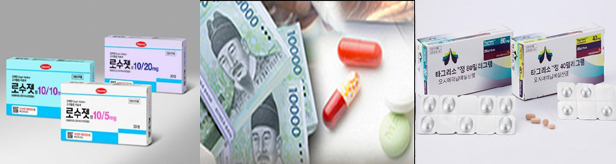
- Rosuzet and Tagrisso prescription soar amid COVID-19
- by Chon, Seung-Hyun Mar 20, 2020 06:25am
- Amid medical chaos caused by the 2019 novel coronavirus (COVID-19), outpatient prescription market has fluctuated dramatically. The prescription volumes of anticancer Tagrisso and cholesterol-lowering combination drug Rosuzet have apparently skyrocketed. Whereas off-patent drugs like Lipitor, Plavix and Crestor that used to show significant growth in volume, actually showed stagnant growth. According to pharmaceutical industry research firm UBIST on Mar. 17, Pfizer’s dyslipidemia treatment Lipitor has made 30.9 billion won in last January and February combined, topping the outpatient prescription volume rank. Although the volume was 1.6 percent lower than last year same time, it defended the first place title with a significant gap from the second place. Lipitor, released in the Korean market in 1999, has been prescribed the most to outpatients in two years straight from 2018 and continued to top the rank. Prescription volume of major drugs in January-February 2020 (Source: UBIST) AstraZeneca’s anticancer treatment Tagrisso has generated 15.8 billion won, with 26.1 percent jump from the year before, and ranked itself on the second place. Tagrisso is a second-line therapy prescribed to patients with non-small cell lung cancer (NSCLC), who have developed resistance in existing epidermal growth factor receptor tyrosine kinase inhibitors (EGFR TKIs), such as Iressa, Tarceva and Giotrif. The drug is considered a third-generation as it has overcome the drug resistance issue. After receiving National Health Insurance (NHI) reimbursement from in December 2017, Tagrisso’s prescription volume has been surging. Outstanding effect, compared to other alternative options, and administrative convenience have seemingly affected the treatment’s fast growing prescription volume. Leaping by 25.0 percent from last year same time, Hanmi Pharmaceutical’s Rosuzet has generated 14.9 billion won worth of prescription in January and February this year. A dyslipidemia-treating combination drug consisting of rosuvastatin and ezetimibe, Rosuzet was released to the market in late 2015. Hanmi Pharmaceutical was able to enter the market faster than other competitors by acquiring the rights over ezetimibe from the patent holder MSD, and it has been predominantly leading the same-substance market ever since. The combination drug has made 81 billion won from prescription last year. The research firm reported the noticeable finding was the stagnant growth of off-patent drugs that used to lead the prescription drug market. An anticoagulant by Sanofi-Aventis, Plavix has made 15.2 billion won over last two months with 0.2 percent increase from the year before. Compared to last year, AstraZeneca’s dyslipidemia treatment Cristor and Gilead’s Viread have recorded 6.5 percent and 24.5 percent decrease in prescription volumes, respectively. Novartis’ antihypertensive Exforge and Eisai’s Alzheimer’s disease treatment Aricept also had 2.6 percent and 6.1 percent dip in January-February combined prescription volumes in this and last year, respectively. The prescription volumes of Astellas’ benign prostatic hyperplasia treatment Harnal D, Bristol-Myers Squibb’s (BMS) hepatitis B treatment Baraclude, and Pfizer’s antihypertensive Norvasc have dropped as well. Multinational pharmaceutical companies’ off-patent drugs have been showing substantial prescription volumes until last year. In last year, Lipitor has grown 8.4 percent from the year before and generated 176.2 billion won. Plavix’ prescription volume reached 88.9 billion won last year with 17.3 percent surge from the year before. Some original drugs like Twynsta, Arisept and Exforge that compete against generics have also shown an increase in prescription last year than the year before. As the originals set pricing rage on par with generics, the prescribers’ preference on the originals went up as well. However, the research firm analyzed the originals’ prescription volume has diminished as the generics have performed better. The industry sees that a hike in the number of confirmed COVID-19 cases has influenced the prescription market. When the multinational pharmaceutical companies preemptively stopped visiting healthcare institutes due to the outbreak, the Korean pharmaceutical companies could have persuaded the prescribers to switch to generics. Another factor affecting the prescription volume cut could have been the drop in patient numbers visiting healthcare institute. Patients with chronic disease could have received prescription for a long term to avoid visiting their doctors. Pharmaceutical companies’ sales marketing pattern could be another factor affecting the prescription volume. Since the first positive COVID-19 case was confirmed on Jan. 20, increasing number of companies started to avoid visiting healthcare providers. And majority of pharmaceutical salespeople started working from home when the number of confirmed cases exploded since Feb. 19 after confirming the 31st case. The prescription volume could have fluctuated with a big change in sales strategy from the companies. Sources expect to see more stabilized prescription trend after March or April when the outbreak has been contained. A pharmaceutical industry expert noted, “Growing number of patients with mild health conditions seem to avoid visiting hospitals as the COVID-19 outbreak has not been contained for a long while. The changes in patient prescription and sales strategy would inevitably affect the prescription market even after March and April.”

- Policy
- New reimbursed price for Imfinzi, Venclaxta and Blincyto
- by Kim, Jung-Ju Mar 20, 2020 06:25am
- From next month, health insurance reimbursement would be granted on AstraZeneca Korea’s locally advanced non-small cell lung cancer (NSCLC) treatment Imfinzi (durvalumab) and AbbVie Korea’s chronic lymphocytic leukemia (CLL) treatment Venclaxta (venetoclax). Two treatments have accepted risk sharing agreement (RSA) terms set down on the negotiation table by Korea’s National Health Insurance Service (NHIS). Amgen’s leukemia treatment Blincyto (blinatumomab) would lower its price by four percent considering the financial impact for increased reimbursed use with expanded indication. According to pharmaceutical industry, Ministry of Health and Welfare (MOHW) is planning to revise the ‘List of Reimbursed Drugs and Maximum Reimbursed Price’ with the said changes. The revision would come in effect from Apr. 1. ◆Imfinzi: The immunotherapy has been approved to treat unresectable, locally advanced NSCLC patients with no progression after platinum-based concurrent chemoradiation therapy (CCRT). The company has submitted an application to Health Insurance Review and Assessment Service (HIRA) for reimbursement listing on Dec. 21, 2018, immediately after receiving an approval from Ministry of Food and Drug Safety (MFDS) in the same month. At a Cancer Deliberation Committee meeting convened in early November last year, HIRA has decided it would be feasible to provide reimbursement on the drug. The committee’s decision was based on clinical study proven clinical efficacy improved than placebo, and also the committee judged its cost-effectiveness would accept ICER value better than the placebo. The refund and expenditure cap type RSA, proposed by the company, was at an acceptable level. The refund type and expenditure cap type of RSA stipulate the applicant company to pay back a set amount of drug reimbursement claim to National Health Insurance Service (NHIS), and to return a certain ratio of the claimed amount exceeding the expected cap. The drug negotiated drug pricing with NHIS from then on to last month As a result, the reimbursed price of the drug would be at 3,350,930 won per 0.5 g and 804,223 won per 0.12 g. ◆Venclaxta: Venetoclax is an orally administered anticancer treatment used to treat CLL as third or later-line treatment, and it is approved as a monotherapy for patients with relapsed or refractory chronic lymphocytic leukemia (CLL) who have been treated with chemo-immunotherapy and B cell receptor inhibitor, previously. From last May last year, the pharmaceutical company has submitted a reimbursement application to HIRA, immediately after MFDS’ green light, and received a nod from Drug Reimbursement Evaluation Committee (DREC) in last December. DREC official said the treatment has demonstrated clinical efficacy and is eligible for pharmacoeconomic evaluation (PE)-exemption track. The three PE-exemption track qualifications include; an anticancer used for treating life-threatening disease with no alternative option at the same level of treatment; a treatment approved by MFDS based on single-group clinical data without placebo and has difficulty producing evidential data with limited number of patients; a treatment listed for reimbursement in at least three countries out of the seven countries the committee has chosen to refer their adjusted average values. A drug can qualify for the PE-exemption track after qualifying all three conditions. Then after, the company has successfully reached an agreement with NHIS last month on pricing negotiation under the expenditure cap type RSA. The reimbursed price would be at 4,469 won per 10 mg, 22,341 won per 50 mg, and 44,682 won per 100 mg. ◆Blincyto: The anticancer treatment has been approved to treat adult and pediatric patients with relapsed or refractory Philadelphia chromosome-positive or negative immature B cell acute lymphoblastic leukemia (ALL). From October 2016, the treatment has been provided with reimbursement in Korea for patients at age over 18. The company has applied for expanded reimbursement to HIRA in February last year, after expanding its indication to treat adult and pediatric patients with relapsed or refractory Philadelphia chromosome-positive acute ALL in January last year. At the June meeting convened last year, Cancer Deliberation Committee said selective reimbursement would be granted for remission consolidation therapy to reduce non-reimbursed criteria. The treatment already has essential coverage on its remission induction therapy indication. Its expanded reimbursement was finalized by Drug Reimbursement Evaluation Committee (DREC) in last December. DREC’s decision was based on the treatment’s clinical efficacy and its cost-effectiveness qualification for PE-exemption track for the expanded reimbursement. In this month, the company has finally reached an agreement on negotiated pricing with NHIS. The key was to lower the price by four percent to lessen the financial impact. The negotiated price was decided at 2,346,000 won, reduced from the original price of 2,442,800 won.
- Company
- Salespersons got worked up about pharmacy’s poor sales
- by Jung, Hye-Jin Mar 19, 2020 06:26am
- Pharmaceutical industry sales managers are also suffering from the economic downturn in the medical institution caused by the aftermath of COVID-19. This is due to the fact that some retail pharmacies refuse to pay monthly payments to pharmaceutical salesmen due to a decrease in prescriptions. Even at the end of February, quite a few managers had trouble collecting the bills. However, with the prolonged COVID-19 situation, there are not a few pharmacies that already have difficulty making payments in March, so pharmaceutical companies are suffering in silence. According to the pharmaceutical industry on the 18th, there are quite a few pharmacies that will delay drug payments to pharmaceutical companies due to sluggish sales. In particular, pharmacy managers not only provide product descriptions, but also discuss the details about pharmacy matters and help pharmacists and pharmacy staff, and even after COVID-19 , the main job changed from general medicine promotion to procurement and sales of masks. The biggest concern for pharmaceutical pharmacy managers right now is collection in March. It is known that a number of pharmacies are notifying that it will be difficult to make payments in March. In fact, it is known that the average prescription received in March has been reduced to less than 100 prescriptions/day in one ophthalmology center around Seoul. It is a prescription that came out in close to 300 cases/day in the same month last year. Another pharmacy located in Seoul, also said that prescriptions per day plummeted from 250 to 100 cases per day. Although it varies by region and condition, most pharmacies are suffering from a decrease in patient sales and a drop in prescription sales due to COVID-19. “We had a hard time collecting pharmacies in the last week, even last month when the COVID-19 issue began to take off”, said one pharmaceutical company representative. "Some employees delayed the payment of pharmaceutical companies because of difficulties in pharmacies, so it was said that they gave up about half of their pharmacies". As a result of summing up the prescription trends of the pharmacies he was charge of, the representative said that the decrease in sales was a general phenomenon in the pharmacy. In particular, pharmacies with more than half the number of prescriptions reduced are noticeable. "It's hard to whinge about this situation even worse at a pharmacy," said a representative in charge. Many pharmaceutical companies are working from home, but even this is far from Salespersons. Prior to the sale of public masks, pharmacies requested more masks, so some sales representatives lined up in front of markets and household goods stores to obtain masks. Since the pharmacy started selling public masks, there are a number of pharmaceutical companies in charge of mask packaging, social security number identification, and mask sales.
- Policy
- Antiepileptic drug Fycompa may face follow-on drugs soon
- by Lee, Tak-Sun Mar 19, 2020 06:26am
- Antiepileptic drug Fycompa Drugs using same substance as Eisai’s Fycompa film coated tablet, used to treat patients with partial-onset seizure, is preparing for a market release. Myung In Pharm and Whan In Pharm recently requested for negative scope confirmation on Fycompa’s crystalline form patent (to be expired on Oct. 14, 2026) to evade infringement. As the prescription volume of Fycompa has been steadily increasing, follow-on drug manufacturers are keeping a close eye on the legal proceeding. According to pharmaceutical sources on Mar. 18, Myung In has requested for a negative scope confirmation on Fycompa’s patent on Feb. 28, followed by Whan In on Mar. 13. Myung In and Whan In, prominent in the Korean central nervous system (CNS) market, are seemingly preparing for the first generic of Fycompa. However, a follow-on drug would have to wait more than three years or so to fully commercialize the drugs as Fycompa still has ongoing post-marketing surveillance (PMS) and substance patent in effect. Fycompa is a non-competitive α-amino-3-hydroxy-5-methylisoxazole-4-propionic acid (AMPA) glutamate receptor antagonist. It has been approved by Ministry of Food and Drug Safety as a new mechanism to treat epilepsy but it is a subject for PMS for six years. During the PMS period, approval application from a latecomer drugs are rejected. Fycompa’s PMS period is to end on July 9 next year. For Myung In and Whan In to receive preferential sales approval for an exclusively launched generic, it would be more advantageous for them to apply for it after July 10 next year. But even after its approval, the follow-on drug would face the barrier of substance patent. The patent is to expire on Oct. 13 2023. Myng In and Whan In have challenged the crystalline form patent, but they have not taken any action on the actual substance patent. The U.S. Food and Drug Administration (FDA) has approved Fycompa in 2017 as a monotherapy for treating partial-onset seizures with or without secondarily generalized seizures in people with epilepsy aged four and older. According to UBIST, the treatment’s outpatient prescription volume, started at around 2 billion won in 2017, has been growing up to 2.7 billion won and 3.4 billion won in 2018 and 2019, respectively. The industry sees that this once-daily treatment has potential to grow further with medication convenience for the patients, which is why the two Korean companies are assertively challenging the original.
- Policy
- Boryung’s imported quadrivalent vaccine gets greenlit
- by Lee, Tak-Sun Mar 19, 2020 06:26am
- After receiving an approval on imported quadrivalent influenza vaccine, Boryung Biopharma now owns three manufactured or imported vaccine items. Sources predict the Korean company would choose an item to launch and its quantity based on the purchase price. On Mar. 16, Ministry of Food and Drug Safety (MFDS) granted an approval on Boryung Biopharma’s quadrivalent influenza vaccine Afluria prefilled syringe. The vaccine is used on people aged over five years to adults for prevention of influenza virus type A and influenza virus type B infection. The quadrivalent vaccine targets two type A viruses and two type B viruses. It prevents one more type of viruses than the existing trivalent vaccines. So far, MFDS has approved 11 quadrivalent vaccines from nine companies including SK Bioscience, GC Pharma, GlaxoSmithKline (GSK), Sanofi Pasteur, Boryung Biopharma, Korea Vaccine, Ilyang Pharmaceutical and Dong-A ST. And among them, two are imported complete vaccines—Fluarix Tetra by GSK and Vaxigrip Tetra by Sanofi Pasteur. The newly approved Afluria is an imported complete vaccine Boryung Biopharma, which is manufactured by Seqirus, an Australian-based biotechnology company CSL Limited’s subsidiary. Boryung Biopharma also manufactures other quadrivalent influenza vaccines, such as Boryung V Tetra Vaccine and Boryung VII Tetra Vaccine. The company brings the source solutions from GC Pharma and Sanofi and fills the syringe with the vaccine at Jincheon plant. As a result, the Korean company owns total of three quadrivalent line-ups with two manufactured and one imported. The company official commented on Afluria and said, “The release date has not been set, yet. As we have some time left until the beginning of flu season in September, we would review the market situation thoroughly and decided on the release schedule.” The pharmaceutical industry predicts quadrivalent vaccine supply price could fluctuate with the heated competition in the market, and because the vaccine type is now a part of National Immunization Program (NIP) distributed through Public Procurement Service. Especially for Boryung Biopharma, the solution purchase price from GC Pharma and Sanoif could be affected depending on the related policy changes. Considering the prime cost of three approved vaccines, the Korean vaccine company is expected to enter the market with strategic price. According to IQVIA data, Boryung Biopharma’s quadrivalent vaccine sales volume from last year has reached 7.2 billion won. Currently, SK Bioscience and GC Pharma that manufacture both the solution and complete vaccine are topping the marketing by generating 13.1 billion won and 12.4 billion won, respectively. Whereas GSK importing the vaccines are closely tailing the two top companies by making 7.9 billion won. The quadrivalent vaccine market would have to see if Boryung Biopharma with competitive line-up would bring an impressive impact on the market with forthcoming pricing policy.
