- LOGIN
- MemberShip
- 2026-09-14 20:26:14
- MSA left unmanaged despite being a rare neurological disorder
- by Son, Hyung Min | translator Alice Kang | 2026-05-15 14:43:29
Concerns are being raised that multiple system atrophy (MSA), a fatal neurodegenerative disease characterized by faster progression and a heavier disability burden than Parkinson’s disease, still remains outside an independent rare disease management framework in Korea.
Unlike major overseas countries that operate separate registration and support systems, Korea still lacks even an accurate understanding of the patient population due to mixed disease coding and limited support measures.
At the recent “Denmark-Korea Roundtable on MSA Care” held at the Embassy of Denmark in Korea, domestic and international experts discussed the clinical characteristics of MSA, diagnostic limitations, gaps in long-term care, and the need for rare disease designation. Experts on movement disorders from both Korea and Denmark attended the event to share their management systems.

Mikael Hemniti Winther, Ambassador of Denmark to Korea, said in his welcoming remarks, “Patients with rare and intractable neurological diseases require not only access to treatment but also long-term care and social support systems. “I look forward to Denmark and Korea sharing clinical experiences and policy models to further develop patient-focused care systems.”
MSA is a progressive neurodegenerative disease in which multiple parts of the nervous system, including the basal ganglia, cerebellum, and brainstem, atrophy simultaneously. While it begins with symptoms similar to Parkinson’s disease, such as stiffness and slowed movement, as the disease progresses, autonomic nervous system abnormalities rapidly develop, including orthostatic hypotension, urinary dysfunction, sleep disorders, and respiratory difficulties.
As a result, the disease shows limited response to levodopa-based therapies commonly used for Parkinson’s disease, while symptom progression is significantly faster. According to existing data, the average survival period for MSA patients is known to be approximately 6 to 10 years after symptom onset, and it is not uncommon for patients to require walking aids or wheelchairs within a few years of diagnosis.
Professor Do-Young Kwon of the Department of Neurology at Korea University Ansan Hospital said, “Although MSA is rare enough to be classified as a rare disease, its clinical and social impact is extremely severe. MSA patients suffer not only from Parkinsonian symptoms but also cerebellar ataxia, autonomic dysfunction, and sleep disorders, and many progress to severe disability within a few years.”
Currently, Korean healthcare big data estimates the number of MSA patients at fewer than 3,000 as of 2024. However, in actual clinical practice, many cases are reportedly registered and managed under the Parkinson’s disease code (G20). Academia views this code overlap as one of the major reasons why the true patient population and disease burden are not properly reflected.
There are also significant differences in MSA management compared with other countries. The United States operates incentives for MSA drug development under the Orphan Drug Act, while Japan has established patient registration and medical expense support systems through its designated intractable disease framework. Europe likewise operates national-level management systems based on rare disease coding and research networks.
In contrast, Korea does not manage MSA within a separate rare disease framework, leading to insufficient support systems tailored to the disease’s characteristics, including long-term rehabilitation, palliative care, and sleep and respiratory management.
Rapid progression and complex symptoms…limits of treating MSA the same as Parkinson’s disease
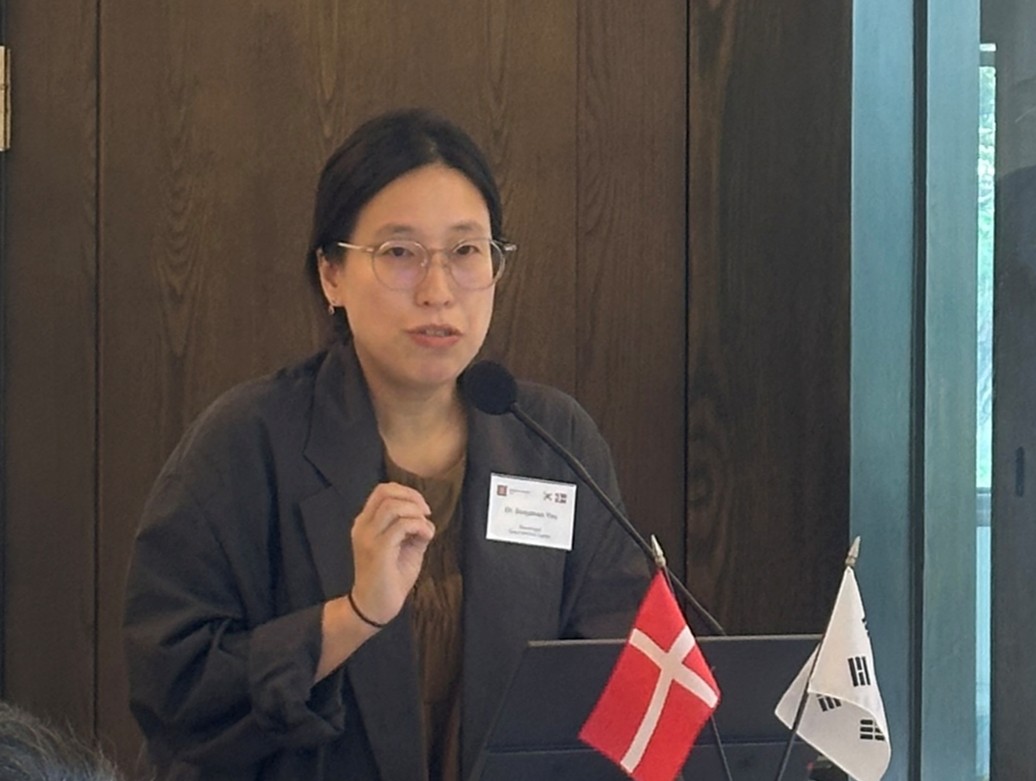
Professor Sooyeon Yoo of the Department of Neurology at Seoul Medical Center emphasized that diagnosing MSA itself is not easy.
Professor Yoo explained, “MSA often presents symptoms very similar to Parkinson’s disease in the early stages. In some patients, characteristic autonomic nervous system abnormalities or imaging changes only appear after specific symptoms have progressed, so delayed diagnosis is common.”
In clinical practice, it reportedly takes an average of 3-4 years to reach an accurate diagnosis. The problem is that during this period, patients may remain in a treatment gap without appropriate rehabilitation or long-term care planning.
Professor Yoo said, “MSA patients experience severe declines in quality of life due to sudden fainting, falls, urinary dysfunction, and impaired temperature regulation. It places a significant psychological and financial burden not only on patients but also on their caregivers.”
She added, “Since there is currently no fundamental treatment capable of slowing disease progression, it is important to establish support systems that integrate rehabilitation, respiratory care, sleep management, and palliative care over the long term. We need a structure within the public healthcare system that ensures patients receive continuous care.”
Professor Jinyoung Youn of the Department of Neurology at Samsung Medical Center also pointed out the limitations of the current system, which manages MSA at the same level as Parkinson’s disease.
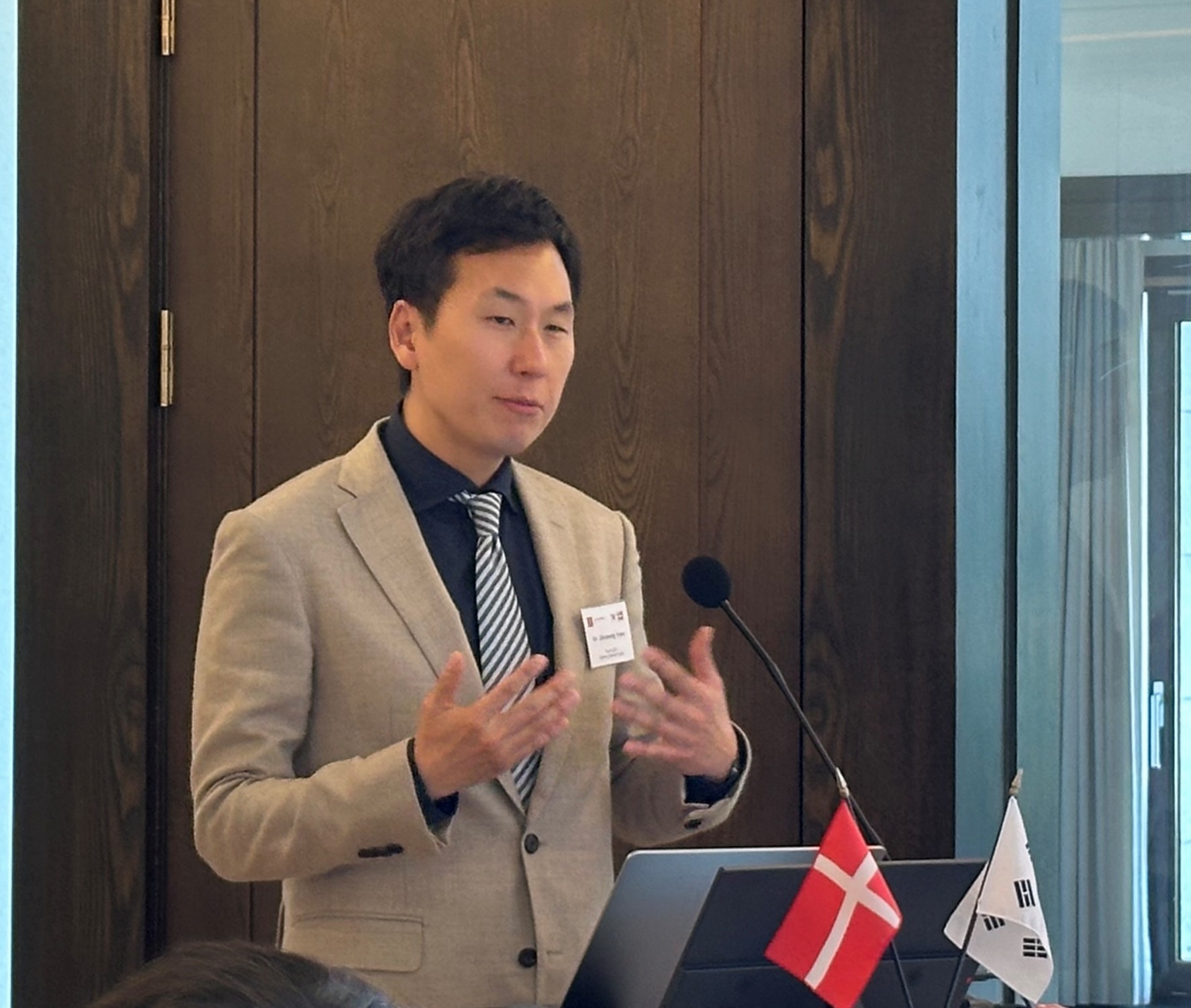
“Many Parkinson’s disease patients are able to maintain daily life for long periods through medication management, MSA involves a much more rapid decline in physical function. There are currently no medications available to improve cerebellar symptoms.”
He further explained that because MSA presents with a complex combination of symptoms, a single-department approach has clear limitations. In fact, some medications may alleviate Parkinson’s symptoms but exacerbate others, such as orthostatic hypotension or constipation.
Professor Youn said, “It is common for drugs used to control one symptom to aggravate another. A multidisciplinary approach involving not only neurology but also urology, pulmonology, rehabilitation medicine, and sleep medicine is essential.”
In particular, he pointed out that a significant portion of the rehabilitation, sleep therapy, respiratory support, and long-term care services required by MSA patients are still not adequately covered under the current system.
Professor Youn noted, “MSA patients often develop the disease at relatively younger ages and tend to preserve cognitive function comparatively well. As a result, many do not fit well within existing long-term care facilities or dementia-centered caregiving systems.”
The Danish case stood in contrast to Korea’s current reality.
Professor Anne-Mette Hejl of Bispebjerg-Frederiksberg Hospital in Denmark stated, “In Denmark, neurologists, specialized nurses, physical and occupational therapists, and neuropsychology experts collaboratively manage MSA patients. Depending on the patient’s condition, services are linked to telemedicine, home care, and hospice care.”

In practice, Denmark operates a system that reduces caregiving burdens for patients and families through follow-up observations every 3 months, extended consultations, and connections to home-based services. When hospital visits become difficult, patients are transitioned to telemedicine and community-based care systems.
To date, there are no treatments available that can fundamentally slow or halt the progression of MSA itself. Consequently, experts generally agree that the importance of early diagnosis, rehabilitation, respiratory and sleep management, and long-term care systems is becoming increasingly prominent.
Meanwhile, global pharmaceutical companies continue to develop therapies aimed at suppressing MSA progression. Lundbeck’s “Amlenetug” has entered global phase 3 clinical trials, while Teva’s “Emrusolmin,” BioArctic’s “Exidavnemab,” and Alterity Therapeutics’ “ATH434” are also in clinical development stages.
Experts believe that if disease-modifying therapies become available in the future, the importance of early diagnosis and national patient registration systems will grow even further.
-

- 0
댓글 운영방식은
댓글은 실명게재와 익명게재 방식이 있으며, 실명은 이름과 아이디가 노출됩니다. 익명은 필명으로 등록 가능하며, 대댓글은 익명으로 등록 가능합니다.
댓글 노출방식은
댓글 명예자문위원(팜-코니언-필기모양 아이콘)으로 위촉된 데일리팜 회원의 댓글은 ‘게시판형 보기’와 ’펼쳐보기형’ 리스트에서 항상 최상단에 노출됩니다. 새로운 댓글을 올리는 일반회원은 ‘게시판형’과 ‘펼쳐보기형’ 모두 팜코니언 회원이 쓴 댓글의 하단에 실시간 노출됩니다.
댓글의 삭제 기준은
다음의 경우 사전 통보없이 삭제하고 아이디 이용정지 또는 영구 가입제한이 될 수도 있습니다.
-
저작권·인격권 등 타인의 권리를 침해하는 경우
상용 프로그램의 등록과 게재, 배포를 안내하는 게시물
타인 또는 제3자의 저작권 및 기타 권리를 침해한 내용을 담은 게시물
-
근거 없는 비방·명예를 훼손하는 게시물
특정 이용자 및 개인에 대한 인신 공격적인 내용의 글 및 직접적인 욕설이 사용된 경우
특정 지역 및 종교간의 감정대립을 조장하는 내용
사실 확인이 안된 소문을 유포 시키는 경우
욕설과 비어, 속어를 담은 내용
정당법 및 공직선거법, 관계 법령에 저촉되는 경우(선관위 요청 시 즉시 삭제)
특정 지역이나 단체를 비하하는 경우
특정인의 명예를 훼손하여 해당인이 삭제를 요청하는 경우
특정인의 개인정보(주민등록번호, 전화, 상세주소 등)를 무단으로 게시하는 경우
타인의 ID 혹은 닉네임을 도용하는 경우
-
게시판 특성상 제한되는 내용
서비스 주제와 맞지 않는 내용의 글을 게재한 경우
동일 내용의 연속 게재 및 여러 기사에 중복 게재한 경우
부분적으로 변경하여 반복 게재하는 경우도 포함
제목과 관련 없는 내용의 게시물, 제목과 본문이 무관한 경우
돈벌기 및 직·간접 상업적 목적의 내용이 포함된 게시물
게시물 읽기 유도 등을 위해 내용과 무관한 제목을 사용한 경우
-
수사기관 등의 공식적인 요청이 있는 경우
-
기타사항
각 서비스의 필요성에 따라 미리 공지한 경우
기타 법률에 저촉되는 정보 게재를 목적으로 할 경우
기타 원만한 운영을 위해 운영자가 필요하다고 판단되는 내용
-
사실 관계 확인 후 삭제
저작권자로부터 허락받지 않은 내용을 무단 게재, 복제, 배포하는 경우
타인의 초상권을 침해하거나 개인정보를 유출하는 경우
당사에 제공한 이용자의 정보가 허위인 경우 (타인의 ID, 비밀번호 도용 등)
※이상의 내용중 일부 사항에 적용될 경우 이용약관 및 관련 법률에 의해 제재를 받으실 수도 있으며, 민·형사상 처벌을 받을 수도 있습니다.
※위에 명시되지 않은 내용이더라도 불법적인 내용으로 판단되거나 데일리팜 서비스에 바람직하지 않다고 판단되는 경우는 선 조치 이후 본 관리 기준을 수정 공시하겠습니다.
※기타 문의 사항은 데일리팜 운영자에게 연락주십시오. 메일 주소는 dailypharm@dailypharm.com입니다.